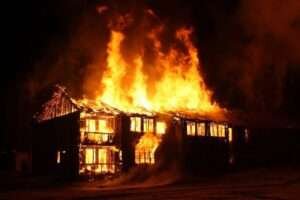
Weddings and special events are important occasions for families and communities. In Pakistan, celebrations often include elaborate decorations, lighting arrangements, catering services, generators, temporary stages, marquees, and large gatherings of guests. Although these arrangements make an event memorable, they can also introduce fire hazards if safety is overlooked.
Wedding and event fire safety is not only the responsibility of venue owners. Homeowners hosting celebrations, event planners, caterers, decorators, and other service providers all have a role in creating a safer environment. Even a small gathering can involve electrical equipment, cooking appliances, candles, decorative materials, or temporary structures that require careful planning.
A reliable fire alarm system in Pakistan can contribute to early warning where a suitable system is required, but it is only one part of an effective safety plan. Clear exits, appropriate fire protection equipment, safe electrical arrangements, and well-informed staff are equally important.
This guide explains ten practical things homeowners and event organizers should know about wedding and event fire safety.
1. Identify Fire Hazards Before the Event
The best time to address fire risks is before guests arrive. Event preparations can introduce hazards that are not normally present in a home or venue.
Temporary lighting, sound systems, decorative installations, catering equipment, extension cables, and generators can increase the complexity of an event. Decorations may also include fabric, paper, artificial flowers, cardboard, and other materials that can burn.
Before finalizing the event layout, inspect the planned areas and identify potential hazards.
Pay attention to:
– Electrical equipment and temporary wiring.
– Cooking and food preparation areas.
– Decorative materials near heat sources.
– Candles and other open flames, where used.
– Generators and fuel-related arrangements.
– Storage areas containing packaging or combustible materials.
– Emergency exits and walking routes.
– Access for emergency responders.
Ask qualified professionals to review electrical installations and other technical arrangements when necessary. Do not rely on improvised repairs or overloaded electrical connections.
Homeowners should also discuss safety responsibilities with decorators, caterers, and event planners before work begins. Everyone involved should understand which areas must remain clear and which safety rules apply.
A simple pre-event risk assessment can help identify problems while there is still time to correct them.
2. Choose a Venue With Appropriate Fire Safety Measures
The venue plays a major role in event safety. A location may look attractive and offer enough space for decorations, seating, and entertainment, but appearance alone does not demonstrate that it is safe.
When selecting a wedding hall, banquet hall, marquee, hotel, community centre, or outdoor location, ask about its fire safety arrangements.
Important questions include:
– Are emergency exits available and accessible?
– Is a suitable fire detection and alarm system installed where required?
– Are fire extinguishers and other necessary safety systems maintained?
– Is emergency lighting provided where required?
– Does the venue have a documented evacuation procedure?
– Is the planned guest count appropriate for the premises?
– Can emergency vehicles reach the property?
– Are staff familiar with the venue’s emergency arrangements?
For events at home, homeowners should consider whether the available space, exits, and access routes are suitable for the number of guests expected.
For larger events, it is sensible to seek advice from the venue’s safety representative or a qualified fire safety professional.
Requirements can differ by location and building type. In Pakistan, relevant local authorities may establish requirements for commercial venues and temporary structures. For example, the Capital Development Authority publishes parameters for marriage and event halls that refer to fire and safety standards under the Building Code of Pakistan (Fire Safety Provisions 2016). “Source: Capital Development Authority” (https://cda.gov.pk/public/Assets/pdf/1699885128_c7e7d946_2906_4bb8_9790_b8ad3cad77b6_.pdf).
Choosing a suitable venue helps create a safer foundation for the entire celebration.
3. Use a Suitable Fire Alarm System
A fire may begin in a kitchen, electrical room, storage area, or another part of a venue without immediately attracting attention. An appropriate alarm system can warn occupants and help them begin evacuation sooner.
The right system depends on the type of building, its size, occupancy, layout, and potential fire hazards. Depending on the assessment, a system may include smoke detectors, heat detectors, manual alarm points, a control panel, audible alarms, visual notification devices, and backup power.
When considering a fire alarm system in Pakistan, homeowners and event organizers should remember that different premises have different requirements.
A large banquet hall may need a more comprehensive arrangement than a small private gathering. A temporary marquee may also require a specific safety assessment that considers its structure, occupancy, exits, electrical arrangements, and other hazards.
Before an event:
– Confirm that the venue’s installed alarm system is operational.
– Ensure decorations do not cover detectors or alarm devices.
– Keep alarm equipment accessible.
– Ask venue management how guests will be notified in an emergency.
– Arrange professional inspection if a fault is reported.
– Avoid disabling alarms because of event decorations or entertainment arrangements.
The Punjab Civil Defence Department lists fire detection and alarm systems among the fire safety measures included in its inspection mandate for relevant premises. “Source: Punjab Civil Defence” (https://civildefence.punjab.gov.pk/inspection_of_fire_safety_measures).
A fire alarm should support a clear evacuation plan rather than being treated as a complete solution on its own.
4. Keep Decorations Away From Fire Hazards
Decorations are an important part of many Pakistani weddings. Floral arrangements, fabric backdrops, stage decorations, hanging ornaments, paper displays, and decorative lighting can transform a venue.
However, decorations should be planned with fire safety in mind. Some materials can burn easily, and decorations placed incorrectly may obstruct exits or cover safety equipment.
Homeowners and event planners should:
– Keep decorations away from cooking equipment and other heat sources.
– Avoid placing combustible materials near unsuitable electrical installations.
– Ensure stage backdrops do not obstruct exits.
– Keep exit signs, detectors, and alarm devices visible.
– Avoid covering extinguishers or other safety equipment.
– Ensure hanging decorations do not interfere with emergency lighting.
– Ask the venue whether proposed decorative materials are permitted.
Battery-operated decorative lighting may be appropriate in some situations, but it should still be used according to the manufacturer’s instructions and checked for damage.
Candles and other open flames require particular caution. Consider flameless alternatives, especially where decorations, fabrics, or crowds are nearby.
Decorators should be informed that safety devices and escape routes must remain unobstructed throughout setup and the event itself.
Good decoration planning allows a celebration to look attractive without compromising the ability of guests to reach safety.
5. Maintain Electrical and Generator Safety
Weddings and other events often require additional electrical equipment for lights, speakers, displays, cameras, air conditioning, catering, and entertainment.
These temporary arrangements can create hazards if the equipment is damaged, unsuitable for the load, or installed incorrectly.
Electrical work should be handled by qualified personnel. Homeowners and event organizers should not attempt improvised repairs or allow unqualified workers to modify electrical systems.
Useful precautions include:
– Inspecting equipment for visible damage before use.
– Ensuring temporary installations are professionally arranged.
– Avoiding overloaded sockets and unsuitable extension leads.
– Keeping cables organised and away from areas where they may be damaged.
– Protecting electrical equipment from inappropriate exposure to water.
– Keeping electrical panels accessible.
– Following manufacturer instructions for all equipment.
Generators also need careful planning. Their location, ventilation, fuel-related arrangements, and electrical connections should be managed by competent personnel.
Keep guests away from generator operating areas and ensure the arrangement does not obstruct designated escape routes or emergency access.
If equipment appears damaged or creates a suspicious burning smell, it should be reported immediately. Stop using affected equipment when it is safe to do so, and seek professional assistance.
Electrical and generator safety should be reviewed before the event starts, not after guests have arrived.
6. Keep Emergency Exits and Escape Routes Clear
During a fire, people need a clear way to leave the affected building or event area. Blocked exits can delay evacuation and increase confusion.
Wedding preparations sometimes involve placing extra chairs, boxes, stage equipment, flower arrangements, catering supplies, or decorative screens in corridors and near doors. These items should never obstruct designated escape routes.
Before the event begins, confirm that:
– Emergency exits are accessible.
– Corridors and stairways are free from unnecessary obstacles.
– Exit signs are visible.
– Emergency lighting is functional where required.
– Doors can be used as intended under the venue’s safety arrangements.
– Guests can reach designated exits without passing through unsafe areas.
– Emergency access routes remain available to responders.
Homeowners should also think about the needs of children, older guests, and people with disabilities when planning exits and evacuation arrangements.
At a crowded event, guests may not know the building layout. Staff should therefore be prepared to direct people towards safe exits.
If smoke or fire makes a route unsafe, people should use another safe, designated route when available. They should not enter an affected area simply because it is the nearest exit.
Clear escape routes are a basic but essential part of event safety.
7. Manage Catering and Cooking Areas Carefully
Food is central to many weddings and celebrations, and catering arrangements may involve commercial cooking equipment, hot surfaces, electrical appliances, gas-powered equipment, and temporary preparation areas.
These activities require appropriate supervision and maintenance.
Cooking equipment should be operated by responsible, trained personnel in designated areas. Catering staff should follow the equipment manufacturer’s instructions and the venue’s safety procedures.
Important precautions include:
– Keeping combustible packaging away from cooking equipment.
– Maintaining clean cooking and preparation areas.
– Ensuring ventilation arrangements are suitable.
– Keeping unnecessary materials away from heat sources.
– Arranging professional maintenance of relevant equipment.
– Separating guest movement from cooking and service areas where appropriate.
– Ensuring staff understand how to report an unsafe condition.
If catering takes place in a temporary structure or outdoor area, the organiser should confirm that the arrangement is suitable for the equipment and number of people involved.
Do not improvise gas connections or attempt technical repairs during an event. Suspected leaks or other serious hazards require immediate attention, following the venue’s emergency procedure and instructions from qualified professionals.
Catering safety should be included in the event plan from the beginning, especially when food preparation occurs near guests or decorative materials.
8. Prepare an Emergency Plan for Guests and Staff
An emergency plan helps people understand what to do if a fire or another serious incident occurs.
At a wedding, guests may be unfamiliar with the venue, distracted by entertainment, or spread across several rooms and outdoor areas. Staff should therefore know how to communicate an emergency clearly.
A suitable plan should identify:
– How to raise the alarm.
– Who contacts emergency services.
– Which exits and evacuation routes are available.
– Where guests should assemble after leaving.
– Who guides guests towards safety.
– How people who need additional assistance will be supported.
– Who communicates with emergency responders.
– How staff confirm whether people are accounted for, without delaying evacuation.
Event organisers should discuss the plan with venue management before the event. Staff should understand their responsibilities and know that protecting people takes priority over belongings, decorations, and business equipment.
An evacuation drill may be appropriate for larger venues or events, according to applicable requirements and the safety assessment. At minimum, relevant staff should be briefed on the evacuation procedure before guests arrive.
If a fire alarm sounds, guests should take it seriously, follow the venue’s instructions, and move towards a safe exit. Nobody should return to the building until responsible authorities indicate that it is safe.
A well-communicated plan can reduce confusion and support a more orderly response.
9. Check Fire Protection Equipment Before Guests Arrive
Fire protection equipment should be suitable for the hazards present and maintained in accordance with applicable requirements.
Depending on the venue and its assessment, equipment may include portable fire extinguishers, fire blankets where appropriate, fixed suppression systems, sprinklers, hydrants, emergency lighting, and alarm systems.
The presence of equipment alone is not enough. It must be suitable, accessible, and properly maintained.
Before the event, venue management should confirm that:
– Relevant equipment is in its designated location.
– Access to equipment has not been blocked by decorations or furniture.
– Required inspections and servicing have been completed.
– Alarm faults have been addressed.
– Emergency lighting and exit signs are functional where required.
– Staff know where safety equipment is located.
– Any reported problems have been referred to competent personnel.
The type of extinguisher needed depends on the potential fire. An extinguisher suitable for one kind of fire may be inappropriate for another, so selection and placement should be professionally assessed.
Guests and untrained staff should not be expected to fight a fire. If a fire develops, raising the alarm, evacuating people, and contacting emergency services are the priorities.
Regular maintenance and a pre-event safety review help ensure that protection measures are ready when needed.
10. Review Safety Throughout the Event
Fire safety does not end when the decorations are complete or the first guests arrive. Conditions can change throughout a celebration.
Additional chairs may be brought into a room, temporary equipment may be moved, or delivery boxes may accumulate near a service entrance. These small changes can create hazards if nobody monitors them.
Assign a responsible adult or designated venue staff member to monitor safety arrangements during the event.
Their responsibilities may include:
– Checking that emergency exits remain clear.
– Reporting damaged or overheating equipment.
– Ensuring safety devices are not covered.
– Keeping guests away from restricted service areas.
– Watching for unsafe storage or temporary obstructions.
– Confirming that staff know the emergency procedure.
– Communicating concerns to venue management promptly.
For larger events, a formal safety coordinator may be appropriate depending on the scale and applicable requirements.
The organiser should also ensure that event changes do not exceed the venue’s permitted capacity or compromise emergency access.
If an unsafe condition develops, it should be addressed promptly by the responsible person. Serious hazards may require stopping the affected activity or evacuating the area.
A short safety review before the event, followed by responsible monitoring, can help keep precautions effective from setup through the end of the celebration.
A Practical Wedding and Event Fire Safety Checklist
Use this general checklist before a celebration. It supplements, rather than replaces, a professional assessment or legal requirements.
Venue and access
– Confirm the venue is suitable for the planned number of guests.
– Identify designated exits and the assembly point.
– Keep emergency access routes unobstructed.
– Ask about the venue’s emergency plan.
Alarms and equipment
– Confirm that required fire alarm arrangements are operational.
– Ensure detectors and alarm devices are unobstructed.
– Check that fire protection equipment is accessible.
– Confirm that maintenance concerns have been addressed.
Decorations and electricity
– Keep decorations away from unsuitable heat sources.
– Ensure temporary electrical work is professionally arranged.
– Keep cables and equipment in good condition.
– Arrange generators and catering equipment safely.
People and communication
– Brief staff on their emergency responsibilities.
– Ensure guests can receive clear evacuation instructions.
– Consider people who may need assistance.
– Keep emergency contact information available.
The Importance of a Fire Alarm System in Pakistan
A fire alarm system in Pakistan can provide an important layer of protection for wedding halls, banquet venues, hotels, commercial event spaces, and other premises where people gather.
The appropriate system depends on the building, its use, its layout, and applicable regulations. Professional assessment helps determine the suitable detection devices, notification methods, installation arrangements, and maintenance schedule.
Homeowners hosting private events should also consider the existing fire risks in their homes and ensure that any installed alarms remain operational.
However, a fire alarm cannot replace clear exits, safe electrical installations, appropriate fire protection equipment, trained staff, and an emergency plan. These measures should work together.
For larger or commercial events, organisers should confirm the relevant requirements with local authorities and venue management. Punjab Civil Defence identifies fire alarms, firefighting arrangements, fire safety plans, and emergency evacuation plans among the safety measures relevant to its inspection mandate. Requirements may differ across Pakistan, so local guidance is important.
Conclusion
Wedding and event fire safety is an essential part of responsible planning. Electrical installations, generators, cooking areas, decorations, crowded spaces, and temporary structures can introduce hazards that deserve attention before a celebration begins.
Homeowners and organisers can improve preparedness by identifying risks, choosing a suitable venue, maintaining alarm systems, keeping exits clear, managing catering safely, and briefing staff on emergency procedures.
A reliable fire alarm system in Pakistan can support early warning, but it should be part of a broader safety arrangement that protects guests, staff, and property.
The most important principle is simple: plan ahead, take hazards seriously, and make sure everyone knows how to reach safety if an emergency occurs.
Frequently Asked Questions (FAQs)
1. Why is