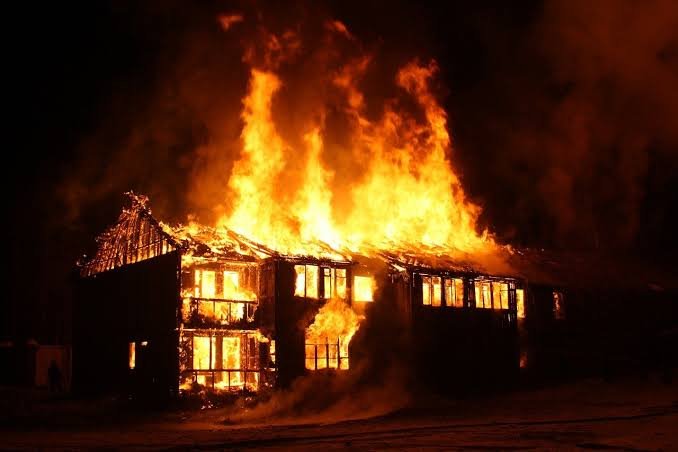
A home should be a safe and comfortable place for every family member. However, everyday activities such as cooking, using electrical appliances, charging devices, operating gas equipment, and running backup power systems can create fire hazards when safety precautions are overlooked.
Home fire safety is not just about keeping a fire extinguisher nearby. It involves preventing common hazards, detecting smoke early, maintaining electrical and gas equipment, keeping escape routes clear, and ensuring that everyone knows what to do during an emergency.
In Pakistan, households may use a variety of electrical appliances, gas cooking equipment, UPS systems, generators, and other devices that require proper installation and maintenance. Understanding how these systems can create risks helps families make informed decisions about their homes.
A suitable fire alarm system in Pakistan can provide an important early warning, but it works best alongside safe household habits and a clear emergency plan.
This guide explains ten important aspects of home fire safety to help homeowners create a safer environment for their families.
1. Understand Common Causes of Home Fires
The first step towards fire prevention is identifying the hazards that may exist inside and around your home.
Kitchens, electrical installations, heating equipment, storage areas, and garages can all present fire risks. Problems often develop when equipment is damaged, materials are stored incorrectly, or routine maintenance is neglected.
Common household hazards include:
– Damaged electrical wiring and appliance cords.
– Overloaded sockets and unsuitable extension leads.
– Cooking equipment left unattended.
– Combustible materials stored near heat sources.
– Poorly maintained gas appliances.
– Unsafe generator or backup power installations.
– Candles and other open flames placed near combustible items.
– Accumulated waste, paper, and cardboard.
– Matches and lighters left within children’s reach.
Walk through your home and consider the potential hazards in each room. Check the kitchen, bedrooms, living areas, storage spaces, balconies, and any garage or utility area.
If you notice damaged wiring, faulty appliances, or problems with gas equipment, arrange an inspection by a qualified professional. Avoid temporary repairs that may leave the underlying problem unresolved.
Households should also review their fire risks whenever they renovate, install new appliances, or change how a room is used.
Identifying hazards early can help prevent avoidable incidents and make the home safer for everyone.
2. Install Suitable Smoke Detectors and Fire Alarms
Early warning is one of the most important elements of home fire safety. A fire may begin in a room that nobody is using, and smoke can spread before a family member notices the problem.
Smoke detectors identify smoke and provide an audible warning. More comprehensive fire alarm systems may include detectors, control panels, alarm sounders, manual alarm points, visual notification devices, and backup power, depending on the property’s requirements.
When choosing a fire alarm system in Pakistan, homeowners should consider the size and layout of the property, the number of floors, the locations of sleeping areas, and the type of protection needed.
Useful considerations include:
– Selecting suitable smoke alarms for residential use.
– Following manufacturer guidance on placement.
– Considering alarms on each level of the home.
– Placing alarms inside bedrooms and outside sleeping areas, where recommended by applicable guidance.
– Ensuring alarms can be heard by household members.
– Using interconnected alarms where suitable.
– Testing alarms according to the manufacturer’s instructions.
– Replacing batteries or devices as required.
Heat detectors may be more suitable than ordinary smoke detectors in some locations where cooking smoke or steam could cause unwanted alarms. A qualified professional can help determine the right arrangement.
The Directorate General of Civil Defence in Pakistan highlights smoke detectors and fire extinguishers as useful forms of home fire protection. “Source: Directorate General of Civil Defence” (https://civildefence.gov.pk/wp-content/uploads/2018/09/6th-Mag.pdf).
Remember that installing an alarm is only the first step. Regular testing and maintenance help ensure that it remains ready to provide a warning when needed.
3. Practise Safe Cooking Habits
Cooking is an essential daily activity, but kitchens contain several potential fire hazards. Hot surfaces, cooking oils, gas appliances, electrical equipment, and combustible packaging can become dangerous when handled carelessly.
A few simple habits can help reduce these risks.
Always pay attention when cooking, particularly when using high heat. If you need to leave the kitchen, make sure cooking equipment is left in a safe condition. Keep tea towels, paper packaging, plastic bags, and other combustible materials away from hot surfaces.
Additional precautions include:
– Keeping cooking areas clean and free from unnecessary clutter.
– Maintaining appliances according to manufacturer instructions.
– Ensuring that suitable ventilation is available.
– Keeping children away from hot cooking equipment.
– Checking that gas appliances are maintained appropriately.
– Keeping exits and walkways clear of stored kitchen items.
– Reporting damaged equipment or suspicious smells promptly.
Never pour water onto burning cooking oil. If a cooking fire develops, do not attempt to handle it if doing so could put you at risk. Raise the alarm, evacuate, and contact the appropriate emergency service.
Families should also ensure that everyone understands how to leave the kitchen safely if smoke or flames appear.
Good cooking habits reduce preventable risks and help maintain a safer home environment.
4. Maintain Electrical Safety Throughout the Home
Modern homes depend on electrical appliances for lighting, cooling, refrigeration, entertainment, cooking, and communication. When electrical equipment is damaged or used incorrectly, it can become a fire hazard.
Overloaded sockets, unsuitable extension leads, frayed cords, loose connections, and poorly installed wiring can all create problems.
Homeowners should arrange electrical installation and repair work through qualified electricians rather than attempting technical repairs without appropriate knowledge.
Follow these basic precautions:
– Check appliances and cables for visible damage.
– Avoid overloading electrical outlets.
– Use extension leads only as intended by the manufacturer.
– Keep electrical equipment away from water unless specifically designed for that environment.
– Do not run cords under rugs or carpets where damage may go unnoticed.
– Keep electrical panels accessible.
– Replace damaged equipment rather than continuing to use it.
– Seek professional advice about frequently tripping circuit breakers or other recurring faults.
Pay attention to warning signs such as burning smells, unusual heat, buzzing sounds, or visible damage around electrical equipment. If a serious electrical hazard is suspected, keep away from the affected area and seek qualified assistance.
Electrical safety also applies to UPS systems, inverters, batteries, and generators. These should be installed, ventilated, and maintained according to manufacturer instructions and relevant safety requirements.
Routine inspection can help identify faults before they create a more serious problem.
5. Use Gas Appliances and Generators Responsibly
Some households in Pakistan rely on gas appliances, generators, UPS systems, or other backup arrangements to support daily activities.
These systems require appropriate installation, maintenance, and ventilation. Unsafe connections, neglected servicing, or unsuitable operating locations can create serious hazards.
For gas appliances, homeowners should:
– Arrange installation and repairs through qualified technicians.
– Follow the manufacturer’s operating instructions.
– Keep appliances properly maintained.
– Ensure that ventilation requirements are met.
– Keep combustible materials away from heat sources.
– Report suspected leaks immediately.
If you suspect a gas leak, follow the relevant emergency guidance, avoid operating electrical switches or creating ignition sources in the affected area, move everyone away from danger, and contact the appropriate emergency service or gas provider from a safe location.
Generators must be operated in suitable locations with proper ventilation. They should never be run inside living areas or other enclosed spaces because exhaust can contain carbon monoxide, a dangerous gas that cannot be reliably detected by smell.
Generator placement, fuel arrangements, and electrical connections should be handled according to professional guidance and manufacturer instructions.
Do not attempt to repair a suspected gas or electrical fault during an emergency. Prioritise moving people to safety and contacting qualified assistance.
Responsible operation and maintenance help protect both the home and the people living in it.
6. Keep Fire Safety Equipment Accessible
Suitable fire protection equipment can be a useful part of a household safety plan. However, equipment must match the potential hazards and be maintained correctly.
Depending on the home and its risks, equipment may include appropriate fire extinguishers, smoke alarms, and fire blankets where suitable.
Different extinguishing agents are designed for different types of fires. A product suitable for ordinary combustible materials may not be suitable for a cooking-oil fire or an electrical hazard. Homeowners should obtain professional advice when selecting equipment.
Keep safety equipment in accessible locations and ensure it is not hidden behind furniture or stored beneath piles of household items.
Important precautions include:
– Selecting equipment suitable for the intended hazard.
– Following manufacturer instructions.
– Checking inspection and service requirements.
– Replacing defective or expired equipment as directed.
– Keeping children from playing with safety equipment.
– Ensuring household members know where equipment is located.
A fire extinguisher should never be treated as a reason to delay evacuation. If a fire is spreading, smoke is increasing, or the exit route may become unsafe, leave immediately and contact emergency services.
Children and untrained household members should not be expected to fight fires. Their priority should be getting out and reaching the designated meeting point.
Safety equipment is most effective when it forms part of a broader plan that includes prevention, early warning, and evacuation.
7. Create a Home Fire Escape Plan
Every household should have a simple fire escape plan. During an emergency, people may become confused, particularly if they are asleep, in different rooms, or unfamiliar with an alternative exit.
A plan helps everyone understand how to leave the property safely.
Start by walking through the home with family members and identifying the main exit and any suitable alternative route from each room. Make sure doors, corridors, and windows intended for escape are not blocked.
Your plan should identify:
– Primary and alternative escape routes.
– Doors and windows that can be used safely.
– The location of smoke alarms.
– An outdoor meeting place a safe distance from the building.
– Who will contact emergency services once safely outside.
– Any household members who may need assistance.
– How visitors will be informed about the plan.
If your home has more than one floor, consider how everyone will reach safety from upper-level rooms. Seek professional advice about suitable escape arrangements where needed.
Households living in apartments or high-rise buildings should also understand their building’s emergency procedures. Follow the building’s designated evacuation guidance and never assume that an elevator is safe to use during a fire.
Practise the escape plan regularly so everyone becomes familiar with it. The U.S. Fire Administration recommends identifying exits, choosing an outdoor meeting place, and practising home fire drills. “Source: U.S. Fire Administration” (https://www.usfa.fema.gov/prevention/home-fires/prepare-for-fire/home-fire-escape-plans/index.html).
A clear plan can help family members act more confidently when every second matters.
8. Teach Children and Family Members About Fire Safety
Fire safety should be understood by everyone in the household, including children and visitors who stay overnight.
Children should learn that matches, lighters, candles, cooking appliances, and electrical equipment are not toys. Keep potentially dangerous items out of young children’s reach and supervise children around cooking areas and other sources of heat.
Explain the household’s alarm and escape procedures in simple language. Make sure children understand that when a smoke alarm sounds, they should follow the family emergency plan rather than search for belongings or hide.
Family members should know:
– How to recognise a fire alarm.
– Which exits are available.
– Where to meet outside.
– How to seek help from a responsible adult.
– Why they must stay away from smoke and flames.
– Why they should never return to a burning building.
Assign responsible adults to help young children, older relatives, or family members who may need additional assistance. Consider a backup arrangement in case the usual helper is not at home.
Avoid frightening children unnecessarily. Use calm explanations and age-appropriate practice to build familiarity with the plan.
Everyone should understand that personal safety comes before possessions, toys, documents, or electronic devices.
Teaching basic safety habits early can help children recognise hazards and respond appropriately as they grow older.
9. Store Household Materials Safely
Many everyday household items can contribute to a fire if stored carelessly. Paper, cardboard, fabrics, cleaning products, paints, and other materials should be kept in suitable locations away from heat sources.
Storage areas can become particularly risky when unused items accumulate near electrical panels, heaters, cooking equipment, or escape routes.
To improve storage safety:
– Keep corridors, stairs, and doorways clear.
– Store combustible materials away from heat.
– Follow label instructions for cleaning products and other household chemicals.
– Keep matches and lighters away from children.
– Avoid storing unnecessary packaging near appliances.
– Keep garages and utility areas organised.
– Do not block access to alarms or fire protection equipment.
– Dispose of unwanted items responsibly.
Do not store petrol or other highly flammable fuels inside living areas. Fuel storage and handling should follow local requirements and professional safety guidance.
Homeowners should also avoid placing items where they could obstruct doors or windows needed for escape.
A tidy home is not automatically fire-safe, but good housekeeping can remove unnecessary hazards and help keep escape routes accessible.
10. Inspect and Maintain Your Home Fire Safety Arrangements
Fire safety is an ongoing responsibility. A home may become less safe over time as equipment ages, appliances are added, rooms are rearranged, or electrical systems change.
Regular checks help homeowners identify issues before they become serious.
Create a simple schedule for reviewing:
– Smoke alarms and their batteries.
– Electrical appliances and visible cords.
– Gas appliances and relevant maintenance records.
– Generator and backup power arrangements.
– Fire extinguishers and other safety equipment.
– Doors, corridors, stairs, and escape routes.
– Household emergency contact information.
– The family escape plan and outdoor meeting place.
Follow the manufacturer’s instructions for testing and replacing alarms. If an alarm repeatedly malfunctions, arrange appropriate inspection or replacement rather than ignoring the problem.
Technical systems should be checked and repaired by competent professionals. Keep records of important maintenance work so that you know when equipment was serviced and whether outstanding issues remain.
Review the home safety plan after renovations, when new equipment is installed, or when a household member’s needs change.
Homeowners in Pakistan should also consider any applicable building and fire safety requirements for their particular property. Local requirements may vary depending on the type of building, its location, and its use.
Regular maintenance helps keep fire prevention and emergency arrangements effective over time.
Why a Fire Alarm System Matters in Pakistan
A fire alarm system in Pakistan can be an important component of a home’s wider safety arrangements. Smoke alarms can provide early warning, while more comprehensive systems may be appropriate for larger or more complex residential properties.
The right choice depends on the building’s layout, the number of floors, the location of sleeping areas, and the risks present. Homeowners should select suitable equipment, follow installation guidance, and maintain it regularly.
However, no alarm system can eliminate every fire risk. Safe cooking, appropriate electrical installations, gas safety, clear escape routes, and household preparedness remain essential.
The Building Code of Pakistan Fire Safety Provisions 2016 provides a framework for fire safety in buildings, while local authorities may have additional requirements depending on the property and jurisdiction. Homeowners should consult the relevant authority or a qualified fire safety professional when they need to confirm the requirements applicable to their home.
The best approach combines prevention, detection, notification, evacuation, and ongoing maintenance.
Conclusion
Home fire safety starts with everyday decisions. Identifying hazards, maintaining electrical and gas equipment, using cooking appliances responsibly, installing suitable smoke alarms, and keeping exits clear can all help reduce household risks.
Families should also create an escape plan, practise it regularly, and ensure that everyone understands what to do if an alarm sounds. Suitable fire protection equipment and professional maintenance provide additional layers of protection.
A fire alarm system in Pakistan can support early warning, but it should never replace a complete home safety plan.
By making fire safety part of regular household routines, homeowners can take practical steps towards protecting their families, visitors, and property.
Frequently Asked Questions (FAQs)
1. Why is home fire safety important?
Home fire safety helps reduce preventable hazards and prepares family members to respond if a fire occurs. Safe cooking, proper electrical maintenance, smoke alarms, clear escape routes, and an emergency plan all contribute to a safer living environment.
2. What fire safety equipment should a home have?
The appropriate equipment depends on the property and its risks. Many homes can benefit from suitable smoke alarms and an appropriately selected fire extinguisher. Other equipment may be useful depending on the building layout and hazards. Follow manufacturer guidance and seek professional advice when needed.
3. Is a fire alarm system necessary for homes in Pakistan?
The requirements depend on the property’s type, location, design, and applicable regulations. Regardless of the specific requirements, suitable smoke detection can provide valuable early warning. Homeowners should check local rules and select equipment appropriate for their homes.
4. How can families prevent fires at home?
Families can reduce fire risks