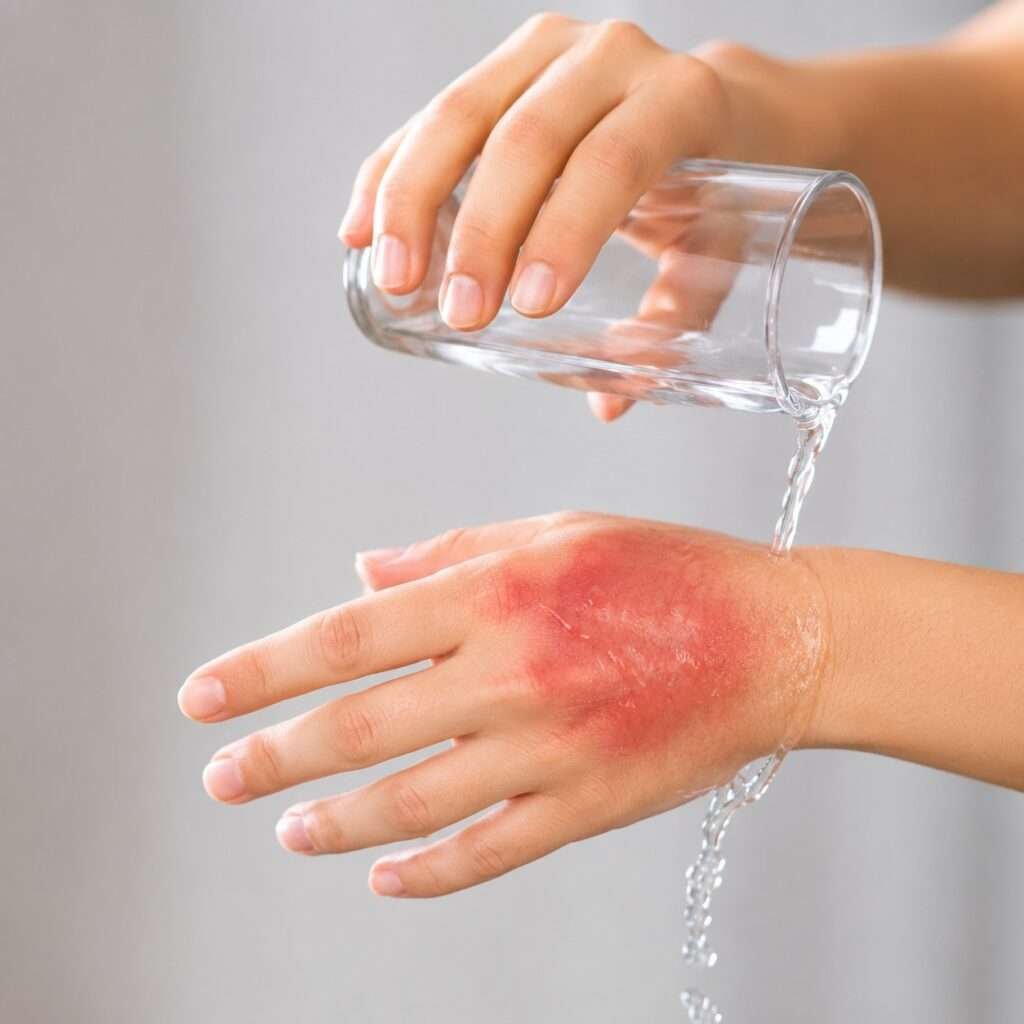
Burns are among the common household injuries that can happen during everyday activities. Cooking meals, handling hot liquids, using electrical appliances, or coming into contact with heated surfaces can all create risks. Although many minor burns can be managed with prompt first aid, serious burns require urgent medical attention.
Every household should understand basic burn first aid and know when to seek professional help. Having the right knowledge can help family members respond calmly, avoid common mistakes, and reduce the risk of further injury.
In Pakistan, homes may use gas stoves, electric heaters, cooking appliances, and other heat-producing equipment. These everyday items make household fire prevention and first aid awareness especially important. Children, older adults, and people who need additional assistance may be particularly vulnerable to burn injuries.
This guide explains what burn first aid means, why every home should be prepared, how to respond safely, and how fire prevention measures can help protect families.
What Is Burn First Aid?
Burn first aid refers to the immediate care provided after someone suffers a burn. Its purpose is to stop the burning process, cool the affected area when appropriate, protect the injury, and help the person receive medical care if needed.
Burns can result from several sources, including:
– Heat: Contact with flames, hot cooking equipment, or heated surfaces.
– Hot liquids and steam: Spills involving boiling water, tea, cooking oil, or steam.
– Electricity: Contact with electrical sources.
– Chemicals: Contact with certain cleaning products or industrial substances.
The correct response depends on the cause, location, and seriousness of the injury. A simple first aid kit can support household preparedness, but it cannot replace medical assessment or professional training.
According to the World Health Organization, burns can cause significant injury and may require specialized medical care. Prevention, prompt first aid, and appropriate treatment are important parts of reducing their impact. “WHO: Burns” (https://www.who.int/news-room/fact-sheets/detail/burns).
Why Does Every Home Need Burn First Aid Knowledge?
A household emergency can happen unexpectedly. Family members may not have immediate access to a clinic, and confusion can delay appropriate care.
Learning basic burn first aid helps people understand what to do while arranging medical assistance.
1. It Encourages a Calm Response
An unexpected injury can be stressful. Knowing the basic principles of burn first aid gives family members a clear starting point instead of relying on guesswork or unverified home remedies.
A calm response should begin with personal safety. Nobody should enter a dangerous area or approach an active fire to help someone without appropriate emergency support.
2. It Helps Reduce Further Injury
Prompt cooling with cool running water is a key first aid measure for many thermal burns. It helps remove heat from the affected area and can reduce pain and the risk of further tissue damage.
The British Red Cross recommends cooling a burn under cool running water for at least 20 minutes. The person should also be assessed for injuries that require urgent medical attention. “British Red Cross: First Aid for Burns” (https://www.redcross.org.uk/first-aid/learn-first-aid/burns).
3. It Helps Families Avoid Harmful Remedies
Some people may try to apply toothpaste, butter, oil, or other household products to a burn. These remedies are not recommended and can interfere with proper treatment.
Understanding what not to do is just as important as knowing the appropriate first aid steps.
4. It Improves Household Preparedness
A family that understands emergency contacts, basic first aid, fire alarms, and escape routes is better prepared to respond to different emergencies.
Preparedness should include prevention as well as injury care. Keeping cooking areas organized, maintaining equipment, and teaching household members about fire risks can reduce the likelihood of accidents.
Common Causes of Burns at Home in Pakistan
Understanding common causes helps families identify where prevention efforts are needed.
Kitchen Accidents
Hot water, tea, cooking oil, steam, and heated cookware can cause burns during meal preparation. Kitchens can become especially risky when children are nearby or cooking areas are crowded.
Keep hot containers away from table edges, avoid leaving cooking unattended, and supervise children around cooking equipment.
Gas Cooking Appliances
Gas stoves are widely used in many homes. Poorly maintained appliances, unsafe connections, and unsuitable use can contribute to fire and burn risks.
Have gas equipment installed and maintained by qualified professionals. Do not attempt to repair gas connections yourself. If you suspect a gas leak, leave the affected area, avoid flames and operating electrical switches, and contact the relevant emergency service or gas utility from a safe location.
Electrical Appliances
Heaters, irons, kettles, and other appliances can cause burns through contact with hot surfaces. Electrical faults can also create fire and injury risks.
Follow product instructions, keep damaged equipment out of use, and report electrical problems to a qualified electrician or the responsible property manager.
Fires and Heating Equipment
Poorly managed heat sources and combustible materials can increase household fire risks. Keep children away from hot appliances, maintain suitable clearance around heating equipment, and ensure smoke alarms are installed and maintained where appropriate.
Hot Liquids and Household Activities
Tea, coffee, soup, and boiling water can cause scalds. Take care when carrying hot liquids, especially around children and in crowded areas.
Use stable surfaces for hot containers and avoid placing them where someone could accidentally knock them over.
Essential Burn First Aid Steps
Knowing the basic response can help a person provide support while arranging appropriate care. Always make sure the area is safe before helping.
Step 1: Make Sure the Area Is Safe
Move away from the source of heat if it is safe to do so. Do not enter a burning building, approach exposed electrical hazards, or attempt to rescue someone from a dangerous area without emergency assistance.
If a fire is still present, prioritize evacuation and contact emergency services.
Step 2: Cool the Burn
For a thermal burn, place the affected area under cool running water for at least 20 minutes as soon as possible. Avoid using ice or ice-cold water.
If the injury is extensive, keep the rest of the person warm while cooling the affected area. Children and older adults can be more vulnerable to becoming too cold.
Do not delay seeking urgent medical help for a serious burn. Another person can contact emergency services while first aid is provided, when possible.
Step 3: Remove Tight Items If Safe
Rings, watches, or other tight items near the affected area may become difficult to remove if swelling develops. Remove them early if they come off easily and are not stuck to the injury.
Do not pull away clothing or material that is stuck to the burned skin.
Step 4: Cover the Burn Loosely
After cooling, protect the area with a clean, non-fluffy dressing or another suitable non-stick covering. A clean covering can help protect the injury until medical care is available.
Do not wrap the injury tightly, apply adhesive directly to the burned area, or place creams and household products on a fresh burn.
Step 5: Seek Medical Advice When Needed
Get urgent medical assistance for serious burns, including burns that are large or deep, affect the face or hands, involve major joints or sensitive areas, or result from electricity or chemicals.
Burns in babies and children should receive medical advice. If you are unsure how serious an injury is, seek professional assessment rather than relying on appearance alone.
These steps are general first aid information, not a substitute for medical care. “NHS: Burns and Scalds” (https://www.nhs.uk/conditions/Burns-and-scalds/).
What Should You Never Apply to a Burn?
Home remedies are often shared through family advice or social media, but some can make an injury harder to treat.
Avoid applying:
– Toothpaste.
– Butter or cooking oil.
– Creams or homemade pastes immediately after a burn.
– Ice directly to the affected area.
– Cotton wool or fluffy materials that may stick to the injury.
Do not break blisters or remove material stuck to the skin. These actions may cause further damage.
Instead, focus on appropriate cooling, protecting the injury, and obtaining medical advice when necessary.
What Should a Home Burn First Aid Kit Contain?
A household first aid kit can help families prepare for common injuries. It should be easy to find, stored in a clean and dry place, and kept out of reach of young children.
Useful general supplies may include:
– Sterile, non-stick dressings.
– Clean gauze pads.
– Medical tape for securing dressings away from the injury.
– Disposable gloves.
– Clean scissors for ordinary first aid needs, stored safely.
– A first aid instruction guide.
– A list of emergency contacts.
A kit does not need to contain burn creams or specialized treatments to be useful. Do not use a product simply because it is labelled for burns; follow medical advice and the product instructions.
Check the kit periodically to replace used supplies and remove expired items. Household members should know where it is stored.
Most importantly, supplies are only one part of preparedness. Learning how to use them safely and knowing when professional medical care is necessary are equally important.
How Can Families Prevent Burns at Home?
Prevention is often the most effective way to reduce household burn injuries.
Keep Children Away From Hot Surfaces
Children may not recognize the danger of hot cookware, heaters, irons, or freshly prepared food. Supervise them around these items and establish clear household safety rules.
Use Cooking Equipment Carefully
Keep handles and hot containers positioned to reduce the chance of accidental contact. Avoid overcrowding the cooking area and keep unnecessary combustible items away from heat sources.
Maintain Appliances Professionally
Have faulty electrical equipment and gas appliances assessed by qualified professionals. Do not ignore repeated electrical problems or make unauthorized repairs.
Store Hazardous Products Safely
Keep cleaning chemicals and other potentially harmful products in their original labelled containers, secured away from children. Follow product safety instructions and never mix cleaning chemicals.
Install and Maintain Smoke Alarms
Smoke alarms can provide early warning of a developing fire. Their placement, type, installation, and maintenance should be appropriate for the property and applicable requirements.
An alarm does not prevent every injury, but it can alert occupants so they can follow their escape plan.
The Role of a Fire Alarm System in Pakistan
Burn prevention and fire preparedness are closely connected. In some situations, an early warning can help people recognize a fire and leave the building before conditions become more dangerous.
A Fire alarm system in Pakistan may be relevant to residential buildings, offices, schools, hospitals, shops, factories, and other premises. The appropriate arrangement depends on the building’s design, occupancy, fire risks, and applicable standards.
When reviewing fire safety at home, consider the following:
– Ask whether suitable smoke alarms are installed.
– Make sure alarms are not covered, disconnected, or visibly damaged.
– Follow the manufacturer’s instructions for testing and maintenance.
– Report faults in shared building alarm systems to management.
– Make sure household members understand what the alarm sounds like and how to evacuate.
In apartment buildings and other shared properties, residents should know the designated escape routes and the process for reporting safety concerns.
An alarm is not a replacement for an evacuation plan, suitable building features, or professional maintenance. If a fire occurs, get everyone to safety and contact emergency services from a safe location.
Burn First Aid for Children and Older Adults
Some household members may need extra support during an emergency.
Children
Children may not understand the risks associated with hot liquids, cooking equipment, or electrical appliances. Keep hazardous items out of reach, supervise them around heat sources, and teach them to tell a trusted adult when an accident happens.
If a child suffers a burn, cool the affected area with cool running water and seek medical advice promptly. Do not assume that a small-looking injury is harmless.
Older Adults
Older adults may have difficulty moving quickly or responding to an unexpected emergency. Keep walking routes clear, ensure emergency contacts are accessible, and include any assistance they may need in the household escape plan.
A household plan should be practical for everyone who lives there.
What to Do After a Burn Injury
After providing appropriate initial first aid, continue to follow professional advice. Keep the injury protected as instructed and watch for any worsening symptoms.
Do not remove dressings unnecessarily or apply unapproved products. If the injury becomes more painful, appears infected, or causes other concerning symptoms, seek medical assessment.
For serious burns, follow the treating professional’s instructions about wound care and follow-up appointments.
It is also useful to review what caused the accident. If a faulty appliance, unsafe cooking arrangement, or other hazard contributed to the injury, report it and arrange qualified assistance before the hazard is used again.
How Can Families Build a Complete Fire Safety Plan?
Burn first aid should form part of a wider household safety plan.
A practical plan includes:
1. Knowing how to contact local emergency services.
2. Identifying safe escape routes from the home.
3. Choosing an outdoor meeting point.
4. Keeping exits and corridors clear.
5. Maintaining suitable smoke alarms.
6. Keeping a first aid kit accessible to responsible adults.
7. Learning basic first aid from a recognized training provider.
8. Reviewing the plan when household arrangements change.
Families living in apartments should also understand their building’s evacuation arrangements and follow instructions from building management and emergency responders.
Do not return to a building after evacuating until the appropriate authorities say it is safe.
Conclusion
Burn first aid is an important part of household preparedness. Knowing how to cool a burn, protect the affected area, avoid harmful remedies, and recognize when medical care is needed can help families respond more safely to an unexpected injury.
In Pakistan, everyday activities involving cooking, gas appliances, electrical equipment, and hot liquids make prevention and first aid awareness valuable for households of all sizes.
Every home should have basic first aid supplies, clear emergency contacts, and a practical plan for responding to fire or burn-related incidents. Smoke alarms and suitable fire protection arrangements can also help families recognize danger and evacuate promptly.
The best approach combines prevention, reliable first aid knowledge, professionally maintained equipment, and timely medical assistance. By taking these steps, families can build safer habits and become better prepared for emergencies.
Frequently Asked Questions (FAQs)
1. Why is burn first aid important at home?
Burn first aid helps people respond promptly, cool thermal burns appropriately, protect the injury, and recognize when medical attention is required. It also helps families avoid unsafe home remedies.
2. What is the first thing to do when someone gets a burn?
First make sure the area is safe. For a thermal burn, cool the affected area under cool running water for at least 20 minutes. Seek urgent medical assistance for serious injuries, and do not delay emergency care.
3. What should not be applied to a burn?
Avoid toothpaste, butter, cooking oil, ice, and homemade pastes. Do not break blisters or pull away material stuck to the skin. Use appropriate cooling and seek medical advice when necessary.
4. What should a home burn first aid kit contain?
A basic household kit may include sterile non-stick dressings, gauze pads, medical tape, disposable gloves, a first aid guide, and emergency contact information. A kit supports preparedness but does not replace medical care.
5. How does a fire alarm system help protect a home in Pakistan?
A suitable, properly maintained alarm can alert occupants to a possible fire so they can follow their evacuation plan. Alarm requirements vary by building type and applicable rules, and alarms should be combined with clear escape routes and other appropriate safety measures.