Renting a house, apartment, or portion of a building can be convenient and affordable, but fire safety is an important responsibility that tenants should never overlook. Whether you live in a small apartment, a rented house, or a shared property, understanding basic fire precautions can help protect you, your family, and your belongings.
In Pakistan, renters may live in buildings with different layouts, electrical arrangements, cooking facilities, and emergency exits. Some properties have modern fire protection systems, while others may have limited safety equipment. Before moving into a rental property, it is important to understand the available precautions and report any serious safety concerns to the landlord or property manager.
A simple checklist can make this process easier. It helps renters identify potential hazards, understand how to leave the building during an emergency, and communicate maintenance concerns before they become more serious.
This guide explains the essential fire safety checks every renter should consider, with practical information relevant to homes and apartments across Pakistan.
Why Is Fire Safety Important for Renters?
Fire safety is not only the responsibility of property owners. Landlords are generally responsible for building-related maintenance and the safety measures required by applicable laws, while tenants also have a role in keeping their living spaces safe and reporting problems.
Everyday activities can create fire risks if proper precautions are ignored. Cooking, damaged electrical equipment, careless storage, and unattended heat sources can all contribute to unsafe conditions.
Renters may also have limited control over a building’s structure, electrical wiring, or shared areas. This makes communication with the landlord especially important.
A fire safety checklist helps renters:
– Identify visible hazards before moving in.
– Understand available escape routes.
– Check whether smoke alarms and other safety equipment are present.
– Keep corridors and exits clear.
– Report maintenance concerns promptly.
– Prepare household members for emergencies.
The goal is not to inspect or repair building systems yourself. Instead, renters should recognize concerns, inform the responsible person, and seek professional assistance when needed.
1. Check Smoke Alarms and Fire Alarm Systems
Smoke alarms provide an early warning when smoke is detected. In larger residential buildings, a connected fire alarm system may provide warning across shared areas or multiple floors.
When viewing a rental property, check whether suitable alarms are installed and whether the landlord can explain their maintenance arrangements.
What renters should check
– Look for smoke alarms in appropriate locations.
– Ask when the alarms were last tested or professionally checked.
– Report alarms that appear damaged, missing, or disconnected.
– Ask how residents are alerted if a shared building alarm activates.
– Find out whether alarm faults can be reported to building management.
Do not remove, cover, disconnect, or alter an alarm. If it appears faulty, notify the landlord and request that a competent person inspect it.
For people researching a Fire alarm system in Pakistan, it is important to understand that alarm requirements vary according to the building, its occupancy, and applicable regulations. A large apartment building may need different arrangements from a small independent house.
A fire alarm is also only one part of a wider safety plan. Clear exits, suitable protection equipment, and an evacuation procedure remain important.
2. Inspect Electrical Safety Without Attempting Repairs
Electrical faults can contribute to residential fires. Before moving into a rental home, look for obvious warning signs and report them rather than trying to fix them yourself.
Look for visible concerns
– Damaged or exposed electrical cables.
– Broken switches or cracked sockets.
– Loose electrical fittings.
– Signs of overheating around electrical outlets.
– Power connections that appear overloaded.
– Electrical equipment or wiring that seems poorly maintained.
Do not touch exposed wires or attempt to open electrical panels. If you notice a serious concern, keep away from the affected area and contact the landlord or a qualified electrician.
Avoid overloading sockets with multiple high-power appliances. Use electrical products according to their instructions, and stop using equipment that appears damaged.
Tenants should also ask whether the property has received appropriate electrical maintenance, particularly if the building is old or has experienced repeated electrical problems.
3. Make Sure Escape Routes Are Clear
A safe escape route is one of the most important features of a rental property. During an emergency, occupants need to leave quickly without having to move stored belongings or search for an exit.
When visiting a property, identify the main entrance and any other designated escape routes available to residents.
Your escape-route checklist
– Locate the nearest usable exit.
– Identify an alternative route where one is available.
– Check that shared corridors and stairways are not blocked.
– Make sure exit doors can be opened as intended.
– Look for visible emergency exit signs in shared buildings.
– Identify a safe outdoor meeting point.
– Ask the landlord or building manager about any known exit restrictions.
Never assume that a lift is safe to use during a fire. Follow the building’s emergency instructions and use designated escape routes.
If a shared staircase is blocked, an exit door cannot be opened, or another serious obstruction is present, report it immediately. Do not wait until an emergency occurs.
Pakistan’s Building Code of Pakistan—Fire Safety Provisions 2016 emphasizes maintaining unobstructed means of escape and making exits or their routes clearly identifiable. Specific requirements depend on the building and the rules applicable to it. <Cite refs={[“turn383013search12”]}/>
4. Review the Kitchen’s Fire Safety
Kitchens contain several potential fire hazards, including cooking equipment, electrical appliances, and combustible materials. Renters should check that the kitchen is reasonably maintained and that its layout allows people to move safely.
Kitchen safety checklist
– Keep cooking areas free from unnecessary clutter.
– Store paper, cloth, and other combustible items away from cooking heat.
– Use cooking appliances according to their instructions.
– Keep children away from hot cooking equipment.
– Avoid leaving cooking unattended.
– Report damaged appliances or unsafe electrical connections.
– Make sure the kitchen does not obstruct the main escape route.
If a cooking fire occurs, prioritize getting people away from danger and contacting emergency services. Do not attempt to handle a fire if you are unsure how to respond safely.
Renters should also ask who is responsible for maintaining landlord-provided appliances and how defects should be reported.
5. Understand Gas Safety in Your Rental Home
Some Pakistani homes use gas appliances for cooking or heating. These appliances and their associated connections require appropriate installation and maintenance.
Before moving in, ask whether the landlord has arranged professional checks of any supplied gas appliances and whether there are known maintenance issues.
Gas safety reminders
– Report damaged or visibly deteriorated equipment.
– Keep areas around appliances appropriately ventilated.
– Do not make unauthorized changes to gas connections.
– Do not attempt to repair gas equipment yourself.
– Follow the manufacturer’s instructions for supplied appliances.
– Make sure household members know how to leave the property and seek help if a gas leak is suspected.
If you suspect a gas leak, leave the affected area, avoid flames and operating electrical switches, and contact the appropriate emergency service or gas utility from a safe location. Do not remain inside to investigate or attempt a repair.
Tenants should know whom to contact for urgent maintenance and should not assume that a landlord’s previous inspection means the equipment will remain safe indefinitely.
6. Check Fire Extinguishers and Other Shared Equipment
Some apartment buildings and shared residential properties provide fire extinguishers or other firefighting equipment in common areas. The type and amount of equipment needed depend on the building’s design, use, and applicable requirements.
Renters should check whether the equipment is visible, accessible, and apparently maintained. Ask the building manager about inspection and servicing arrangements if the information is not available.
Do not move equipment from its designated location, use it for non-emergency purposes, or attempt to service it yourself.
Most importantly, having an extinguisher does not mean a renter should try to fight a fire. If a fire creates danger, raise the alarm, evacuate using a safe route, and contact emergency services.
In a shared building, residents should also know how to report missing or damaged equipment to management.
7. Keep Hallways, Balconies, and Shared Areas Safe
In apartment buildings, fire safety depends partly on how residents use common areas.
Shoes, boxes, furniture, bicycles, and household supplies can obstruct corridors or stairways. Stored materials may also add combustible items to escape routes.
Keep these areas clear
– Shared hallways.
– Staircases and landings.
– Doors leading to exits.
– Access to fire safety equipment.
– Routes to outdoor assembly areas.
Do not store belongings in a way that narrows an escape route or prevents a door from opening properly.
Balconies should also be kept reasonably clear of unnecessary combustible clutter. Do not use balconies as storage spaces for hazardous materials or block access that may be needed for safe movement.
If neighbours repeatedly obstruct a shared exit, inform building management rather than starting a confrontation.
8. Review Fire Doors and Emergency Lighting
Some buildings use fire doors and emergency lighting to support evacuation and help limit the spread of smoke and fire.
Renters do not need to assess technical fire-resistance ratings themselves. However, they can notice visible problems and report them.
Look for doors that appear damaged, do not close properly, or have been wedged open in shared areas. Report broken emergency lights or missing signs to the landlord or property manager.
Do not alter fire doors, remove their fittings, or make unauthorized changes to shared safety features.
If the building has emergency lighting, ask whether it is maintained and tested by a qualified person. Its purpose is to help people identify escape routes if normal lighting fails.
9. Prepare a Household Fire Escape Plan
Knowing where the exits are is helpful, but everyone in the household should also understand what to do if a fire occurs.
A simple escape plan can reduce confusion and help household members respond more calmly.
Create your plan
1. Identify the main escape route and any safe alternative route.
2. Agree on a meeting point outside the building.
3. Make sure everyone knows the address of the property.
4. Discuss how children, older adults, or people who need assistance will receive help.
5. Learn the building’s alarm and evacuation arrangements.
6. Practise the plan safely and review it whenever the layout changes.
Keep the plan simple enough for every household member to understand. If you live in an apartment building, follow the official evacuation instructions provided by building management.
If an alarm sounds or a fire is discovered, alert others when it is safe to do so, leave promptly by a safe route, and contact emergency services from a safe location. Do not return inside to collect belongings.
10. Ask the Landlord About Fire Safety Responsibilities
Before signing a rental agreement, discuss important safety matters with the landlord or property manager.
Ask whether smoke alarms are provided, who maintains supplied appliances, how shared fire protection equipment is serviced, and how residents should report urgent defects.
It is also useful to confirm who is responsible for repairs involving electrical installations, doors, windows, and building systems.
Where possible, keep written records of reported problems and the responses received. Photographs of visible defects may help document a maintenance request, provided they can be taken safely.
Rental agreements and legal responsibilities vary, so tenants should check the terms of their agreement and the laws that apply to their location. A landlord’s responsibility cannot be determined solely by a general checklist.
If a serious safety concern remains unresolved, seek advice from the relevant local authority or an appropriate tenant-support service.
11. Understand Fire Safety Rules in Pakistan
Fire safety requirements can vary according to the province, local authority, building type, occupancy, and other applicable rules.
The Building Code of Pakistan—Fire Safety Provisions 2016 provides an important reference for fire prevention and life safety in buildings. Local regulations or building-specific requirements may also apply. <Cite refs={[“turn383013search12″,”turn383013search3”]}/>
For renters, the practical approach is to ask whether the building has the required safety arrangements and whether inspections and maintenance are being handled appropriately.
This is especially relevant when renting a flat in a multi-storey building, where residents may rely on shared stairways, common alarm systems, emergency lighting, and building management.
A renter should not assume that a property is safe simply because it is newly painted or well furnished. Visible conditions, available safety equipment, and clear evacuation arrangements are more meaningful considerations.
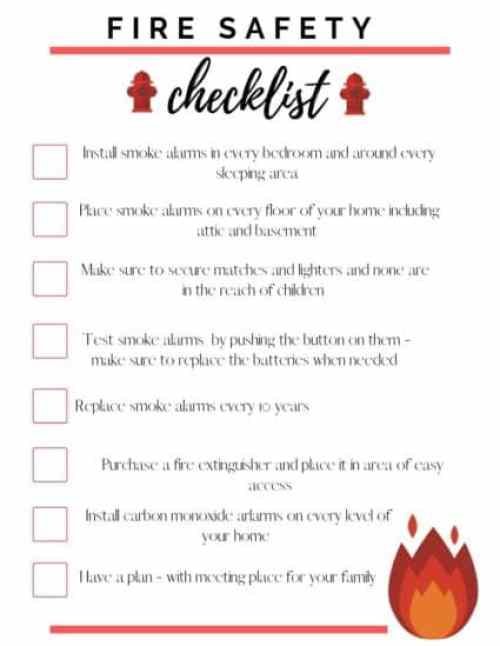
12. Create a Simple Fire Safety Checklist Before Moving In
Use this checklist when viewing a property or preparing to move into a new home.
– [ ] Smoke alarms are present where appropriate.
– [ ] Alarm faults or missing equipment have been reported.
– [ ] Electrical outlets and visible cables show no obvious signs of damage.
– [ ] Cooking appliances appear properly maintained.
– [ ] Gas appliances have suitable professional maintenance arrangements.
– [ ] Main exits and designated escape routes are identifiable.
– [ ] Shared corridors and stairways are unobstructed.
– [ ] Fire doors and emergency lighting appear in reasonable condition.
– [ ] Shared fire protection equipment is accessible.
– [ ] The landlord’s contact information is available.
– [ ] Household members know the escape plan.
– [ ] Everyone knows the outdoor meeting point.
– [ ] There is a clear process for reporting urgent safety problems.
This checklist is a starting point, not a formal building inspection or a guarantee of compliance. Serious concerns should be assessed by qualified professionals or the relevant authority.
Conclusion
Fire safety is an important part of choosing and maintaining a rental home. Renters can improve their preparedness by checking alarms, recognizing visible electrical hazards, keeping escape routes clear, understanding gas safety, and discussing maintenance responsibilities with the landlord.
In Pakistan, residential buildings differ considerably in design and available protection measures. That is why tenants should assess their individual property rather than assume every home offers the same level of safety.
A suitable fire alarm system, clear exits, maintained equipment, and a simple household escape plan all contribute to a safer living environment. However, these measures work best when landlords, tenants, and building managers communicate and address problems promptly.
Use this beginner’s checklist before moving in and review it whenever your living arrangements change. A few careful checks and a clear emergency plan can help you make better-informed decisions about the safety of your rented home.
Frequently Asked Questions (FAQs)
1. What should renters check for fire safety before moving in?
Renters should check for suitable smoke alarms, clear escape routes, visible electrical damage, maintained cooking appliances, accessible shared safety equipment, and clear emergency arrangements. Any serious concerns should be reported to the landlord or property manager.
2. Are landlords responsible for fire safety in Pakistan?
Landlord responsibilities depend on the applicable laws, property type, rental agreement, and local requirements. Tenants should clarify who maintains building systems and supplied appliances and report safety concerns promptly.
3. Do rented homes need a fire alarm system in Pakistan?
Requirements depend on the building’s type, size, occupancy, and applicable regulations. Renters should ask whether appropriate alarms are installed and maintained, particularly in shared or multi-storey residential buildings.
4. What should I do if the escape route in my apartment building is blocked?
Report the obstruction promptly to the landlord or building manager and request that it be cleared. If a fire occurs, use a safe available escape route and contact emergency services. Never enter a dangerous area to remove an obstruction.
5. How can renters make a fire escape plan?
Identify the main escape route and a safe alternative, agree on an outdoor meeting point, ensure everyone knows how to raise the alarm, and consider the needs of household members who may require assistance. Review the plan whenever the property or household changes.