Fire can spread rapidly and create serious risks for people, buildings, equipment, and businesses. In homes, offices, schools, hospitals, shopping centers, hotels, warehouses, factories, and other facilities, early warning can make an important difference. A fire alarm system is designed to detect signs of fire and alert occupants so that appropriate emergency action can begin.
Fire alarm systems are an important part of a broader fire-safety strategy. They do not replace safe building design, fire prevention, emergency exits, firefighting equipment, or evacuation planning. Instead, they work alongside these measures to provide an organized approach to detecting and responding to fire.
In Pakistan, fire-safety requirements are addressed through building codes and related standards. The Pakistan Engineering Council (PEC) lists the Building Code of Pakistan Fire Safety Provisions 2016 and the Pakistan Electric and Telecommunication Safety Code 2014 among its published codes and standards.
What Is a Fire Alarm System?
A fire alarm system is a collection of devices designed to detect a potential fire condition and provide warning to people in a building.
Depending on the building and its requirements, a system can include:
– Fire alarm control panels
– Smoke detectors
– Heat detectors
– Manual fire alarm boxes
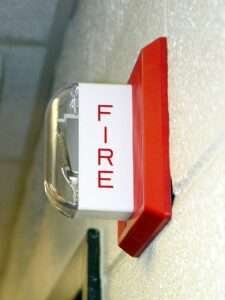
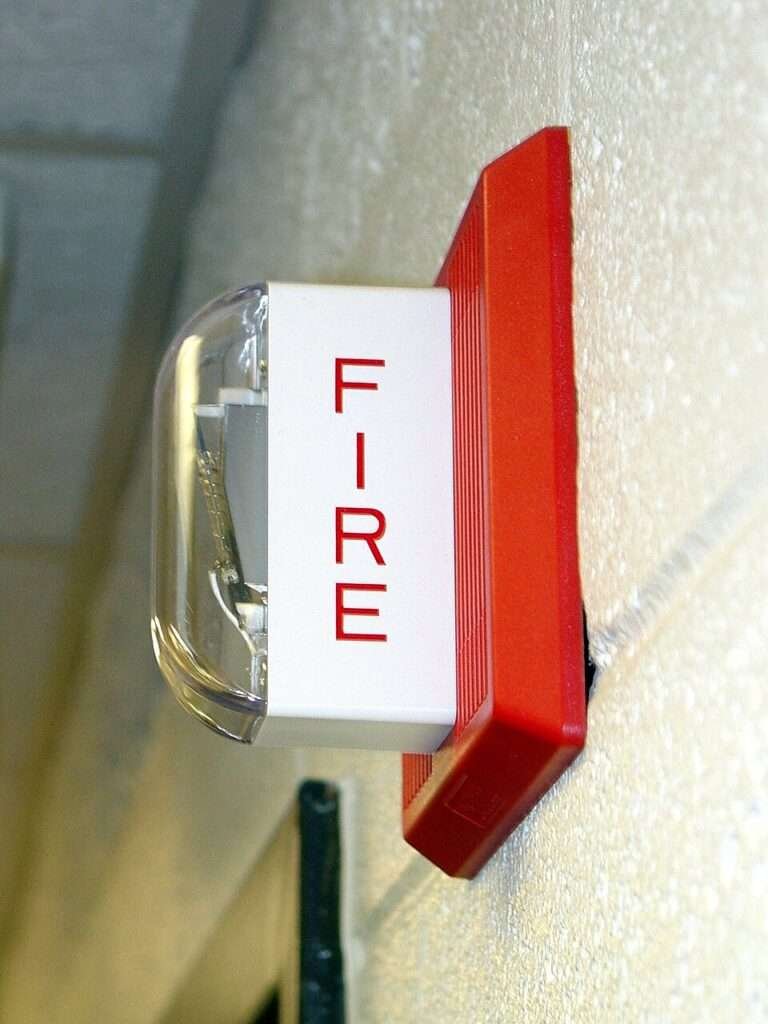
– Audible notification appliances
– Visual notification devices
– Monitoring equipment
– Backup power
– Alarm initiating devices
– Associated wiring and equipment
The exact combination depends on the building’s size, occupancy, layout, fire risks, and applicable requirements.
A modern system may receive information from several detection points and communicate the condition through a central control panel. This allows building personnel to understand where an alarm has originated and take appropriate action according to the emergency plan.
Why Early Fire Detection Matters
One of the main purposes of a fire alarm system is to provide an early warning.
People may not immediately notice smoke or a developing fire, particularly when they are sleeping, working in another room, or located far from the source. A properly designed detection system can identify certain signs of fire and activate an alarm.
Early notification can give occupants more time to:
– Recognize an emergency
– Alert other people
– Leave the building through safe routes
– Follow the emergency plan
– Contact emergency services
– Assist vulnerable occupants according to the building’s procedures
The Pakistan Building Code includes provisions for automatic smoke detection and manual fire alarm boxes in circumstances where they are required. It also addresses the placement and accessibility of manual alarm boxes.
Main Components of a Fire Alarm System
Understanding the major components helps explain how a fire alarm system works as a complete safety network.
1. Fire Alarm Control Panel
The control panel is the central part of many fire alarm systems. It receives signals from initiating devices and communicates alarm, supervisory, or trouble conditions as applicable to the system design.
The panel can help authorized personnel identify the source or zone associated with an alarm and determine what action should be taken under the emergency plan.
2. Smoke Detectors
Smoke detectors are designed to identify smoke particles associated with developing fires.
Different detector technologies are available, and the appropriate type depends on environmental conditions and the expected fire characteristics.
Smoke detectors should be selected and positioned according to applicable requirements and the manufacturer’s instructions. The Pakistan Fire Safety Provisions include requirements concerning smoke alarms and smoke detection systems.
3. Heat Detectors
Heat detectors respond to changes in temperature or other specified heat conditions.
They can be useful in locations where smoke detectors may not be suitable because of environmental conditions. Selection should be based on the room’s characteristics and the fire alarm design.
4. Manual Fire Alarm Boxes
Manual alarm devices allow occupants to initiate an alarm when they discover a fire or emergency condition.
Pakistan’s fire-safety provisions address manual fire alarm boxes, including accessibility, visibility, and travel distance requirements in applicable situations.
5. Notification Devices
Once an alarm condition is identified, notification devices can alert occupants.
These may include:
– Audible sounders
– Bells
– Horns
– Visual notification appliances
– Voice communication systems in suitable installations
The notification method should be appropriate for the building’s occupants and environment.
Types of Fire Alarm Systems
Different buildings may require different fire alarm arrangements.
Conventional Fire Alarm Systems
Conventional systems generally divide a building into zones. When a detector or manual device activates, the control panel identifies the relevant zone rather than providing the same detailed device-level information as an addressable system.
These systems can be suitable for certain smaller or less complex installations when designed appropriately.
Addressable Fire Alarm Systems
Addressable systems can identify individual devices or specific points within the system.
This can provide more detailed information to authorized personnel and may be useful in larger or more complex buildings.
Wireless Fire Alarm Systems
Wireless systems communicate between devices without relying entirely on traditional hardwired connections.
They may be considered for particular buildings or situations, but their suitability depends on the site, system design, communication reliability, maintenance requirements, and applicable standards.
Hybrid Systems
Some installations combine wired and wireless technologies to meet specific design requirements.
The choice of system should be based on a professional assessment rather than simply selecting the most technologically advanced option.
Fire Alarm Systems in Different Pakistani Buildings
The role of a fire alarm system can vary depending on the building.
Residential Buildings
Homes and residential developments can benefit from suitable smoke alarms and fire detection arrangements. Sleeping areas are especially important because occupants may not immediately notice a developing fire while asleep.
The Building Code includes specific provisions for smoke alarms in different residential occupancy groups.
Offices
Offices can contain computers, electrical equipment, documents, furniture, and other combustible materials. A suitable detection and notification system can support the building’s emergency plan.
Schools
Schools require careful consideration because many occupants may be children or students who depend on teachers and staff for emergency guidance.
Fire alarm systems should be integrated with evacuation procedures, staff responsibilities, emergency exits, and regular drills.
Hospitals and Care Facilities
Healthcare facilities can have occupants who need assistance during an emergency. Fire detection and notification arrangements therefore need to be considered alongside evacuation strategies and the specific characteristics of the facility.
Pakistan’s Building Code contains fire alarm and smoke alarm requirements for specified healthcare and residential occupancy groups.
Shopping Malls
Malls can contain large numbers of visitors, shops, restaurants, storage areas, electrical equipment, and other potential fire hazards.
A properly designed fire alarm system can form part of the wider fire-protection infrastructure.
Industrial Facilities
Factories and industrial buildings can contain machinery, electrical systems, chemicals, combustible materials, and specialized processes.
Detection requirements should be based on the hazards and conditions present at the facility.
The Role of a Fire Alarm System in Pakistan
The need for suitable fire detection and notification is particularly important in Pakistan because buildings vary significantly in size, construction, occupancy, and use.
A Fire alarm system in Pakistan should be selected and designed according to the specific building rather than using the same arrangement everywhere.
Factors that may influence system design include:
– Building size
– Number of floors
– Occupancy type
– Sleeping arrangements
– Occupant density
– Building layout
– Fire hazards
– Environmental conditions
– Required evacuation strategy
– Applicable building codes
– Maintenance requirements
PEC’s online constructor/operator portal recognizes installation, commissioning, and maintenance of fire detection, alarm, and suppression systems as a specialized engineering category.
This demonstrates that fire alarm work involves more than simply installing detectors on a ceiling. Proper engineering, installation, commissioning, and maintenance are important parts of the system’s lifecycle.
Fire Detection Is Different From Fire Prevention
It is important to understand that fire alarm systems do not prevent every fire.
Fire prevention focuses on reducing the chance of a fire starting. This can include:
– Electrical safety
– Safe cooking practices
– Proper storage of combustible materials
– Equipment maintenance
– Safe use of heating systems
– Good housekeeping
– Appropriate handling of hazardous materials
Fire detection focuses on recognizing signs of a developing fire and notifying occupants.
Both approaches are necessary.
A building may have a modern fire alarm system but still face significant risks if electrical wiring is poorly maintained or combustible materials are stored unsafely.
The Importance of Correct Detector Placement
Installing a detector is not enough by itself. Its location can affect how effectively it performs.
Smoke and heat movement can vary according to room layout, ceiling configuration, ventilation, temperature, and other environmental conditions.
The Building Code of Pakistan Fire Safety Provisions contains specific requirements concerning smoke detector and smoke alarm locations, including restrictions around certain cooking and bathroom areas unless suitable listed or approved devices are used.
For this reason, detectors should be installed according to the applicable design requirements and manufacturer guidance rather than simply being placed wherever convenient.
Fire Alarm Systems and Emergency Evacuation
An alarm is only useful when people understand how to respond to it.
Every building should have an emergency plan appropriate to its occupants and risks.
Important elements may include:
– Clearly identified emergency exits
– Accessible escape routes
– Emergency lighting where required
– Assembly arrangements
– Staff responsibilities
– Procedures for assisting people who need additional support
– Emergency contact information
– Regular evacuation exercises where appropriate
When an alarm sounds, occupants should follow the building’s emergency procedures and move toward a safe location rather than ignoring the warning.
Children and students should follow instructions from teachers, parents, or other responsible adults during an emergency.
Why Regular Testing and Maintenance Matter
Like other safety equipment, fire alarm systems require ongoing attention.
Dust, environmental conditions, damaged components, electrical issues, or other faults can affect system performance. Regular professional inspection and maintenance can help identify these problems.
Maintenance may include:
– Inspection of detectors
– Checking control panels
– Reviewing system fault indications
– Checking notification devices
– Examining power supplies
– Testing relevant alarm functions
– Reviewing maintenance records
– Replacing unsuitable or damaged components
PEC identifies maintenance as part of the professional scope for fire detection, alarm, and suppression systems.
Maintenance schedules should follow the applicable requirements, system specifications, and recommendations from qualified professionals.
Common Mistakes to Avoid
Several mistakes can reduce the effectiveness of fire alarm arrangements.
Ignoring False Alarms
Repeated unwanted alarms should not simply be ignored. Frequent alarms may indicate environmental conditions, unsuitable detector selection, contamination, system faults, or other issues that require professional assessment.
Blocking Fire Alarm Equipment
Control panels, manual alarm devices, and other safety equipment should remain accessible and visible where required.
Neglecting Maintenance
A system that has not been professionally maintained may not provide the expected performance during an emergency.
Installing Without Proper Design
The number and type of detectors should be based on the building’s requirements rather than an arbitrary installation pattern.
Treating an Alarm as a Substitute for Evacuation Planning
A fire alarm provides warning, but people still need safe escape routes and clear emergency procedures.
How Businesses Can Improve Fire Alarm Safety
Businesses can take several general steps to improve fire alarm readiness:
1. Arrange professional assessment of the building’s fire risks.
2. Select equipment appropriate for the building.
3. Ensure installation follows applicable requirements.
4. Keep alarm devices accessible.
5. Establish a regular inspection and maintenance program.
6. Train relevant staff about alarm procedures.
7. Keep emergency exits clear.
8. Conduct appropriate evacuation exercises.
9. Review the system after building renovations or changes in occupancy.
10. Maintain records of inspections, testing, and repairs.
These measures can help make fire alarm systems part of a coordinated safety program rather than an isolated piece of equipment.
Fire Alarm Systems and Modern Building Safety
Modern buildings often contain interconnected systems, including security equipment, access control, emergency power, elevators, ventilation, and fire protection.
A professionally designed fire alarm system may interact with some of these systems depending on the building’s design and applicable requirements.
This makes proper planning especially important for larger buildings.
Any changes to the building’s layout or use can also affect fire-safety requirements. Adding new rooms, changing occupancy, renovating ceilings, or introducing new equipment may require the fire alarm design to be reviewed.
Choosing a Suitable Fire Alarm Approach
There is no single fire alarm configuration that is appropriate for every building.
A suitable system depends on:
– Building type
– Occupancy
– Floor area
– Number of occupants
– Fire risks
– Environmental conditions
– Required coverage
– Applicable codes and standards
– Future expansion
– Maintenance capabilities
Professional assessment is therefore important before selecting equipment.
The objective should not simply be to install the largest or most expensive system. The objective is to create a reliable detection and notification arrangement appropriate for the building’s actual risks and requirements.
Final Thoughts
Fire alarm systems play an important role in modern fire safety by helping detect potential fire conditions and warn occupants. Their value is greatest when they are integrated with prevention measures, safe building design, emergency exits, evacuation planning, firefighting equipment, and regular maintenance.
In Pakistan, fire alarm requirements can depend on occupancy and building characteristics, and the Building Code of Pakistan Fire Safety Provisions provides specific requirements for different situations.
A Fire alarm system in Pakistan should therefore be viewed as part of a complete fire-protection strategy rather than as a standalone product. Proper design, installation, commissioning, inspection, and maintenance all contribute to reliable performance.
For businesses and building owners researching fire-protection equipment and professional services in Pakistan, qualified fire-safety professionals can help assess the building and determine suitable solutions. “Fire Safety Trading” (https://firesafetytrading.com.pk/) provides information about fire-safety equipment and related services in Pakistan.
FAQs
1. What is the main purpose of a fire alarm system?
The main purpose is to detect signs of a potential fire and provide an early warning to occupants and responsible personnel so that the emergency plan can be followed.
2. What are the main components of a fire alarm system?
Common components include a fire alarm control panel, smoke detectors, heat detectors, manual alarm devices, notification appliances, power supplies, and associated wiring or communication equipment.
3. Is a fire alarm system required in every building in Pakistan?
Requirements can vary according to building type, occupancy, size, layout, and applicable regulations. The Building Code of Pakistan Fire Safety Provisions specifies fire alarm and smoke alarm requirements for particular occupancy groups and situations.
4. How often should a fire alarm system be maintained?
Maintenance should follow applicable requirements, the system manufacturer’s recommendations, and the building’s professional fire-safety program. Regular inspection and maintenance are important for identifying faults and maintaining system reliability.
5. Can a fire alarm system prevent a fire?
No. A fire alarm system primarily provides detection and warning. Fire prevention requires measures such as electrical safety, equipment maintenance, safe storage, good housekeeping, and appropriate building design. A complete fire-safety strategy combines prevention, detection, notification, evacuation, and firefighting measures.