Electrical systems are essential in homes, offices, shops, factories, schools, hospitals, and other buildings across Pakistan. From lighting and air conditioning to computers, kitchen appliances, machinery, and communication equipment, modern life depends heavily on electricity. However, when electrical installations are poorly maintained or overloaded, a short circuit can become a serious safety concern.
Short circuits can cause excessive current, heat, arcing, equipment damage, and potentially fire. This is why prevention should be considered an important part of general fire safety rather than something to think about only after an electrical problem occurs.
The Pakistan Engineering Council (PEC) publishes the Building Code of Pakistan Fire Safety Provisions and the Pakistan Electric and Telecommunication Safety Code as part of Pakistan’s building and electrical safety framework.
Below are five important reasons why short circuit prevention matters more than many people realize.
1. Short Circuit Prevention Can Reduce Fire Risk
One of the biggest reasons to take short circuits seriously is their connection with electrical fire hazards.
A short circuit occurs when electricity follows an unintended path with very low resistance. This can cause a sudden increase in current. If the electrical system does not have suitable protection, the resulting heat or electrical arcing can damage insulation and surrounding materials.
Electrical faults can become particularly concerning when combustible materials are nearby. Paper, cardboard, fabrics, plastics, wood, packaging, and other materials can contribute to fire spread if exposed to sufficient heat.
Electrical safety standards emphasize appropriate wiring, insulation, equipment ratings, and protection against excessive current. OSHA’s electrical standards, for example, require protective devices to be capable of interrupting current associated with fault conditions and require electrical installations to maintain insulation integrity.
For buildings in Pakistan, preventing electrical faults should therefore be considered alongside other fire-prevention measures.
Common factors that may increase electrical risk
Several conditions can contribute to electrical problems, including:
– Damaged or aging wiring
– Loose electrical connections
– Overloaded circuits
– Poor-quality electrical components
– Damaged plugs and cables
– Improper electrical modifications
– Inadequate protection devices
– Poor maintenance
– Moisture entering electrical equipment
– Unqualified electrical work
Not every electrical problem immediately causes a fire, but ignoring warning signs can allow a small fault to become a larger safety issue.
2. It Protects Expensive Electrical Equipment
Short circuit prevention is not only about protecting buildings from fire. It can also help protect electrical and electronic equipment.
Modern homes and businesses may contain televisions, computers, refrigerators, air conditioners, printers, servers, pumps, machinery, security systems, networking equipment, and many other electrical devices.
An electrical fault can damage equipment directly or cause interruption to its normal operation. For businesses, this can result in repair costs, replacement expenses, data loss, and operational delays.
A properly designed electrical installation uses appropriate protection for the circuits and equipment. Protective devices are intended to interrupt abnormal current conditions before they cause excessive damage.
This is particularly important in commercial and industrial environments, where one electrical fault may affect several connected systems.
Why maintenance matters
Electrical equipment does not remain in its original condition forever. Cables can become damaged, connections can loosen, insulation can deteriorate, and equipment can experience wear.
Regular inspection by a qualified professional can help identify problems before they become more serious.
Pakistan’s National Electric Power Regulatory Authority (NEPRA) specifically advises the public to have internal wiring in homes, shops, and factories regularly inspected by a licensed electrician. It also advises people not to attempt electrical repairs themselves.
This is particularly important for young people and other unqualified individuals: electrical repair work should be left to trained adults and licensed professionals.
3. It Helps Protect People and Property
Electrical safety is ultimately about protecting people as well as buildings and equipment.
A serious electrical fault can create several hazards, including electric shock, burns, fire, smoke, and damage to electrical infrastructure. OSHA notes that electrical faults and damaged wiring can contribute to dangerous conditions including electrical burns and fire.
Short circuit prevention can include several layers of protection:
– Correctly designed electrical circuits
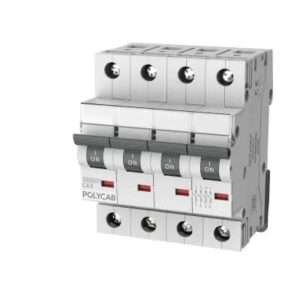
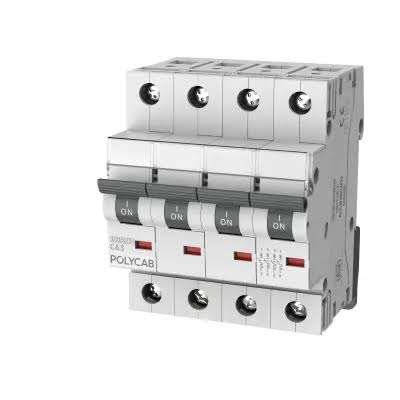
– Suitable circuit protection
– Proper grounding and earthing
– Good-quality wiring
– Appropriate electrical equipment
– Regular professional inspections
– Prompt repair of damaged components
– Avoiding unsafe electrical modifications
No single measure eliminates every electrical hazard. Instead, electrical safety works best as a system in which design, installation, maintenance, protection, and safe behavior work together.
Warning signs that should not be ignored
People should take electrical warning signs seriously and report them to a qualified adult or electrician. Examples include:
– Burning smells around electrical equipment
– Discolored sockets or switches
– Sparks or unusual arcing
– Repeated circuit-breaker trips
– Flickering lights
– Warm or damaged plugs
– Cracked cables
– Unusual buzzing sounds
– Smoke coming from electrical equipment
A warning sign does not necessarily mean a short circuit is occurring, but it can indicate that professional inspection is needed.
4. Prevention Supports Fire Alarm and Building Safety
Short circuit prevention and fire detection are two different parts of a wider fire-safety strategy.
Prevention attempts to reduce the chance of an electrical fault becoming dangerous. Fire detection systems, meanwhile, help provide warning when a fire or smoke condition is detected.
The Building Code of Pakistan Fire Safety Provisions states that fire alarm systems should be provided where necessary to warn occupants when the building’s size, arrangement, or occupancy means that a fire may not provide adequate warning by itself. It also requires fire-protection systems and safeguards to be designed, installed, and approved according to applicable codes and standards.
This makes the relationship between electrical safety and fire detection important.
A building should not rely entirely on a fire alarm system to compensate for poor electrical maintenance. At the same time, electrical prevention alone cannot replace appropriate detection and occupant-warning systems.
The role of a fire alarm system in Pakistan
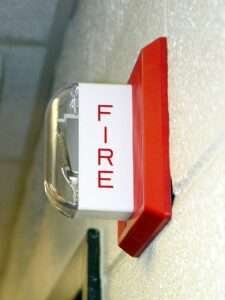
A properly planned Fire alarm system in Pakistan can form an important part of a building’s overall fire-safety arrangement, depending on the building type, occupancy, design, and applicable requirements.
Fire alarm systems may include components such as:
– Fire alarm control panels
– Smoke detectors
– Heat detectors
– Manual call points
– Audible alarms
– Visual notification devices
– Monitoring equipment
– Backup power arrangements
The exact system should be selected and designed according to the building’s requirements and applicable standards.
A fire alarm system is primarily a detection and notification measure. It does not prevent electrical faults from occurring. This distinction is important because fire safety works best when prevention, detection, evacuation planning, and maintenance are considered together.
5. It Can Reduce Business Disruption and Unexpected Costs
For a business, an electrical fault can affect much more than a single piece of equipment.
A serious electrical incident may interrupt operations, damage stock, affect computers and communication systems, or require repairs to parts of the building.
For example, a small shop may depend on refrigerators, lighting, payment equipment, security systems, and other electrical appliances. A factory may depend on motors, control systems, production equipment, and electrical panels. An office may depend on computers, servers, internet equipment, lighting, and air conditioning.
Electrical maintenance can therefore be viewed as part of business continuity.
Prevention can support:
– Equipment reliability
– Workplace safety
– Reduced downtime
– Protection of business property
– Better maintenance planning
– Greater awareness of electrical hazards
Preventive maintenance does not guarantee that an electrical failure will never happen. Instead, it helps identify conditions that may require attention before they develop into more serious problems.
Common Causes of Short Circuit Problems
Understanding common causes can help people recognize why prevention is necessary.
Overloaded Circuits
Connecting too many high-power appliances to a circuit can place excessive demand on electrical infrastructure. Electrical systems should be designed and used according to their intended capacity.
Damaged Wiring
Cables can become damaged through age, physical impact, heat, moisture, or improper installation. Damaged insulation can expose conductors and increase the risk of electrical faults.
Loose Connections
Poor or loose connections can create electrical resistance and heat. Connections should be inspected and repaired by qualified professionals.
Poor-Quality Components
Electrical safety depends partly on using suitable, correctly rated equipment. Components that are inappropriate for the application may increase risk.
Improper Electrical Modifications
Unplanned changes to electrical systems can create problems when wiring, protection, load requirements, and equipment ratings are not properly considered.
NEPRA recommends that electrical repairs and internal wiring inspections be handled by licensed electricians rather than being attempted by unqualified people.
How to Improve Short Circuit Prevention
Short circuit prevention should be approached as an ongoing process rather than a one-time activity.
1. Arrange Professional Electrical Inspections
Homes, businesses, and industrial facilities should have electrical systems inspected by qualified professionals according to their needs and applicable requirements.
2. Avoid Overloading
Electrical circuits should not be used beyond their intended capacity. High-power appliances and equipment should be connected to suitable circuits.
3. Replace Damaged Components
Damaged cables, plugs, sockets, switches, and other electrical components should be assessed and replaced by qualified professionals where necessary.
4. Use Appropriate Protection
Circuit protection should be properly selected and installed. Electrical safety standards emphasize coordination between protective devices, available fault current, and conductor capacity.
5. Keep Electrical Equipment Away From Unsafe Conditions
Electrical equipment should be protected from conditions such as excessive moisture, physical damage, and unsuitable environments.
6. Do Not Ignore Repeated Breaker Trips
Repeated circuit interruptions can indicate an underlying electrical problem. Rather than repeatedly resetting the system, the issue should be investigated by a qualified electrician.
7. Combine Prevention With Fire Detection
Electrical safety should be supported by suitable fire detection and notification measures where required.
PEC’s fire-safety framework includes provisions concerning occupant notification and fire alarm systems, while its broader engineering framework also recognizes professional installation and maintenance of fire detection and alarm systems.
Short Circuit Prevention in Pakistani Buildings
Pakistan has a wide variety of buildings, from residential houses and apartment complexes to offices, shopping centers, schools, hospitals, warehouses, factories, and high-rise buildings.
Each type of building can have different electrical loads and fire-safety requirements.
The Pakistan Engineering Council lists the Building Code of Pakistan Fire Safety Provisions 2016 and the Pakistan Electric and Telecommunication Safety Code 2014 among its published codes and standards.
This highlights the importance of considering electrical and fire safety during building design, construction, modification, and maintenance.
For larger buildings, professional assessment becomes particularly important because electrical systems can be complex and may interact with fire alarms, emergency power, elevators, HVAC systems, security equipment, and other building services.
The Importance of Regular Maintenance
Prevention is most effective when maintenance is continuous.
A useful electrical safety program can include:
– Professional inspections
– Maintenance records
– Checking electrical panels
– Reviewing circuit loads
– Inspecting visible wiring
– Replacing damaged equipment
– Testing appropriate protection systems
– Maintaining fire alarm equipment
– Training staff about electrical safety
– Keeping emergency procedures available
Businesses can also establish clear reporting procedures so employees know whom to contact when they notice electrical warning signs.
Short Circuit Prevention and Fire Alarm Maintenance
Installing a fire alarm system is only one part of a complete safety strategy. Systems also need appropriate inspection, testing, maintenance, and professional attention.
The Pakistan Engineering Council recognizes installation, commissioning, and maintenance of fire detection, alarm, and suppression systems as a specialized engineering service category.
This is important because a neglected alarm system may not provide the expected warning when it is needed.
Electrical prevention and fire alarm maintenance should therefore be considered complementary measures:
Prevention: Reduce electrical hazards.
Detection: Identify fire or smoke conditions.
Notification: Alert occupants.
Emergency planning: Help people respond safely.
Maintenance: Keep safety systems functional.
Final Thoughts
Short circuit prevention matters because electrical faults can affect people, property, equipment, business operations, and overall fire safety.
The five key reasons are clear: prevention can reduce electrical fire risk, protect expensive equipment, support personal and property safety, complement fire detection systems, and reduce unexpected disruption.
In Pakistan, electrical safety should be approached through proper design, appropriate protection, qualified installation, professional inspection, and regular maintenance. A Fire alarm system in Pakistan can provide an important layer of detection and warning, but it should be part of a broader fire-safety strategy rather than a replacement for electrical prevention.
For information about fire-safety equipment, professional services, and fire protection solutions in Pakistan, businesses and building owners can consult qualified fire-safety professionals and relevant regulatory requirements. “Fire Safety Trading” (https://reference-url-citation.invalid/10)
FAQs
1. What is a short circuit?
A short circuit is an unintended electrical connection that creates a low-resistance path for current. It can cause excessive current, heat, equipment damage, or other electrical hazards.
2. Can a short circuit cause a fire?
Yes. Depending on the electrical conditions and surrounding materials, a short circuit can generate heat or arcing that may contribute to fire. Proper circuit protection and professional electrical maintenance can help reduce this risk.
3. How can short circuits be prevented?
Prevention includes proper electrical design, suitable protective devices, avoiding overloaded circuits, maintaining wiring, replacing damaged components, and arranging inspections by qualified electricians.
4. Does a fire alarm system prevent short circuits?
No. A fire alarm system is primarily designed to detect and notify occupants about fire-related conditions. Electrical maintenance and appropriate circuit protection are needed to address electrical hazards.
5. Why is electrical inspection important in Pakistan?
Regular professional inspection can help identify damaged wiring, unsafe connections, overloaded circuits, and other electrical problems. NEPRA advises regular inspection of internal wiring by licensed electricians.