
Fireworks are commonly associated with celebrations, festivals, weddings, and special occasions. While they can be part of a celebration, fireworks also involve fire and can create risks for people, homes, vehicles, electrical equipment, and surrounding property. A small mistake or unexpected fire can quickly become a serious emergency.
For homeowners in Pakistan, preparing for fire-related risks is especially important during celebrations when homes may contain decorations, electrical equipment, combustible materials, and larger numbers of people than usual. Good preparation does not mean expecting an accident; it means having sensible precautions in place before an emergency occurs.
Fire safety should always focus on prevention first. Where fireworks are involved, homeowners should also follow applicable local laws, restrictions, and instructions from relevant authorities. The Directorate General of Civil Defence in Pakistan provides fire-safety training and consultancy services, while the Pakistan Engineering Council publishes the Building Code of Pakistan Fire Safety Provisions.
This guide explains practical fire-safety considerations for homeowners without providing instructions for operating or modifying fireworks.
Why Fireworks Require Fire-Safety Planning
Fireworks involve ignition and heat, which means they can create an unwanted fire if conditions are unsuitable. Sparks or burning material can potentially affect nearby combustible objects, vegetation, decorations, roofs, vehicles, or other property.
The risk can increase when:
– Homes are surrounded by dry vegetation.
– Flammable or combustible materials are stored outdoors.
– Large quantities of decorations are present.
– Electrical wiring is poorly maintained.
– Emergency exits are blocked.
– Children are near an unsupervised celebration.
– Firefighting equipment is unavailable.
– Weather conditions increase the likelihood of fire spreading.
– People are unfamiliar with emergency procedures.
A sensible homeowner should therefore think about the entire property rather than focusing on the fireworks themselves.
1. Check Local Rules Before Any Celebration
Fireworks may be subject to local restrictions, permissions, safety requirements, or temporary bans. These rules can vary by location and circumstances.
Before planning a celebration, homeowners should check current instructions from the relevant local authorities. Rules may change depending on the season, location, environmental conditions, public events, or security considerations.
Following official requirements is an important part of responsible fire prevention.
If a particular activity is prohibited or restricted in the area, homeowners should not attempt to bypass those requirements.
2. Keep Children Away From Firework-Related Activities
Children should not be responsible for fireworks or other fire-related equipment.
Young people may not recognize how quickly a fire can develop or understand the consequences of an unexpected ignition. Adults should therefore take responsibility for maintaining a safe environment.
A safer approach is to keep children at a safe distance from areas where fire hazards may be present and ensure that younger family members understand basic emergency procedures.
Children should also know:
– Where the home’s exits are.
– Where family members should meet during an evacuation.
– How to alert an adult if they notice smoke or fire.
– That they should never return to a building during a fire emergency.
Fire safety education is more useful than expecting children to deal with a developing fire themselves.
3. Keep Combustible Materials Away From Fire Hazards
Homes contain many materials that can burn, including paper, cardboard, fabrics, plastic decorations, dry leaves, furniture, and packaging.
Before a celebration, homeowners should inspect outdoor and indoor areas and remove unnecessary combustible materials from locations where they could be exposed to heat or sparks.
Pay particular attention to:
– Dry vegetation
– Paper decorations
– Cardboard boxes
– Curtains
– Plastic materials
– Outdoor furniture
– Waste materials
– Fuel containers
– Other combustible storage
Good housekeeping reduces the number of materials available to support an accidental fire.
4. Protect Your Home’s Exterior
The exterior of a home should be included in the fire-safety assessment.
Check areas such as:
– Roofs
– Balconies
– Windows
– Doors
– Garages
– Storage areas
– Gardens
– Outdoor furniture
– Nearby vegetation
Dry vegetation can become an additional fire hazard, particularly during hot and dry weather.
Homeowners should also ensure that combustible materials are not unnecessarily accumulated around the property.
The objective is simple: reduce opportunities for an external fire to spread toward the building.
5. Check Electrical Safety
Celebrations often involve additional electrical equipment, including decorative lights, extension leads, speakers, and other appliances.
Before an event, inspect visible electrical equipment for obvious damage.
Look for:
– Damaged cables
– Broken plugs
– Loose connections
– Overloaded outlets
– Improper temporary wiring
– Exposed conductors
– Signs of overheating
Electrical installations that require repair should be handled by appropriately qualified personnel.
Avoid combining several high-load appliances into unsuitable extension arrangements.
Electrical safety is important even when fireworks are not being used because celebrations can increase the amount of temporary electrical equipment around a home.
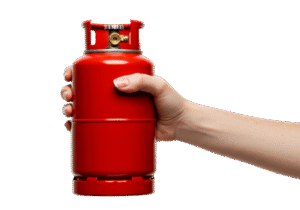
6. Keep Fire Extinguishers Accessible
A suitable fire extinguisher can be an important part of household fire preparedness.
However, the correct extinguisher depends on the type of fire risk. Homeowners should select equipment according to the manufacturer’s specifications and applicable safety requirements.
Before a celebration, check that:
– The extinguisher is accessible.
– It is not blocked by furniture or stored items.
– The cylinder appears undamaged.
– Instructions remain readable.
– Required inspections or servicing are up to date.
An extinguisher is intended for an appropriate small fire when it is safe to respond. If a fire is spreading, producing heavy smoke, or creating an immediate danger, occupants should prioritize evacuation and contact emergency services rather than attempting to fight it.
7. Make Sure Your Smoke Alarms Work
Smoke alarms can provide early warning of a developing fire.
Before a celebration, homeowners should check that smoke alarms are installed appropriately and respond to their normal test procedure.
A basic maintenance routine includes:
– Testing alarms according to manufacturer instructions.
– Replacing replaceable batteries when required.
– Checking for visible damage.
– Keeping alarms unobstructed.
– Replacing alarms according to the manufacturer’s service-life recommendations.
Smoke alarms are particularly important at night because occupants may not otherwise notice a developing fire immediately.
For larger properties, smoke detection may form part of a broader fire detection and alarm system.
8. Understand the Role of a Fire Alarm System
A Fire alarm system in Pakistan can be an important component of a building’s overall fire-protection strategy.
A larger system may include detection devices, manual call points, notification appliances, control equipment, and backup power. The Building Code of Pakistan Fire Safety Provisions contains requirements concerning fire detection and alarm systems for applicable building occupancies.
Pakistan Engineering Council also identifies installation, commissioning, and maintenance of fire detection, alarm, and suppression systems as a specialized engineering work category.
For homeowners, the key point is that a fire alarm should not be considered a replacement for safe behavior. Detection provides warning; prevention and evacuation procedures remain essential.
9. Keep Emergency Exits Clear
An emergency is not the time to discover that an exit is blocked.
Before a celebration, check that everyone can reach the home’s main exits without passing through unnecessary obstacles.
Keep clear:
– Doors
– Hallways
– Stairways
– Passageways
– Gates
– Driveways needed for emergency access
Do not store boxes, furniture, decorations, or other objects where they could restrict evacuation.
Family members should know at least one suitable way out of the home and understand where to gather after leaving.
10. Create a Family Emergency Plan
Every household should have a simple emergency plan.
The plan can identify:
– Primary exit routes
– Alternative exits
– Outdoor meeting location
– Emergency contact information
– Responsibilities for helping young children or vulnerable family members
– Procedures for contacting emergency services
Everyone in the household should know the basic plan.
A good emergency plan should be simple enough to remember during a stressful situation.
11. Never Ignore Smoke or a Fire Warning
If smoke or fire is noticed, treat it seriously.
Warning signs can include:
– Visible smoke
– Flames
– Burning smells
– Unusual heat
– A smoke alarm activation
– A building fire alarm activation
Do not assume that a small amount of smoke will remain harmless.
If a fire occurs inside or near a home, occupants should move away from danger, alert others, evacuate where necessary, and contact the appropriate emergency service.
Do not delay evacuation while trying to collect valuables.
12. Avoid Re-Entering a Building During a Fire
Once occupants have safely left a building during a fire emergency, they should not return simply to collect phones, documents, money, pets, or other belongings.
Fire conditions can change quickly, and smoke can make escape routes unsafe.
Wait for emergency responders or other authorized personnel to determine when re-entry is safe.
This principle is particularly important for children, who may otherwise be tempted to return for a favorite possession.
13. Consider Neighbors and Surrounding Property
Fire safety does not stop at the property boundary.
A fire can affect neighboring houses, vehicles, shops, vegetation, and other structures.
Homeowners should therefore consider nearby:
– Houses
– Vehicles
– Dry vegetation
– Utility equipment
– Storage areas
– Construction materials
– Other combustible property
Maintaining reasonable separation from combustible materials helps reduce opportunities for an accidental fire to spread.
14. Keep Water and Other Emergency Resources in Mind
Homeowners should know what emergency resources are available on their property and in their local area.
However, water is not suitable for every type of fire. For example, electrical equipment and certain burning materials require specific fire-safety approaches.
This is why fire extinguishers should be selected according to the relevant fire hazard rather than simply purchasing one product for every situation.
For larger or more complex properties, a professional fire-risk assessment can help identify suitable protective equipment.
15. Pay Attention to Weather Conditions
Weather can influence fire risk.
Strong winds can cause burning material or sparks to travel, while hot and dry conditions can increase the vulnerability of vegetation and other combustible materials.
If local authorities issue warnings or restrictions because of weather or fire conditions, those instructions should be followed.
A planned celebration is never more important than preventing an avoidable emergency.
16. Keep Fire Safety Equipment Maintained
Fire-safety equipment needs maintenance even when it has never been used.
Regularly inspect:
– Smoke alarms
– Fire extinguishers
– Fire alarm equipment
– Emergency lighting where installed
– Fire doors where applicable
– Electrical equipment
– Other installed fire-protection systems
Specialized fire detection and suppression systems should be inspected and maintained according to their manufacturer’s requirements and applicable standards.
The National Institute of Fire Technology under Pakistan’s Directorate General of Civil Defence provides fire-safety training and technical consultancy and has responsibilities related to inspection of fire-prevention and firefighting equipment.
17. Prepare for Small Fires Without Taking Unnecessary Risks
Fire extinguishers can sometimes help control an early-stage fire, but using one is not appropriate in every situation.
Homeowners should not attempt to fight a fire if:
– The fire is growing rapidly.
– Heavy smoke is present.
– The exit route could become blocked.
– The person has not been trained.
– The correct firefighting equipment is unavailable.
– The fire involves a hazardous material.
– There is an immediate risk to people.
The priority should always be personal safety and evacuation.
18. Keep Emergency Contact Information Available
During an emergency, people may become confused or stressed.
Keep important emergency contact information accessible to family members.
Children should also know how to tell a trusted adult that there is a fire or other emergency.
For larger households, an emergency plan can identify responsibilities and the family’s meeting point.
The Directorate General of Civil Defence maintains fire-safety training facilities and provides fire/life-safety consultancy services in Pakistan.
19. Be Careful With Decorations
Decorations can contribute to fire risk when they are combustible or placed close to heat sources.
Before a celebration, check that decorations:
– Do not block exits.
– Do not cover smoke alarms.
– Do not obstruct fire equipment.
– Are kept away from heat sources.
– Do not interfere with electrical equipment.
Large amounts of paper, fabric, plastic, or other combustible decorations should be managed carefully.
The goal is to enjoy the event without creating additional fire hazards.
20. Review the Property After the Celebration
Fire-safety responsibility does not end when the celebration finishes.
Afterward, homeowners should check the property for:
– Smoke
– Heat
– Damaged electrical equipment
– Smoldering materials
– Unusual odors
– Debris
– Damage to outdoor areas
Do not assume that an area is safe simply because visible flames are no longer present.
Any suspected fire or damaged electrical installation should be handled appropriately and, where necessary, assessed by qualified personnel.
Fireworks Safety Checklist for Homeowners
A simple checklist can help homeowners prepare:
– Check applicable local rules.
– Keep children away from fire-related activities.
– Remove unnecessary combustible materials.
– Inspect outdoor areas.
– Keep exits clear.
– Check smoke alarms.
– Check fire extinguishers.
– Review emergency contact information.
– Check visible electrical equipment.
– Keep decorations away from hazards.
– Establish a family meeting point.
– Make sure everyone knows the evacuation plan.
– Do not re-enter a burning building.
– Follow instructions from emergency responders.
– Review the property after the celebration.
Fire Safety and the Wider Home Protection Plan
Fireworks are only one potential source of fire risk. A home’s overall safety should also address electrical faults, cooking, heating equipment, candles, gas appliances, batteries, and other common hazards.
A broader home fire-safety plan can include:
Smoke Detection
Smoke alarms can provide early warning.
Fire Alarm Systems
Larger properties may require more comprehensive detection and notification systems.
Fire Extinguishers
Suitable extinguishers can provide first-line protection against certain small fires.
Escape Routes
Clear exits give occupants a practical way to leave.
Emergency Planning
A family plan helps people respond more quickly.
Maintenance
Regular inspection helps identify problems before an emergency.
Pakistan’s Building Code Fire Safety Provisions are part of the country’s published building-code framework, and the Pakistan Engineering Council continues to list the Fire Safety Provisions 2016 among its published codes and standards.
Final Thoughts
Fireworks can be associated with celebrations, but fire safety should remain a priority whenever an event involves ignition, heat, or combustible materials. Homeowners can reduce unnecessary risks by preparing their property, keeping exits clear, maintaining smoke alarms and firefighting equipment, and ensuring that family members understand basic emergency procedures.
Fire safety is particularly important in Pakistan because homes and other buildings can vary considerably in construction, occupancy, electrical arrangements, and surrounding conditions. A suitable Fire alarm system in Pakistan can provide an important layer of early warning where such a system is appropriate, but it should form part of a broader fire-protection and evacuation strategy.
Most importantly, homeowners should follow current instructions from local authorities and avoid any activity that is prohibited or unsafe. The Directorate General of Civil Defence provides fire-prevention and safety training in Pakistan, reflecting the importance of preparedness and public awareness.
For information about fire-safety equipment and related solutions in Pakistan, visit “Fire Safety Trading” (https://firesafetytrading.com.pk).
FAQs
1. Are fireworks safe to use around a home?
Fireworks can create fire and injury risks, particularly when combustible materials, people, buildings, vehicles, or dry vegetation are nearby. Homeowners should follow applicable local laws and safety instructions and avoid activities that are prohibited or unsafe.
2. Should children handle fireworks?
Children should not be responsible for fireworks or other fire-related activities. Adults should maintain a safe environment and ensure that children understand basic evacuation and emergency procedures.
3. Can a fire alarm system protect my home from a fireworks-related fire?
A suitable fire alarm or smoke-detection system can provide early warning when smoke or fire is detected, but it does not prevent a fire. Detection should be combined with prevention, clear exits, emergency planning, and appropriate firefighting equipment.
4. What should I do if a fire starts during a celebration?
Alert everyone nearby, move away from danger, evacuate if necessary, and contact the appropriate emergency service. Do not attempt to fight a growing or dangerous fire, and do not re-enter a burning building to retrieve belongings.
5. What fire-safety equipment should homeowners consider?
Depending on the property and its hazards, homeowners may consider suitable smoke alarms, fire extinguishers, and other appropriate fire-protection equipment. Larger or more complex buildings may require a comprehensive fire alarm and detection system, emergency lighting, fire doors, or other measures based on applicable requirements and professional assessment.