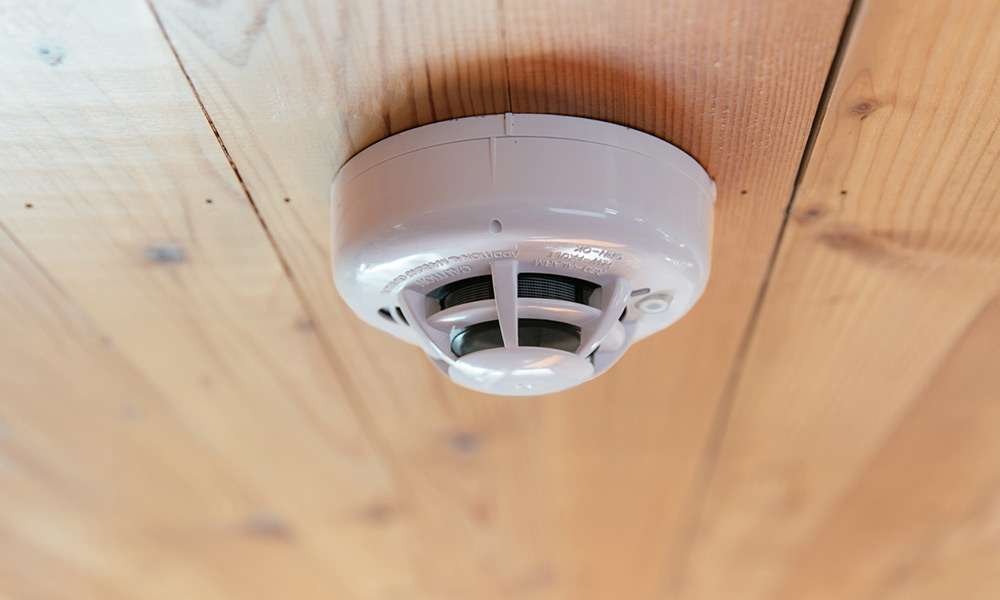
Smoke alarms are an important part of fire safety because they can provide an early warning when smoke is detected. A smoke alarm can only perform its intended function when it has a reliable power source and is properly maintained. For battery-powered alarms, the battery is therefore a critical part of the overall safety arrangement.
For homes, offices, hotels, schools, shops, and other buildings, battery requirements can vary according to the type of alarm, system design, applicable regulations, and manufacturer’s instructions. Pakistan’s Building Code of Pakistan – Fire Safety Provisions 2016 includes provisions for smoke alarms in certain occupancies and specifically recognizes testing, maintenance, and battery-replacement programs as factors in the reliability of battery-powered smoke alarms.
This guide explains ten important things to know about smoke alarm batteries and how they relate to a broader Fire alarm system in Pakistan.
1. Smoke Alarm Batteries Provide Essential Power
A battery-powered smoke alarm depends on its battery to operate. If the battery is missing, completely discharged, incorrectly installed, or disconnected, the alarm may not provide its intended warning.
This makes battery maintenance an important part of household and building fire safety.
A smoke alarm may look perfectly normal from the outside while having a weak battery. This is why simply looking at an alarm is not enough. Regular testing and maintenance are necessary.
For battery-powered alarms, users should follow the manufacturer’s instructions regarding the correct battery type, replacement procedure, and testing schedule.
It is also important not to remove a battery simply because an alarm is producing unwanted warning sounds. The underlying cause should be addressed rather than leaving the alarm without power.
2. Different Smoke Alarms Use Different Battery Designs
Not every smoke alarm uses the same type of battery.
Some alarms use replaceable batteries, while others contain sealed long-life batteries. Certain systems may also receive power from a building’s electrical supply with battery backup.
Before replacing a battery, check:
– The smoke alarm manufacturer’s instructions
– The model number
– The specified battery type
– Battery polarity
– Replacement instructions
– Whether the battery is replaceable
A sealed long-life alarm is different from a model designed for routine battery replacement. NFPA guidance notes that smoke alarms with nonreplaceable long-life batteries are designed for extended service, while alarms using replaceable batteries require battery replacement according to the manufacturer’s instructions.
Using an incorrect battery can prevent the alarm from operating properly.
3. A Low-Battery Warning Should Not Be Ignored
Many smoke alarms produce a periodic chirping sound when their battery is becoming weak.
This warning should not simply be ignored.
A low-battery signal means the alarm requires attention. Depending on the alarm design, the solution may involve replacing the battery or replacing the entire alarm if it contains a sealed battery that is not designed to be replaced.
The important point is to follow the manufacturer’s instructions.
Do not assume that stopping the sound by removing the battery solves the problem. A smoke alarm without its required power source cannot provide the intended warning.
NFPA guidance recommends replacing batteries in smoke alarms with replaceable batteries when required and replacing sealed-battery alarms when their low-battery warning indicates that the alarm has reached the relevant stage of service.
4. Test Smoke Alarms Regularly
Battery replacement and alarm testing are two different things.
A new battery does not automatically prove that the complete smoke alarm is working correctly.
The test button on the alarm should be used according to the manufacturer’s instructions. NFPA recommends testing smoke alarms monthly using the test button and ensuring that household members recognize the alarm sound.
A test can help identify problems such as:
– Weak or missing power
– Alarm malfunction
– Fault indicators
– Problems with notification
– Incorrect installation
Testing should be performed safely and according to the manufacturer’s instructions.
If an alarm does not respond correctly during testing, it should not simply be assumed to be operational.
5. Battery Replacement Schedules Depend on the Alarm
There is no single battery-replacement schedule that applies to every smoke alarm.
For smoke alarms using replaceable batteries, NFPA recommends replacing batteries at least once a year, while also following the specific manufacturer’s instructions.
Some alarms use long-life batteries, while others use sealed batteries designed to last for the service life of the alarm.
Therefore, before creating a maintenance schedule, determine what type of alarm is installed.
A useful record can include:
– Alarm location
– Alarm model
– Battery type
– Date installed
– Date battery was replaced
– Date tested
– Maintenance observations
This is particularly useful in buildings with multiple alarms.
6. Smoke Alarm Batteries Are Not the Same as System Backup Batteries
A standalone battery-powered smoke alarm should not be confused with a larger fire alarm system.
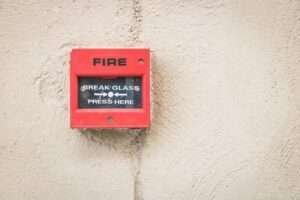
A building fire alarm system can include a control panel, detectors, manual call points, notification devices, power supplies, and backup batteries. The batteries in such systems serve a different function from the replaceable battery in a standalone residential smoke alarm.
A Fire alarm system in Pakistan may therefore have its own battery-backup and maintenance requirements depending on its design.
Pakistan’s Engineering Council lists fire detection, alarm, and suppression system installation, commissioning, and maintenance as a recognized engineering work category.
For larger or regulated premises, system batteries should be inspected and maintained by appropriately qualified personnel according to the system manufacturer’s instructions and applicable requirements.
7. Never Disconnect a Smoke Alarm Because of Nuisance Alarms
Cooking fumes, steam, dust, or unsuitable installation locations can sometimes cause unwanted alarms.
The solution should not be to remove the battery and leave the alarm inactive.
NFPA guidance recommends addressing nuisance alarms through appropriate measures, such as considering the alarm’s location and following manufacturer guidance.
If an alarm repeatedly activates without an obvious fire-related cause, the situation should be investigated.
Possible considerations include:
– Location near cooking equipment
– Steam
– Dust
– Insects
– Contamination
– Equipment age
– Environmental conditions
– Incorrect detector type
– Installation issues
If the alarm continues to behave abnormally, professional advice or replacement may be appropriate.
8. Smoke Alarms Have a Limited Service Life
Replacing a battery does not make an old smoke alarm new again.
Smoke alarms contain electronic components and sensing elements that can deteriorate over time. NFPA guidance recommends replacing smoke alarms, including alarms using long-life batteries and hard-wired alarms, when they reach ten years of age or sooner if they do not respond properly to testing.
The exact service life should always be checked against the manufacturer’s instructions and applicable requirements.
When replacing an old alarm, check:
– The manufacturer’s recommended service life
– Alarm technology
– Power arrangement
– Compatibility with the existing system
– Installation requirements
– Applicable building requirements
For larger properties, replacing individual components may require consideration of the overall fire detection system.
9. Battery Maintenance Should Be Part of a Wider Fire Safety Plan
Smoke alarm batteries are important, but they are only one part of fire safety.
A complete fire-safety plan may include:
– Smoke detection
– Fire alarm systems
– Fire extinguishers
– Emergency exits
– Emergency lighting
– Fire doors
– Evacuation procedures
– Fire drills
– Staff training
– Electrical safety
– Equipment maintenance
The Building Code of Pakistan – Fire Safety Provisions 2016 contains requirements covering fire alarm and detection systems for various types of buildings and occupancies. It also contains specific provisions concerning smoke alarms in certain lodging and hotel-related occupancies.
This means smoke alarms should be considered as part of the overall fire-protection strategy rather than as a standalone solution.
10. Keep Records of Battery Replacement and Testing
Record keeping may seem unnecessary for a small home, but it can be particularly valuable for offices, hotels, schools, shops, warehouses, and other larger properties.
A basic maintenance record can include:
Item| Information
Alarm location| Room or area
Alarm type| Battery, hard-wired, etc.
Battery type| Manufacturer-specified type
Installation date| Date installed
Last test| Date tested
Battery replacement| Date replaced
Condition| Normal or issue identified
Action taken| Repair or replacement
Next check| Planned date
Records help responsible people identify when maintenance was last performed.
They can also make it easier to identify recurring problems and ensure that alarms are not accidentally overlooked.
Choosing the Right Smoke Alarm
Battery maintenance starts with selecting an appropriate smoke alarm.
Before purchasing an alarm, consider:
Alarm Type
Different sensing technologies are designed for different applications. Follow manufacturer guidance and applicable fire-safety requirements when selecting the appropriate type.
Power Source
Determine whether the alarm uses:
– Replaceable batteries
– Sealed long-life batteries
– Mains power with battery backup
– A larger fire alarm system power supply
Installation Environment
Consider where the alarm will be installed. Kitchens, bathrooms, dusty areas, garages, and industrial environments can have conditions that affect detector performance.
Maintenance Requirements
Choose equipment for which the maintenance requirements are understood and practical.
Replacement Availability
For replaceable-battery alarms, make sure the specified batteries can be obtained when required.
For commercial systems, consider whether replacement parts and professional servicing are available.
Smoke Alarm Batteries in Pakistan’s Climate
Pakistan includes a wide range of environmental conditions, from hot and dry areas to humid coastal environments and colder northern regions.
Environmental conditions can affect electronic equipment, although the impact depends on the specific product and installation environment.
Smoke alarms should therefore be installed and maintained according to the manufacturer’s environmental specifications.
Avoid installing an alarm in an unsuitable location simply because it is convenient.
Where buildings use centralized fire detection systems, environmental considerations should also be included in system design and maintenance.
What to Check When Buying Smoke Alarm Batteries
If an alarm uses replaceable batteries, check the manufacturer’s specified requirements before purchasing a replacement.
Important details include:
– Battery chemistry
– Voltage
– Size
– Model compatibility
– Manufacturer instructions
– Expiration or storage information where applicable
Do not assume that two batteries are interchangeable simply because they look similar.
The safest approach is to use the battery type specified by the alarm manufacturer.
What to Do If a Smoke Alarm Does Not Work
If the alarm does not respond during its normal test:
1. Check the manufacturer’s instructions.
2. Confirm that the battery is installed correctly if it is replaceable.
3. Replace the battery if required.
4. Test the alarm again.
5. Check for visible damage.
6. Consider the age of the alarm.
7. Replace the alarm if it remains unreliable.
8. Seek qualified assistance for alarms connected to a larger fire alarm system.
Do not leave a known faulty alarm in service simply because it looks intact.
Smoke Alarm Batteries and Commercial Buildings
Commercial buildings may have more complex fire-protection requirements than individual homes.
Hotels, offices, schools, shopping facilities, factories, warehouses, and other properties may use interconnected smoke detectors or centralized fire alarm systems.
In these environments, battery maintenance can involve:
– Control-panel batteries
– Emergency power supplies
– Detector power
– Notification circuits
– Monitoring equipment
– Backup power arrangements
Maintenance should be performed according to the system design and applicable requirements.
Pakistan’s Building Code recognizes fire alarm systems and smoke detection arrangements for various occupancy types.
Common Smoke Alarm Battery Mistakes
Several simple mistakes can reduce the reliability of smoke alarms.
Removing the Battery
Removing a battery because of a low-battery warning or nuisance alarm leaves the alarm without its required power source.
Installing the Wrong Battery
A battery that physically fits may not necessarily be electrically suitable.
Ignoring Chirping
Repeated low-battery warnings should be addressed rather than ignored.
Forgetting the Alarm’s Age
Replacing the battery does not eliminate the need to replace an alarm when it reaches the end of its recommended service life.
Skipping Tests
A recently installed battery does not replace routine testing.
Blocking or Covering the Alarm
The sensing mechanism needs to remain unobstructed according to the manufacturer’s installation instructions.
Building a Simple Smoke Alarm Maintenance Routine
A straightforward routine can make maintenance easier.
Monthly
Test smoke alarms using the manufacturer’s recommended test procedure.
During Battery Replacement
Record the replacement date and verify that the alarm operates correctly afterward.
Periodically
Inspect the alarm for visible damage, contamination, obstruction, or other problems.
At the End of the Recommended Service Life
Replace the alarm according to the manufacturer’s instructions.
For Larger Fire Alarm Systems
Arrange professional inspection, testing, and maintenance according to the system design, manufacturer requirements, and applicable regulations.
Final Thoughts
Smoke alarm batteries may be small components, but they play an important role in the reliability of battery-powered smoke alarms. Regular testing, timely battery replacement, correct battery selection, and proper alarm replacement can help maintain the intended warning function.
The exact requirements depend on the type of smoke alarm and the building in which it is installed. In Pakistan, the Building Code of Pakistan – Fire Safety Provisions 2016 provides fire-safety requirements for different occupancies and recognizes the importance of testing, maintenance, and battery replacement for relevant battery-powered smoke alarms.
A Fire alarm system in Pakistan should be viewed as part of a broader fire-safety arrangement that may include detection, notification, emergency exits, extinguishers, evacuation procedures, and regular maintenance.
For information about fire-safety equipment and related solutions in Pakistan, visit “Fire Safety Trading” (https://reference-url-citation.invalid/11).
FAQs
1. How often should smoke alarm batteries be replaced?
For smoke alarms with replaceable batteries, NFPA guidance recommends replacing batteries at least annually, while also following the specific manufacturer’s instructions. A battery should also be replaced when the alarm gives a low-battery warning.
2. Can I use any battery in my smoke alarm?
No. The replacement battery should match the type specified by the smoke alarm manufacturer. Check the alarm’s instructions or product documentation before purchasing a replacement.
3. Why does my smoke alarm keep chirping after I replace the battery?
There can be several possible causes, including an incorrectly installed battery, another fault condition, contamination, or an alarm that has reached the end of its service life. Follow the manufacturer’s troubleshooting instructions and replace the alarm if it remains unreliable.
4. Do smoke alarms need to be tested if the battery is new?
Yes. A new battery does not guarantee that the entire alarm is functioning correctly. NFPA recommends testing smoke alarms monthly using the test button and following the manufacturer’s maintenance instructions.
5. How long does a smoke alarm last?
Service life depends on the model and manufacturer. NFPA guidance recommends replacing smoke alarms at ten years or sooner if they fail to respond properly to testing. Always check the manufacturer’s instructions for the specific alarm.