Fire safety is an essential part of protecting people, buildings, and valuable property. Whether it is a residential apartment, shopping mall, school, hospital, office, factory, or warehouse, every building needs a clear plan for dealing with fire emergencies. While fire alarms, smoke detectors, extinguishers, and emergency exits receive considerable attention, fire safety signage is another important element that should never be overlooked.
Fire safety signs provide essential information when people need it most. They help occupants identify emergency exits, locate firefighting equipment, understand warnings, and follow evacuation routes. In an emergency, people may become confused or struggle to make quick decisions. Clear and visible signs can help them understand where to go and what safety facilities are available.
In Pakistan, buildings of different sizes and purposes require suitable fire safety arrangements. From commercial buildings in Karachi and Lahore to factories in Faisalabad and residential developments in Islamabad, proper signage can improve emergency preparedness. When combined with a reliable fire alarm system in Pakistan, suitable signs help create a more organized approach to fire protection.
This article explains five important reasons why fire safety signage matters more than many people realize.
1. Fire Safety Signs Help People Find Emergency Exits
One of the most important purposes of fire safety signage is to guide people towards emergency exits. During a fire emergency, occupants may not be familiar with every part of a building. Visitors, customers, new employees, and guests may not know which doors provide safe access outside.
Emergency exit signs make these routes easier to identify. They provide clear visual information that helps people understand where to move when an evacuation becomes necessary.
Why Emergency Exit Signs Are Important
Many buildings have multiple rooms, corridors, staircases, and entrances. Without proper signs, occupants may become uncertain about the safest way out. This can create confusion and delay evacuation.
Clearly displayed exit signs help by:
– Identifying designated emergency exits.
– Showing the direction towards evacuation routes.
– Helping visitors navigate unfamiliar buildings.
– Making emergency routes easier to recognize.
– Supporting organized evacuation procedures.
Signs should be positioned where people can see them easily. If a corridor changes direction or a route contains several possible doors, additional directional signs may be necessary.
Emergency Exit Signage in Pakistani Buildings
Commercial buildings in Pakistan often receive visitors who are unfamiliar with their internal layouts. Shopping centres, hotels, educational institutions, hospitals, and office complexes should make emergency exits easy to identify.
Factories and warehouses also need suitable exit signs because their layouts may include large work areas, storage sections, and restricted access points.
Building managers should regularly check whether exit signs remain visible and understandable. A sign hidden behind furniture, damaged during maintenance, or covered by decorations cannot provide effective guidance.
Emergency exit signs should also support a building’s evacuation plan. Occupants should know where the designated routes lead and which assembly area they should use after leaving the building.
2. Fire Safety Signage Helps People Locate Firefighting Equipment
Fire extinguishers and other firefighting equipment are important parts of a building’s fire protection arrangements. However, installing equipment is not enough. People must also be able to identify where it is located.
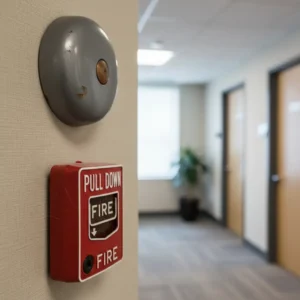
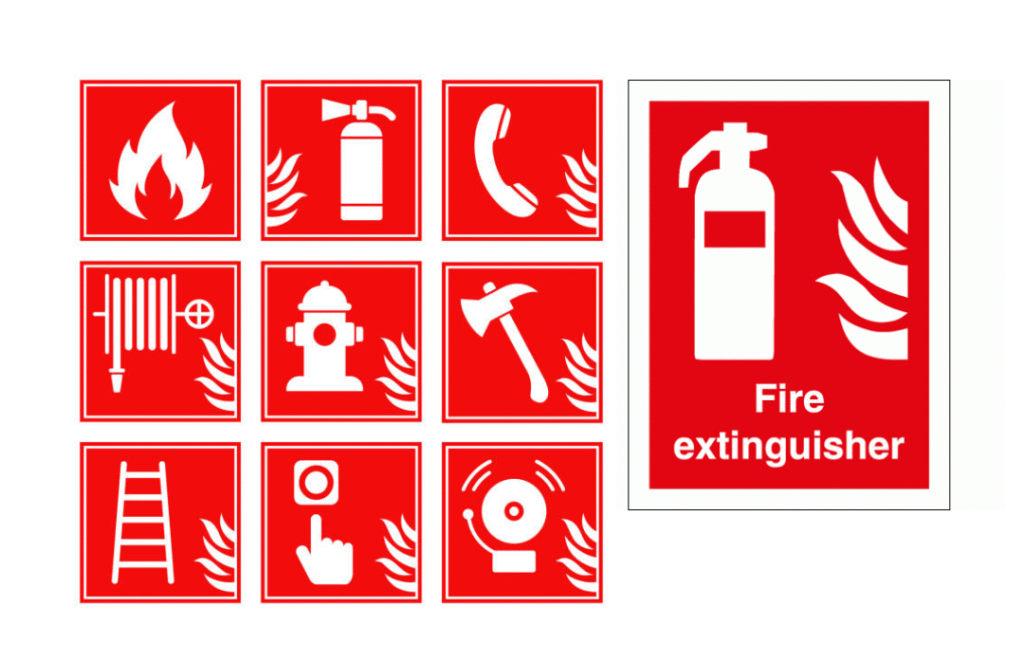
Fire safety signage helps occupants recognize the positions of fire extinguishers, fire hose reels, fire alarm call points, and other designated safety equipment.
Why Equipment Identification Matters
In an emergency, people may not have enough time to search several rooms or storage areas for safety equipment. Clear signs make equipment locations easier to recognize during routine activities and emergency situations.
Proper equipment signs can:
– Identify fire extinguisher locations.
– Mark fire hose reel positions.
– Show where manual alarm call points are installed.
– Identify fire blankets and other approved safety equipment.
– Help staff become familiar with available fire protection facilities.
These signs should be easy to see and should not be blocked by boxes, shelves, machinery, or temporary storage.
Different Signs for Different Equipment
Fire safety signs should clearly communicate the type or location of the equipment they identify. For example, a fire extinguisher sign helps occupants recognize the designated storage position of an extinguisher.
Similarly, signs identifying manual fire alarm call points help people locate the equipment used to activate an alarm.
It is important that signs accurately represent the equipment available in the building. A sign should never indicate that equipment is present when it has been removed, relocated, or taken out of service.
Supporting Fire Protection Systems
A well-planned fire protection arrangement combines several safety measures. Fire detection devices identify potential fire conditions, alarm systems notify occupants, and signage helps people understand the available exits and safety facilities.
Businesses looking for a fire alarm system in Pakistan should consider signage as part of their wider fire safety planning rather than treating it as an unrelated decorative feature.
3. Fire Safety Signs Reduce Confusion During Emergencies
Fire emergencies can create uncertainty, particularly in buildings where many people work, study, shop, or receive services. People may be unfamiliar with the building layout or unsure which direction they should take.
Fire safety signage provides simple visual instructions that can help reduce confusion.
Clear Communication Is Essential
Not everyone inside a building will understand its emergency procedures. Employees may know the layout, but visitors and customers may be entering the premises for the first time.
Clear signs communicate important information without requiring people to read lengthy instructions.
Examples include:
– Emergency exit signs.
– Directional evacuation signs.
– Fire hazard warning signs.
– Signs identifying restricted areas.
– Fire equipment location signs.
– Assembly point signs.
These signs should use recognizable symbols, suitable wording, and clear visual contrast. They should also be placed where the relevant information is needed.
Why Visual Signs Are Useful
During an emergency, people may find it difficult to process complicated instructions. Visual signs can communicate basic information quickly and support the evacuation instructions provided by trained staff.
For example, a directional exit sign in a corridor can help visitors identify the designated route. A warning sign near a restricted area can remind occupants that access is limited because of a potential hazard.
Signs should be consistent throughout the building. Using different symbols or confusing terminology for the same purpose may make the safety system harder to understand.
The Importance of Regular Awareness
Even the best signs cannot replace proper emergency training. Employees should understand what the signs mean and know how to follow the building’s evacuation plan.
Organizations can improve awareness through safety briefings, orientation sessions, and supervised evacuation drills.
Staff should also be informed about the location of assembly points and the procedures for reporting emergencies. These activities help people become familiar with the building’s safety arrangements before an incident occurs.
4. Fire Safety Signage Supports Workplace Safety and Compliance
Fire safety signage is important not only during emergencies but also as part of everyday workplace safety management.
Factories, offices, warehouses, hospitals, schools, restaurants, and commercial buildings need organized safety arrangements. Suitable signs help communicate hazards, identify safety facilities, and remind occupants about important precautions.
Supporting a Safer Working Environment
A workplace may contain electrical equipment, machinery, heating systems, storage areas, or other potential hazards. Appropriate warning signs help employees and visitors recognize areas that require additional attention.
For example:
– Electrical hazard signs identify areas with electrical risks.
– Flammable material signs warn people about fire-related hazards.
– No smoking signs help communicate restrictions.
– Emergency exit signs identify evacuation routes.
– Fire equipment signs identify safety facilities.
– Assembly point signs identify designated gathering locations.
Signs should reflect the actual risks and conditions present in the building. Installing generic signs without assessing the workplace may leave important hazards unidentified.
Supporting Building Safety Requirements
Building owners and managers should check the fire safety requirements that apply to their property. These may depend on the building’s purpose, size, occupancy, design, and applicable local regulations.
In Pakistan, organizations should review relevant building requirements, fire safety provisions, and instructions from the appropriate local authorities. They should also consult qualified fire safety professionals when planning or upgrading their arrangements.
Proper signage can support a broader safety management system by making important information visible and accessible.
However, signs alone do not establish compliance. A building may also need suitable fire detection and alarm systems, emergency lighting, accessible escape routes, firefighting equipment, evacuation procedures, and regular maintenance.
Improving Safety Responsibilities
Clear signs make it easier for employees and visitors to understand the building’s safety arrangements. They also help management identify whether important safety information is displayed consistently.
A workplace safety inspection should include checks for damaged, missing, faded, or incorrectly positioned signs.
When a department changes its layout or equipment is relocated, the relevant signs should be reviewed. This helps ensure that the displayed information remains accurate.
5. Fire Safety Signage Improves Overall Emergency Preparedness
Emergency preparedness requires more than purchasing equipment or displaying a few warning signs. It involves planning how people will receive alerts, understand instructions, leave the building, and gather at a safe location.
Fire safety signage supports this process by connecting different parts of the building’s emergency arrangements.
How Signage Works With Fire Alarm Systems
A fire alarm system is designed to alert occupants when a fire-related emergency is detected or manually reported. However, an alarm does not automatically tell everyone which route to use or where specific safety facilities are located.
This is where signage becomes especially useful.
For example, when an alarm sounds, occupants need to follow the building’s evacuation procedures. Clearly marked exits and directional signs can help guide them towards designated routes.
Fire alarm call point signs also help people identify where manual alarm activation equipment is located.
Together, alarms, signs, emergency lighting, and evacuation plans provide a more complete approach to emergency preparedness.
Preparing for Different Types of Buildings
Different buildings have different evacuation needs.
Schools and educational institutions: Signs should help students, teachers, employees, and visitors identify emergency exits, staircases, and assembly points. Safety information should be communicated in a way that is understandable for the age groups using the building.
Hospitals and healthcare facilities: Signage should support the movement of patients, staff, and visitors. Emergency planning must consider people who may need assistance or cannot evacuate independently.
Shopping malls and commercial centres: Clear exit signs are important because visitors may be unfamiliar with the layout. Directional information should remain visible in busy public areas.
Factories and warehouses: Signs should identify exits, equipment locations, hazardous areas, and other important safety facilities. Storage arrangements must not block signs or escape routes.
Offices and business premises: Employees should be able to recognize emergency exits, alarm points, fire equipment, and assembly locations.
Regular Inspection Makes Signage More Reliable
Fire safety signs can become damaged, faded, dirty, or hidden over time. Renovations and changes in building layouts may also make previously correct signs inaccurate.
Building managers should establish a routine inspection process.
A practical inspection should consider:
1. Whether all required signs are present.
2. Whether the wording and symbols are easy to understand.
3. Whether signs are visible from relevant locations.
4. Whether directional signs match the current evacuation plan.
5. Whether equipment signs identify equipment that is actually available.
6. Whether lighting conditions allow signs to be seen.
7. Whether damaged or outdated signs need replacement.
Where illuminated or photoluminescent signs are required, their condition and suitability should also be checked according to the applicable safety standards.
Choosing the Right Fire Safety Signage
Selecting appropriate signage is an important part of creating an effective fire safety arrangement. Not every sign is suitable for every building. The selection should reflect the building’s design, occupancy, potential hazards, and emergency procedures.
1. Choose Clear and Recognizable Symbols
Fire safety signs should communicate their meaning quickly. Standardized symbols and consistent colours can make signs easier to recognize.
Avoid signs with unclear wording, complicated graphics, or unnecessary decorative elements.
2. Consider Sign Placement
A sign should be positioned where people need the information. Exit signs should be visible along evacuation routes, while equipment signs should identify the relevant equipment location.
Signs should not be hidden behind doors, curtains, shelves, advertisements, or other objects.
3. Select Suitable Materials
The building environment should influence the choice of sign materials. A sign installed outdoors may need different durability characteristics from one used in a clean indoor office.
Factories and industrial facilities may require signs that can withstand dust, moisture, heat, or other environmental conditions.
4. Maintain Consistency
Using consistent symbols, colours, and terminology throughout a building makes safety information easier to understand.
Where multilingual information is appropriate, the wording should remain simple and accurate.
5. Review Signs After Building Changes
If a building adds new rooms, changes its corridors, relocates equipment, or modifies its evacuation routes, its signage should be reviewed.
Outdated signs can mislead occupants and weaken emergency preparedness.
Common Fire Safety Signage Mistakes to Avoid
Even organizations that understand the importance of fire safety may make mistakes when selecting or maintaining signs.
Some common problems include:
Installing signs in hidden locations: A sign cannot guide people effectively if it is blocked or difficult to notice.
Using unclear symbols: Unfamiliar graphics and complicated wording can make signs difficult to understand.
Ignoring damaged signs: Faded or broken signs may no longer communicate essential information properly.
Failing to update evacuation routes: Changes to the building layout should be reflected in emergency signage.
Blocking signs with storage: Boxes, furniture, equipment, and decorations should not obstruct safety information.
Assuming signs replace training: Employees still need to understand emergency procedures and participate in appropriate safety training.
Avoiding these mistakes helps organizations maintain a more reliable fire safety environment.
The Role of Fire Alarm Systems in Pakistan’s Fire Safety Planning
Fire safety is most effective when different protective measures work together. In Pakistan, buildings should consider their fire risks and select suitable safety arrangements based on their purpose and occupancy.
A fire alarm system in Pakistan can help notify occupants when a fire emergency is detected or manually reported. Depending on the building’s requirements, a system may include smoke detectors, heat detectors, manual call points, alarm sounders, and a central control panel.
However, an alarm system should not be considered a complete fire safety solution on its own.
Fire safety signage helps occupants identify evacuation routes and locate relevant safety facilities. Emergency lighting can improve visibility during power interruptions, while a properly maintained evacuation plan provides instructions for leaving the building.
Building owners should work with qualified professionals to assess their needs, select appropriate equipment, and arrange installation and maintenance.
Regular inspections and testing are also important. A safety system that is not maintained may fail to provide the intended protection when needed.
Conclusion
Fire safety signage is a small but essential part of protecting people and property. It helps occupants identify emergency exits, locate firefighting equipment, recognize hazards, and follow evacuation procedures. These signs are particularly important in buildings where visitors, employees, customers, and other occupants may be unfamiliar with the layout.
The five main benefits are clear: signage improves evacuation guidance, helps people locate safety equipment, reduces confusion, supports workplace safety management, and strengthens overall emergency preparedness.
In Pakistan, building owners and managers should treat signage as part of a complete fire protection strategy. It should work alongside suitable alarms, emergency lighting, firefighting equipment, staff training, and well-planned evacuation procedures.
A properly designed and maintained fire safety system can make a meaningful difference in an emergency. By giving attention to clear, accurate, and visible signs, organizations can create safer environments and help occupants make informed decisions when safety matters most.
Frequently Asked Questions (FAQs)
1. Why is fire safety signage important?
Fire safety signage helps people identify emergency exits, locate firefighting equipment, recognize hazards, and follow evacuation routes. It provides important visual information that can reduce confusion during emergencies.
2. What are the most common types of fire safety signs?
Common types include emergency exit signs, directional evacuation signs, fire extinguisher signs, fire alarm call point signs, fire hazard warnings, no smoking signs, and assembly point signs.
3. Where should fire safety signs be installed?
Signs should be installed in visible locations where people need safety information. Examples include corridors, staircases, emergency exits, equipment locations, hazardous areas, and designated assembly points.
4. Do fire safety signs replace fire alarm systems?
No. Fire safety signs and fire alarm systems serve different purposes. Alarm systems notify occupants about an emergency, while signs help them identify exits, equipment, and safety information. Both should be included in a suitable fire safety plan.
5. How often should fire safety signage be inspected?
Signs should be checked regularly as part of routine building safety inspections. They should also be reviewed after renovati