Compressed Natural Gas (CNG) is used as an alternative vehicle fuel in Pakistan. Many vehicle owners have considered or used CNG because of its availability and cost-related benefits. However, like every fuel system, CNG requires responsible handling, suitable equipment, professional inspections, and awareness of potential hazards.
CNG is stored under high pressure in specially designed cylinders. Although approved systems are manufactured to meet safety requirements, damaged equipment, unsuitable installations, poor-quality components, and neglected inspections can increase the risk of serious incidents.
CNG cylinder safety should therefore be an important part of every vehicle owner’s safety plan. Understanding the risks, recognizing warning signs, and relying on qualified professionals can help protect drivers, passengers, families, and other road users.
For homeowners in Pakistan, vehicle safety is also connected to household fire prevention. A vehicle parked near a home, garage, or other building can create additional concerns if its fuel system is not properly maintained.
This beginner-friendly guide explains the importance of CNG cylinder safety, common hazards, professional inspection, safe emergency responses, and the role of wider fire protection arrangements.
What Is a CNG Cylinder?
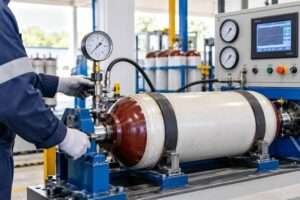
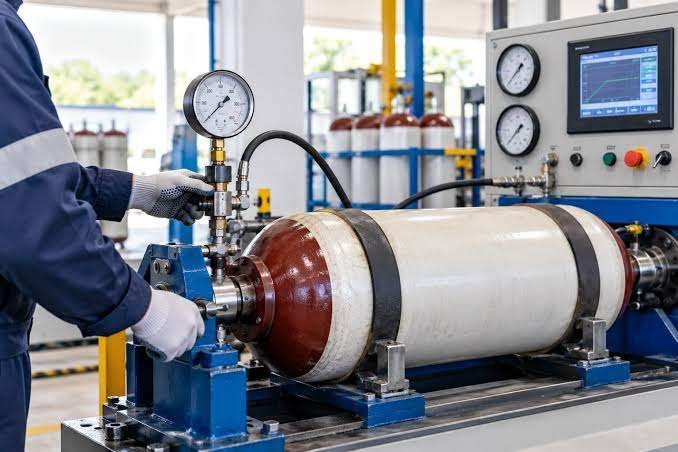
A CNG cylinder is a specially manufactured container designed to store compressed natural gas for use in vehicles. Unlike ordinary household storage containers, these cylinders are engineered to operate under high pressure and must meet specific safety and quality requirements.
A vehicle’s CNG system includes more than the cylinder itself. It also contains associated components that are designed to store, control, and deliver fuel safely.
Because the system operates under pressure, its condition and compatibility are important. It should only be installed, inspected, serviced, or repaired by qualified professionals who understand the relevant technical and safety requirements.
Vehicle owners should never treat a CNG cylinder as an ordinary storage container or attempt to carry out technical work themselves.
Why Is CNG Cylinder Safety Important?
CNG cylinder safety is important because the fuel is stored under high pressure. A damaged, unsuitable, or improperly maintained system can create serious risks.
Responsible safety practices offer several benefits.
1. Protecting Drivers and Passengers
Drivers and passengers depend on the vehicle’s fuel system being suitable for safe operation. Professional installation and inspection help identify concerns that could affect the safety of people inside or around the vehicle.
2. Reducing Fire and Explosion Risks
Natural gas can ignite when it mixes with air in suitable conditions and encounters an ignition source. A suspected leak must therefore be treated as a serious safety concern.
Appropriate equipment, professional servicing, and responsible emergency procedures are important for reducing avoidable risks.
3. Protecting Other Road Users
A vehicle with a suspected fuel-system problem may also create risks for people nearby. Drivers should take warning signs seriously and avoid exposing passengers, pedestrians, or other motorists to unnecessary danger.
4. Supporting Vehicle Reliability
A properly maintained fuel system can help reduce unexpected problems and support responsible vehicle ownership.
Professional inspections may identify damaged or unsuitable components before they lead to more serious concerns.
5. Protecting Homes and Garages
Vehicles are often parked close to residential buildings. A vehicle fuel-system problem may affect the surrounding property, especially when parking areas are enclosed or poorly ventilated.
Homeowners should consider vehicle safety as part of their wider household fire prevention plan.
Understanding Common CNG Cylinder Safety Risks
<AsyncImage query=”CNG powered passenger vehicle parked in outdoor parking area Pakistan” aspectRatio=”16:9″ width=”100%”/>CNG systems are designed with safety requirements, but several factors can increase the risk of a problem.
Understanding these concerns helps vehicle owners make informed decisions and recognize when professional assistance is necessary.
1. Damaged or Ageing Cylinders
CNG cylinders are subject to specific inspection, service-life, and replacement requirements. Physical damage, corrosion, or ageing may affect their suitability.
A cylinder should not be assumed safe simply because it appears normal from the outside. Its condition and service status should be assessed by an authorized professional.
Vehicle owners should follow the manufacturer’s requirements and applicable inspection rules.
2. Poor-Quality Equipment
Using unsuitable, counterfeit, or unapproved components can compromise the safety of a CNG system.
Vehicle owners should choose reputable service providers and make sure that installed equipment meets applicable requirements.
The lowest-cost option is not always the safest choice. Quality, compatibility, approval, and professional installation should be considered.
3. Unqualified Installation or Repairs
CNG systems require specialist knowledge because they involve high-pressure fuel storage and associated components.
Installation and repair work should only be completed by qualified and authorized professionals.
Unqualified modifications may introduce hidden faults that are difficult for ordinary vehicle owners to identify.
4. Neglected Professional Inspections
A lack of professional inspection may allow existing problems to remain unnoticed.
Vehicle owners should follow the required inspection schedule and maintain relevant documentation.
Inspection requirements may depend on cylinder type, manufacturer guidance, applicable regulations, and the vehicle’s condition.
5. Suspected Gas Leaks
A gas leak is a serious concern because natural gas can form an ignitable mixture with air.
An unusual gas smell or other indication of a possible leak should never be ignored. Vehicle owners should not attempt to locate or repair the source themselves.
The priority is to move people away from the vehicle and seek appropriate emergency assistance.
Important Warning Signs CNG Vehicle Owners Should Recognize
Recognizing unusual signs can help drivers respond sooner and avoid unnecessary exposure to danger.
Possible warning signs include:
– A noticeable gas smell around the vehicle.
– Unusual sounds or behaviour from the fuel system.
– Visible damage to CNG-related equipment.
– Corrosion or concerning external changes.
– Repeated fuel-system problems.
– Signs that components have been modified or improperly fitted.
These signs do not necessarily confirm a particular fault, but they should be taken seriously.
If a gas leak is suspected, do not start or continue driving the vehicle. Do not smoke, use flames, or operate electrical equipment near the suspected leak. Move away from the vehicle, keep other people at a safe distance, and contact emergency services or an authorized CNG professional from a safe location.
The Importance of Professional CNG Cylinder Inspection
Professional inspection is one of the most important parts of responsible CNG vehicle ownership.
A qualified professional can assess whether the cylinder and associated equipment meet applicable safety requirements. They can also identify concerns that may not be visible to an ordinary vehicle owner.
Professional assessment may consider:
– Cylinder identification and certification.
– Manufacturer information.
– Applicable service-life requirements.
– External condition.
– Signs of corrosion or physical damage.
– Compatibility of associated components.
– Relevant inspection and service documentation.
The exact inspection process depends on the cylinder type and applicable requirements.
Vehicle owners should ask an authorized service provider about the correct inspection schedule and keep relevant records.
Choosing a Suitable CNG Service Provider
Selecting a qualified service provider is an important safety decision. CNG systems should not be installed or repaired by people who lack appropriate training and authorization.
Before selecting a provider, consider the following points.
1. Professional Qualifications
Choose a service provider with relevant experience, training, and authorization for the work being performed.
2. Suitable Equipment
The service provider should have the appropriate facilities and equipment for the type of inspection or service required.
3. Clear Documentation
A reputable provider should be able to explain the work completed and provide relevant inspection or service documentation.
4. Approved Components
Any replacement equipment should be suitable for the vehicle and meet applicable safety requirements.
5. Transparent Recommendations
Vehicle owners should receive clear explanations about identified concerns, recommended repairs, and whether the vehicle is suitable for continued use.
Avoid providers who dismiss safety concerns or recommend unapproved modifications.
Safe Parking Practices for CNG Vehicles
<AsyncImage query=”passenger car parked in open well ventilated residential parking space” aspectRatio=”16:9″ width=”100%”/>Parking arrangements can affect household safety. A vehicle with a CNG system should be parked in an appropriate location according to the vehicle manufacturer’s guidance and relevant safety requirements.
Homeowners can consider these general precautions.
Prefer Suitable Open Parking Areas
Where practical, use an appropriate outdoor parking area rather than an unsuitable enclosed space.
Enclosed or poorly ventilated areas can create additional concerns if a fuel-system problem occurs.
Keep Parking Areas Clear
Avoid storing unnecessary combustible materials around vehicles. Cardboard, paper, fabric, and other easily ignited items should not accumulate near parking spaces.
Maintain Access to Exits
A garage or parking area should not become so crowded that people cannot leave easily.
Doors, walkways, and emergency routes should remain accessible.
Avoid Ignition Sources Near Suspected Leaks
If a gas leak is suspected, do not smoke, use flames, or operate electrical equipment near the vehicle. Move away and contact appropriate emergency assistance.
Inform Household Members
Family members should know that a suspected fuel leak is a serious emergency. They should not approach the vehicle or attempt to investigate the problem.
CNG Cylinder Safety During Travel
Vehicle owners should consider fuel-system safety before and during journeys.
The purpose of general safety awareness is not to encourage drivers to carry out technical checks. Instead, it is to help them recognize problems and make safer decisions.
Take Unusual Smells Seriously
A noticeable gas smell should not be ignored. Drivers should avoid continuing a journey when a fuel-system problem is suspected.
Respond to Visible Damage
If a vehicle has been involved in an accident, the CNG system should be professionally assessed before the vehicle returns to normal use.
Even when external damage appears minor, a professional inspection may be necessary.
Use Authorized Facilities
Vehicle owners should use appropriate, authorized CNG facilities and follow relevant safety instructions.
They should not accept services from providers who appear to ignore required safety procedures.
Keep Important Documents
Relevant vehicle and cylinder documentation can help professionals understand the equipment and its inspection history.
What to Do If You Suspect a CNG Leak
A suspected CNG leak requires immediate caution. The priority is to protect people rather than investigate the equipment.
Follow these general emergency principles:
1. Stop using the vehicle and move away from it when it is safe to do so.
2. Do not start the engine or continue driving.
3. Do not smoke, use matches, or create an open flame nearby.
4. Avoid operating electrical equipment close to the suspected leak.
5. Keep passengers and other people away from the vehicle.
6. Contact emergency services or an authorized professional from a safe location.
7. Follow instructions from emergency responders.
Do not attempt to tighten connections, adjust valves, inspect high-pressure components, or repair the cylinder yourself.
If a leak is suspected inside a garage or another enclosed area, everyone should leave the area and avoid operating electrical switches or equipment. Emergency assistance should be contacted from a safe location.
CNG Cylinder Safety and Fire Protection at Home
<AsyncImage query=”residential home fire safety smoke detector and fire alarm system installed on ceiling” aspectRatio=”16:9″ width=”100%”/>Vehicle safety is closely connected to the wider safety of a home. A car parked near a residential building can create additional concerns if its fuel system develops a fault.
Homeowners should therefore consider fire prevention and emergency planning throughout the property.
Smoke Detection
Suitable smoke detectors can provide early warning when smoke is detected inside protected areas. They are useful components of a wider residential fire safety plan.
Fire Alarm Systems
A suitable fire alarm system in Pakistan can help alert occupants when signs of fire are detected within a protected building.
Depending on the property, a system may include smoke detectors, heat detectors, manual call points, alarm sounders, and a control panel.
However, a building fire alarm system does not detect or prevent every vehicle fuel-system problem. It should not be treated as a replacement for professional CNG inspection.
Emergency Exits
Households should have clear escape routes and a suitable outdoor meeting point. Family members should understand how to leave the property during an emergency.
Suitable Fire Safety Equipment
Homes may require suitable fire safety equipment based on their design and risks. Equipment should be professionally selected, installed where necessary, and maintained according to manufacturer instructions.
People should never approach a dangerous vehicle fire or suspected gas leak to protect property.
CNG Cylinder Safety in Pakistan
Pakistan has a large number of vehicles used for private and commercial transportation. CNG-related safety awareness is therefore relevant to vehicle owners, workshops, transport operators, and families.
Several considerations are important in the local context.
Follow Applicable Requirements
Vehicle owners should understand the relevant requirements for CNG cylinders, inspections, approved equipment, and authorized service providers.
Requirements may change, so owners should seek current information from the appropriate authorities and qualified professionals.
Consider Local Weather Conditions
High temperatures and outdoor exposure can affect vehicle conditions and some equipment. Owners should follow manufacturer guidance and professional recommendations rather than making assumptions about cylinder safety.
Choose Reputable Service Providers
Professional qualifications, suitable facilities, approved components, and clear documentation should be considered when selecting a CNG service provider.
Avoid Unauthorized Modifications
Changes to the fuel system should not be made by unqualified individuals. Unauthorized modifications may affect safety and compliance.
Build Household Awareness
Family members should understand the basic warning signs of a suspected leak and know how to move away from the vehicle safely.
Common CNG Cylinder Safety Mistakes to Avoid
Many preventable risks are connected to poor decisions or a lack of awareness.
Ignoring a Gas Smell
A noticeable gas smell should never be treated as normal. Move away from the vehicle and seek professional assistance.
Using Unapproved Components
Unsuitable or unapproved equipment may compromise the safety of the fuel system.
Delaying Required Inspections
Ignoring inspection requirements can allow problems to remain unnoticed. Follow the applicable schedule and maintain records.
Choosing Unqualified Workshops
CNG systems require specialist knowledge. Avoid technical work by people without suitable qualifications and authorization.
Attempting DIY Repairs
High-pressure fuel systems are not suitable for do-it-yourself repairs. Vehicle owners should never attempt to open, adjust, or modify cylinder components.
Parking Without Considering Surroundings
A crowded or poorly ventilated parking area may introduce additional concerns. Follow suitable parking guidance and keep the area clear.
Creating a Practical CNG Safety Awareness Plan
A simple safety plan can help vehicle owners stay informed and make responsible decisions.
For vehicle owners:
– Keep relevant cylinder and vehicle documents.
– Follow manufacturer and applicable inspection requirements.
– Use authorized professionals for installation and servicing.
– Avoid unapproved modifications.
– Take unusual smells or visible damage seriously.
– Do not attempt technical repairs.
For families:
– Explain that a suspected gas leak requires everyone to move away.
– Keep children away from vehicle fuel-system equipment.
– Identify a safe outdoor meeting point.
– Keep emergency contact information accessible.
– Never return to a dangerous area to collect belongings.
For property managers:
– Consider vehicle parking arrangements in the building’s safety planning.
– Keep exits and access routes clear.
– Maintain suitable building fire protection systems.
– Ensure that emergency arrangements are understood by responsible staff.
The Role of Responsible Vehicle Ownership
CNG cylinder safety is not limited to the condition of one component. It is part of responsible vehicle ownership and wider public safety.
Owners should make informed decisions about equipment, installation, inspections, and repairs. They should also understand that a cylinder’s external appearance cannot confirm whether it is safe for continued use.
Professional assessment, suitable documentation, and compliance with applicable requirements are essential.
For families in Pakistan, these practices can help reduce avoidable risks and support a safer environment at home and on the road.
Conclusion
CNG cylinder safety deserves attention from every vehicle owner who uses compressed natural gas. Although approved CNG systems are designed with safety requirements, damaged equipment, poor-quality components, unauthorized modifications, and neglected inspections can create serious hazards.
The safest approach is to rely on qualified professionals, follow inspection requirements, avoid DIY repairs, and take warning signs seriously. If a leak is suspected, people should move away from the vehicle, avoid ignition sources, and contact emergency assistance from a safe location.
Homeowners should also consider how vehicle parking arrangements affect the safety of their property. Suitable smoke detection, maintained fire protection equipment, clear emergency exits, and an appropriate fire alarm system can support a wider household safety plan.
Ultimately, CNG safety is about awareness, responsible decisions, and professional care. A complete safety plan protects people first and treats vehicle and household fire prevention as connected responsibilities.
Frequently Asked Questions (FAQs)
1. Why is CNG cylinder safety important?
CNG is stored under high pressure, so damaged cylinders, unsuitable components, or poor maintenance can create serious hazards. Professional inspection and approved equipment help support safer vehicle operation.
2. How often should a CNG cylinder be inspected?
Inspection and service requirements depend on the cylinder type, manufacturer instructions, and applicable regulations. Vehicle owners should follow the required schedule and consult an authorized CNG serv