Winter brings cooler temperatures, longer nights, and increased use of heaters, electric blankets, cooking appliances, and other equipment designed to keep indoor spaces comfortable. However, these seasonal changes can also introduce fire hazards when equipment is damaged, electrical connections are overloaded, or heating devices are used incorrectly.
In Pakistan, winter conditions vary considerably by region. Some areas experience very cold weather, while others use heating appliances only during occasional cold spells. Regardless of location, safe electrical practices, careful use of heating equipment, and effective fire detection remain important throughout the season.
Although the title refers to where to buy winter fire hazards, fire hazards are not products that people should purchase. The practical concern is understanding where winter-related risks arise, how to reduce them, and where to obtain suitable fire-safety equipment when needed.
A fire alarm system in Pakistan can be an important part of this preparation by providing an early warning when a fire-related condition is detected. Combined with safe household habits, appropriate equipment, and a clear emergency plan, it can contribute to a safer environment during winter.
What Are Winter Fire Hazards?
Winter fire hazards are conditions or activities that may increase the likelihood of a fire during colder weather.
These risks are often connected to the equipment people use to stay warm, prepare food, and maintain comfortable indoor temperatures. Electrical systems may experience greater demand, while heaters and other appliances may operate for extended periods.
Common winter fire hazards include:
– Damaged electrical cables and overloaded outlets
– Poorly maintained room heaters
– Unsafe use of electric blankets
– Cooking appliances left unattended
– Combustible materials placed too close to heating equipment
– Candles or other open flames left unattended
– Unsafe use of fuel-burning appliances
– Blocked exits and neglected fire-safety equipment
Identifying these risks early helps households and organizations take reasonable precautions before an emergency develops.
Why Can Fire Risks Increase During Winter?
1. Greater Use of Heating Appliances
Room heaters and other heating devices are widely used in colder parts of Pakistan. However, damaged equipment, unsuitable electrical connections, and improper placement can create fire hazards.
Heating appliances should always be used according to their manufacturer’s instructions. Keep combustible materials away from heat sources, and do not use equipment that shows signs of damage or unusual operation.
Children should be kept away from hot surfaces and should never be expected to inspect or repair heating equipment.
2. Increased Electricity Consumption
Winter may increase electricity demand through the use of heaters, water heaters, electric blankets, and other appliances.
If electrical installations are damaged, poorly maintained, or unsuitable for the connected load, faults may occur.
Warning signs include damaged plugs, burning smells, unusually hot sockets, buzzing sounds, and circuit breakers that repeatedly trip.
These problems should be assessed by a qualified electrician. Protective devices should never be bypassed, and makeshift electrical repairs should be avoided.
3. Longer Nights and Indoor Activities
During winter, families may spend more time indoors and use additional lighting, cooking equipment, and heating appliances.
Candles and other open flames may also be used during power interruptions. If left unattended or placed near curtains, bedding, paper, or other combustible materials, they can create a fire hazard.
Households should prioritize safer lighting options and follow appropriate precautions when using any heat-producing device.
4. Poor Maintenance of Seasonal Equipment
Some heating appliances are stored for much of the year and used only when temperatures fall.
Before seasonal use, equipment should be checked according to manufacturer guidance. Damaged cables, unusual smells, visible deterioration, or other warning signs should not be ignored.
Technical repairs should be carried out by appropriately qualified professionals.
Common Winter Fire Hazards in Pakistani Homes
Room Heaters
Room heaters can introduce risks when placed near curtains, bedding, clothing, furniture, or other combustible materials.
Electrical heaters must be connected according to their ratings and instructions. Avoid unsuitable adapters and overloaded extension cords.
Fuel-burning heaters require particular care because their safe operation depends on the appliance, fuel, ventilation, and manufacturer’s instructions. Some fuel-burning devices can also produce dangerous combustion gases, including carbon monoxide.
Never use outdoor-only heating equipment indoors. Where fuel-burning appliances are installed, seek qualified advice about safe installation, ventilation, and maintenance.
Electric Blankets and Heating Pads
Electric blankets and heating pads should be used only according to their manufacturer’s instructions.
Damaged cables, worn insulation, or other defects may create electrical and overheating risks. Equipment that shows visible damage should not continue to be used.
Do not modify the device or attempt to repair its electrical components without suitable professional expertise.
Kitchen Appliances
Cooking remains an important source of household fire risk throughout the year.
During winter, families may prepare more hot meals or use cooking equipment for longer periods. Keep cooking areas organized and combustible materials away from heat sources.
Cooking should not be left unattended when doing so creates a hazard. Children should receive age-appropriate safety guidance and should immediately tell a responsible adult if they notice smoke, flames, or an unsafe appliance.
Candles and Open Flames
Candles and other open flames can ignite nearby combustible materials if they are left unattended or placed unsafely.
Use safer alternatives where practical, especially during power interruptions. Open flames should never be left unattended, and children should not be allowed to play with matches or lighters.
Where Can You Obtain Winter Fire-Safety Equipment in Pakistan?
Rather than purchasing hazards, households and businesses should consider obtaining suitable equipment that helps prevent, detect, or respond to fire emergencies.
1. Specialist Fire Safety Suppliers
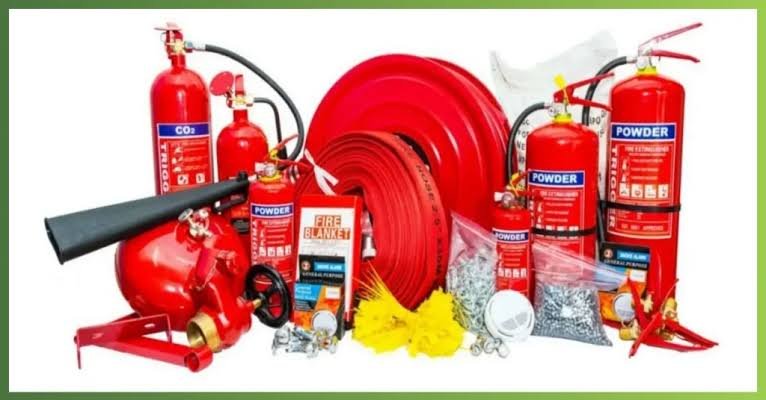
Specialist fire-safety suppliers may provide smoke detectors, fire alarm components, portable fire extinguishers, emergency signage, and other fire protection products.
For example, “Fire Safety Trading” (https://firesafetytrading.com.pk/) is a website buyers can explore for information about fire-safety products and services.
Before purchasing equipment, confirm its intended use, specifications, availability, warranty, and maintenance requirements. A product that is appropriate for a commercial building may not be the right choice for a particular home.
2. Qualified Fire Alarm Installers
Some properties require more than a standalone smoke alarm. Offices, apartment buildings, commercial premises, and other larger facilities may need a professionally designed fire detection and alarm system.
Qualified installers can assess the building and recommend suitable equipment based on its layout, occupancy, risks, and applicable requirements.
Ask whether the proposed work includes design, installation, testing, commissioning, documentation, and ongoing maintenance.
3. Reputable Electrical and Appliance Service Providers
Winter safety also depends on the condition of electrical installations and heating appliances.
Qualified electricians and authorized appliance service providers can assess damaged equipment, inspect electrical connections, and carry out appropriate repairs.
Avoid attempting repairs to wiring, electrical panels, heaters, or other hazardous equipment yourself.
4. Appropriate Fire Extinguisher Suppliers
Some homes and many workplaces may benefit from suitable portable fire extinguishers as part of a broader fire-safety plan.
The correct extinguisher depends on the fire hazards present. Not every extinguisher is suitable for electrical equipment, cooking oils, or flammable liquids.
Seek professional guidance about selection, placement, inspection, and maintenance. Extinguishers should never be treated as a substitute for evacuation or emergency services.
The Role of a Fire Alarm System During Winter
Early detection is an important part of winter fire preparedness.
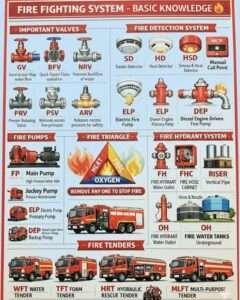
A fire alarm system may use smoke detectors, heat detectors, manual call points, audible alarms, visual warning devices, and a control panel. The specific arrangement depends on the building and the system design.
In a home, suitable smoke alarms can alert occupants when smoke is detected. In larger buildings, a professionally designed system may connect multiple detection devices and notification equipment.
For people researching a fire alarm system in Pakistan, several factors deserve attention:
– Suitability for the building and its risks
– Correct installation and placement
– Reliable power arrangements
– Audible or visual warning coverage
– Maintenance and testing requirements
– Availability of technical support
– Compliance with applicable building requirements
An alarm does not prevent every fire or guarantee that everyone will hear the warning. It is one layer of protection that should work alongside safe equipment use, clear exits, and an emergency plan.
Fire-Safety Requirements in Pakistan
The Building Code of Pakistan – Fire Safety Provisions 2016 provides a framework for fire prevention, life safety, and fire protection in buildings. The Pakistan Engineering Council lists the code among its published instruments. <Cite refs={[“turn524073search22″,”turn524073search1”]}/>
Requirements for fire detection, alarm systems, extinguishers, evacuation arrangements, and other measures depend on the building’s use, design, and applicable regulations.
Punjab Civil Defence identifies fire detection and alarm systems, firefighting arrangements, fire-safety plans, and emergency exits among the measures considered during relevant inspections. <Cite refs={[“turn524073search6”]}/>
Homeowners and property managers should confirm the requirements that apply to their particular premises with the relevant authority or a qualified fire-safety professional.
How to Prepare Your Home for Winter
A seasonal review can help families identify common hazards before heating appliances are used regularly.
Inspect Electrical Equipment
Check cables, plugs, sockets, and appliances for visible damage. Stop using equipment that appears unsafe and arrange professional assessment where necessary.
Keep Heating Areas Clear
Avoid placing clothing, bedding, paper, curtains, or other combustible materials close to heating equipment.
Maintain Fire Detection Equipment
Test and maintain smoke alarms according to manufacturer instructions. Replace batteries or other power sources as required, and address faults promptly.
Keep Escape Routes Accessible
Hallways, stairways, doors, and exits should remain clear. Family members should know how to leave the home and where to meet outside.
Explain the Emergency Plan
Children should know what the alarm sounds like, which exits they can use, and which adult they should tell if they notice a hazard.
They should never be expected to investigate a fire or operate dangerous equipment.
Winter Fire Safety for Offices and Businesses
Businesses may face additional challenges because they contain electrical equipment, stored materials, machinery, and multiple occupants.
Before winter, managers should review heating arrangements, electrical installations, storage areas, and the condition of fire protection equipment.
Employees should know how to report unsafe equipment and respond when an alarm sounds. Emergency exits must remain accessible, and required fire-safety systems should receive appropriate maintenance.
Where a building uses a fire alarm, sprinkler system, hydrants, or other specialized equipment, inspections and servicing should follow the approved design, manufacturer instructions, and applicable requirements.
Any significant changes to the building layout or equipment should prompt a review of the fire-safety arrangements.
What Should You Do if a Fire Occurs?
If a fire develops or an alarm indicates a possible emergency, follow the household or building emergency plan.
Move towards safety and alert others when it is safe to do so. Do not delay evacuation to collect personal belongings or investigate the source of an alarm.
Children should immediately alert a responsible adult and follow the emergency instructions. They should not attempt to extinguish a fire or repair equipment.
Once safely away from danger, contact the appropriate emergency service according to local procedures. Do not re-enter the building until authorized personnel confirm that it is safe.
The priority is always to protect human life rather than property.
Winter Fire-Safety Checklist
Use this general checklist to review seasonal preparedness:
– [ ] Heating equipment is used according to manufacturer instructions.
– [ ] Electrical cables, plugs, and sockets are checked for visible damage.
– [ ] Damaged appliances are taken out of use and assessed professionally.
– [ ] Combustible materials are kept away from heating devices.
– [ ] Cooking appliances are maintained and used carefully.
– [ ] Smoke alarms and fire alarm systems are tested and maintained appropriately.
– [ ] Suitable fire extinguishers are accessible where required.
– [ ] Exits and escape routes remain clear.
– [ ] Family members or employees know the emergency plan.
– [ ] Emergency contacts are readily available.
– [ ] Fuel-burning equipment receives appropriate professional maintenance.
– [ ] Seasonal safety arrangements are reviewed before winter use begins.
This checklist is a general awareness tool and does not replace a professional fire-risk assessment.
Conclusion
Winter fire hazards in Pakistan can arise from heating equipment, electrical faults, cooking appliances, open flames, and poor maintenance. Understanding these risks helps households and businesses take practical precautions before colder weather increases the use of seasonal equipment.
People searching for winter fire-safety products should focus on suitable alarms, detectors, extinguishers, and professional services rather than treating hazards themselves as products to buy.
A suitable fire alarm system in Pakistan can provide an important layer of early warning, but it should be supported by safe electrical practices, equipment maintenance, clear escape routes, and a well-understood emergency plan.
By preparing before winter, maintaining safety equipment, and seeking professional help when necessary, families and organizations can reduce avoidable risks and improve their readiness for emergencies.
FAQs
1. What are common winter fire hazards in Pakistan?
Common hazards include damaged electrical equipment, unsafe use of room heaters, overloaded outlets, poorly maintained appliances, unattended cooking, and combustible materials placed near heat sources.
2. Where can I find winter fire-safety equipment in Pakistan?
You can explore specialist fire-safety suppliers, qualified alarm installers, and reputable electrical service providers. Verify product specifications, installation requirements, warranty conditions, and maintenance support before purchasing.
3. Why is a fire alarm important during winter?
A fire alarm can warn occupants when smoke or another fire-related condition is detected, depending on the system. Early warning can help people recognize an emergency and follow their evacuation plan.
4. How can I reduce fire risks from room heaters?
Follow the manufacturer’s instructions, keep combustible materials away, use suitable electrical connections, and stop using damaged equipment. Fuel-burning heaters require appropriate installation, ventilation, and professional maintenance.
5. Do fire alarms need maintenance?
Yes. Fire alarms and smoke detectors should be tested and maintained according to manufacturer instructions and applicable requirements. Faults should be addressed promptly rather than ignored or permanently disabling the equipment.