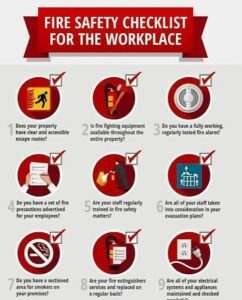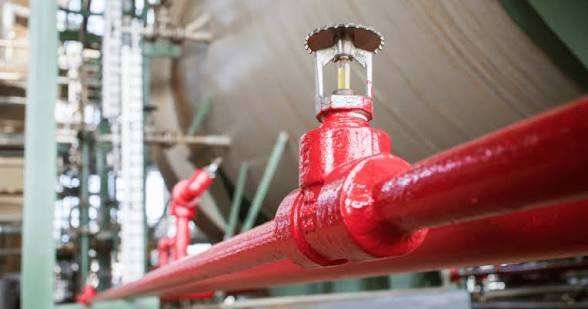
Fire safety is an essential part of protecting homes, offices, shops, schools, factories, and other buildings. Although smoke detectors and fire alarms provide important warnings, another system can help control a developing fire before it spreads throughout a property: the automatic fire sprinkler system.
A fire sprinkler system uses water supplied through a network of pipes and specially designed sprinkler heads. When a sprinkler head is exposed to the heat conditions for which it is designed, it activates and releases water over the affected area. Properly designed systems can help control a fire, reduce property damage, and support the protection of occupants.
However, installing sprinklers is only the first step. The system must be suitable for the building, correctly installed, inspected, tested, and maintained. A blocked sprinkler head, closed control valve, inadequate water supply, or damaged pipe can affect performance.
For homeowners and property managers in Pakistan, understanding these basic requirements makes it easier to recognise potential problems and arrange professional maintenance. A suitable Fire alarm system in Pakistan can complement sprinkler protection by alerting occupants to a possible fire, while sprinklers provide a separate means of fire control.
This beginner’s checklist explains how sprinkler systems work, which components matter, what to inspect visually, and how to maintain a safer property.
1. What Is a Fire Sprinkler System?
A fire sprinkler system is a fixed fire protection arrangement designed to distribute water when specified conditions activate its sprinkler heads. Depending on the system design, it may protect a home, apartment building, office, shopping centre, warehouse, factory, or other premises.
A typical automatic sprinkler system includes:
– Sprinkler heads: Devices that release and distribute water when activated.
– Pipes and fittings: Components that carry water to the sprinkler heads.
– Water supply: A suitable source of water, which may include a tank, pump, or approved supply connection.
– Control valves: Components used to control water flow through the system.
– Alarm or waterflow devices: Equipment that may signal when water begins flowing.
– Pressure gauges: Instruments used on applicable systems to help monitor pressure.
– Supporting equipment: Additional components required by the system’s design.
Not every installation uses exactly the same arrangement. The building’s size, occupancy, fire hazards, water supply, and applicable standards determine which components are required.
A sprinkler system should be designed by qualified professionals rather than assembled using general-purpose plumbing parts.
2. Why Are Fire Sprinkler Systems Important?
Fire can spread quickly when combustible materials, heat, and oxygen are present. A sprinkler system can help control a developing fire by applying water to the affected area.
Early fire control
Many automatic sprinkler systems operate when individual sprinkler heads reach their specified activation conditions. This means that a fire may activate a nearby head without every sprinkler in the building operating simultaneously.
The actual response depends on the fire, sprinkler type, temperature rating, installation, and other design factors.
Reducing property damage
By controlling a fire early, a properly functioning system can help reduce damage to furniture, stock, equipment, and building materials. Water damage may still occur, but limiting fire growth can reduce the overall consequences of an incident.
Supporting occupant safety
Sprinklers can help control fire growth, but they do not guarantee that every person can remain inside safely. Occupants must still recognise alarms, follow evacuation procedures, and leave when required.
Protecting different types of buildings
Sprinkler systems may be appropriate for certain residential, commercial, industrial, and institutional buildings. Their suitability and required coverage depend on building classification and the applicable fire safety requirements.
For homes, the decision should account for the building layout and local requirements. Larger or more complex properties may need a professional fire protection assessment.
3. Understand the Main Types of Sprinkler Systems
Before preparing a checklist, it helps to understand that sprinkler systems are not all the same.
Wet-pipe systems
A wet-pipe system keeps water in its sprinkler piping during normal operation. When a sprinkler activates, water can flow through the open head.
These systems are common in suitable buildings because their operation is relatively straightforward. They must still have an appropriate water supply and regular maintenance.
Dry-pipe systems
A dry-pipe system generally keeps pressurised air or another approved gas in the piping instead of water. When a sprinkler activates, the system operates to admit water into the piping.
These systems may be used where freezing conditions could damage water-filled pipes or where the building’s design requires this arrangement.
Pre-action systems
Pre-action systems use additional detection or control arrangements before water enters the sprinkler piping. They may be selected for locations where accidental water discharge could damage sensitive equipment or valuable contents.
Their design and operation are more specialised than those of a typical wet-pipe system.
Deluge systems
Deluge systems use open sprinkler nozzles and a valve arrangement that releases water into the connected network when the system activates. They may be used for specific high-hazard applications requiring rapid application of water over a defined area.
The correct system depends on the building’s fire risks. Homeowners should not assume that the most complex system is automatically the best choice.
4. The Beginner’s Fire Sprinkler Inspection Checklist
A simple visual checklist can help homeowners and property managers identify issues that need professional attention. It does not replace a formal inspection, functional test, or maintenance programme.
Check 1: Look for visible damage
Observe accessible sprinkler heads and exposed pipes for obvious damage, leakage, corrosion, or unusual changes.
Look for signs such as:
– Water dripping from sprinkler components.
– Visible rust or corrosion.
– Bent or broken sprinkler heads.
– Loose or damaged pipe supports.
– Signs of physical impact.
Do not touch, dismantle, or attempt to repair sprinkler heads. If you notice damage, contact a qualified fire protection technician.
Check 2: Keep sprinkler heads clear
Sprinkler heads need sufficient clearance to distribute water according to their design. Furniture, decorations, stored items, and other obstructions may interfere with the intended spray pattern.
Avoid hanging objects from sprinkler piping or placing storage close to sprinkler heads. The required clearance depends on the system design and applicable standards.
If you are unsure whether an arrangement is acceptable, ask a competent professional.
Check 3: Look for paint or dirt
Paint, accumulated dirt, or other foreign material can interfere with a sprinkler head’s operation or water distribution.
Sprinkler heads should not be painted, covered, or cleaned using methods that could damage their components. If a head appears contaminated, arrange a professional assessment.
Check 4: Observe exposed pipes
Visible sprinkler piping should be free from obvious leakage, mechanical damage, and unsupported sections.
Do not hang electrical cables, decorations, storage items, or other equipment from sprinkler pipes. They are part of a fire protection system, not general-purpose supports.
Check 5: Confirm that access remains clear
System control valves and other required components need to remain accessible to authorised personnel.
Avoid placing boxes, furniture, or equipment where they prevent access. Do not operate valves unless you are authorised and understand the system’s procedures.
Check 6: Ask about the water supply
A sprinkler system needs an adequate water supply for its intended design.
Ask the building manager or maintenance provider whether the water source, pumps, tanks, and related equipment are included in the inspection programme where applicable.
Water supply problems may not be visible during a casual walk-through, so professional testing is important.
5. Why Professional Installation Matters
Sprinkler performance depends on more than the number of heads installed. The complete system must be designed to suit the building’s hazards and physical layout.
A professional assessment considers:
– Building size, height, and use.
– Room layout and ceiling arrangement.
– Type and quantity of combustible materials.
– Expected fire hazards.
– Water supply capacity and pressure.
– Pipe sizes and system configuration.
– Sprinkler head type, spacing, and placement.
– Applicable building codes and approved standards.
– Coordination with other fire protection equipment.
Poor placement, inadequate water supply, unsuitable components, and incorrect installation can reduce system effectiveness.
For this reason, property owners should use qualified designers and installers who can document the system design and carry out appropriate acceptance testing after installation or significant changes.
6. Fire Sprinklers and Fire Alarm Systems: What’s the Difference?
Sprinklers and fire alarms perform different but complementary functions.
A sprinkler system is intended to control or suppress a fire through water discharge. A fire alarm system is intended to detect a possible fire or receive a manual alarm signal and warn occupants.
Some sprinkler systems include waterflow or supervisory devices that communicate with a fire alarm control panel. The precise arrangement depends on the design and applicable requirements.
When researching a Fire alarm system in Pakistan, property owners should consider the alarm system alongside other fire protection measures rather than treating it as a replacement for sprinklers.
Fire alarm system checklist
Consider these questions when reviewing an alarm installation:
– Are suitable detection devices installed in appropriate locations?
– Can occupants hear or otherwise recognise the alarm?
– Are manual call points provided where required?
– Are alarm panels and notification devices maintained?
– Are sprinkler waterflow signals integrated where required by the design?
– Are faults recorded and corrected promptly?
– Are alarm tests carried out by authorised personnel?
A smoke alarm may be suitable for a home, while a larger building may require a more comprehensive fire alarm system. The correct solution depends on the building and its requirements.
7. Testing and Maintenance: What Should Be Included?
Regular inspection, testing, and maintenance help ensure that a sprinkler system remains capable of performing as designed.
The Building Code of Pakistan—Fire Safety Provisions 2016 addresses the maintenance of sprinkler systems and refers to NFPA 25 or another approved code or standard for inspection, testing, and maintenance.
The applicable maintenance schedule should be established by qualified professionals and followed by the responsible property owner or designated representative.
Routine visual inspections
Visual inspections can identify apparent damage, obstruction, leakage, corrosion, or accessibility problems. Their frequency should follow the applicable standard and system-specific maintenance plan.
Functional testing
Qualified personnel may perform tests to check waterflow devices, alarms, valves, pumps, and other components where applicable.
These tests need to follow approved procedures. Some may cause alarms to activate or water to discharge, so the responsible parties should coordinate the work in advance.
Water supply and pump checks
Where a fire pump, tank, or other dedicated water supply is installed, it should be maintained and tested according to its design and applicable requirements.
A system may appear intact while still having a water supply or pressure problem. Professional testing helps identify issues that visual checks cannot confirm.
Recordkeeping
Maintain records of inspections, tests, repairs, defects, and corrective actions. Records help the building owner understand the system’s condition and demonstrate that required maintenance has been addressed.
Repairs and replacements
Damaged, corroded, contaminated, or otherwise defective sprinkler components should be assessed and replaced as required by qualified personnel.
Do not reuse sprinkler heads that have been removed where the applicable standard requires replacement, and do not substitute parts without professional approval.
8. Common Fire Sprinkler Mistakes to Avoid
Some seemingly minor mistakes can affect the reliability of a sprinkler system.
Blocking sprinkler heads
Tall furniture, storage shelves, decorations, and suspended objects may interfere with water distribution. Keep the required clearance around sprinkler heads.
Painting or covering components
Paint and protective covers not approved for the system can interfere with sprinkler operation. Do not modify or cover sprinkler heads.
Ignoring leaks
Even a small leak can indicate a problem with piping, fittings, or other components. Report it promptly and arrange professional attention.
Closing control valves without authorisation
An incorrectly positioned valve can prevent water from reaching parts of the system. Valves should be managed by authorised personnel under documented procedures.
Skipping maintenance
A system that has not been inspected or tested for a long period may contain defects that remain unnoticed until an emergency.
Follow the approved maintenance programme and resolve identified problems promptly.
Treating sprinklers as a substitute for evacuation
Sprinklers can help control a fire, but they do not remove the need for alarms, safe exits, emergency planning, and evacuation training.
When an alarm sounds or a fire is discovered, follow the emergency plan and leave if instructed or if conditions are unsafe.
9. Fire Sprinkler Requirements in Pakistan
The Building Code of Pakistan—Fire Safety Provisions 2016 is an important reference for fire protection in buildings. It contains provisions addressing sprinkler system installation, maintenance, and the responsibilities of property owners or designated representatives.
However, sprinkler requirements are not identical for every property. They can depend on building occupancy, height, size, use, fire hazards, and applicable local rules.
For example, a high-rise building, industrial facility, shopping centre, and private house may have different protection requirements.
Property owners should confirm the rules applicable to their building with the relevant local building-control authority, fire service, or qualified fire protection professional. They should also check whether approvals or inspections are required before installation or modification.
Avoid relying on a general online checklist as proof of legal compliance. A checklist is a practical aid, while formal compliance requires assessment against the rules and standards that apply to the specific property.
10. How to Choose a Suitable Sprinkler System
Selecting a sprinkler system begins with identifying the building’s risks and protection requirements.
Assess the building
Consider the size and use of the property, the number of occupants, the type of materials stored, and whether any areas contain special hazards.
Review the water supply
Ask a qualified designer to confirm whether the available supply can meet the system’s requirements. Tanks, pumps, and other components may be needed depending on the installation.
Check product suitability
Sprinkler heads, valves, piping, and other equipment must be suitable for the intended system and installed according to the approved design.
Consider long-term maintenance
Before choosing a system, understand the maintenance schedule, testing requirements, spare parts, and service arrangements.
Verify the installer’s competence
Look for appropriate technical qualifications, relevant experience, clear documentation, and the ability to support inspection and maintenance after installation.
For information about fire protection equipment and related solutions, visit “Fire Safety Trading” (https://firesafetytrading.com.pk/). Product selection should always be based on a proper assessment of the building and its requirements.
11. A Practical Fire Sprinkler Checklist for Property Owners
Use this checklist as a starting point for discussing system condition with your maintenance provider.
– [ ] The sprinkler system has suitable design and installation documentation.
– [ ] The required inspection and maintenance programme is in place.
– [ ] Visible sprinkler heads show no obvious damage or contamination.
– [ ] Sprinkler heads are not painted or obstructed.
– [ ] Exposed pipes and fittings show no obvious leakage or damage.
– [ ] Control valves remain accessible to authorised personnel.
– [ ] The water supply and associated equipment are included in the maintenance plan.
– [ ] Required alarms and waterflow devices are tested professionally.
– [ ] Defects are recorded and corrected promptly.
– [ ] Maintenance and testing records are kept.
– [ ] Building occupants know the evacuation procedure.
– [ ] Fire exits and escape routes remain clear.
– [ ] Changes to the building or its use are reviewed for their effect on fire protection.
This checklist is not a substitute for required inspections or technical testing. Its purpose is to help owners recognise visible concerns and ask informed questions.
12. What to Do if a Sprinkler System Appears Damaged
If a sprinkler head is leaking, a pipe appears damaged, or a system fault is reported, notify the building manager or responsible maintenance provider promptly.
Do not attempt to dismantle a sprinkler head, repair a pressurised pipe, or change a control valve without authorisation and appropriate expertise.
If the system’s protective function is impaired, the responsible manager should arrange professional assessment and follow the applicable impairment procedures. Depending on the circumstances, temporary precautions or other protective measures may be necessary until the system is restored.
If a fire occurs, activate the alarm if safe to do so, evacuate using a safe route, and contact emergency services. Never delay evacuation to investigate the sprinkler system or attempt to repair it.
Conclusion
A properly designed and maintained fire sprinkler system can be an important part of a building’s fire protection strategy. It can help control a developing fire, limit damage, and support occupant safety.
However, reliable performance depends on correct installation, an adequate water supply, unobstructed sprinkler heads, accessible control valves, professional testing, and regular maintenance. Property owners should also remember that sprinklers complement rather than replace fire alarms, clear escape routes, and emergency planning.
For anyone reviewing a Fire alarm system in Pakistan or other fire protection equipment, it is important to consider the complete safety arrangement for the property.
Use this beginner’s checklist to identify visible concerns, organise maintenance records, and discuss system requirements with qualified professionals. Taking these steps can help improve preparedness and support safer homes and buildings.
Frequently Asked Questions (FAQs)
1. What is the main purpose of a fire sprinkler system?
A fire sprinkler system is designed to control or suppress a developing fi