Fire safety is an important part of protecting homes, workplaces, schools, shopping centres, factories, and public buildings. In Pakistan, where residential and commercial buildings may face electrical faults, cooking-related incidents, gas leaks, and other fire hazards, understanding basic fire safety principles can make a significant difference. However, many people rely on information they have heard from friends, relatives, social media, or everyday experience rather than learning from reliable safety guidance.
This is how fire safety myths develop. Some common beliefs may sound reasonable, but they can create confusion and lead people to make poor decisions during an emergency. Other beliefs may contain a small amount of truth but become misleading when applied in every situation.
Understanding the pros and cons of fire safety myths helps people recognise misinformation, improve awareness, and make better decisions. It also highlights why prevention, early detection, evacuation planning, and suitable fire protection equipment are essential.
What Are Fire Safety Myths?
Fire safety myths are incorrect, incomplete, or misleading beliefs about preventing fires, detecting danger, using fire protection equipment, and responding to emergencies.
These beliefs often spread because people repeat advice without checking whether it is accurate. For example, someone may believe that a small fire is always easy to control or that smoke alarms are only necessary in large buildings. Such assumptions can create a false sense of security.
Fire safety myths can affect different environments, including:
– Houses and apartments
– Offices and commercial buildings
– Schools and educational institutions
– Restaurants and hotels
– Factories and warehouses
– Shopping centres and public facilities
The problem is not simply that a myth is incorrect. The greater concern is that believing it may prevent someone from recognising a hazard or following an appropriate emergency plan.
Why Do Fire Safety Myths Spread in Pakistan?
Fire safety misinformation can spread for several reasons. In some communities, people learn about fire prevention through family traditions or personal experiences. Although experience can be useful, it does not always provide enough knowledge to understand different fire hazards.
Limited awareness is another factor. Some property owners may not receive professional guidance about alarms, emergency exits, evacuation arrangements, and fire protection systems.
Social media can also contribute to the problem. Short videos and forwarded messages sometimes present incomplete information without explaining the circumstances in which particular safety advice applies.
Other common reasons include:
Lack of formal training: People who have never attended fire safety awareness sessions may depend on assumptions.
Incorrect information from others: Advice can become distorted when it passes from one person to another.
False confidence: Someone who has never experienced a fire emergency may believe that they already know how to respond.
Limited understanding of equipment: People may not understand the purpose of smoke detectors, alarms, extinguishers, or emergency lighting.
Recognising these causes is the first step towards replacing misinformation with responsible safety awareness.
Common Fire Safety Myths and the Truth Behind Them
Myth 1: Fires Only Happen in Old Buildings
Some people believe that modern buildings are automatically protected from fire because they use newer construction materials and electrical systems.
The reality is that fires can occur in both old and new buildings. Electrical problems, cooking activities, heating equipment, overloaded electrical connections, and human mistakes can create hazards in almost any property.
Modern construction does not remove the need for fire prevention. Buildings require suitable safety arrangements, regular professional inspections, functioning detection systems, and clear evacuation routes.
The truth: Every building needs an appropriate fire safety plan, regardless of its age or appearance.
Myth 2: Small Fires Are Never Dangerous
A small fire may appear manageable, leading people to underestimate its potential danger. However, a fire can develop quickly, and smoke can make an area unsafe even before flames become widespread.
People without suitable training may also misunderstand the risks involved in attempting to control a fire.
The truth: Any unexpected fire should be treated seriously. People should raise the alarm, move away from danger, follow the evacuation plan, and contact emergency services. Only appropriately trained individuals should consider any permitted emergency response within their training and safety procedures.
Myth 3: Smoke Alarms Are Only Necessary in Large Buildings
Some homeowners believe that smoke alarms are mainly designed for factories, shopping centres, and office buildings.
This is incorrect. Residential properties also benefit from early fire detection. Smoke alarms can alert occupants to a developing fire, including situations where people may not immediately notice smoke or other warning signs.
The number and placement of alarms should follow applicable standards and professional recommendations.
The truth: Early detection matters in homes as well as commercial properties.
Myth 4: A Fire Alarm System Is Only for Legal Compliance
Another common misunderstanding is that a fire alarm system is installed simply because building regulations or inspection requirements demand it.
Although compliance is important, the main purpose of a fire alarm system is to provide an early warning so occupants can respond promptly.
A suitable system may include detection devices, manual call points, alarm sounders, control equipment, and other components depending on the building’s design and risk assessment.
In Pakistan, property owners should consider the size, occupancy, layout, and intended use of their buildings when selecting fire detection and alarm arrangements.
The truth: A fire alarm system in Pakistan should be viewed as an important life-safety measure, not merely a formality.
Myth 5: Fire Extinguishers Can Handle Every Type of Fire
Many people assume that all fire extinguishers work in the same way. This belief can create serious confusion because different extinguishers are designed for different categories of fire.
Using unsuitable equipment may make a dangerous situation worse. Electrical equipment, cooking oils, flammable liquids, and ordinary combustible materials do not all present the same risks.
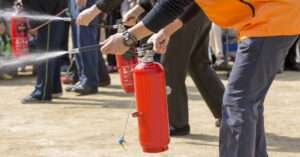
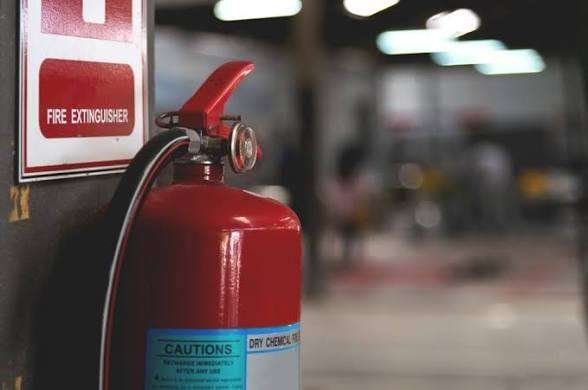
The truth: Extinguishers must be appropriate for the hazards present, properly maintained, and used only by people with suitable training. Everyone else should prioritise evacuation and emergency assistance.
Myth 6: Fire Safety Is Only the Owner’s Responsibility
Building owners have important responsibilities, but fire safety is not limited to property management.
Employees, residents, visitors, contractors, and other occupants all have a role in maintaining awareness and following established safety arrangements.
For example, people should avoid blocking emergency exits, report damaged safety equipment, and understand the building’s evacuation information.
The truth: Effective fire safety requires cooperation between owners, management, employees, residents, and visitors.
Myth 7: Fire Drills Are a Waste of Time
Some organisations consider fire drills unnecessary because they believe employees and visitors will naturally know what to do during an emergency.
However, an emergency can create confusion, especially in unfamiliar buildings. People may not know the nearest exit, assembly point, or reporting procedure.
Well-organised drills help occupants become familiar with evacuation arrangements and allow management to identify weaknesses in the plan.
The truth: Properly planned fire drills are an important part of emergency preparedness.
Myth 8: New Buildings Do Not Need Regular Fire Safety Inspections
New buildings may have modern equipment, but installation alone does not guarantee long-term reliability.
Safety devices can become damaged, obstructed, disconnected, or unsuitable after changes to a building’s layout. Occupancy and building use may also change over time.
Professional inspections help identify problems and confirm whether safety arrangements remain appropriate.
The truth: Fire protection equipment and systems require suitable inspection, testing, and maintenance according to manufacturer guidance and applicable requirements.
Pros of Understanding Fire Safety Myths
Learning about common myths has several benefits. It helps people separate reliable safety information from misleading assumptions and encourages a more responsible approach to fire prevention.
1. Improves Fire Safety Awareness
Understanding myths helps people recognise that fire hazards can exist in many everyday environments.
Homeowners may become more aware of cooking and electrical risks, while business managers may pay closer attention to alarms, exits, and staff training.
Better awareness encourages people to take preventive measures before an emergency occurs.
2. Encourages Early Fire Detection
Correct information highlights the importance of smoke detection and alarm systems.
When people understand that fires can develop in unexpected places, they are more likely to consider suitable detection arrangements for homes and workplaces.
Early warning can provide occupants with valuable time to recognise danger and evacuate.
3. Supports Better Emergency Planning
Learning the truth behind common myths encourages people to prepare rather than depend on assumptions.
Families can discuss safe meeting points, while businesses can establish evacuation procedures and communicate responsibilities to employees.
A clear plan reduces uncertainty and helps people understand how to respond.
4. Promotes Responsible Equipment Selection
Fire safety awareness helps property owners understand that different buildings have different protection requirements.
Rather than choosing equipment based only on price or appearance, they can seek professional advice about alarms, detectors, extinguishers, emergency lighting, and other safety provisions.
This supports more informed decisions and reduces the likelihood of unsuitable equipment being selected.
5. Builds a Stronger Safety Culture
When organisations openly discuss fire safety myths, employees may become more comfortable reporting hazards and asking questions.
Management can support this culture through training, awareness sessions, professional inspections, and clear safety communication.
A strong safety culture makes fire prevention a shared responsibility rather than an occasional administrative task.
Cons of Fire Safety Myths
Although discussing myths can improve awareness, believing or spreading misinformation can have several disadvantages.
1. Creates a False Sense of Security
One of the biggest problems is that myths can make people believe their properties are safer than they really are.
For example, assuming that a new building cannot experience a fire may discourage people from checking its detection and evacuation arrangements.
False confidence can prevent necessary precautions.
2. Delays Emergency Responses
Misleading beliefs may cause people to underestimate a developing emergency.
Someone who believes that every small fire is harmless may delay raising the alarm or leaving the affected area.
Delays can increase exposure to danger and make evacuation more difficult.
3. Leads to Poor Equipment Decisions
Incorrect information can influence purchasing decisions. A property owner might choose unsuitable equipment, overlook professional installation, or ignore maintenance requirements.
These decisions can weaken the overall safety arrangements of a building.
4. Increases Confusion During Emergencies
People who receive conflicting advice may struggle to decide what to do during an emergency.
For example, if occupants have never been told which exits to use or where to assemble, they may become confused when an alarm sounds.
Clear procedures and regular awareness activities help reduce this uncertainty.
5. Weakens Workplace Safety Standards
If management believes that fire drills, inspections, and employee training are unnecessary, important safety responsibilities may be overlooked.
This can affect employees, customers, visitors, and contractors.
Fire safety should be included in routine workplace management rather than treated as an occasional concern.
How to Identify Reliable Fire Safety Information
People should not accept every fire safety claim simply because it sounds convincing. Checking information carefully can prevent misunderstandings.
Consider these practical ways to evaluate safety information:
Check recognised guidance: Look for information from relevant fire safety authorities, qualified professionals, and recognised standards organisations.
Consult trained experts: Building owners and managers should seek advice from competent fire safety professionals when assessing protection requirements.
Understand the building’s risks: A home, restaurant, warehouse, and hospital have different layouts and fire hazards. Advice should reflect the actual environment.
Avoid unverified social media claims: Short posts and forwarded messages may leave out important safety conditions.
Arrange professional assessments: A qualified professional can review detection systems, alarm arrangements, emergency exits, and other safety provisions.
Keep information updated: Building layouts, occupancy, equipment, and relevant requirements can change. Safety information should be reviewed when necessary.
These steps help individuals and organisations make decisions based on reliable information rather than assumptions.
The Importance of Fire Alarm Systems in Pakistan
Fire detection and alarm systems are an important part of modern building safety. They help alert occupants when smoke, heat, or another recognised warning condition is detected, depending on the system’s design.
In Pakistan, buildings have different safety needs. A small residence may require a different arrangement from a hospital, shopping centre, factory, or high-rise office building.
A suitable fire alarm system may include:
– Smoke or heat detectors
– Manual call points
– Alarm sounders and notification devices
– A fire alarm control panel
– Appropriate power arrangements
– System monitoring and maintenance provisions
The exact configuration should be determined through a professional assessment and relevant requirements.
A properly designed system can support early warning, but it should not be considered a replacement for evacuation planning, suitable building design, emergency exits, or staff awareness.
Property owners should also ensure that alarm systems are installed and maintained by qualified professionals. Regular testing and inspection should follow manufacturer instructions and applicable safety requirements.
Choosing a suitable fire alarm system in Pakistan is therefore an important decision for residential, commercial, and industrial property owners. The objective should be dependable protection that matches the building’s actual needs.
Fire Safety Myths in Homes
Homes can contain several potential fire hazards, including cooking activities, electrical appliances, heating equipment, and household materials.
One common myth is that domestic fires are unlikely because family members are usually present. In reality, an incident can occur when occupants are asleep, distracted, or in another part of the property.
Families should focus on prevention and preparedness.
Important considerations include:
– Keep escape routes clear.
– Make sure household members know how to respond to an alarm.
– Consider suitable smoke detection for the property.
– Avoid overloading electrical connections.
– Keep children away from hazardous equipment and unsafe areas.
– Arrange professional attention for electrical or building safety concerns.
– Establish an outdoor meeting point for family members.
Children should receive age-appropriate safety education. They should understand that they must alert a responsible adult and move to safety rather than attempt to deal with a fire themselves.
Fire Safety Myths in Offices and Commercial Buildings
Commercial properties often have more occupants, equipment, and activities than ordinary homes. This makes organised fire safety planning particularly important.
A common misconception is that having extinguishers in a building is enough to provide complete protection. In reality, workplace safety involves several connected arrangements.
These may include:
Fire detection and alarms: Suitable systems provide warning when a recognised fire condition occurs.
Emergency exits: Clearly identified and accessible escape routes help occupants leave the building.
Employee awareness: Staff should understand alarm signals, evacuation procedures, and reporting responsibilities.
Emergency lighting: Appropriate lighting can help occupants identify escape routes when normal lighting is unavailable.
Professional inspections: Regular assessments help identify problems with equipment and building arrangements.
Evacuation drills: Planned exercises help employees become familiar with emergency procedures.
Business owners should review their safety arrangements whenever major changes occur, such as renovations, new equipment, changes in occupancy, or alterations to building use.
The Role of Fire Safety Education
Education is one of the most effective ways to challenge misinformation. It gives people the knowledge needed to understand risks and follow appropriate safety procedures.
Schools can introduce basic fire safety awareness through age-appropriate lessons. Offices can organise employee training sessions, while residential communities can share clear information about alarms and evacuation plans.
Fire safety education should cover:
– Recognising common fire hazards
– Understanding alarm signals
– Knowing available escape routes
– Following evacuation instructions
– Identifying designated assembly areas
– Reporting damaged or missing safety equipment
– Understanding when to contact emergency services
Training should be suitable for the audience and building. It should also be reviewed periodically so that new occupants and employees receive the information they need.
How Businesses Can Reduce the Impact of Fire Safety Myths
Businesses can take several organisational steps to prevent misinformation from weakening their safety arrangements.
Create Clear Written Policies
A written fire safety policy helps employees understand their responsibilities. It should explain how hazards are reported, who manages emergency arrangements, and how evacuation procedures are communicated.
Arrange Professional Training
Employees should receive suitable training based on their roles. Managers should ensure that only appropriately trained people are assigned specialist emergency responsibilities.
Maintain Safety Equipment
Detection and alarm systems, emergency lighting, and other protective equipment should receive appropriate professional attention.
Communicate Changes
If a building’s layout or emergency arrangements change, employees should be informed. Updated evacuation information should be made available to relevant occupants.
Encourage Questions
Employees should be able to ask questions when they are unsure about a safety procedure. Open communication helps identify misunderstandings before they become serious problems.
Why Fire Safety Myths Should Never Replace Professional Advice
General awareness articles can help people understand common misconceptions,