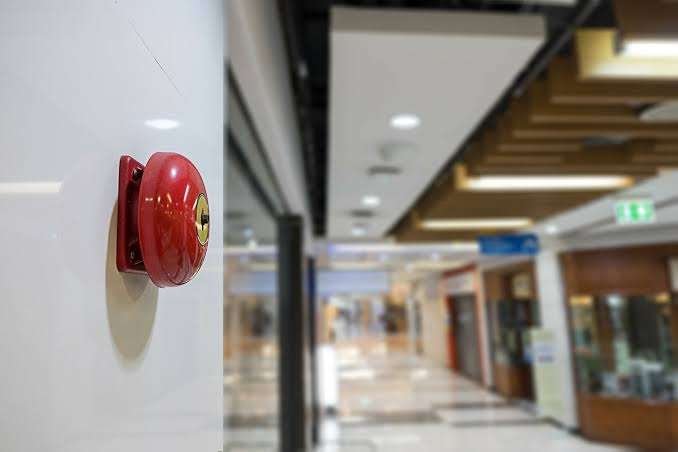
Shopping malls are an important part of everyday life in Pakistan. Families visit them for shopping, dining, entertainment, and social activities. These large buildings bring many people together under one roof, making fire safety an essential responsibility for mall owners, management teams, employees, shopkeepers, and visitors.
A fire emergency in a shopping mall can become particularly challenging because malls contain numerous shops, restaurants, storage areas, electrical installations, escalators, elevators, and crowded public spaces. Without suitable safety arrangements, smoke or confusion may make it difficult for visitors to find safe exits.
Mall fire safety is not only about installing equipment. It also involves preventing common hazards, maintaining emergency systems, training staff, keeping escape routes accessible, and helping visitors understand what to do during an emergency.
For homeowners, understanding mall fire safety is also valuable. Families can make safer decisions when visiting shopping centers and teach children how to respond calmly if an alarm sounds.
This guide explains the main principles of mall fire safety, important protective systems, common risks, and the responsibilities of mall management and visitors in Pakistan.
Why Is Mall Fire Safety Important?
Shopping malls often contain different types of businesses and facilities. A single building may include clothing stores, supermarkets, food courts, cinemas, play areas, offices, and underground parking.
Each area has its own potential fire hazards. Restaurants may use cooking equipment, shops may store packaging materials, and electrical rooms may contain equipment that requires professional inspection.
A fire emergency can affect several areas of a building if it is not identified and managed promptly. Smoke can also travel through corridors, stairwells, and other connected spaces.
Effective fire safety arrangements help to:
– Protect visitors, employees, and shopkeepers.
– Support early identification of fire-related emergencies.
– Provide clear warnings when evacuation is necessary.
– Keep emergency exits accessible.
– Reduce the likelihood of preventable fire incidents.
– Help emergency responders understand the building layout.
– Protect property and reduce business disruption.
Fire safety is particularly important in busy shopping centers where visitors may be unfamiliar with the building’s layout.
Common Fire Hazards in Shopping Malls
Understanding common fire hazards is the first step toward improving safety. Mall management should regularly assess different areas of the building and address problems through qualified professionals.
1. Electrical Equipment and Wiring
Shopping malls depend heavily on electrical systems. Lighting, escalators, elevators, air conditioning, computers, refrigerators, and other equipment require a reliable electrical supply.
Damaged wiring, overloaded circuits, unsuitable electrical equipment, and neglected installations can increase fire risks.
Electrical systems should be inspected by qualified professionals according to applicable safety requirements. Management should also ensure that damaged equipment is reported and addressed promptly.
2. Restaurants and Food Courts
Food courts and restaurants are important parts of many shopping malls. Their kitchens may contain cooking appliances, electrical equipment, and other heat-producing systems.
Poor housekeeping, unsuitable equipment, and inadequate maintenance can increase fire risks.
Restaurant operators should follow relevant fire safety requirements and ensure that kitchen safety arrangements are professionally inspected.
3. Storage Areas
Shops often store clothing, cardboard boxes, plastic packaging, paper products, and other materials.
If storage areas are poorly organized, they can create additional fire hazards. Materials should be stored according to appropriate safety requirements and kept away from equipment or locations where they could create unnecessary risks.
Storage must never block corridors, staircases, fire doors, or emergency exits.
4. Decorative Materials
Shopping malls frequently use decorative lighting, seasonal displays, banners, and temporary decorations.
Some materials may be combustible or unsuitable for certain locations. Mall management should ensure that decorations meet applicable safety requirements and do not interfere with alarms, sprinklers, emergency lighting, or evacuation routes.
5. Poor Housekeeping
Unnecessary waste, packaging materials, and poorly managed storage spaces can increase fire risks.
Regular housekeeping helps maintain safer conditions throughout the building. Cleaning and maintenance teams should follow established procedures for collecting and disposing of waste.
Essential Fire Safety Systems in Shopping Malls
A shopping mall needs a coordinated fire protection arrangement rather than depending on a single safety device. Different systems perform different functions, and they must be suitable for the building’s design and occupancy.
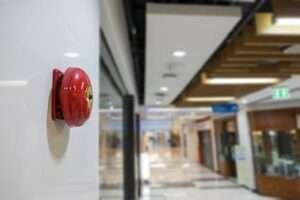
1. Fire Alarm Systems
A fire alarm system is one of the most important parts of a mall’s safety infrastructure.
It is designed to identify certain signs of fire and provide warnings so that people can respond according to the building’s emergency plan.
Depending on the building’s design, a system may include:
– Smoke detectors.
– Heat detectors.
– Manual call points.
– Alarm sounders.
– Visual warning devices.
– A central control panel.
– Monitoring and communication arrangements.
The system should be designed by qualified specialists and selected according to the building’s size, layout, and applicable safety requirements.
A properly planned Fire alarm system in Pakistan can support early warning in shopping malls, commercial buildings, offices, and other public spaces. However, its effectiveness depends on suitable design, professional installation, routine inspection, and reliable maintenance.
Mall management should also ensure that alarm signals can be heard or otherwise recognized throughout occupied areas.
2. Smoke Detection Systems
Smoke detectors help identify smoke at an early stage. They are especially important because smoke can spread through a building and affect visibility.
Different locations may require different types of detection equipment. For example, a shopping area, kitchen, electrical room, and parking facility may have different environmental conditions.
Qualified fire safety professionals should determine the appropriate detector types and locations.
Detectors should not be covered, obstructed, or ignored when they show a fault. Regular inspection helps confirm that the system remains suitable for its intended purpose.
3. Fire Sprinkler Systems
Automatic sprinkler systems are designed to respond to certain fire conditions and help control fire development in protected areas.
The design of a sprinkler system depends on several factors, including building layout, occupancy, ceiling height, and the materials or activities present.
Shopping malls should have professionally designed systems that comply with relevant building and fire safety requirements.
Routine inspections are important because blocked, damaged, or poorly maintained components may affect system performance.
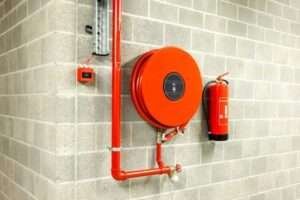
4. Fire Extinguishers
Fire extinguishers may be provided in suitable locations throughout shopping malls. Different extinguisher types are designed for different fire risks.
Their selection and placement should be determined by qualified professionals. They should also be clearly identified, accessible, inspected, and maintained.
Visitors should never delay evacuation or approach a dangerous fire to use an extinguisher. In an emergency, people should follow the mall’s evacuation instructions and leave the building when directed.
5. Emergency Lighting
Emergency lighting helps people identify escape routes if normal lighting becomes unavailable.
It is particularly important in corridors, staircases, exit routes, and other areas used during evacuation.
Mall management should ensure that emergency lighting is professionally inspected and maintained so that it can perform its intended function during an emergency.
6. Fire Safety Signage
Clear signs help visitors identify emergency exits, staircases, fire equipment locations, and evacuation directions.
Signs should be easy to understand and visible from appropriate locations. They should not be hidden behind decorations, advertisements, shelves, or temporary displays.
Visitors who are unfamiliar with a mall should be able to recognize the nearest available emergency exit without depending entirely on staff directions.
The Importance of Emergency Exits and Escape Routes
Emergency exits are essential in every shopping mall. They provide designated routes for people leaving the building during an emergency.
A shopping mall may have many entrances and public passageways, but not every entrance is suitable as an emergency exit. Escape routes must be planned according to building design and applicable safety standards.
Important safety considerations include:
– Emergency exits should remain accessible.
– Corridors and staircases should not be used for storage.
– Fire doors should remain in their required condition.
– Exit signs should be visible.
– Escape routes should be included in evacuation plans.
– Temporary displays should not obstruct exit access.
– Staff should understand the designated evacuation arrangements.
Elevators should not be used during a fire evacuation unless emergency responders or the building’s approved emergency arrangements specifically direct their use. Visitors should follow marked escape routes and instructions from trained staff.
Developing an Effective Mall Fire Evacuation Plan
An evacuation plan explains how people should leave a building safely during an emergency. Every shopping mall should have a documented plan suitable for its size, layout, occupancy, and potential risks.
An effective plan should identify:
Designated Escape Routes
The plan should show the available emergency exits, protected staircases, and other approved escape routes.
Staff Responsibilities
Employees should understand their responsibilities during an emergency. Management should identify trained personnel who can communicate instructions and support an orderly evacuation.
Assembly Areas
Suitable outdoor assembly locations should be identified away from building hazards and emergency vehicle access routes.
Visitor Communication
Visitors need clear information about evacuation instructions. Public announcements, alarm systems, signs, and trained staff can all support communication.
Assistance for People Requiring Support
Some visitors may need additional assistance, including young children, older adults, and people with disabilities.
The evacuation plan should consider their needs and identify appropriate arrangements in advance.
Coordination With Emergency Services
Mall management should maintain suitable communication arrangements with local emergency services and provide relevant building information when required.
Staff Training and Fire Drills
Fire safety equipment is only one part of an effective safety program. Employees also need to understand how to respond when an emergency occurs.
Mall staff may include security guards, cleaners, maintenance workers, shop employees, restaurant workers, and management personnel.
Training should explain:
– How to recognize and report an emergency.
– What different alarm signals mean.
– Where designated escape routes are located.
– How to communicate evacuation instructions.
– Where assembly areas are situated.
– How to support visitors who need assistance.
– Why elevators should generally be avoided during fire evacuation.
– How to contact emergency services through approved procedures.
Fire drills help employees and building occupants become familiar with evacuation arrangements. They can also help management identify unclear instructions, blocked routes, or communication problems.
Drills should be planned and supervised by responsible personnel. Their frequency should follow applicable requirements and the building’s risk assessment.
Responsibilities of Shopping Mall Management
Mall management has a central role in creating and maintaining a safe environment.
Its responsibilities extend beyond purchasing fire protection equipment. Management must ensure that the building’s safety arrangements remain suitable throughout daily operations.
Important responsibilities include:
1. Risk assessments: Identify potential hazards in shops, kitchens, storage areas, parking facilities, and shared spaces.
2. Professional inspections: Arrange qualified inspections of electrical installations and fire protection systems.
3. Equipment maintenance: Ensure alarms, detectors, sprinklers, emergency lighting, and other safety equipment receive appropriate maintenance.
4. Clear escape routes: Prevent storage, advertisements, and temporary displays from blocking emergency access.
5. Staff awareness: Provide appropriate training to employees and contractors.
6. Emergency planning: Maintain an evacuation plan that reflects the building’s current layout.
7. Record keeping: Maintain suitable records of inspections, maintenance, training, and drills.
8. Legal compliance: Follow applicable building codes, fire safety regulations, and local authority requirements.
Management should review its arrangements whenever significant changes are made to the building, its occupancy, or its activities.
What Should Homeowners Teach Their Families About Mall Fire Safety?
Although shopping mall management is responsible for building safety, visitors also benefit from knowing basic emergency precautions.
Parents and homeowners can discuss simple safety habits with family members before visiting crowded public places.
Notice Emergency Exits
When entering a shopping mall, take a moment to notice the nearest emergency exit and any visible evacuation signs.
Families should remember that the nearest entrance may not be the safest escape route during an emergency.
Agree on a Family Meeting Point
In busy public places, family members can become separated. Parents should identify a suitable meeting point in advance and explain what children should do if they cannot immediately find their family.
Children should be encouraged to seek help from identifiable mall security staff or other responsible adults.
Take Alarms Seriously
If an alarm sounds or staff announce an evacuation, visitors should follow the instructions promptly.
They should avoid assuming that an alarm is only a test unless authorized personnel clearly confirm this.
Keep Calm and Follow Instructions
Crowded environments can become confusing during emergencies. Families should follow marked escape routes, avoid pushing, and listen to instructions from trained staff.
Do Not Return for Personal Belongings
During an evacuation, personal belongings should not become a reason to delay leaving the building.
People should prioritize their safety and follow instructions from emergency responders.
Fire Safety Challenges in Pakistani Shopping Malls
Shopping malls across Pakistan operate in different types of buildings and under varying local conditions. Some are modern commercial complexes, while others have developed through the expansion of older buildings.
Several challenges may affect fire safety management.
High Visitor Numbers
Busy shopping periods, weekends, and seasonal events can increase the number of people inside a mall.
Management should ensure that evacuation arrangements consider the building’s expected occupancy.
Older Building Infrastructure
Some commercial buildings may have outdated electrical installations or limited space for modern safety arrangements.
Regular professional assessments can help identify areas that require improvement.
Inadequate Maintenance
Fire protection equipment may become less reliable if inspection and maintenance are neglected.
A documented maintenance program helps management identify faults and arrange appropriate professional attention.
Unclear Emergency Information
Visitors may not know where emergency exits are located or how to respond when an alarm sounds.
Visible signs, public announcements, and staff awareness can make emergency information easier to understand.
Commercial Pressure
Shopping malls need to manage shops, advertising displays, storage, and customer facilities. However, commercial activities should never interfere with emergency exits or essential fire protection equipment.
Safety arrangements must remain a priority even during busy business periods.
The Role of Professional Fire Safety Services
Shopping mall fire protection requires technical knowledge and careful planning. A qualified fire safety provider can help assess the building and recommend suitable systems based on its specific requirements.
Professional services may include:
– Fire risk assessments.
– Fire alarm system design and installation.
– Smoke detection planning.
– Fire protection equipment inspections.
– Emergency lighting assessments.
– Fire safety training.
– Evacuation planning support.
– Routine maintenance arrangements.
The selection of equipment should be based on professional assessment rather than price alone.
Mall owners and managers should also verify that service providers have appropriate qualifications and experience for the work being performed.
For commercial buildings in Pakistan, choosing suitable fire protection arrangements is an important part of responsible property management.
Creating a Strong Fire Safety Culture
Fire safety becomes more effective when it is treated as an ongoing responsibility rather than a one-time project.
A shopping mall may have modern equipment, but its overall safety can still be affected by poor housekeeping, blocked exits, untrained employees, or ignored maintenance issues.
A strong safety culture involves everyone connected with the building.
Management should communicate clear expectations, employees should report hazards, shopkeepers should follow building rules, and visitors should take emergency instructions seriously.
Regular reviews can help identify weaknesses and ensure that safety arrangements continue to reflect the building’s needs.
Children and families can also contribute by learning basic emergency awareness and understanding the importance of following official instructions.
Conclusion
Mall fire safety is an essential part of protecting people in busy commercial buildings. Shopping centers bring together large numbers of visitors, employees, shopkeepers, and service providers, making effective prevention and emergency planning especially important.
A reliable safety program includes suitable fire alarm systems, smoke detection, sprinklers, emergency lighting, clear signage, accessible escape routes, professional inspections, and regular staff training.
In Pakistan, mall owners and management teams should give proper attention to applicable building requirements and ensure that fire protection arrangements are maintained by qualified professionals.
Homeowners can also support family safety by teaching children to recognize emergency exits, take alarms seriously, follow staff instructions, and leave the building promptly when evacuation is required.
Fire safety is a shared responsibility. Through proper planning, professional support, and consistent awareness, shopping malls can provide a safer environment for everyone.
Frequently Asked Questions (FAQs)
1. Why is fire safety important in shopping malls?
Fire safety is important because shopping malls contain large numbers of visitors, employees, shops, restaurants, and electrical installations. Proper safety arrangements help provi