Electricity plays an essential role in modern life. Homes, offices, factories, schools, hospitals, shopping malls, and commercial buildings depend on electrical systems to operate everyday equipment and provide essential services. Although electricity makes daily activities easier, poorly maintained electrical installations can create serious fire hazards.
Damaged wiring, overloaded circuits, faulty appliances, deteriorating electrical components, and neglected equipment can increase the risk of electrical fires. These problems may develop gradually, making regular inspection and professional maintenance an important part of building safety.
Electrical fire safety is not simply about purchasing protective equipment. It also involves keeping electrical installations in suitable condition, identifying potential problems, maintaining fire detection systems, and ensuring that occupants understand emergency procedures.
In Pakistan, where residential and commercial properties use a wide range of electrical equipment, responsible maintenance can help protect people and property. Homeowners, business owners, and facility managers should understand the importance of preventive maintenance and arrange professional inspections whenever necessary.
This article explains important electrical fire safety maintenance tips, common warning signs, equipment care, and practical ways to support a safer environment.
## 1. Arrange Regular Professional Electrical Inspections
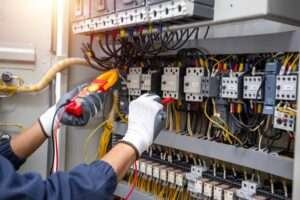
One of the most important steps in electrical fire prevention is arranging regular inspections by qualified electrical professionals.
Electrical installations can deteriorate over time. Changes in building use, additional equipment, aging components, and environmental conditions may affect the safety of an electrical system.
A professional inspection can help identify concerns that ordinary occupants may not recognize.
Inspections may consider:
– The general condition of electrical installations.
– Visible signs of damage or deterioration.
– Suitability of electrical equipment.
– The condition of protective devices.
– Signs of overheating identified through appropriate professional assessment.
– Whether the installation remains suitable for its current use.
– Any changes that require further technical evaluation.
The frequency of inspections should depend on the building, its electrical load, equipment, applicable requirements, and professional recommendations.
Homeowners and building managers should keep inspection reports and arrange qualified attention for any identified defects.
## 2. Avoid Overloading Electrical Outlets
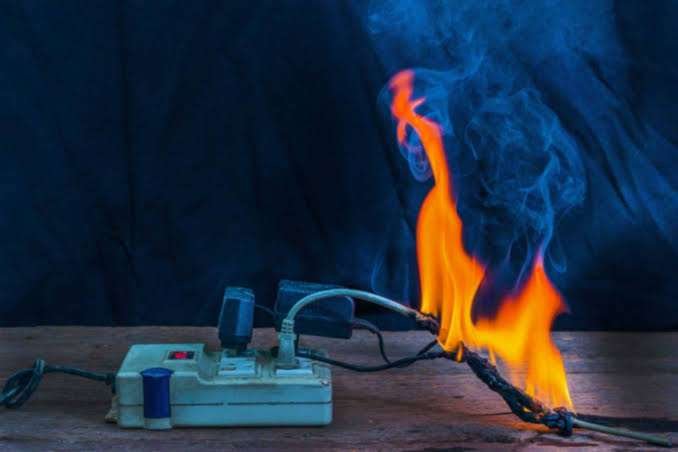
Overloaded electrical outlets and circuits can increase electrical risks.
Buildings often use several appliances at the same time. Computers, heaters, refrigerators, air conditioners, kitchen appliances, and other equipment may place significant demands on electrical installations.
Using unsuitable extension equipment or connecting too many devices to one outlet can create additional hazards.
To support electrical safety:
– Follow the manufacturer’s instructions for electrical equipment.
– Avoid using damaged extension leads or outlets.
– Do not connect multiple high-power appliances to unsuitable extension equipment.
– Ensure that electrical installations are assessed by qualified professionals.
– Report outlets or equipment that appear damaged or unusually hot.
– Arrange professional advice when additional electrical capacity is needed.
Occupants should never attempt to modify electrical circuits or protective devices themselves.
## 3. Check Electrical Cables and Appliances for Visible Damage
Damaged cables and appliances can create electrical hazards. Regular awareness of their visible condition helps people identify problems that require professional attention.
Warning signs may include:
– Cracked or damaged cable insulation.
– Loose or visibly damaged plugs.
– Unusual smells coming from electrical equipment.
– Discoloration around outlets.
– Equipment that repeatedly stops working unexpectedly.
– Visible damage to appliance casings.
– Unusual buzzing or crackling sounds.
If an appliance or cable appears damaged, stop using it when it is safe to do so and keep people away from the affected area. Arrange an assessment by a qualified professional.
Never touch exposed wiring or attempt to repair damaged electrical equipment without the appropriate qualifications.
## 4. Keep Electrical Areas Clean and Unobstructed
Electrical rooms, distribution areas, and equipment spaces should remain organized and accessible to authorized personnel.
Combustible materials such as cardboard, paper, packaging, and cleaning supplies should not accumulate around electrical installations.
Good housekeeping can help reduce unnecessary fire hazards and make professional inspections easier.
Building managers should ensure that:
– Electrical rooms are not used for general storage.
– Access to designated equipment areas remains clear.
– Waste materials are removed through suitable housekeeping arrangements.
– Safety signs remain visible.
– Only authorized personnel access restricted electrical areas.
– Maintenance teams report any visible damage or unusual conditions.
These practices are relevant to homes, offices, warehouses, factories, and other buildings.
## 5. Maintain Fire Alarm Systems Properly
A fire alarm system is an important part of a building’s fire protection arrangements. It helps alert occupants when certain signs of fire are detected or when an alarm is manually activated.
However, an alarm system cannot provide reliable protection if its components are neglected.
A suitable **Fire alarm system in Pakistan** may include smoke detectors, heat detectors, manual call points, alarm sounders, visual warning devices, and a central control panel. The exact arrangement depends on the building’s size, layout, occupancy, and fire risk assessment.
Maintenance should be arranged through qualified fire safety professionals.
Important maintenance considerations include:
### Inspect the Control Panel
The fire alarm control panel provides information about the system’s operating condition. Fault indications should be investigated by qualified personnel.
### Check Detection Devices
Smoke and heat detectors should receive appropriate inspection and testing according to manufacturer guidance and applicable standards.
### Maintain Warning Devices
Alarm sounders and visual warning devices should be included in the system’s professional inspection program to help confirm that occupants can receive emergency warnings.
### Review Manual Call Points
Manual call points should remain visible, accessible, and free from obstruction.
### Keep Maintenance Records
Building management should retain records of inspections, testing, identified faults, and corrective maintenance.
A fire alarm system should never be treated as equipment that can be installed once and ignored. Regular professional attention is essential to maintaining its intended function.
## 6. Pay Attention to Smoke and Heat Detectors
Smoke and heat detectors are important parts of many fire detection arrangements.
Smoke detectors are designed to identify smoke, while heat detectors respond to certain temperature changes.
Their suitability depends on the environment in which they are installed.
For example, kitchens, dusty areas, industrial environments, and locations with changing temperatures may require specific detector choices.
Maintenance considerations include:
– Following the manufacturer’s maintenance instructions.
– Arranging professional testing.
– Keeping detectors free from obstruction.
– Reporting visible damage.
– Responding promptly to system fault indications.
– Replacing equipment according to manufacturer guidance and applicable requirements.
Occupants should not cover, disconnect, or interfere with detectors because doing so may reduce the building’s ability to provide an early warning.
## 7. Ensure Electrical Protective Devices Receive Professional Attention
Electrical protection devices are designed to help reduce certain electrical hazards.
Depending on the installation, these may include circuit breakers, residual current devices, overcurrent protection, and surge protection devices.
Their selection depends on the electrical system and the building’s requirements.
Protective devices should be inspected by qualified professionals to confirm that they are appropriate for the installation and remain in suitable condition.
Building owners should not attempt to open electrical panels, change protective device ratings, bypass safety features, or carry out electrical adjustments themselves.
If a protective device repeatedly operates or an electrical fault is suspected, the matter should be referred to a qualified electrical professional.
## 8. Maintain Generators and Backup Electrical Equipment Professionally
Many homes, offices, factories, and commercial buildings in Pakistan use backup power equipment.
Generators and other backup systems may involve electrical connections, fuel-related hazards, heat, and ventilation requirements.
Their installation and maintenance should be handled by qualified personnel according to manufacturer instructions and applicable safety requirements.
Important management considerations include:
– Ensuring equipment is installed in an appropriate location.
– Keeping required ventilation arrangements suitable.
– Arranging scheduled professional inspections.
– Following manufacturer maintenance requirements.
– Keeping unauthorized people away from restricted equipment areas.
– Ensuring that electrical connections are assessed by qualified professionals.
– Maintaining suitable emergency arrangements.
Generators should never be operated in enclosed or poorly ventilated spaces. Carbon monoxide is a dangerous gas that cannot be reliably detected by smell.
Homeowners and building managers should never attempt unqualified repairs or modifications to backup electrical systems.
## 9. Keep Electrical Equipment Away From Combustible Materials
Electrical equipment should be used and stored in locations appropriate for its design.
Combustible materials placed too close to electrical equipment can increase fire risks, particularly if equipment develops a fault or produces heat during normal operation.
Paper products, cardboard boxes, fabric, cleaning supplies, and other combustible materials should be managed carefully.
In workplaces, storage arrangements should follow the building’s fire risk assessment and housekeeping procedures.
Electrical equipment areas should not become temporary storage spaces simply because additional room is needed elsewhere.
## 10. Pay Attention to Warning Signs of Electrical Problems
Recognizing unusual conditions can help people report potential hazards before they become more serious.
Some warning signs may include:
### Unusual Burning Smells
An unfamiliar burning smell near electrical equipment should be treated seriously. People should move away from the suspected hazard and report it to responsible personnel.
### Discolored Outlets
Visible discoloration around outlets or electrical equipment may indicate a problem requiring professional inspection.
### Repeated Equipment Failures
Electrical appliances that repeatedly stop working or show unusual behavior should not be ignored.
### Unusual Sounds
Buzzing, crackling, or other unexpected sounds from electrical equipment should be reported.
### Visible Damage
Damaged cables, plugs, sockets, and electrical casings require attention from qualified professionals.
These signs do not always mean that a fire is about to occur, but they should never be dismissed. Occupants should avoid investigating electrical faults themselves.
## 11. Review Electrical Safety in Kitchens
Kitchens contain several electrical appliances and may also involve cooking activities, making them important areas for fire risk management.
Homes, restaurants, office kitchens, and food courts should have suitable safety arrangements.
General maintenance considerations include:
– Keeping electrical appliances in suitable condition.
– Arranging professional inspection of fixed electrical installations.
– Following manufacturer instructions.
– Keeping combustible materials away from heat-producing equipment.
– Ensuring that appliances are used for their intended purpose.
– Keeping emergency exits accessible.
– Maintaining suitable fire detection and warning arrangements.
Commercial kitchens may have additional requirements depending on their cooking equipment and building design.
Any electrical appliance showing visible damage or unusual behavior should be referred for qualified assessment.
## 12. Maintain Proper Fire Safety Documentation
Maintenance records help homeowners, property managers, and business owners monitor the condition of their fire protection arrangements.
Without proper documentation, it may be difficult to determine when equipment was last inspected or whether reported defects were addressed.
Useful records may include:
– Electrical inspection reports.
– Fire alarm maintenance reports.
– Detector inspection records.
– Equipment service documentation.
– Identified defects and corrective actions.
– Professional maintenance schedules.
– Staff training records.
– Fire drill records.
For commercial buildings, documentation also helps demonstrate that fire safety responsibilities are being managed systematically.
Records should be stored securely and made available to authorized personnel when needed.
## 13. Arrange Staff Training and Fire Drills
Equipment maintenance alone cannot ensure safe emergency response. Employees and occupants also need to understand how to respond when a fire occurs.
Staff training should explain:
– How to recognize and report a fire emergency.
– What to do when an alarm sounds.
– Where designated emergency exits are located.
– How to follow evacuation instructions.
– Where the assembly area is situated.
– How to assist visitors who may need support.
– Why elevators should generally be avoided during a fire evacuation.
– How to contact emergency services from a safe location.
Fire drills help employees become familiar with emergency arrangements and can reveal problems with communication or evacuation planning.
Drills should be organized and supervised by responsible personnel according to the building’s needs and applicable requirements.
Untrained occupants should not be expected to fight electrical fires. Evacuation and personal safety must remain the priority.
## 14. Review Fire Safety Equipment After Building Changes
Buildings often change over time. A home may receive additional appliances, an office may expand, or a factory may introduce new machinery.
These changes can affect electrical demand and fire safety requirements.
Whenever a building is renovated, expanded, or used for a different purpose, its electrical and fire protection arrangements should be reviewed.
A professional assessment may identify the need for updated electrical protection, revised alarm coverage, additional detection devices, or changes to emergency planning.
Building owners should avoid assuming that an existing system will automatically remain suitable after significant changes.
## 15. Choose Reliable Fire Safety Professionals in Pakistan
Professional support is essential for maintaining electrical and fire safety systems.
When selecting a service provider, building owners should consider:
– Relevant technical qualifications.
– Experience with the type of building.
– Knowledge of applicable safety requirements.
– Clear inspection and maintenance procedures.
– Availability of technical documentation.
– Suitable after-sales support.
– Transparent service terms.
– Ability to identify and report defects accurately.
The lowest-priced service is not necessarily the most suitable. Safety-related work should be evaluated according to competence, reliability, and the quality of the service provided.
For homes and commercial buildings in Pakistan, professional inspections can help identify problems and ensure that safety arrangements remain appropriate.
## 16. What to Do If an Electrical Fire Is Suspected
Electrical fire emergencies require immediate attention. People should not attempt to investigate the source of smoke or handle electrical equipment.
If smoke, flames, or signs of an electrical fire are noticed:
1. Warn people nearby and activate the building’s alarm procedure if it is safe to do so.
2. Leave the affected area using a safe escape route.
3. Avoid touching electrical equipment, exposed wiring, or damaged installations.
4. Do not use water on an electrical fire.
5. Avoid elevators during evacuation unless specifically directed by emergency responders or an approved emergency arrangement.
6. Contact emergency services from a safe location.
7. Do not return until authorized personnel confirm that the building is safe.
Only appropriately trained and authorized personnel should undertake emergency firefighting when conditions and procedures permit. Ordinary occupants should prioritize evacuation.
## Conclusion
Electrical fire safety maintenance is an essential responsibility for homeowners, business owners, and building managers. Electrical installations and protective equipment can deteriorate over time, making regular professional inspections and responsible maintenance important for reducing preventable hazards.
Important measures include avoiding overloaded outlets, reporting damaged appliances, maintaining fire alarm systems, inspecting detectors, keeping electrical areas clear, and arranging qualified attention for protective devices and backup power equipment.
In Pakistan, homes and commercial buildings should have electrical and fire protection arrangements suited to their design, occupancy, and applicable safety requirements.
A reliable fire alarm system, suitable electrical protection, proper maintenance records, and well-planned evacuation procedures can all contribute to a safer environment.
Most importantly, electrical repairs and technical maintenance should always be handled by qualified professionals. Occupants should never attempt to repair damaged wiring or investigate a suspected electrical fire. Awareness, prevention, and professional support remain the foundation of effective electrical fire safety.
## Frequently Asked Questions (FAQs)
### 1. Why is electrical fire safety maintenance important?
Regular maintenance helps identify damaged equipment, deteriorating electrical installations, and problems with fire protection systems. It supports safer building conditions and helps ensure that protective equipment remains suitable for its intended purpose.
### 2. How often should electrical installations be inspected?
Inspection frequency depends on the building type, electrical equipment, applicable requirements, and professional recommendations. Qualified electrical professionals can determine an appropriate inspection schedule and identify any necessary corrective work.
### 3. Why should fire alarm systems receive regular maintenance?
Regular maintenance helps confirm that detectors, control panels, manual call points, and warning devices remain in suitable working condition. It also helps identify faults that could affect the system’s ability to alert occupants.
### 4. What are common warning signs of electrical problems?
Warning signs may include unusual burning smells, damaged cables, discolored outlets, unexpected electrical sounds, repeated appliance failures, and visible damage. These conditions should be reported and assessed by qualified professionals.
### 5. What should people do if an electrical fire occurs?
People should warn others, leave the affected area using a safe escape route, avoid touching electrical equipment, and contact emergency services from a safe location. They should never use water on an electrical fire or delay evacuation to investigate the problem.