Fire safety is an essential part of protecting people, buildings, equipment, and valuable property. Whether it is a residential apartment, shopping mall, office, hospital, school, hotel, factory, or warehouse, every building needs suitable fire protection arrangements. Fires can develop unexpectedly, and without proper detection and control measures, they may put occupants and property at serious risk.
Fire sprinkler systems are among the most important automatic fire protection solutions used in modern buildings. They are designed to respond to heat from a fire and release water through sprinkler heads to help control or suppress the flames. Unlike portable firefighting equipment, sprinkler systems can operate automatically without waiting for someone to discover the fire and manually activate a device.
However, installing a sprinkler system is not enough. It must be correctly designed, installed, inspected, and maintained. Building owners and managers also need to understand how these systems work, what their limitations are, and how they fit into a complete emergency plan.
In Pakistan, fire protection requirements vary according to building type, size, occupancy, and potential hazards. A suitable fire sprinkler system, combined with a reliable fire alarm system in Pakistan, can strengthen a building’s overall fire safety arrangements.
This guide explains the right way to use fire sprinkler systems, their main components, different types, benefits, maintenance requirements, and common mistakes to avoid.
What Is a Fire Sprinkler System?
A fire sprinkler system is an automatic fire protection arrangement designed to release water when the temperature around a sprinkler head reaches its operating point.
The system generally consists of a water supply, pipes, control valves, sprinkler heads, and other supporting components. Depending on the building and system design, it may also include pumps, water storage tanks, monitoring equipment, and alarm connections.
The main purpose is to control or suppress a developing fire, limit its spread, and help protect occupants and property.
Sprinkler systems are commonly installed in:
– Shopping malls and commercial centres.
– Office buildings.
– Hotels and restaurants.
– Hospitals and healthcare facilities.
– Schools and educational institutions.
– Factories and manufacturing plants.
– Warehouses and storage facilities.
– Large residential buildings.
The system must be designed according to the risks and characteristics of the building. A solution suitable for an office may not be appropriate for a warehouse storing different types of materials.
How Do Fire Sprinkler Systems Work?
Understanding how sprinkler systems operate helps building owners recognize their importance and limitations.
1. Heat Activates the Sprinkler Head
Most conventional automatic sprinkler heads operate when surrounding temperatures reach a specified activation point.
A heat-sensitive element inside the sprinkler head responds to the temperature. When it reaches its designed operating condition, the sprinkler opens and allows water to flow.
This means that sprinkler systems generally respond to heat rather than smoke alone.
2. Water Is Released in the Affected Area
When a sprinkler head activates, water is discharged from that particular head according to the system design.
In many common systems, individual sprinkler heads operate independently. A fire in one area does not automatically mean that every sprinkler head in the building will release water.
The purpose is to apply water where the heat condition has activated the sprinkler.
3. Water Helps Control the Fire
The released water helps reduce heat and control the fire. Depending on the system design, water supply, fire conditions, and materials involved, the sprinkler may control the fire or suppress it.
Sprinkler systems are designed to support life safety and property protection, but they do not guarantee that every fire will be completely extinguished.
4. The Alarm or Monitoring System May Receive a Signal
Many sprinkler installations include water-flow monitoring and connections to a fire alarm system.
When water flows through the system, monitoring devices may send a signal to the fire alarm control panel. This can help notify building occupants and responsible personnel.
The exact operation depends on the system design and how its components are integrated.
Main Components of a Fire Sprinkler System
A sprinkler system contains several components that work together. Each part has a specific function and must be selected according to the building’s requirements.
1. Sprinkler Heads
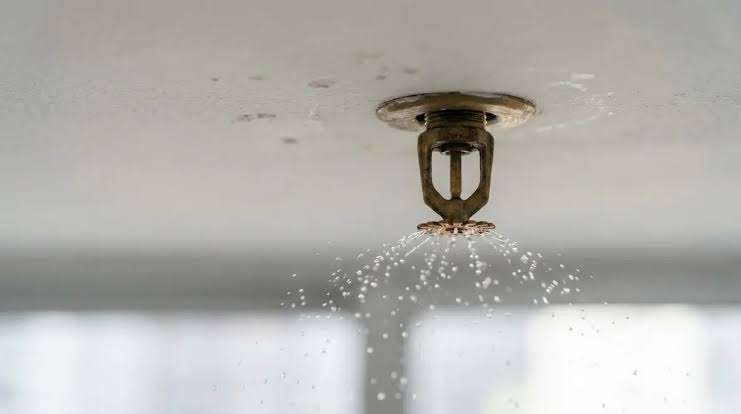
Sprinkler heads are the visible discharge points installed in ceilings or other approved locations.
They are designed to release water when their heat-sensitive elements respond to the required temperature.
Different sprinkler head designs are available for different installation conditions. Selection depends on factors such as ceiling construction, building use, and the system design.
2. Pipes and Fittings
Pipes carry water from the supply source to the sprinkler heads.
Their materials, dimensions, pressure ratings, and arrangement must be appropriate for the system. Correct installation helps maintain reliable water delivery.
3. Water Supply
A sprinkler system requires a dependable water source.
Depending on the building, the supply may come from an approved public water connection, a dedicated storage tank, or another suitable arrangement.
The water supply must meet the system’s design requirements.
4. Control Valves
Control valves regulate the water supply to different parts of the system.
Their condition and operating status are important because an incorrectly positioned or defective valve can affect system performance.
Valves should be monitored and maintained according to the approved design and applicable standards.
5. Fire Pumps
Some buildings require dedicated fire pumps to provide the pressure and flow needed by the sprinkler system.
The pump arrangement depends on the available water supply and the hydraulic design.
Fire pumps require specialist installation, inspection, and maintenance.
6. Alarm and Monitoring Devices
Water-flow switches and other monitoring devices can help identify sprinkler system operation.
They may be connected to the building’s fire alarm system so occupants and responsible personnel receive an appropriate warning.
Different Types of Fire Sprinkler Systems
Not every building requires the same sprinkler arrangement. Different systems are designed for different environmental conditions and fire protection needs.
1. Wet Pipe Sprinkler Systems
A wet pipe system keeps water inside its pipes under pressure.
When an individual sprinkler head activates, water is discharged through that head.
Wet pipe systems are commonly used in buildings where temperatures remain above freezing and the system can be maintained under suitable conditions.
They are often found in offices, commercial buildings, hotels, and other properties.
2. Dry Pipe Sprinkler Systems
A dry pipe system normally contains pressurized air or nitrogen in its piping rather than water.
When a sprinkler head activates, the pressure changes and allows the system to admit water into the pipes.
These systems may be suitable for locations where freezing conditions could damage a water-filled pipe network.
Their design and response characteristics differ from wet pipe systems, so specialist planning is essential.
3. Pre-Action Sprinkler Systems
Pre-action systems use additional detection or control arrangements before water is admitted into the sprinkler piping.
They may be considered for environments where accidental water discharge could cause significant damage, such as certain data storage or sensitive equipment areas.
The system design must account for the building’s fire risks and operational requirements.
4. Deluge Sprinkler Systems
Deluge systems use open sprinkler outlets connected to a water supply controlled by a valve.
When the designated detection arrangement activates the system, water is discharged through the open outlets in the protected area.
They are generally used for specific high-hazard applications where rapid water application over a defined area is required.
Because they can release large quantities of water, they need careful professional design.
The Right Way to Use Fire Sprinkler Systems
Fire sprinkler systems are automatic, but building owners and managers still have important responsibilities. Correct use begins with suitable planning and continues through installation, inspection, and maintenance.
1. Select a System Based on the Building’s Risks
The first step is understanding the building’s purpose and potential fire hazards.
A residential apartment building may have different requirements from a factory or warehouse. The materials stored, ceiling height, occupancy, building layout, and available water supply can all affect system selection.
A qualified fire protection professional should assess the property and recommend a suitable design.
2. Use Qualified Installation Professionals
Sprinkler systems should be designed and installed by competent professionals familiar with applicable standards and building requirements.
Incorrect pipe arrangements, unsuitable sprinkler heads, poor water supply planning, or improper installation can reduce system reliability.
The completed installation should be inspected, tested, and documented according to the approved design.
3. Keep Sprinkler Heads Unobstructed
Sprinkler heads need suitable clearance so water can reach the intended protected area.
Furniture, shelves, decorations, stored goods, and other objects should not interfere with their operation or water distribution.
Building managers should review ceiling arrangements whenever rooms are renovated or storage layouts change.
4. Avoid Painting or Modifying Sprinkler Heads
Sprinkler heads are precision safety components. Painting, covering, damaging, or modifying them can affect their performance.
If a sprinkler head appears damaged or has been altered, it should be assessed by a qualified professional.
Building occupants should never attempt to repair or adjust sprinkler heads themselves.
5. Maintain Clear Access to System Valves
Control valves and other system components must remain accessible to authorized personnel.
They should not be hidden behind stored materials or blocked by equipment.
Their condition and status should be checked according to the maintenance schedule.
6. Understand the Relationship With Fire Alarms
A sprinkler system and a fire alarm system perform different but complementary functions.
The sprinkler system is designed to release water when the appropriate activation conditions are reached. The fire alarm system provides warnings to occupants and may receive monitoring signals from the sprinkler installation.
A suitable fire alarm system in Pakistan should be planned according to the building’s occupancy, layout, and applicable requirements.
When these systems are properly coordinated, they can support a more organized emergency response.
7. Follow the Building’s Emergency Plan
Sprinklers do not remove the need for evacuation.
If an alarm sounds or a fire emergency is reported, occupants should follow the building’s evacuation procedures and move towards a safe location.
People should not remain inside a building simply because the sprinkler system has activated. They should not attempt to investigate the fire or return for personal belongings.
Emergency services should be contacted from a safe location.
Benefits of Fire Sprinkler Systems
A properly designed and maintained sprinkler system offers several important advantages.
1. Automatic Operation
Sprinkler systems are designed to activate automatically when their operating conditions are reached.
This can be particularly useful when a fire develops in an area where no one is immediately present.
2. Early Fire Control
A sprinkler system can respond to heat in the affected area and begin applying water without waiting for someone to operate portable equipment.
Early control may help limit fire growth, depending on the circumstances.
3. Protection of Property
Fire can damage buildings, machinery, stock, furniture, and other valuable assets.
A suitable sprinkler system can help reduce the potential spread and impact of a fire.
4. Support for Occupant Safety
By helping control a developing fire, sprinklers can support a building’s overall life safety strategy.
They should still be combined with alarms, clear exits, emergency lighting, and suitable evacuation procedures.
5. Coverage Across Large Buildings
A professionally designed system can protect different areas of a building through a network of pipes and sprinkler heads.
This makes sprinkler systems suitable for many large commercial and industrial properties.
6. Integration With Other Safety Systems
Sprinklers can be coordinated with fire alarms, monitoring arrangements, and other building safety systems.
This can help responsible personnel receive information about system operation and respond according to the emergency plan.
Common Fire Sprinkler System Mistakes to Avoid
Even a professionally installed sprinkler system can become less reliable if building owners ignore basic maintenance and safety requirements.
Blocking Sprinkler Heads
Objects placed too close to sprinkler heads may interfere with water distribution.
Keep the required clearance and follow the system’s approved design.
Ignoring Visible Damage
Damaged, corroded, leaking, or altered components should be reported for professional assessment.
Do not assume that a system is functioning correctly simply because no problem is visible from a distance.
Failing to Maintain Water Supplies
Sprinkler systems depend on an adequate water supply.
Building managers should arrange appropriate inspections of tanks, pumps, valves, and supply arrangements.
Changing Building Layouts Without Reviewing the System
Renovations, new partitions, ceiling changes, and storage modifications can affect sprinkler coverage.
Any significant change should be reviewed by a qualified fire protection professional.
Ignoring Maintenance Records
Inspection and maintenance records help confirm that required work has been completed.
Missing records make it harder to identify outstanding issues or demonstrate that the system has received appropriate attention.
Treating Sprinklers as a Replacement for Evacuation
Sprinklers do not guarantee that occupants can remain safely inside a building.
The emergency plan should always prioritize alerting people, evacuating safely, and contacting emergency services.
Fire Sprinkler System Maintenance and Inspection
Regular maintenance is essential for keeping a sprinkler system in suitable working condition.
The exact inspection and testing schedule depends on the system type, applicable standards, manufacturer guidance, and building requirements.
Routine Visual Reviews
Responsible building staff can look for obvious signs of damage, leakage, obstruction, or changes around sprinkler heads.
Any concerns should be recorded and referred to qualified personnel.
Professional System Inspections
Qualified technicians should inspect the system’s components according to the approved maintenance schedule.
This may include reviewing valves, water supplies, pumps, alarm devices, and other system components.
Water Supply Checks
The availability and suitability of the water supply are important to system performance.
Tanks, pumps, and supply arrangements should be maintained according to their specifications.
Testing Alarm Connections
Where sprinkler monitoring is connected to a fire alarm system, the relevant devices and communication arrangements should be tested as required.
Testing should be planned so occupants and responsible staff understand when an alarm signal is part of a scheduled test.
Keeping Maintenance Records
Records should include inspection dates, reported faults, completed work, and recommendations.
They can help building managers plan maintenance and follow up on outstanding problems.
Fire Sprinkler Systems in Different Pakistani Buildings
Fire protection needs vary across Pakistan’s residential, commercial, and industrial sectors.
Shopping Malls
Shopping malls may contain restaurants, shops, storage rooms, public corridors, and large visitor areas.
Sprinkler design should consider the building layout, occupancy, and different fire risks within the premises.
Hospitals
Hospitals may accommodate patients who cannot evacuate independently.
Fire protection planning should coordinate sprinklers, alarms, emergency lighting, staff responsibilities, and patient evacuation arrangements.
Factories
Factories may contain machinery, electrical installations, production materials, and specialized processes.
A professional assessment is important because the sprinkler system must match the actual hazards.
Warehouses
Warehouses can contain large quantities of stored goods, sometimes arranged on high racks.
Storage type, height, packaging, and building characteristics can influence sprinkler design.
Residential Buildings
Apartment buildings and other large residential properties may benefit from suitable automatic fire protection arrangements.
Building management should also maintain alarms, emergency exits, signage, and resident awareness.
How to Choose a Reliable Fire Protection Supplier in Pakistan
Selecting a reliable supplier is an important part of purchasing a sprinkler system.
Buyers should consider more than the initial product price.
Review Technical Experience
Ask whether the supplier has experience with similar buildings and system types.
Large or complex projects require suitable design and installation expertise.
Check Product Documentation
Request manufacturer details, technical specifications, and relevant certification or test documentation.
The products should match the approved design and applicable requirements.
Ask About Installation and Commissioning
Confirm whether the supplier provides professional installation, testing, and commissioning.
A system should not be considered ready for use until the required checks have been completed.
Understand Maintenance Support
Ask about inspection services, replacement components, technical support, and maintenance documentation.
Long-term support is important because fire protection systems need ongoing attention.
Compare Overall Value
Compare product quality, system design, installation standards, warranty, and after-sales services.
Choosing solely on price can lead to unsuitable equipment or inadequate support.
The Importance of Fire Safety Planning in Pakistan
Fire sprinkler systems are an important part of modern building protection, but they work best when included in a complete safety strategy.
In Pakistan, property owners and managers should review applicable building requirements and consider the specific risks associated with their premises.
A complete fire safety plan may include:
– Suitable smoke and heat detection.
– A reliable fire alarm system.
– Automatic sprinkler protection where required.
– Appropriate fire extinguishers.
– Clearly marked emergency exits.
– Emergency lighting.
– Fire safety signage.
– Staff awareness and training.
– Evacuation plans and regular reviews.
– Professional inspection and maintenance.
The design should reflect the number of occupants, building activities, layout, and potential fire hazards.
Working with qualified fire safety professionals can help ensure that the different systems are properly selected and coordinated.
Conclusion
Fire sprinkler systems are an important part of protecting buildings against fire. They are designed