Fire safety training teaches people how to recognise fire risks, respond to warnings, evacuate safely, and understand their responsibilities during an emergency. It is important in homes, schools, offices, factories, shops, hospitals, and other public buildings.
In Pakistan, fire safety training is especially valuable because buildings may have different layouts, occupancy levels, electrical systems, and emergency arrangements. A training programme helps people understand what to do before an emergency occurs instead of trying to make decisions without preparation.
Fire safety is not only about having extinguishers or installing alarm equipment. People must also understand how to recognise danger, report an incident, follow evacuation instructions, and support others without putting themselves at risk.
This guide explains fire safety training in simple language, describes its main elements, and explores how households and organisations can develop safer habits.
1. What Is Fire Safety Training?
Fire safety training is an educational programme that prepares people to prevent fires where possible and respond appropriately if an emergency occurs.
It usually covers three main areas:
– Prevention: Understanding common fire risks and learning how to reduce them.
– Preparedness: Knowing the building’s alarm arrangements, escape routes, and emergency procedures.
– Response: Recognising warnings, reporting emergencies, and evacuating safely.
The exact content depends on the type of building and the responsibilities of the people receiving training.
For example, office employees may need to understand workplace evacuation procedures, while school staff may need additional preparation for helping students move safely. Industrial workplaces may require specialised training based on their activities and hazards.
The purpose is to make safety procedures understandable and familiar to everyone.
2. Why Is Fire Safety Training Important in Pakistan?
Fires can affect residential buildings, commercial properties, educational institutions, industrial facilities, and public spaces. Their consequences may include injuries, property damage, business interruption, and disruption to communities.
Training helps people recognise risks before they become emergencies. It also reduces confusion when an alarm sounds or an evacuation is announced.
In Pakistan, different organisations and authorities have responsibilities relating to fire prevention, building safety, and emergency preparedness. Punjab Civil Defence, for example, identifies fire safety, firefighting awareness, first aid, and evacuation drills among its training activities.
Fire safety training is particularly important because:
It Builds Awareness
People learn to recognise common hazards, including damaged electrical equipment, unsafe storage practices, blocked exits, and poorly maintained appliances.
It Improves Emergency Readiness
Employees, students, residents, and visitors can become familiar with emergency exits and the procedures they should follow.
It Reduces Panic and Confusion
When people understand what an alarm means and know where to go, they are better prepared to respond calmly.
It Supports Workplace Safety
Employers can communicate responsibilities and make sure workers understand the organisation’s emergency arrangements.
It Encourages Responsibility
Fire safety becomes a shared responsibility rather than something left entirely to management or emergency services.
3. Who Needs Fire Safety Training?
Almost everyone can benefit from basic fire safety awareness. However, the content should reflect the building and the activities taking place there.
Employees and Office Staff
Office employees should understand the alarm system, emergency exits, reporting arrangements, and assembly point. They should also know who is responsible for coordinating evacuation.
Factory and Warehouse Workers
Industrial workplaces may contain machinery, electrical equipment, stored materials, and specialised processes. Workers need training that reflects the risks of their particular environment.
Teachers and School Staff
Teachers and school administrators should understand how to follow the school’s emergency plan and help students evacuate in an organised way.
Hospital and Healthcare Staff
Healthcare environments may include patients who need assistance moving safely. Staff should understand their assigned responsibilities and the building’s emergency procedures.
Shop and Restaurant Employees
Retail and hospitality workers should know how to recognise an alarm, report an emergency, and guide customers towards safe exits.
Building Managers and Supervisors
Managers have an important role in communicating procedures, arranging training, maintaining records, and ensuring that safety responsibilities are understood.
Families and Household Members
Basic fire safety awareness is also useful at home. Family members should know how to recognise danger, alert others, leave the building safely, and contact emergency services.
4. What Does Fire Safety Training Include?
A useful training programme covers several connected topics. The content should be suitable for the participants rather than relying on complicated technical language.
Understanding Common Fire Risks
Participants learn about conditions that may increase fire risk.
Examples include:
– Damaged electrical wiring or equipment.
– Unsafe use of heating appliances.
– Poor housekeeping and unsuitable storage.
– Combustible materials near heat sources.
– Lack of maintenance.
– Blocked emergency exits.
– Smoking in prohibited areas.
The objective is to help people recognise and report unsafe conditions before an incident occurs.
Understanding Fire Alarm Systems
An alarm system is an important part of a building’s emergency arrangements. Training should explain what the alarm sounds or signals mean and what occupants are expected to do when they receive a warning.
People should understand:
– How to recognise an alarm.
– Which reporting procedure applies.
– Where the designated escape routes are.
– Where to assemble after leaving.
– Why alarm signals should never be ignored.
A fire alarm system in Pakistan should be selected and maintained according to the building’s requirements. Training helps occupants understand its role, but it does not replace professional installation, inspection, or maintenance.
Learning Evacuation Procedures
Evacuation training explains how occupants should leave a building when an emergency requires it.
Participants should become familiar with:
– Primary and alternative escape routes.
– Emergency exit signs.
– Staircases and designated escape areas.
– Assembly points outside the building.
– Procedures for reporting missing persons.
– Arrangements for people who need additional assistance.
Occupants should follow the building’s emergency plan and instructions from responsible personnel. They should not use lifts unless the building’s approved emergency procedure specifically provides for their use.
Understanding Fire-Safety Equipment
Training may introduce participants to the different types of fire-safety equipment found in a building.
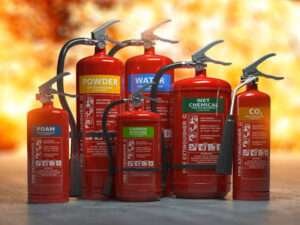
These may include smoke detectors, heat detectors, fire alarm panels, extinguishers, fire blankets, emergency lights, and exit signs.
People should know the general purpose of each item and understand that equipment must remain accessible and properly maintained.
Practical equipment training should be delivered by qualified instructors. Occupants should not attempt to operate equipment when doing so would put them in danger.
Emergency Communication
Clear communication helps people understand what is happening and where they should go.
Training should explain how to report an emergency, whom to contact, and how building announcements are communicated.
Employees should know how to provide basic information, such as the building location and the area affected, without delaying their evacuation.
Basic First Aid Awareness
Some fire safety programmes include introductory first aid awareness.
Participants may learn the importance of seeking medical assistance, contacting trained responders, and following professional guidance.
First aid responsibilities should be assigned to appropriately trained people. No one should attempt medical assistance beyond their knowledge or training.
5. Different Types of Fire Safety Training
Training can be organised in different formats depending on the needs of an organisation.
Basic Fire Safety Awareness
This introduces participants to common hazards, prevention practices, alarm signals, and evacuation arrangements.
It is suitable for general employees, students, residents, and other building occupants.
Workplace Fire Safety Training
Workplace programmes focus on the hazards and emergency procedures associated with a particular organisation.
Topics may include reporting procedures, employee responsibilities, escape routes, assembly points, and emergency communication.
Evacuation Drill Training
An evacuation drill allows people to become familiar with the building’s emergency arrangements.
Drills should be planned, supervised, and reviewed by responsible personnel. Participants should receive clear instructions and understand that safety takes priority over speed.
Fire Safety Management Training
This is intended for people responsible for managing safety arrangements.
It may cover risk assessments, training records, emergency planning, equipment maintenance coordination, and communication with relevant authorities.
Specialist Professional Training
Fire safety officers and emergency-response professionals may require more advanced courses.
Such training should be delivered by recognised institutions or qualified instructors and should reflect the responsibilities of the participants.
6. How to Organise Fire Safety Training in a Building
A training programme should be planned rather than treated as a one-time presentation.
Step 1: Identify the Building’s Risks
Begin by understanding the building’s purpose, layout, occupancy, equipment, and potential hazards.
A house, school, factory, and shopping centre will not have identical training requirements.
A competent professional can help identify the areas that need particular attention.
Step 2: Identify the Participants
Decide who needs training and what responsibilities they have.
General occupants need clear information about alarms and evacuation. Supervisors may need additional preparation for communication and coordination.
Step 3: Prepare Clear Emergency Procedures
The building should have understandable procedures for reporting emergencies, responding to alarms, evacuating, and reaching the assembly point.
Instructions should be available in language that occupants can understand.
Step 4: Arrange Qualified Training
Choose a suitable trainer or recognised training provider. Confirm that the programme matches the building’s risks and the participants’ responsibilities.
Step 5: Conduct an Appropriate Drill
Where required and appropriate, organise a supervised evacuation drill. Make sure participants understand the purpose of the exercise and know what to do if a genuine emergency occurs.
Step 6: Review the Results
After training or a drill, discuss what went well and what needs improvement.
For example, people may have difficulty identifying an exit sign or understanding an announcement. These issues should be addressed through clearer instructions or improvements to the building’s arrangements.
Step 7: Keep Records and Refresh Training
Maintain records of attendance, training topics, drill observations, and corrective actions.
Training should be repeated when procedures change, new employees join, building layouts are modified, or a review identifies a need for improvement.
7. The Role of Fire Alarm Systems in Training
Fire alarm systems provide warnings that help occupants recognise when an emergency response may be required.
However, simply installing an alarm does not guarantee that people will know what to do when it sounds.
Training should explain the building’s alarm signals, reporting arrangements, evacuation procedures, and assembly point.
For organisations considering a fire alarm system in Pakistan, the system should be appropriate for the property’s size, layout, occupancy, and risk profile.
A suitable system may include detection devices, alarm sounders, manual call points, and a control panel. The design and installation should be handled by competent professionals.
Building occupants should also understand that alarms must not be ignored, obstructed, or disabled. Any fault or unusual behaviour should be reported to the responsible person.
Regular inspection and maintenance are important because an alarm system must remain reliable when occupants need it.
8. Fire Safety Training in Different Sectors
Each type of organisation has different responsibilities and training needs.
Schools and Educational Institutions
Schools should make sure teachers, administrative staff, and students understand the emergency plan.
Training should use age-appropriate explanations and help students recognise alarm signals and follow staff instructions.
Offices
Office programmes should cover reporting procedures, alarm awareness, escape routes, assembly points, and the responsibilities of designated staff.
New employees should receive safety information as part of their workplace introduction.
Factories and Industrial Facilities
Industrial training should reflect the activities and hazards present at the site.
Management should ensure that employees understand site-specific emergency procedures and know how to report unsafe conditions.
Hospitals
Healthcare facilities may need additional arrangements for patients with limited mobility or other support needs.
Staff should understand their assigned responsibilities and follow the approved emergency plan.
Shopping Centres and Hotels
These buildings may contain large numbers of visitors who are unfamiliar with the layout.
Employees should know how to communicate emergency information and direct people towards designated exits without creating confusion.
9. Fire Safety Training and Legal Responsibilities in Pakistan
Fire safety requirements depend on the type of building, its location, occupancy, and applicable regulations.
The Building Code of Pakistan – Fire Safety Provisions 2016 provides a national framework for fire protection and life safety. It addresses matters such as emergency planning, fire protection systems, evacuation arrangements, and occupant safety.
Punjab Civil Defence also identifies fire detection and alarm systems, firefighting arrangements, fire safety plans, emergency control facilities, and evacuation plans among the measures considered during relevant inspections.
The Directorate General of Civil Defence publishes information about training courses, including fire prevention and safety, fire safety management, and related subjects.
Building owners and employers should consult the relevant authority or a qualified professional to understand which requirements apply to their premises. Training should be connected to the building’s actual emergency plan rather than treated as a substitute for compliance.
10. Common Fire Safety Training Mistakes to Avoid
Even when an organisation arranges training, certain mistakes can reduce its value.
Treating Training as a One-Time Activity
People may forget procedures over time. Training should be reviewed and refreshed when needed.
Using Complicated Language
Technical terms can confuse participants who are unfamiliar with fire safety. Clear explanations and practical examples are more useful.
Ignoring New Employees
New staff members should receive relevant safety information instead of waiting for the next annual session.
Not Explaining Assembly Points
Knowing how to leave a building is only part of evacuation planning. Occupants should also understand where to gather after leaving.
Failing to Review Drills
A drill should provide useful information. Organisations should review any confusion, communication problems, or difficulties with the building’s emergency arrangements.
Neglecting Equipment Maintenance
Training cannot compensate for faulty alarms, inaccessible equipment, or poorly maintained emergency lighting. These systems require appropriate professional attention.
11. How to Measure the Effectiveness of Training
Organisations should review whether participants understand the information and can follow the emergency procedures.
Useful indicators include:
– Employees can identify the alarm signal.
– Occupants know the designated escape routes.
– Participants understand where to assemble.
– Staff know how to report an emergency.
– New employees receive appropriate safety information.
– Training and drill records are maintained.
– Identified problems are followed up and addressed.
Feedback from participants can also help improve future sessions.
The goal is not simply to complete a training session. It is to build a workplace or community where people understand their responsibilities and know how to respond safely.
Conclusion
Fire safety training is an essential part of protecting people and property. It helps individuals recognise hazards, understand alarm warnings, follow evacuation procedures, and communicate effectively during emergencies.
In Pakistan, homes, schools, offices, factories, hospitals, and commercial buildings can all benefit from training that reflects their specific risks and responsibilities.
A complete safety approach combines awareness, suitable equipment, professional inspections, clear emergency procedures, and regular practice. A properly selected fire alarm system in Pakistan can support early warning, but occupants must also understand what to do when an alarm activates.
By investing in understandable and regular training, organisations can create safer environments and improve their readiness for emergencies.
Frequently Asked Questions
1. What is fire safety training in simple words?
Fire safety training teaches people how to recognise fire hazards, prevent unsafe conditions, respond to alarms, and evacuate a building safely during an emergency.
2. Who should receive fire safety training?
Employees, teachers, students, building managers, factory workers, healthcare staff, shop employees, and household members can all benefit from suitable fire safety awareness.
3. How often should fire safety training be conducted?
Training should be provided when people join an organisation and refreshed periodically. It should also be reviewed when building layouts, equipment, or emergency procedures change. Applicable requirements may specify additional arrangements.
4. What topics are covered in fire safety training?
Common topics include fire prevention, hazard recognition, alarm awareness, emergency communication, evacuation procedures, assembly points, equipment awareness, and basic first aid information.
5. Why is fire safety training important when a building has a fire alarm system?
An alarm can warn occupants about a possible emergency, but people need to understand what the warning means and how to respond. Training connects the alarm system with clear reporting and evacuation procedures.