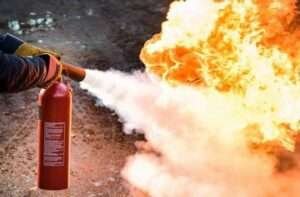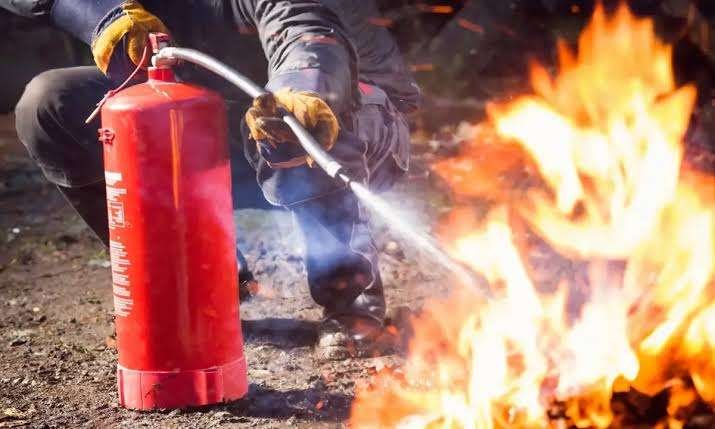
Fire safety is an important responsibility for every home, workplace, school, shop, factory, and commercial building. Fires can occur unexpectedly because of electrical faults, cooking activities, heating equipment, flammable materials, or equipment failures. Although preventing fires should always be the main priority, having suitable fire protection equipment can make a significant difference during an emergency.
One of the most familiar pieces of fire safety equipment is the fire extinguisher. It is designed to control certain small fires when the correct type is used under suitable conditions. However, not every extinguisher is appropriate for every fire. Choosing the wrong equipment or attempting to use an extinguisher in an unsafe situation can put people at greater risk.
For beginners, understanding the different types of fire extinguishers, their intended uses, maintenance requirements, and limitations is an important starting point. This knowledge can help property owners make informed decisions and develop better emergency plans.
In Pakistan, fire safety is relevant to residential properties, offices, educational institutions, hospitals, factories, warehouses, shopping centres, and other public buildings. A complete safety plan may include suitable extinguishers, smoke detection, a reliable fire alarm system in Pakistan, emergency lighting, clear exit routes, and regular staff awareness training.
This guide explains the essential information beginners should know about fire extinguishers and how they fit into a wider fire protection strategy.
What Is a Fire Extinguisher?
A fire extinguisher is a portable or fixed fire protection device designed to release an extinguishing agent onto a fire. The agent works by interrupting one or more elements that allow a fire to continue.
Depending on its design, an extinguisher may use water, foam, dry chemical powder, carbon dioxide, or another approved extinguishing agent.
Fire extinguishers are commonly found in:
– Homes and apartment buildings.
– Offices and commercial workplaces.
– Schools, colleges, and universities.
– Hospitals and healthcare facilities.
– Factories and manufacturing units.
– Warehouses and storage facilities.
– Hotels and restaurants.
– Workshops and vehicle service centres.
The type, size, number, and placement of extinguishers depend on the building’s layout and the hazards present. A qualified fire safety professional can assess these requirements and recommend appropriate equipment.
It is important to remember that fire extinguishers are not a replacement for evacuation procedures, fire alarms, automatic suppression systems, or emergency services. Their role is limited to situations where their use is appropriate and safe.
Understanding the Different Classes of Fire
Before choosing an extinguisher, beginners should understand that fires are grouped into different classes according to the materials involved. Fire classifications can vary slightly between national and international standards, so users should always follow the classification printed on the equipment and the applicable local requirements.
Class A: Ordinary Combustible Materials
Class A fires involve common solid materials such as:
– Wood.
– Paper.
– Cardboard.
– Cloth.
– Certain plastics.
– Other ordinary combustible materials.
These materials are commonly found in homes, offices, schools, and warehouses.
Class B: Flammable Liquids
Class B fires involve flammable liquids such as petrol, certain oils, paints, solvents, and other combustible liquid products.
These hazards may be present in workshops, garages, industrial facilities, and storage areas.
Class C: Flammable Gases
In some fire classification systems, Class C refers to fires involving flammable gases. Examples include certain fuel gases used in industrial and commercial settings.
Gas-related emergencies require particular care. If a gas leak or fire is suspected, occupants should prioritise evacuation and contact emergency services or qualified personnel from a safe location.
Class D: Combustible Metals
Class D fires involve combustible metals, which may be present in specialised industrial environments. These fires require specifically designed extinguishing agents.
Ordinary household extinguishers should not be assumed suitable for metal fires.
Electrical Equipment Fires
Electrical equipment fires involve appliances, wiring, control panels, machinery, and other electrical installations. Some standards treat these as a hazard category rather than a separate fire class.
The appropriate extinguisher depends on the equipment involved and whether it remains energised. Users should never assume that water-based equipment is safe for an electrical fire.
Class F or Class K: Cooking Oils and Fats
Some standards identify cooking oil and fat fires as Class F, while others use Class K.
These fires can occur in commercial kitchens, restaurants, hotels, and food preparation areas. They require suitable extinguishing equipment designed for this particular hazard.
Types of Fire Extinguishers
Different extinguishers are designed for different environments and fire risks. Understanding their basic characteristics helps beginners recognise why selecting the correct equipment matters.
1. Water Fire Extinguishers
Water extinguishers are primarily intended for Class A fires involving ordinary combustible materials.
They work by cooling burning materials and reducing heat.
Typical applications may include certain offices, storage areas, and other locations where ordinary combustible materials are the main concern.
However, water extinguishers are not suitable for every fire. They should not be used on fires involving energised electrical equipment, flammable liquids, or other hazards for which water is inappropriate.
2. Foam Fire Extinguishers
Foam extinguishers are commonly used for certain Class A and Class B fire risks, depending on the product’s approval and rating.
They release a foam-based agent that helps cool the burning material and form a covering over certain liquid surfaces.
Foam extinguishers may be suitable for selected commercial, industrial, and storage environments.
Their limitations must be understood. They should not be used on fires involving hazards for which the manufacturer’s instructions prohibit their application.
3. Dry Powder Fire Extinguishers
Dry powder extinguishers contain a chemical powder that interrupts the combustion process.
Different powder formulations are designed for different hazards. Some are suitable for common solid materials, flammable liquids, and flammable gases, while specialised powders are intended for combustible metal fires.
Dry powder extinguishers are often used in industrial facilities, workshops, vehicle-related environments, and other locations where their approved fire ratings match the risks.
One consideration is that powder discharge can reduce visibility and contaminate equipment. It may also create additional cleaning and maintenance requirements.
4. Carbon Dioxide Fire Extinguishers
Carbon dioxide, commonly known as CO2, extinguishers release carbon dioxide gas to help suppress certain fires.
They are commonly selected for suitable electrical equipment and some flammable-liquid hazards, subject to their approved ratings.
Because CO2 does not leave the same powder residue as dry chemical extinguishers, it may be useful in certain offices, electrical rooms, and equipment areas.
However, carbon dioxide can create an unsafe atmosphere in confined or poorly ventilated spaces. It is important to follow manufacturer instructions and professional safety guidance.
5. Wet Chemical Fire Extinguishers
Wet chemical extinguishers are designed mainly for cooking oil and fat fires.
They are commonly considered for commercial kitchens, restaurants, hotels, and food preparation areas.
Their extinguishing agent helps cool the burning cooking material and create a protective layer over its surface.
A kitchen’s fire protection plan should also consider suitable fire blankets, extraction systems, cooking equipment maintenance, and staff training.
6. Specialised Metal Fire Extinguishers
Class D extinguishers are designed for particular combustible metal hazards.
They contain specialised agents selected according to the type of metal involved. These extinguishers are generally relevant to specific industrial or laboratory environments.
They should only be selected and used following a professional risk assessment and appropriate training.
How to Choose the Right Fire Extinguisher
Selecting an extinguisher should begin with identifying the hazards in the building. Buying equipment without considering the environment may result in inadequate protection.
Assess the Fire Risks
A home, restaurant, factory, and warehouse do not have identical fire risks.
For example, an office may contain computers, electrical equipment, paper, furniture, and cleaning products. A restaurant may have cooking oils, gas appliances, electrical equipment, and packaging materials.
A professional risk assessment helps identify which fire hazards are present and what protection is appropriate.
Check the Fire Rating
Every extinguisher should have clear information about the types of fires it is approved to address.
Check its label and manufacturer’s documentation. Do not rely only on its colour, shape, or general appearance.
Consider the Building Layout
The building’s size, number of floors, access routes, room arrangement, and occupancy can influence extinguisher placement.
Equipment should be accessible and clearly identified without creating obstacles along escape routes.
Consider Environmental Conditions
Dust, moisture, temperature changes, and outdoor exposure may affect equipment suitability.
The extinguisher should be designed for the environment in which it will be installed. A qualified supplier or fire safety professional can help identify suitable options.
Purchase Approved Equipment
Buy extinguishers from reputable suppliers and check that the equipment meets applicable standards and certification requirements.
The label should provide clear information about the agent, fire ratings, operating limitations, and maintenance requirements.
Where Should Fire Extinguishers Be Installed?
Correct placement is just as important as choosing the correct extinguisher. Equipment that cannot be found or accessed during an emergency may provide little practical benefit.
Extinguishers should generally be placed in visible and accessible locations selected through a fire safety assessment.
Common locations include:
– Near suitable exits and escape routes.
– In designated areas of commercial kitchens.
– In workshops and maintenance facilities.
– Near identified fire hazards where professional assessment recommends it.
– In suitable electrical or equipment areas.
– In warehouse and storage sections.
– In other locations required by the building’s fire safety plan.
Extinguishers should not be hidden behind furniture, stored under piles of materials, or placed where access may be blocked.
Signs can help occupants identify equipment quickly. Installation height, spacing, and positioning should follow applicable standards and the manufacturer’s instructions.
Basic Guidance on Using a Fire Extinguisher
Although beginners should understand how extinguishers work, practical use should be learned through recognised training rather than relying only on written instructions.
An extinguisher should only be considered when the fire is small, the correct equipment is available, the user has suitable training, and a safe exit remains accessible.
Before any attempt to use one, people must raise the alarm and ensure that emergency services have been contacted. If there is uncertainty about the situation, evacuation is the safer choice.
Many extinguishers use the PASS method as a general training aid:
– Pull: Remove the safety pin as instructed by the manufacturer.
– Aim: Direct the extinguisher towards the appropriate area of the fire.
– Squeeze: Operate the handle according to the equipment instructions.
– Sweep: Apply the agent in the manner taught during recognised training.
PASS is a training mnemonic, not a guarantee that an extinguisher can safely control every fire. The method does not replace proper instruction, hazard assessment, or emergency procedures.
Never approach a fire that is spreading, producing heavy smoke, blocking an exit, or involving unknown hazardous materials. Do not use an extinguisher if doing so could delay evacuation.
Once people have evacuated, they should stay outside and avoid re-entering until emergency personnel confirm that it is safe.
Fire Extinguisher Maintenance and Inspection
Purchasing suitable extinguishers is only the first step. Equipment must remain in working condition to provide reliable protection.
Routine Visual Checks
Responsible property managers should arrange regular visual checks according to applicable requirements and manufacturer guidance.
These checks may include confirming that:
– The extinguisher is in its designated location.
– The access area is clear.
– The equipment is visibly undamaged.
– The safety seal and pin are present where applicable.
– The pressure indicator is within its approved operating range, if fitted.
– The label and instructions are readable.
– Inspection records are maintained.
Any damaged, discharged, or questionable extinguisher should be assessed by a competent service provider.
Professional Servicing
Fire extinguishers require servicing at intervals specified by the manufacturer and relevant standards.
Qualified technicians can inspect internal and external components, assess the condition of the agent, and carry out required maintenance.
Property owners should keep service records and ensure that equipment is returned to its designated location after maintenance.
Replacing Outdated Equipment
Extinguishers have service-life and maintenance requirements that depend on their type and design. Equipment should not remain in service simply because it looks acceptable from the outside.
Follow manufacturer guidance and applicable regulations regarding testing, servicing, and replacement.
The Importance of Fire Alarm Systems
Fire extinguishers are only one part of a complete fire protection arrangement. Early warning is equally important because occupants need time to recognise danger and leave the building.
A suitable fire alarm system can alert people when smoke, heat, or another recognised fire condition is detected.
In Pakistan, property owners researching a fire alarm system should consider the building’s size, occupancy, layout, environmental conditions, and fire risks. A qualified professional can recommend suitable detectors, alarm sounders, manual call points, and control equipment.
Early Warning
An alarm system can provide an early warning that helps occupants begin evacuation procedures. This is especially important in buildings where people may be sleeping, working in separate rooms, or unfamiliar with the layout.
Integration with Other Safety Measures
Depending on the building’s design, fire alarm arrangements may work alongside emergency lighting, automatic suppression equipment, smoke control systems, and other protective measures.
These systems should be designed to work together according to applicable safety requirements.
Inspection and Testing
Fire alarm equipment requires regular inspection, testing, and maintenance. Faults should be addressed promptly by competent professionals.
A working alarm system, suitable extinguishers, clear escape routes, and trained occupants create a stronger overall safety arrangement than any single measure alone.
Fire Extinguisher Safety in Different Environments
Different properties need different fire safety arrangements. Understanding the setting helps beginners recognise why professional assessment is important.
Homes and Apartments
Residential properties may contain cooking equipment, electrical appliances, furniture, curtains, and cleaning products.
Homeowners should keep escape routes clear, maintain electrical installations, and consider suitable fire protection equipment based on a professional assessment.
All household members should know how to recognise an alarm, leave safely, and contact emergency services.
Offices
Offices commonly contain computers, printers, paper, furniture, and electrical equipment.
Employers should provide suitable fire protection equipment, maintain alarm systems, organise emergency drills, and ensure that staff understand evacuation procedures.
Restaurants and Commercial Kitchens
Restaurants may have cooking equipment, oils, gas appliances, extraction systems, and electrical installations.
A suitable kitchen fire safety plan should include appropriate extinguishers, regular cleaning, equipment maintenance, staff training, and clearly identified exits.
Factories and Industrial Facilities
Factories may contain machinery, chemicals, combustible materials, and specialised production equipment.
Their fire protection arrangements should be based on a detailed risk assessment. This may include different extinguisher types, automatic detection, alarm systems, suppression equipment, and workplace emergency procedures.
Warehouses
Warehouses often store large quantities of packaging, goods, and other materials. Storage arrangements, aisle access, building height, and the type of products stored can affect fire risks.
Professional fire protection planning is particularly important in larger storage facilities.
Common Mistakes Beginners Should Avoid
People who are unfamiliar with fire safety may make decisions that reduce the effectiveness of their equipment.
Choosing an extinguisher based only on price: The cheapest option may not provide the correct protection for the hazards present.
Ignoring the label: Every extinguisher has specific ratings and limitations that should be understood.
Blocking access: Equipment should remain visible and easy to reach.
Skipping maintenance: An extinguisher that has not been inspected or serviced may not function as expected.
Using the wrong type: Different extinguishing agents are designed for different hazards.
Treating extinguishers as a complete safety plan: Detection, alarms, evacuation routes, emergency lighting, and training are also important.
Attempting to handle a spreading fire: Personal safety must always come before property protection.
Avoiding these mistakes helps ensure that fire protection equipment is selected and managed responsibly.
Fire Safety Awareness and Training
Fire safety equipment is more effective when people understand its purpose and limitations.
Schools, offices, factories, and commercial buildings should provide suitable awareness sessions for occupants and employees.
Training may cover:
– Recognising different fire hazards.
– Understanding alarm signals.
– Identifying emergency exits.
– Knowing where fire extinguishers are located.
– Understanding extinguisher labels and limitations.
– Following evacuation procedures.
– Contacting emergency services.
– Avoiding unsafe attempts to control fires.
Practical extinguisher training should be conducted by qualified instructors in an appropriate training environment.
Regular awareness sessions help people remain familiar with their responsibilities and improve emergency preparedness.
Fire Safety Requirements and Professional Guidance in Pakistan
Fire safety arrangements should reflect the type of property, its occupancy, and the hazards present. Building owners and business operators should review applicable building regulations, fire safety provisions, workplace requirements, and local authority guidance.
Professional fire safety consultants can help assess risks, identify eq