Fire safety equipment can provide an important layer of protection in a home, but simply purchasing a fire extinguisher, smoke detector, or alarm does not automatically make a property safe. Like other household safety systems, fire equipment needs appropriate inspection, testing, cleaning, and maintenance to remain dependable.
For homeowners in Pakistan, fire equipment maintenance is especially important because homes may contain multiple potential hazards, including electrical appliances, cooking equipment, heating devices, generators, gas appliances, and combustible household materials. Regular maintenance can help identify problems before they become emergencies.
Fire safety should also be viewed as a complete system. Equipment, alarms, safe electrical installations, clear escape routes, emergency planning, and household awareness all have different roles.
The Building Code of Pakistan Fire Safety Provisions 2016 contains requirements related to fire-protection systems, inspection, testing, maintenance, emergency evacuation, and other safety measures. It also emphasizes that required fire-protection features should remain in appropriate working condition.
For homeowners researching a fire alarm system in Pakistan, maintenance is just as important as choosing suitable equipment. An alarm that is not properly maintained may not provide the expected warning when it is needed.
What Is Fire Equipment Maintenance?
Fire equipment maintenance means keeping fire-safety equipment in an appropriate condition through inspection, testing, servicing, cleaning, replacement, and other measures recommended by the manufacturer or applicable safety requirements.
Depending on the property, fire equipment can include:
– Smoke alarms
– Fire alarm systems
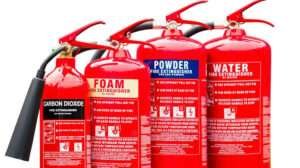
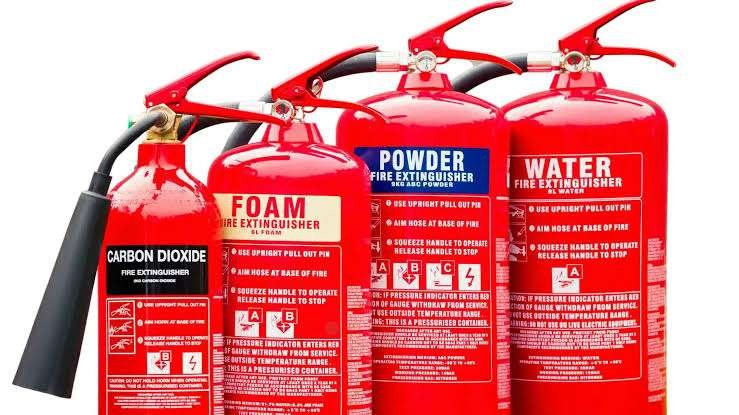
– Fire extinguishers
– Fire blankets
– Emergency lighting
– Fire doors
– Fire hose reels
– Detection equipment
– Other building fire-protection systems
Not every home will require every type of equipment. The appropriate equipment depends on the property’s size, design, occupancy, risks, and applicable requirements.
The important principle is that equipment should not simply be installed and forgotten.
Why Maintenance Matters
Fire equipment can deteriorate over time.
Dust, dirt, corrosion, physical damage, depleted batteries, environmental conditions, building renovations, and ordinary wear can affect safety equipment.
Maintenance helps homeowners identify issues such as:
– Damaged equipment
– Missing components
– Expired or depleted batteries
– Obstructed devices
– Fault indicators
– Poor visibility
– Equipment that no longer matches the building layout
– Fire-protection systems that require professional servicing
The purpose is not to create unnecessary worry. It is to make sure safety equipment remains suitable for the environment in which it is expected to work.
Smoke Alarms Need Attention Too
Smoke alarms are among the most familiar pieces of residential fire-safety equipment.
However, installing a smoke alarm is only the beginning.
Homeowners should follow the manufacturer’s instructions regarding testing, cleaning, battery replacement, and replacement of the complete unit when required.
A smoke alarm can become less effective if it is damaged, improperly maintained, obstructed, or otherwise not functioning as intended.
Residents should also pay attention to warning signals or fault indicators rather than ignoring them.
If an alarm repeatedly produces an unexpected warning, homeowners should consult the manufacturer’s instructions or a qualified professional rather than disabling it permanently.
Fire Alarm Systems Require Professional Maintenance
Larger residential buildings and other properties may use more comprehensive fire alarm systems.
These systems can include detectors, alarm panels, manual activation points, notification devices, wiring, and other components.
Because these are technical systems, inspection and maintenance should be handled by appropriately qualified personnel.
Pakistan Engineering Council identifies installation, commissioning, and maintenance of fire detection, alarm, and suppression systems and allied equipment as a specialized engineering area under ME02.
This is particularly important for homeowners and building managers who are considering a fire alarm system in Pakistan. Selecting equipment is only one part of the process; proper installation and continuing maintenance are also essential.
Fire Extinguishers Should Not Be Ignored
A fire extinguisher may remain unused for years, but that does not mean it should be forgotten.
Homeowners should make sure extinguishers are:
– Located where they are intended to be
– Accessible
– Clearly identifiable
– Free from obvious damage
– Maintained according to the manufacturer’s requirements
– Appropriate for the risks they are intended to address
Technical servicing should be carried out by an appropriately qualified service provider when required.
Residents should not attempt to dismantle or modify extinguishers themselves.
The purpose of routine inspection is to identify whether equipment remains suitable and ready for its intended role.
Fire Blankets Also Need Proper Storage
Fire blankets are another safety product sometimes kept in residential kitchens.
A fire blanket should be stored according to its manufacturer’s instructions and kept accessible without being hidden behind unrelated household items.
Homeowners should periodically check for visible damage or contamination and follow the manufacturer’s guidance regarding replacement.
A safety product that is buried in a cupboard and difficult to access may not provide much practical value.
Keep Fire Equipment Accessible
Even well-maintained equipment is less useful if people cannot reach it.
Furniture, storage boxes, decorations, appliances, or other household items should not unnecessarily obstruct safety equipment.
Homeowners should periodically check whether:
– Smoke alarms remain unobstructed
– Extinguishers are accessible
– Fire-safety signs remain visible where applicable
– Emergency routes are clear
– Fire equipment has not been moved
– Doors and exits remain usable
The Building Code emphasizes clear means of egress toward a place of safety and includes requirements concerning emergency evacuation and fire-protection arrangements.
Maintenance Should Include the Building, Not Just Equipment
Fire safety is not limited to individual products.
A homeowner should also pay attention to the condition of:
– Electrical installations
– Cooking areas
– Gas appliances
– Doors
– Stairways
– Corridors
– Emergency exits
– Ventilation
– Emergency lighting where provided
For example, an excellent smoke alarm cannot compensate for a permanently blocked escape route.
Similarly, a fire extinguisher cannot replace proper electrical maintenance or responsible cooking practices.
Fire safety works best when multiple protective measures support one another.
Electrical Safety Is Part of Fire Prevention
Many homes contain numerous electrical devices operating every day.
Televisions, refrigerators, chargers, air conditioners, computers, kitchen appliances, fans, and other equipment can place demands on household electrical systems.
Homeowners should take electrical problems seriously.
Warning signs can include:
– Damaged cables
– Loose electrical fittings
– Repeated electrical faults
– Unusual heat
– Burning smells
– Sparks
– Damaged plugs or sockets
Complex electrical repairs should be handled by qualified professionals.
Homeowners should also avoid overloading outlets or using damaged electrical equipment.
Regular maintenance can help identify problems before they become more serious.
Kitchen Fire Safety and Equipment Maintenance
The kitchen is an important area for household fire prevention.
Cooking appliances should be maintained according to their manufacturer’s instructions, and damaged equipment should be addressed promptly.
Homeowners should keep the cooking area organized and avoid allowing unnecessary combustible materials to accumulate around appliances.
Safety equipment should also remain accessible.
If an appliance develops a serious fault, residents should stop using it and seek appropriate professional assistance rather than attempting an unsafe repair.
Gas Appliances Need Attention
Homes using natural gas or LPG should also include gas equipment in their broader maintenance plans.
Gas appliances, connections, regulators, and other components should be inspected and serviced according to applicable requirements and manufacturer guidance.
Homeowners should never improvise repairs or modify gas equipment without qualified professional assistance.
If an unusual gas smell or suspected leak occurs, residents should prioritize getting people to a safe location and contacting the appropriate emergency service or qualified professional.
Fire equipment maintenance cannot replace safe gas practices, but both are important parts of overall household preparedness.
Generator Safety and Fire Prevention
Generators can be useful during power outages, but they require responsible operation and maintenance.
They should be installed, operated, and maintained according to the manufacturer’s instructions and applicable safety requirements.
Homeowners should pay attention to the condition of fuel systems, electrical connections, ventilation, and the surrounding area.
Generator maintenance should be handled by appropriately qualified people when technical servicing is required.
A generator should never be treated as an ordinary household appliance.
Emergency Exits Should Remain Clear
Fire equipment maintenance should also include a review of escape routes.
A family may have alarms and extinguishers but still face difficulties if doors, stairways, corridors, or other escape paths are blocked.
The Building Code requires means of egress to be arranged or marked so that the way toward a place of safety is clearly indicated.
Homeowners should therefore periodically look at the property from an evacuation perspective.
Ask:
– Can occupants reach the normal exit easily?
– Is there an alternative route where appropriate?
– Are doors usable?
– Are stairways clear?
– Can children understand the basic evacuation plan?
– Does everyone know where to gather outside?
These simple checks can strengthen household preparedness.
Why Fire Drills Can Help Families
Fire drills are commonly associated with workplaces and schools, but families can also discuss their emergency plan.
Rescue 1122’s Community Safety Program includes fire-safety education and emergency evacuation drills for communities and schools.
A household can use age-appropriate discussions to help family members understand:
– What an alarm means
– Where to leave the house
– Where the family should gather
– Who needs assistance
– Why nobody should return to an unsafe building
The purpose is familiarity and preparedness, not fear.
Children Should Learn Basic Fire Safety
Children should know that fire-safety equipment is not a toy.
Parents and guardians can teach children simple rules such as:
– Do not play with matches or lighters.
– Do not touch unfamiliar electrical equipment.
– Do not play with gas appliances.
– Tell an adult about smoke, unusual smells, or damaged equipment.
– Follow evacuation instructions.
– Never hide during an emergency.
Rescue 1122’s community safety work includes safety education for students and training related to emergency evacuation.
Do Not Perform Technical Maintenance Yourself
One of the most important maintenance principles is knowing when professional help is required.
Homeowners can visually check whether equipment appears damaged or obstructed, but technical systems should not be dismantled or repaired without appropriate expertise.
This applies particularly to:
– Fire alarm control panels
– Detection systems
– Electrical installations
– Gas systems
– Fire suppression equipment
– Pressurized equipment
– Building-wide safety systems
Pakistan Engineering Council’s ME02 category specifically covers installation, commissioning, and maintenance of fire detection, alarm, and suppression systems.
Professional maintenance helps reduce the risk of incorrect repairs or components being installed.
Create a Household Maintenance Schedule
One practical way to manage fire safety is to create a simple household schedule.
Monthly awareness check
Look around the home for visible problems, blocked exits, damaged equipment, or unusual conditions.
Periodic equipment checks
Follow the manufacturer’s instructions for smoke alarms and other safety equipment.
Professional servicing
Arrange professional inspection or servicing where required for technical systems and equipment.
After renovations
Review fire-safety equipment and escape routes after major changes to the home.
After an incident
Any equipment affected by a fire or other significant event should be professionally assessed before being assumed to remain suitable.
The exact maintenance frequency depends on the equipment, manufacturer, building type, and applicable requirements.
What Happens When Maintenance Is Ignored?
Ignoring maintenance can create several problems.
Equipment may become unreliable
A device that has not been maintained may not operate as intended.
Problems can remain hidden
Some faults are not obvious from a quick visual inspection.
Emergency routes can become obstructed
Furniture and storage can gradually reduce usable space.
Building changes can make equipment unsuitable
Renovations can alter rooms, corridors, and escape routes.
Costs can increase
Small maintenance issues may become more expensive when ignored for long periods.
The broader lesson is that fire safety is an ongoing responsibility rather than a one-time purchase.
A Simple Home Fire Equipment Checklist
Homeowners can use this checklist as a starting point:
– Check smoke alarms according to manufacturer instructions.
– Replace batteries or complete units when required.
– Keep safety equipment accessible.
– Check for visible damage.
– Follow the manufacturer’s maintenance instructions.
– Arrange professional servicing for technical equipment.
– Keep electrical installations in good condition.
– Address damaged electrical appliances.
– Keep cooking areas organized.
– Maintain gas appliances appropriately.
– Keep exits and escape routes clear.
– Review safety arrangements after renovations.
– Teach children basic fire-safety rules.
– Discuss the household evacuation plan.
– Keep emergency contact information accessible.
This checklist does not replace professional inspection or applicable regulations, but it can help homeowners develop better everyday awareness.
Why Professional Inspection Matters
A homeowner may be able to notice a damaged alarm cover or blocked exit, but technical fire-safety systems can contain faults that are difficult to identify without appropriate knowledge and equipment.
Professional inspection can help assess whether systems are installed, maintained, and functioning according to their intended requirements.
This becomes increasingly important in larger homes, apartment buildings, shared residential facilities, and properties with integrated fire alarm or suppression systems.
The Building Code contains provisions concerning inspection, testing, and maintenance of fire-protection systems, reinforcing the importance of ongoing attention rather than one-time installation.
Fire Safety Equipment Is an Investment
Some homeowners may consider maintenance an unnecessary expense when equipment has never been used.
However, the purpose of emergency equipment is preparedness.
Rescue 1122’s Community Safety Program describes prevention and preparedness as important parts of developing safer communities.
The value of maintenance is therefore not measured by how often equipment is used. It is measured by whether the household is better prepared if an emergency occurs.
Choosing a Reliable Maintenance Provider
When professional maintenance is required, homeowners should choose a provider carefully.
Consider:
– Relevant technical qualifications
– Experience with the specific equipment
– Clear service documentation
– Appropriate inspection procedures
– Genuine replacement components where required
– Transparent pricing
– Ability to explain identified faults
– Compliance with applicable requirements
Avoid selecting a service provider solely because it offers the lowest price.
For technical fire alarm and suppression systems, professional competence is particularly important.
The Role of Fire Alarm Systems in Home Safety
A fire alarm system can be an important part of a broader fire-protection strategy where the building’s design and applicable requirements call for one.
However, an alarm should not be viewed as a substitute for maintenance.
A properly maintained system can provide warning, while clear exits and an established evacuation plan help occupants respond appropriately.
For anyone researching a fire alarm system in Pakistan, it is worth considering the complete lifecycle of the system:
1. Appropriate system selection
2. Professional installation
3. Commissioning
4. Routine inspection
5. Testing
6. Maintenance
7. Prompt correction of faults
8. Appropriate replacement when necessary
Pakistan Engineering Council recognizes fire detection, alarm, and suppression system installation, commissioning, and maintenance as a specialized engineering field.
Fire Equipment Maintenance in Pakistan
Fire safety requirements can vary depending on the building’s use, size, design, location, and applicable authority.
The Building Code of Pakistan Fire Safety Provisions 2016 provides a national reference for fire-safety provisions and includes requirements concerning fire protection, evacuation, alarms, inspection, and maintenance.
In Punjab, Rescue 1122 also operates fire services and community safety programs focused on prevention, preparedness, training, and emergency response.
Homeowners should therefore consider both everyday safety practices and any requirements applicable to their particular property.
Final Thoughts
Fire equipment maintenance is not simply about checking a few devices once a year. It is part of a broader approach to protecting people and property.
Smoke alarms, fire extinguishers, fire blankets, alarms, emergency lighting, and other safety systems all have different purposes. Their effectiveness depends on appropriate selection, correct installation, accessibility, and ongoing maintenance.
Homeowners should also remember that equipment works best alongside prevention. Safe electrical practices, responsible cooking, appropriate gas maintenance, clear escape routes, emergency planning, and family awareness all contribute to a safer home.
For people considering a fire alarm system in Pakistan, maintenance should be part of the decision from the beginning. A system should not simply be installed and forgotten. It needs appropriate professional attention throughout its service life.
Ultimately, fire safety is an ongoing responsibility. A few regular checks, timely repairs, professional servicing, and basic household awareness can help create a safer environment for everyone living in the home.
FAQs
1. Why is fire equipment maintenance important?
Fire equipment can become damaged, obstructed, depleted, or faulty over time. Regular inspection and appropriate maintenance help ensure that safety equipment remains suitable and ready for its intended purpose.
2. How often should fire safety equipment be checked?
The appropriate frequency depends on the type of equipment, manufacturer instructions, building requirements, and applicable standards. Homeowners should follow the manufacturer’s maintenance instructions and arrange professional servicing for equ