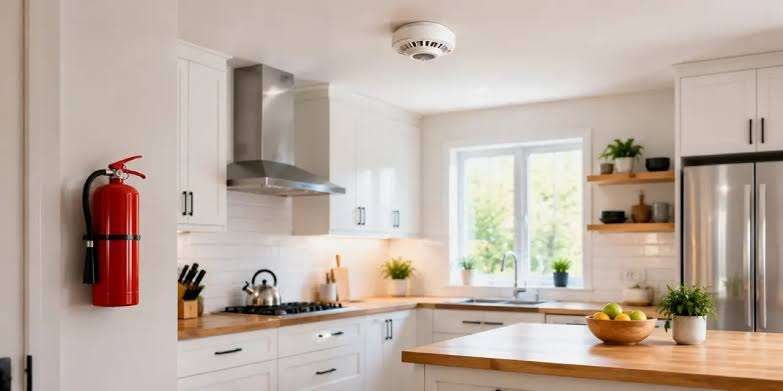
A home kitchen may be smaller than a commercial restaurant kitchen, but it can still contain many common fire hazards. Cooking appliances, electrical equipment, gas connections, hot surfaces, oils, paper products, and other combustible materials can all contribute to fire risk when safety precautions are ignored.
This is why restaurant-style fire safety principles can be useful at home. You do not need a commercial kitchen to benefit from good fire prevention practices. Simple measures such as maintaining electrical equipment, keeping cooking areas clear, installing suitable alarms, planning escape routes, and teaching family members what to do during an emergency can make a home safer.
In Pakistan, fire safety is particularly important because homes may use a combination of gas appliances, electrical equipment, generators, and other energy sources. The Building Code of Pakistan Fire Safety Provisions 2016 emphasizes occupant notification, safe means of egress, suitable fire protection systems, and proper maintenance and inspection.
What Does Restaurant Fire Safety Mean at Home?
Restaurant fire safety refers to the collection of practices used to reduce fire risks in kitchens, dining areas, storage spaces, and other parts of a food-service establishment.
At home, the same basic principles can be adapted to a much smaller environment.
A restaurant generally has:
– Cooking equipment
– Electrical appliances
– Gas or other fuel sources
– Exhaust and ventilation systems
– Food and packaging materials
– Fire detection equipment
– Emergency exits
– Fire extinguishing equipment
– Staff safety procedures
A household kitchen can contain several of these same hazards. Therefore, understanding professional fire-safety principles can help families create safer kitchens without trying to copy a commercial system unnecessarily.
The goal is not to turn a house into a restaurant. The goal is to identify hazards before they become emergencies.
Why Kitchen Fire Safety Matters in Pakistani Homes
The kitchen is one of the most important areas to consider when developing a home fire-safety plan.
Cooking involves heat, electricity, gas, and sometimes cooking oils. These hazards are normally manageable when appliances are used correctly, but unsafe conditions can increase the possibility of an accident.
Some common concerns include:
– Damaged electrical wires
– Overloaded electrical sockets
– Poorly maintained cooking appliances
– Gas leaks or faulty connections
– Flammable items placed close to heat
– Unattended cooking
– Grease and residue around cooking equipment
– Blocked ventilation
– Combustible storage near appliances
– Improperly maintained backup power equipment
The best approach is prevention. Families should regularly inspect their kitchen and correct unsafe conditions before they become serious.
Keep Cooking Areas Clear
One of the simplest home fire-safety measures is maintaining a clear cooking area.
Items such as paper towels, plastic packaging, cloths, cardboard boxes, curtains, and other combustible materials should not be placed unnecessarily close to hot appliances.
A clean and organized kitchen also makes it easier for family members to move safely if an emergency occurs.
Try to maintain clear access around:
– Cooking appliances
– Kitchen doors
– Main exits
– Electrical panels
– Fire-safety equipment
– Alarm points
Avoid storing large amounts of combustible material immediately beside cooking equipment.
Electrical Safety Should Be Part of Your Plan
Modern kitchens often contain several electrical appliances. Refrigerators, microwave ovens, electric kettles, blenders, ovens, water dispensers, and other equipment can place considerable demand on electrical circuits.
Electrical safety should therefore be treated as an important part of household fire prevention.
Look for warning signs such as:
– Damaged power cords
– Loose plugs
– Broken sockets
– Burning smells
– Unusual heat around electrical connections
– Frequent circuit trips
– Sparks or visible damage
Do not ignore these signs. Electrical repairs should be handled by a qualified professional rather than improvised at home.
It is also important to avoid using damaged appliances simply because they appear to be working.
Gas Safety in the Kitchen
Many Pakistani households use gas appliances for cooking. Gas safety should therefore be included in every home fire-safety plan.
Families should make sure that gas appliances and connections are properly installed and maintained. If there is concern about a gas leak, leave the area and seek assistance from responsible adults and appropriate emergency or utility services rather than attempting an unsafe repair.
Children should never be asked to investigate or repair gas equipment.
Regular professional inspection can help identify problems before they become emergencies.
Why a Fire Alarm System in Pakistan Matters
Early warning is one of the most important parts of fire safety.
The Building Code of Pakistan Fire Safety Provisions 2016 states that fire alarm systems should be provided where the size, arrangement, or occupancy of a building means that a fire itself may not provide adequate warning to occupants. The Code also addresses clear means of egress and illumination of escape routes.
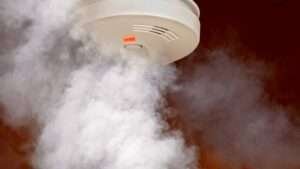
For households, appropriately selected smoke alarms can provide an early warning that gives occupants more time to respond and leave safely.
When researching a fire alarm system in Pakistan, homeowners should focus on suitability, quality, correct installation, regular testing, and maintenance rather than simply choosing the cheapest available device.
Different properties can have different needs. A qualified fire-safety professional can help determine what type and placement of detection equipment is appropriate for a particular home.
Do Not Block Escape Routes
Fire safety is not only about detecting a fire. People also need a safe way to leave the building.
The Building Code emphasizes that means of egress should be clearly arranged or marked toward a place of safety, with illumination provided for escape routes.
At home, families should know:
1. Which doors can be used as exits.
2. Which route leads outside safely.
3. Where family members should gather after leaving.
4. How to contact emergency services.
5. Who may need additional assistance during evacuation.
Keep hallways, stairs, and exit doors free from unnecessary objects.
A route that looks convenient during normal circumstances may become difficult to use during an emergency if furniture, boxes, or other belongings are blocking it.
Create a Simple Home Evacuation Plan
Every family should have a basic evacuation plan.
The plan does not need to be complicated. Family members should understand where to go if an alarm sounds or an adult instructs everyone to leave.
A good household plan can identify:
– Primary exit routes
– Alternative exits
– An outdoor meeting point
– Emergency contact information
– People who may need assistance
– Important rules for children
Rescue 1122’s Community Safety Program includes fire-safety education and emergency evacuation drills, highlighting the value of preparedness before an emergency occurs.
Families can practice their evacuation plan calmly so everyone understands what to do.
Never Depend on One Safety Measure
A smoke alarm is useful, but it should not be treated as the entire fire-safety plan.
Effective protection works as a combination of measures:
Prevention + detection + warning + evacuation + professional response
For example, maintaining appliances can reduce hazards. Smoke alarms can provide warning. Clear exits can support evacuation. A family plan can reduce confusion. Emergency services can provide professional assistance when needed.
No single device can replace all of these measures.
Keep Fire-Safety Equipment Appropriate
Homes may benefit from suitable fire-safety equipment, depending on their layout and risks.
Possible equipment can include:
– Smoke alarms
– Suitable fire extinguishers
– Fire blankets where appropriate
– Emergency lighting in applicable settings
– Clearly accessible exit routes
The important point is to select equipment based on the actual hazard.
For example, equipment intended for one type of fire should not automatically be assumed suitable for every situation.
Homeowners should read manufacturer instructions and seek professional advice when necessary.
Children should not be expected to operate firefighting equipment or investigate an active fire. Their priority should be getting to a safe place and following the household evacuation plan.
Kitchen Ventilation and Cleanliness
Cleanliness can contribute to safer kitchen operation.
Grease, dust, food residue, and other buildup around cooking equipment should not be allowed to accumulate.
Ventilation systems and filters should be maintained according to the manufacturer’s recommendations.
A clean kitchen also makes it easier to identify problems such as damaged equipment, unusual stains, loose components, or other warning signs.
Professional cleaning and maintenance may be appropriate for equipment that requires specialized servicing.
Inspect Appliances Regularly
Fire prevention begins with noticing small problems.
Families should periodically check household appliances for visible damage and arrange professional inspection or repair when required.
Pay attention to:
– Frayed cords
– Damaged plugs
– Cracked equipment
– Unusual noises
– Excessive heat
– Burning smells
– Repeated electrical problems
Do not continue using equipment that appears unsafe.
Professional maintenance is particularly important for systems that involve electricity, gas, ventilation, or other technical components.
Pakistan Engineering Council materials also identify installation, commissioning, and maintenance of fire detection, alarm, and suppression systems as a specialized engineering area.
Restaurant-Style Safety for Dining Areas
Fire safety should not stop at the kitchen.
Dining rooms and living areas can also contain combustible furniture, curtains, decorations, electrical devices, and charging equipment.
Keep exits accessible and avoid placing decorations where they could interfere with alarms, lighting, or evacuation routes.
If candles or other open-flame items are used at home, they should be handled responsibly and kept away from combustible materials. Children should not be left unsupervised around open flames.
What Should Children Know?
Children should learn simple safety rules without being frightened.
They should understand that:
– A fire alarm should be taken seriously.
– They should leave when instructed.
– They should not hide during an emergency.
– They should not return inside for belongings.
– They should tell an adult immediately if they notice smoke, fire, or another hazard.
– They should know the family’s designated meeting place.
Rescue 1122 provides safety education and evacuation-drill training as part of its community-safety activities, demonstrating the importance of teaching people how to respond before an emergency occurs.
Regular Maintenance Makes a Difference
Fire-safety equipment cannot provide reliable protection if it is neglected.
Smoke alarms should be checked according to the manufacturer’s instructions. Batteries, where applicable, should be maintained or replaced as recommended.
Other fire-safety equipment should also receive appropriate inspection and maintenance.
For larger buildings or properties with dedicated fire-protection systems, professional inspection and servicing may be necessary.
The Building Code of Pakistan includes requirements relating to maintenance, inspection, and testing of fire-protection systems.
What If Your Home Has a Small Food Business?
Some people prepare food from home for customers or operate small catering businesses.
In such cases, fire safety may require more attention because cooking activity can increase the frequency and duration of heat exposure, electrical use, storage, and other hazards.
A home-based food business should not assume that ordinary household arrangements are automatically sufficient.
Depending on the property, local requirements, occupancy, equipment, and scale of operation, additional fire-safety measures may be necessary.
It is sensible to consult the relevant local authority or a qualified fire-safety professional before making major changes to a property or operating a commercial activity from it.
The Building Code also recognizes that changes in occupancy can affect applicable fire-safety requirements.
Fire Safety Is a Family Responsibility
A safe home depends on more than equipment.
Everyone should understand basic household safety rules. Adults can handle inspections, maintenance, professional servicing, and emergency communication, while children can be taught to recognize alarms and follow evacuation instructions.
Families should discuss:
– Where to go if an alarm sounds
– Which exits are available
– Where to meet outside
– Who to contact for emergency assistance
– Which hazards should never be touched
Preparedness can make an emergency response more organized.
When Professional Help Is Needed
Some fire-safety tasks should always be handled by trained professionals.
Professional assistance may be appropriate for:
– Electrical repairs
– Gas-system concerns
– Fire alarm installation
– Fire detection system maintenance
– Commercial kitchen systems
– Building fire-safety assessments
– Fire-protection system servicing
– Major changes to building layouts
Do not attempt to repair technical safety systems simply to save money.
Pakistan Engineering Council identifies fire detection, alarm, and suppression installation, commissioning, and maintenance as a specialized engineering field.
A Simple Home Restaurant Fire-Safety Checklist
Use this checklist as a starting point:
Kitchen
– Keep combustible materials away from heat.
– Maintain clean cooking areas.
– Inspect appliances regularly.
– Keep electrical connections in good condition.
– Arrange professional repairs when needed.
– Maintain appropriate ventilation.
Detection
– Install suitable smoke alarms where appropriate.
– Test alarms according to manufacturer instructions.
– Replace batteries or equipment as recommended.
– Do not disable an alarm because of nuisance alerts without addressing the underlying issue.
Evacuation
– Keep exits clear.
– Make sure family members know the escape routes.
– Select an outdoor meeting point.
– Practice the plan calmly.
– Give additional consideration to children and anyone who may need assistance.
Emergency Preparedness
– Keep emergency contacts accessible.
– Know how to contact local emergency services.
– Do not return to an unsafe building.
– Leave firefighting of serious or spreading fires to trained professionals.
In Punjab, Rescue 1122 lists 1122 as its emergency number and provides fire and rescue services.
Final Thoughts
Restaurant fire safety principles can provide useful lessons for homeowners, especially when cooking is a major part of daily life. A home does not need a commercial kitchen to benefit from organized fire prevention.
The most important steps are straightforward: reduce hazards, maintain electrical and gas equipment, keep cooking areas organized, use suitable fire detection, maintain clear exits, and prepare a family evacuation plan.
A reliable fire alarm system in Pakistan can be an important part of an overall safety strategy, but alarms work best when combined with prevention, maintenance, preparedness, and responsible family behavior.
Fire safety should be treated as an ongoing responsibility rather than something to consider only after an incident. Small improvements made today can help create a safer home for everyone.
Frequently Asked Questions
1. Is restaurant fire safety necessary in a home?
Homes do not require every commercial restaurant safety system, but many restaurant fire-prevention principles are useful at home. Kitchen cleanliness, electrical safety, suitable alarms, clear exits, and emergency planning are valuable household practices.
2. Why is a fire alarm important at home?
A suitable fire alarm or smoke alarm can provide an early warning when occupants may not otherwise notice a developing fire quickly. The Building Code of Pakistan addresses fire alarm systems where occupants need additional warning.
3. What should I look for in a fire alarm system in Pakistan?
Consider the property’s layout, the type of detection required, product quality, installation, maintenance, and manufacturer recommendations. For larger or more complex properties, professional fire-safety advice can help determine appropriate equipment.
4. How can families prepare for a kitchen fire emergency?
Families should focus on prevention, keep exits clear, know their evacuation routes, establish an outdoor meeting point, and make sure children understand that they should leave and tell an adult rather than investigate a fire.
5. Who should maintain specialized fire-protection systems?
Specialized systems should be installed, inspected, tested, and maintained by appropriately qualified professionals. Pakistan Engineering Council identifies fire detection, alarm, and suppression systems as a specialized engineering area.