How to Maintain Fire Safety Equipment Properly
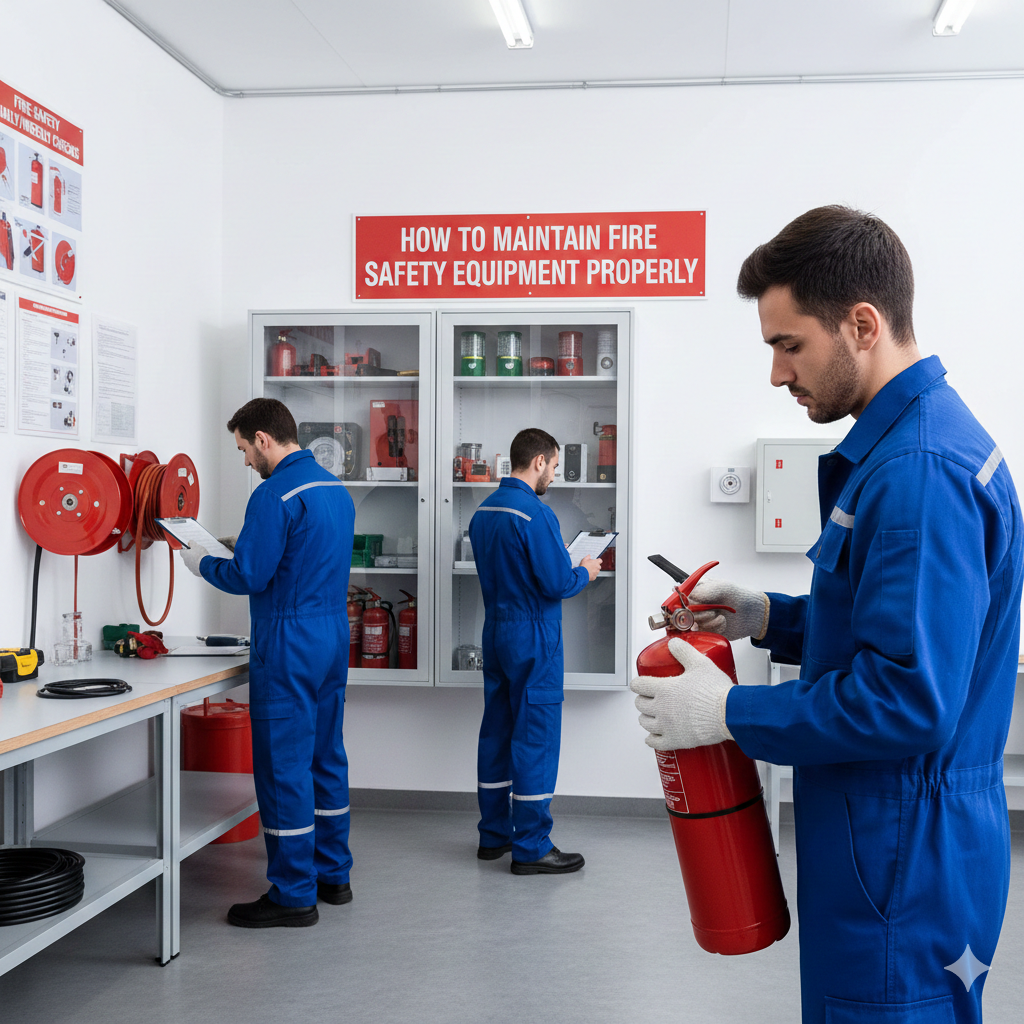
Fire safety equipment plays a critical role in protecting lives and property from the devastating effects of fire. From homes to offices, factories, and public buildings, proper fire safety equipment can be the difference between a minor incident and a major disaster. However, simply installing fire safety devices is not enough. Regular maintenance is essential to ensure that they function effectively when needed. This article will guide you through the best practices for maintaining fire safety equipment properly, keeping your environment safe, and complying with safety regulations.

Understanding Fire Safety Equipment

Before diving into maintenance practices, it’s essential to understand what constitutes fire safety equipment. Common types include fire extinguishers, smoke alarms, fire blankets, sprinkler systems, emergency exit signs, and fire hoses. Each of these devices serves a unique purpose in preventing fire-related damage and protecting human life. Knowing their functions helps in prioritizing maintenance and ensuring they are ready for use during emergencies.

1. Fire Extinguishers Maintenance

Fire extinguishers are the most common type of fire safety equipment found in homes and workplaces. They are designed to tackle small fires before they escalate. Proper maintenance of fire extinguishers involves several steps:

  • Regular Inspection: Check the pressure gauge monthly to ensure it is in the operable range. Look for any visible signs of damage, corrosion, or leakage. Ensure the safety pin is intact and the nozzle is not blocked.

  • Annual Servicing: Certified professionals should service fire extinguishers at least once a year. They will check the internal mechanisms, refill or recharge the extinguisher if necessary, and replace any worn-out parts.

  • Hydrostatic Testing: Every 5 to 12 years, depending on the type, fire extinguishers should undergo hydrostatic testing. This ensures the cylinder can safely hold pressure without risk of bursting.

Neglecting fire extinguisher maintenance can render them useless during a fire emergency, putting lives and property at risk.

2. Smoke Alarms and Fire Detection Systems

Smoke alarms and fire detection systems are early warning devices that alert occupants to fire hazards. Their maintenance is critical because a non-functioning alarm can delay evacuation and response. Key maintenance steps include:

  • Regular Testing: Test smoke alarms monthly by pressing the test button. This ensures the alarm is functioning and audible.

  • Battery Replacement: Replace batteries at least once a year, or sooner if the alarm starts beeping to indicate low battery.

  • Cleaning: Dust and debris can interfere with the sensor. Clean the alarm gently using a vacuum cleaner or a soft brush to remove any particles.

  • Professional Inspection: For complex fire detection systems in commercial buildings, schedule professional inspections annually to check wiring, sensors, and control panels.

Maintaining smoke alarms ensures early detection, allowing for timely evacuation and reducing the potential for injuries and property damage.

3. Fire Sprinkler Systems

Fire sprinkler systems are highly effective in controlling fires automatically before they spread. Maintaining these systems requires careful attention:

  • Monthly Visual Checks: Inspect sprinkler heads for leaks, corrosion, or obstructions. Ensure that the system’s control valves are open and accessible.

  • Annual Professional Inspection: A certified technician should inspect the entire system, including the water supply, valves, pipes, and sprinkler heads.

  • Testing and Flushing: Conduct water flow tests to ensure sprinklers operate correctly. Pipes may need flushing periodically to remove sediment that could block water flow.

Proper maintenance of sprinkler systems ensures rapid response in case of fire, minimizing damage and safeguarding lives.

4. Fire Hoses and Hydrants

Fire hoses and hydrants are essential for delivering water to fight large fires, especially in commercial or industrial settings. Maintaining them involves:

  • Regular Inspections: Check hoses for cracks, leaks, or signs of wear. Ensure couplings are secure and functional.

  • Pressure Testing: Test the water pressure in hoses periodically to confirm they can deliver water effectively.

  • Hydrant Maintenance: Fire hydrants should be inspected regularly for blockages, leaks, and corrosion. Clear any debris around them to ensure easy access during emergencies.

Neglecting hose and hydrant maintenance can result in reduced water flow or failure during firefighting operations.

5. Fire Blankets and Other Safety Equipment

Fire blankets are particularly useful for small kitchen fires or for wrapping around a person whose clothing has caught fire. Their maintenance is straightforward but essential:

  • Check Integrity: Ensure the blanket is clean, dry, and free from holes or tears.

  • Accessibility: Keep fire blankets in an easily accessible location and ensure everyone in the household or workplace knows where they are.

Other fire safety equipment, such as emergency exit signs, fire doors, and personal protective equipment (PPE), also requires regular checks to confirm they are functional and compliant with safety regulations.

6. Documentation and Compliance

Maintaining fire safety equipment is not just about physical checks. Proper record-keeping and compliance with local fire safety regulations are equally important:

  • Maintenance Logs: Keep detailed records of inspections, tests, servicing, and replacements. This documentation helps track the equipment’s condition and ensures timely maintenance.

  • Regulatory Compliance: Many countries, including Pakistan, have fire safety laws requiring regular equipment maintenance and inspections. Ensure your facility complies with these regulations to avoid penalties and ensure safety.

7. Training and Awareness

Even the best-maintained fire safety equipment is ineffective if people do not know how to use it. Training and awareness programs are essential for maximizing safety:

  • Staff Training: Conduct regular training sessions on how to operate fire extinguishers, use fire blankets, and follow evacuation procedures.

  • Fire Drills: Organize fire drills periodically to ensure that everyone knows how to respond in an emergency.

  • Signage and Instructions: Place clear instructions near fire safety equipment to guide users in case of emergencies.

Proper training ensures that maintenance efforts translate into real-world effectiveness during a fire incident.

8. Common Mistakes to Avoid

Many people assume that fire safety equipment requires minimal attention, which is a dangerous misconception. Common mistakes include:

  • Ignoring monthly inspections for devices like smoke alarms and fire extinguishers.

  • Delaying professional servicing or hydrostatic testing of extinguishers.

  • Overlooking cleaning and dust removal for detection systems.

  • Blocking access to emergency exits, fire extinguishers, or hydrants.

  • Not keeping proper maintenance records or following local safety regulations.

Avoiding these mistakes ensures that fire safety equipment remains reliable and effective at all times.

Conclusion

Maintaining fire safety equipment properly is a responsibility that cannot be ignored. From fire extinguishers and smoke alarms to sprinkler systems and fire hoses, every piece of equipment plays a vital role in protecting lives and property. Regular inspections, professional servicing, proper documentation, and training are key components of an effective fire safety strategy. By adopting these practices, you not only comply with safety regulations but also ensure peace of mind knowing that you are prepared for any fire emergency. Fire safety equipment is only as effective as its maintenance; investing time and effort in this process is an investment in safety, protection, and prevention.

PPE Kits: What Should Be Included for Maximum Safety

Personal Protective Equipment, commonly known as PPE, plays a critical role in protecting workers from serious injuries, health risks, and even death. In industries such as fire safety, construction, manufacturing, oil and gas, healthcare, and chemical handling, PPE kits are not optional; they are a basic requirement for safe operations.

In Pakistan, awareness about workplace safety is improving, but many businesses still lack proper understanding of what a complete PPE kit should include. Often, companies provide helmets or gloves only, thinking that is enough. In reality, a PPE kit is a complete system of protection designed to guard the head, eyes, face, hands, body, feet, and respiratory system.

This article explains in detail what should be included in a PPE kit for maximum safety, why each item is important, and how PPE connects with Fire Safety Equipment to create a safer working environment.

Understanding the Purpose of PPE Kits

The main purpose of PPE is to reduce exposure to hazards that cannot be completely eliminated through engineering controls or safe work practices. Hazards may include fire, heat, smoke, chemicals, sharp objects, falling materials, electrical risks, and toxic gases.

A PPE kit works as the last line of defense. When machines fail, procedures are ignored, or unexpected incidents occur, PPE helps prevent injuries and saves lives. Especially in fire-related environments, PPE and Fire Safety Equipment work together to protect both property and people.

Head Protection: Safety Helmets and Hard Hats

Head injuries are among the most common workplace accidents. Falling objects, low-hanging structures, and accidental impacts can cause severe damage.

A proper PPE kit must include a high-quality safety helmet or hard hat. These helmets are designed to absorb shock and protect the skull and brain. In fire-prone areas, helmets should also be heat-resistant and made from non-conductive materials.

Some advanced helmets include face shields and ear protection attachments. In fire safety operations, helmets are often designed to work alongside other Fire Safety Equipment such as fire-resistant suits and breathing apparatus.

Eye Protection: Safety Goggles and Glasses

Eyes are extremely sensitive and vulnerable to injury. Dust, sparks, chemicals, smoke, and flying particles can cause permanent damage if eyes are not protected.

A PPE kit should include safety goggles or protective glasses depending on the nature of work. For fire safety and chemical handling, goggles should be sealed properly to prevent smoke or liquid entry. Anti-fog and scratch-resistant lenses improve visibility and comfort.

In environments where Fire Safety Equipment is actively used, such as fire extinguishers or foam systems, eye protection becomes even more important due to splashes and smoke.

Face Protection: Face Shields and Masks

Face protection goes beyond eye safety. Face shields protect the entire face from heat, flames, chemical splashes, and flying debris.

For firefighters and industrial workers, face shields are often attached to helmets and made of heat-resistant materials. In medical and chemical environments, protective masks or shields help prevent exposure to harmful substances.

Face protection complements Fire Safety Equipment by allowing workers to perform emergency actions safely without risking facial burns or injuries.

Respiratory Protection: Masks and Breathing Apparatus

One of the biggest dangers during fires is smoke inhalation. Toxic gases, carbon monoxide, and lack of oxygen can be deadly within minutes.

A complete PPE kit must include respiratory protection suited to the job. Simple dust masks may be enough for basic environments, but fire safety operations require advanced respirators or self-contained breathing apparatus (SCBA).

SCBA units are essential Fire Safety Equipment for firefighters, allowing them to breathe safely in smoke-filled environments. For industrial workers, cartridge respirators protect against chemicals and fumes.

Choosing the right respiratory equipment depends on hazard assessment, but ignoring this component can lead to serious health risks.

Hand Protection: Safety Gloves

Hands are constantly exposed to hazards such as heat, sharp tools, chemicals, and electrical risks. Safety gloves are a critical part of any PPE kit.

Different tasks require different types of gloves. Heat-resistant gloves are used in fire safety and welding. Chemical-resistant gloves protect against acids and solvents. Cut-resistant gloves reduce injuries from sharp materials.

In fire safety operations, gloves are designed to work with other Fire Safety Equipment, providing both flexibility and thermal protection.

Body Protection: Protective Clothing and Coveralls

Protective clothing forms the core of a PPE kit. This includes coveralls, jackets, trousers, and full-body suits depending on the risk level.

Fire-resistant clothing is essential in industries where heat and flames are present. These garments are made from special materials that do not ignite easily and reduce burn injuries.

In chemical industries, protective suits prevent harmful substances from contacting the skin. Reflective clothing is also used in emergency situations to improve visibility.

When combined with Fire Safety Equipment like fire extinguishers and alarms, proper body protection ensures safer emergency response.

Foot Protection: Safety Shoes and Boots

Feet are often overlooked, but injuries to feet can lead to long-term disability. Heavy objects, sharp materials, slippery surfaces, and fire hazards all pose risks.

Safety shoes with steel toes protect against crushing injuries. Fire-resistant boots protect against heat and molten materials. Slip-resistant soles reduce the risk of falls.

In fire safety environments, boots are designed to withstand high temperatures and work effectively with other Fire Safety Equipment used during rescue and firefighting operations.

Hearing Protection: Earplugs and Earmuffs

In noisy industrial environments, long-term exposure to high noise levels can cause permanent hearing loss.

PPE kits should include earplugs or earmuffs when noise exceeds safe limits. Fire safety equipment such as alarms, pumps, and generators can create high noise levels, making hearing protection essential during extended operations.

High-Visibility Gear: Vests and Reflective Accessories

Visibility is crucial in emergency situations, low-light environments, and outdoor worksites.

High-visibility vests and reflective strips help workers stay visible to machinery operators and emergency responders. Fire safety teams often use reflective gear to remain visible in smoke-filled or dark areas.

This type of PPE works hand in hand with Fire Safety Equipment during rescue and evacuation processes.

Fall Protection Equipment

In construction and maintenance work, falls are a leading cause of serious injuries.

A proper PPE kit for such environments includes safety harnesses, lanyards, and anchor systems. While not directly fire-related, fall protection is often required in facilities that also use Fire Safety Equipment like fire exits and emergency ladders.

Importance of PPE Maintenance and Inspection

Providing PPE is not enough. Regular inspection and maintenance are essential to ensure effectiveness.

Helmets should be checked for cracks, gloves for wear, and respirators for proper sealing. Fire Safety Equipment and PPE should be inspected together as part of a complete safety system.

Damaged or expired PPE must be replaced immediately to avoid failure during emergencies.

Training and Proper Usage of PPE Kits

Even the best PPE kit is useless if workers do not know how to use it properly.

Training should cover correct wearing methods, limitations of PPE, and emergency procedures. Workers should understand how PPE supports Fire Safety Equipment during fire incidents and other hazards.

In Pakistan, regular safety training can significantly reduce workplace accidents and improve compliance with safety regulations.

PPE Kits and Fire Safety Equipment: A Complete Safety Solution

PPE kits and Fire Safety Equipment are two sides of the same coin. Fire extinguishers, fire alarms, hose reels, and suppression systems control fires, while PPE protects the people handling these systems.

A workplace that invests in both PPE and Fire Safety Equipment creates a strong safety culture. This approach not only saves lives but also reduces downtime, legal risks, and financial losses.

Choosing the Right PPE Supplier

Quality matters when it comes to safety. Always choose certified PPE from trusted suppliers who understand local regulations and industry needs.

In Pakistan, businesses should ensure that PPE meets international standards and is suitable for local working conditions. Fire Safety Equipment suppliers often provide complete safety solutions, including PPE kits tailored to specific industries.

Final Thoughts

A PPE kit is not just a box of safety items; it is a life-saving system designed to protect workers from multiple hazards. From head to toe, every component plays a vital role in reducing injuries and fatalities.

For maximum safety, PPE kits must be complete, properly maintained, and supported by training and awareness. When combined with reliable Fire Safety Equipment, PPE creates a safer and more responsible working environment.

Investing in proper PPE is not an expense; it is a responsibility. It shows commitment to worker safety, legal compliance, and long-term business success.

Read More Articles:

Complete Guide to Personal Protective Equipment (PPE)
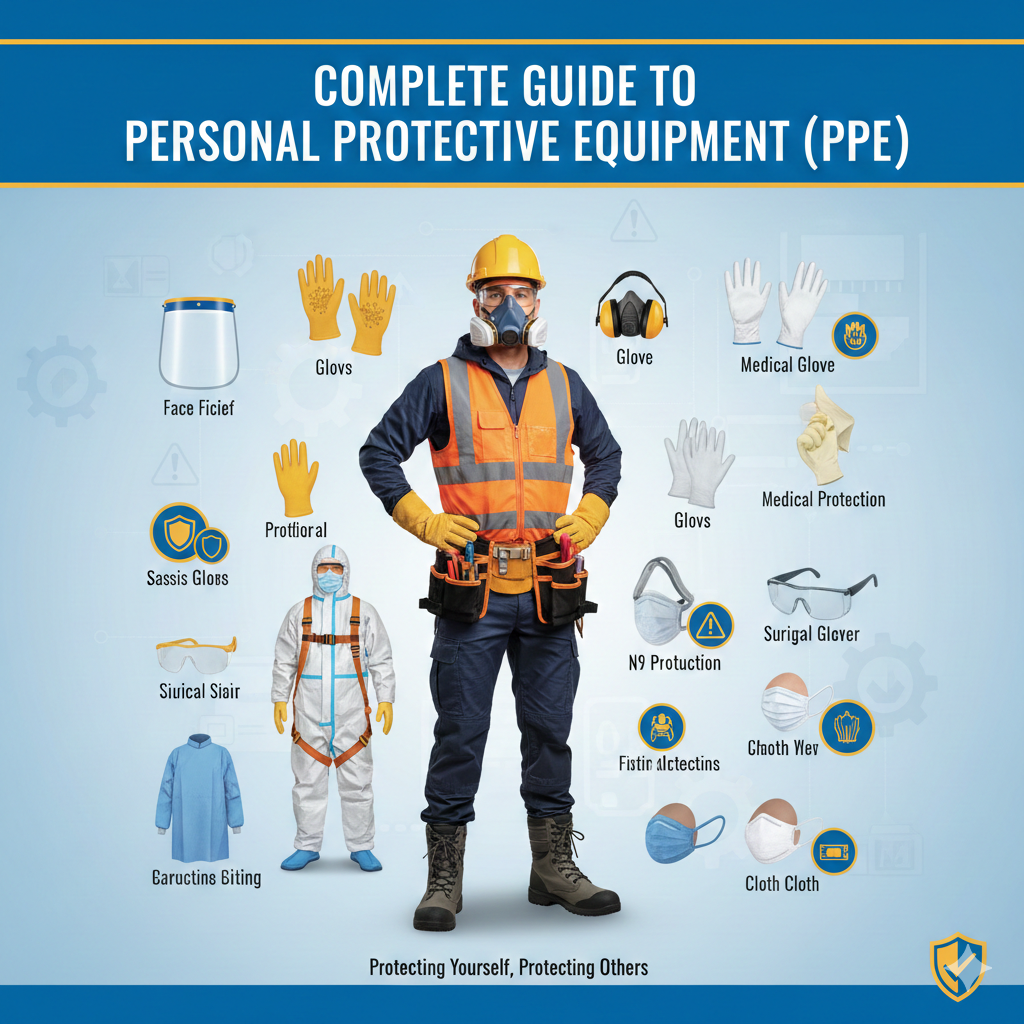
Personal Protective Equipment, commonly known as PPE, plays a very important role in protecting human life at workplaces. Whether you are working at a construction site, factory, hospital, fire safety company, warehouse, or industrial plant, PPE helps reduce the risk of injury, illness, and even death. In Pakistan, many workplace accidents happen due to lack of awareness and improper use of safety equipment. This guide will help you fully understand what PPE is, why it is important, and how it connects with Fire Safety Equipment to create a safer working environment.

Personal Protective Equipment refers to any clothing, gear, or device designed to protect workers from health and safety hazards. These hazards may include fire, heat, chemicals, falling objects, sharp tools, electrical risks, toxic gases, and biological threats. PPE acts as a final layer of protection when engineering controls and safety procedures are not enough.

Why Personal Protective Equipment Is Important

Workplace safety is not just a legal requirement; it is a moral responsibility. PPE reduces exposure to hazards that can cause serious injuries. Many accidents occur because workers either do not wear PPE or use the wrong type of protection. In industries like fire safety, manufacturing, oil and gas, and construction, PPE works side by side with Fire Safety Equipment to prevent disasters.

Using PPE properly can save lives, reduce medical costs, improve productivity, and protect businesses from legal penalties. In Pakistan, labor laws also require employers to provide proper safety equipment to their workers.

Types of Personal Protective Equipment

There are different types of PPE designed to protect different parts of the body. Each type has a specific purpose and should be selected according to the risk involved.

Head Protection

Head injuries are very common at construction sites and industrial areas. Safety helmets or hard hats protect the head from falling objects, impact, and electrical hazards. These helmets are usually made from strong plastic material that can absorb shock.

In fire-related environments, helmets are often used together with Fire Safety Equipment such as fire-resistant suits and face shields to protect firefighters from heat and falling debris.

Eye and Face Protection

Eyes are extremely sensitive and can be damaged easily by dust, sparks, chemicals, smoke, or flying particles. Safety goggles, face shields, and protective glasses are used to protect the eyes and face.

For fire safety operations, face shields are an important part of Fire Safety Equipment as they protect firefighters from flames, heat, and smoke while allowing clear visibility.

Respiratory Protection

Respiratory PPE protects workers from inhaling harmful gases, smoke, fumes, dust, and chemicals. This includes masks, respirators, and self-contained breathing apparatus.

In fire emergencies, smoke inhalation is one of the main causes of death. That is why breathing apparatus is considered critical Fire Safety Equipment. It supplies clean air and allows firefighters to work safely in smoke-filled environments.

Hand Protection

Hands are exposed to many risks such as cuts, burns, chemicals, and electrical hazards. Safety gloves are designed using different materials like leather, rubber, cotton, or heat-resistant fabric depending on the job.

For fire safety tasks, heat-resistant gloves are used to handle hot tools and equipment safely. These gloves are often part of standard Fire Safety Equipment kits.

Foot Protection

Safety shoes protect feet from heavy objects, sharp materials, slips, and electrical risks. These shoes usually have steel toes and non-slip soles.

In industrial and fire safety environments, proper footwear is essential. Firefighters wear special boots that are heat-resistant, waterproof, and slip-proof, making them an important component of Fire Safety Equipment.

Body Protection

Body protection includes coveralls, aprons, jackets, and full-body suits. These protect workers from heat, chemicals, sparks, and flames.

Fire-resistant clothing is widely used in fire safety operations. These suits are specially designed to withstand high temperatures and are considered one of the most important Fire Safety Equipment items for firefighters.

Hearing Protection

Loud noise from machinery can cause permanent hearing loss. Earplugs and earmuffs are used to reduce noise exposure.

Although not directly related to fire hazards, hearing protection is still essential in industrial settings where Fire Safety Equipment like alarms and emergency systems are installed.

Importance of PPE in Fire Safety

Fire safety is one of the most dangerous fields where PPE is not optional but mandatory. Firefighters and fire safety staff face extreme heat, smoke, toxic gases, and collapsing structures. Without proper PPE, survival becomes impossible.

Fire Safety Equipment works best when combined with personal protective gear. Fire extinguishers, fire alarms, hoses, and suppression systems protect property, while PPE protects human life. Both must work together to create complete fire safety solutions.

How to Choose the Right PPE

Choosing the correct PPE is very important. Using the wrong equipment can be as dangerous as using none.

First, identify the hazard. Understand whether the risk is fire, chemical, electrical, or physical. Second, select PPE that meets safety standards. Third, ensure the PPE fits properly. Loose or tight equipment can reduce effectiveness. Lastly, train workers on how to wear, use, and maintain PPE properly.

In fire safety operations, PPE should always be compatible with Fire Safety Equipment. For example, breathing masks should fit well with helmets and face shields.

Proper Use and Maintenance of PPE

PPE must be used correctly to provide protection. Workers should inspect their equipment before use to check for damage. Dirty or damaged PPE should never be used.

Cleaning and maintenance are also important. Fire-resistant suits, gloves, and masks must be cleaned according to manufacturer instructions. Improper cleaning can reduce their protective quality.

Fire Safety Equipment and PPE should be stored properly in dry and clean areas. Poor storage can damage the equipment and reduce its life.

Common Mistakes in Using PPE

One common mistake is not wearing PPE due to discomfort. Many workers feel PPE is heavy or uncomfortable, especially in hot weather. However, modern PPE is designed for comfort and safety.

Another mistake is sharing PPE. Personal equipment like masks and gloves should never be shared due to hygiene reasons. In fire safety, shared PPE can lead to serious health risks.

Using expired or damaged PPE is also dangerous. Always check the manufacturing and expiry dates, especially for respiratory equipment.

Legal Requirements for PPE in Pakistan

In Pakistan, workplace safety laws require employers to provide proper PPE to their employees. Factories Act and other labor laws emphasize the importance of safety measures, especially in hazardous industries.

Fire safety regulations also require businesses to maintain proper Fire Safety Equipment and ensure that staff are trained in its use along with PPE. Failure to comply can result in fines, penalties, or closure of business.

Training and Awareness

Providing PPE is not enough. Workers must be trained on how to use it correctly. Training should include wearing techniques, limitations, and emergency procedures.

Fire safety training should always include practical sessions using Fire Safety Equipment and PPE together. This helps workers gain confidence and respond effectively during emergencies.

Role of Employers and Management

Employers have a responsibility to create a safe working environment. This includes providing quality PPE, maintaining Fire Safety Equipment, and conducting regular safety drills.

Management should also encourage a safety culture where workers feel responsible for their own safety and that of others. Regular inspections and safety audits help identify risks early.

Future of Personal Protective Equipment

Technology is improving PPE quality every year. Smart helmets, heat-resistant fabrics, and advanced breathing systems are becoming common. These innovations improve comfort and safety.

In fire safety, advanced Fire Safety Equipment integrated with smart PPE can provide real-time information such as temperature levels and oxygen supply, helping save more lives.

Conclusion

Personal Protective Equipment is a critical part of workplace safety that protects lives and prevents serious injuries. From helmets and gloves to breathing apparatus and fire-resistant suits, each type of PPE has its own importance.

When PPE is used together with Fire Safety Equipment, it creates a strong defense against workplace hazards, especially fire-related risks. In Pakistan, increasing awareness, proper training, and strict safety practices can greatly reduce workplace accidents.

Investing in quality PPE is not an expense; it is an investment in human life, business continuity, and long-term success. Every worker deserves a safe environment, and proper use of Personal Protective Equipment makes that possible.

More Articles:

Fire Safety Tips and Equipment for Home Protection
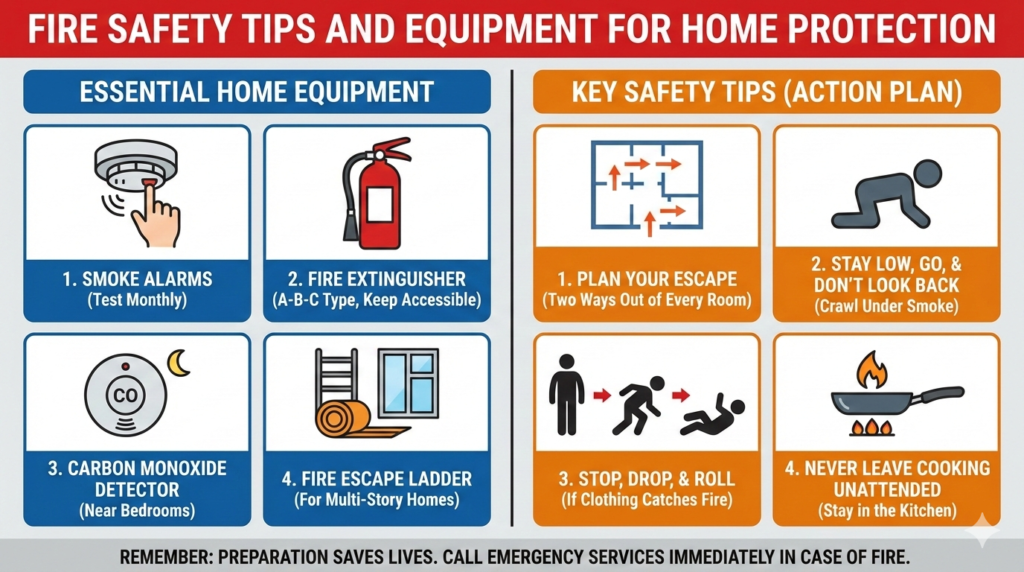
Fire is one of the most unpredictable and dangerous hazards in any home. Even a small spark can quickly turn into a disaster if the right precautions are not taken. Protecting your family and property requires awareness, preparation, and the use of proper fire safety equipment. This article will guide you through essential fire safety tips, the types of equipment you should have at home, and practical steps to reduce the risk of fire.

Understanding the Importance of Fire Safety at Home

Many people underestimate how fast a fire can spread. A fire can engulf a room within minutes, leaving little time for escape. According to statistics, most house fire deaths are caused by smoke inhalation rather than burns. This makes it crucial to focus not only on preventing fire but also on early detection and proper response.

Fire safety is not just about having a fire extinguisher. It involves creating a safe environment, understanding fire hazards, educating family members, and using fire safety equipment effectively. In Pakistan, where many homes use gas cylinders, electric appliances, and open flames for cooking, the risk of fire is significant, making fire safety a top priority.

Common Causes of Fire in Homes

To prevent fire effectively, it is essential to understand common fire hazards:

  1. Electrical Faults: Short circuits, overloaded sockets, and faulty wiring are leading causes of household fires. Regular electrical inspections and avoiding overloading appliances can reduce the risk.

  2. Cooking Accidents: Leaving cooking unattended, grease fires, and careless handling of stoves often cause kitchen fires. Always keep flammable items away from the stove and never leave cooking unattended.

  3. Gas Leaks: LPG cylinders or piped gas leaks can lead to explosions if not handled properly. Installing gas leak detectors and checking cylinders regularly is crucial.

  4. Heating Equipment: Heaters, geysers, and electric irons can cause fires if left on or placed near flammable materials.

  5. Candles and Open Flames: Candles, incense sticks, and diyas are often used at home. Keeping them away from flammable surfaces and never leaving them unattended is important.

Essential Fire Safety Tips for Home Protection

Taking preventive measures can significantly reduce the chances of fire. Here are some practical fire safety tips:

  • Install Smoke Detectors: Smoke detectors provide early warnings and save lives. Place them in bedrooms, hallways, and kitchens. Test them regularly and change batteries every six months.

  • Plan an Escape Route: Every family member should know at least two ways to exit the house in case of fire. Practice fire drills every few months to ensure everyone is familiar with the plan.

  • Keep Fire Extinguishers Handy: Fire extinguishers are essential fire safety equipment. Keep them in the kitchen, living room, and near electrical panels. Make sure everyone knows how to use them properly.

  • Avoid Overloading Electrical Sockets: Plugging too many devices into one socket can cause overheating. Use surge protectors and avoid daisy-chaining multiple extensions.

  • Store Flammable Materials Safely: Keep kerosene, petrol, and other flammable liquids away from heat sources. Store them in well-ventilated areas outside the living space.

  • Supervise Cooking: Never leave cooking unattended, especially when frying or grilling. Keep a lid nearby to smother grease fires.

  • Use Safe Heating Practices: Keep heaters at least one meter away from curtains, furniture, or flammable objects. Turn off heaters and irons when not in use.

Types of Fire Safety Equipment for Home Use

Using proper fire safety equipment can make a huge difference during an emergency. Here are the essential items every home should have:

  1. Fire Extinguishers: Fire extinguishers are the first line of defense. There are different types:

    • Water-based extinguishers: Suitable for wood, paper, and cloth fires.

    • CO2 extinguishers: Ideal for electrical fires and flammable liquids.

    • Foam extinguishers: Effective on liquid fires like oil and gasoline.

  2. Smoke Detectors: Smoke detectors alert occupants to fire in its early stages. Opt for detectors with both smoke and carbon monoxide detection features.

  3. Fire Blankets: Fire blankets are useful for smothering small fires, especially in the kitchen. They are also handy for wrapping around a person whose clothes have caught fire.

  4. Fire Alarm Systems: For larger homes, installing a fire alarm system ensures immediate warning for all family members, even when they are asleep.

  5. Emergency Exit Signs and Flashlights: Power outages during a fire are common. Emergency lights and flashlights help in safe evacuation.

  6. Sprinkler Systems: Though more common in commercial buildings, small residential sprinklers are becoming popular. They activate automatically when high heat is detected.

How to Use Fire Extinguishers Effectively

Knowing how to use a fire extinguisher can save lives. Follow the PASS method:

  • P – Pull the pin to unlock the extinguisher.

  • A – Aim the nozzle at the base of the fire.

  • S – Squeeze the handle to release the extinguishing agent.

  • S – Sweep the nozzle from side to side until the fire is fully out.

Remember, only attempt to extinguish small fires. For large fires, evacuate immediately and call emergency services.

Fire Safety Practices for Specific Areas in the Home

  1. Kitchen: The kitchen is the most common place for fires. Always keep a fire extinguisher nearby, avoid loose clothing while cooking, and never pour water on oil fires.

  2. Living Areas: Keep electrical appliances in good condition, avoid overloading sockets, and store candles safely.

  3. Bedrooms: Install smoke detectors and keep exits clear. Avoid placing heaters near bedding or curtains.

  4. Garage and Storage Areas: Store flammable liquids safely, keep electrical wiring checked, and ensure proper ventilation.

Educating Family Members about Fire Safety

Fire safety is a shared responsibility. Everyone in the household should know how to react during a fire. Teach children how to call emergency numbers, stop, drop, and roll if clothes catch fire, and identify escape routes. Conduct regular fire drills to build confidence and reduce panic during an actual emergency.

Maintenance of Fire Safety Equipment

Fire safety equipment is only effective if maintained regularly. Smoke detectors should be tested monthly, extinguishers checked annually, and fire blankets inspected for wear and tear. Replace old or expired equipment immediately. Regular maintenance ensures that everything works properly when needed.

The Role of Fire Safety in Insurance and Legal Protection

In Pakistan, having fire safety equipment in homes can sometimes influence home insurance policies. Insurers may offer better terms if proper safety measures are in place. Additionally, demonstrating adherence to fire safety standards can protect homeowners legally in case of accidental fires.

Advanced Fire Safety Measures

For those who want extra protection, consider installing home automation systems integrated with fire detection. Smart smoke detectors can send alerts to your phone, even when you are away, allowing immediate action. Fireproof doors, windows, and wall coatings can also slow down fire spread, buying critical time for evacuation.

Conclusion

Fire safety at home is not an option—it is a necessity. Combining awareness, preventive measures, and proper fire safety equipment can protect your family and property from devastating losses. By installing smoke detectors, keeping fire extinguishers, planning escape routes, and educating your household, you can minimize fire risks significantly. Remember, the key to effective fire safety is preparation and timely action. Your home should not just be a place of comfort but also a safe haven against fire hazards.

Investing in the right fire safety equipment and practicing fire safety tips daily can save lives and property. Start today—review your home, identify hazards, and ensure you are fully prepared for any fire emergency.

Top Fire Safety Equipment Brands in Pakistan
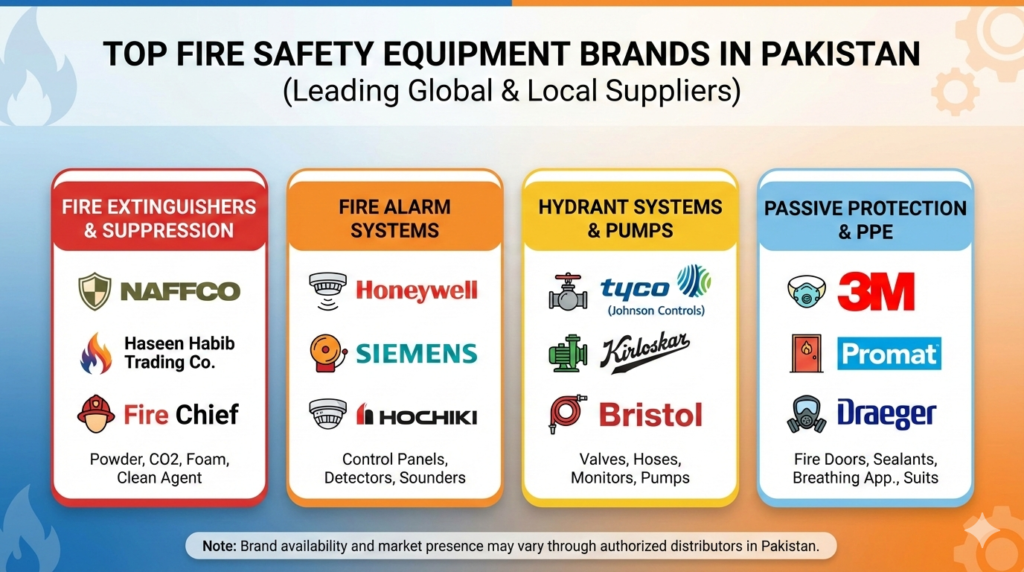
Fire safety is a critical concern for homes, offices, industries, and public spaces in Pakistan. With rising urbanization and industrial growth, the risk of fire hazards has increased, making it essential for individuals and businesses to invest in reliable fire safety solutions. Choosing the right fire safety equipment is not just about compliance; it is about protecting lives, property, and ensuring peace of mind.

Pakistan has several trusted brands that provide high-quality fire safety equipment suitable for various settings. This article explores the top fire safety equipment brands in Pakistan, their products, and why they stand out in the market.

Why Fire Safety Equipment is Crucial

Before diving into the brands, it is important to understand why investing in fire safety equipment is vital. Fires can start from electrical faults, kitchen accidents, chemical mishandling, or negligence. The damage can be catastrophic if there are no preventive measures in place. Fire safety equipment such as fire extinguishers, smoke detectors, fire blankets, hydrants, and sprinklers can save lives and minimize property damage.

Using certified and high-quality fire safety equipment ensures that in case of an emergency, the equipment performs effectively. Inferior products might fail during critical moments, which can have tragic consequences.

Top Fire Safety Equipment Brands in Pakistan

  1. Minimax Pakistan
    Minimax is an internationally recognized brand known for its advanced fire safety solutions. Operating in Pakistan for several years, Minimax provides a wide range of products, including fire extinguishers, sprinkler systems, fire alarms, and fire suppression systems. Their equipment is widely used in commercial buildings, hospitals, and industrial facilities.

Minimax is known for reliability, high performance, and compliance with international fire safety standards. Their focus on innovative fire suppression technologies makes them a preferred choice for large-scale projects in Pakistan.

  1. Tyco Fire & Security
    Tyco Fire & Security is another leading brand offering comprehensive fire safety equipment solutions. They specialize in automatic fire detection systems, sprinkler networks, and integrated fire safety solutions for large commercial and industrial projects.

Tyco products are recognized for their durability and advanced technology. Their intelligent fire alarm systems can detect fire at early stages, reducing damage and providing valuable time for evacuation. Many corporate offices and high-rise buildings in Pakistan rely on Tyco for complete fire safety compliance.

  1. Globe Fire Pakistan
    Globe Fire has established itself as a trusted name in the Pakistani fire safety market. They provide fire extinguishers, hydrant systems, fire blankets, and safety accessories. Globe Fire focuses on affordability without compromising quality, making their products suitable for both residential and commercial use.

Their customer support and regular maintenance services make them a practical choice for businesses that require ongoing fire safety management. Globe Fire products are widely available in major cities like Karachi, Lahore, and Islamabad.

  1. Johnson Controls (SimplexGrinnell)
    Johnson Controls, operating under the SimplexGrinnell brand, is known for cutting-edge fire alarm and suppression systems. They provide complete fire protection solutions, including smoke detectors, emergency lighting, and integrated building safety systems.

Their products are especially suitable for large corporate offices, educational institutions, and hospitals. Johnson Controls emphasizes smart and automated fire safety equipment, which can alert authorities and initiate suppression systems automatically.

  1. Chubb Fire & Security
    Chubb Fire & Security has a long-standing reputation in fire protection worldwide and has a presence in Pakistan. They provide a wide range of fire safety equipment, including extinguishers, hydrants, sprinklers, and detection systems.

Chubb is known for its high-quality standards, rigorous testing, and reliability. Many multinational companies and luxury residential complexes in Pakistan prefer Chubb for their comprehensive fire safety solutions.

  1. Falcon Fire Systems
    Falcon Fire Systems is a local Pakistani brand that has gained popularity due to its affordable and effective fire safety solutions. They manufacture fire extinguishers, fire hose reels, and emergency equipment suitable for small businesses, schools, and residential complexes.

Their focus on local markets and understanding of the challenges in Pakistani infrastructure makes Falcon Fire Systems a practical option for everyday fire safety needs.

  1. Typhoon Fire & Safety
    Typhoon Fire & Safety specializes in portable and industrial fire safety equipment. Their products include CO2 extinguishers, dry chemical extinguishers, and industrial sprinkler systems.

The brand is recognized for durability and performance, especially in factories, warehouses, and manufacturing plants. Their solutions are designed to withstand Pakistan’s environmental conditions, such as high temperatures and dust.

Key Fire Safety Equipment to Consider

When selecting fire safety equipment from these brands, it is important to understand the types of equipment needed for different environments:

  • Fire Extinguishers: Available in water, foam, CO2, and dry chemical types, suitable for different fire classes. Every building should have at least one extinguisher on each floor.

  • Smoke Detectors and Fire Alarms: Early detection can save lives. Modern systems provide automatic alerts to mobile devices and fire departments.

  • Fire Blankets: Ideal for kitchens and small fire incidents, fire blankets are simple yet effective.

  • Fire Hydrants and Hose Reels: Essential for commercial and industrial buildings, these provide a steady supply of water for firefighting.

  • Sprinkler Systems: Automated sprinklers are effective for large areas and help control fires before they spread.

Choosing the Right Brand

Selecting a fire safety equipment brand depends on several factors. Firstly, consider the type of building and its fire risk level. High-rise buildings and industrial units may require brands like Minimax or Tyco, which offer advanced suppression systems. For smaller offices, residential spaces, or schools, Globe Fire or Falcon Fire Systems may be sufficient.

Secondly, verify certifications and compliance with Pakistani fire safety standards. Internationally certified brands ensure reliability and safety. Additionally, after-sales services such as maintenance and replacement parts are crucial for long-term safety.

Conclusion

Investing in high-quality fire safety equipment is not just a legal requirement in Pakistan but a responsibility to protect lives and property. Brands like Minimax, Tyco, Globe Fire, Johnson Controls, Chubb, Falcon Fire Systems, and Typhoon Fire & Safety provide a wide range of reliable solutions tailored to various needs.

Understanding your building’s requirements, evaluating the equipment type, and selecting a trusted brand can make a significant difference in fire preparedness. Whether for residential, commercial, or industrial purposes, ensuring proper fire safety equipment is in place is a proactive step toward a safer Pakistan.

For anyone looking to enhance fire safety, it is important to choose recognized brands that combine quality, reliability, and affordability. By doing so, you are not only complying with safety standards but also securing peace of mind against potential fire hazards.

Also Read:

Fire Blankets and Emergency Gear for Safety at Work: Ensuring a Secure Workplace
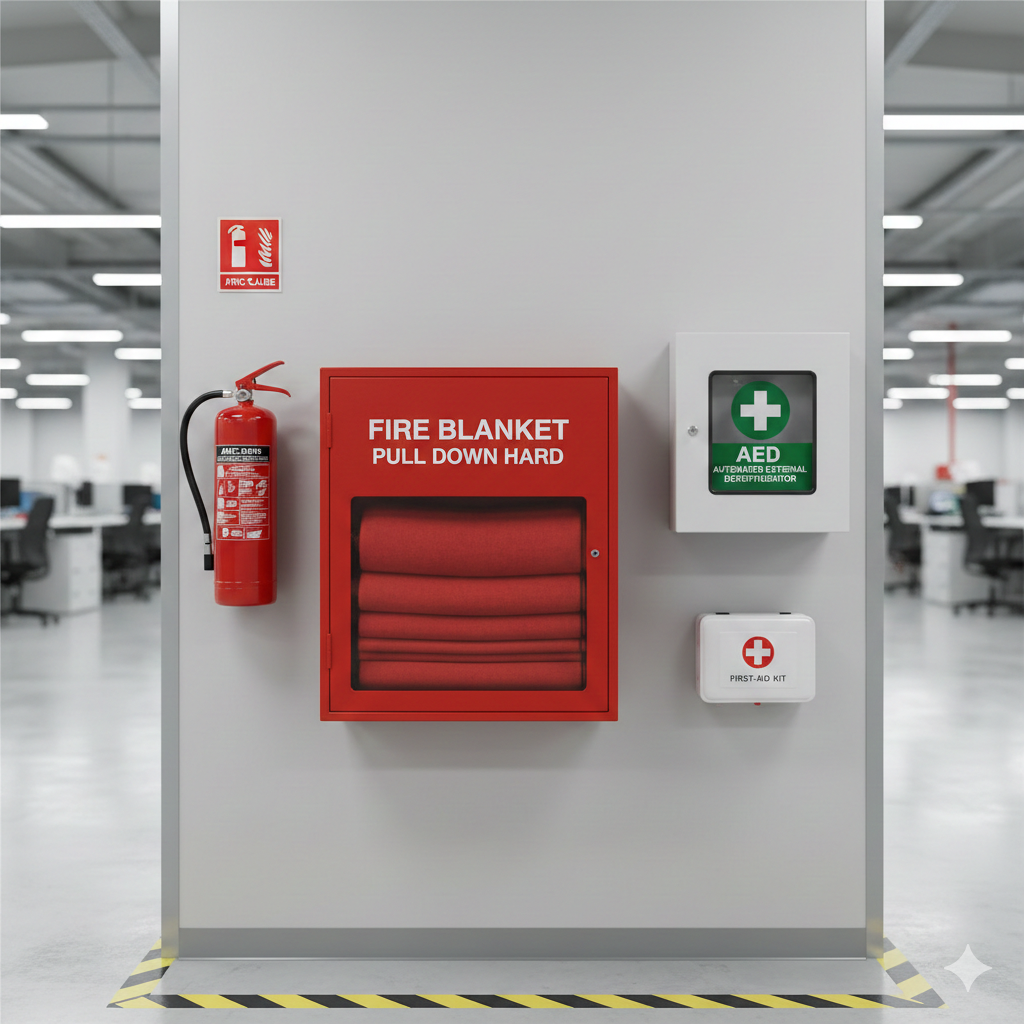
Workplace safety is a responsibility that cannot be overlooked. In industries ranging from factories and kitchens to laboratories and offices, the risk of fire incidents remains a constant threat. Having the right fire safety equipment is crucial to protect employees, prevent property damage, and comply with safety regulations. Among the essential tools for immediate response to fire hazards are fire blankets and emergency gear. Understanding their use, importance, and maintenance can save lives and minimize damage.

Understanding Fire Blankets

Fire blankets are a simple yet highly effective fire safety equipment designed to extinguish small fires or protect individuals during emergencies. They are made from fire-resistant materials, typically fiberglass or wool treated with flame retardants. Fire blankets work by smothering flames, cutting off oxygen supply, which is essential for combustion.

Fire blankets are particularly effective for kitchen fires involving oils and fats, which cannot be extinguished with water. They are also ideal for clothing fires, providing immediate protection and preventing severe burns. Their compact size and ease of use make them an essential part of workplace safety kits.

Key Features of Fire Blankets

Fire blankets are designed to be user-friendly and efficient. Some features include:

  1. Heat Resistance: High-quality fire blankets can withstand extreme temperatures, ensuring protection even in intense flames.

  2. Compact Design: They are lightweight and easily accessible, often stored in wall-mounted cabinets for quick use.

  3. Easy Deployment: Pulling the tabs on the blanket allows it to cover a fire instantly, minimizing panic during emergencies.

  4. Multi-Purpose Use: Apart from extinguishing small fires, fire blankets can shield individuals while escaping or wrapping around equipment to prevent fire spread.

Emergency Gear: A Complete Safety Solution

While fire blankets provide immediate response to small fires, a comprehensive approach to workplace safety requires additional emergency gear. This equipment ensures preparedness for various types of emergencies, not limited to fire incidents.

1. Fire Extinguishers
Fire extinguishers are a standard component of fire safety equipment. They come in different types, including water, foam, CO2, and powder, each suitable for specific fire classes. Proper training on how to use fire extinguishers ensures quick and effective response during a fire emergency.

2. Fire Alarms and Smoke Detectors
Early detection of fire is critical. Fire alarms and smoke detectors alert employees, giving them enough time to evacuate safely. Regular testing and maintenance of these devices are necessary to ensure they function correctly in emergencies.

3. Emergency Lighting and Exit Signs
During fire incidents, power failures are common. Emergency lighting ensures visibility, guiding employees to safe exits. Clearly marked exit signs reduce confusion and prevent panic, contributing to orderly evacuation.

4. Personal Protective Equipment (PPE)
For workers in high-risk areas, PPE such as fire-resistant gloves, helmets, and jackets are essential. This emergency gear protects individuals while they attempt to control a fire or assist others.

Importance of Fire Safety Equipment at Work

Implementing proper fire safety measures is not just a legal requirement; it is a moral obligation. The benefits of having adequate fire safety equipment include:

  • Protecting Lives: Immediate access to fire blankets and emergency gear can prevent injuries and fatalities.

  • Minimizing Property Damage: Quick response can contain fires before they spread, reducing financial losses.

  • Compliance with Regulations: Pakistani workplace safety laws mandate the availability of fire safety equipment in certain industries. Compliance avoids legal penalties and promotes a safe working environment.

  • Boosting Employee Confidence: Workers feel secure knowing that the workplace is equipped to handle emergencies.

Training and Awareness: The Key to Effectiveness

Owning fire blankets and emergency gear is only half the solution. Proper training and awareness among employees are critical for effective fire safety management. Conducting regular drills, explaining the correct use of equipment, and teaching evacuation procedures ensure that staff respond calmly and efficiently during emergencies.

Employers can organize workshops or training sessions demonstrating how to use fire blankets, operate fire extinguishers, and safely evacuate the premises. Visual guides and instructional posters near safety equipment reinforce this knowledge.

Maintenance and Inspection of Fire Safety Equipment

To ensure fire safety equipment is always ready for use, regular inspection and maintenance are necessary. Fire blankets should be checked for damage, tears, or contamination. Fire extinguishers need annual servicing, and smoke detectors require battery checks. Emergency lighting systems should be tested to confirm they function during power failures.

A proactive approach to equipment maintenance prevents malfunction during critical moments, enhancing workplace safety and reliability.

Integrating Fire Safety Equipment into Workplace Safety Plans

A comprehensive safety plan should include clear policies for fire prevention, emergency response, and employee responsibilities. Fire blankets and emergency gear must be strategically placed where they are easily accessible, such as near kitchens, machinery, laboratories, and exit routes.

Safety plans should also include:

  • Risk Assessment: Identifying areas with high fire risk and installing appropriate safety equipment.

  • Emergency Contacts: Providing a list of emergency services and in-house safety personnel.

  • Communication Protocols: Establishing a system for alerting staff in case of fire or other emergencies.

Fire Blankets in Different Work Environments

Fire blankets are versatile and suitable for various workplaces:

  • Industrial Settings: Factories handling flammable chemicals or machinery benefit from having multiple fire blankets for immediate fire suppression.

  • Kitchens and Restaurants: Grease fires in commercial kitchens can escalate quickly; fire blankets provide a fast and safe solution.

  • Laboratories: Experiments involving flammable substances can pose sudden risks. Fire blankets protect both personnel and equipment.

  • Offices: While office fires are rare, small electrical fires can occur. A fire blanket near electrical panels or break rooms adds an extra layer of safety.

Choosing the Right Fire Safety Equipment

Selecting appropriate fire safety equipment depends on workplace type, fire risks, and regulatory requirements. When purchasing fire blankets and emergency gear, consider the following:

  • Material Quality: High-grade fiberglass or flame-retardant materials ensure durability.

  • Size and Coverage: Blankets should be large enough to cover individuals or small fires completely.

  • Certifications: Ensure compliance with international and local safety standards.

  • Accessibility: Equipment should be easy to reach, clearly marked, and accompanied by instructions.

Promoting a Safety Culture at Work

Beyond equipment and training, creating a culture of safety is vital. Employees should be encouraged to report potential hazards, follow safety protocols, and participate in drills. Recognizing and rewarding proactive safety behavior can further strengthen this culture.

A workplace that values fire safety fosters trust, reduces accidents, and ensures everyone contributes to a secure environment.

Conclusion

Fire blankets and emergency gear are essential components of workplace safety. They provide immediate protection, reduce risks, and are critical for effective fire management. Integrating these tools with proper training, regular maintenance, and a robust safety plan ensures a secure working environment for all employees. Investing in quality fire safety equipment is not just a regulatory requirement but a commitment to protecting lives, property, and the reputation of your business.

Prioritizing fire safety today can prevent devastating consequences tomorrow. Every workplace, whether industrial, commercial, or office-based, should make fire blankets and emergency gear an integral part of their safety strategy.

Fire Safety Equipment Checklist for Every Business
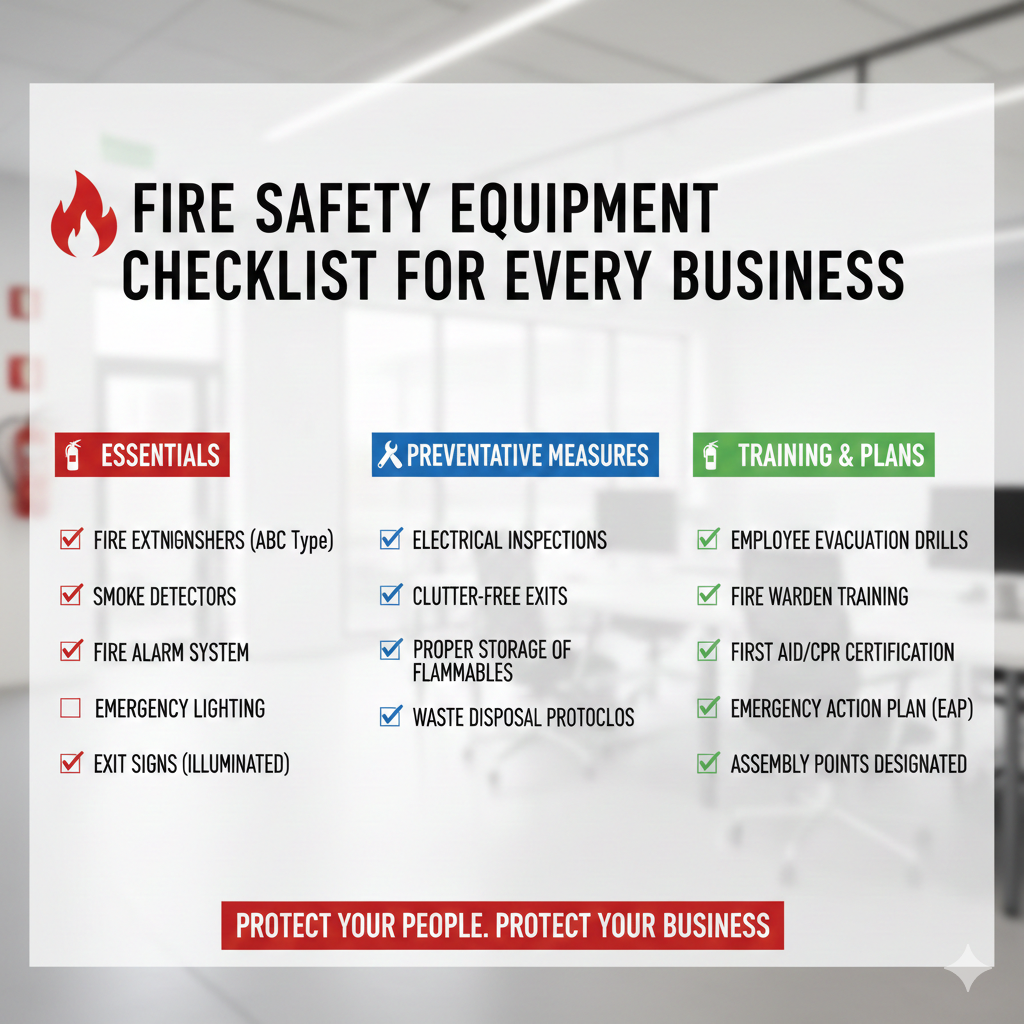
Ensuring the safety of your employees, customers, and assets should be a top priority for every business owner. Fire incidents can occur without warning, and the consequences can be devastating. One of the most effective ways to prevent major losses is by having proper fire safety equipment in place. This guide provides a detailed checklist of essential fire safety equipment for every business, helping you create a safer workplace and comply with local safety regulations.

Why Fire Safety Equipment is Crucial for Businesses

Fire safety equipment is more than just a legal requirement; it is a critical component of workplace safety. Fires can spread rapidly, causing damage to property, injuring employees, and sometimes even resulting in fatalities. Having the right equipment ensures that fire incidents are controlled quickly and efficiently, reducing the risk of severe damage. Additionally, well-maintained fire safety equipment demonstrates your commitment to safety, which can improve employee morale and enhance your business reputation.

Key Fire Safety Equipment Every Business Needs

  1. Fire Extinguishers
    Fire extinguishers are the first line of defense against small fires. Different types of extinguishers are suitable for different fire classes:

    • Water extinguishers are ideal for ordinary combustibles like paper, wood, and cloth.

    • CO2 extinguishers are effective for electrical fires.

    • Foam extinguishers can handle flammable liquids such as oils and paints.

    • Dry powder extinguishers are versatile and can be used for various types of fires.

Every business should have multiple fire extinguishers placed in easily accessible areas. Regular checks and maintenance are crucial to ensure they function correctly in an emergency.

  1. Fire Blankets
    Fire blankets are essential for controlling small fires, especially in kitchens or areas with flammable liquids. They work by smothering the fire and cutting off the oxygen supply. Fire blankets are compact, easy to use, and must be placed in visible and accessible locations.

  2. Smoke and Heat Detectors
    Early detection of fire is critical to preventing damage. Smoke detectors and heat detectors alert occupants before a fire spreads. Smoke detectors detect smoke particles in the air, while heat detectors respond to rapid temperature changes. Both types should be installed in key areas, including offices, storage rooms, and kitchens. Regular testing and battery replacement are necessary for optimal performance.

  3. Fire Alarm Systems
    A fire alarm system ensures that everyone in the building is notified immediately in case of a fire. Modern systems can be connected to emergency services, allowing for quick response times. Fire alarms should be loud, clear, and tested regularly to confirm they work effectively.

  4. Emergency Exit Signs and Lighting
    Clear exit signs and emergency lighting are essential for guiding people safely out of the building during a fire. In the chaos of a fire, visibility may be low, and smoke can obscure normal exit paths. Illuminated signs and backup emergency lights help prevent panic and ensure a smooth evacuation.

  5. Sprinkler Systems
    Automatic sprinkler systems are highly effective in controlling large fires. They detect heat and release water to suppress flames before they spread. Businesses dealing with flammable materials or high-value equipment should strongly consider installing sprinkler systems, as they can significantly reduce property damage and save lives.

  6. Fire Hose Reels
    Fire hose reels provide a continuous supply of water and are suitable for larger fires. They should be installed in areas where water access is possible and employees are trained to use them safely. Regular maintenance ensures that the hoses are ready when needed.

  7. First Aid Kits
    While not a fire-fighting tool directly, first aid kits are an essential part of fire safety. Burns and injuries may occur during a fire, and having a well-stocked first aid kit allows immediate treatment, which can prevent complications before professional help arrives.

Fire Safety Equipment Maintenance and Training

Installing fire safety equipment is not enough; proper maintenance and employee training are equally important. Here’s how you can ensure your equipment remains effective:

  • Regular Inspections: Check all equipment, including fire extinguishers, alarms, and sprinkler systems, at least once every six months. Look for signs of damage, corrosion, or expired components.

  • Testing Detectors and Alarms: Smoke detectors, heat detectors, and alarms should be tested monthly. Replace batteries as needed and ensure they are audible throughout the building.

  • Employee Training: Conduct regular fire drills and train staff on how to use fire extinguishers, fire blankets, and emergency exits. Practical knowledge ensures that employees respond quickly and efficiently in real emergencies.

  • Documentation: Keep detailed records of maintenance, inspections, and staff training. This documentation can crucial during safety audits and may be required by local fire authorities.

Creating a Fire Safety Plan

A fire safety plan complements your fire safety equipment checklist. This plan should include evacuation routes, assembly points, and designated personnel responsible for coordinating emergency response. Display the plan prominently and review it regularly to incorporate any changes in building layout or staffing.

Special Considerations for Different Business Types

Different businesses have unique fire risks. For example:

  • Restaurants and Kitchens: Higher risk of grease fires means fire blankets and Class K fire extinguishers are essential.

  • Offices: Electrical fires are more common, so CO2 extinguishers and smoke detectors are critical.

  • Warehouses: Large storage areas require multiple fire extinguishers, sprinkler systems, and fire hose reels.

  • Factories: High-risk equipment areas need heat detectors, specialized extinguishers, and a comprehensive fire safety plan.

Tailoring your fire safety equipment and strategies to your specific business type ensures maximum protection.

Legal Requirements for Fire Safety Equipment in Pakistan

In Pakistan, businesses must comply with the local fire safety regulations set by the provincial fire departments. These regulations often require:

  • Installation of fire extinguishers and alarms.

  • Clearly marked emergency exits.

  • Regular inspection and maintenance of fire safety equipment.

  • Employee fire safety training.

Compliance not only avoids fines but also ensures that your business has prepared for emergencies.

Conclusion

Fire safety is not an option; it is a responsibility every business must take seriously. Proper fire safety equipment, combined with regular maintenance, training, and a well-thought-out fire safety plan, can prevent disasters and save lives. By following this checklist, business owners can ensure a safer environment for employees, customers, and assets.

Investing in fire safety equipment is an investment in the continuity and reputation of your business. It has always better to prepared than to face the consequences of neglect. Regular reviews and updates of your fire safety measures keep your business compliant, secure, and ready for any emergency.

Also Read: 

Smoke Detectors and Fire Alarms: How to Choose the Right One
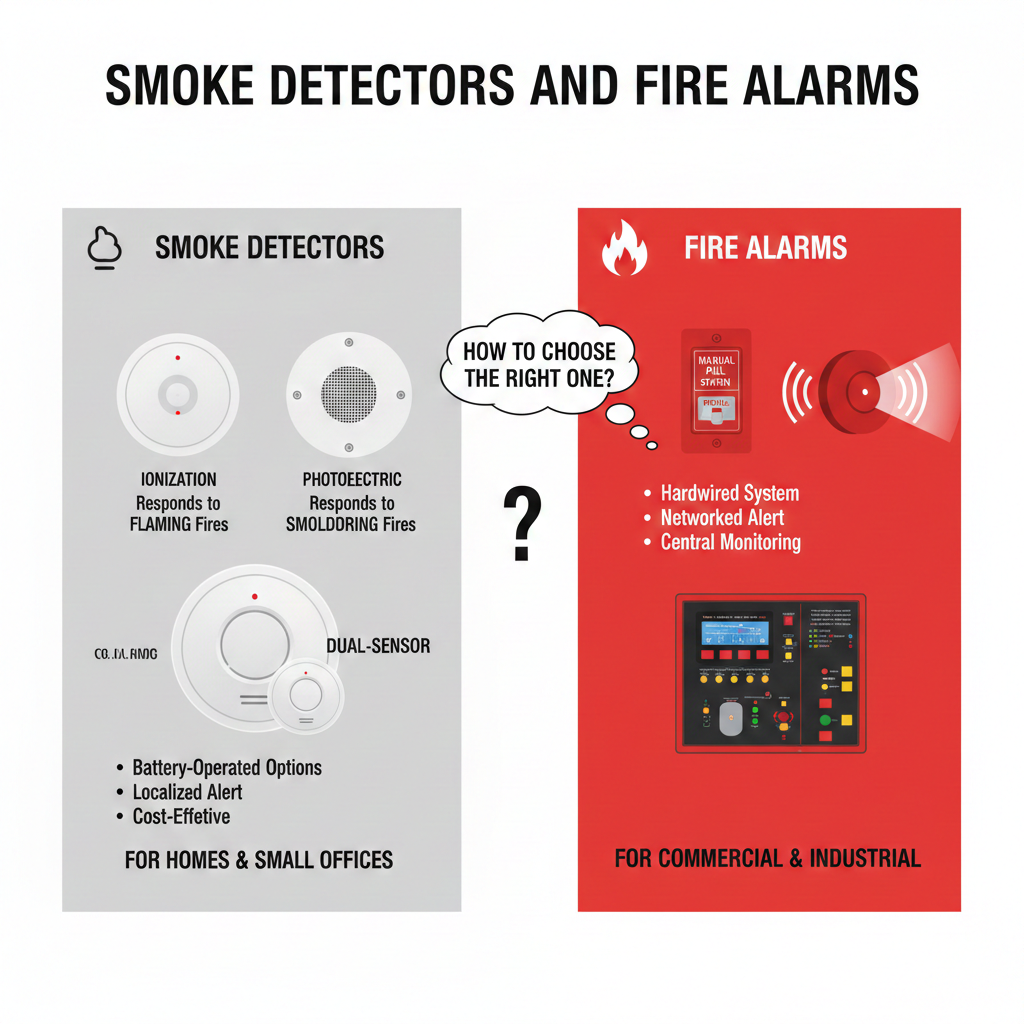
Fire safety is one of the most important aspects of protecting your home or workplace. Fires can start unexpectedly and spread quickly, causing significant damage, injuries, and even fatalities. One of the most effective ways to reduce these risks is by installing smoke detectors and fire alarms. However, choosing the right device is crucial for ensuring maximum protection. This article will guide you on how to select the best smoke detectors and fire alarms for your needs, while naturally incorporating essential fire safety equipment.

Understanding Smoke Detectors and Fire Alarms

Many people often confuse smoke detectors and fire alarms, but they serve slightly different purposes. A smoke detector is a device that senses smoke and alerts you before a fire spreads. It is primarily a detection device. On the other hand, a fire alarm is a system that not only detects smoke but also alerts everyone in the building with loud sirens, lights, or automated messages. In modern setups, smoke detectors are often integrated into fire alarm systems, providing both detection and alerting capabilities.

Smoke detectors and fire alarms are critical components of fire safety equipment. They are the first line of defense against fire hazards, giving you valuable time to evacuate and call emergency services.

Types of Smoke Detectors

Choosing the right smoke detector depends on the type of fire you are most likely to encounter. There are three main types:

  1. Ionization Smoke Detectors
    Ionization detectors are best at detecting fast-flaming fires, such as kitchen or electrical fires. They work by using a small amount of radioactive material to ionize air in a sensing chamber. When smoke enters the chamber, it disrupts the ionization process and triggers the alarm. These detectors are very sensitive to small particles produced by flames.

  2. Photoelectric Smoke Detectors
    Photoelectric detectors are ideal for detecting slow, smoldering fires, such as those caused by smoldering furniture or electrical faults in wiring. They use a light beam to detect smoke particles. When smoke enters the chamber, the light is scattered, triggering the alarm. Photoelectric detectors are less prone to false alarms from cooking smoke or steam.

  3. Dual-Sensor Smoke Detectors
    Dual-sensor detectors combine both ionization and photoelectric technologies. They offer comprehensive protection by detecting both fast and slow fires. These are highly recommended for homes and workplaces, as they provide balanced protection against all types of fire hazards.

Types of Fire Alarms

Fire alarms can be standalone devices or part of a larger system. Here are the common types:

  1. Manual Fire Alarms
    Manual fire alarms require someone to pull a lever or press a button to activate the alarm. They are mostly found in commercial buildings or public spaces. While effective, they rely on human action and may not detect fires automatically.

  2. Automatic Fire Alarms
    Automatic alarms detect smoke, heat, or flames and trigger an alert without human intervention. They are more reliable for early warning, especially at night when people are asleep.

  3. Addressable Fire Alarm Systems
    These systems are commonly used in large buildings. Each detector is connected to a central control panel and can identify the exact location of a fire. This feature helps emergency responders react faster and contain fire effectively.

  4. Conventional Fire Alarm Systems
    Conventional systems divide buildings into zones. When an alarm is triggered, the system identifies the zone but not the exact device. These systems are simpler and more affordable, making them suitable for small to medium-sized buildings.

Key Factors to Consider When Choosing Smoke Detectors and Fire Alarms

Selecting the right fire safety equipment requires careful consideration of several factors:

1. Type of Building

The size and layout of your building influence the type of detectors and alarms you need. Homes may require basic smoke detectors in bedrooms, living rooms, and kitchens, while commercial buildings might need a combination of smoke detectors, heat detectors, and advanced fire alarm systems.

2. Location of Installation

Proper placement of smoke detectors is essential for their effectiveness. For homes, install detectors on every floor, near sleeping areas, and in the kitchen. Avoid installing detectors near windows, vents, or bathrooms where steam and drafts can cause false alarms.

3. Power Source

Smoke detectors can be battery-operated, hardwired into your building’s electrical system, or a combination of both. Battery-operated devices are easier to install but require regular battery changes. Hardwired detectors are more reliable and often come with battery backup for power outages.

4. Sensitivity and Response Time

The sensitivity of a smoke detector determines how quickly it reacts to smoke or fire. High-sensitivity detectors respond faster but may trigger false alarms, while low-sensitivity detectors are slower to react. Dual-sensor detectors offer a balanced response.

5. Integration with Fire Safety Systems

In modern buildings, smoke detectors are often part of a comprehensive fire alarm system. Integrated systems can notify residents, trigger sprinklers, and alert emergency services simultaneously. This integration enhances overall safety.

6. Maintenance and Testing

Regular maintenance is vital for effective operation. Smoke detectors should be tested monthly, and batteries should be replaced at least once a year. Some devices have a lifespan of 8–10 years, after which they should be replaced.

Advanced Features to Look For

Modern smoke detectors and fire alarms come with advanced features that improve safety and convenience:

  • Interconnected Alarms: When one detector triggers, all alarms in the building sound simultaneously. This ensures that everyone is alerted, even if the fire is far from their location.

  • Smart Smoke Detectors: These devices connect to Wi-Fi and can send alerts to your smartphone. Some smart detectors can even integrate with home automation systems to turn on lights or unlock doors during emergencies.

  • Voice Alerts: Some alarms provide voice instructions, guiding residents to evacuate safely.

  • Heat Detectors: In areas where smoke alarms might cause false triggers, heat detectors respond to rapid temperature changes, adding another layer of protection.

Common Mistakes to Avoid

Many people install smoke detectors and fire alarms but fail to get the full benefit due to common mistakes:

  1. Ignoring Battery Replacement: A smoke detector with a dead battery is useless. Regular checks are essential.

  2. Placing Detectors in Wrong Locations: Installing alarms too close to cooking areas, bathrooms, or vents can cause frequent false alarms, making people ignore them.

  3. Not Using Enough Detectors: Skipping areas like basements, hallways, or attics can leave blind spots where fires can go undetected.

  4. Neglecting Maintenance: Dust, debris, or dead sensors can prevent alarms from working properly. Clean detectors regularly and follow manufacturer instructions.

Choosing the Right Brand and Quality

Investing in high-quality smoke detectors and fire alarms is crucial. Look for devices certified by recognized authorities and comply with local fire safety regulations. In Pakistan, you should choose equipment that meets international standards and is suitable for local conditions, such as high humidity or power fluctuations. Trusted brands often provide warranties and better customer support, ensuring long-term reliability.

Importance of Fire Safety Equipment in Every Building

Smoke detectors and fire alarms are part of broader fire safety equipment, including fire extinguishers, fire blankets, and emergency exits. While alarms provide early warnings, other equipment is needed to contain or extinguish fires. A complete fire safety plan ensures that residents, employees, and visitors are protected at all times. Combining detection, alert, and response systems significantly reduces the risk of fire-related accidents.

Fire Safety Tips for Home and Workplace

Beyond installing alarms, adopting proactive fire safety habits can prevent accidents:

  • Keep flammable materials away from heat sources.

  • Never leave cooking unattended.

  • Regularly check electrical wiring and appliances.

  • Educate family members or employees on fire evacuation procedures.

  • Conduct fire drills in workplaces to ensure everyone knows exit routes.

Conclusion

Choosing the right smoke detectors and fire alarms is more than just a purchase; it is an investment in the safety of lives and property. Understanding the differences between detector types, considering installation locations, and integrating alarms with other fire safety equipment ensures comprehensive protection. By following proper maintenance practices and selecting quality devices, you can significantly reduce fire risks and ensure peace of mind for your family or employees.

Smoke detectors and fire alarms are essential fire safety equipment that no building should be without. They provide early warnings, save lives, and minimize damage. Always prioritize safety and choose devices that meet international standards while being suitable for your local environment. Remember, in fire safety, prevention and preparedness are always better than regret.

Also Read:

Fire Extinguishers in Pakistan: Types and Usage
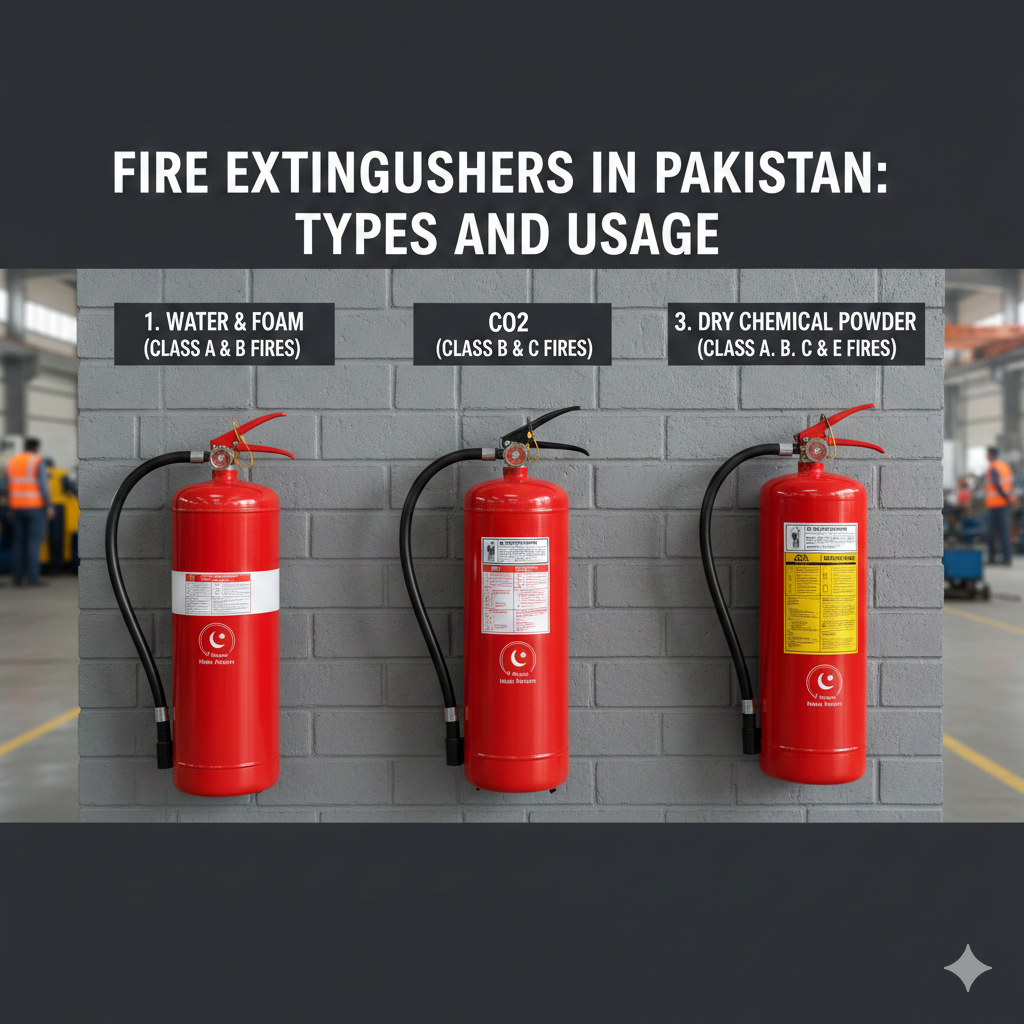
Fire is one of the most dangerous emergencies that can occur in homes, offices, factories, or public spaces. In Pakistan, where fire incidents in commercial and residential areas are common due to electrical faults, gas leaks, or negligence, understanding fire safety has become essential. One of the most important tools for controlling small fires and preventing major disasters is a fire extinguisher. This article explores the types of fire extinguishers available in Pakistan, their usage, and the importance of fire safety equipment.

Importance of Fire Safety Equipment

Fire safety equipment is not just a legal requirement in commercial spaces but also a critical factor in protecting lives and property. Fire extinguishers are part of essential fire safety equipment that helps to control small fires before they become uncontrollable. Having the right fire safety equipment in homes, offices, factories, and vehicles ensures that in case of an emergency, immediate action can be taken. In Pakistan, where fire safety awareness is still growing, equipping your premises with fire extinguishers can make a significant difference in reducing casualties and property loss.

Understanding Fire Classes

Before discussing fire extinguishers, it is crucial to understand the classification of fires. Fires are categorized based on the type of material that is burning. The main fire classes are:

  • Class A: Fires involving ordinary combustible materials like wood, paper, cloth, or plastics.

  • Class B: Fires involving flammable liquids such as gasoline, oil, paint, or alcohol.

  • Class C: Fires involving electrical equipment, wiring, or appliances.

  • Class D: Fires involving combustible metals like magnesium, potassium, or aluminum.

  • Class K: Fires involving cooking oils and fats, usually in kitchens.

Each type of fire requires a specific type of extinguisher. Using the wrong extinguisher can be ineffective or even dangerous.

Types of Fire Extinguishers in Pakistan

In Pakistan, several types of fire extinguishers are available, each designed to handle specific fire classes. Choosing the right extinguisher depends on the environment and the materials present.

1. Water Fire Extinguishers

Water fire extinguishers are primarily used for Class A fires involving materials like wood, paper, and textiles. They work by cooling the fire and reducing its temperature below the ignition point.

These extinguishers are not suitable for electrical or flammable liquid fires, as water can conduct electricity and spread the fire. Water extinguishers are commonly found in schools, offices, and residential buildings in Pakistan due to their effectiveness against ordinary combustible materials.

2. Foam Fire Extinguishers

Foam fire extinguishers are versatile and suitable for Class A and Class B fires. They work by forming a blanket over flammable liquids, cutting off the oxygen supply and preventing the fire from spreading.

Foam extinguishers are ideal for offices, workshops, and petrol stations in Pakistan where flammable liquids are present. They are safe for use on solid combustibles but should not be used on electrical fires unless specifically marked as safe.

3. Carbon Dioxide (CO2) Fire Extinguishers

CO2 fire extinguishers are designed for Class B and Class C fires. Carbon dioxide works by displacing oxygen around the fire, suffocating it. CO2 extinguishers leave no residue, making them ideal for electrical fires in offices, server rooms, and electronic shops.

In Pakistan, CO2 extinguishers are commonly used in commercial spaces with sensitive electrical equipment. However, they are less effective for outdoor fires or areas with strong wind because the gas can disperse quickly.

4. Dry Powder Fire Extinguishers

Dry powder extinguishers are multipurpose and can be used on Class A, B, and C fires. They work by coating the fire with a layer of powder, which interrupts the chemical reaction of the fire.

These extinguishers are widely used in industries, factories, and workshops in Pakistan due to their effectiveness on a variety of fire types. However, the powder can cause a mess and may damage sensitive equipment, so careful consideration is required.

5. Wet Chemical Fire Extinguishers

Wet chemical extinguishers are specifically designed for Class K fires, which involve cooking oils and fats. They work by forming a soapy layer on the surface of the burning oil, cooling it and preventing re-ignition.

In Pakistan, wet chemical extinguishers are essential for commercial kitchens, hotels, and restaurants. Using water or other types of extinguishers on oil fires can cause dangerous flare-ups, making wet chemical extinguishers the safest option.

How to Use a Fire Extinguisher

Having a fire extinguisher is only effective if you know how to use it. The standard method for operating a fire extinguisher is remembered with the acronym PASS:

  • P – Pull the pin: This unlocks the extinguisher and allows you to discharge the contents.

  • A – Aim at the base of the fire: Targeting the flames is not enough; aim at the fuel source to extinguish the fire effectively.

  • S – Squeeze the handle: Apply pressure to release the extinguishing agent.

  • S – Sweep from side to side: Move the extinguisher nozzle across the fire until it is completely out.

It is important to maintain a safe distance while using the extinguisher and have an escape route ready in case the fire spreads.

Maintenance of Fire Extinguishers in Pakistan

Fire extinguishers require regular maintenance to ensure they function correctly during an emergency. In Pakistan, many fires occur because extinguishers are outdated, uncharged, or improperly installed. Key maintenance tips include:

  • Inspecting the extinguisher monthly for damage, corrosion, or leaks.

  • Checking the pressure gauge to ensure it is in the green zone.

  • Shaking dry powder extinguishers periodically to prevent the powder from settling.

  • Ensuring extinguishers are accessible and not blocked by furniture or storage items.

  • Getting extinguishers professionally serviced annually by certified fire safety companies in Pakistan.

Legal Requirements for Fire Extinguishers in Pakistan

In Pakistan, fire safety regulations require commercial buildings, hospitals, schools, and factories to have adequate fire safety equipment. Compliance with local fire safety codes includes:

  • Installing fire extinguishers at strategic locations.

  • Conducting fire drills to train employees or residents.

  • Ensuring proper signage indicating the location of fire extinguishers.

  • Keeping records of fire extinguisher maintenance and inspections.

Non-compliance can result in fines, closure notices, or legal liabilities in case of fire accidents.

Choosing the Right Fire Extinguisher

Selecting the right fire extinguisher depends on the environment and potential fire hazards. For homes in Pakistan, a combination of water and CO2 extinguishers may cover most risks. Offices with electrical equipment should prioritize CO2 extinguishers. Restaurants require wet chemical extinguishers for kitchen fires, and factories dealing with flammable liquids or metals may need foam or dry powder extinguishers.

Training and Awareness

Even with the best fire safety equipment, untrained individuals may panic and fail to act effectively during a fire. Regular training on how to use fire extinguishers and understanding fire classes is crucial. Many companies in Pakistan now offer fire safety training programs, teaching employees and residents how to respond quickly and safely.

The Role of Fire Safety Companies in Pakistan

Fire safety companies play a vital role in promoting awareness and providing high-quality fire safety equipment. They supply various types of fire extinguishers, install them in buildings, and offer maintenance services. In addition, they provide consultancy for risk assessment and fire safety compliance. Choosing a trusted fire safety company ensures that the extinguishers are reliable and meet international standards.

Conclusion

Fire extinguishers are an essential part of fire safety equipment in Pakistan. Understanding the different types, their uses, and proper maintenance is key to protecting lives and property. Whether for homes, offices, factories, or public spaces, having the right fire extinguisher and knowing how to use it can prevent small fires from turning into disasters. Fire safety is a responsibility that should never be overlooked, and investing in quality fire safety equipment is a step toward a safer Pakistan.

By prioritizing fire safety, educating people about fire extinguisher usage, and maintaining equipment properly, Pakistan can reduce fire-related accidents and create safer environments for everyone.

Best Fire Safety Equipment for Offices and Factories
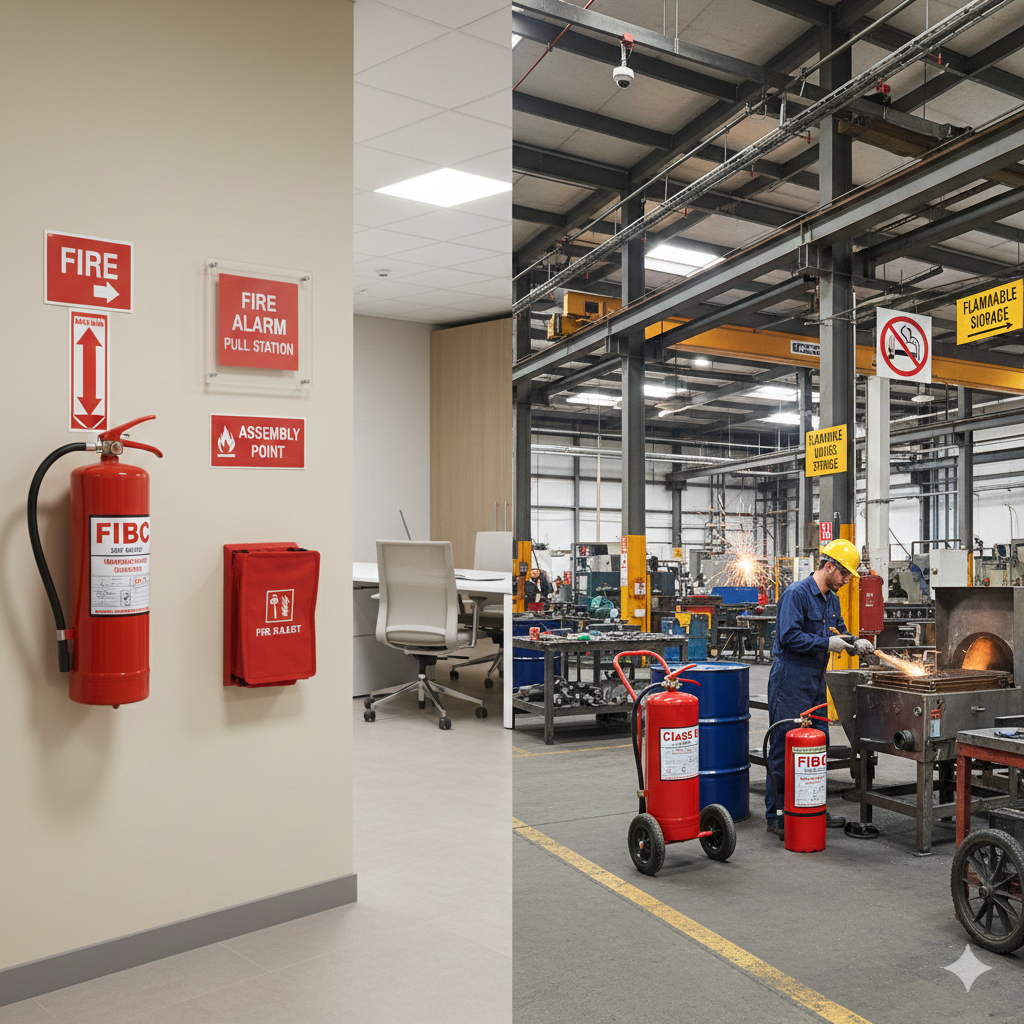
Fire accidents in offices and factories can cause serious injuries, damage property, and even lead to fatalities. Ensuring proper fire safety is not just a legal requirement but also a responsibility towards employees and assets. The right fire safety equipment can prevent disasters, minimize damage, and save lives. In this article, we will explore the best fire safety equipment for offices and factories, their importance, and how to use them effectively.

Why Fire Safety Equipment is Essential

Every office or factory has potential fire hazards, whether it’s electrical wiring, machinery, flammable chemicals, or cooking areas. Fire safety equipment acts as the first line of defense during emergencies. Without proper tools, even a small fire can quickly turn into a large-scale disaster.

Having proper fire safety equipment in place ensures:

  • Quick response to fire incidents

  • Protection of lives and property

  • Compliance with local fire safety regulations

  • Reduced financial loss due to fire damage

Investing in fire safety equipment is not just a legal obligation; it is also a smart step for long-term safety.

Types of Fire Safety Equipment

Fire safety equipment can be broadly classified into three categories: detection devices, fire suppression systems, and protective tools. Each type plays a crucial role in preventing and managing fire emergencies.

1. Fire Extinguishers

Fire extinguishers are the most common and essential fire safety equipment in any office or factory. They are portable devices used to extinguish small fires before they spread. There are different types of fire extinguishers suitable for different fire hazards:

  • Water Fire Extinguishers: Ideal for fires caused by paper, wood, or textiles. They should not be used on electrical or oil fires.

  • Foam Fire Extinguishers: Suitable for flammable liquids and solids. They create a barrier between the fuel and the fire.

  • CO2 Fire Extinguishers: Best for electrical fires as they do not leave residue and are non-conductive.

  • Dry Powder Fire Extinguishers: Multipurpose extinguishers that work on most types of fires, including flammable liquids and electrical fires.

It is crucial to place fire extinguishers in easily accessible locations and train staff on how to use them correctly.

2. Fire Alarms and Smoke Detectors

Early detection of fire can prevent major damage. Fire alarms and smoke detectors are vital fire safety equipment that provide immediate alerts during fire emergencies. Smoke detectors sense smoke particles and trigger alarms, giving occupants enough time to evacuate.

In offices and factories, smoke detectors should be installed in hallways, near electrical rooms, and close to areas with flammable materials. Fire alarms should be loud and connected to the main control panel to alert everyone simultaneously.

3. Fire Sprinkler Systems

Fire sprinkler systems are an advanced fire safety equipment designed for large offices and factories. These systems automatically detect heat and release water to control or extinguish fires. Sprinklers are particularly effective in factories where machinery and chemicals increase fire risks.

Installing a sprinkler system reduces the chances of fire spreading rapidly and helps in minimizing property damage. Regular maintenance and testing are essential to ensure their functionality during emergencies.

4. Fire Blankets

Fire blankets are simple yet effective fire safety tools, especially in kitchens, laboratories, or areas handling flammable chemicals. They are made of fire-resistant material and can smother small fires by cutting off oxygen supply. Fire blankets are particularly useful for clothing fires or small equipment fires in offices and factories.

5. Emergency Exit Signs and Lighting

In a fire emergency, quick evacuation is critical. Emergency exit signs and lighting are part of essential fire safety equipment that guides people to safety. Illuminated exit signs and backup emergency lights ensure that even if power fails, employees can find the nearest exits safely.

Proper signage should be installed in every corridor, stairwell, and assembly area to avoid confusion during panic situations.

6. Fire Hose Reels

Fire hose reels are effective for controlling fires in factories and large office spaces. Unlike portable fire extinguishers, hose reels provide a continuous supply of water, allowing trained personnel to tackle larger fires. They are usually installed near exits and should be regularly inspected to ensure they are in working condition.

7. Personal Protective Equipment (PPE)

In factories handling chemicals, electrical equipment, or heavy machinery, personal protective equipment is a vital part of fire safety. Fire-resistant gloves, helmets, jackets, and masks protect workers from burns and smoke inhalation. Investing in PPE along with other fire safety equipment can significantly reduce the risk of injuries during a fire emergency.

8. Fire Safety Signage and Training Materials

Having fire safety equipment alone is not enough. Offices and factories must also provide fire safety signage and training materials to ensure that employees know how to respond during emergencies. Fire drills, instructional posters, and manuals help staff understand evacuation routes, usage of fire extinguishers, and basic firefighting techniques.

Choosing the Right Fire Safety Equipment for Offices and Factories

Selecting the right fire safety equipment depends on several factors including the type of business, office layout, number of employees, and potential fire hazards. Here are some tips for choosing the most suitable equipment:

  • Conduct a fire risk assessment to identify potential hazards.

  • Choose fire extinguishers appropriate for the type of fire likely to occur.

  • Install smoke detectors and alarms in strategic locations.

  • Ensure sprinklers cover all high-risk areas in factories.

  • Provide PPE for staff working in hazardous areas.

  • Regularly inspect and maintain all fire safety equipment.

Maintenance of Fire Safety Equipment

Proper maintenance of fire safety equipment is crucial to ensure its effectiveness. Regular inspections, testing, and timely replacements are necessary. For instance:

  • Fire extinguishers should be checked monthly for pressure and integrity.

  • Smoke detectors and alarms should be tested quarterly.

  • Sprinkler systems need annual inspection and servicing.

  • Fire blankets and hoses should be inspected for wear and tear.

Neglecting maintenance can lead to equipment failure during emergencies, which can have disastrous consequences.

Legal Requirements and Compliance

In Pakistan, offices and factories are required to comply with local fire safety regulations. Authorities may conduct inspections to ensure that all fire safety equipment is installed, maintained, and accessible. Non-compliance can lead to fines, business shutdowns, or legal action. Investing in high-quality fire safety equipment ensures compliance and enhances the safety of employees.

Conclusion

Investing in the best fire safety equipment for offices and factories is a critical step in protecting lives, property, and business continuity. From fire extinguishers and smoke detectors to sprinkler systems and personal protective equipment, each tool plays an essential role in fire prevention and management. Regular maintenance, employee training, and compliance with regulations further enhance workplace safety. By prioritizing fire safety, businesses can reduce risks, build trust with employees, and ensure a secure working environment.

Remember, a fire can happen anytime, but with proper fire safety equipment in place, offices and factories can respond quickly and effectively, minimizing damage and protecting lives.

Also Read: