Workplace Safety Equipment: A Complete Buying Guide
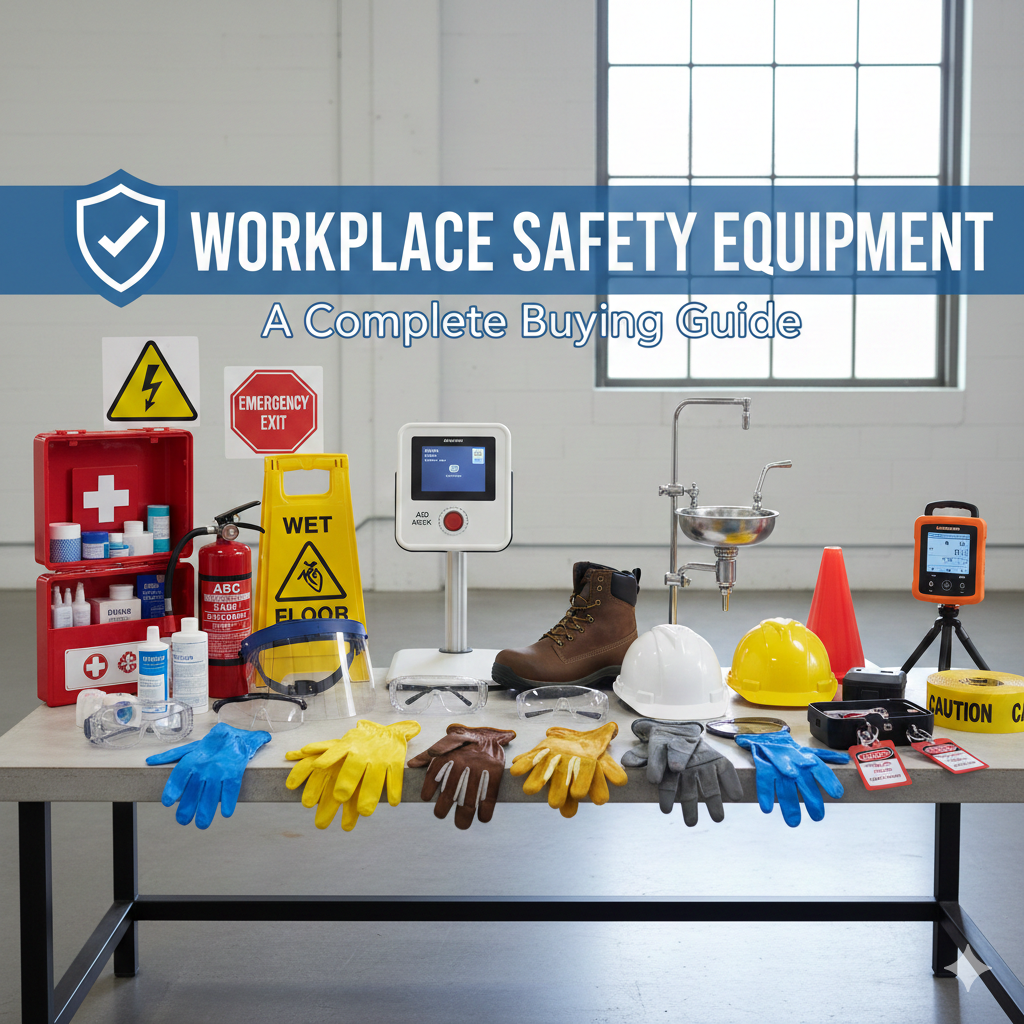
Ensuring safety at work is not just a legal requirement, it is a responsibility every employer and employee must take seriously. Workplace accidents can cause serious injuries, affect productivity, and even result in legal consequences. One of the most effective ways to minimize risks is by investing in the right workplace safety equipment. This guide provides a detailed overview of safety gear, helping you make informed decisions when buying protective equipment for your workplace.

Why Workplace Safety Equipment is Essential

Workplace safety equipment plays a vital role in protecting employees from hazards. Whether you work in construction, manufacturing, chemical industries, or offices, appropriate safety gear can prevent injuries such as cuts, burns, falls, and exposure to harmful substances. For example, helmets protect against head injuries, gloves prevent cuts and chemical burns, and safety shoes reduce the risk of foot injuries.

Beyond physical protection, using safety equipment also boosts morale and confidence among workers. Employees feel valued when employers prioritize their health and safety, which can improve productivity and reduce absenteeism.

Understanding Different Types of Workplace Safety Equipment

Safety equipment comes in various forms, designed to protect different parts of the body. Knowing the right type of equipment for your work environment is crucial. Here’s a breakdown of essential workplace safety gear:

1. Head Protection

Helmets and hard hats are essential in workplaces where there is a risk of falling objects or head injuries. Modern safety helmets are lightweight, durable, and often come with adjustable straps for comfort. Some helmets also feature visors to protect the eyes from dust, chemicals, or sparks.

When buying head protection, consider the material, comfort, and certification. Look for helmets that meet international safety standards to ensure reliable protection.

2. Eye and Face Protection

Eye injuries are common in many industries, especially those involving chemicals, welding, or woodworking. Safety goggles, face shields, and protective glasses can prevent accidents ranging from minor irritations to permanent vision damage.

Safety goggles should fit snugly, be scratch-resistant, and offer anti-fog features for long working hours. Face shields provide additional protection against chemical splashes and flying debris, making them ideal for laboratories and heavy industries.

3. Hearing Protection

Prolonged exposure to loud machinery can cause permanent hearing loss. Earplugs and earmuffs are essential workplace safety equipment in noisy environments.

Choose ear protection based on noise levels and duration of exposure. Some advanced earmuffs even come with communication features, allowing workers to interact without removing protective gear.

4. Respiratory Protection

Dust, fumes, and harmful gases are significant hazards in industries like construction, mining, and chemical manufacturing. Respirators and masks help prevent inhalation of dangerous particles.

When selecting respiratory equipment, consider the type of hazard, level of filtration, and comfort. High-quality masks with replaceable filters ensure long-term safety and better airflow.

5. Hand Protection

Hands are often exposed to sharp objects, chemicals, extreme temperatures, and machinery. Gloves designed for specific risks can prevent injuries and improve grip.

For chemical handling, choose gloves made of nitrile or rubber. Heat-resistant gloves are essential in kitchens, foundries, and metalworking industries. Cut-resistant gloves provide protection in construction and manufacturing settings.

6. Foot Protection

Workplace accidents affecting feet are common but often overlooked. Safety shoes and boots protect against heavy objects, punctures, slips, and electrical hazards.

When buying safety footwear, consider the sole material, toe protection (steel or composite), slip resistance, and comfort for long hours. Proper fitting is critical to prevent blisters and foot fatigue.

7. Body Protection

Work environments with risks like sparks, chemicals, or extreme weather require protective clothing. Lab coats, aprons, high-visibility jackets, and full-body suits help minimize exposure to hazards.

Materials and design matter. Flame-resistant clothing is necessary for welding or chemical plants, while reflective jackets are vital for construction sites or night shifts.

8. Fall Protection

Falls are among the leading causes of workplace injuries, particularly in construction and maintenance work. Harnesses, lanyards, and safety nets prevent fatal accidents.

Ensure fall protection equipment complies with safety regulations, fits well, and is regularly inspected for wear and tear. Proper training on how to use this equipment is also essential.

How to Choose the Right Workplace Safety Equipment

Buying the right safety gear requires careful consideration. Here are key factors to guide your purchasing decisions:

  1. Risk Assessment: Identify hazards in your workplace. Different industries require different safety solutions. Conducting a proper risk assessment helps determine what protective equipment is necessary.

  2. Compliance with Standards: Look for products that meet local and international safety standards. Certified equipment ensures reliability and legal compliance.

  3. Quality and Durability: High-quality safety gear may cost more upfront but saves money in the long run by providing better protection and lasting longer.

  4. Comfort and Fit: Employees are more likely to wear equipment consistently if it is comfortable. Adjustable straps, lightweight materials, and ergonomic designs improve compliance.

  5. Maintenance and Replacement: Safety gear requires regular inspection and replacement. Consider ease of maintenance and availability of spare parts before purchasing.

  6. Budget Considerations: While cost is important, do not compromise safety for savings. Investing in high-quality equipment reduces the risk of accidents and potential liabilities.

Tips for Maintaining Workplace Safety Equipment

Proper maintenance ensures safety equipment continues to function effectively. Here are practical tips:

  • Regular Inspection: Check for cracks, wear, or damage before use. Replace equipment immediately if defects are found.

  • Cleaning: Keep gear clean according to manufacturer instructions. Contaminated gloves or helmets can reduce protection.

  • Proper Storage: Store equipment in dry, ventilated areas to prevent corrosion or deformation.

  • Training Employees: Workers should know how to wear and use equipment correctly. Proper training reduces misuse and accidents.

Investing in Safety Pays Off

Some employers may view safety equipment as an added expense, but the benefits outweigh the costs. Accidents can lead to medical bills, legal fines, lost productivity, and reputational damage. By investing in workplace safety equipment, businesses create a safer environment, improve employee satisfaction, and enhance overall efficiency.

Future Trends in Workplace Safety Equipment

Safety technology is evolving rapidly. Smart helmets with sensors, wearable devices monitoring worker health, and advanced respirators with real-time air quality alerts are becoming more common. Staying updated on these innovations can help businesses improve safety standards and reduce risks further.

Conclusion

Choosing the right workplace safety equipment is crucial for protecting employees, complying with laws, and maintaining a productive work environment. From headgear and gloves to fall protection and respiratory equipment, every piece plays a role in minimizing hazards.

When buying safety gear, focus on quality, compliance, and comfort, and ensure proper maintenance and training. A proactive approach to workplace safety not only prevents accidents but also builds a culture of care and responsibility. Investing in safety today saves lives, reduces costs, and strengthens your business for the future.

Workplace safety is not optional, it’s essential. Equip your team with the right protective gear, and create a work environment where safety comes first.

Also Read:

Must-Have Safety Tools for Electricians and Technicians
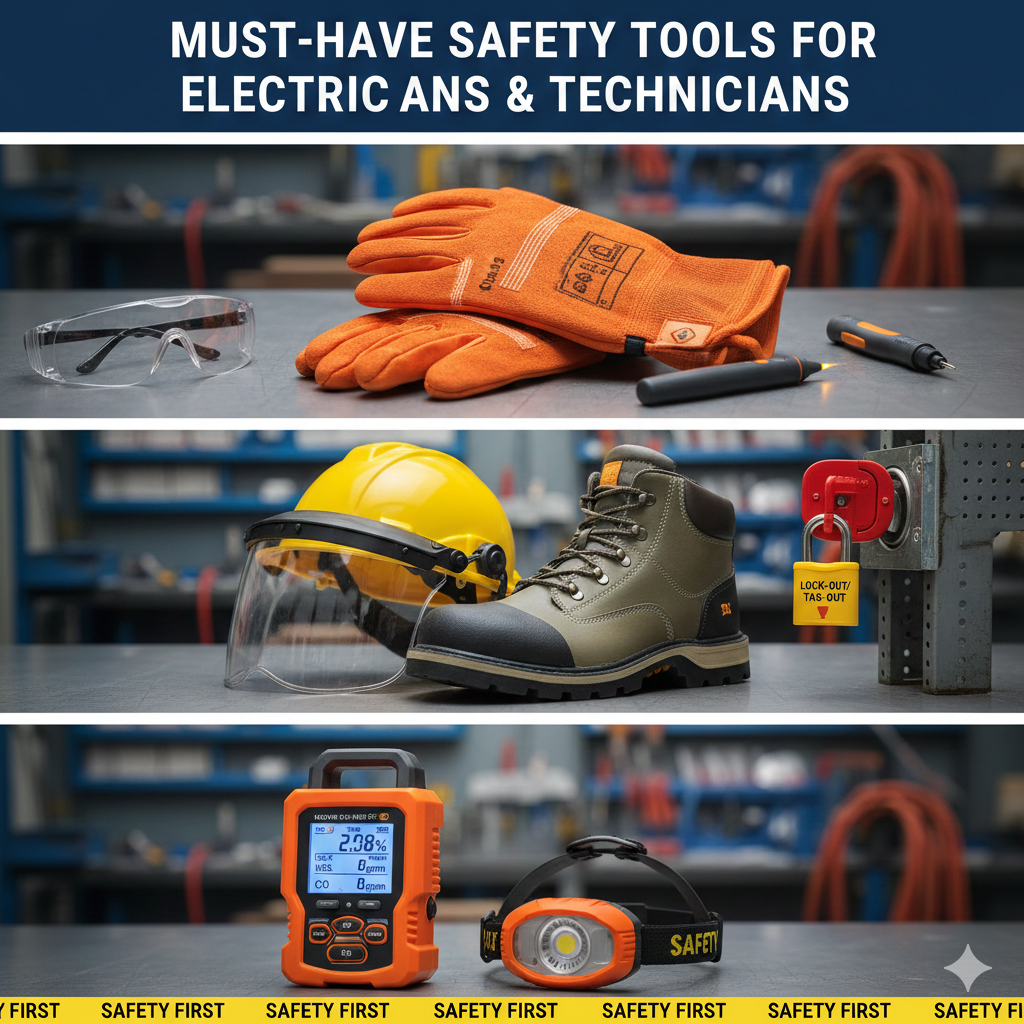
Working as an electrician or technician can be rewarding, but it comes with significant risks. Electricity is unpredictable, and even a small mistake can result in serious injuries or worse. That is why having the right safety tools is not just important—it is essential. Using proper safety gear protects professionals from accidents and ensures they can perform their tasks efficiently. In this article, we will explore the must-have safety tools for electricians and technicians, explaining why each tool is necessary and how to use it effectively.

1. Insulated Gloves

One of the most critical pieces of safety equipment for electricians is insulated gloves. These gloves are designed to protect against electric shocks while handling live wires or equipment. They are made from rubber or other insulating materials and are often tested for different voltage levels.

Electricians must always wear insulated gloves when working on live circuits, even if the power is supposed to be turned off. The gloves provide a layer of protection against accidental contact with live components. There are different classes of gloves, categorized by the voltage they can safely handle. For example, Class 0 gloves protect up to 1,000 volts, while Class 4 gloves can protect up to 36,000 volts. Choosing the correct class based on your work environment is crucial.

2. Safety Glasses and Face Shields

Eye protection is essential for electricians and technicians. Sparks, flying debris, and accidental splashes of chemicals or solder can cause severe eye injuries. Safety glasses or goggles made from shatterproof materials help prevent these accidents.

For tasks with higher risks, such as grinding, welding, or cutting, face shields provide full-face protection. These shields prevent burns and injuries to the eyes, face, and neck. Always ensure that your safety glasses or shields are rated for impact resistance and meet international safety standards.

3. Voltage Testers and Multimeters

Electricians cannot work safely without knowing the status of electrical circuits. Voltage testers and multimeters are essential tools for checking live wires and measuring electrical parameters such as voltage, current, and resistance.

A voltage tester is used to detect the presence of electricity without making direct contact with live wires. It provides a quick indication, reducing the risk of electric shocks. Multimeters, on the other hand, offer more detailed measurements and are invaluable for troubleshooting electrical systems. Using these tools properly can prevent accidents and ensure that circuits are de-energized before maintenance.

4. Insulated Tools

Screwdrivers, pliers, and wrenches used by electricians should always be insulated. Standard tools can conduct electricity, which increases the risk of shocks if they touch live parts. Insulated tools have handles covered with materials that prevent electrical conduction, keeping the user safe.

When selecting insulated tools, look for tools rated for the specific voltage you will encounter. High-quality insulated tools often have certification marks to indicate compliance with safety standards. Using these tools in combination with gloves provides double protection.

5. Protective Clothing

Electricians working in high-risk environments, such as industrial or construction sites, should wear protective clothing. Flame-resistant (FR) clothing is particularly important when working with high voltage or equipment prone to sparks and arcs.

FR shirts, pants, and jackets are made from materials that resist ignition and self-extinguish if they catch fire. Pairing protective clothing with gloves, helmets, and eye protection reduces the chances of severe burns or injuries. For technicians working outdoors, clothing with reflective strips can also improve visibility, enhancing safety in low-light conditions.

6. Safety Helmets and Hard Hats

Head protection is often overlooked, but it is vital for electricians and technicians working in construction sites or areas with overhead hazards. Safety helmets or hard hats protect against falling objects, accidental bumps, and electric shocks.

Some helmets are designed with non-conductive materials to provide protection against electricity. It is important to choose a helmet that fits properly and meets safety standards. Adjustable straps and chin straps ensure that the helmet stays secure during work, offering consistent protection.

7. Ear Protection

Electricians and technicians sometimes work in noisy environments, such as industrial plants or construction sites. Prolonged exposure to high-decibel noise can cause permanent hearing damage. Ear protection, including earplugs and earmuffs, helps prevent hearing loss.

Modern ear protection devices are designed to reduce noise while still allowing the user to hear important signals and conversations. Choosing the right type of ear protection based on your environment ensures comfort and safety.

8. Lockout/Tagout Devices

Lockout/tagout (LOTO) devices are essential for ensuring that electrical equipment is completely de-energized before maintenance or repair. These devices prevent accidental energization of circuits, which can lead to serious injuries or fatalities.

LOTO devices include locks, tags, and chains that isolate energy sources. Before starting work, the technician locks the power source in the “off” position and attaches a tag indicating that maintenance is in progress. This safety procedure is mandatory in many industrial settings and significantly reduces workplace accidents.

9. Fire Extinguishers

Electricians and technicians often work with electrical systems that can spark or overheat, creating a fire hazard. Having a fire extinguisher nearby is crucial for quick response in case of fire.

It is important to use the correct type of fire extinguisher for electrical fires, such as a Class C extinguisher. Water-based extinguishers are not suitable for electrical fires, as they can conduct electricity and worsen the situation. Training in the proper use of fire extinguishers is equally important to ensure quick and safe response during emergencies.

10. First Aid Kits

Even with the best safety equipment, accidents can happen. Having a well-stocked first aid kit nearby can make a significant difference in emergency situations. Kits should include bandages, antiseptics, burn treatment supplies, and emergency contact information.

Technicians should be trained in basic first aid, including how to treat electrical burns, cuts, and minor shocks. Quick intervention can prevent minor injuries from becoming severe and can save lives in critical situations.

11. Insulated Mats and Work Platforms

Working on live electrical panels or wet surfaces increases the risk of electric shock. Insulated mats and work platforms provide an extra layer of protection. These mats made from materials that prevent electrical conduction and should be used whenever there is a risk of contact with live circuits.

For technicians working on elevated platforms, ensuring that ladders and scaffolds insulated is equally important. This reduces the risk of shock and enhances overall safety during maintenance work.

12. Safety Signage and Barriers

Proper safety tools also include awareness measures. Safety signs, warning labels, and physical barriers help prevent accidental entry into hazardous areas. Clear signage indicating high-voltage zones or ongoing maintenance work informs other workers and visitors about potential risks.

Using barricades and warning tape around the work area ensures that only authorized personnel enter, reducing the chance of accidents. This is especially important in busy industrial or construction sites.

Conclusion

Safety is the most important aspect of electrical and technical work. Investing in the right safety tools for electricians and technicians is not optional—it is mandatory. From insulated gloves and tools to protective clothing, helmets, and fire safety equipment, each item plays a crucial role in preventing accidents and saving lives.

Regular inspection and maintenance of safety gear are equally important. Damaged or worn-out equipment can fail when it has needed most, putting the user at risk. Training and awareness, combined with high-quality safety tools, create a safe and efficient work environment for electricians and technicians.

By prioritizing safety and using the recommended tools, professionals can reduce workplace accidents, enhance productivity, and maintain confidence in performing complex electrical tasks. Whether you a seasoned electrician or a technician just starting your career, equipping yourself with these must-have safety tools ensures that every job has done safely and effectively.

Affordable Safety Equipment Suppliers in Pakistan: Ensuring Workplace Safety Without Breaking the Bank
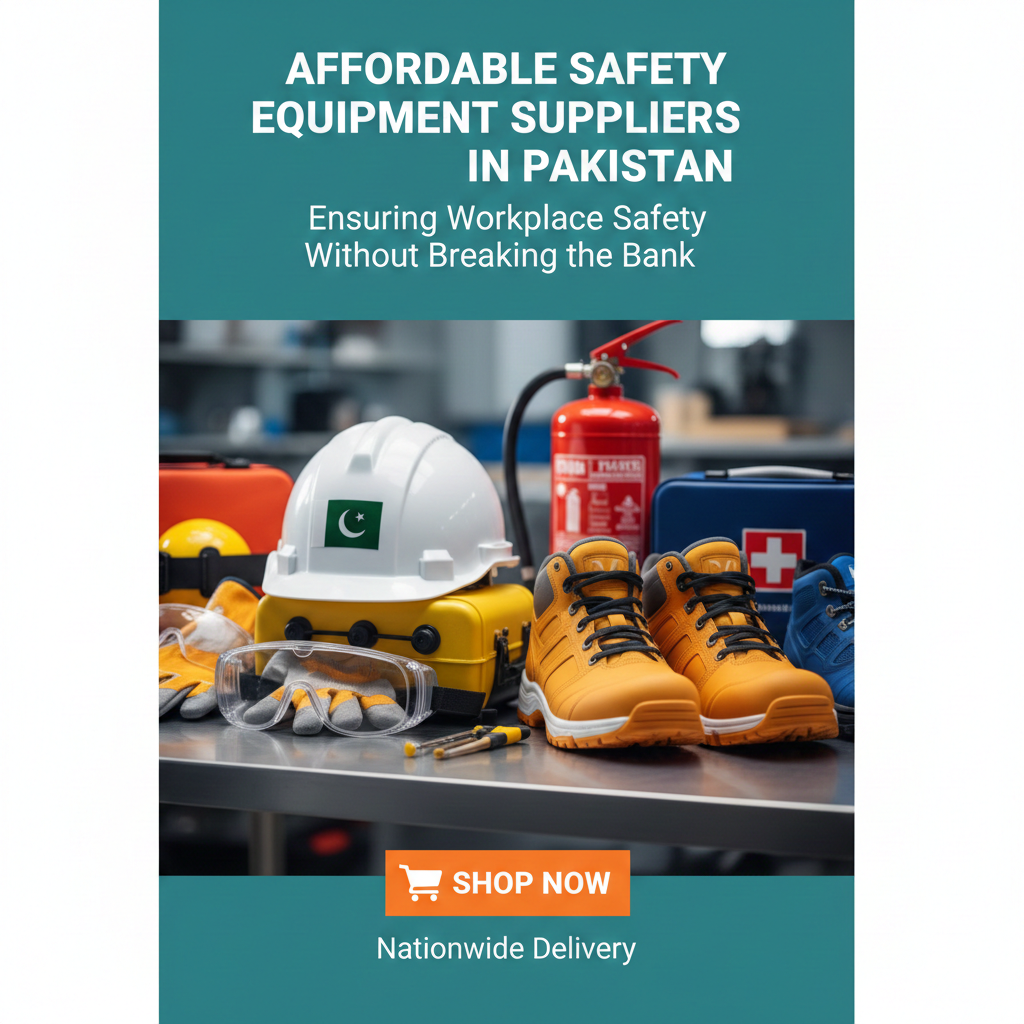
Workplace safety is a critical concern for businesses across Pakistan. From industrial factories and construction sites to hospitals and offices, having reliable safety equipment is essential to protect employees and minimize risks. However, the cost of high-quality safety gear can sometimes discourage businesses, especially small and medium-sized enterprises, from investing adequately. This is where affordable safety equipment suppliers in Pakistan play a crucial role, offering quality products at reasonable prices without compromising safety standards.

The Importance of Safety Equipment in Pakistan

Pakistan has seen rapid industrial growth in recent years, with more factories, construction projects, and service industries emerging across the country. Alongside this growth, workplace hazards such as fire, chemical exposure, slips, falls, and electrical accidents have become more prevalent. Safety equipment is not just a legal requirement under Pakistan’s labor laws; it is also a vital investment to protect human lives and maintain operational efficiency.

Using proper safety equipment reduces the likelihood of accidents, enhances employee confidence, and prevents costly downtime caused by workplace injuries. For example, fire safety equipment like extinguishers and smoke alarms can prevent small incidents from escalating into major disasters. Similarly, personal protective equipment (PPE) such as helmets, gloves, masks, and safety shoes is essential to safeguard workers in high-risk environments.

What to Look for in Affordable Safety Equipment Suppliers

Finding the right supplier is more than just comparing prices. Affordable safety equipment suppliers in Pakistan must balance cost-effectiveness with quality and compliance with safety standards. Here are key factors to consider:

  1. Quality Certification: Ensure the supplier provides products certified by relevant safety standards such as ISO or local regulatory authorities. Cheap but substandard equipment can fail during emergencies, making it a false economy.

  2. Product Range: A reliable supplier should offer a comprehensive range of safety equipment, including fire extinguishers, alarms, PPE, first-aid kits, signage, and emergency lighting. Having a single supplier for multiple products simplifies procurement and maintenance.

  3. Customization and Consultation: Some suppliers provide on-site assessments to recommend the most suitable safety solutions. This is particularly helpful for industries with unique risks, like chemical plants or large-scale construction sites.

  4. After-Sales Support: Safety equipment requires regular maintenance, such as servicing fire extinguishers and replacing expired protective gear. Suppliers offering training and maintenance services add significant value to your purchase.

Popular Types of Affordable Safety Equipment in Pakistan

Affordable safety equipment doesn’t mean compromising on essential protection. Many suppliers in Pakistan provide cost-effective yet reliable products across various categories:

1. Fire Safety Equipment
Fire hazards remain one of the most significant risks in workplaces. Fire extinguishers, smoke detectors, fire blankets, and emergency exit signs are crucial. Suppliers often offer affordable fire safety kits suitable for offices, factories, and residential buildings. Modern suppliers also provide ABC-type extinguishers, suitable for different fire types, ensuring comprehensive protection.

2. Personal Protective Equipment (PPE)
PPE is essential in industries where workers face physical, chemical, or biological hazards. Suppliers in Pakistan offer affordable options for helmets, gloves, protective eyewear, masks, and safety shoes. High-quality PPE is durable, comfortable, and compliant with safety regulations, making it a worthwhile investment.

3. First-Aid and Medical Supplies
Emergencies can happen anytime, and having a well-stocked first-aid kit is critical. Suppliers provide ready-to-use first-aid boxes with bandages, antiseptics, gloves, scissors, and emergency medications. Affordable kits for small businesses are also available without compromising essential medical supplies.

4. Safety Signage and Communication Tools
Clear safety signage, including hazard signs, exit directions, and warning labels, is vital for preventing accidents. Affordable suppliers in Pakistan produce durable, visible, and easy-to-install signs suitable for both indoor and outdoor use. Emergency communication tools like alarms and intercoms are also offered at reasonable prices.

Top Affordable Safety Equipment Suppliers in Pakistan

Several suppliers have gained recognition for providing high-quality products at competitive prices. These suppliers often cater to a wide range of industries, ensuring compliance with safety regulations and offering tailored solutions. Notable suppliers include those in Karachi, Lahore, Islamabad, and Faisalabad, where industrial and commercial hubs are concentrated.

1. Local Distributors and Manufacturers
Many Pakistani manufacturers produce safety equipment domestically, reducing costs associated with imports. Local distributors often provide customized solutions and bulk pricing for industries. Buying locally not only saves money but also ensures faster delivery and easier access to maintenance services.

2. Online Safety Equipment Stores
The rise of e-commerce has made it easier to source affordable safety equipment. Online stores offer competitive prices, product reviews, and home delivery options. This is particularly useful for small businesses and startups that may not have direct access to physical suppliers.

3. Industrial Safety Consultants
Some suppliers combine product sales with consultancy services, conducting risk assessments and suggesting the most cost-effective solutions. This approach ensures that businesses invest only in necessary equipment, optimizing their budget without compromising safety.

Tips to Choose the Right Supplier Without Overspending

When searching for affordable safety equipment suppliers in Pakistan, keep these practical tips in mind:

  • Compare prices across multiple suppliers, but always check product certifications.

  • Read customer reviews to gauge product reliability and after-sales support.

  • Ask for product demonstrations or samples, especially for PPE and fire safety equipment.

  • Consider long-term costs, such as maintenance and replacement, not just initial purchase price.

  • Negotiate bulk orders for industrial equipment to receive discounts.

Balancing Cost and Safety: Why Affordable Doesn’t Mean Compromise

Many businesses hesitate to invest in safety equipment due to cost concerns. However, cutting corners on safety can lead to severe consequences, including injuries, legal penalties, and reputational damage. Affordable safety equipment suppliers in Pakistan offer a middle ground, providing certified, reliable products that fit within tight budgets.

By choosing the right supplier, businesses can ensure comprehensive safety coverage without straining finances. For example, a construction company can buy a combination of helmets, gloves, harnesses, and first-aid kits from a single supplier at discounted rates, ensuring full compliance with safety standards.

The Future of Safety Equipment in Pakistan

As industries in Pakistan continue to grow, the demand for affordable, high-quality safety equipment is expected to rise. Suppliers are increasingly focusing on innovation, offering products that are not only cost-effective but also technologically advanced. Features like smart fire alarms, ergonomic PPE, and digital maintenance tracking are becoming more common, even in budget-friendly options.

Moreover, government regulations and workplace safety initiatives are encouraging businesses to adopt better safety practices. Companies that invest in proper safety equipment not only protect their employees but also improve productivity, reduce insurance costs, and build a strong reputation in the market.

Conclusion

Affordable safety equipment suppliers in Pakistan play a vital role in ensuring workplace safety across industries. By offering certified, reliable products at reasonable prices, these suppliers help businesses protect their employees, comply with legal requirements, and maintain operational efficiency.

Choosing the right supplier requires careful consideration of quality, product range, after-sales support, and cost-effectiveness. Whether it is fire safety equipment, personal protective gear, first-aid supplies, or safety signage, Pakistan offers multiple options that cater to diverse business needs without compromising on safety standards.

Investing in affordable safety equipment is not just about meeting legal obligations; it is about valuing human life, enhancing employee confidence, and safeguarding the future of your business. By partnering with trusted suppliers, Pakistani businesses can achieve a safer, more secure, and more productive workplace.

Also Read: 

Top Fire Fighting Companies in Karachi, Lahore & Islamabad (2025 Update)
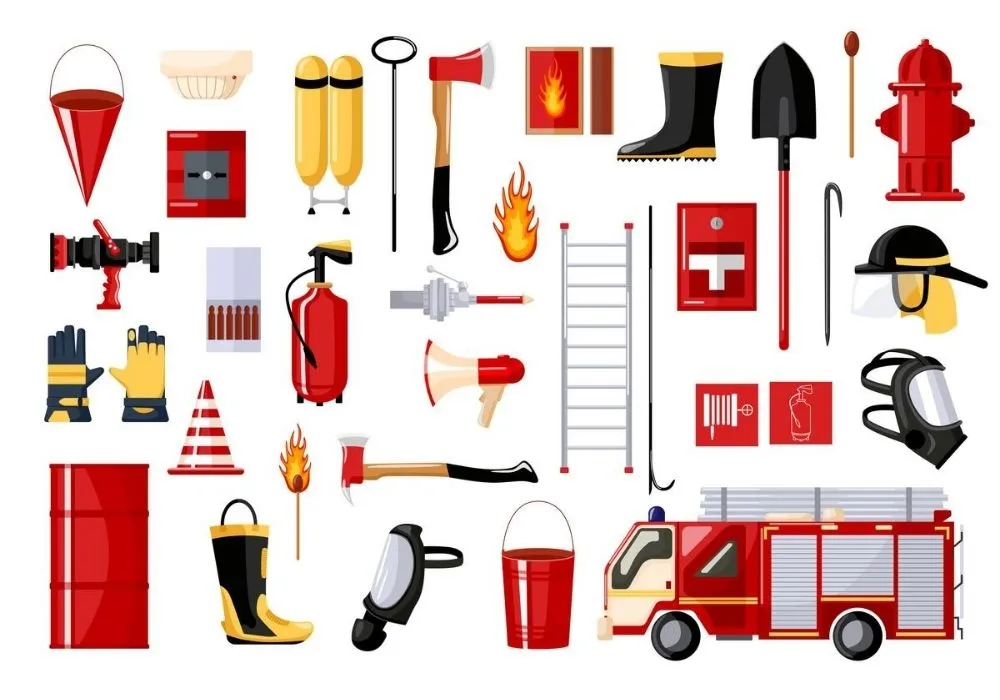
Fire safety is one of the most essential aspects of protecting life and property in any building whether residential, commercial, or industrial. In Pakistan, especially in major cities like Karachi, Lahore, and Islamabad, the demand for reliable fire-fighting systems has grown significantly. With stricter safety laws and an increase in high-rise structures, companies are investing more in fire alarms, extinguishers, sprinklers, and suppression systems.

If you’re looking for the best fire-fighting companies in Pakistan, this guide lists the top firms known for their quality products, certified installations, and professional maintenance services.

  1. Skipper Fire Safety (Karachi, Lahore, Islamabad)

Skipper Fire Safety is one of Pakistan’s most trusted fire protection companies, known for its high-quality extinguishers, alarm systems, and fire suppression solutions. The company also offers installation, maintenance, and annual inspection services across Pakistan.

Services: Fire extinguishers, fire alarm systems, emergency lights, smoke detectors, fire pumps, and training.
Specialty: Complete turnkey fire protection systems for industries and high-rise buildings.
Head Office: Karachi
Approx. Price Range: PKR 6,000 – PKR 300,000 (depending on equipment type)

  1. Naffco Pakistan (Islamabad, Lahore, Karachi)

Naffco is a globally recognized fire safety brand that operates actively in Pakistan. It offers international-standard products and complete fire-fighting solutions, including design, supply, and maintenance.

Services: Fire detection systems, firefighting vehicles, suppression systems, and safety training.
Specialty: NFPA-certified and ISO-approved fire protection equipment.
Head Office: Islamabad

  1. FireTech Engineering (Lahore)

FireTech Engineering provides professional fire protection services for factories, offices, and residential complexes. They are known for their quick response and strong technical expertise.

Services: Fire alarms, suppression systems, fire extinguishers, and water sprinklers.
Specialty: Design and maintenance of automated fire systems.
Location: Lahore

  1. CFE Fire Safety (Karachi)

CFE Fire Safety is one of Karachi’s leading companies in the field of fire protection and safety equipment. It caters to both industrial and commercial clients.

Services: Fire detection, gas suppression, alarm installation, and maintenance.
Specialty: Custom-engineered systems for oil, gas, and manufacturing sectors.
Location: Karachi

  1. SafePro Fire Protection (Islamabad)

SafePro has earned a solid reputation in Islamabad for providing top-tier fire suppression systems and safety training. Their team includes certified engineers and safety consultants.

Services: Fire suppression, extinguishers, training, and inspection services.
Specialty: Fire risk assessment and safety audits.
Location: Islamabad

  1. Hi-Tech Fire & Safety Solutions (Lahore)

Hi-Tech Fire offers a wide range of safety solutions, from portable fire extinguishers to advanced detection systems. The company works with corporate clients and government institutions.

Services: Fire alarm systems, extinguishers, and smoke control systems.
Specialty: Fire safety consultancy and system integration.
Location: Lahore

  1. Premier Fire Systems (Karachi)

Premier Fire Systems provides fire alarms, detection systems, and maintenance contracts for industrial and commercial clients. Their equipment meets international safety standards.

Services: Fire extinguishers, alarm systems, and emergency lighting solutions.
Specialty: Cost-effective safety systems for SMEs and large-scale facilities.
Location: Karachi

  1. Pak Fire Engineering (Rawalpindi / Islamabad)

Pak Fire Engineering is an established name in the twin cities. It provides complete system design, installation, and maintenance for both residential and commercial projects.

Services: Fire alarm systems, extinguishers, hydrant systems, and gas detection.
Specialty: AMC (Annual Maintenance Contracts) and compliance testing.
Location: Rawalpindi / Islamabad

  1. FireLine Safety (Lahore)

FireLine Safety is known for offering modern fire safety products with competitive pricing. Their team ensures proper installation and timely inspections.

Services: Fire extinguishers, alarm systems, safety signs, and hydrants.
Specialty: Compliance solutions for buildings under safety audits.
Location: Lahore

  1. FireShield Pakistan (Karachi)

FireShield specializes in the design and implementation of customized fire detection systems. They focus on modern technology and offer integrated control systems.

Services: Fire suppression, sprinklers, alarms, and monitoring systems.
Specialty: Industrial-grade fire systems with advanced monitoring technology.
Location: Karachi

Why Fire Safety Companies Matter

Choosing a certified and reliable fire-fighting company is vital for ensuring complete protection from fire hazards. These companies not only supply products but also provide inspection, maintenance, and training services to help you comply with Pakistan’s safety standards.

Whether you are constructing a new facility or upgrading an existing one, investing in a trusted fire safety partner can prevent financial losses and save lives.

Final Thoughts

With the rise in industrial and commercial development, fire safety awareness in Pakistan is more important than ever. From Karachi’s corporate towers to Lahore’s factories and Islamabad’s housing projects, every city now demands reliable fire protection systems.

The companies listed above are the best in the business for 2025 offering certified products, professional services, and peace of mind. Always check the company’s certifications, after-sales service, and maintenance packages before making a final decision.

Leading Fire-Safety Equipment Suppliers in Pakistan
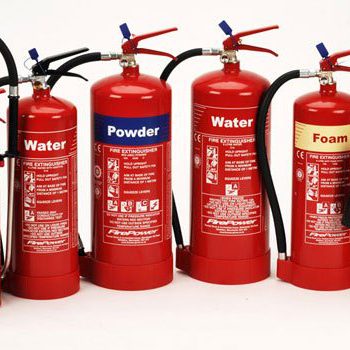
When you are buying fire-safety equipment such as fire extinguishers, alarms, hydrants or suppression systems choosing a trusted supplier is key. In Pakistan, several companies stand out for their quality, service and nationwide support. Below are some of the top names you should know about.

  1. H.S. Ahmed Ally & Co.

This Karachi-based engineering firm has earned a strong reputation since its founding. They import and distribute certified fire-fighting equipment, fire-rated doors and cabinets, and they manage installation and maintenance for large commercial and industrial sites.
Best for: Complex projects needing engineered fire-safety systems and heavy equipment.

  1. FIKCO Fire Safety Solutions

Located in Lahore, FIKCO manufactures fire pumps, hydrants, valves, and other essential fire-fighting hardware. They serve industries, factories, textile mills and large scale facilities across Pakistan.
Best for: Industrial clients needing strong equipment supply and cost-effective solutions.

  1. Abdullah Fire Protection

Based in Lahore with national reach, Abdullah Fire Protection offers a full range of fire-safety solutions: fire extinguishers (all types), alarms, detection systems, hydrants, suppression systems and refilling services.
Best for: Commercial buildings, high-rise developments and clients who want complete fire-safety setups.

  1. NAFFSCO (Fire Rescue Safety Equipment)

Operating from Lahore with branches or outreach in other cities, NAFFSCO supplies firefighting and rescue equipment. They specialise in fire extinguishers, fire hydrant systems, and related support services.
Best for: Rescue-safety-heavy needs, factories, and multi-site operations.

  1. Anti Fire Systems (AFS)

Based in Islamabad, this company offers supply, installation and after-sales services for extinguishers, fire alarms, hydrants and PPE. They emphasise compliance, rapid response and maintenance.
Best for: Offices, schools, property managers who need ongoing maintenance and support.

  1. Universal Fire Protection (Pvt.) Ltd.

With a strong presence in Rawalpindi, Karachi, Lahore and other cities, this firm provides import, supply, refilling and maintenance of fire-safety equipment. They cater to large corporations, hospitals and institutions.
Best for: Organizations needing certified equipment + full servicing contracts.

  1. Fire Safety Trading (Pvt) Ltd

Operating regionally (e.g., Rawalpindi area), this supplier is known for providing fire-fighting equipment, refills, inspections and affordable options. They serve smaller clients as well as mid-size commercial sites.
Best for: Smaller businesses, regional offices, clients needing cost-effective equipment and service.

What to Check When Choosing a Fire-Safety Equipment Supplier

Here are some practical criteria to use when evaluating a supplier:

  • Certification & Standards: Make sure the equipment is certified (NFPA, UL or equivalent) and meets Pakistani building/fire-safety codes.
  • Breadth of Supply: Good suppliers cover portable extinguishers, fixed systems (hydrants, sprinklers), alarms, detection systems, protective gear (PPE) and maintenance.
  • Installation & After-Sales Service: A supplier should offer installation, testing, commissioning and yearly inspections rather than just selling the hardware.
  • Refilling & Maintenance Contracts: Extinguishers need periodic servicing. Firms offering refills and AMCs (annual maintenance contracts) are more reliable.
  • Nationwide or Regional Presence: If you’re operating in multiple cities, a supplier with broader reach will respond better.
  • Project Experience & Client Feedback: Check past projects similar to yours—factories, high-rises, offices. Reviews matter.
  • Transparent Pricing & Documentation: Ensure you get detailed quotes, specification sheets, compliance certificates and warranty information. 

Why This Matters in Pakistan in 2025

With increasing construction of commercial towers, industrial plants and residential complexes, fire safety has moved from a “nice-to-have” to a mandatory requirement. Regulators and insurers expect proper systems, equipment and documentation. Poor or counterfeit equipment is a risk. Using a leading, verified supplier gives you peace of mind, compliance, and real protection.

Final Thoughts

If you’re planning a fire-safety project or upgrading your existing systems, working with one of the brands mentioned above will give you a strong starting point. Match your chosen supplier with your site size, equipment needs, budget and service expectation. For best results, get at least two quotes, review their service contracts, ask for case studies, and make sure your asset stays well-protected.

Best Fire Protection and Fire Extinguisher Companies in Pakistan (2025)
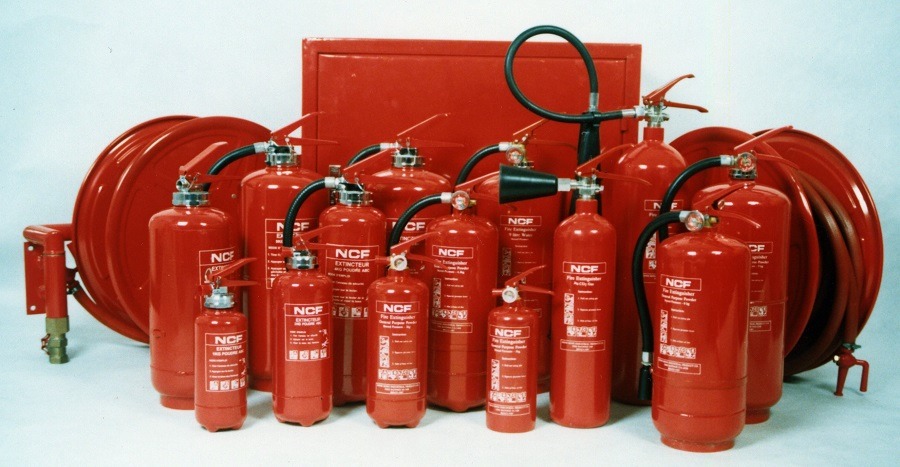
Fire safety has become one of the most important concerns for businesses, homes, and industries in Pakistan. With the growing number of fire incidents in residential and commercial areas, awareness about fire protection systems has increased significantly. Today, several companies across Pakistan specialize in fire extinguishers, fire alarm systems, hydrant networks, and emergency response setups.

Whether you run a factory, manage an office, or own a residential building, choosing the right fire protection company can make all the difference in preventing disasters. Below is the updated list of the best fire safety and extinguisher companies in Pakistan for 2025.

  1. Abdullah Fire Protection

Abdullah Fire Protection is one of the oldest and most trusted fire safety companies in Pakistan. Headquartered in Lahore, it provides a complete range of services, including fire extinguishers, fire alarms, sprinklers, smoke detectors, and emergency response equipment.

The company is known for its fast installation services, reliable maintenance contracts, and nationwide coverage. They also offer refilling and testing for DCP, CO₂, foam, and wet chemical fire extinguishers.

Best For: Comprehensive fire safety setups and maintenance services for corporate and industrial clients.

  1. Anti Fire Systems (AFS)

Based in Islamabad, Anti Fire Systems (AFS) provides advanced firefighting solutions with a focus on training and compliance. The company supplies all types of fire extinguishers, smoke detection systems, and fire hydrant installations.

They also conduct on-site safety audits and employee fire training sessions, ensuring that organizations meet Pakistan’s fire safety standards. Their services are well-recognized by both government and private sectors.

Best For: Turnkey fire safety projects with professional training and safety compliance support.

  1. Universal Fire Protection Company (Pvt.) Ltd.

Universal Fire Protection Company has earned a solid reputation for supplying and maintaining international-standard fire safety equipment. With branches in Rawalpindi and Karachi, they offer a wide range of products such as extinguishers, hoses, alarms, and fire pumps.

They also provide refilling and testing services, ensuring that all equipment stays in working condition throughout the year. Their after-sales support and technical team make them a preferred choice for businesses and factories.

Best For: Long-term maintenance contracts and certified firefighting equipment.

  1. H.S. Ahmed Ally & Co.

H.S. Ahmed Ally is a Karachi-based engineering firm specializing in the design and installation of complete fire safety systems. They work with leading construction companies, industrial plants, and housing developers.

Their services include fire-rated doors, sprinkler systems, gas suppression systems, and smoke ventilation setups. With decades of industry experience, they combine engineering precision with safety compliance.

Best For: Large-scale industrial and commercial projects needing engineered fire protection systems.

  1. FIKCO Fire Safety Solutions

FIKCO Fire Safety Solutions is a Lahore-based manufacturer and supplier of firefighting and safety equipment. The company produces its own fire pumps, hydrants, valves, and hose reels, along with portable extinguishers.

FIKCO is known for offering affordable yet durable equipment, especially for factories and warehouses that need custom-designed fire systems. They also provide complete system design and installation services.

Best For: Industrial and warehouse clients looking for cost-effective fire protection products.

  1. Fire Safety House

Fire Safety House has grown quickly as a reliable name in Karachi’s fire protection industry. They specialize in supplying CO₂, foam, and powder extinguishers, as well as fire alarm systems and hydrant accessories.

They are also well-known for their refilling and re-certification services. Their customer support team provides quick assistance for businesses needing urgent replacements or inspections.

Best For: Quick-response extinguisher supply and refilling services.

  1. National Fire Protection (NFP)

National Fire Protection operates across major cities in Pakistan, including Lahore, Karachi, and Islamabad. Their services include full fire suppression systems, alarms, and consultancy for safety compliance.

The company offers both manual and automatic firefighting systems designed for offices, factories, and residential buildings. NFP’s focus on using certified international brands makes it a trusted name in the market.

Best For: Commercial and residential buildings seeking automatic fire detection systems.

  1. Fire Experts Pakistan

Fire Experts Pakistan focuses on innovative and intelligent fire detection solutions. They install addressable fire alarm systems, water mist systems, and emergency lighting for hospitals, schools, and high-rise buildings.

Their expertise lies in system integration combining alarms, sprinklers, and monitoring systems into a single connected network for real-time alerts.

Best For: Smart and automated fire detection systems for modern buildings.

  1. Safe Zone Fire Protection

Safe Zone Fire Protection operates from Islamabad and provides complete firefighting solutions, from design to after-sale service. They offer training for staff and ensure compliance with local building codes.

Their product range includes extinguishers, fire blankets, detectors, and emergency exit systems. They also have partnerships with several construction firms for integrated fire safety solutions.

Best For: Builders and developers requiring certified installation services.

  1. FireTech Pakistan

FireTech Pakistan is a modern fire protection company that combines technology with safety. Their expertise includes digital alarm systems, wireless detectors, and automated extinguishing units.

They also supply safety signage, PPE, and emergency lighting solutions. FireTech is known for its reliable maintenance services and customer-oriented approach.

Best For: Technology-driven organizations looking for smart safety systems.

Why Fire Protection Matters in 2025

In Pakistan, fire safety has become an essential part of building management. From high-rise offices in Karachi to manufacturing units in Faisalabad, the risk of electrical or chemical fires is ever-present. Choosing a certified company ensures that your property and people remain protected.

Always look for:

  • Certified extinguishers (ISO, PSQCA, NFPA)

  • Proper installation and maintenance plans

  • On-site training and emergency drills

  • 24/7 customer support for refilling and inspection

A well-installed fire system can prevent loss of life, reduce property damage, and ensure compliance with government safety standards.

Final Thoughts

Fire protection isn’t just about meeting regulations, it’s about saving lives and securing investments. The companies listed above have proven their expertise in providing reliable, efficient, and certified fire safety solutions throughout Pakistan.

Whether you’re setting up a new office or upgrading your factory’s safety system, investing in a reputable fire safety provider is one of the smartest decisions you can make in 2025.

Top 10 Fire Safety Companies in Pakistan (2026 Updated List)
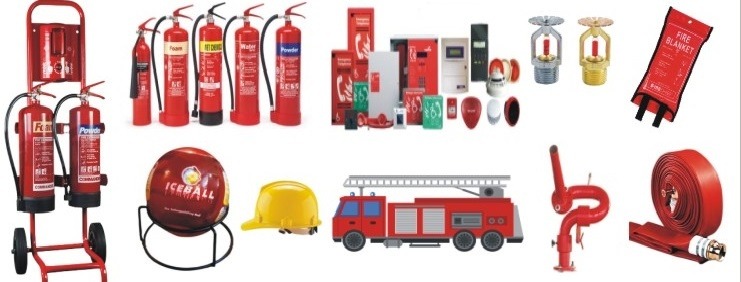
Fire safety is one of the most important needs for homes, offices, factories, and industrial areas in Pakistan. Whether it’s installing fire alarms, extinguishers, hydrant systems, or complete fire suppression setups, choosing the right company ensures safety, reliability, and compliance with national standards.

Below is the updated list of Top 10 Fire Safety Companies in Pakistan for 2026, selected based on their experience, client satisfaction, product quality, and nationwide presence.
  1. Abdullah Fire Protection

Overview:
Based in Lahore, Abdullah Fire Protection has been operating since 2004. It offers complete fire-fighting and fire-protection services across Pakistan. The company specialises in system design, installation, maintenance, and equipment supply for commercial, industrial, and residential clients.

Why Choose Them:
Strong project experience, high-quality equipment, and full turnkey fire-protection solutions.

  1. FIKCO Fire Safety Solutions

Overview:
FIKCO is a well-known Lahore-based manufacturer and supplier of fire-fighting equipment, including fire pumps, hydrants, valves, and fire hoses. The company focuses on durable and affordable safety systems for large industrial facilities.

Best For:
Factories, textile units, and warehouses needing large-scale installations.

  1. Anti Fire Systems (AFS)

Overview:
Anti Fire Systems provides end-to-end safety services, including fire extinguishers, alarm systems, smoke detectors, hydrant networks, and PPE. It is known for its professional installation and 24/7 customer support.

Best For:
Businesses looking for full service — supply, installation, and maintenance under one roof.

  1. Master Fire Safety

Overview:
Master Fire Safety has earned a strong reputation in Rawalpindi and Islamabad for delivering premium-grade fire-fighting systems. Their services include installation of hydrants, fire alarms, CCTV integration, and safety equipment supply.

Best For:
Corporate offices, hospitals, and government buildings.

  1. Safety First

Overview:
Safety First offers comprehensive safety and fire-protection solutions, including industrial safety signs, alarms, and emergency evacuation training. The company promotes workplace safety awareness alongside equipment supply.

Best For:
Factories, schools, and industrial zones needing safety signage and training.

  1. Universal Fire Protection Co. (Pvt) Ltd

Overview:
Operating for over two decades, Universal Fire Protection provides import, supply, and installation of certified fire-fighting and safety products. They also handle annual maintenance contracts and refilling services across Pakistan.

Best For:
Large corporations and public sector projects needing consistent after-sales service.

  1. H.S. Ahmed Ally

Overview:
H.S. Ahmed Ally is a Karachi-based engineering firm specialising in fire-fighting system design, fire-rated doors, cabinets, and safety audits. They are known for precision and custom fabrication.

Best For:
High-end projects requiring certified fire doors and complex system integration.

  1. Adams Fire Tech (Pvt) Ltd

Overview:
Adams Fire Tech operates from Islamabad with branches in major cities. The company delivers complete fire and safety solutions, including design, installation, inspection, and testing. They deal in global brands and comply with international standards.

Best For:
Commercial and industrial complexes requiring certified systems and modern safety tech.

  1. Fire Safety Trading (Pvt) Ltd

Overview:
Fire Safety Trading provides imported fire-fighting equipment, alarm systems, and fire-extinguisher refills. They also offer fire-safety consultation and project management services.

Best For:
Medium-sized businesses and regional projects needing budget-friendly fire solutions.

  1. Adams Fire & Safety Engineering

Overview:
Adams Fire & Safety Engineering focuses on industrial and commercial fire-safety projects, providing advanced suppression systems, detection units, and safety audits. They ensure compliance with both local and international standards.

Best For:
Industrial units and high-rise buildings seeking comprehensive safety planning.

What to Look For When Choosing a Fire-Safety Company

When selecting a fire-safety partner, always consider:

  • Certifications & Standards: Ensure the company uses NFPA, UL, or other approved systems.
  • Comprehensive Services: Design, installation, testing, and maintenance should all be offered.
  • After-Sales Support: Reliable maintenance contracts and refill services are crucial.
  • Experience & Reputation: Choose a company with a strong portfolio and client feedback.
  • Training & Awareness: Staff safety training and evacuation drills are key to effective safety culture. 

🇵🇰 Fire Safety in Pakistan: Why It Matters More Than Ever

With Pakistan’s rapid urban development and industrial growth, fire safety has become a national priority. Government regulations now require certified fire-protection systems in most commercial and residential buildings. Partnering with a trusted fire-safety company ensures compliance, protection, and peace of mind.

Remember, fire prevention is always better than fire control. A reliable system and trained team can save both lives and property.

Final Thoughts

The fire-safety companies listed above are Pakistan’s most reputable names in 2026. Whether you need complete system installation, regular maintenance, or just expert consultation, these firms can provide the protection your property needs. Don’t wait for an incident — invest in fire safety today for a secure tomorrow.


Also Read: 

Top 10 Fire Safety Companies in Pakistan

Fire safety is one of the most essential yet often overlooked sectors in Pakistan’s growing industrial and commercial landscape. From residential buildings and shopping malls to manufacturing plants and oil refineries, the need for reliable fire protection systems has never been greater. As cities expand and infrastructure develops, so do the risks associated with fire hazards making the fire safety industry a vital pillar of national safety and business sustainability.

Over the past decade, Pakistan has seen a steady rise in fire-related incidents across urban areas such as Karachi, Lahore, and Islamabad. These accidents have resulted in significant property damage, injuries, and even loss of life often due to inadequate safety systems, outdated equipment, or lack of awareness. This growing concern has encouraged stricter enforcement of safety regulations and created new opportunities for fire protection companies in Pakistan to provide world-class solutions.

Understanding the Scope of the Fire Safety Industry

The fire safety industry in Pakistan covers a wide range of services and products designed to prevent, detect, and control fire hazards. These include:

  • Fire alarm systems and detectors
  • Fire extinguishers and suppression systems
  • Sprinkler installations
  • Emergency lighting and signage
  • Safety training and evacuation planning

From designing comprehensive fire protection plans to supplying certified equipment, companies in this sector play an essential role in safeguarding lives and assets.

In major cities, several well-established local firms such as Haseen Habib Corporation, Allied Fire Protection, and Firetech compete alongside international brands that distribute through local partners. These businesses supply products that meet international safety standards such as NFPA (National Fire Protection Association), BS (British Standards), and ISO 9001 certifications.

The Importance of Fire Safety Compliance

In Pakistan, fire safety compliance has gradually become a legal and moral necessity. Government authorities such as the Civil Defence Department, Building Control Authorities, and Rescue 1122 are now enforcing stricter building codes. Industrial zones, schools, hospitals, and offices are increasingly required to install certified fire detection and protection systems.

Compliance ensures not only safety but also business continuity. A single fire incident can disrupt operations, destroy records, and tarnish reputation. Hence, companies are investing more in professional fire safety audits, equipment maintenance, and staff training to reduce risk.

Modern businesses now understand that investing in fire protection is not an expense it’s a form of insurance for their people and property.

Growth and Market Trends

The fire protection industry in Pakistan is expanding at an impressive pace. Analysts estimate that the market for fire and safety products is growing by 10–15% annually, driven by urban development, industrial expansion, and awareness campaigns.

Several factors contribute to this growth:

  • Rapid urbanisation: More high-rise buildings require automatic detection and suppression systems.
  • Government enforcement: Building by-laws now require certified fire safety systems.
  • Corporate social responsibility (CSR): Companies are prioritising employee safety.
  • Insurance incentives: Many insurers offer lower premiums to businesses with advanced fire protection systems.
  • Technology adoption: Smart alarm systems, wireless detectors, and IoT monitoring are being introduced by local firms.

This progress shows that Pakistan’s fire safety sector is moving closer to international standards and the demand for trained professionals and certified products is increasing every year.

Challenges Facing the Industry

Despite positive growth, the fire safety sector still faces significant challenges:

  • Lack of public awareness: Many small businesses and residential buildings still neglect basic safety equipment.
  • Counterfeit products: Low-quality fire extinguishers and uncertified systems flood the market.
  • Limited skilled workforce: There is a shortage of trained technicians and safety inspectors.
  • Inconsistent enforcement: Some areas still lack proper regulatory implementation.
  • Maintenance gaps: Many systems, once installed, are not regularly inspected or serviced.

Overcoming these challenges requires collaboration between the private sector, government, and safety training institutions.

The Role of Fire Safety Companies

Local fire safety companies in Pakistan have become the backbone of prevention and protection. They not only sell equipment but also offer installation, maintenance, and consultancy services.

Leading firms such as Haseen Habib Corporation, Allied Fire Protection, and Firex distributors have set benchmarks for quality and reliability. These companies ensure their systems meet both Pakistani and international safety standards, helping clients comply with building codes and insurance requirements.

Their services cover a range of areas, including:

  • Site risk assessment
  • Fire system design and layout
  • Installation and commissioning
  • Fire safety audits
  • Emergency evacuation training

Through these services, they protect thousands of workplaces, factories, and institutions across the country.

A Growing Culture of Safety

Pakistan’s safety culture is gradually evolving. Educational institutions, public offices, and residential complexes are becoming more proactive about fire safety. NGOs and government campaigns are spreading awareness about prevention, while private firms are driving innovation in detection and suppression technology.

This shift signals a brighter, safer future where fire protection is not an afterthought but a core part of every building’s design.

The fire safety industry in Pakistan is growing stronger every year, driven by awareness, legislation, and innovation. It has transformed from a niche market into a vital sector supporting national safety and development.

As we move forward, the role of professional, certified companies becomes even more critical. In the following sections, we’ll explore Pakistan’s leading fire protection companies, including their history, expertise, and how they’re shaping the country’s safety landscape.

Who Is the Biggest Fire Protection Company in Pakistan?

When it comes to protecting lives, property, and critical infrastructure, the role of fire protection companies is vital. In Pakistan, this industry has grown from small local workshops into an organised, highly technical sector serving industries, residential projects, and government institutions. Among the many firms operating today, a few have risen to become national leaders through their commitment to quality, innovation, and safety excellence.

So, who is the biggest fire protection company in Pakistan?
The answer often starts with one name: Haseen Habib Corporation Pvt. Ltd. widely recognised as the country’s most established and trusted name in fire protection and safety equipment.

Haseen Habib Corporation The Industry Leader

Haseen Habib Corporation (HHC) has become almost synonymous with fire protection in Pakistan. Established in 1965, the company has over five decades of experience in designing, manufacturing, and distributing fire safety equipment and systems.

Headquartered in Lahore, with branches in Karachi and Islamabad, Haseen Habib serves clients nationwide from major industrial plants to government institutions and private developers.

Key Features of Haseen Habib Corporation:

  • Pioneer in locally manufactured fire protection equipment.
  • ISO 9001:2015 certified for quality management.
  • Authorised distributor for international brands in safety and firefighting.
  • Registered supplier to public and private sector organisations.
  • Provides both equipment and end-to-end fire system design, installation, and maintenance.

The company’s catalogue covers nearly every aspect of fire protection:

  • Fire extinguishers (CO₂, foam, dry powder, water)
  • Fire alarm and detection systems
  • Hydrant and sprinkler systems
  • Fire pumps and hose reels
  • Safety signage and emergency lighting
  • Protective clothing and fire suits

Haseen Habib’s success lies in combining local expertise with international compliance, ensuring that every product meets British (BS), NFPA, or European standards.

Allied Fire Protection A Strong Contender

Another major name in the industry is Allied Fire Protection, a Karachi-based company that has made significant strides in both commercial and industrial fire safety.

Established in the early 2000s, Allied Fire Protection offers a full spectrum of services from consultancy and equipment supply to installation and system maintenance. Their clients include shopping malls, textile factories, refineries, and construction firms.

Notable Strengths:

  • Certified engineers and technical staff trained in international standards.
  • Partnership with top global brands like Honeywell and Tyco.
  • Specialisation in large-scale automatic fire suppression systems.
  • 24/7 emergency support and maintenance contracts.

Allied Fire Protection’s commitment to professionalism and technology-driven solutions places it among Pakistan’s top fire system providers, competing directly with long-established firms.

Firetech Engineering Emerging Excellence

Firetech Engineering Pvt. Ltd. represents the new generation of fire safety companies in Pakistan. Based in Islamabad, it focuses on innovation, automation, and client education.

The company is known for integrating smart fire detection systems with IoT monitoring tools, allowing businesses to remotely track and respond to fire alarms in real time.

Firetech’s core services include:

  • Fire alarm system design and commissioning.
  • Smoke detection and early warning systems.
  • Water mist and clean agent suppression solutions.
  • Consultancy and safety audits for industrial clients.

With a team of engineers certified in NFPA and ISO standards, Firetech is quickly gaining market share in Pakistan’s capital region and beyond.

Other Leading Fire Protection Companies

While Haseen Habib, Allied Fire Protection, and Firetech are among the top names, several other reputable companies contribute significantly to Pakistan’s fire safety sector. These include:

  • Fire Expert Pvt. Ltd.: Karachi-based firm known for equipment supply and maintenance contracts for manufacturing plants.
  • Total Safety Pvt. Ltd.: Offers turnkey solutions for fire alarms, sprinklers, and evacuation systems.
  • Active Fire & Safety: Focuses on residential and commercial projects with cost-effective fire detection systems.
  • Safety Vision Pvt. Ltd.: Specialises in industrial fire pumps, hydrant networks, and extinguishers.
  • SFFECO Pakistan (partner): Collaborates with international manufacturers for advanced suppression technology.

Each of these firms serves a unique market segment from small businesses to mega industrial complexes ensuring that fire protection standards continue to improve nationwide.

Evaluating the Biggest What Defines Industry Leadership?

The “biggest” company is not always about size; it’s about trust, capacity, and certification.
A true leader in fire protection must demonstrate:

  • A wide service network across major cities.
  • Certified products compliant with global standards.
  • Proven project history with corporate and government clients.
  • Skilled and certified technicians.
  • After-sales service and emergency response teams.

By these measures, Haseen Habib Corporation remains the benchmark blending decades of experience, comprehensive service offerings, and unmatched product quality.

The Role of Certification and International Standards

The best fire protection companies in Pakistan align with international bodies such as:

  • NFPA (National Fire Protection Association)
  • BS (British Standards)
  • ISO 9001 and 14001
  • UL (Underwriters Laboratories)

Compliance with these standards ensures that systems perform reliably under real-world conditions. Leading firms also provide employee training and awareness sessions, helping clients maintain these systems effectively.

Pakistan’s fire protection industry has grown into a mature, competitive market led by firms that combine technical know-how, modern technology, and professional integrity.

At the top of this list stands Haseen Habib Corporation, followed closely by innovative competitors like Allied Fire Protection and Firetech Engineering. Together, these companies are setting new benchmarks in safety and reliability, making Pakistan’s workplaces, homes, and industries safer every day.

In the next section, we’ll present a comprehensive list of the Top 10 Fire Safety Companies in Pakistan, exploring each company’s specialties, reputation, and contribution to national safety.

Top 10 Fire Safety Companies in Pakistan

Pakistan’s fire safety industry has evolved rapidly in recent years, driven by the country’s growing infrastructure, industrial expansion, and heightened awareness of workplace safety. From major factories to high-rise offices and housing complexes, businesses now understand that fire protection is not an optional luxury, it’s an absolute necessity.

The demand for reliable fire safety companies in Pakistan has never been higher. Today, several local and international firms offer complete solutions ranging from equipment manufacturing to installation, training, and maintenance. Below is a detailed look at the top 10 fire safety companies in Pakistan, their specialties, and what makes them stand out.

Haseen Habib Corporation (Pvt.) Ltd. The Pioneer of Fire Protection

Headquarters: Lahore
Branches: Karachi & Islamabad

Haseen Habib Corporation is the oldest and most trusted name in Pakistan’s fire safety market. Founded in 1965, it has decades of experience in manufacturing and distributing fire extinguishers, fire alarms, sprinkler systems, and hydrants.

The company’s products meet NFPA, BS, and ISO standards, and it’s also certified under ISO 9001:2015 for quality management.

Core Services:

  • Fire detection and alarm systems
  • Fire suppression and hydrant networks
  • Protective clothing and safety signage
  • Fire safety audits and training

With clients across industrial, commercial, and government sectors, Haseen Habib continues to lead the market as the most complete fire protection solution provider in Pakistan.

Allied Fire Protection (AFP)

Headquarters: Karachi

Allied Fire Protection is one of the most recognized fire engineering firms in Pakistan. Known for its high-tech approach, AFP offers end-to-end fire safety services from risk assessment and design to installation and maintenance.

Specialties:

  • Intelligent fire alarm and suppression systems
  • FM-200 and CO₂ gas suppression
  • Industrial hydrant system design
  • After-sales support and 24/7 service

AFP is particularly well-known in Karachi’s industrial zones and has completed major projects for textile factories, power plants, and shopping malls.

Firetech Engineering Pvt. Ltd.

Headquarters: Islamabad

Firetech Engineering represents the new generation of innovation-driven fire safety companies. Their services include modern IoT-integrated alarm systems, clean agent suppression, and smart detection solutions that allow remote monitoring.

Highlights:

  • NFPA-certified engineering team
  • Real-time fire alarm monitoring systems
  • Smoke and heat detection automation
  • Consultancy and system commissioning

Firetech’s focus on technology and client training has earned it a reputation for reliability and transparency in Pakistan’s capital region.

Total Safety Pvt. Ltd.

Headquarters: Lahore

Total Safety is a fast-growing name in the field, providing both fire safety equipment and consulting services. The firm’s engineers design systems for factories, warehouses, and multi-story residential projects.

Key Offerings:

  • Fire extinguishers, hoses, and pumps
  • Fire alarm and emergency lighting systems
  • System maintenance and inspection services

Its customer-first approach and cost-effective packages make it a preferred choice for medium-sized businesses looking for quality within budget.

Fire Expert Pvt. Ltd.

Headquarters: Karachi

Fire Expert is an established supplier and service provider specialising in fire extinguishers, hydrant systems, and fire alarm installations.

Core Strengths:

  • Factory-trained installation team
  • Collaboration with international brands
  • Regular maintenance and safety inspection services

The company has worked with several corporate clients and commercial complexes, known for delivering projects on time and within specifications.

Active Fire & Safety Pvt. Ltd.

Headquarters: Lahore

Active Fire & Safety focuses primarily on commercial and residential projects. They supply certified fire extinguishers, fire alarms, and emergency exit systems.

Specialties:

  • Affordable yet reliable fire safety systems
  • Fire extinguisher refilling and training
  • Safety signage and evacuation planning

Their quick installation services and customer support have earned them strong recognition in the central Punjab region.

Safety Vision Pvt. Ltd.

Headquarters: Karachi

Safety Vision is known for industrial fire protection, especially in high-risk sectors such as petroleum, textiles, and construction.

Core Services:

  • Fire pumps and hydrant network design
  • Foam and dry chemical suppression systems
  • Industrial safety consultancy

They follow strict compliance with British and NFPA standards, making them a trusted partner for large industrial clients.

Fire Safety Trading (Pvt.) Ltd.

Headquarters: Islamabad

Fire Safety Trading specialises in supplying imported fire protection products and systems. They are authorised distributors of well-known global brands.

Offerings:

  • FM-200 and Novec 1230 systems
  • Portable extinguishers and detection equipment
  • Consultancy for fire audits and building approvals

Their professional team and product range make them one of the most reliable distributors in the region.

FirePro Pakistan

Headquarters: Karachi

FirePro provides advanced fire suppression technologies based on aerosol systems, offering an eco-friendly alternative to conventional suppression methods.

Notable Features:

  • Compact, maintenance-free suppression modules
  • Environmentally safe fire extinguishing agents
  • Ideal for data centers, control rooms, and electronics protection

Their innovation-first approach places them among the most technologically advanced fire safety firms in Pakistan.

Universal Fire Protection Co. Pvt. Ltd.

Headquarters: Islamabad

Universal Fire Protection is known for high-quality equipment supply and after-sales service. They provide a wide range of UL-listed products and design solutions.

Main Services:

  • Fire alarm and detection systems
  • Sprinkler system installation
  • Maintenance and inspection

With nationwide projects and consistent performance, Universal Fire Protection has earned a strong reputation as a dependable safety partner.

Pakistan’s fire safety landscape is competitive and diverse. From pioneers like Haseen Habib Corporation to innovative firms like Firetech Engineering and FirePro Pakistan, these companies represent the best in safety, service, and reliability.

They not only protect lives and property but also contribute to building a culture of safety across industries and communities.

In the next section, we’ll explore the standards and certifications that make these companies credible including NFPA, ISO, and Pakistan’s local safety codes.

Certifications and Standards in Fire Protection

Fire protection is not only about installing equipment, it’s about trust, performance, and compliance. A fire safety system is effective only when it meets strict engineering and safety standards that ensure it works flawlessly in an emergency.

In Pakistan, the best fire safety companies follow both internationally recognised certifications and local government standards. These certifications guarantee that their products and services are safe, durable, and compliant with global fire safety principles.

Let’s explore the key certifications, standards, and regulatory frameworks that define the quality and credibility of fire safety systems in Pakistan.

International Fire Safety Standards

Most professional fire protection firms in Pakistan adhere to standards set by internationally recognised organisations. These global benchmarks help maintain uniformity and ensure that fire safety equipment functions reliably under real-world conditions.

a) NFPA (National Fire Protection Association – USA)

The NFPA is one of the world’s leading authorities on fire prevention and safety. It has developed over 300 codes and standards, including NFPA 10 (Portable Fire Extinguishers), NFPA 13 (Sprinkler Systems), and NFPA 72 (Fire Alarm Systems).

Many Pakistani companies, such as Haseen Habib Corporation and Allied Fire Protection, design and install systems that comply with NFPA requirements. These standards are widely used in industrial projects, refineries, and high-rise buildings.

b) BS (British Standards)

British Standards (BS) are also widely used across Pakistan’s safety sector due to historical and regulatory influence. Standards like BS EN3 (for fire extinguishers) and BS 5839 (for alarm systems) set specifications for quality and performance.

Adhering to BS standards ensures that fire protection systems are tested for durability, pressure resistance, and extinguishing efficiency.

c) ISO (International Organization for Standardization)

ISO certification is a mark of quality management and process consistency. Fire protection companies often obtain ISO 9001:2015 certification, which confirms their ability to deliver consistent, customer-focused services.

Some firms also hold ISO 14001 (environmental management) and ISO 45001 (occupational health and safety), ensuring their operations meet global best practices.

d) UL (Underwriters Laboratories – USA)

UL certification indicates that equipment like fire alarms, cables, and sprinklers has been independently tested for safety and reliability. UL-listed products are commonly used in high-end industrial projects and multinational offices in Pakistan.

e) FM Approvals (Factory Mutual)

FM Approvals is another certification body that tests products for fire and explosion protection. Many commercial buildings and international projects in Pakistan specify FM-approved equipment to ensure maximum reliability.

Local Fire Safety Regulations in Pakistan

While international standards provide a global benchmark, Pakistan also has its own regulatory framework to ensure safety compliance.

a) Civil Defence Department Certification

Fire safety companies must be registered with the Civil Defence Department under the Ministry of Interior. This certification authorises them to sell, install, and maintain fire protection systems legally within Pakistan.

The Civil Defence also conducts product testing and inspection to ensure equipment meets national safety standards.

b) Building Codes and Municipal Regulations

City development authorities such as:

  • LDA (Lahore Development Authority)
  • KDA (Karachi Development Authority)
  • CDA (Capital Development Authority)
    require commercial and residential buildings to have approved fire detection and suppression systems before granting occupancy certificates.

For example, a new high-rise building in Karachi must submit a fire safety plan verified by an authorised fire protection company to meet regulatory approval.

c) Rescue 1122 Guidelines

Rescue 1122, Pakistan’s premier emergency service, has introduced Fire Safety Regulations outlining the minimum equipment required for various building types including fire alarms, sprinklers, and extinguishers.

These guidelines have helped standardise fire protection practices and improve awareness across provinces.

Certification for Fire Safety Professionals

In addition to company-level certification, many fire safety professionals in Pakistan pursue individual training certifications to enhance their expertise.

Some common credentials include:

  • NEBOSH Fire Safety and Risk Management
  • IOSH Managing Safely
  • NFPA Fire Protection Specialist (CFPS)
  • Fire Marshal and Safety Officer training from Civil Defence

Professionals holding these certifications bring technical credibility to their organisations and ensure projects meet the highest safety standards.

Why Certification Matters

Fire protection certification is more than a legal requirement, it’s a promise of reliability. Certified systems and trained personnel reduce the risk of malfunction, false alarms, or system failure during emergencies.

The benefits include:

  • Compliance with insurance and legal requirements
  • Improved public and employee safety
  • Higher trust from clients and contractors
  • Standardised quality control across installations

Uncertified or counterfeit products, on the other hand, can lead to devastating consequences from failed suppression to loss of life and property. That’s why reputable fire safety companies in Pakistan prioritise certification as a key part of their brand identity.

The Future of Standards in Pakistan

As Pakistan’s fire safety industry continues to grow, regulatory frameworks are becoming stricter. More emphasis is being placed on:

  • Digital record-keeping of system inspections
  • Third-party audits of fire equipment
  • Integration of smart fire detection and IoT monitoring
  • Training and re-certification of safety personnel

In the near future, Pakistan is expected to adopt hybrid systems that merge NFPA and local codes, providing both global compatibility and local enforcement.

Certifications and standards are the backbone of any effective fire protection system. From NFPA and BS to Civil Defence and Rescue 1122 regulations, each layer of compliance ensures that equipment and installations are dependable when it matters most.

Top fire safety companies in Pakistan such as Haseen Habib Corporation, Allied Fire Protection, and Firetech Engineering maintain these certifications to deliver quality and confidence to their clients.

In the next section, we’ll focus on one of Pakistan’s most iconic safety firms Haseen Habib Corporation and discover what makes it so famous and trusted in the fire protection industry.

What Is Haseen Habib Famous For?

When you talk about fire protection in Pakistan, one name consistently stands above the rest Haseen Habib Corporation Pvt. Ltd. (HHC). Established in 1965, this company is not just a business; it is a symbol of trust, innovation, and national safety leadership. Over the decades, Haseen Habib has earned its reputation as Pakistan’s leading fire safety and firefighting equipment manufacturer, serving clients across every major industry.

But what exactly makes Haseen Habib so famous? The answer lies in its unmatched experience, commitment to quality, and dedication to saving lives through reliable fire safety solutions.

A Legacy of Leadership

Haseen Habib Corporation was founded during a time when Pakistan’s industrial infrastructure was still developing and awareness of fire safety was limited. From its earliest days, the company set out to educate, equip, and protect, introducing modern fire protection systems to factories, offices, and government buildings.

Over nearly six decades, the company has expanded from a small supplier into a nationwide organisation with branches in Lahore, Karachi, and Islamabad, offering complete fire protection solutions from design to maintenance.

Today, Haseen Habib stands as a pioneer in Pakistan’s safety industry, having worked with thousands of clients including factories, hospitals, universities, airports, and oil refineries.

Manufacturer and Supplier of Certified Firefighting Equipment

One of the main reasons behind Haseen Habib’s success is its ability to manufacture fire protection products locally while maintaining international quality. The company’s state-of-the-art production facilities produce a full range of firefighting equipment, including:

  • Portable and wheeled fire extinguishers (CO₂, dry powder, foam, water)
  • Fire hydrant valves, hoses, and hose reels
  • Sprinkler heads and fire pumps
  • Fire alarm systems and emergency lighting
  • Safety signage and protective gear

All HHC products are manufactured to meet British Standards (BS) and National Fire Protection Association (NFPA) specifications. They are also tested and approved by the Civil Defence Department of Pakistan, ensuring reliability in critical situations.

By producing locally, Haseen Habib has helped reduce dependence on imported fire safety products, making certified protection more accessible and affordable across Pakistan.

Comprehensive Fire Protection Services

Beyond manufacturing, Haseen Habib Corporation is well-known for providing end-to-end fire safety solutions. The company doesn’t just sell equipment, it designs and implements complete systems tailored to each client’s needs.

Their services include:

  • Fire system design and consultancy – Customised layouts for alarms, sprinklers, and hydrants.
  • Installation and commissioning – Full project setup by certified technicians.
  • Maintenance and inspection – Regular system testing and servicing to maintain readiness.
  • Fire safety audits – Evaluating existing systems for compliance and performance.
  • Training and drills – Teaching employees how to use equipment and respond in emergencies.

This combination of product, service, and education has made Haseen Habib one of the most comprehensive fire safety firms in South Asia.

Trusted by Leading Clients Nationwide

Haseen Habib’s reputation is reinforced by its impressive list of clients, which includes leading public and private sector organisations. The company has supplied and installed systems for:

  • Oil and gas refineries
  • Textile and manufacturing plants
  • Hospitals and educational institutions
  • Airports and transport terminals
  • Government and defence installations

This nationwide footprint demonstrates the company’s capability to manage both small-scale and large-scale projects with equal precision.

The fact that major industries repeatedly trust HHC for new installations and system upgrades speaks volumes about its credibility and reliability.

Commitment to Quality and Certification

Quality is the backbone of Haseen Habib’s success. The company is ISO 9001:2015 certified, ensuring that every stage of production from raw materials to final inspection follows strict quality control.

Moreover, its equipment and systems comply with NFPA, BS, and UL standards, which are globally recognised benchmarks for safety and performance.

Every product goes through rigorous testing to ensure:

  • Proper discharge rates and pressure in extinguishers.
  • Durability and corrosion resistance in hydrant fittings.
  • Alarm sensitivity and reliability under extreme conditions.

This commitment to technical excellence ensures that Haseen Habib’s products perform when lives are at stake.

Fire Safety Awareness and Training

Haseen Habib is also famous for its commitment to fire safety education. The company regularly conducts awareness sessions, safety workshops, and hands-on training for employees of different organisations.

These training programs cover topics like:

  • How to identify fire hazards.
  • Correct use of extinguishers and alarms.
  • Evacuation procedures and emergency response.
  • Maintenance and periodic testing of systems.

By promoting fire awareness and preparedness, Haseen Habib goes beyond business contributing to a safer national culture.

Innovation and Future Vision

In recent years, Haseen Habib has begun integrating modern technologies into its operations. This includes smart fire detection systems, digital monitoring, and eco-friendly suppression agents that reduce environmental impact.

The company is also exploring collaborations with international safety technology providers to introduce next-generation fire protection solutions in Pakistan.

With sustainability and innovation as part of its future goals, Haseen Habib is poised to remain at the forefront of Pakistan’s fire safety revolution.

Haseen Habib Corporation is famous because it is not just a supplier, it is a complete fire safety partner. Its blend of technical expertise, certified products, and customer trust has made it the most respected name in Pakistan’s fire protection industry.

By combining international standards with local insight, the company has built a legacy of reliability and safety that spans more than half a century.

In the next section, we’ll explore another major topic in Pakistan’s fire protection landscape: the distribution of the Firex brand and its growing influence in the safety market.

Who Is the Distributor of Firex in Pakistan?

Among the many fire safety brands available in Pakistan, Firex stands out as one of the most recognized and trusted names in the field of firefighting and alarm systems. Known globally for its reliability, Firex offers a wide range of high-quality products, from fire extinguishers to advanced alarm systems. In Pakistan, Firex products are widely used in both residential and industrial sectors and their distribution is handled by certified local companies that ensure genuine products and professional after-sales support.

So, who exactly is the distributor of Firex in Pakistan?
Let’s take a closer look at the companies responsible for bringing this global brand to Pakistan and why Firex products have become a preferred choice for safety-conscious organizations across the country.

Firex: A Global Brand for Fire Protection

Firex International is a well-known global brand originating from the United Kingdom, specialising in fire detection, suppression, and safety equipment. Its products are designed in compliance with BS (British Standards) and EN (European Norms) ensuring maximum reliability and performance.

Firex’s product range includes:

  • Portable fire extinguishers (CO₂, foam, water, dry powder)
  • Fire alarm and smoke detection systems
  • Control panels and sensors
  • Fire blankets and safety accessories
  • Emergency exit lights and signage

Each product is engineered to provide quick, effective response during fire emergencies. Because of its global reputation, Firex is a preferred brand for multinational corporations, high-rise buildings, shopping malls, and industrial facilities.

Firex Distribution in Pakistan

In Pakistan, Firex products are imported and distributed through authorised local dealers who ensure the brand’s authenticity and service quality. The most notable among them are:

a) Haseen Habib Corporation (Pvt.) Ltd.

One of Pakistan’s oldest and most respected fire protection companies, Haseen Habib Corporation is a key distributor of Firex products. They supply Firex extinguishers, alarms, and accessories throughout Pakistan, ensuring they meet British and NFPA standards.

As an authorised dealer, Haseen Habib guarantees genuine Firex products with proper certification and warranty. They also offer installation, maintenance, and refilling services for all Firex fire extinguishers.

b) Allied Fire Protection (AFP)

Allied Fire Protection also deals in Firex alarm systems and detection panels, providing solutions for commercial and industrial projects. AFP’s technical team is trained in international standards, enabling them to design and install Firex systems that integrate seamlessly with larger safety frameworks.

Their client base includes textile factories, shopping complexes, and government offices, where Firex alarms and extinguishers are widely used.

c) Other Certified Dealers

Apart from these major firms, several regional suppliers in Karachi, Lahore, and Islamabad act as secondary distributors, working under agreements with the main authorised partners. They provide Firex products to smaller markets and end-users while ensuring compliance with product authenticity standards.

These local distributors help extend Firex’s reach to every corner of Pakistan from large industries to small offices and residential complexes.

Why Firex Is So Popular in Pakistan

The popularity of Firex in Pakistan is the result of its global reputation, product quality, and reliability under extreme conditions. Here are a few reasons why Firex is a preferred brand:

  • Certified Quality: Firex products meet British and European safety standards (BS EN3, BS 5839).
  • Durability: Made from high-grade materials that withstand Pakistan’s harsh weather conditions.
  • Ease of Use: Firex extinguishers and alarms are user-friendly, ideal for offices and residential settings.
  • Wide Availability: Distributed through leading firms like Haseen Habib and Allied Fire Protection.
  • Maintenance Support: Regular servicing and refilling options available from authorised partners.

These qualities make Firex one of the most reliable brands for both individual customers and large-scale industrial projects.

Genuine vs. Counterfeit Firex Products

Because Firex is a well-known brand, counterfeit versions are sometimes sold in local markets. These fake products are not certified, often fail quality tests, and can be dangerous in real emergencies.

To avoid fake products, Firex customers in Pakistan are advised to:

  • Purchase only from official distributors like Haseen Habib or AFP.
  • Check the Firex hologram or certification label on the product.
  • Request an official invoice and warranty card.
  • Ensure the equipment includes a manufacturing date and batch number.

Using genuine, certified products can be the difference between life and death in an emergency which is why proper sourcing is crucial.

Firex Services and After-Sales Support

One of Firex’s strongest features in Pakistan is its after-sales support network. Authorised distributors provide:

  • Installation services for alarms and extinguishers.
  • Maintenance contracts for routine inspections.
  • Refilling and recharging of extinguishers.
  • Training sessions for employees and building staff.

This full-service approach ensures that Firex systems remain functional and effective over the long term, giving clients complete peace of mind.

Firex in Different Sectors

Firex products are widely used across Pakistan in sectors such as:

  • Manufacturing and textile industries
  • Oil, gas, and energy facilities
  • Universities and hospitals
  • Shopping malls and residential towers
  • Government offices and airports

Their versatility and compliance with international standards make them suitable for virtually any environment where fire safety is a priority.

In summary, Firex has earned a strong position in Pakistan’s fire safety market through its quality, dependability, and international reputation. Its authorised distributors particularly Haseen Habib Corporation and Allied Fire Protection ensure that customers receive genuine, certified products backed by expert support and maintenance.

As a result, Firex continues to play a crucial role in Pakistan’s mission to improve fire safety standards, protect workplaces, and save lives.

In the next section, we’ll explore the wide range of fire safety products and innovations shaping Pakistan’s safety industry today from modern alarms and extinguishers to digital detection and IoT technology.

Fire Safety Products and Innovations in Pakistan

As Pakistan’s cities grow taller and its industries expand, the need for modern, efficient, and reliable fire safety products has become more urgent than ever before. Gone are the days when a simple extinguisher or manual alarm bell was enough. Today’s world demands smart systems, integrated protection, and technological innovation that can detect and suppress fires within seconds.

In Pakistan, leading fire safety companies are now investing heavily in advanced equipment and digital innovation, aligning with international standards to ensure maximum protection for lives and property.

This section explores the key fire safety products available in Pakistan and the technological trends that are shaping the future of fire protection.

Fire Extinguishers the First Line of Defence

Fire extinguishers are the most basic yet essential tools in any fire protection plan. In Pakistan, top manufacturers like Haseen Habib Corporation, Firetech Engineering, and Allied Fire Protection produce and supply a wide range of extinguishers designed for different fire types.

Common types of fire extinguishers include:

  • CO₂ (Carbon Dioxide): Ideal for electrical fires in offices, data centres, and control rooms.
  • ABC Dry Powder: A multi-purpose extinguisher effective against solid, liquid, and gas fires.
  • Foam Type: Commonly used in fuel storage areas and refineries.
  • Water Type: Best for Class A fires involving paper, wood, and cloth.

These extinguishers are certified under BS EN3 and NFPA 10, ensuring global quality standards.

Modern extinguishers now include pressure gauges, anti-corrosion coatings, and lightweight aluminium cylinders for easy handling. Many suppliers also offer smart refilling services that notify users when maintenance is due.

Fire Alarm and Detection Systems

Fire detection systems are becoming increasingly sophisticated in Pakistan. Traditional smoke detectors are now being replaced with addressable fire alarm systems that can pinpoint the exact location of a fire within seconds.

Companies like Firetech Engineering and Allied Fire Protection install these systems in shopping malls, hotels, and office complexes.

Main components of modern fire alarm systems include:

  • Smoke and heat detectors
  • Manual call points (break glass units)
  • Fire control panels
  • Sounders and strobe lights
  • Integration with sprinklers and ventilation systems

With IoT (Internet of Things) integration, these systems can even send real-time alerts to mobile devices and security teams, a huge leap forward for Pakistan’s fire safety industry.

Fire Suppression and Sprinkler Systems

In large industrial and commercial setups, automatic suppression systems are critical. These systems detect heat or smoke and release water, foam, or gas to control the fire instantly.

Common systems available in Pakistan include:

  • Wet Pipe Sprinkler Systems: Most widely used in residential and office buildings.
  • Dry Pipe Systems: Suitable for cold areas where pipes risk freezing.
  • FM-200 and Novec 1230 Gas Systems: Ideal for sensitive environments like server rooms and data centres.
  • Foam Suppression Systems: Used in oil, gas, and chemical industries.

Fire safety firms such as Haseen Habib Corporation, Fire Expert Pvt. Ltd., and Safety Vision design and install these systems following NFPA 13 and BS 5306 standards.

Fire Pumps and Hydrant Systems

A hydrant system ensures a continuous supply of water during firefighting operations. It includes pumps, pipes, valves, and hose reels.

In Pakistan, hydrant and pump systems are custom-designed to meet the needs of each facility. Safety Vision Pvt. Ltd. and Total Safety are known for installing industrial-grade fire pumps with UL and FM approvals.

These systems are built for high durability and pressure, ensuring reliability even in large-scale industrial fires.

Emergency Lighting and Signage

During a fire, visibility often drops due to smoke, making emergency lighting and exit signage crucial for safe evacuation.

Companies across Pakistan are now installing LED-based, battery-powered emergency lights that activate automatically during power failures.

Safety signage including “EXIT,” “Fire Extinguisher,” and “Assembly Point” is designed using photoluminescent materials, ensuring visibility even in low-light conditions. These small yet vital innovations save countless lives by guiding people to safety during emergencies.

Smart Fire Safety Technology

One of the biggest developments in Pakistan’s fire protection industry is the adoption of smart technology. Modern systems now feature:

  • IoT-connected sensors that report directly to mobile apps.
  • Remote monitoring dashboards for facility managers.
  • Automated testing features that ensure systems are always active.
  • Voice evacuation systems for high-rise buildings.

These advancements allow for real-time data collection, helping building managers identify potential hazards before they become life-threatening.

The integration of AI (Artificial Intelligence) and predictive analytics is also emerging enabling early detection based on temperature, smoke density, or gas concentration patterns.

Firefighting Apparel and Safety Gear

Apart from detection and suppression, personal safety is equally important. Pakistan now manufactures and imports a variety of firefighting gear, including:

  • Fire-resistant suits (Nomex, Kevlar)
  • Helmets and gloves
  • Breathing apparatus (SCBA)
  • Safety boots and shields

Firms like Haseen Habib Corporation are leading suppliers of certified fire suits that meet EN469 and NFPA 1971 standards. These garments are essential for firefighters, plant workers, and safety teams operating in high-risk environments.

Local Innovation and Future Trends

Pakistan’s fire safety industry is also witnessing a shift towards local innovation. Universities and startups are collaborating with safety firms to develop cost-effective smoke detectors, eco-friendly extinguishers, and smart alarm panels tailored to local infrastructure needs.

Government initiatives promoting “Made in Pakistan” safety equipment are helping reduce import dependency while creating employment opportunities for skilled technicians and engineers.

As urban infrastructure grows, the next decade will see greater emphasis on:

  • Digital fire monitoring platforms
  • Renewable extinguishing agents
  • Integrated safety and building management systems

The fire safety landscape in Pakistan is evolving fast, blending traditional equipment with advanced digital technologies. From portable extinguishers and smart alarms to automatic suppression systems and AI-enabled detection, the industry is preparing for a safer and smarter future.

Leading companies such as Haseen Habib Corporation, Firetech Engineering, and Allied Fire Protection continue to set benchmarks for quality, innovation, and service.

In the next section, we’ll explore the importance of fire safety training and consultancy services, the human side of protection that ensures technology and systems are used effectively in real-world emergencies.

Fire Protection Training and Consultancy Services in Pakistan

Fire safety is not just about installing alarms or extinguishers it’s about preparing people to act correctly and quickly in an emergency. Even the most advanced equipment becomes ineffective if the people using it don’t know what to do when a fire breaks out. That’s why fire protection training and consultancy services play a crucial role in Pakistan’s safety ecosystem.

Over the years, several leading fire safety companies in Pakistan have expanded beyond product supply into education, planning, and consultancy empowering organisations to prevent fires and manage emergencies effectively.

1. The Importance of Fire Protection Training

The purpose of fire training is simple yet life-saving: to ensure that every person in a building or workplace knows how to respond when fire occurs.

Training programs are designed to:

  • Help employees identify fire hazards early.

  • Teach the correct use of fire extinguishers and equipment.

  • Develop evacuation strategies and assign fire wardens.

  • Promote safety awareness and teamwork during emergencies.

According to Pakistan’s Rescue 1122 Fire Safety Regulations, every large building or industrial unit must have trained staff capable of handling small fires and conducting safe evacuations until professional firefighters arrive.

Such training can be the difference between minor damage and a major catastrophe.

2. Types of Fire Safety Training Programs in Pakistan

Professional fire safety companies and organisations in Pakistan offer a variety of structured training programs tailored to different needs and industries.

a) Basic Fire Awareness Training

A short course for general employees covering fire types, alarm systems, and evacuation routes. Ideal for offices, schools, and retail outlets.

b) Fire Extinguisher Handling Training

A practical session where participants learn how to use different extinguishers (CO₂, foam, dry powder, etc.) safely and effectively.

c) Fire Warden Training

This program trains specific staff members to become Fire Wardens responsible for guiding people during evacuations, ensuring all exits are clear, and coordinating with rescue teams.

d) Industrial Fire Safety Training

Targeted for factories, oil refineries, and warehouses. It covers high-risk fire scenarios, suppression systems, and use of protective gear.

e) Emergency Evacuation Drills

Simulated fire scenarios that test the readiness of employees and systems, ensuring everyone knows their role when the alarm sounds.

Many organisations conduct biannual fire drills to comply with insurance and legal safety standards.

3. Leading Fire Training Providers in Pakistan

Several certified fire protection firms in Pakistan provide professional training and consultancy services.

a) Haseen Habib Corporation (Pvt.) Ltd.

As Pakistan’s oldest fire protection company, Haseen Habib has trained thousands of employees across industries. Their workshops combine classroom sessions with live demonstrations, including extinguisher use and fire simulations.

b) Allied Fire Protection

AFP conducts corporate fire drills and hazard assessments, helping companies comply with international standards such as NFPA and ISO 45001.

c) Rescue 1122 Training Wing

In addition to private firms, the Punjab Emergency Service (Rescue 1122) provides free and paid training sessions for schools, hospitals, and industrial workers. Their Fire Safety Academy offers certified courses for both individuals and safety officers.

d) National Institute of Fire Technology (NIFT)

Located in Islamabad, NIFT operates under the Ministry of Interior and provides advanced training for fire professionals, including courses in fire investigation, risk management, and emergency response coordination.

These institutions have played a major role in improving national awareness and developing a skilled workforce in fire safety management.

Fire Safety Consultancy Services

Beyond training, fire consultancy services help organisations design and implement effective fire prevention strategies. Certified consultants evaluate the client’s site, identify hazards, and recommend improvements.

Typical consultancy services include:

  • Fire risk assessments and audits.
  • Fire system design (alarms, sprinklers, hydrants).
  • Compliance verification with local building codes.
  • Emergency response and evacuation planning.
  • System testing, maintenance, and documentation.

Consultants work closely with architects, engineers, and facility managers to ensure every building meets Civil Defence and NFPA requirements.

The Role of Fire Safety Awareness Campaigns

Public education is equally important. Fire safety campaigns conducted by companies, NGOs, and Rescue 1122 focus on raising awareness among citizens about common fire hazards especially in homes, schools, and commercial areas.

Typical initiatives include:

  • Distributing brochures on safe electrical practices.
  • Demonstrating extinguisher use in schools.
  • Broadcasting TV and social media safety messages.
  • Hosting “Fire Safety Week” activities nationwide.

These programs help create a culture of prevention, encouraging individuals to take responsibility for their safety.

Certification and Compliance in Training

To ensure training quality, reputable programs in Pakistan follow international standards such as:

  • NFPA 600: Fire Brigade Organization.
  • ISO 45001: Occupational Health and Safety.
  • NEBOSH & IOSH: Global certifications for safety management.

Participants often receive certificates of completion that enhance their professional credibility and help organisations meet insurance and compliance requirements.

Benefits of Fire Protection Training and Consultancy

Companies that invest in fire safety training and consultancy enjoy multiple benefits:

  • Reduced risk of fire incidents and injuries.
  • Lower insurance premiums due to compliance.
  • Improved emergency response and confidence among employees.
  • Legal protection through documented safety efforts.
  • Enhanced corporate reputation as a responsible and safety-conscious organisation.

These advantages prove that fire safety is not just about avoiding loss it’s about building a resilient and responsible workplace culture.

Fire protection training and consultancy are at the heart of a strong fire safety framework. By educating people and guiding businesses toward compliance, these services ensure that technology and human action work together seamlessly in emergencies.

Pakistan’s fire safety leaders such as Haseen Habib Corporation, Allied Fire Protection, NIFT, and Rescue 1122 continue to raise the bar, building a nation that is more prepared, more aware, and ultimately, safer.

In the next section, we’ll look at industry challenges and market opportunities shaping the future of fire protection in Pakistan from regulatory gaps to emerging innovations.

Industry Challenges and Market Opportunities in Pakistan’s Fire Safety Sector

Pakistan’s fire safety sector has made significant progress over the past few decades from small-scale equipment suppliers to fully certified engineering firms offering modern, international-standard protection systems. Yet, despite the growth and increasing awareness, the industry still faces serious challenges that hinder its full potential.

At the same time, these challenges have opened up exciting opportunities for innovation, investment, and regulatory reform. In this section, we’ll explore both sides of the picture: the problems that need solving and the emerging possibilities that could shape the future of fire safety in Pakistan.

The Key Challenges Facing the Industry

a) Low Awareness Among the Public

While awareness of fire safety is improving, a large portion of Pakistan’s population particularly in small businesses and residential sectors still lacks understanding of how vital fire protection systems are. Many buildings operate without proper alarms, sprinklers, or extinguishers.

Even when equipment is installed, it is often neglected or poorly maintained. Regular inspections, refilling of extinguishers, and alarm testing are rare in smaller setups. This lack of awareness leads to delayed responses and avoidable disasters.

  1. b) Counterfeit and Low-Quality Products

One of the most pressing issues is the availability of fake or substandard fire safety products in the market. These are often sold at cheaper rates but fail to meet NFPA or BS standards, posing severe risks.

Counterfeit extinguishers, unreliable smoke detectors, and uncertified cables not only waste money but can also endanger lives. Because of weak enforcement, many vendors import or assemble low-quality equipment without proper certification.

The government and Civil Defence Department must intensify market inspections and introduce stricter penalties for non-compliant manufacturers and suppliers.

  1. c) Lack of Trained Professionals

Fire protection is a technical field requiring expertise in engineering, design, and risk management. Unfortunately, Pakistan faces a shortage of trained fire safety professionals engineers, inspectors, and trainers.

Many installations are carried out by unqualified technicians, resulting in poorly designed systems that may not function properly during emergencies. This skills gap slows the industry’s overall growth.

Institutions like NIFT (National Institute of Fire Technology) and Rescue 1122 Training Academy are addressing this gap, but the demand still far exceeds the supply of trained personnel.

  1. d) Inconsistent Enforcement of Regulations

Although laws exist such as the Building Control Regulations and Fire Safety Codes under Civil Defence enforcement remains inconsistent across cities and provinces.

Some local authorities are proactive, while others lack resources or technical expertise to inspect buildings effectively. As a result, compliance often depends more on individual initiative than legal enforcement.

Stronger coordination between provincial governments, city authorities, and safety organisations is needed to make regulations effective and uniform.

  1. e) Cost and Accessibility

For small businesses, especially in rural areas, the cost of certified fire safety equipment and professional installation can seem high. This leads many to opt for cheaper, uncertified options.

Introducing government subsidies, tax relief, or low-interest financing for safety upgrades could encourage wider adoption of reliable systems.

Market Opportunities and Growth Drivers

Despite these challenges, Pakistan’s fire safety sector presents huge opportunities for investors, manufacturers, and entrepreneurs.

a) Urbanisation and Infrastructure Growth

Pakistan’s cities are expanding rapidly, with new housing societies, commercial plazas, and industrial estates being developed every year. Each new building requires fire detection, alarm, and suppression systems, creating steady demand for certified safety equipment and services.

This growth ensures a continuous market for companies such as Haseen Habib Corporation, Firetech Engineering, and Allied Fire Protection.

  1. b) Industrial Expansion

Industrialisation especially in textiles, chemicals, and energy sectors is a major growth driver. These high-risk industries must comply with both local and international fire safety standards, increasing demand for automated suppression systems, hydrants, and alarm solutions.

Global firms partnering with Pakistani fire safety companies have a strong opportunity to introduce advanced technologies like clean agent systems and AI-driven monitoring.

  1. c) Smart Technology Integration

The future of fire protection in Pakistan lies in smart, connected systems.
With the rise of IoT and cloud computing, companies can now offer:

  • Remote monitoring of alarm systems.
  • Automatic maintenance alerts.
  • Predictive analytics for risk assessment.
  • Real-time incident reporting to emergency services.

These innovations are already gaining traction in large corporate and government projects.

  1. d) Local Manufacturing Potential

Pakistan imports much of its fire protection equipment. Encouraging local production through public-private partnerships could reduce costs, create jobs, and strengthen self-reliance.

Haseen Habib has already set an example by manufacturing certified extinguishers and accessories locally. If more companies follow suit, Pakistan could eventually become a regional exporter of fire safety products.

  1. e) Training and Consultancy Opportunities

As regulations tighten, the demand for professional fire auditors, consultants, and trainers will continue to rise. Offering certified training programs, safety audits, and compliance consultancy presents a growing business opportunity.

Organisations that invest in training today will lead tomorrow’s fire safety landscape.

Government Role and Policy Development

The government can play a transformative role in expanding the fire safety sector. Steps such as:

  • Enforcing mandatory fire safety certifications for buildings.
  • Creating a national fire safety policy.
  • Providing incentives for companies that meet ISO and NFPA standards.
  • Launching public awareness campaigns through schools and media.

Such initiatives would not only strengthen the industry but also save countless lives every year.

Pakistan’s fire safety sector faces serious challenges from weak enforcement to fake products and limited awareness. Yet, it is also full of opportunities. Urban growth, industrial development, and technology adoption are reshaping the landscape, paving the way for a more advanced, professional, and responsible safety culture.

With collaboration between government authorities, private companies, and training institutes, Pakistan can overcome its current limitations and emerge as a regional leader in fire protection and emergency management.

In the next section, we’ll explore the future of fire safety in Pakistan, highlighting innovation, sustainability, and the path toward a safer nation.

The Future of Fire Safety in Pakistan

Fire safety in Pakistan has come a long way from basic firefighting equipment to advanced detection systems and smart monitoring technologies. But the journey is far from over. As cities expand, industries modernize, and awareness grows, the demand for innovative, reliable, and sustainable fire protection systems will continue to increase.

The future of fire safety in Pakistan depends on four key pillars: technology, regulation, education, and collaboration. Together, these elements will shape a safer, more resilient nation where lives, assets, and infrastructure are protected against the ever-present risk of fire.

Advancing Technology and Smart Solutions

The most significant transformation in Pakistan’s fire safety industry is being driven by digital innovation.

Leading companies like Haseen Habib Corporation, Firetech Engineering, and Allied Fire Protection are adopting smart technologies to make fire systems more efficient, connected, and predictive.

a) IoT-Based Fire Systems

Internet of Things (IoT) technology is revolutionising fire protection. Sensors, alarms, and control panels can now communicate wirelessly and send instant alerts to smartphones or security dashboards.

Imagine a building where every smoke detector reports its status in real time automatically notifying the nearest fire station and facility manager if a problem occurs. This level of automation, once considered futuristic, is already being implemented in Pakistan’s high-rise offices and data centres.

b) AI-Powered Early Detection

Artificial Intelligence (AI) is another emerging trend. By analysing patterns of temperature, smoke density, and gas levels, AI systems can predict potential fire risks before they occur.

These “smart safety ecosystems” help reduce false alarms, improve response time, and prevent costly damage making them ideal for industries like manufacturing, logistics, and energy.

c) Integration with Building Management Systems (BMS)

Future fire safety systems will not operate in isolation. They will be integrated into Building Management Systems (BMS) controlling not just fire alarms, but also ventilation, elevators, lighting, and power shutdowns during emergencies.

Such integration creates a coordinated response, enhancing both safety and efficiency in large buildings.

Strengthening Fire Safety Regulations

While technology is advancing, regulations must evolve to keep pace. The government’s role in the next decade will be crucial in setting and enforcing national standards.

Some positive developments are already underway:

  • The National Disaster Management Authority (NDMA) is collaborating with provincial governments to draft updated fire safety codes.
  • The Civil Defence Department is increasing inspections and product testing.
  • City authorities such as LDA, KDA, and CDA are tightening approval requirements for new construction projects.

Future regulations are expected to:

  • Mandate certified fire systems in all commercial and residential buildings.
  • Require annual fire audits and maintenance records.
  • Enforce penalties for non-compliance.
  • Encourage third-party certification for installers and inspectors.

Once fully implemented, these reforms will standardise the industry, eliminate low-quality suppliers, and elevate public safety.

Focus on Education and Skill Development

Human expertise remains the foundation of every successful fire protection strategy. While Pakistan has made progress in establishing training centres like NIFT and Rescue 1122, more effort is needed to produce skilled engineers, inspectors, and safety officers.

Future initiatives should include:

  • Integrating fire safety education into engineering and architecture curriculums.
  • Offering scholarships for NEBOSH, NFPA, and IOSH certifications.
  • Encouraging private companies to sponsor fire safety workshops and awareness drives.
  • Launching national campaigns for public awareness especially in schools, markets, and residential societies.

An educated and safety-conscious population will significantly reduce fire-related accidents and losses.

Sustainability and Eco-Friendly Protection

As global attention turns toward environmental protection, Pakistan’s fire safety industry is also embracing eco-friendly solutions.

Traditional extinguishing agents like Halon have been replaced with clean agents such as FM-200 and Novec 1230, which are non-toxic and ozone-friendly. Similarly, many companies are switching to rechargeable, recyclable extinguishers and energy-efficient alarm systems.

In the coming years, sustainability will become a defining feature of Pakistan’s fire protection industry with manufacturers investing in green technology and waste-free production processes.

Public Private Collaboration

The future of fire safety cannot rest on one side alone. Both the public and private sectors must collaborate to build a stronger safety infrastructure.

  • The government can introduce tax incentives and grants for businesses that install certified fire systems.
  • Private firms can share technical expertise and provide training for municipal firefighters.
  • Universities can partner with industry leaders to develop indigenous fire safety innovations.

Such collaborations would accelerate progress and strengthen the entire ecosystem from product manufacturing to emergency response.

Expanding the Role of Fire Safety Companies

In the coming decade, the role of Pakistan’s fire safety companies will expand far beyond product sales. They will become strategic safety partners, providing end-to-end services from digital monitoring and predictive maintenance to environmental impact assessments.

Companies like Haseen Habib Corporation, Firetech Engineering, and Allied Fire Protection are already leading this transformation, combining technology, training, and consultancy under one roof.

Their continued innovation will make Pakistan a regional hub for fire safety expertise and exports.

Vision for a Safer Pakistan

The ultimate goal is clearly a Pakistan where every home, school, factory, and office is equipped with reliable fire protection, and every citizen knows how to respond in an emergency.

With innovation, education, and enforcement working hand in hand, this vision is entirely achievable.

As the nation modernises, the future of fire safety in Pakistan will be defined by smart technology, stronger regulations, skilled professionals, and an enduring culture of safety.

The path ahead for Pakistan’s fire safety industry is one of progress, innovation, and responsibility. While challenges remain, the combination of modern technology, government support, and professional expertise promises a safer and more sustainable future.

In the next and final section, we’ll summarise the entire journey reviewing Pakistan’s top fire safety companies, key insights, and the steps needed to build a safer tomorrow.

Final Summary and Conclusion

Fire safety is no longer a side concern in Pakistan; it has become an essential pillar of sustainable growth, workplace protection, and public welfare. As urbanisation accelerates and industries expand, the country’s need for reliable fire safety systems and professional service providers continues to grow.

Over the past decade, Pakistan’s fire safety landscape has undergone a powerful transformation. From basic fire extinguishers to integrated smart systems, the industry has matured, modernised, and expanded to serve millions. The nation’s leading companies have not only improved safety standards but also helped build a stronger culture of prevention, awareness, and responsibility.

A Quick Recap of the Industry

In earlier sections, we explored how Pakistan’s fire protection sector has developed into a multi-billion-rupee industry, providing solutions for homes, offices, factories, and government institutions.

Fire safety today covers much more than just equipment; it includes consultancy, audits, training, digital monitoring, and emergency response planning. From manufacturing to service delivery, Pakistani companies have aligned themselves with global standards such as NFPA, BS, ISO, and UL.

These advancements have brought Pakistan’s fire protection market closer to international benchmarks, ensuring safety that meets both local needs and global expectations.

The Top Fire Safety Companies Driving Change

At the heart of this progress are the country’s leading fire protection firms.

Haseen Habib Corporation (Pvt.) Ltd.

The undisputed pioneer of fire safety in Pakistan. With over 50 years of excellence, Haseen Habib has become synonymous with quality, innovation, and reliability. Its locally manufactured, internationally certified products continue to protect thousands of facilities nationwide.

Allied Fire Protection (AFP)

A leading player from Karachi, AFP is known for its engineering expertise, technology-driven systems, and large-scale project execution. It bridges the gap between global standards and local implementation.

Firetech Engineering Pvt. Ltd.

Based in Islamabad, Firetech represents the future of smart fire protection in Pakistan integrating IoT, AI, and automation into its alarm and detection systems.

Other Notable Names

Companies like Total Safety, Fire Expert Pvt. Ltd., Safety Vision, and FirePro Pakistan have each contributed to strengthening the industry through reliable equipment, customer service, and training programs.

Together, these firms make up Pakistan’s Top 10 Fire Safety Companies, setting the benchmark for quality and trust.

The Role of Standards and Certification

One of the strongest pillars of this industry’s credibility lies in its adherence to international and national fire safety standards.

Standards such as NFPA (USA), BS (UK), and ISO 9001/45001 have given Pakistani manufacturers and installers a global edge. Local enforcement through Civil Defence, Building Control Authorities, and Rescue 1122 has improved compliance, ensuring that certified products are used in public and private sectors alike.

Certification is no longer a formality; it is a symbol of trust and a legal requirement for all major building and industrial projects.

Education, Training, and Human Capital

No matter how advanced technology becomes, fire safety always depends on people. The recent expansion of training and consultancy services by private firms, along with government initiatives such as Rescue 1122 and NIFT, is helping Pakistan build a more informed, prepared workforce.

Corporate fire drills, extinguisher training, and certified courses like NEBOSH, IOSH, and CFPS have helped thousands of professionals and employees gain essential life-saving skills.

As this culture of education expands, Pakistan’s ability to prevent and control fires will continue to improve dramatically.

Challenges and the Path Forward

Despite progress, Pakistan’s fire safety sector still faces challenges including counterfeit products, insufficient awareness, and uneven regulatory enforcement. However, these challenges also present clear opportunities for innovation and reform.

By promoting local manufacturing, enforcing stronger compliance, and investing in training and awareness, Pakistan can overcome these barriers and establish itself as a regional leader in fire protection.

Furthermore, the growing integration of smart technology, AI, and IoT-based systems will redefine how fires are detected and controlled, transforming safety from a reactive process into a predictive science.

The Vision for the Future

The future of fire safety in Pakistan is promising. The next decade will be defined by:

  • Digital transformation in alarm and detection systems.
  • Sustainable solutions using clean agent technologies.
  • National-level safety policies to unify standards across provinces.
  • Public–private collaboration to strengthen emergency response capacity.

By combining innovation, regulation, and community awareness, Pakistan can achieve a future where every building from homes to high-rises is equipped with reliable fire protection.

Building a Safer Pakistan

Fire safety is more than a technical requirement; it is a social responsibility. Every organisation, engineer, and citizen plays a role in ensuring that Pakistan’s people and progress are protected.

Companies like Haseen Habib Corporation, Allied Fire Protection, and Firetech Engineering are leading by example, proving that quality, ethics, and professionalism can save lives.

With sustained effort, continued innovation, and a collective commitment to safety, Pakistan is on the path to becoming not just fire-ready but fire-resilient.

Fire Safety Equipment: The First Line of Defense Against Fire
Fire is a powerful yet dangerous element. It provides us with light, warmth, and energy, but when uncontrolled, it can become one of the most destructive forces in existence. Every year, thousands of lives and properties are lost due to fire incidents that could have been prevented or minimized with proper fire safety equipment.

This article explains in detail the major types of fire safety equipment, their functions, importance, and how they contribute to saving lives and property.

1. Fire Extinguishers

A fire extinguisher is a portable device that discharges a jet of water, foam, gas, or other material to extinguish a fire. It is the first tool used to tackle a fire before it grows uncontrollable.

Types of Fire Extinguishers:

Each type of fire extinguisher is designed for specific kinds of fires. Using the wrong one can make the fire worse.

  1. Water Extinguisher (Class A):
    Used for ordinary fires caused by paper, wood, or cloth. It cools down the burning material and removes heat. However, it should never be used on electrical or oil fires because water conducts electricity and spreads oil.

  2. Carbon Dioxide (CO₂) Extinguisher (Class B & E):
    Suitable for electrical fires and flammable liquids. CO₂ displaces oxygen and suffocates the fire. It also cools the burning material without leaving any residue.

  3. Foam Extinguisher (Class A & B):
    Foam forms a thick layer over flammable liquids like petrol or paint, cutting off oxygen supply. It is ideal for garages, chemical plants, and industrial areas.

  4. Dry Powder Extinguisher (Class A, B, C, & E):
    Known as the “multi-purpose extinguisher,” it can handle most types of fires including gas and electrical fires. It smothers the flames and stops the chemical reaction that keeps the fire burning.

  5. Wet Chemical Extinguisher (Class F):
    Specially made for kitchen fires involving cooking oils and fats. It cools the flames and reacts chemically with oil to form a soap-like layer that seals the surface.

👉 Important: Fire extinguishers must be regularly checked for pressure, expiry date, and nozzle condition. Employees or family members should be trained on how to operate them.

2. Fire Alarms and Smoke Detectors

Early detection of a fire is crucial for saving lives. Fire alarms and smoke detectors serve as warning systems that detect smoke, heat, or gas and alert people before the fire spreads.

Smoke Detectors:

These devices sense smoke particles in the air. When smoke is detected, an alarm sounds to alert occupants.
There are two main types:

  • Ionization Detectors: Detect small smoke particles, ideal for flaming fires.

  • Photoelectric Detectors: Detect larger smoke particles, ideal for smoldering fires.

Fire Alarm Systems:

These can be manual or automatic:

  • Manual alarms are activated by pressing a break-glass unit.

  • Automatic systems are connected to detectors that trigger alarms automatically.

Modern alarm systems are also connected to emergency services and can send alerts to smartphones or control panels.

3. Fire Sprinkler Systems

A fire sprinkler system automatically sprays water when it senses heat from a fire. Each sprinkler head is heat-sensitive and only activates in the area where the temperature exceeds a certain limit (usually 68°C to 74°C).

How It Works:

  1. The heat from a fire melts the bulb or fusible link in the sprinkler head.

  2. This releases water under pressure directly onto the fire.

  3. Only the sprinklers closest to the fire activate — not the entire system.

Benefits:

  • Reduces fire damage drastically.

  • Provides continuous water supply for suppression.

  • Saves lives by controlling fire until firefighters arrive.

Sprinklers are widely used in shopping malls, hospitals, offices, and residential complexes.

4. Fire Blankets

A fire blanket is a safety device made from flame-resistant materials such as fiberglass or Kevlar. It is used to smother small fires by cutting off the oxygen supply.

Uses:

  • Covering small fires in kitchens, such as oil or gas stove fires.

  • Wrapping around a person whose clothes have caught fire.

  • Protecting oneself while escaping through a fire.

Fire blankets are easy to use — simply pull the tabs, cover the fire gently, and leave it until it cools down.

5. Fire Hoses and Hydrants

Fire hoses are flexible pipes used to carry water from a hydrant or fire engine to the fire. Fire hydrants are outdoor water supply points that provide water at high pressure.

Importance:

  • Essential for large fires where extinguishers are insufficient.

  • Provide continuous water flow for extended firefighting operations.

  • Usually operated by trained fire safety staff or firefighters.

Regular inspection ensures there are no leaks and that hydrants have adequate water pressure.

6. Fire Doors and Fire Curtains

Fire doors are specially constructed to resist fire and smoke for a specific duration (usually 30 to 120 minutes).
Fire curtains serve a similar function but are flexible barriers that descend automatically during a fire.

Functions:

  • Prevent the spread of fire and smoke to other parts of the building.

  • Allow safe evacuation of occupants.

  • Protect property and important equipment.

These doors must remain closed at all times or be equipped with automatic closing systems.

7. Emergency Lighting and Exit Signs

During a fire, electricity often fails, and thick smoke reduces visibility. Emergency lights and exit signs help people find their way out safely.

Key Features:

  • Powered by backup batteries or generators.

  • Strategically placed along corridors, stairways, and exit routes.

  • Clearly marked with “EXIT” or directional arrows.

Regular testing ensures they work during blackouts or emergencies.

8. Fire Safety Kits and Personal Protective Equipment (PPE)

Fire Safety Kits contain essential emergency tools such as first-aid items, fire blankets, small extinguishers, and flashlights.
For firefighters and emergency responders, Personal Protective Equipment (PPE) is crucial.

Includes:

  • Fire-resistant suits made from Nomex or Kevlar.

  • Heat-proof helmets with visors.

  • Insulated gloves and boots.

  • Breathing apparatus to protect from smoke and toxic gases.

These ensure safety and efficiency during rescue or firefighting operations.

9. Fire Safety Training and Drills

Fire safety is not just about equipment — it’s about people knowing what to do.
Regular fire drills and training sessions teach employees or residents how to react in case of a fire.

Training Covers:

  • How to use extinguishers properly.

  • Safe evacuation procedures.

  • How to assist children, elderly, or disabled persons.

  • Whom to contact in an emergency.

Practicing these skills ensures quick and calm response, reducing panic and chaos.

10. Maintenance and Inspection

No matter how advanced the equipment is, it’s useless if not maintained properly. Regular inspection ensures everything works during real emergencies.

Maintenance Steps:

  • Check extinguisher pressure and expiry dates.

  • Test fire alarms and sprinklers monthly.

  • Ensure hydrants and hoses have adequate water pressure.

  • Replace batteries in smoke detectors.

  • Keep escape routes and exits clear.

Proper maintenance not only meets safety regulations but also saves lives.

Conclusion

Fire safety equipment is not just a set of tools — it is a lifeline during emergencies.
Each item, from the smallest smoke detector to the largest sprinkler system, plays a crucial role in protecting life and property.

Being prepared, trained, and vigilant can prevent tragedies. Remember:

“Fire doesn’t give a warning — but being prepared can make all the difference.”

What is TBT in Fire Safety?

Workplace safety depends not only on equipment but also on awareness and training. One of the most effective methods to remind workers about safety practices is through Toolbox Talks (TBT). In fire safety, a TBT is a short and focused discussion that highlights fire hazards, prevention tips, and the correct use of fire safety equipment.

These sessions are usually conducted at the start of a shift or before beginning a specific task. The idea is to refresh safety knowledge in just 5–15 minutes, making it practical and easy for everyone to follow.

What is a Toolbox Talk (TBT)?

A Toolbox Talk, often called a TBT, is a brief safety meeting led by a supervisor or safety officer. Instead of long training sessions, these talks cover one safety topic at a time so workers can quickly understand and apply it. In fire safety, TBTs focus on preventing fires, responding to emergencies, and using protective gear correctly.

Key Topics in Fire Safety TBT

During a fire safety Toolbox Talk, some of the important topics include:

  • Fire Prevention Tips: Reminding workers about safe storage of flammable materials, banning smoking in restricted areas, and keeping the workplace clean.

  • Use of Fire Extinguishers: Explaining which extinguisher type (such as water, foam, or CO₂) should be used for different classes of fire.

  • Emergency Exits and Evacuation Plans: Making sure every worker knows the nearest exit points and assembly areas.

  • Fire Alarms and Hydrant Systems: Training workers to recognize alarm sounds and locate hydrants for quick action.

  • Personal Protective Equipment (PPE): Reinforcing the need to use safety gear like fire safety suits, safety gloves, safety shoes, and breathing apparatus when dealing with fire risks.

Importance of TBT in Fire Safety

Fire-related incidents often happen due to negligence or lack of awareness. Regular TBT sessions help minimize these risks by:

  • Keeping fire safety rules fresh in workers’ minds

  • Reducing workplace accidents and potential losses

  • Increasing awareness about hazards and safe behavior

  • Building a safety-first culture within organizations

  • Ensuring compliance with legal fire safety requirements

Conclusion

Toolbox Talks (TBT) in fire safety are short but highly effective meetings that play a big role in preventing accidents. By covering topics such as fire prevention, proper use of extinguishers, and emergency response, TBT ensures that every worker stays alert and prepared.

For reliable and certified fire safety equipment in Pakistan, explore our complete range to keep your workplace safe and compliant.