AFF Foam Fire Extinguisher Price in Pakistan | Best Quality & Certified Safety
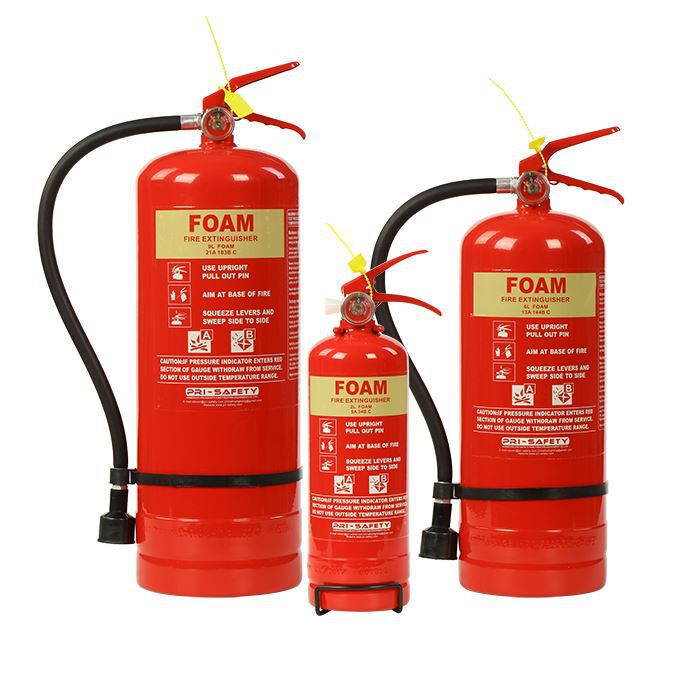
Fire safety is one of the most essential yet often overlooked aspects of everyday life in Pakistan. Whether it’s a small office, a commercial warehouse, a school, or a fuel station, fire emergencies can occur anywhere and anytime. Having the right firefighting equipment on hand can make the difference between minor damage and a catastrophic loss. Among the various types of extinguishers available today, AFF Foam Fire Extinguishers have become one of the most reliable and effective solutions for controlling Class A and Class B fires.

In this detailed guide, we’ll explain everything you need to know about AFF Foam Fire Extinguishers in Pakistan, including their prices, features, benefits, usage, and why certified quality is so important for both homes and industries.

Understanding AFF Foam Fire Extinguishers

AFF stands for Aqueous Film-Forming Foam. It’s a special type of fire-fighting agent that works by forming a thin film over the burning surface, cutting off the oxygen supply and quickly cooling the affected area. This dual action smothering and cooling makes AFF foam one of the most efficient ways to tackle fires involving flammable liquids and ordinary combustibles.

These extinguishers are specifically designed to deal with:

  • Class A fires (solid materials such as paper, wood, textiles, and plastics)
  • Class B fires (flammable liquids like petrol, diesel, oil, and paints)

They are not suitable for electrical fires or metal fires, but they play a critical role in protecting places where fuel, oil, or chemical substances are present.

How an AFF Foam Fire Extinguisher Works

The working principle behind an AFF foam extinguisher is simple yet highly effective. Inside the cylinder, there is a mix of water and foam concentrate. When discharged, this mixture sprays out as foam that spreads quickly over the burning surface.

Here’s what happens step by step:

  1. Smothering Effect: The foam forms a blanket over the burning material, preventing oxygen from reaching the flames.
  2. Cooling Effect: The water content in the foam cools the burning surface, reducing temperature and preventing re-ignition.
  3. Sealing Layer: The thin film that forms on top of the fuel surface seals in vapors, stopping them from mixing with air.

Because of this unique three-way action, AFF foam is widely used in industrial sites, petrol pumps, workshops, refineries, and transportation sectors.

Importance of Using Certified & High-Quality Fire Extinguishers

In Pakistan, many low-cost, untested fire extinguishers are available in the market. While they may look appealing because of the lower price, such units often fail during real emergencies. That’s why certification and quality assurance should be your top priorities.

Certified extinguishers meet international standards such as:

  • BS EN 1866-1
  • ISO 9001 for manufacturing
  • Local approvals by Civil Defence or PEC

A certified extinguisher guarantees proper pressure handling, correct foam concentration, reliable valves, and longer service life. When you buy an uncertified unit, you risk malfunction, leakage, or poor foam performance that could lead to serious losses.

AFF Foam Fire Extinguisher Price in Pakistan (2025 Update)

The price of AFF Foam Fire Extinguishers in Pakistan varies depending on capacity, brand, certification, and included accessories such as hoses, trolleys, and pressure gauges. Below is an overview of typical market ranges for 2025:

Capacity Type Typical Price Range (PKR) Recommended Use
1 Litre Handheld 2,500 – 3,500 Small homes, offices
4 Litre Handheld 3,800 – 5,000 Cars, small shops
6 Litre Standard portable 5,000 – 6,500 Retail stores, schools
9 Litre Commercial 6,500 – 8,000 Offices, banks, warehouses
25 Litre Trolley type 12,000 – 18,000 Workshops, gas stations
50 Litre Industrial trolley 30,000 – 45,000 Factories, fuel depots

Prices may slightly vary across cities like Karachi, Lahore, and Islamabad, but these estimates give you a clear idea of what to expect when buying a reliable, certified unit.

Factors That Affect the Price

Several elements contribute to the overall cost of an AFF foam extinguisher:

  1. Size and Capacity: Larger extinguishers naturally cost more because they contain more foam concentrate and metal.
  2. Brand and Certification: Recognized brands that meet international standards are priced higher but ensure long-term reliability.
  3. Type of Cylinder: Stainless-steel and heavy-duty carbon-steel cylinders are more durable but slightly more expensive.
  4. Accessories Included: Extra items like hoses, wall brackets, pressure indicators, and discharge nozzles add to the price.
  5. After-Sales Service: Reputed suppliers include maintenance, refilling, and certification services, which slightly increase cost but provide better safety assurance.

Key Features of AFF Foam Fire Extinguishers

When selecting an extinguisher, it’s important to look at specific features that ensure performance and safety:

  • High Fire Rating: A standard AFF extinguisher should be rated at least 21A 183B or higher.
  • Durable Construction: The body should be made from corrosion-resistant steel with a tough powder coating.
  • Pressure Gauge: Allows users to easily monitor cylinder pressure.
  • Effective Discharge Time: Ideally between 15 to 30 seconds depending on size.
  • Wide Range: Foam should cover a large area, usually 3-6 meters for handheld models.
  • Refillable Design: Ensures cost-effectiveness and long-term usability.
  • Temperature Resistance: Can work efficiently between -5 °C and +55 °C, perfect for Pakistan’s weather.

Advantages of Using AFF Foam Fire Extinguishers

  1. Multi-Purpose Protection: Effective against both solid and liquid fires.
  2. Prevents Re-Ignition: Foam film seals vapors, eliminating the risk of fire starting again.
  3. Minimal Residue: Easier cleanup compared to powder-based extinguishers.
  4. Eco-Friendly Formulas: Many modern foams are biodegradable and less harmful to the environment.
  5. Non-Conductive: While not suitable for live electrical fires, it becomes safe once power is switched off.
  6. Visible Spray Pattern: The foam discharge helps users aim better during an emergency.

Common Areas of Use in Pakistan

AFF Foam Fire Extinguishers are essential for:

  • Petrol Stations and Fuel Depots: due to their ability to suppress flammable liquid fires quickly.
  • Manufacturing Plants and Factories: where oil, paint, or chemicals are handled.
  • Warehouses and Logistics Centers: to control fires in packaging and storage materials.
  • Office Buildings and Schools: for general safety in Class A fire risks.
  • Vehicles and Workshops: especially where fuel or lubricants are present.
  • Hotels, Restaurants, and Shopping Malls: as part of mandatory safety systems.

In most commercial properties, fire safety codes recommend having foam extinguishers placed near entrances, exits, and fuel storage areas.

How to Use an AFF Foam Fire Extinguisher (Step-by-Step)

Knowing how to use the extinguisher properly is just as important as owning one. The PASS method is the easiest way to remember:

  1. P – Pull the safety pin to unlock the handle.
  2. A – Aim the nozzle at the base of the fire, not the flames.
  3. S – Squeeze the handle to discharge the foam.
  4. S – Sweep from side to side until the fire is completely out.

Always maintain a safe distance and ensure you have an escape route before attempting to extinguish any fire. If it gets out of control, evacuate and call emergency services immediately.

Maintenance and Refilling

Just like any safety device, regular maintenance ensures that your extinguisher performs when needed. In Pakistan, maintenance schedules typically follow this timeline:

  • Monthly Inspection: Check pressure gauge, seals, and physical condition.
  • Annual Servicing: Have a certified technician inspect and test it.
  • Refilling: After every use or every 3 – 5 years depending on model and certification.
  • Hydrostatic Testing: Usually required every 5 years to verify cylinder integrity.

A properly serviced extinguisher can last 10 – 15 years, saving you from costly replacements.

Choosing the Right Supplier

When buying a foam fire extinguisher in Pakistan, select a supplier who:

  • Provides certified and genuine products.
  • Offers installation, refilling, and maintenance services.
  • Gives you official test and compliance certificates.
  • Provides training on how to operate the extinguishers safely.

Always ask for the manufacturer’s warranty, date of manufacture, and test pressure details printed clearly on the cylinder.

Comparing Foam with Other Types of Extinguishers

Type Suitable Fires Advantages Limitations
Foam (AFF) Class A & B Prevents re-ignition, minimal residue Not for electrical fires
CO₂ Electrical, Class B Leaves no residue Ineffective on Class A fires
Dry Powder A, B, C fires Multi-purpose Leaves messy residue
Water Class A only Inexpensive Unsafe for flammable liquids
Clean Agent (HFC/FE-36) Electrical, delicate equipment No residue, fast action Expensive

Foam extinguishers provide a great balance of cost, effectiveness, and ease of use, especially in environments dealing with both solids and flammable liquids.

Practical Fire Safety Tips for Homes and Offices

  • Install at least one extinguisher on each floor near exits.
  • Conduct regular fire drills and train employees or family members.
  • Keep exits clear and emergency lights functional.
  • Inspect all electrical wiring and avoid overloading circuits.
  • Place warning signs and labels near high-risk areas.
  • Have your extinguishers refilled by a certified service provider, not local welders.

Taking these preventive steps not only ensures compliance with safety regulations but also saves lives and property.

The Future of Fire Safety Equipment in Pakistan

The awareness of fire safety in Pakistan is increasing as more businesses, schools, and factories adopt international safety standards. The government and local authorities now require commercial establishments to maintain active fire protection systems, which include foam extinguishers, smoke detectors, fire alarms, and sprinkler systems.

With growing industrialization and construction, the demand for certified AFF foam extinguishers will continue to rise. This has also encouraged local manufacturers to improve quality and introduce eco-friendly foam solutions that are biodegradable and safe for both users and the environment.

Final Thoughts

Fire safety is not an option, it’s a responsibility. Whether you own a small business or manage a large industrial facility, having AFF Foam Fire Extinguishers installed is one of the smartest investments you can make for safety and peace of mind.

In Pakistan, you can easily find reliable, certified extinguishers priced between PKR 5,000 and 45,000, depending on size and capacity. The key is not to compromise on quality. Always choose certified suppliers, maintain your equipment regularly, and ensure everyone on site knows how to use it.

By taking proactive steps today, you protect your property, your employees, and your loved ones from potential fire disasters tomorrow.

Understanding Fire Extinguisher Refilling and Expiry
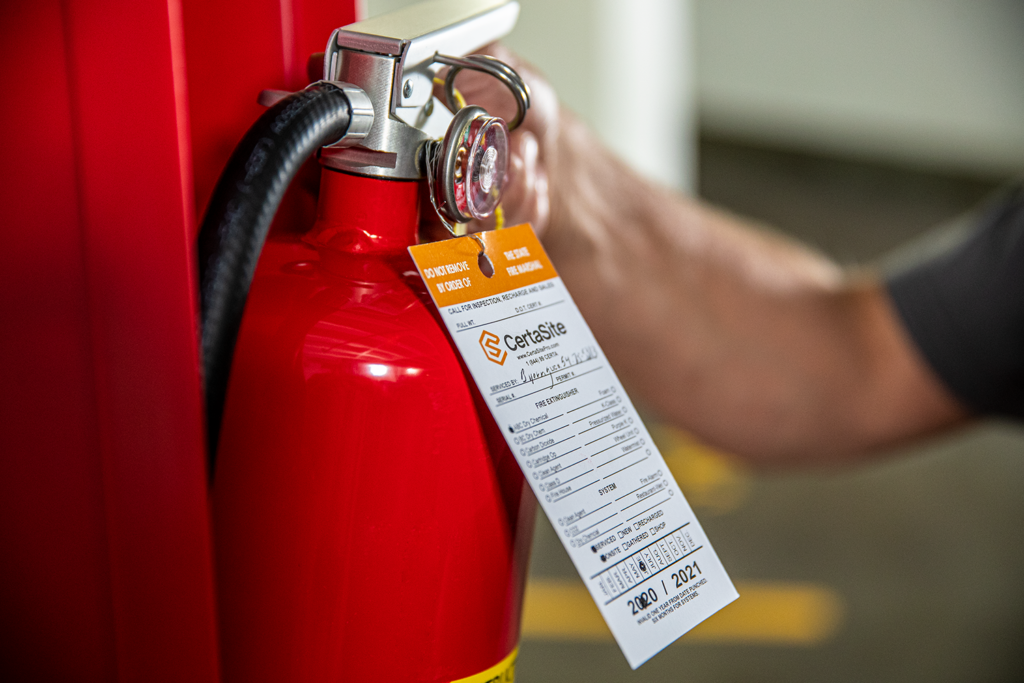
A fire extinguisher is one of the most important safety tools used in homes, offices, factories, and public buildings. But simply having a fire extinguisher is not enough, it must be well-maintained, refilled, and within its expiry period to function properly during an emergency.Over time, fire extinguishers lose their pressure or the chemicals inside may degrade. This means that even if your extinguisher looks fine from the outside, it might fail to work when needed. That’s why understanding the fire extinguisher refilling and expiry period is critical. Regular refilling ensures the extinguisher remains in working condition and meets fire safety standards set by authorities like the Civil Defence Department of Pakistan.

In this guide, you’ll learn:

  • Why refilling is necessary.
  • How to check the expiry date.
  • When to refill each type of extinguisher.
  • Signs that it’s time for refilling or replacement.
  • Costs and safety regulations in Pakistan.

Let’s start by understanding why timely refilling matters.

Why Fire Extinguishers Need Refilling

A fire extinguisher is designed to put out small fires quickly and effectively. But like any safety tool, it must be maintained properly to perform when needed. Refilling a fire extinguisher on time is not just a routine task it’s a life-saving responsibility.

Even if your fire extinguisher has never been used, the pressure inside the cylinder can drop over time. The chemical agent inside (powder, foam, CO₂, or clean gas) may also become less effective. Once this happens, the extinguisher will not discharge properly during an emergency.

Here are the main reasons fire extinguishers need regular refilling:

  1. Pressure Loss Over Time

All fire extinguishers are filled with a pressurized agent that helps discharge the material to stop fires. With time, this pressure slowly decreases even if the extinguisher is not used. A small loss of gas or leakage around the valve can make the extinguisher weak and unreliable.

  1. Chemical Degradation

Inside the extinguisher, chemicals can lose their effectiveness due to exposure to temperature changes, humidity, or age.
For example:

  • Dry powder can clump up and fail to spray evenly.
  • Foam or water-based agents can separate and lose strength.
  • CO₂ cylinders can lose gas pressure over months.

Refilling replaces the old or degraded agent with a fresh, effective one.

  1. Safety Compliance

Government and fire safety regulations in Pakistan (as well as NFPA standards internationally) require fire extinguishers to be inspected and refilled periodically. Commercial buildings, schools, and factories must maintain extinguishers that are within the expiry period and certified as refilled by an authorized service provider.

  1. After Every Use

Even if you only use the extinguisher for a few seconds, it must be refilled immediately. Once discharged, the internal pressure is reduced, and the chemical balance changes making it unsafe for future use unless properly serviced.

  1. Preventing Mechanical Damage

During regular handling, storage, or transport, extinguishers may develop dents, rust, or minor leaks. 

Refilling provides an opportunity for professionals to inspect the cylinder for:

  • Cracks or corrosion
  • Damaged valves
  • Worn-out hoses

This ensures your extinguisher is safe and functional before being refilled and re-pressurized.

In simple terms, refilling ensures your extinguisher is ready, reliable, and compliant.
Skipping or delaying refilling can turn a lifesaving tool into a useless metal cylinder.

How to Check a Fire Extinguisher’s Expiry Date

Knowing how to check your fire extinguisher’s expiry date is one of the simplest yet most important parts of fire safety. An expired extinguisher may not work properly in an emergency, which can put lives and property at risk.

Every extinguisher has a manufacturing date and an expiry or refilling schedule, which tell you when it was made and when it needs to be refilled or replaced. Checking this information regularly helps you stay compliant with safety standards and ensures your extinguisher is always ready for use.

  1. Find the Manufacturing Date

Look at the metal cylinder or printed label on your fire extinguisher.
You’ll usually find a date in the format “MM/YYYY” (for example, 06/2022).

This date represents when the extinguisher was manufactured not when it expires.
Most fire extinguishers have a lifespan of 5 to 10 years, depending on the type and brand.

  1. Look for a “Next Refill” or “Expiry” Sticker

Many modern fire extinguishers have a small service tag or sticker attached near the handle or base.
This tag usually includes:

  • Date of last refill or inspection
  • Next refill due date
  • Technician’s signature or company name

If your extinguisher has no tag or an old date, it’s time to have it checked and refilled.

  1. Check the Pressure Gauge

Most extinguishers (especially DCP, foam, and water types) have a small pressure gauge near the handle.

The gauge has three color zones:

  • Green: Normal pressure – extinguisher is ready to use.
  • Red (low): Lost pressure – needs refilling.
  • Red (high): Over-pressurized – unsafe and should be checked by a technician.

If the needle is not in the green zone, do not use the extinguisher. Instead, contact a certified fire safety company for inspection.

  1. Check for Physical Condition and Seal

Even if the expiry date hasn’t passed, visible damage can make an extinguisher unsafe.
Look for:

  • Rust or corrosion on the body.
  • Broken safety pin or missing seal.
  • Leakage or hissing sound.
  • Faded label or unreadable instructions.

If you notice any of these, replace or refill immediately regardless of date.

  1. General Expiry Guidelines (Pakistan)

Here’s a quick reference chart showing the typical expiry or refilling periods used in Pakistan:

Type of Extinguisher Refilling Period Expiry Period
DCP (Dry Chemical Powder) 1 Year 5 Years
CO₂ (Carbon Dioxide) 1 Year 10 Years
Foam Type (AFFF) 1 Year 5 Years
Water Type 1 Year 5 Years
Clean Agent / Halotron 1–2 Years 5–10 Years
  1. Keep a Record of Maintenance

Always keep a record or logbook of:

  • Date of installation.
  • Refilling and inspection dates.
  • Technician or company details.

This helps you track your extinguisher’s performance and ensures you never miss a service date.

In summary:
Checking the expiry date regularly ensures your extinguisher will work when it’s needed most. A simple visual inspection every month and a professional check once a year can make all the difference in an emergency.

Standard Refilling and Expiry Periods by Type

Fire extinguishers are not all the same — each type uses a different extinguishing agent (such as powder, CO₂, foam, or clean gas) and has a unique refilling and expiry schedule. Knowing these timeframes is essential to keep your extinguishers safe, functional, and legally compliant.

In Pakistan, most fire safety regulations and maintenance schedules follow NFPA (National Fire Protection Association) and Pakistan Standards (PSI) guidelines.

Let’s look at the standard refilling and expiry periods for each common extinguisher type.

1. DCP (Dry Chemical Powder) Fire Extinguisher

  • Refilling Period: Every 12 months
  • Expiry Period: 5 years (from manufacturing date)
  • Use: General-purpose extinguisher for Class A, B, and C fires (paper, wood, flammable liquids, electrical fires).
  • Reason: The dry powder inside can clump or lose pressure over time, which reduces its ability to spray evenly.

💡 Tip: Even if not used, DCP extinguishers should be refilled annually to ensure proper discharge pressure.

2. CO₂ (Carbon Dioxide) Fire Extinguisher

  • Refilling Period: Every 12 months
  • Expiry Period: 10 years
  • Use: Ideal for Class B and electrical fires. Commonly used in offices, labs, and IT rooms.
  • Reason: CO₂ extinguishers lose pressure naturally due to gas leakage or valve issues, even when unused.

⚙️ Note: CO₂ cylinders must be hydro-tested every 5 years to check for pressure and safety compliance.

3. Foam Type (AFFF – Aqueous Film Forming Foam)

  • Refilling Period: Every 12 months
  • Expiry Period: 5 years
  • Use: Best for Class B fires involving oil, paint, and other flammable liquids.
  • Reason: The foam mixture can separate or lose effectiveness over time, especially in high temperatures.

🌡️ Storage Tip: Keep away from direct sunlight or heat to prevent chemical degradation.

4. Water Type Fire Extinguisher

  • Refilling Period: Every 12 months
  • Expiry Period: 5 years
  • Use: Effective for Class A fires (wood, paper, cloth). Not suitable for electrical or oil fires.
  • Reason: The inner cylinder and water contents can corrode or develop bacterial growth, reducing reliability.

5. Clean Agent / Halotron Fire Extinguisher

  • Refilling Period: Every 1–2 years (depending on manufacturer and usage conditions)
  • Expiry Period: 5–10 years
  • Use: Used in IT rooms, data centers, and hospitals because it leaves no residue and is safe for electronics.
  • Reason: These advanced agents must be replaced periodically to maintain chemical balance and discharge power.

🔒 Pro Tip: Always ensure refilling is done with the original chemical agent recommended by the manufacturer.

6. Special or Industrial-Grade Fire Extinguishers

  • Refilling Period: Every 6–12 months
  • Expiry Period: Varies (5–15 years)
  • Use: Found in factories, chemical plants, or fuel stations.
  • Reason: These extinguishers handle high-risk environments and must undergo more frequent inspections due to exposure to extreme conditions.

Summary Table – Fire Extinguisher Refilling & Expiry Periods

Type of Extinguisher Refilling Period Expiry Period Used For
DCP (Dry Chemical Powder) Every 1 Year 5 Years General use, Class A/B/C fires
CO₂ (Carbon Dioxide) Every 1 Year 10 Years Electrical & liquid fires
Foam Type (AFFF) Every 1 Year 5 Years Flammable liquid fires
Water Type Every 1 Year 5 Years Paper, wood, cloth fires
Clean Agent / Halotron Every 1–2 Years 5–10 Years Sensitive equipment, electronics


Why Timely Refilling Matters

Failing to refill or replace your extinguisher within the expiry period can lead to:

  • Weak or no discharge pressure.
  • Chemical leakage or solidification.
  • Failure to meet safety inspection requirements.
  • Complete malfunction during a real fire emergency.

Regular refilling ensures your extinguisher is fully charged, safe, and ready to protect when needed.

Signs That Your Fire Extinguisher Needs Refilling or Replacement

Fire extinguishers don’t always show obvious signs when they stop working, but there are several small indicators that can warn you it’s time for refilling or replacement.

Even if your extinguisher looks fine, it may not have enough pressure or the chemicals inside may have expired. Regular visual inspections and professional servicing can help you detect these problems early and avoid safety risks.

Here are the most common signs that your fire extinguisher needs attention:

1. The Pressure Gauge Needle Is Not in the Green Zone

Most fire extinguishers have a pressure gauge near the handle.

  • If the needle is in the green zone, the pressure is normal and the extinguisher is ready to use.
  • If the needle points to the red zone (left side), pressure is low which means it needs immediate refilling.
  • If it’s in the red zone (right side), the extinguisher is over-pressurized and must be released or checked by a professional.

 Tip: Check the pressure gauge once every month to ensure your extinguisher stays ready.

2. The Safety Pin or Seal Is Missing or Broken

Each extinguisher comes with a safety pin that prevents accidental discharge.
If the pin is missing, loose, or broken, it means the extinguisher may have been used or tampered with.

In such cases:

  • Don’t ignore it.
  • Get it inspected and refilled immediately.
    A broken seal is one of the most common reasons extinguishers fail safety inspections.

3. Visible Damage to the Body or Nozzle

Physical damage can seriously affect performance.
Check your extinguisher for:

  • Rust or corrosion on the cylinder.
  • Dents or cracks in the metal body.
  • Broken handles or hoses.
  • Leaking valve or hissing sound.

If you notice any of these, stop using the extinguisher and send it to a certified service center for testing or replacement.

  1. Leakage or Reduced Weight

If your extinguisher feels lighter than usual, it might have a slow leak or lost internal pressure. Weighing the cylinder during routine checks helps confirm whether it’s still fully charged. Any change in weight greater than 10% usually indicates leakage and requires immediate refilling.

5. Faded or Missing Label

The label on a fire extinguisher includes critical information such as:

  • Type of agent
  • Manufacturing and refill dates
  • Instructions for use

If the label is faded, torn, or missing, it becomes hard to identify or operate the extinguisher correctly especially during emergencies. This is considered a safety hazard, and the unit should be re-labeled, refilled, or replaced.

6. It Has Been Used (Even Partially)

Even a brief use like testing or putting out a small fire can reduce the pressure and empty part of the chemical agent. Once used, a fire extinguisher is no longer considered full or reliable. It must be refilled immediately by a trained technician before it can be used again.

7. Expired or Overdue for Servicing

If your extinguisher is past its expiry or refilling date, it’s automatically considered unsafe.
Never keep expired extinguishers in your home, office, or factory, replace or service them right away.

8. Rust, Moisture, or Paint Peeling

Moisture, humidity, or exposure to chemicals can damage the cylinder’s body. If you notice rust spots or peeling paint, it indicates the metal may be weakening, and the extinguisher could burst under pressure. Such units must be discarded or hydro-tested before reuse.

9. Unusual Sound or Air Leakage

Sometimes you may hear a faint hissing sound coming from the valve or nozzle. This usually means that the extinguisher is leaking pressure. A leaking extinguisher is unsafe and needs immediate servicing or replacement.

10. It’s Been Over 5–10 Years Old

Even with proper maintenance, every fire extinguisher has a limited lifespan. Most last between 5 to 10 years, depending on the type. After that, internal components can weaken and seals may fail. Older extinguishers should be replaced with new ones to ensure full reliability.

Quick Checklist

Check Item If Found Action Required
Pressure gauge not in green Low or high pressure Refill immediately
Broken seal or missing pin Possible use or tampering Service or refill
Rust or corrosion Cylinder damage Replace unit
Label faded or missing No identification Replace or relabel
Used or discharged Partial release Refill now
Over 5 years old Expired Replace with new unit


Summary

A fire extinguisher is only useful when it’s in good working condition. If you notice any of the above signs, it’s time to get your extinguisher checked and refilled by a certified fire safety service.

Regular inspection and refilling not only meet safety laws in Pakistan but also ensure your equipment works perfectly when every second counts.

Step-by-Step Fire Extinguisher Refilling Process

Refilling a fire extinguisher is not just about adding new chemicals — it’s a professional process that ensures the unit is completely safe, pressurized, and reliable for future use.

In Pakistan, fire extinguisher refilling should only be done by certified technicians or authorized fire safety companies. They follow safety standards set by Civil Defence, NFPA, and Pakistan Standards (PSI) to guarantee quality and performance.

Below is a step-by-step explanation of how the fire extinguisher refilling process works.

Step 1: Initial Inspection

Before refilling, the technician checks the extinguisher for any visible damage or wear.
This includes:

  • Dents or cracks in the cylinder
  • Rust or corrosion
  • Missing safety pin or tamper seal
  • Faded or missing label
  • Leakage around the nozzle or valve

If any damage is found that compromises safety, the extinguisher is rejected for refilling and replaced instead.

Step 2: Discharging the Remaining Agent

The extinguisher is fully discharged to remove any leftover chemicals or pressure. This step ensures no old or degraded agent remains inside that could affect performance after refilling. The technician safely releases the pressure in a controlled environment using specialized discharge equipment.

Step 3: Cleaning the Cylinder

After emptying, the cylinder is thoroughly cleaned and dried. Any traces of the old extinguishing agent, moisture, or dirt are removed. A clean, dry interior ensures the new agent will not react or degrade prematurely. This step is especially important for foam, DCP, and clean agent extinguishers.

Step 4: Internal Inspection and Leak Testing

The inside of the cylinder is checked for:

  • Cracks
  • Rust
  • Weak spots or thinning of the metal

For CO₂ extinguishers and high-pressure units, technicians also perform a hydrostatic pressure test (every 5 years). This confirms the cylinder can safely hold the required pressure without leaking or bursting.

Step 5: Refilling the Correct Extinguishing Agent

Once the cylinder passes inspection, it’s filled with the specific agent required for its type:

  • DCP extinguishers: Filled with dry chemical powder.
  • CO₂ extinguishers: Filled with carbon dioxide gas.
  • Foam type: Filled with AFFF (Aqueous Film Forming Foam) and water mix.
  • Clean agent types: Filled with Halotron or other eco-safe gases.

The correct agent is measured accurately using weighing scales to ensure proper quantity and performance.

Step 6: Re-Pressurizing

After refilling, the extinguisher is re-pressurized with nitrogen or CO₂ gas (depending on the type). The technician ensures that the internal pressure matches manufacturer specifications. Too much pressure can make it unsafe, while too little makes it ineffective.

Step 7: Leak and Pressure Testing

The technician tests the extinguisher under controlled pressure to ensure no leaks or valve issues. The pressure gauge is then checked to confirm the needle is in the green zone.
If any leakage or fluctuation is detected, the cylinder is depressurized and tested again until it passes.

Step 8: Reassembly and Sealing

Once the extinguisher passes all tests:

  • The valve and hose are reattached.
  • A new safety pin and tamper seal are installed.
  • The extinguisher is labeled with a refilling tag that shows:

    • Date of refilling
    • Next refill due date
    • Technician name or company
    • Certification stamp

Step 9: Final Cleaning and Painting (if needed)

To maintain a professional appearance and prevent rust, the outer body may be cleaned or repainted. The label is also replaced if it has become faded or unreadable.

Step 10: Delivery and Certification

Finally, the extinguisher is returned to the owner with:

  • A refilling certificate
  • Maintenance report
  • Safety inspection checklist

Certified service companies in Pakistan often provide stickers indicating the next refill date, helping users remember their maintenance schedule.

Important Safety Notes

  • Never attempt to refill a fire extinguisher yourself.
  • Always use certified refilling services with approved chemicals.
  • Refilling must follow manufacturer specifications to maintain warranty and safety compliance.
  • Keep your refilling certificates safe for inspection by fire safety authorities.

Summary

The refilling process is more than just a refill, it’s a complete safety and performance check.
When done properly, your fire extinguisher becomes as good as new, ensuring it works perfectly in case of an emergency.

Regular refilling by professionals helps extend the extinguisher’s life and ensures it passes annual fire safety inspections.

Who Can Refill a Fire Extinguisher? (Certified Services)

Refilling a fire extinguisher may look simple, but it’s actually a technical and safety-critical process that must be performed by trained and certified professionals. Using unqualified or local street vendors for refilling can lead to serious hazards, including explosions, chemical leaks, or failure during an emergency. That’s why only licensed fire safety companies with proper equipment and certification should handle the refilling, testing, and maintenance of extinguishers.

1. Why You Should Never Refill Fire Extinguishers Yourself

Fire extinguishers operate under high pressure and contain specialized chemicals. Attempting to refill them without proper tools or knowledge can be dangerous.
Here’s why self-refilling is risky:

  • You might overfill or underfill, affecting performance.
  • Incorrect pressure can cause the cylinder to burst.
  • Using the wrong chemical agent can damage the extinguisher or make it unsafe.
  • Lack of leak testing or inspection can lead to silent pressure loss.

Therefore, only certified technicians with refilling machinery, pressure gauges, and testing equipment should do the job.

2. Who Is Authorized to Refill Fire Extinguishers in Pakistan?

In Pakistan, the Civil Defence Department and fire safety regulatory bodies authorize certain companies to handle extinguisher maintenance and refilling.

These companies must:
✅ Have trained technicians certified in fire safety.
✅ Follow NFPA 10 and Pakistan Standards (PSI) for refilling procedures.
✅ Maintain safety logs and calibration certificates for their equipment.
✅ Issue a refilling certificate after every service.

When choosing a refilling service, always confirm that the company is licensed and certified by the relevant fire safety authority.

3. Documents and Certifications to Check

When you take your extinguisher for refilling, ask the service provider for the following:

  • Company registration and Civil Defence license
  • Technician training certification
  • Calibration record of refilling machines
  • Refilling tag or sticker with next service date
  • Refilling or inspection report for record keeping

A genuine service provider will always provide documentation and certification proof. Avoid anyone who cannot show credentials.

4. How to Choose a Reliable Refilling Company

Choosing the right service provider can save you from both financial and safety risks.
Here’s a checklist to help you pick the best one:

Criteria What to Look For
Experience At least 5+ years in fire extinguisher refilling and servicing
Licensing Certified by Civil Defence or other government authority
Quality Materials Uses approved chemical agents and original parts
Hydrostatic Testing Has in-house testing facility for CO₂ and high-pressure units
Customer Support Provides receipts, reports, and after-service support

Tip: Check customer reviews and verify the company’s service record before handing over your extinguishers.

5. What to Expect from a Certified Service Provider

A good fire extinguisher service company will provide the following:

  • Pickup and delivery service for extinguishers.
  • Inspection report before refilling.
  • Complete refilling and leak testing as per safety standards.
  • New seal, pin, and refilling tag.
  • Certificate of refilling valid for one year.
  • Reminder service before the next expiry or refill date.

In Pakistan, many top companies now offer Annual Maintenance Contracts (AMC), where they handle all inspections and refilling automatically, saving you from missed deadlines.

6. Importance of Using Certified Refilling Services

Using certified fire extinguisher refilling services ensures:

  • Your extinguisher will perform correctly during an emergency.
  • Chemicals and gas are refilled according to the manufacturer’s standards.
  • The equipment passes inspection from the Fire Department or Civil Defence.
  • You maintain legal compliance with building safety laws in Pakistan.

It’s not just about keeping your extinguisher full, it’s about guaranteeing safety, legality, and reliability.

7. How to Verify Certification

If you’re unsure whether a company is certified:

  1. Ask to see their Civil Defence license number.
  2. Check if they issue refilling certificates with official stamps.
  3. Confirm whether their technicians have received fire safety training.
  4. Look for ISO 9001 or NFPA 10 compliance mentioned on their documentation.

Certified companies often have their details listed on official Civil Defence or provincial fire department websites.

8. Common Certified Companies in Pakistan (Examples)

(For informational purposes)

  • Fire Safety Pakistan (Karachi, Lahore, Islamabad)
  • Fire Protection Services Pvt. Ltd.
  • Safety First Engineering Solutions
  • Pak Fire Safety Equipment Company
  • Red Line Fire Systems (Karachi)

All these firms provide complete extinguisher refilling, hydro testing, and maintenance services following proper certification standards.

Summary

Only certified and experienced fire safety companies should handle extinguisher refilling.
They ensure your equipment meets safety standards, maintains correct pressure, and stays reliable throughout its life. Using authorized services protects you from accidents, legal penalties, and equipment failure during critical moments. If you are ever in doubt, ask for the company’s license, refilling certificate, and Civil Defence authorization before using their services.

Cost of Refilling Fire Extinguishers in Pakistan (2025 Update)

In Pakistan, the cost of refilling a fire extinguisher depends on several factors including the type of extinguisher, size (weight), and service provider’s certification level. As of 2025, refilling charges remain affordable for most households, offices, and factories, especially when done through authorized service centers. Regular refilling not only keeps your extinguishers ready for emergencies but also saves money compared to buying new ones every few years. Below is a complete price breakdown for fire extinguisher refilling in Pakistan (based on market averages in major cities like Karachi, Lahore, and Islamabad).

1. Average Fire Extinguisher Refilling Prices in 2025

Type of Fire Extinguisher Size (kg/Litre) Average Refilling Cost (PKR) Remarks
DCP (Dry Chemical Powder) 1–2 kg Rs. 400 – 600 Most common for homes & offices
DCP (Dry Chemical Powder) 4–6 kg Rs. 800 – 1,200 Used in factories & warehouses
CO₂ (Carbon Dioxide) 2 kg Rs. 1,000 – 1,500 High-pressure testing required
CO₂ (Carbon Dioxide) 5 kg Rs. 2,000 – 2,800 For IT rooms, data centers
Foam Type (AFFF) 4–9 Litre Rs. 1,000 – 2,000 Used for liquid & oil fires
Water Type 6–9 Litre Rs. 800 – 1,200 Suitable for Class A fires
Clean Agent / Halotron 2–5 kg Rs. 1,800 – 3,000 Safe for electronics and computers
Special / Industrial Units 25–50 kg Rs. 4,000 – 8,000+ For factories or heavy industry

💡 Note: Prices can vary slightly based on location and the quality of materials used.

2. Factors That Affect the Refilling Cost

Several factors determine how much you’ll pay for refilling your fire extinguisher:

a) Type of Extinguisher

Each extinguisher type has a different extinguishing agent and refilling process.
For example:

  • DCP is cheaper because it uses dry chemical powder.
  • CO₂ and Halotron are more expensive due to pressurization and gas cost.

b) Size or Capacity

The larger the extinguisher (in kilograms or litres), the higher the refilling cost.
A 1-kg DCP may cost Rs. 400 to refill, while a 9-kg one can cost over Rs. 1,200.

c) Certification and Service Provider

Certified service providers charge slightly higher rates because they:

  • Use approved extinguishing agents.
  • Conduct pressure and leak tests.
  • Provide refilling certificates.

The added cost guarantees safety and compliance — and is worth the investment.

d) Testing Requirements

CO₂ and industrial extinguishers require hydrostatic testing every few years, which increases the price by Rs. 500–1,000 per unit.

e) Location

Prices in Karachi and Islamabad may be slightly higher compared to smaller cities because of service and equipment costs.

3. Cost of Annual Maintenance Contracts (AMC)

For commercial clients, many companies in Pakistan offer Annual Maintenance Contracts (AMC) for fire safety systems.
Under AMC, the provider:

  • Performs monthly inspections.
  • Refills and replaces extinguishers as needed.
  • Issues updated certificates of service.

Average cost:
Rs. 2,500 – 4,000 per year (per building unit), depending on the number of extinguishers. This is ideal for offices, schools, factories, and hospitals that must meet Civil Defence and building safety laws.

4. Refilling vs. Buying a New Fire Extinguisher

Some people wonder whether it’s better to refill or replace.
Here’s a quick comparison:

Option Average Cost (PKR) Lifespan Best For
Refilling Rs. 400 – 3,000 1 year (before next refill) Homes & small offices
Buying New Rs. 2,000 – 10,000 5–10 years New setups & industrial use

Refilling is cheaper and more environmentally friendly — as long as your extinguisher is in good condition. However, if it’s more than 10 years old or shows rust or leaks, replacing it is safer.

5. Money-Saving Tips for Fire Extinguisher Maintenance

To make refilling cost-effective while ensuring safety:

  • Always refill in bulk (multiple units at once). Many companies offer discounts.
  • Sign up for AMC packages for long-term savings.
  • Choose local certified providers instead of unlicensed shops.
  • Avoid “cheap refills” that don’t provide certification — they may use substandard chemicals.
  • Keep a refill logbook to avoid missing service dates and paying penalties during safety audits.

6. City-Wise Average Refilling Rates (2025)

City Low-End Rate High-End Rate Remarks
Karachi Rs. 500 Rs. 2,800 Highest number of certified providers
Lahore Rs. 400 Rs. 2,500 Competitive pricing for DCP types
Islamabad Rs. 600 Rs. 3,000 Premium quality and certification
Faisalabad / Multan Rs. 350 Rs. 2,000 Lower average service cost


In 2025, fire extinguisher refilling remains an affordable and essential service in Pakistan.
On average, most households and offices can get their extinguishers refilled for under Rs. 1,000, while commercial and CO₂ units may cost more. Always choose certified refilling services to ensure safety, reliability, and compliance with fire department regulations. Keeping your extinguisher updated within its refilling and expiry period is a small cost compared to the safety it provides.

Legal and Safety Requirements for Fire Extinguishers in Pakistan

In Pakistan, fire safety laws and regulations are becoming increasingly strict, especially for commercial and public buildings. Fire extinguishers are legally required in most workplaces, schools, hospitals, factories, shopping malls, and residential complexes.

However, simply installing fire extinguishers is not enough; they must also be maintained, refilled, and inspected regularly. Failing to follow these rules can result in fines, business closure, or even legal liability in case of a fire emergency. Let’s understand what Pakistan’s laws say about the maintenance, expiry period, and refilling of fire extinguishers.

1. Fire Safety Regulations in Pakistan

The main government bodies that regulate fire safety equipment and standards include:

  • Civil Defence Department (Pakistan)
  • National Disaster Management Authority (NDMA)
  • Pakistan Standards and Quality Control Authority (PSQCA)
  • Local Fire Brigade Departments in each city

These authorities follow both international (NFPA 10) and local Pakistan Standards (PSI 1974) to ensure all fire safety equipment, including extinguishers, meets safety and quality requirements.

2. Legal Requirement for Fire Extinguishers

Under the Civil Defence Fire Safety Rules, every commercial, industrial, and public building must have:
✅ Fire extinguishers installed at accessible locations.
✅ Fire extinguishers of the correct type for the building’s fire risks.
✅ Proper labeling and instructions in both Urdu and English.
✅ Refilling and inspection conducted every 12 months by certified professionals.

In addition, certain industries such as textile mills, petrol stations, chemical factories, and warehouses must maintain firefighting logs and refilling certificates for inspection.

3. Inspection and Refilling Requirements

The Civil Defence Department mandates the following inspection schedule:

Inspection Type Frequency Conducted By
Visual Inspection Monthly Building Safety Officer or Facility Manager
Professional Inspection Every 6 months Certified Fire Safety Company
Full Refilling / Maintenance Every 12 months Licensed Fire Extinguisher Service
Hydrostatic Testing Every 5 years (CO₂ & high-pressure units) Certified Laboratory

Each inspection and refilling must be logged in a Fire Safety Register, available for fire officers during audits.

4. Certification and Labeling Standards

Every refilled extinguisher must have a refilling tag or sticker showing:

  • Date of refilling
  • Next due date
  • Type of extinguishing agent used
  • Service provider name and certification number
  • Technician signature

A refilling certificate should also be provided, confirming that the unit meets Pakistan’s fire safety and performance standards.

Without this tag or certificate, your extinguisher is considered non-compliant, even if it looks new.

5. Legal Penalties for Non-Compliance

Ignoring refilling and maintenance laws can lead to serious consequences.
Depending on the city and the type of establishment, authorities may issue:

  • Fines ranging from Rs. 10,000 to Rs. 100,000 for expired or non-functional extinguishers.
  • Immediate closure of the building until compliance is achieved.
  • Rejection of safety clearance certificates, especially for factories or high-rise buildings.
  • In case of fire-related damage, legal responsibility for not maintaining proper equipment.

💡 Tip: Always keep your fire extinguisher certificates, maintenance logs, and invoices ready for inspection by fire officers.

6. Legal Requirements for Businesses and Offices

If you run a business in Pakistan, you are required to:

  • Conduct fire drills and staff training every 6 months.
  • Maintain at least one extinguisher for every 200 sq. meters of space.
  • Install extinguishers near exit points and fire-prone areas (e.g., kitchens, electrical panels).
  • Refill or replace expired extinguishers immediately.
  • Renew your Civil Defence Fire Safety Certificate annually.

This certificate proves that your building follows fire safety laws and has working equipment.

7. Home and Residential Requirements

While not legally mandatory for private homes, it is highly recommended to keep at least one fire extinguisher in:

  • The kitchen (for cooking fires)
  • Near the main electrical board
  • In parking areas or garages

Homeowners should also follow the same refilling expiry period as commercial users — every 12 months — to ensure safety and readiness in case of emergencies.

8. Role of Civil Defence and Fire Department Inspections

Civil Defence officers conduct random safety inspections in commercial buildings. During these checks, they verify:

  • Whether extinguishers are within the refilling expiry date.
  • The presence of refilling tags and certificates.
  • Staff knowledge about how to use extinguishers.
  • Proper signage and accessibility of equipment.

If issues are found, they may issue a warning notice or a penalty order. Repeated violations can lead to suspension of your business license.

9. International Standards Followed in Pakistan

Most reputable companies in Pakistan now follow:

  • NFPA 10 – Standard for Portable Fire Extinguishers
  • BS EN 3 – British Standard for Fire Extinguishers
  • ISO 7165 – International Safety Standard for Extinguishers

These standards define manufacturing quality, refilling methods, testing intervals, and expiry guidelines to ensure global safety compliance.

10. Importance of Legal Compliance

Maintaining legal compliance doesn’t just help you avoid penalties — it ensures:

  • The safety of your employees, family, and property.
  • Proper insurance coverage (insurers may reject claims if equipment was expired).
  • Peace of mind knowing that your fire safety system will work during emergencies.

When you follow refilling and expiry regulations, you’re not only meeting the law — you’re protecting lives.

Summary

In Pakistan, it’s both a legal obligation and a moral duty to keep your fire extinguishers within their refilling and expiry period. By working with certified refilling companies and maintaining proper records, you ensure compliance with Civil Defence and fire safety laws.

Neglecting maintenance or using expired extinguishers can lead to fines, failed inspections, or even life-threatening consequences. Always stay updated, refill annually, and keep safety your top priority.

Stay Safe with Regular Refilling and Maintenance

Fire safety isn’t just about having fire extinguishers — it’s about keeping them ready and reliable at all times. Even the best extinguisher becomes useless if it’s empty, expired, or not maintained properly.

That’s why understanding and following the Fire Extinguisher Refilling Expiry Period is essential for everyone — from homeowners and office managers to factory supervisors and business owners.

1. Why Regular Refilling Matters

Regular refilling ensures that your extinguisher will:
✅ Work instantly when needed.
✅ Pass Civil Defence or Fire Department inspections.
✅ Stay pressurized and leak-free.
✅ Protect lives, property, and business assets.

Every extinguisher has a limited lifespan and refill interval, usually once every 12 months. Ignoring this timeline can result in failure during emergencies — when seconds truly matter.

2. Key Takeaways from This Guide

Here’s a quick summary of the most important points:

  • Check expiry dates regularly: Always note the next refill date written on the cylinder tag or label.
  • Refill annually: Most fire extinguishers in Pakistan need refilling once every year.
  • Use certified refilling services: Only certified technicians should perform refilling to maintain safety and legal compliance.
  • Keep records: Maintain refilling certificates and service reports for inspections.
  • Replace old units: Replace extinguishers that are 8–10 years old or damaged beyond repair.
  • Train staff or family: Everyone should know how to use an extinguisher correctly.

Following these steps ensures you’re always ready for any fire emergency.

3. The Cost of Neglect

A neglected fire extinguisher can lead to:
❌ Failure to control a small fire — turning it into a disaster.
❌ Fines or penalties from Civil Defence inspections.
❌ Voided insurance claims due to expired equipment.
❌ Risk to human life and property.

The small effort of refilling and maintenance once a year can prevent thousands of rupees in loss and ensure complete peace of mind.

4. Building a Fire Safety Culture

In 2025, more homes, schools, and companies in Pakistan are realizing that fire safety is everyone’s responsibility. By taking refilling and maintenance seriously, you contribute to a culture of safety and awareness in your community.

Encourage your staff, coworkers, or family members to:

  • Report any damaged or expired extinguishers.
  • Participate in fire drills and training sessions.
  • Understand where extinguishers are installed and how to use them.

Safety starts with knowledge — and consistent action.

  1. Professional Assistance and Support

If you’re unsure about your extinguisher’s condition or expiry date, contact a certified fire safety company. Professional services in Karachi, Lahore, and Islamabad offer:

  • Free inspections and quotations.
  • Refilling and testing services.
  • Annual maintenance contracts (AMCs).
  • Official refilling certificates approved by Civil Defence.

These experts ensure your fire extinguishers meet all legal and performance standards for 2025 and beyond.

Final Thoughts

Fire extinguishers save lives — but only if they’re ready to perform. By staying aware of the refilling expiry period, choosing certified refilling providers, and conducting regular checks, you make your environment safer for everyone. Whether you manage a small shop, a corporate office, or a large industrial site, make refilling and maintenance a yearly routine. Because in fire safety, prevention and preparation are everything.

Stay alert. Stay safe. 🔥


DCP Fire Extinguisher Complete Detailed Article
Fire is one of the oldest and most powerful forces known to humankind. It has helped us cook food, stay warm, and build civilizations but it also remains one of the most dangerous and destructive forces when it gets out of control. Every year, thousands of fires cause loss of life, property, and resources around the world. To control such situations, we rely on fire protection systems. Among the most common and effective tools is the fire extinguisher, a compact but powerful device designed to put out fires quickly and safely.

There are several types of fire extinguishers, each made for different kinds of fires. The main types include water, foam, carbon dioxide (CO₂), and dry chemical powder (DCP). Each type works on a specific class of fire. For example, water extinguishers work well on wood or paper fires (Class A), while CO₂ extinguishers are used for electrical fires (Class C).

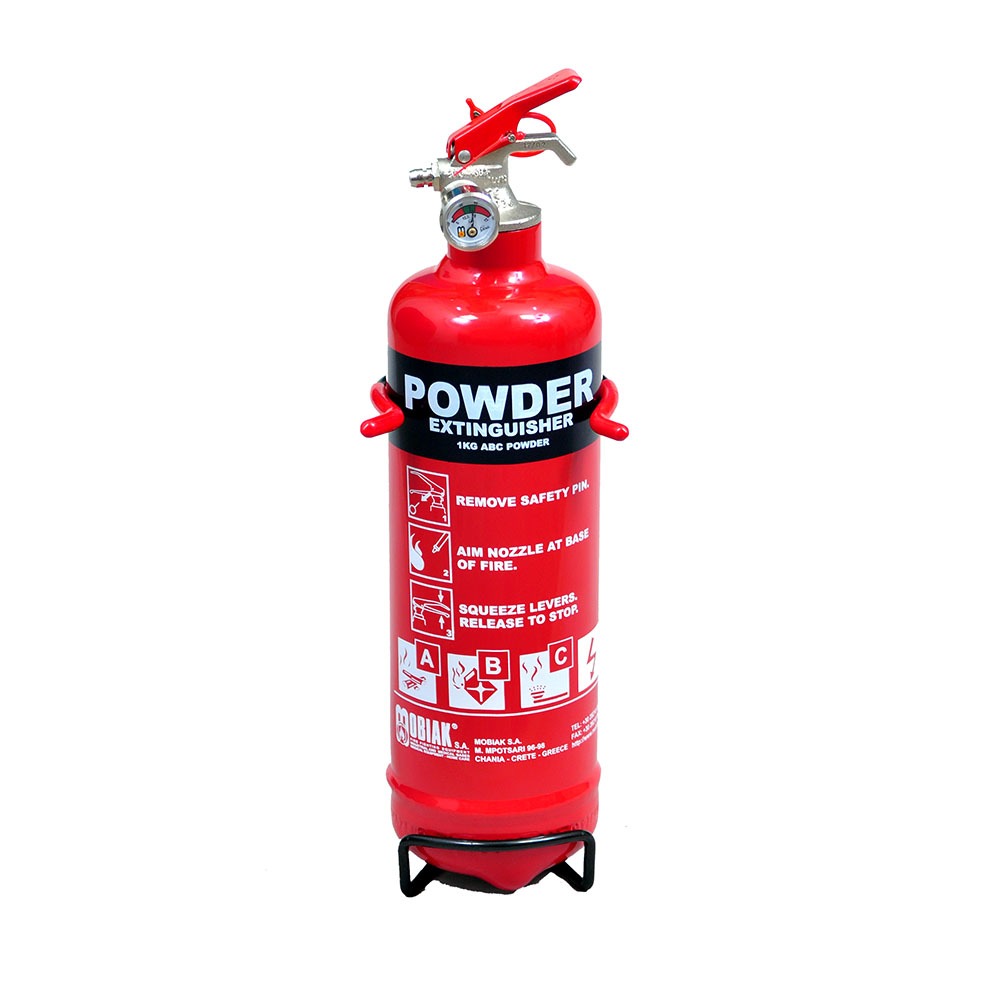
Among these, the Dry Chemical Powder (DCP) fire extinguisher is one of the most versatile and widely used. It is known for its ability to fight multiple classes of fires solid, liquid, and gas and for being easy to handle and quick to act. DCP extinguishers are found almost everywhere: in factories, offices, vehicles, petrol stations, and even homes.

The DCP extinguisher works by releasing a fine chemical powder that interrupts the chemical reaction of fire. Instead of cooling like water or smothering like foam, it stops the fire from continuing its burning process. This makes it highly effective, especially for flammable liquids and electrical fires where other extinguishers cannot be used safely.

Fire extinguishers, including DCP types, are classified and color-coded for easy identification. In most countries, DCP extinguishers are marked with blue labels or white bands, making them easy to recognize during emergencies. The powder inside is stored under pressure and discharged using a nozzle when the extinguisher is activated.

In modern workplaces and public spaces, fire safety laws often require the presence of DCP extinguishers because of their versatility. Their ability to tackle multiple fire classes makes them a critical first line of defense. However, it’s equally important to know how they work, how to maintain them, and when to use them properly.

This article provides a complete and detailed explanation of the DCP fire extinguisher. It covers everything from what it is, how it works, its advantages and disadvantages, where it should be used, and how to maintain it safely. Whether you’re a student, safety officer, or someone interested in learning about fire safety, this guide will help you understand the importance of DCP extinguishers and how they can save lives and property.


2. What is a DCP Fire Extinguisher?

A DCP (Dry Chemical Powder) fire extinguisher is a type of portable firefighting device that uses a dry chemical powder to stop the chemical reaction that keeps a fire burning. The extinguisher contains a fine powder made of chemical compounds like monoammonium phosphate, sodium bicarbonate, or potassium bicarbonate. These powders are specially designed to react with the fire’s heat and cut off its oxygen supply, which helps in putting the fire out quickly.

The DCP extinguisher is highly effective because it can be used on multiple classes of fire including Class A (solid materials like wood and cloth), Class B (flammable liquids like petrol and oil), and Class C (flammable gases and electrical equipment). This is why it is also called an ABC extinguisher when it uses monoammonium phosphate as the main chemical.

The powder inside the extinguisher works in two ways:

  1. It smothers the fire by forming a barrier between the fuel and the air.
  2. It interrupts the chemical chain reaction that allows the fire to sustain itself.

The extinguisher is usually a metal cylinder containing the powder and a propellant gas (often nitrogen). When the user pulls the safety pin and presses the handle, the gas is released, pushing the powder out through a hose and nozzle. The powder is then sprayed directly at the base of the fire.

Because the DCP extinguisher does not conduct electricity, it is safe to use on electrical fires. This makes it an excellent choice for workshops, data centers, factories, and households where electrical and flammable materials are present.

There are two common types of chemical powders used:

  • BC Type: Contains sodium bicarbonate or potassium bicarbonate. Effective on Class B and C fires.
  • ABC Type: Contains monoammonium phosphate. Effective on Class A, B, and C fires.

Another reason DCP extinguishers are popular is their cost-effectiveness and long shelf life. Unlike foam or CO₂ extinguishers that may lose pressure or require frequent checks, DCP extinguishers are more stable and require less maintenance.

However, while they are powerful, they also have some drawbacks. The powder can leave a thick residue that may damage sensitive electronics and make cleanup difficult. For example, if you use a DCP extinguisher on a computer or control panel fire, you may have to replace the equipment afterward because of powder contamination.

In short, a DCP fire extinguisher is a multi-purpose, reliable, and essential firefighting tool suitable for most workplaces and public buildings. Its ability to fight different fire types, along with its quick action, makes it one of the most important safety devices anyone can have nearby.


3. Classes of Fire DCP Extinguishers Can Handle

To understand the importance of DCP extinguishers, it’s necessary to know how fires are classified. Fires are divided into different classes based on the type of fuel that burns. Each class requires a specific extinguishing method, because not all extinguishers work on every fire type. Using the wrong extinguisher can make the situation worse.

There are five main classes of fire  A, B, C, D, and K. The DCP extinguisher can handle Classes A, B, and C, and in some specialized forms, even D.

  • Class A – Ordinary Combustibles:
    These fires involve materials like paper, cloth, wood, rubber, and plastics. They burn and leave ash. DCP extinguishers using monoammonium phosphate are effective here because the chemical melts and creates a coating on the burning surface, cutting off the air supply.
  • Class B – Flammable Liquids:
    Fires caused by petrol, diesel, oils, paints, and other flammable liquids fall under this category. Water should never be used on such fires because it can spread the liquid and worsen the flames. DCP powder stops these fires instantly by breaking the chain reaction and smothering the fuel.
  • Class C – Flammable Gases and Electrical Fires:
    This class includes fires from LPG, natural gas, and electrical systems. DCP extinguishers are non-conductive, so they can safely be used on live electrical equipment  unlike water or foam extinguishers.
  • Class D – Combustible Metals:
    Though not all DCP extinguishers are designed for metal fires, some special versions use specific powders that can put out burning magnesium, aluminum, or sodium. These are used in metal industries.
  • Class K – Cooking Oils and Fats:
    DCP extinguishers are not suitable for kitchen fires caused by hot oils and fats. Instead, wet chemical extinguishers are recommended.

The multi-class capability of DCP extinguishers makes them incredibly valuable in areas where different fire hazards exist. In factories, for example, a single DCP unit can handle a paper fire, an oil fire, or an electrical short circuit all without changing equipment.

To make it easier for users, extinguishers are color-coded:

  • Red body with blue label → DCP extinguisher
  • Red body with black label → CO₂ extinguisher
  • Red body with cream label → Foam extinguisher

Because DCP covers such a wide range of fire types, it is often chosen as the first-response extinguisher in most environments. Whether it’s a vehicle, school, or industrial site, one DCP extinguisher can handle most emergencies effectively and quickly.


4. Working Principle of a DCP Fire Extinguisher

To understand how a DCP fire extinguisher works, we need to look at both the science of fire and the mechanism of the extinguisher itself.

A fire can only exist when three elements are present together: heat, fuel, and oxygen. This combination is called the fire triangle. Remove any one of these three, and the fire will stop. DCP extinguishers work by attacking two of these; they remove oxygen and interrupt the chemical reaction between heat and fuel.

Step-by-Step Working Process:

  1. Activation:
     The user pulls the safety pin from the handle and aims the nozzle at the base of the fire. When the handle is pressed, it opens the valve inside the extinguisher.
  2. Release of Pressure:
     Inside the extinguisher, the dry chemical powder is stored under pressure, either mixed with nitrogen gas or next to a small gas cartridge. When the valve opens, the pressurized gas pushes the powder out through the hose and nozzle.
  3. Discharge of Powder:
     The fine powder sprays in a strong stream toward the fire. Because the powder is light and dry, it spreads quickly and covers a large area.
  4. Chemical Reaction with Fire:
     The powder does two things:
  • It blocks oxygen from reaching the burning fuel.
  • It interrupts the chain reaction of combustion.

For example, in a BC-type extinguisher, the main chemical (sodium bicarbonate) decomposes when heated:

2NaHCO3→Na2CO3+H2O+CO22NaHCO₃ → Na₂CO₃ + H₂O + CO₂2NaHCO3​→Na2​CO3​+H2​O+CO2​

This releases carbon dioxide (CO₂), which helps smother the flames by displacing oxygen.

In an ABC-type extinguisher, monoammonium phosphate melts and forms a sticky layer on the burning surface. This coating seals the fuel and prevents further burning. It also provides a mild cooling effect.

Scientific Principle Behind It:

Fire is a chain reaction that breaks down fuel molecules, which then react with oxygen to produce more heat and sustain the flame. The DCP powder interrupts this chemical chain, stopping the reaction almost instantly.

Unlike water or foam, DCP does not rely on cooling or soaking the material. Instead, it directly interferes with the fire’s chemistry, which is why it can stop fast-moving liquid and gas fires in seconds.

Why It’s Effective:

  • Works on multiple fire types (A, B, and C).
  • Acts very quickly, reducing flame spread.
  • Safe for use on live electrical equipment.
  • Functions well in both open and confined spaces.

However, because it creates a large powder cloud, it can reduce visibility and cause breathing discomfort if used indoors without ventilation.

In summary, the DCP fire extinguisher is a fast-acting, chemical-based firefighting system that stops fire by smothering and chemically disrupting it. Its simplicity and effectiveness are why it remains one of the most trusted types of extinguishers worldwide.


5. Construction and Components of a DCP Fire Extinguisher

A DCP fire extinguisher is carefully designed to store the powder safely and release it quickly when needed. Each part of the extinguisher plays an important role in ensuring it works properly during an emergency.

Main Components:

  1. Cylinder or Body:
     The main container that holds the dry chemical powder. It’s usually made of strong, corrosion-resistant steel and painted red for visibility. The body must withstand high internal pressure (around 15–20 bar).
  2. Dry Chemical Powder:
     This is the active firefighting agent. Depending on the type, it may contain monoammonium phosphate, sodium bicarbonate, or potassium bicarbonate. The powder must be dry, free-flowing, and moisture-proof to remain effective.
  3. Propellant Gas:
     The extinguisher uses compressed nitrogen or sometimes carbon dioxide (CO₂) to push the powder out when the handle is pressed. The pressure can be stored inside the same chamber (stored pressure type) or in a separate cartridge (cartridge type).
  4. Discharge Tube and Nozzle:
     The nozzle directs the powder toward the fire. It is made of non-conductive materials like plastic or rubber, ensuring safety during electrical fires.
  5. Operating Valve and Handle:
     Located at the top, this valve mechanism controls the release of pressure. The handle is pressed to open the valve and release the powder. It’s designed for quick operation even under stress.
  6. Safety Pin and Seal:
     A metal pin prevents accidental discharge. It is sealed with a tamper-proof tag, which must be broken before use.
  7. Pressure Gauge (in stored-pressure types):
     A small circular gauge on the top shows whether the extinguisher is ready to use. The needle should always be in the green zone; red indicates under or over-pressure.
  8. Hose or Discharge Pipe:
     Attached to the nozzle, it provides flexibility to aim the powder accurately at the base of the fire.
  9. Label and Instructions:
     Every extinguisher comes with a printed label showing its fire class rating, chemical type, and operating steps ensuring that even untrained people can use it quickly.

Design Features:

  • Corrosion-resistant coating ensures long life.
  • A strong base ring allows the extinguisher to stand upright.
  • Easy-refill design for periodic servicing.

Optional Add-ons:

  • Wall brackets for mounting.
  • Vehicle clamps for transport.
  • Pressure release valves for safety.

In essence, every component of a DCP extinguisher works together to ensure rapid and reliable operation. A properly maintained extinguisher can discharge its contents in less than 10 seconds, covering a wide area and stopping fires before they grow uncontrollable.


6. Types of DCP Fire Extinguishers

DCP extinguishers come in different types and sizes depending on how they store pressure, how they are operated, and where they are used. Understanding these types helps in selecting the right extinguisher for the right environment.

1. Stored Pressure Type:

This is the most common type used in homes, offices, and small industries. In this design, the dry chemical powder and compressed gas (usually nitrogen) are stored together in one chamber. When the handle is pressed, the pressure releases immediately and discharges the powder.

Advantages:

  • Simple design with fewer parts.
  • Quick and easy to use.
  • Has a pressure gauge for inspection.
    Disadvantages:

  • Pressure may leak over time if not maintained.

Stored pressure types are lightweight and usually come in 1 kg to 9 kg sizes.

2. Cartridge Type:

In this type, the propellant gas (often CO₂ or nitrogen) is stored in a separate cartridge inside the extinguisher. When you press the operating lever, it punctures the cartridge, releasing the gas, which then pressurizes the main cylinder and expels the powder.

Advantages:

  • Longer shelf life because the powder is not under constant pressure.
  • Easier to maintain and refill.
  • Preferred for industrial and high-temperature areas.

Disadvantages:

  • Slightly slower discharge compared to stored pressure.
  • Requires more training to operate properly.

3. Trolley-Mounted Type:

These are large-capacity DCP extinguishers, usually ranging from 25 kg to 50 kg or more. They are mounted on wheels or trolleys for easy movement and are designed for use in factories, oil depots, fuel stations, and airports.

Advantages:

  • Can fight large-scale fires.
  • Long discharge time and high range (up to 10 meters).
  • Operated by two people for efficiency.

Disadvantages:

  • Heavy and not portable by hand.
  • Needs storage space and trained operators.

4. Specialized Powders:

Some extinguishers are filled with special-purpose powders:

  • Purple-K (PKP): Used in oil refineries and aircraft hangars. Very fast-acting.
  • Metal Fires (Class D): Contains graphite or sodium chloride powder.

5. Size Variations:

DCP extinguishers are available in different capacities:

  • Small units: 1–4 kg (homes, offices).
  • Medium units: 6–9 kg (commercial areas).
  • Large/trolley units: 25–50 kg (industrial sites).

In short, the type of DCP extinguisher depends on where it’s used and what hazards exist there. For most workplaces, stored pressure types are ideal; for industrial or oil-related risks, cartridge and trolley-mounted types are preferred.

Each type has the same goal to stop fire quickly but their design ensures that the right amount of power, pressure, and coverage is available for each unique environment.


7. Applications of DCP Fire Extinguishers

The DCP fire extinguisher is one of the most widely used firefighting tools in the world because of its ability to fight multiple types of fires. Its versatility and quick action make it suitable for almost every environment from small homes to large industrial complexes. Let’s look at where and how these extinguishers are most effectively used.

1. Industrial Areas

Factories and manufacturing plants often deal with a variety of flammable materials such as chemicals, fuels, paints, and gases. These create a high fire risk. DCP extinguishers are ideal for such places because they can fight Class A (solid), Class B (liquid), and Class C (gas/electrical) fires.
Industries such as oil and gas refineries, chemical plants, automobile manufacturing, and metal processing rely heavily on DCP extinguishers. Large trolley-mounted models are used to cover wide areas quickly during emergencies.

2. Commercial Buildings

Office buildings, shopping malls, hospitals, and schools are all required by law in most countries to keep fire extinguishers at easily accessible points. DCP extinguishers are popular in these settings because of their all-purpose use.
They can handle fires caused by electrical wiring faults, office equipment, or flammable liquids like cleaning solvents. Their ease of operation also makes them suitable for untrained staff and general public use.

3. Transportation

Vehicles and transportation hubs are prone to fires due to fuel and electrical systems. DCP extinguishers are mandatory in buses, trucks, trains, ships, and airplanes.
In vehicles, compact DCP units (1/4 kg) are mounted in easy-to-reach locations. For airports and marine vessels, larger DCP systems or trolley-mounted versions are used because they can fight large fuel-based fires rapidly.

4. Warehouses and Storage Facilities

Warehouses often store paper, cardboard, textiles, chemicals, or machinery all of which are potential fire hazards. A single DCP extinguisher can control different types of fires here, making it the most cost-effective and practical choice.

5. Electrical Installations

Since the DCP extinguisher’s powder is non-conductive, it is safe for use on electrical fires. This makes it perfect for use in server rooms, power stations, transformer areas, and data centers. It can stop an electrical fire without risking electric shock to the operator.

6. Public and Residential Areas

DCP extinguishers are also found in homes, apartment complexes, and public transport stations. Their ability to handle multiple fire types makes them a good choice for kitchens (non-oil fires), living areas, and garages.

7. Oil and Gas Industry

In refineries and fuel stations, the presence of flammable liquids poses constant risk. DCP extinguishers are the first line of defense here because they act almost instantly on fuel-based fires. Large trolley-mounted versions are kept near pump stations and storage tanks.

Summary

The DCP fire extinguisher is truly a multi-environment solution. Whether the fire starts from wood, paper, fuel, or electrical faults, this extinguisher provides a fast, reliable, and effective response. That’s why almost every fire safety plan includes DCP units as essential protection equipment.


8. Advantages of DCP Fire Extinguishers

DCP fire extinguishers are widely preferred because they offer several advantages over other types of extinguishers. Their ability to work on multiple classes of fires, combined with low maintenance and fast action, makes them one of the most reliable firefighting tools available.

1. Multi-Purpose Use

One of the biggest advantages is that DCP extinguishers can tackle Class A, B, and C fires. That means they can handle solid combustibles like wood and paper, liquid fuels like petrol and oil, and electrical fires all with the same device. This versatility makes them perfect for locations with mixed fire risks.

2. Fast-Acting and Effective

The dry chemical powder acts immediately upon contact with flames. It interrupts the chemical chain reaction that keeps the fire burning, effectively stopping it within seconds. This rapid action can prevent small fires from turning into large, uncontrollable blazes.

3. Non-Conductive and Safe

Since the powder is non-conductive, it can safely be used on electrical fires without the risk of electric shock. This feature makes DCP extinguishers ideal for offices, data centers, and workshops.

4. Long Shelf Life

The chemical powder inside a DCP extinguisher remains stable for many years, provided the cylinder is stored correctly and kept sealed. This makes it economical, as it doesn’t require frequent replacement compared to other extinguishers like foam or CO₂.

5. Works in All Weather Conditions

DCP extinguishers function well even in extreme temperatures. Whether it’s very hot or cold, the powder remains effective, making it suitable for outdoor use in industrial zones and transport vehicles.

6. Cost-Effective

Compared to specialized extinguishers like CO₂ or halon replacements, DCP models are relatively inexpensive to purchase, refill, and maintain. Their wide availability also ensures that spare parts and refilling services are easy to find.

7. Easy to Use

Operation is simple just pull, aim, squeeze, and sweep (the PASS method). Even someone with basic fire safety training can use it effectively. This ease of use makes it valuable in public areas where trained firefighters may not be immediately available.

8. High Efficiency

Because of the fine powder spray and high discharge pressure, DCP extinguishers can cover large areas quickly. This is especially helpful for fast-spreading liquid or gas fires.

9. Compatibility

They can be used alongside other extinguishers like CO₂ or foam for maximum protection. In many workplaces, a combination of DCP and CO₂ units ensures complete safety for all types of fire hazards.

Conclusion

The DCP extinguisher’s major strengths lie in its versatility, speed, and dependability. It’s a practical, budget-friendly, and highly effective solution for nearly every type of fire scenario which is why it remains the most commonly installed extinguisher across the world.


9. Limitations of DCP Fire Extinguishers

While DCP extinguishers have many benefits, it’s also important to understand their limitations. Knowing what they can and cannot do ensures they are used correctly and safely.

1. Residue and Cleanup

The main drawback of DCP extinguishers is the powder residue left behind after use. The fine powder can settle on floors, machines, and electronic equipment, which may cause damage or require time-consuming cleaning. Sensitive electronic systems, like computers or control panels, may get ruined if the powder enters internal components.

2. Limited Cooling Effect

Unlike water or foam extinguishers, DCP extinguishers don’t cool the fire area. They stop the flames by smothering and interrupting the reaction, but the fuel may remain hot. If the area is disturbed or re-exposed to air, the fire can reignite.

3. Visibility Problems

When discharged, DCP extinguishers create a thick white powder cloud that can reduce visibility. In enclosed spaces, this may cause confusion or disorientation. It can also make it harder for the operator to see if the fire is completely out.

4. Breathing and Irritation Issues

The dry chemical powder can cause mild respiratory irritation if inhaled. In small or poorly ventilated areas, the air may become difficult to breathe after using the extinguisher. People with asthma or respiratory conditions should avoid exposure.

5. Not Suitable for Certain Fires

DCP extinguishers are not recommended for Class K (cooking oil) fires or metal fires unless they contain a specialized powder. Using the wrong extinguisher can make such fires worse.

6. Damage to Equipment

Because the powder is corrosive when mixed with moisture, it can damage delicate machinery, electrical panels, and circuit boards. That’s why in laboratories or data centers, CO₂ extinguishers are often preferred.

7. Short Discharge Time

Most portable DCP extinguishers discharge their contents in just 8 to 12 seconds. This means you must act fast and aim carefully at the base of the fire. If not used properly, the entire extinguisher can be emptied without putting out the flames.

8. Health and Safety Precautions

After using a DCP extinguisher, it’s important to ventilate the area and wear protective gear when cleaning. The powder is generally non-toxic but can irritate skin and eyes if not handled correctly.

Summary

While the DCP extinguisher is one of the most effective fire control tools available, it’s not perfect. The key is to use it in the right situation and alongside proper fire safety training. Understanding its limitations ensures safer and more effective firefighting without unnecessary damage or risk.


10. Maintenance and Inspection of DCP Fire Extinguishers

A DCP fire extinguisher is only useful if it works properly during an emergency. Regular maintenance and inspection are essential to ensure that the extinguisher performs as expected when needed. Neglecting this can lead to malfunction or even failure at the most critical time.

1. Importance of Maintenance

Fire extinguishers sit unused for long periods, but when a fire occurs, they must work instantly. Because the powder is under pressure, leaks or moisture contamination can reduce effectiveness. Routine maintenance ensures the extinguisher remains pressurized, dry, and ready for use.

2. Visual Inspection (Monthly)

Every month, perform a quick check to confirm:

  • The extinguisher is placed in its designated spot and is easily accessible.
  • The safety pin and tamper seal are intact.
  • The pressure gauge needle is in the green zone (for stored-pressure types).
  • There are no signs of corrosion, dents, or leakage on the cylinder.
  • The nozzle or hose is not blocked or damaged.

If any issues are noticed, they should be reported immediately to the safety officer or maintenance team.

3. Annual Servicing

Once a year, a more detailed inspection should be carried out by a trained technician. This includes:

  • Weighing the extinguisher to ensure it still contains the correct amount of powder.
  • Checking the condition of the hose, handle, and internal parts.
  • Cleaning any dirt or residue.
  • Testing the discharge (if required) and refilling or repressurizing if needed.

Some organizations mark serviced extinguishers with a tag or sticker showing the inspection date and technician’s initials.

4. Hydrostatic Pressure Testing

Every five years, the extinguisher cylinder should undergo a hydrostatic test to check for structural strength and leaks. In this test, the cylinder is filled with water and pressurized to a higher level than normal operating pressure. If it holds without leaks or deformation, it passes the test.

5. Refilling and Recharging

After every use, even a partial discharge, the extinguisher must be refilled and repressurized. DCP powder can absorb moisture from the air, reducing its effectiveness. Therefore, refilling should always be done by certified professionals using the correct type of powder.

6. Storage Conditions

DCP extinguishers should be kept in clean, dry locations away from direct sunlight, extreme temperatures, and vibration. In vehicles, special mounting brackets should be used to prevent damage.

7. Training and Record Keeping

Personnel should receive regular fire extinguisher training, including how to inspect and operate them. Also, every inspection and maintenance activity should be recorded in a fire safety logbook.

Summary

Proper maintenance keeps the DCP extinguisher reliable and safe. A well-maintained extinguisher can make the difference between quickly controlling a small fire and suffering major losses. Regular checks are not just good practice; they are often legally required for safety compliance.


11. Safety Tips for Using DCP Fire Extinguishers

Knowing how to use a DCP fire extinguisher correctly is just as important as having one. In a fire emergency, panic and confusion are common, so following proper safety steps ensures effectiveness and personal protection.

1. Learn the PASS Technique

Remember the PASS method, which is an easy way to recall how to use a fire extinguisher:

  • P – Pull the safety pin to unlock the handle.
  • A – Aim the nozzle at the base of the fire (not the flames).
  • S – Squeeze the handle slowly to release the powder.
  • S – Sweep the nozzle side to side, covering the fire base evenly.

This simple technique helps control the fire more effectively.

2. Stand at a Safe Distance

Always stand about 2 to 3 meters (6 to 10 feet) away from the fire. The DCP extinguisher has strong discharge pressure, so standing too close may scatter burning materials. Move closer only when the fire starts to die down.

3. Aim at the Base of the Fire

Most people instinctively aim at the flames, but that’s ineffective. The real target is the base of the fire, where the fuel is burning. Spraying powder there helps cut off oxygen and stop the fire’s chemical reaction.

4. Use in the Right Environment

DCP extinguishers can be used indoors or outdoors, but they release a large powder cloud. In closed rooms, make sure the area is ventilated after use to avoid breathing discomfort. If possible, wear a mask or cover your mouth and nose during operation.

5. Do Not Use on Oil Pan or Kitchen Fires

Never use a DCP extinguisher on cooking oil fires (Class K). The pressure may cause the hot oil to splash, spreading the fire. For kitchen fires, a wet chemical extinguisher is safer.

6. Check the Wind Direction

If outdoors, always stand upwind of the fire so the powder doesn’t blow back into your face. Working with the wind ensures maximum coverage and safety.

7. Don’t Turn Your Back on a Fire

After discharging the extinguisher, keep your eyes on the fire area for a few minutes. Some materials can reignite once the powder settles. If that happens, repeat the process or call emergency services immediately.

8. Evacuate if Fire Grows

If the fire is spreading or getting larger than you can control, evacuate immediately. Your safety is more important than saving property. Call the fire department and leave the building.

9. After Use

Once the fire is out, don’t touch any burned material until it cools. Report the incident, and ensure the extinguisher is recharged and replaced right away.

Summary

Using a DCP extinguisher safely requires calmness and correct technique. The PASS method, awareness of surroundings, and proper judgment can make your response quick and effective, possibly saving lives and property.


12. Disposal and Environmental Considerations

After several years of use or once the extinguisher has expired, it must be properly disposed of or recycled. DCP extinguishers are made of metal and contain chemical powder, so they should never be thrown away like ordinary trash.

1. Checking for Expiry

Every extinguisher has a manufacturing and expiry date printed on the label. Typically, DCP extinguishers have a service life of 5 to 10 years. After that, the cylinder should be pressure-tested or replaced.

2. Safe Disposal

Expired or damaged extinguishers should be handed over to an authorized recycling or disposal facility. The process usually involves:

  • Emptying the remaining powder in a safe environment.
  • Cleaning the inside of the cylinder.
  • Separating metal parts for recycling.
  • Treating the leftover powder according to environmental guidelines.

3. Refilling and Reuse

If the extinguisher is structurally sound after testing, it can often be refilled and reused. This is cost-effective and environmentally friendly. Only certified technicians should perform refilling using the right type of powder and gas.

4. Handling the Powder

The dry chemical powder is generally non-toxic, but it should still be handled carefully. Avoid inhaling or allowing it to mix with water, as it can form a mildly corrosive paste. Always wear gloves and a mask when cleaning or disposing of the residue.

5. Recycling the Cylinder

The steel or aluminum body of the extinguisher can be recycled like other metal scrap. Before recycling, the cylinder should be depressurized and checked for any remaining contents.

6. Environmental Impact

The DCP extinguisher is relatively safe for the environment compared to older halon-based systems. The powder does not damage the ozone layer, and the gases used (like nitrogen) are environmentally neutral. However, dumping large amounts of powder in water sources or soil should be avoided, as it can temporarily affect pH levels.

7. Legal and Safety Compliance

In many countries, environmental regulations require proper documentation when disposing of fire extinguishers. Businesses must maintain disposal records as part of their fire safety and environmental management plans.

Summary

Proper disposal and recycling of DCP extinguishers prevent pollution, save resources, and ensure public safety. Treating them responsibly after their useful life shows a commitment to safety and environmental care.


13. Conclusion

The Dry Chemical Powder (DCP) fire extinguisher is one of the most important tools for fire safety today. Its ability to fight multiple classes of fires including solids, liquids, and electrical makes it an essential part of every building, factory, and vehicle.

DCP extinguishers combine simplicity, speed, and effectiveness. The fine chemical powder they release cuts off oxygen and interrupts the fire’s chemical reaction, stopping flames within seconds. From small offices to massive industrial sites, these extinguishers play a crucial role in preventing disasters.

However, owning a DCP extinguisher is only half the responsibility. Regular maintenance, correct usage, and awareness of its limitations are equally important. Knowing when and how to use it following the PASS technique and safety rules can make the difference between quick control and total loss.

While DCP extinguishers are powerful, they are not perfect. They leave residue, have short discharge times, and should not be used on oil or metal fires. But when used in the right setting, they remain one of the most dependable firefighting devices available.

Training and preparation are the keys to effective fire response. Every person in a workplace, school, or home should know the location and basic operation of fire extinguishers. Conducting regular fire drills, keeping equipment maintained, and following inspection schedules ensure readiness at all times.

Finally, proper disposal and recycling at the end of an extinguisher’s life are important for environmental safety. Reusing and refilling are preferred over waste, and compliance with safety standards ensures both people and the planet remain protected.

In conclusion, the DCP fire extinguisher represents a perfect balance between power, practicality, and protection. It is a symbol of preparedness, a simple device capable of saving countless lives and properties when handled responsibly and maintained with care.

What Is a DCP Fire Extinguisher? Complete Guide to Dry Chemical Powder Type
A DCP fire extinguisher, also known as a Dry Chemical Powder fire extinguisher, is one of the most widely used and effective types of fire extinguishers. It works by releasing a fine powder that quickly smothers flames, cutting off the fire’s oxygen supply and stopping the chemical reaction that keeps the fire burning. DCP extinguishers are highly versatile and can be used on several types of fires, making them a popular choice in homes, offices, factories, petrol stations, and commercial buildings across Pakistan.

The main extinguishing agent inside a DCP fire extinguisher is a dry chemical powder—usually mono ammonium phosphate or sodium bicarbonate. This powder is stored under pressure inside a strong metal cylinder. When you press the handle or lever, the pressure releases the powder through a nozzle, which then covers the burning area. The powder forms a blanket over the flames, quickly cooling and cutting off oxygen so the fire cannot continue. This action makes DCP extinguishers very effective for fast-spreading fires.

One of the biggest advantages of a DCP fire extinguisher is that it can handle multiple fire classes. It is suitable for:

  • Class A fires – involving ordinary materials like paper, wood, cloth, or plastic.

  • Class B fires – caused by flammable liquids such as petrol, diesel, oil, or paint.

  • Class C fires – involving flammable gases like LPG or natural gas, and electrical fires.

This multi-purpose capability is why DCP fire extinguishers are considered a must-have for workplaces, warehouses, and petrol pumps in Pakistan. They are especially important in industries dealing with fuels, lubricants, or electrical equipment.

There are two common types of DCP fire extinguishers: stored pressure type and cartridge type. In the stored pressure model, both the powder and pressurizing gas (usually nitrogen) are contained in the same cylinder. This type is easier to use and more common for homes and offices. The cartridge type has a separate gas cartridge that activates the extinguisher when punctured. This version is often used in industrial or heavy-duty environments where the extinguisher might be exposed to heat, dust, or rough handling.

To use a DCP fire extinguisher effectively, follow the PASS technique:
P – Pull the pin to unlock the handle.
A – Aim the nozzle at the base of the fire.
S – Squeeze the handle to release the powder.
S – Sweep from side to side until the flames are fully covered.

Always make sure to stand a safe distance from the fire and move closer only as the flames reduce. After using the extinguisher, the area should be cleaned properly since the powder can leave residue on surfaces. It’s also important to service and refill your extinguisher regularly to ensure it’s always ready for use.

In Pakistan, the price of a DCP fire extinguisher depends on its size, brand, and capacity. A small 1 kg to 2 kg DCP extinguisher suitable for homes or offices usually costs between PKR 1,500 and PKR 3,000. Medium sizes (4 kg to 6 kg) range from PKR 4,000 to PKR 7,000, while large industrial models (9 kg to 12 kg or more) can cost PKR 8,000 to PKR 15,000 or higher. Popular brands available in Pakistan include NAFFCO, Firex, and Universal Fire Protection. Always choose extinguishers that meet international standards such as BSI, CE, or ISO certification for reliability and safety.

In conclusion, a DCP fire extinguisher is an all-rounder firefighting tool that offers quick and powerful protection against many types of fires. Its ability to handle flammable liquids, gases, and electrical fires makes it one of the most practical choices for both home and business use. Regular maintenance, proper training, and timely refilling ensure that your DCP extinguisher remains effective when an emergency strikes. For anyone in Pakistan looking for a reliable and affordable fire safety solution, a DCP fire extinguisher is an essential first line of defense that can save lives and property.

Which chemical is in DCP?

A DCP fire extinguisher, short for Dry Chemical Powder fire extinguisher, uses a special powdered chemical to stop and control different types of fires. The chemical used inside this extinguisher is the key to its fast and effective performance. The main chemical used in most DCP fire extinguishers is either Mono Ammonium Phosphate (MAP) or Sodium Bicarbonate, depending on the type and purpose of the extinguisher. These dry chemical powders are designed to interrupt the chemical reactions that allow a fire to burn, quickly putting out the flames and preventing them from reigniting.

The most common chemical used in multi-purpose DCP fire extinguishers is Mono Ammonium Phosphate (MAP). It is a fine, yellow powder that works effectively on Class A, B, and C fires — meaning it can handle solid materials like paper and wood, flammable liquids like petrol and diesel, and even electrical fires. MAP extinguishers are very popular because they can be used on almost all types of fire without the risk of electric shock or spreading flames. When discharged, the powder melts slightly and forms a thin coating on the burning surface, sealing off oxygen and cooling the area to stop the fire completely.

Some DCP extinguishers, especially those designed mainly for Class B and C fires, use Sodium Bicarbonate (NaHCO₃) or Potassium Bicarbonate (KHCO₃) as their active chemical. These white powders are commonly known as baking soda-based agents. They work by releasing carbon dioxide (CO₂) when exposed to heat, which helps smother the fire and cut off its oxygen supply. Sodium Bicarbonate-based powders are effective for flammable liquid fires, such as those involving petrol, oil, or gas, and for electrical fires where using water could be dangerous.

In some high-performance industrial DCP extinguishers, a chemical known as Purple-K (Potassium Bicarbonate) is used. Purple-K is one of the most powerful dry chemical powders available and is extremely effective for oil, gas, and aviation fires. It’s widely used in places like fuel storage areas, airports, and refineries because it can quickly knock down large flames and prevent re-ignition. Though more expensive, it provides superior fire control where safety is critical.

The chemical inside a DCP fire extinguisher is stored under pressure with an inert gas such as nitrogen (N₂). When you press the handle, the gas pushes the powder out through the nozzle at high speed, spreading it over the fire. The powder forms a thick blanket over the flames, cutting off oxygen and stopping the chain reaction that keeps the fire burning. This process makes DCP extinguishers highly efficient and suitable for quick response in emergencies.

It’s important to note that while these powders are very effective in stopping fires, they can leave a residue after use. The chemical residue should be cleaned properly after an incident, especially around electrical equipment or machinery. The powder itself is non-toxic but can irritate the eyes or throat, so users should avoid direct inhalation during discharge.

In Pakistan, DCP fire extinguishers with Mono Ammonium Phosphate (MAP 40% to 90%) are the most common type because they are multi-purpose and provide strong performance for homes, offices, and industries. Always check the label on your extinguisher to know the exact chemical composition, as it affects which types of fire it can safely handle. For example, an extinguisher labeled as “ABC Dry Chemical Powder” contains MAP and can be used for all common fire types, while a “BC Powder” extinguisher is mainly for flammable liquids and gases.

In conclusion, the main chemical used in a DCP fire extinguisher is either Mono Ammonium Phosphate, Sodium Bicarbonate, or Potassium Bicarbonate, depending on the type of fire it’s designed to fight. These chemicals work by quickly cutting off oxygen and interrupting the burning process, effectively stopping the fire. Choosing the right type of DCP extinguisher — and understanding the chemical it contains — ensures better safety, stronger performance, and full protection in case of emergency. For reliable fire safety in Pakistan, always buy extinguishers that use high-quality certified chemicals and meet international safety standards

What is DCP used for?

A DCP, or Dry Chemical Powder fire extinguisher, is one of the most common and effective firefighting tools used in Pakistan and around the world. It is designed to control and extinguish fires quickly by using a special dry chemical powder that cuts off the fire’s oxygen supply and interrupts the chemical reaction that keeps it burning. DCP extinguishers are highly versatile and can be used in homes, offices, factories, fuel stations, warehouses, and vehicles. Because of their ability to handle different types of fires, they are often considered the best all-purpose extinguisher for general safety.

The main use of a DCP fire extinguisher is to put out Class A, B, and C fires. These categories represent the most common types of fires that occur in daily life. Class A fires involve ordinary combustible materials such as paper, wood, cloth, and plastic. Class B fires are caused by flammable liquids like petrol, diesel, paints, and oils. Class C fires involve flammable gases or electrical equipment, such as short circuits, gas leaks, or electrical panels. The dry powder in a DCP extinguisher can handle all these fire types effectively, which makes it a multi-purpose firefighting solution.

In industrial settings, DCP extinguishers are used to protect areas where flammable chemicals or fuels are stored or handled. For example, in factories, refineries, and workshops, they are kept near machines, fuel tanks, or welding stations where the risk of fire is high. Petrol pumps and gas stations in Pakistan also rely on DCP extinguishers because they can safely stop fuel fires without spreading the flames. Their fast-acting powder helps to bring the fire under control within seconds, which prevents bigger damage or explosions.

In commercial buildings such as offices, schools, and shopping centers, DCP fire extinguishers are used as part of the overall fire safety system. They are usually installed in hallways, near electrical panels, or beside exits so that anyone can reach them easily in case of an emergency. Because DCP extinguishers can also be used on electrical fires, they are often preferred over water-based extinguishers, which can cause electric shock. Their ability to fight multiple fire types with one product makes them both practical and economical for public and private buildings.

In homes, a smaller DCP extinguisher can be used in the kitchen, garage, or near the main electrical board. Accidents involving cooking oil, faulty wiring, or small gas leaks can be handled effectively with a DCP extinguisher. For households in Pakistan, keeping at least one small extinguisher of 1 kg to 2 kg capacity is a smart safety choice.

Another important use of DCP extinguishers is in vehicles. Many cars, trucks, and buses carry compact DCP extinguishers because vehicle fires can spread quickly due to fuel, oil, or electrical wiring. A small dry chemical extinguisher allows drivers to control the fire before it becomes uncontrollable. This is especially important for commercial transport vehicles or those carrying goods and passengers.

Apart from firefighting, DCP (Dry Chemical Powder) is also used in fire suppression systems and fire safety training. Some industrial fire systems automatically release DCP powder in case of a fire to suppress flames in areas like engine rooms or generator rooms. Fire safety professionals also use DCP extinguishers for training sessions to teach people how to operate them properly during real emergencies.

While DCP extinguishers are extremely effective, users should be aware that the powder can leave a residue after use. This residue needs to be cleaned properly, especially around electronics or machinery, to prevent any long-term damage. However, this minor inconvenience is small compared to the major protection DCP extinguishers provide.

In conclusion, a DCP fire extinguisher is used for extinguishing Class A, B, and C fires, making it suitable for almost every environment — from homes and offices to industrial sites and fuel stations. It works fast, is easy to operate, and offers powerful protection against most fire hazards. Whether you run a business, manage a building, or simply want to secure your home, keeping a DCP fire extinguisher within reach is one of the smartest and most affordable fire safety steps you can take in Pakistan.


Where are DCP extinguishers commonly used?

DCP fire extinguishers, also known as Dry Chemical Powder fire extinguishers, are among the most commonly used firefighting tools in Pakistan and around the world. They are popular because they can quickly control different types of fires, including those caused by solid materials, flammable liquids, gases, and electrical faults. Their versatility, reliability, and affordability make them suitable for use in a wide range of places — from homes to heavy industries.

One of the most common places where DCP fire extinguishers are used is in industrial areas and factories. These environments often contain flammable materials such as fuels, oils, paints, and chemicals, which can catch fire easily. DCP extinguishers are installed near machinery, fuel storage areas, and production lines to control Class B and Class C fires caused by liquids and gases. In many factories across Pakistan, especially those dealing with manufacturing, textiles, and engineering, DCP extinguishers are required as part of their fire safety system to meet national safety standards.

Another major area of use for DCP extinguishers is petrol pumps and gas stations. Since these locations involve highly flammable fuels, a small spark can turn into a serious fire. DCP extinguishers are ideal for such situations because they can stop fuel-based fires within seconds without spreading the flames. Their powder formula works effectively on petrol, diesel, and gas fires, making them the first line of defense at fuel stations.

In commercial buildings, such as offices, malls, hospitals, and schools, DCP fire extinguishers are installed to handle electrical or flammable material fires. They are often placed near electrical panels, generator rooms, and corridors where they can be accessed easily during an emergency. Since they can fight Class A, B, and C fires, they provide all-around protection in mixed-use buildings where different fire risks exist. Their easy operation makes them suitable for both trained staff and general occupants.

DCP extinguishers are also commonly used in warehouses and storage facilities. These areas often store goods made of paper, cardboard, wood, plastic, or fabrics — all of which can catch fire quickly. The dry chemical powder can effectively control such fires without the need for water or foam. It also prevents re-ignition, which is essential in large storage spaces where a small spark can lead to big losses.

In transport and vehicle applications, DCP fire extinguishers play a vital role. They are often found in buses, trucks, and other commercial vehicles, as well as in workshops and service stations. Vehicle fires can start from engine overheating, fuel leaks, or electrical faults, and a DCP extinguisher can stop them before they spread. Many transport authorities in Pakistan recommend keeping at least one small DCP extinguisher (usually 1 kg or 2 kg) in each vehicle for safety compliance.

In residential areas, small DCP extinguishers are becoming more common. Homeowners use them in kitchens, garages, and near main electrical panels. Fires caused by short circuits, cooking oil, or gas leaks can be quickly controlled with a DCP extinguisher before they grow out of control. They are safe for indoor use and easy for anyone to operate, which makes them an ideal choice for families.

DCP extinguishers are also used in construction sites, airports, power plants, and refineries, where multiple fire risks exist. Their ability to handle electrical and fuel-based fires makes them perfect for large-scale environments. Many government buildings and public facilities in Pakistan also use DCP extinguishers as part of their fire safety regulations.

In short, DCP fire extinguishers are commonly used in:

  • Factories and industrial areas

  • Petrol pumps and gas stations

  • Commercial buildings and offices

  • Warehouses and storage facilities

  • Vehicles and transport services

  • Homes and residential areas

  • Construction sites, airports, and power plants

In conclusion, DCP fire extinguishers are versatile and effective tools that provide protection in almost every type of environment. Their ability to fight Class A, B, and C fires makes them one of the most reliable and affordable fire safety options in Pakistan. Whether in a small home, a busy office, or a large industrial complex, a DCP extinguisher ensures quick response, effective control, and peace of mind in case of fire emergencies.

How much pressure is in a DCP fire extinguisher?

A DCP fire extinguisher (Dry Chemical Powder fire extinguisher) is a pressurized safety device that stores chemical powder under controlled pressure to extinguish fires instantly. The pressure inside the extinguisher plays a very important role in its performance — it is what pushes the powder out through the nozzle when you press the handle. Without the right pressure, the extinguisher would not be able to release the powder properly or reach the fire effectively.

The typical pressure inside a DCP fire extinguisher is usually between 12 to 15 bar, which is equal to about 174 to 218 pounds per square inch (psi). Some larger or heavy-duty industrial models may have slightly higher pressure levels, up to 18 bar (260 psi). This pressure ensures that when the extinguisher is activated, the dry chemical powder is discharged forcefully enough to cover the burning area quickly and form a protective layer over the flames.

The gas used to pressurize a DCP extinguisher is normally Nitrogen (N₂) or sometimes Dry Air. Nitrogen is preferred because it is an inert gas — meaning it does not react with the chemicals or cause corrosion inside the cylinder. It keeps the extinguisher stable, reliable, and ready for use even after long storage periods. When you press the lever, the nitrogen pressure inside the cylinder forces the dry powder out through the hose or nozzle in a fine, powerful stream.

There are two main types of DCP fire extinguishersstored pressure type and cartridge type, and the pressure system works slightly differently in each. In the stored pressure DCP extinguisher, both the dry chemical powder and the nitrogen gas are stored together in the same chamber under continuous pressure (around 12 bar). A pressure gauge on the body shows whether the extinguisher is fully charged (in the green zone), needs refilling, or is over-pressurized. This type is very common in offices, homes, and small industries because it is easy to use and maintain.

In the cartridge type DCP extinguisher, the powder is stored separately from the gas cartridge. When you press the lever, the cartridge is punctured, and nitrogen gas is released into the main chamber, creating pressure that discharges the powder. This system is often used in factories and industrial sites where conditions are rough, as it allows for easier servicing and refilling. Both types rely on the same principle — using high pressure to release the powder quickly and effectively.

Maintaining the correct pressure inside a DCP extinguisher is extremely important. If the pressure drops too low, the powder will not discharge with enough force to reach the fire, making the extinguisher useless in an emergency. On the other hand, if the pressure becomes too high, it can damage the cylinder or cause leaks. That’s why every DCP fire extinguisher should be checked and serviced regularly, ideally once every six months or as per the manufacturer’s recommendation. During maintenance, technicians inspect the pressure gauge, test the seal, and refill or repressurize the extinguisher if needed.

To check the pressure yourself, look at the pressure gauge on your DCP extinguisher. The needle should always be in the green zone, which indicates that it is properly pressurized and ready for use. If the needle is in the red zone (low pressure), the extinguisher needs immediate servicing. If it points to the yellow or high-pressure zone, it means the cylinder may be overcharged, which can be risky. Never attempt to open or refill a pressurized extinguisher by yourself — this should always be done by trained fire safety professionals.

In Pakistan, most standard DCP fire extinguishers — whether 1 kg for home use or 9 kg for industrial use — operate within the same pressure range of 12–15 bar. Reputable brands like NAFFCO, Universal Fire Protection, and Firex manufacture extinguishers that meet international standards (BSI, ISO, or CE), ensuring they can safely handle these pressures.

In conclusion, a DCP fire extinguisher typically contains 12 to 15 bar of pressure, maintained using nitrogen gas to ensure fast and effective discharge. This pressure allows the dry chemical powder to reach the fire, smother the flames, and prevent re-ignition. Regular inspection and proper maintenance are essential to keep the pressure within the safe range. Whether used in homes, offices, or industries in Pakistan, ensuring that your DCP extinguisher is correctly pressurized can make all the difference during a real emergency — helping protect lives, property, and safety.

What is the discharge range of DCP?

A DCP fire extinguisher, short for Dry Chemical Powder fire extinguisher, is a powerful firefighting device that works by releasing a fine powder under pressure to stop fires instantly. One of the most important factors that determine how effective a fire extinguisher is — apart from its size and pressure — is its discharge range. The discharge range tells you how far the extinguisher can shoot the dry chemical powder from the nozzle when in use. Understanding this range helps users know how close they should be to a fire while staying safe and ensuring the extinguisher works effectively.

The typical discharge range of a DCP fire extinguisher is between 4 to 6 meters, depending on its size, brand, and pressure level. Smaller models, such as 1 kg or 2 kg DCP extinguishers (commonly used in homes, offices, or vehicles), usually have a range of around 2 to 3 meters. Medium-sized extinguishers, such as 4 kg or 6 kg units, can reach 4 to 5 meters, while larger industrial extinguishers of 9 kg to 12 kg capacity can cover up to 6 meters or more. This means a user can stand a safe distance away from the fire while still effectively aiming the powder at the base of the flames.

The discharge range is made possible by the internal pressure of the extinguisher, which is typically around 12 to 15 bar. When you squeeze the handle, this pressure forces the dry chemical powder (usually Mono Ammonium Phosphate or Sodium Bicarbonate) through the hose or nozzle with high speed and force. The powder forms a cone-shaped cloud that blankets the burning area, cutting off oxygen and interrupting the fire’s chemical reaction. The right pressure and nozzle design ensure the powder reaches the fire quickly, even from several meters away.

In industrial and commercial environments, a longer discharge range is especially valuable. For example, in factories, fuel stations, or warehouses where fires can spread rapidly, users may not be able to get too close to the flames. A DCP extinguisher with a range of 6 meters or more allows them to fight the fire effectively from a safer distance. This reduces the risk of burns, smoke inhalation, or explosion — particularly in cases involving flammable liquids or gas fires.

It’s important to note that the discharge range can slightly decrease over time if the extinguisher’s pressure drops due to leaks, improper storage, or lack of maintenance. That’s why every DCP extinguisher should be inspected regularly to make sure the pressure gauge needle stays in the green zone. If the pressure is too low, the powder won’t travel as far or as powerfully as it should, which could make the extinguisher less effective during an emergency.

Besides range, the discharge time also matters. A small DCP extinguisher (1 kg to 2 kg) usually discharges in 8 to 12 seconds, while larger ones (6 kg to 9 kg) can discharge for 15 to 25 seconds. This gives users enough time to aim the nozzle properly and sweep across the base of the fire until it is fully covered. The best way to use a DCP extinguisher is to aim at the base of the flames, stand at least 2–3 meters away initially, and move closer as the fire weakens, keeping control of the stream throughout.

In Pakistan, most DCP fire extinguishers from reliable brands like NAFFCO, Firex, Universal Fire Protection, and Safelife follow international standards such as BSI, ISO, or CE certification, ensuring that their pressure, range, and discharge performance are consistent and safe.

In conclusion, the discharge range of a DCP fire extinguisher typically falls between 4 to 6 meters, allowing users to fight fires effectively while maintaining a safe distance. Smaller units cover shorter distances, while larger, high-pressure models are suitable for industrial and commercial applications where range and power are essential. Regular maintenance, correct pressure levels, and proper operation techniques are key to ensuring your extinguisher delivers its full discharge range when it matters most. For homes, offices, or industries in Pakistan, understanding the range and reach of your DCP extinguisher can make a life-saving difference in an emergency.

Which is better, Foam or DCP fire extinguisher?

When it comes to choosing the right fire extinguisher, one of the most common questions people ask is: Which is better — Foam or DCP fire extinguisher? Both types are widely used in Pakistan and around the world for fighting fires, but they work differently and are suitable for different situations. Understanding their functions, advantages, and limitations helps you choose the right one for your home, office, or business.

A Foam fire extinguisher, also known as an AFFF (Aqueous Film Forming Foam) extinguisher, works by spraying a thick foam that cools the fire and forms a blanket over flammable liquids. This blanket seals the surface of the liquid, cutting off the fire’s oxygen supply and preventing re-ignition. Foam extinguishers are mainly used for Class A and Class B fires — those involving solid materials like wood, paper, and cloth, and flammable liquids like petrol, diesel, and paint. They are very effective in situations where fuel or oil fires are present, such as at petrol stations, workshops, and chemical storage areas.

On the other hand, a DCP (Dry Chemical Powder) fire extinguisher uses a fine powder, usually Mono Ammonium Phosphate or Sodium Bicarbonate, which interrupts the chemical reaction of the fire and smothers it instantly. DCP extinguishers are known for their versatility because they can handle Class A, B, and C fires — meaning they can be used on solid materials, flammable liquids, and electrical fires. This makes them ideal for homes, offices, factories, and petrol pumps, where different types of fire risks exist.

If we compare the two, the main advantage of DCP extinguishers is their multi-purpose capability. They can be used on almost all types of fires, including electrical ones, where Foam extinguishers are not safe. DCP extinguishers are also faster in action because the powder immediately blankets the fire and blocks oxygen. This makes them very useful in industrial settings, vehicle workshops, and areas with mixed fire risks.

However, Foam extinguishers have an advantage when dealing specifically with liquid fuel fires (Class B). The foam not only puts out the flames but also forms a cooling and sealing layer that prevents vapors from escaping. This feature makes Foam extinguishers more effective for oil storage areas, paint shops, and fuel tanks. The residue left behind by foam is minimal and easier to clean compared to the powder used in DCP extinguishers, which can sometimes leave a mess and affect machinery or electronics.

In terms of cleanliness and maintenance, Foam extinguishers are cleaner and leave less residue. DCP extinguishers, while very effective, produce a cloud of powder that can settle on nearby surfaces. For environments with sensitive equipment, like computer rooms or laboratories, Foam may be preferred — but for places where fast and strong fire suppression is needed, DCP is the better choice.

From a cost and availability point of view, both extinguishers are affordable and widely available in Pakistan. DCP extinguishers are generally more common and cost-effective, which is why they are found in most offices, factories, petrol pumps, and even homes. Foam extinguishers are slightly more expensive and usually installed in specific areas where liquid fire risks are higher.

In summary:

  • Foam Fire Extinguisher: Best for Class A & B fires (solid and liquid fires), clean finish, not suitable for electrical fires.

  • DCP Fire Extinguisher: Best for Class A, B & C fires (solid, liquid, and electrical fires), more versatile, faster action, but leaves powder residue.

In conclusion, whether a Foam or DCP fire extinguisher is better depends on where you plan to use it. For locations that deal mostly with flammable liquids, such as fuel stations or chemical stores, a Foam extinguisher is ideal. But for homes, offices, factories, and general use, a DCP extinguisher is the smarter and safer choice because it covers more fire types, including electrical ones. In Pakistan, most safety experts recommend keeping at least one DCP extinguisher for all-purpose protection and a Foam extinguisher for specific liquid fire risks. Having both ensures complete safety and quick response in any fire emergency.

How long does a DCP extinguisher last?

A DCP fire extinguisher (Dry Chemical Powder extinguisher) is one of the most common and reliable types of fire safety equipment used in Pakistan. It’s found in homes, offices, factories, fuel stations, and commercial buildings because of its ability to control multiple fire types — including Class A (solid), Class B (liquid), and Class C (electrical) fires. However, many people don’t realize that fire extinguishers have a limited lifespan and must be maintained or replaced over time to remain effective. Understanding how long a DCP extinguisher lasts ensures that your fire protection system is always ready in case of an emergency.

The average lifespan of a DCP fire extinguisher is around 5 to 15 years, depending on its quality, brand, and maintenance. A well-maintained extinguisher from a certified manufacturer can easily last over a decade, but regular inspection and servicing are essential. The powder inside remains effective for many years, but the pressure inside the cylinder and the condition of its internal parts determine how long it will actually stay functional.

For most DCP extinguishers used in homes or offices, experts recommend servicing every 6 to 12 months and a complete refill every 3 to 5 years. During servicing, technicians check the pressure gauge, inspect for corrosion or leaks, and ensure that the nozzle and safety pin are in good condition. The dry chemical powder can settle or clump over time, reducing its effectiveness. That’s why professional maintenance includes checking the powder flow and re-pressurizing the unit if needed.

The pressure inside a DCP extinguisher is usually between 12 and 15 bar, maintained using nitrogen gas. If the pressure drops due to leaks or improper storage, the extinguisher may not discharge properly when needed. Therefore, it’s important to regularly check the pressure gauge — the needle should always be in the green zone. If it’s in the red zone, it means the extinguisher has lost pressure and must be serviced or refilled immediately.

The physical condition of the cylinder also affects its lifespan. If the body becomes rusty, dented, or damaged, it can weaken the structure and make the extinguisher unsafe to use. In Pakistan’s humid and dusty conditions, cylinders should be stored in a cool, dry place, away from direct sunlight and moisture. Proper storage can significantly extend the extinguisher’s life and maintain its performance.

It’s also important to note the expiry date printed on the label or body of the extinguisher. Most DCP extinguishers have a manufacturer’s date and a recommended service life — usually 10 years. After this period, even if the extinguisher appears fine, it’s better to have it pressure-tested (hydro-tested) or replaced. This ensures safety, as old cylinders may lose strength or develop internal corrosion that isn’t visible from the outside.

For cartridge-type DCP extinguishers, which are commonly used in industrial sites, the lifespan can be slightly longer because their design allows easier refilling and maintenance. As long as the cylinder and cartridge remain in good condition, these extinguishers can be used for up to 15 years or more, provided they are regularly serviced and hydro-tested as per safety standards.

In Pakistan, reputable fire safety companies like Universal Fire Protection, Firex, and NAFFCO provide refilling and maintenance services for DCP extinguishers. They check the powder quality, replace worn-out parts, and ensure that the extinguisher meets international standards such as BSI, ISO, or CE certification. Regular servicing from a certified provider not only extends the life of your extinguisher but also ensures it performs perfectly in an emergency.

In conclusion, a DCP fire extinguisher typically lasts between 5 to 15 years, depending on its quality, usage, and maintenance. With regular servicing, proper storage, and timely refilling, it can remain reliable for many years. However, ignoring inspections or storing it in poor conditions can shorten its lifespan and make it unsafe to use. To ensure maximum safety, always check your extinguisher’s pressure gauge, service tag, and expiry date at least once every few months. A well-maintained DCP extinguisher not only lasts longer but can also make the critical difference in saving lives and property when a fire breaks out.

How much is a 9 kg DCP fire extinguisher?

A 9 kg DCP fire extinguisher (Dry Chemical Powder extinguisher) is one of the most widely used fire safety tools for industrial, commercial, and large residential areas in Pakistan. It is designed to handle Class A, B, and C fires, meaning it can be used on solid materials like wood and paper, flammable liquids like petrol and diesel, and even electrical fires. A 9 kg DCP extinguisher is larger and more powerful than smaller 1 kg or 2 kg units, making it ideal for factories, warehouses, offices, petrol pumps, and other areas with higher fire risks.

The price of a 9 kg DCP fire extinguisher in Pakistan generally ranges between PKR 8,000 and PKR 12,000, depending on the brand, quality, and included features such as a pressure gauge or mounting bracket. International brands like NAFFCO, Firex, and Universal Fire Protection are slightly more expensive but provide certified quality, reliability, and longer durability. Local Pakistani brands can be more affordable but it’s important to ensure they meet international safety standards such as BSI, ISO, or CE certification to guarantee performance during emergencies.

A 9 kg DCP extinguisher is powerful enough to cover a larger area with a discharge range of 4 to 6 meters and a discharge time of around 15 to 25 seconds, depending on the model. This allows users to fight fires effectively while maintaining a safe distance. Its larger powder capacity ensures longer coverage, which is critical in high-risk areas where smaller extinguishers may not be sufficient to control the fire.

These extinguishers are available in stored pressure type and cartridge type. Stored pressure models are more common in offices, schools, and small industrial setups because they are easy to use and maintain. Cartridge type extinguishers are often used in heavy industries where high performance and easy refill are required. Both types rely on pressurized nitrogen gas to discharge the powder efficiently, ensuring rapid suppression of flames.

When purchasing a 9 kg DCP extinguisher, it is important to consider maintenance and refilling costs. The extinguisher should be serviced every 6 to 12 months, and the powder refilled every 3 to 5 years to ensure it remains effective. In Pakistan, certified fire safety companies provide refilling, testing, and servicing services, which helps extend the life of the extinguisher and ensures it works correctly in emergencies.

In addition to its size and price, a 9 kg DCP fire extinguisher should be mounted in an accessible location, preferably on a wall bracket near exits, electrical panels, or high-risk areas. Regular inspections of the pressure gauge are necessary to confirm that the extinguisher is fully charged and ready to use. A properly maintained 9 kg extinguisher can be a critical life-saving tool in both homes and industrial environments.

In conclusion, a 9 kg DCP fire extinguisher in Pakistan costs between PKR 8,000 and PKR 12,000, depending on brand and features. It is a versatile, powerful, and reliable fire safety device suitable for factories, warehouses, petrol stations, and large residential or commercial properties. Investing in a certified and well-maintained 9 kg DCP extinguisher ensures effective fire control, safety for people, and protection of property against fire emergencies.

What are the disadvantages of DCP extinguishers?

A DCP fire extinguisher (Dry Chemical Powder extinguisher) is one of the most versatile and widely used firefighting tools in Pakistan. It can handle Class A, B, and C fires, including solid materials, flammable liquids, and electrical fires, making it ideal for homes, offices, factories, and petrol stations. While DCP extinguishers are highly effective and convenient, they do come with certain disadvantages that users should be aware of to ensure safe and proper use.

One of the main disadvantages of DCP extinguishers is the residue left after use. When discharged, the dry chemical powder spreads over the fire and surrounding areas. While this effectively smothers flames, it can leave a messy residue that settles on floors, walls, furniture, and electronic equipment. Cleaning this powder can be time-consuming, especially in offices or industrial areas with sensitive machines or computers. In some cases, the residue may cause minor damage to delicate surfaces or electronic devices if not cleaned carefully.

Another limitation is that DCP extinguishers can be less effective outdoors in windy conditions. The powder is dispersed in the air, and strong wind can blow it away before it reaches the fire. This reduces its efficiency in open areas or during outdoor fires. For outdoor or large open spaces, fire safety experts often recommend alternative systems like water-based or foam extinguishers.

Visibility during discharge is another drawback. The powder released from a DCP extinguisher creates a cloudy white mist, which can temporarily reduce visibility around the fire. While this does not affect the effectiveness of the extinguisher, it may make it harder for people to see and move safely in the affected area, especially in crowded buildings or narrow corridors.

A third disadvantage is that DCP extinguishers are not suitable for certain fire types, such as Class D fires involving combustible metals (e.g., magnesium, lithium, or aluminium) and Class F fires involving cooking oils and fats. Using a DCP extinguisher on these fires can worsen the situation or be ineffective. For kitchens with large amounts of oil, a wet chemical extinguisher is recommended instead.

Frequent maintenance is necessary. Over time, the dry chemical powder can clump or settle, especially in humid environments like Pakistan. This reduces the extinguisher’s effectiveness, and in extreme cases, it may prevent the powder from flowing smoothly. Regular servicing, refilling, and pressure checks are required to ensure reliability, which can increase maintenance costs over time.

DCP extinguishers also have limited discharge time, typically ranging from 8 to 25 seconds depending on the size. While this is sufficient for small to medium fires, it may not be enough for larger or spreading fires. Users may need multiple extinguishers or a larger capacity unit to control bigger fires effectively.

Another point to consider is that the powder is mildly corrosive, especially when it comes in contact with metal surfaces or electronic components. Prolonged exposure to the residue without cleaning may cause corrosion or damage, which is why careful cleanup after use is essential.

Lastly, while DCP extinguishers are easy to operate, incorrect use can reduce their effectiveness. People need to aim the nozzle at the base of the fire and sweep from side to side. If the powder is sprayed too high or too far from the fire, it may not suppress the flames completely. Training and awareness are important for safe and effective use.

In conclusion, while DCP fire extinguishers are highly effective, versatile, and widely used, they do have several disadvantages:

  • Leaves messy powder residue that can be hard to clean.

  • Less effective outdoors in windy conditions.

  • Reduces visibility temporarily during discharge.

  • Not suitable for Class D or Class F fires.

  • Requires regular maintenance and refilling.

  • Limited discharge time for larger fires.

  • Powder can be mildly corrosive if not cleaned.

  • Incorrect use reduces effectiveness.

Understanding these disadvantages helps users take preventive measures, such as proper storage, regular maintenance, training, and combining DCP extinguishers with other types of fire safety equipment. Despite these limitations, DCP extinguishers remain one of the most practical and widely recommended fire safety tools for homes, offices, and industrial areas in Pakistan.

What is ABC fire?

An ABC fire is a classification of fire that refers to three common types of fires, known as Class A, Class B, and Class C. Understanding ABC fires is important because different types of fires require different methods and equipment to extinguish them safely. Fire safety experts and fire extinguishers are often labeled as “ABC” to indicate that they are effective against all three types, making them versatile and widely used in homes, offices, factories, and public places in Pakistan.

Class A fires involve ordinary combustible materials such as wood, paper, cloth, plastics, and cardboard. These materials burn easily and can spread quickly if not controlled. Extinguishing Class A fires usually requires removing the heat, cooling the material, or covering it with water or a chemical powder. Smoke and flames from Class A fires can be dense, making early detection and fast response very important.

Class B fires involve flammable liquids and gases, such as petrol, diesel, oils, paints, alcohol, and LPG. These fires are especially dangerous because liquids can spread rapidly and cause explosions if not handled properly. Water is generally not recommended for Class B fires because it can make the flames spread. Fire extinguishers that use foam, CO₂, or dry chemical powder (DCP) are the most effective for controlling these types of fires.

Class C fires involve electrical equipment, including wiring, circuit boards, switches, and appliances. Electrical fires are particularly hazardous because using water can cause electric shock. Fire extinguishers labeled for ABC use, such as DCP extinguishers, are safe for electrical fires because the dry chemical powder does not conduct electricity.

An ABC fire extinguisher is designed to handle all three classes safely and efficiently. These extinguishers usually contain Dry Chemical Powder, often Mono Ammonium Phosphate, which works by smothering flames and interrupting the chemical reactions that sustain the fire. This makes ABC extinguishers highly versatile and a must-have for general fire safety in homes, offices, schools, and industrial environments.

In Pakistan, ABC fires are common in homes, factories, offices, and petrol stations. For example, a kitchen fire caused by cooking oil is technically a Class B fire, while a short circuit in a home or office is a Class C fire. A pile of cardboard or wood catching fire would be a Class A fire. Having an ABC-rated extinguisher ensures that a single device can tackle all these situations effectively, providing maximum protection with minimal equipment.

It’s important to remember that even though ABC extinguishers are versatile, proper training and understanding of fire types are essential. Users should aim at the base of the fire, maintain a safe distance, and sweep the nozzle side to side until the flames are fully extinguished. Regular maintenance, such as checking the pressure gauge and refilling the powder when needed, is also crucial to ensure the extinguisher is ready when a fire occurs.

In conclusion, an ABC fire refers to fires involving Class A (solids), Class B (liquids), and Class C (electrical) materials. ABC-rated fire extinguishers, especially DCP extinguishers, are the best solution for handling these fires safely in homes, offices, factories, and public spaces in Pakistan. They offer fast, effective, and versatile fire protection, making them a critical part of any fire safety plan.

What gas is filled in a DCP fire extinguisher?

A DCP fire extinguisher (Dry Chemical Powder extinguisher) is one of the most widely used fire safety devices in Pakistan, capable of controlling Class A, B, and C fires. While most people focus on the powder inside, the pressurizing gas is equally important because it allows the powder to be discharged effectively onto the fire. Understanding which gas is used and how it works can help users maintain the extinguisher properly and ensure it functions correctly in an emergency.

The most commonly used gas in a DCP fire extinguisher is Nitrogen (N₂). Nitrogen is an inert gas, which means it does not react with the dry chemical powder inside the extinguisher. This ensures that the chemical remains stable and effective for a long period. When the extinguisher is activated, the nitrogen gas pressurizes the cylinder and forces the powder out through the nozzle at high speed, allowing it to reach the fire and smother it quickly.

In some DCP extinguishers, compressed air can also be used as the pressurizing gas. While compressed air works similarly to nitrogen, nitrogen is preferred for high-quality extinguishers because it is more stable, does not support corrosion, and maintains the correct pressure over time. Both gases are safe to use and do not react with the powder or create additional hazards during discharge.

The pressure inside a DCP fire extinguisher is typically around 12 to 15 bar, depending on the size and model. This pressure ensures that the powder can reach a distance of 4 to 6 meters, allowing the user to stand safely while putting out the fire. In smaller extinguishers, such as 1 kg or 2 kg units for home use, the discharge range may be slightly less, around 2 to 3 meters. Larger industrial units, like 6 kg or 9 kg extinguishers, have higher powder capacity and longer discharge range due to higher gas pressure.

DCP extinguishers come in stored pressure type and cartridge type, and the gas functions slightly differently in each system. In stored pressure extinguishers, the gas is already present in the main cylinder with the powder, continuously keeping the extinguisher ready for use. In cartridge-type extinguishers, the gas is stored separately in a cartridge and released into the main cylinder only when the extinguisher is activated. Both designs rely on the gas to propel the powder quickly and effectively toward the fire.

Maintaining the gas pressure is crucial for the extinguisher’s performance. If the pressure drops due to leaks or corrosion, the powder may not discharge properly, reducing its effectiveness during a fire emergency. That’s why regular checks of the pressure gauge are essential. If the needle is not in the green zone, the extinguisher should be serviced, repressurized, or refilled by certified professionals.

In Pakistan, certified fire safety companies such as NAFFCO, Firex, and Universal Fire Protection provide maintenance services for DCP extinguishers, ensuring that the nitrogen or air gas inside is at the correct pressure and the powder is in good condition. Proper storage in a cool, dry place away from sunlight and moisture also helps maintain the gas pressure and prolongs the lifespan of the extinguisher.

In conclusion, the gas filled in a DCP fire extinguisher is usually Nitrogen, with compressed air as a less common alternative. This gas is responsible for pressurizing the cylinder and propelling the dry chemical powder onto the fire, making the extinguisher effective and reliable. Regular maintenance, pressure checks, and proper storage ensure that your DCP extinguisher is ready to perform when needed, providing essential fire protection for homes, offices, factories, and public areas in Pakistan.

What is the difference between ABC and DCP?

When it comes to fire safety, many people often hear the terms ABC and DCP fire extinguishers. While they are related, they are not exactly the same, and understanding the difference is important for selecting the right extinguisher for your home, office, or industrial environment in Pakistan.

A DCP fire extinguisher (Dry Chemical Powder extinguisher) refers to the type of extinguishing agent used. It contains dry chemical powder, usually Mono Ammonium Phosphate (MAP) or Sodium Bicarbonate, which works by smothering the fire and interrupting the chemical reactions that sustain it. DCP extinguishers are highly versatile and can be used on Class A, B, and C fires, including solid materials, flammable liquids, and electrical equipment. The powder is discharged under pressure, usually using nitrogen gas, allowing it to reach the flames quickly and effectively.

On the other hand, ABC refers to a classification of fires and the corresponding rating of the extinguisher. The term “ABC” indicates that the extinguisher is suitable for handling three common types of fires:

  • Class A: Fires involving solid materials like wood, paper, cloth, and plastic.

  • Class B: Fires involving flammable liquids like petrol, diesel, oil, and paint.

  • Class C: Fires involving electrical equipment, such as wiring, switches, and appliances.

Essentially, an ABC fire extinguisher is a DCP extinguisher that is rated for Class A, B, and C fires. So, all ABC extinguishers use dry chemical powder (DCP) as the extinguishing agent, but the term ABC emphasizes the range of fires it can safely handle, while DCP emphasizes the type of powder used.

The main difference is therefore:

  • DCP: Focuses on the extinguishing agent (dry chemical powder). It may come in different types such as BC powder (for liquids and electrical fires) or ABC powder (for multi-purpose use).

  • ABC: Focuses on the fire classes the extinguisher can handle. It is always a multi-purpose extinguisher that uses DCP to put out solid, liquid, and electrical fires safely.

For practical use, an ABC-rated DCP extinguisher is ideal for homes, offices, factories, and petrol stations in Pakistan, because it can handle almost any fire type commonly encountered in these environments. Smaller DCP extinguishers without an ABC rating may only be suitable for specific fires, such as BC powder extinguishers for liquid and electrical fires, and would not be safe for solid material fires.

In terms of price, maintenance, and availability, both ABC and DCP extinguishers are widely available in Pakistan. Reputable brands like NAFFCO, Firex, and Universal Fire Protection provide ABC-rated DCP extinguishers in different sizes, from 1 kg for homes to 9 kg for industrial use. Maintenance involves checking the pressure gauge, refilling the powder every few years, and ensuring the cylinder is in good condition.

In conclusion, the difference between ABC and DCP fire extinguishers is that DCP refers to the type of powder used, while ABC refers to the classification of fires the extinguisher can handle. Most ABC extinguishers are DCP-based, making them versatile and effective for solid, liquid, and electrical fires. Understanding this distinction helps you choose the right extinguisher for your needs, ensuring safety, efficiency, and compliance with fire safety standards in Pakistan.

3 Types of Fire Extinguishers and Their Uses
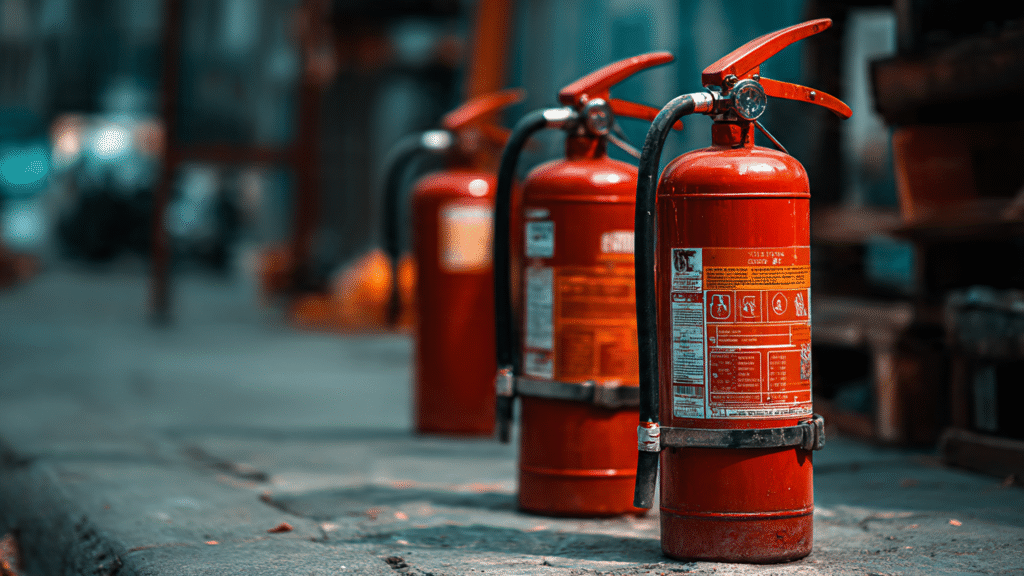
Fire extinguishers are one of the most important fire safety equipment for homes, offices, schools, and factories. A small fire can turn into a serious disaster within minutes, but with the right extinguisher in place, it can be controlled before it spreads.

Although there are many types of fire extinguishers available, three are the most common and widely used: Water, Foam, and Carbon Dioxide (CO₂) extinguishers.

1. Water-Based Fire Extinguishers

Water fire extinguishers are the simplest and most traditional type. They work by cooling down the fire and reducing the heat, which eventually stops the flames.

Best For:

  • Fires involving wood, paper, cloth, or trash (Class A fires)

Not Suitable For:

  • Electrical fires, as water can cause shocks

  • Flammable liquids, since water can spread them

These extinguishers are most commonly found in schools, offices, and residential buildings where paper and wooden materials are present.

2. Foam Fire Extinguishers

Foam extinguishers are highly effective for fires caused by flammable liquids. The foam forms a thick blanket over the flames, cutting off oxygen supply and cooling the surface at the same time.

Best For:

  • Fires caused by petrol, diesel, oil, paint, and solvents (Class B fires)

  • Also suitable for solid materials like wood and paper (Class A fires)

Not Suitable For:

  • Most electrical fires, unless specifically labeled safe for use

Foam extinguishers are usually installed in petrol stations, chemical stores, and factories dealing with liquid fuels.

3. Carbon Dioxide (CO₂) Fire Extinguishers

CO₂ extinguishers work by displacing oxygen in the surrounding area, suffocating the fire instantly. They are clean, effective, and do not leave behind any residue, making them ideal for sensitive environments.

Best For:

  • Electrical equipment such as computers, servers, and machinery

  • Flammable liquid fires (Class B fires)

Not Suitable For:

  • Kitchen fires involving cooking oil (Class F)

  • Open or windy areas, since CO₂ can quickly disperse

CO₂ extinguishers are commonly used in offices, IT rooms, and industrial setups where expensive electronics need protection.

Why Choosing the Right Extinguisher Matters

Every fire extinguisher is designed for a specific type of fire. Using the wrong one can be ineffective or even dangerous. For example, using water on an electrical fire can result in electric shock, while CO₂ extinguishers are not helpful for kitchen oil fires. This is why workplaces and institutions must carefully install the right extinguishers according to the risks in their environment.

Final Thoughts

Fire extinguishers are a basic yet powerful defense against unexpected fire hazards. The three most common types—Water, Foam, and CO₂—cover a wide range of everyday fire risks. By understanding their uses and limitations, organizations and individuals can make the right choice for safety and compliance.

For more details on fire protection solutions and reliable equipment in Pakistan, explore our complete range of fire safety equipment.

Fire Extinguisher Refilling & Maintenance in Rawalpindi | Complete Guide
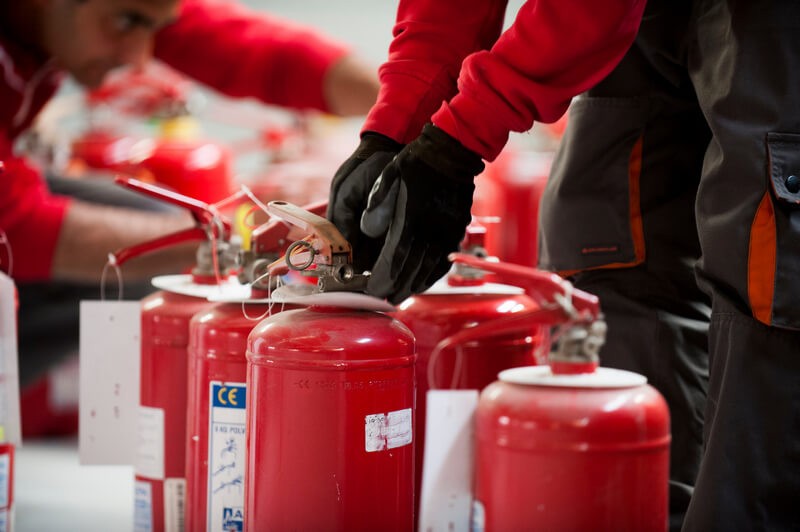
Importance of Fire Safety in Pakistan with a Focus on Rawalpindi

Fire safety has become a pressing need in Pakistan due to increasing urban development, rising commercial activity, and growing population density. In cities like Rawalpindi, where residential colonies, business centers, and industrial zones exist side by side, the risk of fire accidents is higher. Many buildings are still not equipped with proper fire safety systems, and this lack of preparedness often results in heavy losses of property and, unfortunately, human lives. Raising awareness about preventive measures, installing modern fire equipment, and ensuring compliance with safety standards are critical steps toward making Rawalpindi a safer city.

The presence of high-rise buildings, shopping plazas, schools, and hospitals in Rawalpindi makes the situation even more sensitive. A single fire incident in a crowded marketplace can lead to massive destruction if safety precautions are ignored. Fire safety is not only about reacting to emergencies but also about creating a culture of prevention where every household, office, and industrial unit takes responsibility for maintaining reliable safety measures.

Why Fire Extinguishers Need Refilling and Maintenance

Owning a fire extinguisher is not enough; keeping it in working condition is equally important. Over time, extinguishers lose pressure or their chemical agents expire, which makes them ineffective during an emergency. Many people in Pakistan assume that once purchased, an extinguisher will last for years without attention. In reality, fire extinguishers require periodic inspection, refilling, and servicing to ensure they are ready for immediate use.

If an extinguisher has been used even slightly, it must be refilled without delay. Exposure to heat or moisture can also damage the cylinder, making it unsafe. Regular maintenance helps detect leaks, corrosion, or blockages that might stop the extinguisher from functioning at the critical moment. Trained technicians use professional equipment to refill extinguishers and certify them as safe for use. Neglecting this process can mean having a safety tool that looks reliable but fails when needed the most.

Overview of Fire Safety Services in Rawalpindi

Rawalpindi now offers a variety of fire safety solutions through specialized companies and service providers. These services range from supplying fire extinguishers, smoke detectors, and fire alarms to installing advanced sprinkler systems for large buildings. Regular inspection programs are available for schools, hospitals, offices, and factories to ensure compliance with national safety standards.

Maintenance services in Rawalpindi also include fire extinguisher refilling, cylinder hydro-testing, and emergency response training. Many firms provide fire drills and awareness sessions to educate employees and residents on how to act during an emergency. For new construction projects, companies offer fire safety consultancy, helping builders design layouts that include proper escape routes and safety equipment placement.

With increasing awareness, more businesses and institutions in Rawalpindi are investing in professional fire safety contracts to protect lives and property. Access to these services is gradually improving, but consistent effort is still required to make fire safety a standard practice rather than a neglected responsibility.

What is a Fire Extinguisher and How it Works

A fire extinguisher is a portable device designed to control or put out small fires before they spread. It works by releasing a special extinguishing agent, such as water, foam, carbon dioxide, or dry chemicals that cuts off the fire’s oxygen supply, lowers its temperature, or interrupts the chemical reaction causing the flames.

When you press the handle, the extinguisher’s internal pressure forces the extinguishing agent out through the nozzle. Directing this agent at the base of the fire is crucial, because attacking the flames from the top will not stop the source of burning. Fire extinguishers are meant for quick, first-response action, giving people enough time to control the fire or safely evacuate until professional help arrives.

Different Types of Fire Extinguishers

Fire extinguishers are not all the same; each is designed for specific fire risks. Understanding the types helps people choose the right one for their environment.

  • Water Extinguishers: Used for Class A fires involving solid materials like wood, paper, and cloth. They cool the flames and remove heat but are not suitable for electrical or oil fires.

  • Foam Extinguishers: Effective on Class A (solid) and Class B (liquid) fires. Foam creates a blanket that cuts off oxygen and prevents re-ignition. Commonly used in warehouses and petrol stations.

  • Carbon Dioxide (CO2) Extinguishers: Best for electrical fires and flammable liquids. CO2 displaces oxygen around the flames and leaves no residue, making it safe for offices, computer rooms, and banks.

  • Dry Chemical Powder (DCP) Extinguishers: A versatile option that works on Class A, B, and C fires (solids, liquids, and gases). They are widely used in industries and workshops but leave powder residue that requires cleanup.

Each type has its own strength and limitation, which is why careful selection is necessary.

Which Extinguisher is Suitable for Homes, Offices, and Industries in Rawalpindi

In Rawalpindi, the choice of fire extinguisher depends on the specific environment.

For homes, a small ABC Dry Chemical Powder extinguisher is the safest choice. It covers multiple fire types, including kitchen accidents, electrical short circuits, or burning furniture. A CO2 extinguisher can also be kept in kitchens where electrical appliances are used.

For offices, CO2 extinguishers are highly recommended because they handle electrical equipment fires without leaving residue. Pairing them with DCP extinguishers provides extra safety for paper, furniture, and small flammable liquid risks.

For industries, the selection must be more advanced. Large-scale factories in Rawalpindi’s industrial zones often store flammable chemicals, gases, or heavy machinery. DCP extinguishers are widely used here due to their versatility. Foam extinguishers are necessary in areas with oil and liquid fuel, while water extinguishers can be installed in storage spaces with wood, paper, or packaging material.

Every site in Rawalpindi whether a home, a commercial office, or an industrial unit must have its extinguishers regularly refilled and maintained. Choosing the correct type not only ensures compliance with safety regulations but also gives people confidence that they are prepared to respond quickly in case of an emergency.

How Fire Extinguishers Lose Pressure Over Time

A fire extinguisher is only effective when it is fully pressurized. Over time, even if it has never been used, extinguishers can lose pressure due to natural wear and tear. Tiny leaks in the valve, exposure to heat, or damage to the cylinder body can slowly release the gas or propellant that pushes the extinguishing agent out. In some cases, the internal chemicals may also degrade, affecting performance.

When pressure drops below the required level, the extinguisher may not discharge properly during an emergency. This is why regular inspection and pressure checks are necessary. Simply having an extinguisher in place does not guarantee safety unless it is maintained in working condition.

Risks of Not Refilling on Time

Ignoring the refilling and maintenance of extinguishers carries serious risks. The most obvious danger is that during a fire, the extinguisher may not function at all, leaving people helpless in a life-threatening situation. Businesses, schools, hospitals, and factories in Pakistan face even greater risks, as a failed extinguisher can result in massive property damage, injuries, or loss of lives.

Another concern is the false sense of security. People may believe they are protected because an extinguisher is present, but if it is empty or under-pressurized, it becomes nothing more than a decoration on the wall. In industrial areas of Rawalpindi, such negligence can also result in financial penalties, legal action, and reputational damage for businesses.

Legal and Safety Requirements in Pakistan

In Pakistan, fire safety regulations fall under local municipal bylaws, building codes, and civil defense requirements. Commercial buildings, factories, and educational institutions are required to install functional fire extinguishers and keep them maintained at all times. Inspections by civil defense authorities or local fire departments often include checking whether extinguishers are filled, properly labeled, and easily accessible.

For Rawalpindi and other major cities, compliance with these laws is not just a formality it is a legal responsibility. Failure to meet safety standards can lead to fines, cancellation of business licenses, or even closure of the premises. More importantly, it exposes people to avoidable dangers.

Regular refilling, hydro-testing of cylinders, and documented service records are considered part of best practices. Companies that follow these requirements not only meet legal obligations but also demonstrate commitment to employee and customer safety.

Availability of Fire Extinguisher Refilling Services in Rawalpindi

Rawalpindi, being one of Pakistan’s busiest cities with a mix of commercial hubs, residential areas, and industrial zones, has developed a strong demand for fire safety solutions. Among these, fire extinguisher refilling services are widely available. Many specialized safety companies and civil defense–approved vendors in the city provide refilling, testing, and certification for all types of extinguishers, including CO2, DCP, foam, and water-based units.

From Saddar to Commercial Market, and across the industrial areas of Rawat and Chaklala, businesses and institutions can easily access professional refilling facilities. These services ensure that extinguishers remain fully pressurized, filled with the right agent, and ready to function in emergencies. Unlike buying a new extinguisher every time, timely refilling is more affordable and ensures compliance with legal safety standards.

Process of Fire Extinguisher Refilling Explained Step by Step

The refilling of a fire extinguisher is a careful process carried out by trained technicians. It involves several steps to ensure safety and reliability:

  1. Initial Inspection – The extinguisher is examined for visible damage, corrosion, or leaks. The pressure gauge is checked to confirm whether it has dropped below the safe level.

  2. Discharge and Cleaning – Any remaining agent is safely discharged, and the cylinder is cleaned inside to remove residue or moisture.

  3. Valve and Component Check – The valve, hose, and nozzle are inspected and serviced. If any part is worn out, it is replaced to avoid malfunction.

  4. Refilling with Correct Agent – The extinguisher is refilled with the appropriate extinguishing agent, such as CO2 for electrical fires or DCP for general use.

  5. Re-pressurization – The cylinder is re-pressurized to the recommended level using professional equipment.

  6. Leak Test and Weighing – The extinguisher is tested for leaks and weighed to ensure the correct quantity of agent has been added.

  7. Sealing and Tagging – Finally, the extinguisher is sealed, labeled with the service date, and certified as ready for use.

This process guarantees that the extinguisher is fully functional and safe for another service cycle.

Trusted Service Providers and Why Professional Refilling Matters

In Rawalpindi, several civil defense–approved companies provide reliable extinguisher refilling and certification. Professional service providers not only refill but also conduct safety inspections, issue service tags, and provide guidance on proper extinguisher placement. This ensures compliance with both safety regulations and insurance requirements.

Choosing a trusted provider matters because poorly refilled extinguishers can be dangerous. Untrained refilling may lead to under-pressurization, overfilling, or even cylinder damage, making the extinguisher unsafe. Certified technicians use calibrated equipment, follow safety standards, and guarantee that every extinguisher is ready for real emergencies.

For homes, offices, and industries in Rawalpindi, professional refilling is not just about meeting a legal requirement it is about saving lives and protecting property. Businesses that invest in regular professional refilling demonstrate responsibility and gain the confidence of employees, customers, and regulators.

CO2 Fire Extinguisher Refilling in Rawalpindi

Carbon Dioxide (CO2) extinguishers are widely used in offices, banks, computer labs, and commercial setups in Rawalpindi because they are safe for electrical fires and leave no residue. CO2 extinguishers, however, need regular refilling since the gas can escape over time or after partial use. In Rawalpindi, certified service providers offer quick and safe CO2 refilling using high-pressure filling systems. These services ensure that the extinguisher is refilled with the correct weight of CO2, properly sealed, and tested for leaks before being returned to the client. Professional refilling is critical because incorrect handling of pressurized gas cylinders can be hazardous.

DCP Fire Extinguisher Refill in Rawalpindi

Dry Chemical Powder (DCP) extinguishers are the most common type used in homes, shops, petrol pumps, and industrial areas of Rawalpindi. They are effective on multiple classes of fire, including flammable liquids, gases, and solid materials. Refilling DCP extinguishers involves emptying the old powder, cleaning the cylinder, and filling it with fresh, high-quality chemical powder before re-pressurizing it. Many service providers in Rawalpindi also replace damaged valves or hoses during the process. Regular refilling ensures that the powder does not clump or lose its effectiveness, giving users confidence that the extinguisher will work instantly in an emergency.

Foam and Water Extinguisher Refill Services

Foam extinguishers are particularly useful for liquid fires, such as oil or petrol, while water extinguishers are effective for solid combustibles like wood, cloth, and paper. In Rawalpindi, foam and water extinguisher refilling services are available for schools, hospitals, and storage facilities where such risks are common. The refilling process includes emptying old liquid, cleaning the cylinder, refilling with fresh agent, and restoring pressure. Professional service providers ensure that the refilled extinguishers meet international standards, as incorrect refilling can reduce the foam’s ability to smother flames or the water’s pressure output.

Comparison of Different Refilling Types

Each type of extinguisher requires a different refilling method, depending on its extinguishing agent and application:

  • CO2 Refilling: Requires high-pressure filling systems and strict safety handling. Best for electrical and sensitive equipment fires.

  • DCP Refilling: Involves powder replacement and re-pressurization. Suitable for a wide range of fire types, making it versatile for Rawalpindi’s homes and industries.

  • Foam Refilling: Needs precise mixing of foam concentrate and water to maintain effectiveness. Ideal for petrol pumps, warehouses, and chemical storage.

  • Water Refilling: Relatively simple but must ensure proper sealing and pressure. Effective for schools, residential areas, and textile storage.

The choice of extinguisher and refilling type depends on the fire risks in each environment. For Rawalpindi’s industrial zones, DCP and foam extinguishers are essential, while CO2 extinguishers are better suited for offices and commercial setups. Water extinguishers remain reliable for residential and educational spaces.

Regular Inspection and Maintenance Services

In Rawalpindi, where commercial markets, residential complexes, and industries operate side by side, regular fire extinguisher inspection and maintenance services are essential. A fire extinguisher that is not maintained may fail during an emergency, no matter how new it looks. Professional inspection includes checking the pressure gauge, verifying the weight of the extinguisher, examining the hose and nozzle for blockages, and ensuring the safety pin and seal are intact.

Maintenance also involves hydro-testing for cylinders, which confirms their structural strength, especially in high-pressure extinguishers like CO2 units. These inspections are recommended at least once a year, while high-risk workplaces such as petrol stations or factories may require more frequent checks. Regular maintenance not only ensures compliance with safety regulations but also gives peace of mind that the extinguisher will perform reliably in critical moments.

How Servicing is Different from Just Refilling

Many people assume that refilling alone makes an extinguisher safe, but servicing is a much broader process. Refilling simply replaces the extinguishing agent and restores pressure, while servicing includes a complete examination of the extinguisher’s condition.

During servicing, technicians inspect the cylinder for corrosion or dents, test the valve and discharge mechanism, replace worn-out parts, and verify that the extinguisher meets safety standards. For foam and DCP extinguishers, servicing also checks the quality of the extinguishing agent to ensure it has not expired or degraded. In short, refilling addresses the quantity of extinguishing material, while servicing ensures the overall reliability and safety of the equipment.

Benefits of Choosing Professional Service Companies

Selecting a professional fire safety company in Rawalpindi provides several important benefits. Certified companies use advanced tools and follow civil defense–approved methods for refilling, servicing, and testing extinguishers. This guarantees accuracy in pressure levels, correct filling of agents, and proper safety sealing.

Professional companies also maintain detailed service records, which are often required during safety inspections or audits. They provide expert guidance on where to place extinguishers, which types to install, and how often to maintain them. Some even offer fire drills and awareness sessions for staff, preparing people to act quickly in emergencies.

Most importantly, professional servicing reduces risks. A poorly refilled extinguisher may look fine but can fail when needed. On the other hand, a professionally serviced extinguisher is tested, certified, and dependable. For homes, offices, and industries in Rawalpindi, partnering with a trusted service provider means protecting lives, property, and business reputation while meeting legal safety requirements.

Price Range of New Fire Extinguishers in Rawalpindi

In Rawalpindi’s local market, the price of a new fire extinguisher depends on its type, size, and brand. On average, small extinguishers for home or shop use can start from around PKR 3,000 to PKR 6,000. Medium-sized extinguishers, often used in schools and offices, usually fall in the range of PKR 7,000 to PKR 12,000. Larger industrial extinguishers, such as 12kg DCP or high-capacity CO2 units, can cost between PKR 15,000 and PKR 30,000 or more. Imported brands may cost slightly higher, while locally manufactured extinguishers are generally more affordable but still effective when purchased from certified suppliers.

Factors That Affect the Cost

Several factors influence the price of fire extinguishers in Rawalpindi’s market:

  1. Type of Extinguisher – CO2 extinguishers tend to cost more because they require high-pressure cylinders, while water extinguishers are often cheaper. Foam and DCP extinguishers fall in the middle range.

  2. Size and Capacity – A 1kg or 2kg extinguisher is cheaper and designed for small-scale use, while 6kg, 12kg, or larger units cost significantly more due to higher agent capacity.

  3. Brand and Certification – Recognized brands with international or civil defense certification may carry a higher price but ensure better reliability and compliance with safety regulations.

  4. Accessories and Features – Some extinguishers come with wall brackets, hose extensions, or pressure indicators, which add to the overall cost.

Best Options for Small Businesses, Schools, and Offices

For small businesses in Rawalpindi, ABC Dry Chemical Powder extinguishers (2kg or 4kg) are the most practical choice. They are cost-effective, versatile, and capable of tackling different types of fires, including electrical short circuits and flammable materials.

For schools, safety standards recommend keeping multiple extinguishers across classrooms, labs, and corridors. A mix of DCP and water extinguishers (6kg or 9kg sizes) is ideal since they cover both solid combustibles like paper and wood, and electrical fires from equipment.

For offices, CO2 extinguishers are highly recommended because they can control electrical fires without damaging computers or electronic devices. Pairing CO2 units with a few DCP extinguishers ensures complete coverage for other risks like furniture or small liquid fires.

Investing in the right extinguisher may seem costly at first, but it is far more affordable than dealing with the damage caused by an uncontrolled fire. Choosing certified products from trusted suppliers in Rawalpindi ensures both compliance with safety regulations and long-term protection of property and lives.

Average Cost of Fire Extinguisher Refilling in Pakistan

Across Pakistan, the cost of fire extinguisher refilling is generally more affordable than purchasing a new unit. On average, small extinguishers such as 1kg or 2kg DCP models can be refilled for around PKR 500 to PKR 1,000. Medium-sized extinguishers (4kg to 6kg) usually cost between PKR 1,200 and PKR 2,000 to refill. Larger units, including 12kg DCP or CO2 extinguishers, may cost anywhere from PKR 2,500 to PKR 5,000 depending on the service provider and location. Foam and water extinguishers often fall in a similar range as DCP models, while CO2 refilling is typically more expensive due to the high-pressure filling process.

How Rawalpindi Refill Costs Compare to Other Cities

In Rawalpindi, extinguisher refilling costs are competitive compared to other major cities like Karachi, Lahore, or Islamabad. Since Rawalpindi is close to the federal capital and has many civil defense–approved service providers, the rates are often slightly lower than in Islamabad while maintaining the same quality standards. For example, a 6kg CO2 extinguisher might cost PKR 2,500–3,000 to refill in Rawalpindi, whereas the same service could be PKR 3,000–3,500 in Karachi due to higher overheads and transport costs. Lahore’s prices are usually similar to Rawalpindi, though certain industrial areas may charge extra depending on service demand. Overall, Rawalpindi is considered cost-effective for both small-scale and bulk refilling orders.

Factors That Impact Refill Cost

Several factors determine how much you will pay for extinguisher refilling:

  1. Type of Extinguishing Agent – CO2 is more costly because it requires high-pressure refilling equipment and specialized handling. DCP powder is cheaper and widely available, while foam and water refills fall in the mid-range.

  2. Cylinder Size and Capacity – Naturally, larger extinguishers cost more to refill since they require more extinguishing agent and higher levels of pressurization.

  3. Quality Standards and Certification – Refilling done by certified service providers may cost slightly more but ensures safety compliance and proper testing. Low-cost, uncertified refilling might save money upfront but increases risk.

  4. Condition of the Extinguisher – If parts like the valve, nozzle, or hose need replacement during refilling, the overall cost increases. Regular maintenance can reduce these additional expenses.

  5. Location and Demand – Costs may vary slightly between cities depending on transport charges, local demand, and availability of refilling stations.

For Rawalpindi residents and businesses, investing in professional refilling services not only keeps costs reasonable but also ensures extinguishers are safe, certified, and ready to perform in emergencies.

Detailed Breakdown of Fire Extinguisher Refill Charges

The cost of fire extinguisher refilling in Pakistan varies based on type, size, and service provider. On average, the charges are as follows:

  • DCP Extinguishers: Small 1kg–2kg units cost around PKR 500–1,000, while larger 6kg–12kg cylinders can cost PKR 1,500–3,000.

  • CO2 Extinguishers: Refilling a 2kg–6kg unit usually costs PKR 2,000–3,500, while a 12kg cylinder may cost PKR 4,000–5,000 due to the high-pressure gas handling process.

  • Foam Extinguishers: Typically range between PKR 1,200–2,500 depending on size.

  • Water Extinguishers: Among the most affordable, usually between PKR 800–1,800.

In Rawalpindi, prices are generally lower than in Karachi and Islamabad because of higher competition among service providers and proximity to wholesale suppliers. Businesses that require bulk refilling can often negotiate discounted rates.

Where to Find Affordable Yet Reliable Services in Rawalpindi

Rawalpindi offers a wide network of fire safety companies and refill stations approved by Civil Defence. Areas like Saddar, Commercial Market, and industrial hubs such as Rawat and Chaklala have several trusted vendors who provide certified refilling and testing. Many professional companies also offer on-site refilling and inspection services for offices, schools, and factories, which saves time and ensures compliance with safety standards.

To ensure affordability without compromising quality, it is best to choose companies that are recognized by local authorities, provide service tags with dates, and issue receipts for accountability. Businesses in Rawalpindi that require long-term contracts often benefit from annual maintenance packages that combine refilling, servicing, and inspection at reduced rates.

Tips to Avoid Low-Quality or Fake Refilling

Unfortunately, low-quality refilling practices do exist in the market. Some untrained vendors use expired chemicals, low-grade powder, or do not pressurize cylinders properly, leaving extinguishers useless during emergencies. To avoid these risks, keep the following tips in mind:

  • Always ask for service documentation with refill dates and technician signatures.

  • Ensure the extinguisher is weighed after refilling to confirm the correct amount of agent has been added.

  • Look for Civil Defence approval or certifications displayed at the service provider’s workshop.

  • Inspect the seal and safety pin after refilling—if they are not intact, the extinguisher may not be properly serviced.

  • Avoid extremely low prices that seem unrealistic, as they often indicate compromised quality.

By choosing trusted service providers in Rawalpindi, homes, schools, and businesses can maintain safe, reliable extinguishers at a fair cost without risking poor-quality refilling.

Trusted Suppliers and Shops in Rawalpindi

Rawalpindi has several well-established fire safety suppliers that provide extinguishers, refilling services, and maintenance solutions. Areas like Saddar, Commercial Market, Raja Bazaar, and the Rawat industrial belt host reliable shops and service providers offering Civil Defence–approved products. Many of these suppliers not only sell new extinguishers but also provide after-sales support, such as annual servicing, refilling, and safety training.

Well-known fire safety companies in Rawalpindi also cater to offices, schools, hospitals, and factories, ensuring that their equipment meets both local safety regulations and international standards. Buying from these trusted suppliers ensures access to certified extinguishers—whether CO2, DCP, Foam, or Water units—at competitive prices.

How to Check Supplier Credibility

With many options available in the city, verifying supplier credibility is important before making a purchase. Here are some key steps to ensure you are dealing with a reliable provider:

  • Look for Registration and Certification: A credible supplier should be registered with Civil Defence or relevant authorities and be able to show proof of approval.

  • Check Service Tags and Documentation: Reliable suppliers provide proper documentation for extinguishers and refilling, including manufacturing or service dates.

  • Inspect Quality Standards: Ensure the extinguisher carries the correct labeling, pressure gauge, and manufacturing details. Cheap or fake products often lack these essentials.

  • Ask for References: Established suppliers usually have long-term clients such as schools, offices, or industrial units. Asking for references or past work is a good credibility test.

  • Customer Support: A trusted supplier offers after-sales services like inspection, training, and emergency support, not just one-time sales.

Benefits of Buying from a Registered Supplier

Purchasing fire extinguishers from a registered supplier in Rawalpindi offers several advantages. Firstly, it ensures that the equipment meets safety and legal requirements, helping businesses stay compliant during inspections. Secondly, registered suppliers provide certified refilling and maintenance, guaranteeing that extinguishers are safe and effective when needed.

Another benefit is reliability of quality. Registered suppliers source their extinguishers from approved manufacturers, reducing the risk of counterfeit or low-quality products that could fail in emergencies. Additionally, these suppliers often offer warranty and professional support, such as training on how to use extinguishers and guidance on proper placement within a building.

For businesses, schools, and industries in Rawalpindi, buying from a registered supplier not only protects lives and property but also builds trust with employees, customers, and regulatory authorities. Investing in quality and credibility ensures long-term safety and peace of mind.

Popular Areas and Markets in Rawalpindi for Fire Extinguishers

Rawalpindi has several active markets where fire extinguishers and safety equipment are commonly available. Saddar is one of the busiest hubs, offering a wide range of shops that deal in safety products for both residential and commercial use. Commercial Market in Satellite Town is another popular area where schools, offices, and small businesses often source their extinguishers.

For larger-scale needs, Raja Bazaar and Rawat Industrial Area have suppliers that cater to factories, warehouses, and petrol stations. These areas also host vendors who provide refilling and maintenance services along with new equipment. Being close to Islamabad, many Rawalpindi suppliers also serve clients in the twin cities, making it convenient for organizations to source quality extinguishers locally.

What to Check Before Purchasing from a Shop

Before buying a fire extinguisher, it is important to verify the quality and authenticity of the product. Customers should first check the manufacturing and expiry date, as expired extinguishers may not function properly. The pressure gauge should be in the green zone, showing that the extinguisher is fully charged.

It is also essential to check for Civil Defence approval or supplier registration, which ensures that the product meets safety standards. Labels on the extinguisher must clearly mention the type (CO2, DCP, Foam, or Water) and usage instructions. Buyers should also ensure that the cylinder is free from dents or corrosion, as damaged cylinders may leak or fail under pressure.

After-Sales Services and Support

A good supplier in Rawalpindi does more than just sell extinguishers—they also provide after-sales support. This includes refilling, servicing, and inspection at regular intervals. Some suppliers offer annual maintenance contracts for schools, offices, and industries, which cover scheduled refilling, testing, and certification of extinguishers.

Another important service is training and awareness sessions, where staff are taught how to use extinguishers properly during emergencies. Reliable suppliers also provide emergency response support, ensuring that clients always have functional and safe equipment. Choosing a shop or supplier that offers strong after-sales services guarantees long-term reliability and compliance with local safety laws.

Government Requirements for Businesses and Homes

In Pakistan, fire safety is regulated under local municipal bylaws, Civil Defence directives, and building safety codes. In cities like Rawalpindi, businesses are legally required to install functional fire extinguishers and keep them maintained at all times. Schools, hospitals, shopping plazas, petrol pumps, factories, and offices are subject to inspections where extinguishers, alarms, and emergency exits are checked.

For residential buildings, while the law is less strict compared to commercial properties, housing authorities and Civil Defence strongly recommend keeping at least one extinguisher in every home, especially in kitchens and multi-story apartments. New construction projects in Rawalpindi are increasingly required to include basic fire safety equipment in order to receive approvals.

Importance of Having Fire Extinguishers in Commercial Areas

Rawalpindi is home to dense commercial hubs like Saddar, Raja Bazaar, and Commercial Market, where hundreds of shops and offices are located in close proximity. A single fire accident in such an area can spread quickly and cause massive loss of property and lives. Having fire extinguishers in commercial spaces is not just a legal formality but a lifesaving necessity.

Extinguishers allow staff or shopkeepers to respond immediately to small fires, often preventing them from turning into disasters before the fire brigade arrives. In industries, banks, restaurants, and schools, fire extinguishers also protect sensitive equipment, records, and assets from being destroyed. Their presence builds public trust, as customers and employees feel safer in an environment that takes fire safety seriously.

Penalties and Risks of Not Following Safety Laws

Ignoring fire safety requirements in Rawalpindi can lead to both legal and financial consequences. Civil Defence and municipal inspectors have the authority to issue fines, seal non-compliant businesses, or even cancel trade licenses. In case of a fire incident, if investigations reveal that extinguishers were missing, expired, or non-functional, owners can face legal liability and heavy damages.

The risks, however, go far beyond penalties. A lack of safety measures exposes people to injuries and fatalities, while businesses risk losing valuable assets and reputation. Insurance claims may also be rejected if it is proven that safety laws were ignored.

For this reason, maintaining up-to-date fire extinguishers and complying with government safety regulations is not only a matter of avoiding penalties but also a critical step toward protecting lives, property, and long-term business stability.

Ignoring Expiry Dates

One of the most common mistakes people make with fire extinguishers is ignoring their expiry date. Every extinguisher comes with a manufacturer’s lifespan, usually 5 to 15 years, depending on type and brand. After this period, the extinguisher may lose pressure, its internal agent may degrade, or the cylinder itself may weaken.

In Rawalpindi, many homes, offices, and even small businesses keep extinguishers mounted on walls for years without checking their validity. During an emergency, such expired equipment often fails to discharge properly, putting lives and property at serious risk. Regularly checking expiry labels and replacing or refilling units on time is crucial for dependable fire safety.

Using the Wrong Extinguisher Type

Another dangerous mistake is using the wrong type of extinguisher for a particular fire. Each extinguisher is designed for specific fire classes: CO2 for electrical fires, water for solid combustibles, foam for flammable liquids, and DCP for general use.

For example, using a water extinguisher on an electrical fire in an office can cause electrocution, while spraying foam on a gas fire may make the flames spread. In Rawalpindi’s diverse environments—schools, factories, shopping plazas, and residential areas—it is important to match extinguisher types with the fire risks present. Proper training and clear labeling help prevent misuse during critical moments.

Delaying Refills Until an Emergency

Many people assume that fire extinguishers are one-time purchases and forget that they require regular refilling. Delaying refills until an actual emergency is a dangerous practice. Over time, extinguishers lose pressure or their extinguishing agents expire, rendering them useless when needed most.

In Rawalpindi, professional refilling services are widely available, yet negligence remains common. Waiting for an emergency before refilling means depending on equipment that may already have failed. Regular inspections, timely refills, and servicing by certified companies ensure that extinguishers are always ready for action.

Qualities of a Good Fire Extinguisher Service Provider

Choosing the right fire extinguisher service provider in Rawalpindi can make the difference between reliable safety equipment and ineffective tools. A good provider is one that offers comprehensive services—from sales and refilling to inspection, servicing, and emergency support. They should have a skilled team of trained technicians who understand different types of extinguishers, such as CO2, DCP, Foam, and Water units.

Another important quality is transparency. Trusted providers always give proper documentation, service tags, and receipts after refilling or maintenance. They also guide clients on correct extinguisher placement, usage training, and legal compliance, making them a long-term partner in fire safety rather than just a one-time vendor.

Certifications and Safety Standards to Look For

When selecting a supplier or service provider, certifications should be a top priority. In Rawalpindi, a reliable company should be approved by Civil Defence Pakistan or registered with relevant municipal authorities. This ensures that their services meet national safety standards.

Good providers also follow international standards, such as ISO or NFPA guidelines, for refilling, servicing, and testing extinguishers. Proper hydro-testing of cylinders, accurate pressure checks, and the use of certified extinguishing agents are signs of a provider that values safety over shortcuts.

Without these certifications, there is no guarantee that the extinguisher will function during an emergency. That is why businesses, schools, and industries must always verify approvals before signing a contract.

Customer Reviews and Experience

Customer feedback is another strong indicator of a service provider’s reliability. Companies with positive reviews and repeat clients demonstrate that they consistently deliver quality service. In Rawalpindi, many schools, hospitals, and offices openly recommend their trusted safety providers, which is a good sign of credibility.

Experience also matters. A provider that has been operating for several years usually has better-trained staff, well-maintained equipment, and established procedures. New or unverified vendors may offer low prices, but they often lack the professionalism and dependability required for something as critical as fire safety.

Checking online reviews, asking for client references, and looking at past projects can help individuals and businesses in Rawalpindi make informed decisions.

How Often to Check Extinguishers at Home or Office

Fire extinguishers should never be treated as “install and forget” items. In homes and offices, basic checks should be done once every month. This quick inspection includes looking at the pressure gauge, ensuring the safety pin is intact, and checking that the extinguisher is in its proper place and easy to access.

In addition to monthly checks, a professional inspection once a year is highly recommended. Certified technicians in Rawalpindi provide full servicing, including refilling, hydro-testing, and part replacement if needed. For high-risk workplaces such as petrol stations, restaurants, or factories, inspections may be required more frequently due to heavier usage and exposure to heat or chemicals.

Signs Your Extinguisher Needs Immediate Attention

Certain warning signs mean that an extinguisher may fail in an emergency and requires urgent servicing:

  • Pressure gauge in red zone – indicates loss of pressure or overcharging.

  • Damaged hose or nozzle – cracks, blockages, or wear reduce effectiveness.

  • Broken safety seal or missing pin – extinguisher may have been tampered with or partially discharged.

  • Rust, dents, or corrosion on cylinder – weakens structural strength and poses safety risks.

  • Past expiry date or missed refill schedule – expired extinguishers cannot be trusted in emergencies.

If any of these issues are noticed, the extinguisher should be serviced or refilled immediately by a professional provider.

Preventive Measures to Increase Lifespan

Proper care extends the life of extinguishers and ensures they work when needed most. Some preventive steps include:

  • Correct Placement – keep extinguishers away from direct sunlight, moisture, or corrosive environments that can weaken the cylinder.

  • Regular Cleaning – wipe dust and dirt off the extinguisher to keep labels and instructions visible.

  • Staff and Family Awareness – ensure people know how to use the extinguisher correctly, as misuse can damage parts.

  • Scheduled Refills and Servicing – never wait for an emergency; follow the manufacturer’s and Civil Defence’s recommended timelines.

  • Rotate Extinguishers if Needed – in workplaces, move extinguishers between high-risk and low-risk areas to balance wear and tear.

By taking these simple preventive measures, homes, offices, and industries in Rawalpindi can maximize the lifespan of their fire extinguishers while staying compliant with safety standards.

Risks of Using Unauthorized Refillers

In Rawalpindi, many small shops and street vendors claim to offer cheap fire extinguisher refilling. While their prices may seem attractive, using unauthorized refillers is extremely risky. These vendors often use low-quality or uncertified extinguishing agents, which may not work in an actual fire. They may also skip crucial steps like pressure testing or sealing, leaving the extinguisher unreliable and even dangerous to handle.

Another risk is legal non-compliance. Businesses inspected by Civil Defence can face fines if their extinguishers are found to be refilled by unregistered providers. In the worst cases, faulty refilling can cause extinguishers to leak, lose pressure, or even explode due to incorrect handling.

Quality Assurance in Professional Service

Professional service providers in Rawalpindi follow strict standards to ensure extinguishers are safe and functional. Certified companies use approved extinguishing agents, maintain proper cylinder pressure, and carry out hydrostatic testing when needed. They also attach service tags and documentation, making it clear when the extinguisher was last refilled and when the next inspection is due.

Trusted providers also train their technicians, ensuring that every refill meets both Pakistani Civil Defence requirements and international safety guidelines. This level of quality assurance guarantees that the extinguisher will work effectively when it is needed most.

Cost vs. Safety Comparison

At first glance, unauthorized refillers may charge less—sometimes only a fraction of professional rates. However, the hidden cost of poor quality is far higher. An extinguisher that fails during a fire can result in massive property loss, injuries, or even lives lost. Businesses can also face legal penalties, insurance claim rejections, and reputational damage if they are found using uncertified services.

On the other hand, paying slightly more for professional refilling ensures reliability, compliance, and peace of mind. For homeowners, offices, and industries in Rawalpindi, the cost difference is minor compared to the value of safety and legal protection. In fire safety, cutting corners is never worth the risk—choosing professional refilling is the smarter, safer investment.

1. How much does it cost to refill a fire extinguisher in Rawalpindi?

So a rough typical range for refilling in Rawalpindi: PKR 500 to PKR 4,000, mainly depending on size and type.

2. How long does refilling take?

  • For small extinguishers (1-2 kg DCP or water/foam), refilling can often be done in a few hours (2-4 hours) if the service centre is working and has spare parts.

  • For larger cylinders, CO2 units, or units needing additional work (valve replacement, leak test, painting, hydro-testing etc.), it may take 1 full day or possibly more.

  • If the shop is busy or needs to order parts, it might take 1-2 days.

3. Can I refill an extinguisher at home?

  • In general, no  it is not safe or recommended to try to do a full refill at home unless you are a trained technician and have proper equipment.

  • CO2 refilling especially requires high-pressure equipment, safety controls, leak tests. Using improper tools or agents can lead to malfunction, risk of explosion, or poor performance.

  • However, you can do basic checks at home (pressure gauge, visible damage, is pin intact, nozzle clear) but actual refilling (replacing agent, re-pressurizing) should be done by certified service providers.

4. How often should I refill or service my extinguisher?

  • Refilling is mandatory any time the extinguisher has been used, even partially. After use, it must be refilled so it’s fully ready. universalfireprotection.com.pk+1

  • For units not used, a full professional inspection & servicing (which includes pressure check, leak test, cleaning, etc.) is generally required once a year. Rawalpindi service providers follow this norm. universalfireprotection.com.pk+1

  • Some components (cylinder, valve, sealing) may require periodic testing (hydrostatic testing) every few years depending on type. Manufacturer or supplier guidelines must be followed.

5. What’s the difference between refilling and buying new?

Aspect Refilling Buying New
Cost Much cheaper, especially for mid-size units. You pay only for the agent, labour, testing, etc. More expensive upfront: full cost of a new extinguisher, even parts and production overhead.
Time If in good condition, can be faster than sourcing a new one; but depends whether service centre is nearby. Immediate use with no risk of existing wear & tear. But ordering and delivery may take time.
Condition & Reliability Depends on how well the unit is maintained old or damaged units may not last long even after refill. Parts might be worn out. New units are fresh, under warranty, come with up-to-date features and safety. Less risk of failure in early years.
Environmental impact More sustainable: reusing the same cylinder reduces waste. Produces more waste if old units are discarded prematurely.
Safety & Legal Compliance Must be certified; only valid if service has been done properly (good quality agent, pressure, test etc.) Fully compliant (if bought from a certified supplier); less risk of legal / safety issues if done correctly.

Importance of Timely Refilling and Servicing

Fire extinguishers are only effective when they are properly maintained and fully charged. Over time, even if an extinguisher has never been used, the pressure inside can drop, and the extinguishing agent may degrade. In Rawalpindi, where homes, offices, and commercial hubs face diverse fire risks, timely refilling and servicing is crucial to prevent equipment failure during emergencies.

Regular servicing ensures that the extinguisher’s cylinder, valve, hose, and nozzle are in perfect condition. Refilling immediately after any use restores full capacity, giving users confidence that the extinguisher will function correctly when needed most. Delaying maintenance or refill can result in extinguishers that are unreliable, which could lead to severe property damage, injuries, or even fatalities.

Why Choosing the Right Supplier or Service Matters

Selecting a trusted and certified service provider is just as important as owning a fire extinguisher. A professional supplier ensures the use of high-quality extinguishing agents, proper pressure refilling, and adherence to Civil Defence safety standards. They also provide service documentation and maintenance tags, which are essential for legal compliance, insurance claims, and workplace safety audits.

On the other hand, unverified suppliers may offer cheap refills but use poor-quality materials or skip safety checks, leaving extinguishers ineffective or unsafe. For businesses, schools, and industries in Rawalpindi, partnering with a reliable service provider ensures long-term safety, legal compliance, and peace of mind.

Encouragement for Readers to Take Fire Safety Seriously

Fire safety is not a luxury—it is a responsibility that protects lives, property, and livelihoods. Every home, office, and commercial establishment in Rawalpindi should prioritize installing, refilling, and servicing fire extinguishers on time. Regular checks, timely refills, and professional servicing are simple steps that can prevent devastating consequences during a fire.

Investing in certified extinguishers and trusted services is an investment in safety. Taking fire precautions seriously today ensures that your family, employees, and assets remain protected tomorrow. Don’t wait for an emergency to act; fire safety is a proactive responsibility that can save lives.

Fire Extinguisher Refilling in Islamabad – Complete Guide
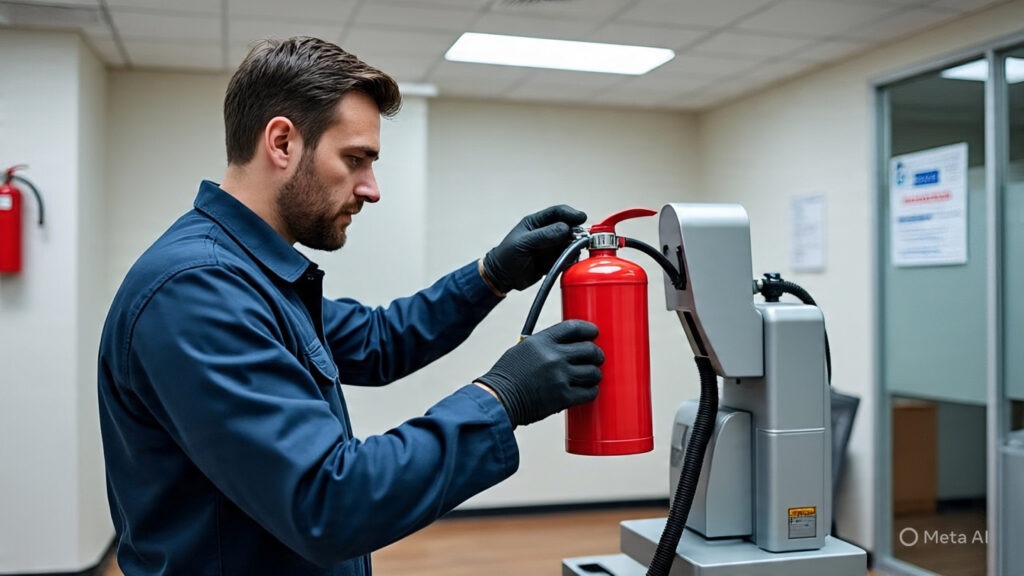
Introduction to Fire Extinguisher Refilling in Islamabad

Fire safety is an essential requirement for every home, office, and commercial space in Islamabad. With the city growing rapidly, fire hazards have also increased in workplaces, residential areas, and even shopping malls. Having a fire extinguisher is a mandatory safety measure, but just keeping one at your premises is not enough. The device must always be in working condition, which means timely fire extinguisher refilling in Islamabad is crucial.

A fire extinguisher contains extinguishing agents such as dry chemical powder, CO₂, foam, or water. These agents lose effectiveness if the cylinder is discharged, partially used, or even when the equipment reaches its service life. A common mistake people make is assuming that an unused extinguisher is always ready. In reality, even without use, extinguishers can lose pressure or the chemical inside can expire, making the device unreliable during an emergency.

Islamabad, being the capital city of Pakistan, has strict safety requirements for government offices, corporate sectors, and industries. Fire inspectors often check whether extinguishers are properly serviced and refilled. For businesses, neglecting this responsibility can lead not only to legal penalties but also to serious safety risks. For families, an expired or empty extinguisher can mean the difference between controlling a small fire and losing property or lives.

Refilling services in Islamabad are provided by certified companies that use standard equipment, approved chemicals, and trained technicians. These companies not only refill but also check for leaks, replace damaged parts, and re-pressurize the extinguisher to ensure it is fully functional. Professional refilling makes sure that when an emergency occurs, the extinguisher works effectively within seconds.

In Islamabad, many people still view refilling as an unnecessary expense, but in reality, it is an investment in safety. A properly maintained extinguisher prevents small incidents from turning into massive fires. Considering the rising number of electrical short circuits, kitchen fires, and industrial hazards in the city, timely fire extinguisher refilling should be seen as a necessity, not an option.

To sum up, the importance of fire extinguisher refilling in Islamabad cannot be overstated. Whether you are a homeowner, business owner, or facility manager, ensuring that your extinguishers are in top condition is part of your responsibility toward the safety of people and property. In the coming sections, we will explore why refilling is essential, how often it should be done, the process involved, and how to choose the right refilling service in Islamabad.

Why Fire Extinguisher Refilling is Important

A fire extinguisher is one of the most reliable first-response tools in any fire emergency. However, its effectiveness depends entirely on whether it is in proper working condition. This is where fire extinguisher refilling in Islamabad becomes critically important. Without timely refilling, an extinguisher may fail at the very moment it is needed the most.

The main reason refilling is important is because fire extinguishers operate under pressure. The chemical agents inside, such as CO₂, foam, or dry powder, lose their pressure over time. Even if an extinguisher looks fine from the outside, it may not release its contents properly during an emergency if the internal pressure has dropped. Imagine a fire breaking out in your office, and the extinguisher produces only a weak spray instead of a strong jet. That delay can turn a small, manageable fire into a disaster.

Another key factor is the chemical composition of the extinguishing agent. These agents have an expiration date. Over time, the chemical structure can degrade, reducing its ability to control or put out a fire effectively. For instance, if a dry chemical extinguisher is not serviced on time, the powder inside can clump together, blocking the nozzle. Similarly, foam extinguishers lose their effectiveness when the chemical balance changes after a certain period. Refilling ensures the chemical agent inside the cylinder is replaced with fresh, effective material.

Refilling is also important from a compliance perspective. In Islamabad, especially in commercial spaces, schools, hospitals, and government offices, fire inspectors regularly check whether extinguishers are maintained. If an extinguisher is found expired or empty, the institution can face penalties or be asked to shut down until safety requirements are met. For businesses, this could mean loss of reputation, disruption of operations, and even legal consequences.

Beyond compliance and functionality, refilling provides peace of mind. Knowing that your extinguisher is fully functional gives you confidence that in case of a fire, you will be prepared. This assurance is particularly important in crowded places like malls, restaurants, or apartment buildings where the risk of fire spreading quickly is high.

A neglected extinguisher is as dangerous as not having one at all. Many fire incidents in Pakistan have escalated because extinguishers at the site were either empty, expired, or non-functional. Refilling is not just a routine service; it is a life-saving action. The cost of refilling is minimal compared to the damage a fire can cause if not controlled on time.

In summary, fire extinguisher refilling is important because it ensures reliability, maintains chemical effectiveness, fulfills legal requirements, and provides confidence in emergencies. In Islamabad, where both residential and commercial fire risks are growing, making refilling a priority can prevent tragedies and protect valuable lives and property.

How Often Should You Refill Your Fire Extinguisher?

One of the most common questions people in Islamabad ask is: “How often should I refill my fire extinguisher?” The answer depends on the type of extinguisher, its usage, and the environment in which it is kept. But one thing is certain: refilling should never be delayed, because an expired or empty extinguisher is useless in an emergency.

General Rule for Refilling

Most fire safety experts recommend that fire extinguishers should be refilled immediately after every single use, no matter how small. Even if you only pressed the lever for a few seconds, the pressure inside drops, making the extinguisher unreliable. Apart from usage, extinguishers should also be refilled at regular intervals even if they have not been used at all. Typically, the interval is between 1 to 3 years, depending on the type and brand.

Visual Inspections

Every month, a simple visual check should be done to ensure the extinguisher is in good condition. This includes checking the pressure gauge, seal, and expiry tag. If you notice a broken seal, low pressure, or any signs of leakage, the extinguisher should be refilled immediately.

Hydrostatic Testing

International standards recommend hydrostatic testing every 5 years for most types of extinguishers. This process checks the strength of the cylinder and ensures it can safely hold pressurized chemicals. During this testing, the extinguisher is usually emptied and then refilled with fresh chemicals and gas.

Environmental Factors in Islamabad

The climate and environment in Islamabad also affect how often refilling is required. For example, if extinguishers are kept outdoors or in areas with extreme temperatures (like factories or parking basements), they may lose pressure faster and require more frequent servicing. In offices, hospitals, and residential apartments, where extinguishers are stored in stable environments, annual inspections and refills are usually sufficient.

Different Types of Extinguishers and Frequency

  • Dry Chemical Powder Extinguishers: Should be serviced annually and refilled every 1–3 years.
  • CO₂ Extinguishers: Require hydrostatic testing every 5 years but should be inspected yearly.
  • Foam Extinguishers: Should be refilled every year, as foam solutions degrade faster.
  • Water Extinguishers: Also require annual maintenance and refilling.

Why Timely Refilling Matters

Delaying refills creates a false sense of security. Many businesses and households in Islamabad have extinguishers hanging on walls for years, assuming they are ready for emergencies. But during a fire, these often fail to discharge properly because they were never serviced. Regular refilling ensures the device will work instantly when needed.

In conclusion, the frequency of fire extinguisher refilling in Islamabad depends on usage, type, and environment. A good practice is to have a professional fire safety company inspect your extinguishers every year and follow their recommendations for refilling. This habit guarantees that your extinguisher will always be ready to protect lives and property when a fire breaks out.

Types of Fire Extinguishers and Their Refilling Needs

Not all fire extinguishers are the same. Each type is designed for specific fire hazards and requires different chemicals and refilling schedules. In Islamabad, homes, offices, factories, and hospitals use a variety of extinguishers, and understanding their refilling needs ensures maximum safety.

1. Dry Chemical Powder (DCP) Extinguishers

These are the most common in Pakistan because they can fight different classes of fire, including electrical, flammable liquids, and solids. The powder inside tends to settle or clump over time, reducing effectiveness.

  • Refilling Requirement: Every 1–3 years or immediately after use.
  • Special Note: They need proper pressurization with nitrogen gas after refilling.

2. Carbon Dioxide (CO₂) Extinguishers

These extinguishers are widely used in offices, IT rooms, and places with sensitive electronics because they don’t leave residue. However, CO₂ can slowly leak from the cylinder even if unused.

  • Refilling Requirement: Every 1–2 years or after any use.
  • Special Note: Hydrostatic testing every 5 years is compulsory to check cylinder strength.

3. Foam Extinguishers (AFFF)

Foam extinguishers are effective against liquid fires, such as petrol and oil, which are common in workshops and fuel stations. The foam solution inside can degrade over time.

  • Refilling Requirement: Once every year or immediately after partial use.
  • Special Note: Needs careful handling during refilling to maintain correct foam concentration.

4. Water-Based Extinguishers

These are used mostly for Class A fires involving wood, paper, and textiles. They are not suitable for electrical fires, but they are effective in offices, schools, and residential areas.

  • Refilling Requirement: Annually or whenever seals are broken.
  • Special Note: Water extinguishers are more prone to corrosion, so inspection is vital.

5. Clean Agent Extinguishers

These use environmentally friendly chemicals that do not harm electronics or leave residue. They are mostly installed in banks, hospitals, and IT environments.

  • Refilling Requirement: Every 2–3 years, depending on the brand.
  • Special Note: Requires certified refilling facilities to maintain chemical quality.

Why Knowing the Type Matters

If you send your extinguisher for refilling without specifying its type, the wrong chemical may be used. This mistake can make the extinguisher ineffective or even dangerous. That’s why it’s crucial to choose a professional fire extinguisher refilling service in Islamabad that understands different types and their unique requirements.

In summary, every type of extinguisher has its own lifespan and refilling schedule. Regular inspection and timely refilling keep them reliable and ready to perform when emergencies strike.

Importance of Professional Refilling Services in Islamabad

Fire extinguishers are critical safety devices, but their effectiveness depends on proper refilling and maintenance. While some people may consider refilling as a simple task that can be done at home, in reality, professional services are essential for safety, reliability, and compliance.

Certified Technicians

Professional fire extinguisher refilling companies in Islamabad employ trained and certified technicians. These experts understand the pressure requirements, chemical composition, and proper handling of extinguishers. For example, over-pressurizing a CO₂ extinguisher or incorrectly refilling a foam extinguisher can cause malfunctions or even accidents. Certified technicians ensure that every cylinder is refilled accurately and safely.

Use of Approved Chemicals

Professional services use only approved and high-quality extinguishing agents. Using substandard chemicals can reduce the extinguisher’s performance and fail during an emergency. Certified companies in Islamabad source chemicals that meet international fire safety standards, ensuring that your equipment is effective against all relevant fire classes.

Inspection and Testing

Refilling is not just about adding new chemicals. A professional service includes a full inspection of the extinguisher. This process involves:

  • Checking the pressure gauge and valves
  • Inspecting for leaks or corrosion
  • Testing the nozzle for blockages
  • Verifying the cylinder’s structural integrity

These steps guarantee that the extinguisher will work when you need it the most. Many accidents occur not because extinguishers were empty, but because they were poorly maintained.

Compliance with Local Regulations

In Islamabad, especially for commercial buildings, schools, and hospitals, fire safety regulations require that extinguishers are serviced and refilled by certified companies. Using an uncertified service or DIY refilling may lead to legal issues during inspections. Professional services issue certificates of refilling and maintenance, which can be presented as proof of compliance with local fire safety laws.

Convenience and Time-Saving

Hiring a professional refilling service saves time and ensures reliability. Companies usually offer on-site refilling, where technicians come to your location and refill or service all extinguishers without removing them from the premises. This is particularly useful for large offices, factories, or hotels with multiple fire safety devices.

Long-Term Safety and Investment

While the cost of professional refilling may seem higher than DIY attempts, it is a small investment compared to the potential losses from a fire incident. Timely and professional maintenance extends the lifespan of extinguishers and ensures they function at peak performance.

In conclusion, professional fire extinguisher refilling services in Islamabad are essential for accurate refilling, legal compliance, and reliable fire safety. Whether for homes, offices, or industrial facilities, entrusting your fire safety to certified experts ensures that your investment in safety truly protects lives and property.

Cost of Fire Extinguisher Refilling in Islamabad

When it comes to fire extinguisher refilling in Islamabad, many people wonder about the cost. Understanding the pricing factors helps you plan and ensures you get professional services without overpaying.

Factors Affecting the Cost

  1. Type of Extinguisher
    Different extinguishers have different refilling requirements.
  • Dry Chemical Powder (DCP): Usually costs less to refill but may vary depending on weight.
  • CO₂ Extinguishers: Higher cost due to pressurized gas and specialized handling.
  • Foam Extinguishers: Moderate cost, chemicals must be accurately mixed.
  • Water Extinguishers: Generally cheapest, but may require cylinder inspection.
  • Clean Agent Extinguishers: Expensive due to specialized, environmentally friendly chemicals.
  1. Size and Capacity
    Extinguishers come in various sizes (2kg, 4kg, 6kg, 9kg, etc.). Larger extinguishers require more chemicals and labor, increasing the overall price.
  2. Condition of the Extinguisher
    If the extinguisher is damaged, leaking, or has missing parts, the cost of replacement components will add to the refilling charges. Regularly maintained extinguishers are cheaper to refill than neglected ones.
  3. Additional Services
    Professional refilling services may include inspection, nozzle cleaning, pressure testing, and certification. Including these services ensures compliance with fire safety regulations, but it slightly increases the cost.
  4. Service Provider Reputation
    Certified and well-known companies may charge a premium, but they guarantee proper refilling and certification. Cheaper services may compromise on chemical quality or expertise.

Typical Price Range in Islamabad

  • Small DCP Extinguisher (2kg–4kg): PKR 800 – 1,500 per refill
  • Medium DCP or Foam Extinguisher (6kg–9kg): PKR 1,500 – 3,000 per refill
  • CO₂ Extinguisher: PKR 2,000 – 4,500 depending on size and cylinder pressure
  • Clean Agent Extinguisher: PKR 4,000 – 7,000 or more

These prices can vary slightly depending on the location, availability of chemicals, and the service provider’s certification.

Tips to Save Costs

  • Regular Maintenance: Timely refills prevent chemical degradation and avoid higher repair costs.
  • Bulk Refilling: If you have multiple extinguishers, many companies offer discounts for bulk refills.
  • Certified Services: Always use certified providers; an initial higher cost avoids legal issues or equipment failure.

Value of Investment

While some people may see refilling as an expense, it is important to view it as an investment in safety. One properly refilled extinguisher can prevent property damage and save lives. The cost is minimal compared to the potential losses during a fire incident.

In conclusion, understanding the cost of fire extinguisher refilling in Islamabad helps homeowners, businesses, and facility managers make informed decisions. Choosing a certified service ensures safety, compliance, and peace of mind without unnecessary expense.

Common Mistakes People Make About Refilling

Even though fire extinguisher refilling in Islamabad is essential, many people unknowingly make mistakes that reduce their equipment’s effectiveness. Understanding these common errors helps prevent failures during emergencies.

1. Ignoring Refilling After Minor Use

A frequent mistake is thinking a small or partial discharge doesn’t require refilling. Even if only a few seconds of powder or gas were used, the internal pressure drops, and the extinguisher may fail when needed again. Always refill immediately after any use.

2. DIY Refilling or Using Uncertified Services

Some individuals attempt to refill extinguishers at home or use unlicensed services to save money. This is extremely risky because:

  • Wrong chemical or improper mixture can make the extinguisher ineffective.
  • Over-pressurization can damage the cylinder or cause accidents.
  • Lack of proper inspection may hide leaks, corrosion, or nozzle blockages.

Professional, certified refilling services are always recommended for safety and compliance.

3. Overlooking Expiry Dates and Hydrostatic Testing

Extinguishers have chemicals that degrade over time and cylinders that need hydrostatic testing every 5 years. Ignoring these requirements is a major mistake. Even if the extinguisher looks unused, old chemicals may not work effectively.

4. Storing in Harsh Conditions

Storing extinguishers in areas with extreme heat, moisture, or direct sunlight can reduce their lifespan. For example, foam and dry chemical extinguishers can lose efficiency if exposed to high humidity or temperatures. Proper storage and regular inspection are crucial.

5. Failing to Inspect Before Refilling

Some people send extinguishers for refilling without a prior check. A small leak, blocked nozzle, or rust inside the cylinder can render refilling useless unless corrected. Always perform a quick inspection or ask the service provider to check before refilling.

6. Relying on Expensive Brands Alone

Buying premium extinguishers doesn’t eliminate the need for refilling and maintenance. Even high-quality devices require timely servicing. Neglecting this leads to a false sense of security.

7. Skipping Certification

Certified companies provide a service certificate after refilling, which is often required during inspections for commercial or industrial buildings. Skipping certification may result in legal issues or non-compliance fines.

Conclusion

Many fires in Islamabad escalate because of non-functional extinguishers caused by these common mistakes. Regular inspection, timely professional refilling, proper storage, and compliance with safety standards are key to avoiding these errors. By correcting these mistakes, homeowners and businesses can ensure that their fire extinguisher refilling in Islamabad truly protects lives and property.

Fire Safety Regulations in Islamabad You Should Know

Fire safety is not just a precaution in Islamabad; it is a legal requirement for homes, offices, factories, and public spaces. Understanding the regulations helps ensure that your fire extinguisher refilling in Islamabad and overall safety measures comply with local laws, reducing risk and avoiding penalties.

Legal Requirements for Fire Safety

  1. Building Code Compliance
    Islamabad’s building codes require that commercial and public buildings have adequate fire safety equipment. This includes a specific number of fire extinguishers based on the size and type of building. The extinguishers must be properly installed, easily accessible, and regularly refilled and maintained.
  2. Inspection by Authorities
    Local authorities and fire departments conduct inspections to ensure compliance with safety standards. During these inspections, officials check:
  • Proper type and number of extinguishers
  • Valid refilling and maintenance records
  • Accessibility and proper installation of extinguishers
    Failing to meet these requirements can lead to fines or temporary closure of the premises.
  1. Compliance for Industrial and Commercial Spaces
    Factories, warehouses, hotels, and offices are required to follow stricter fire safety regulations. These regulations mandate not only regular refilling of extinguishers but also proper signage, emergency exits, fire alarms, and employee training. Ignoring these rules puts both life and property at risk.
  2. Residential Fire Safety
    While residential buildings are not under as strict supervision as commercial ones, homeowners are encouraged to maintain fire safety measures. Refilling extinguishers, installing smoke detectors, and educating family members about fire response are highly recommended.

Role of Certified Refilling Services

Using certified fire extinguisher refilling services in Islamabad ensures compliance with these regulations. Certified companies provide documentation proving that extinguishers have been inspected, refilled, and are ready for use. This documentation is essential during inspections and audits for businesses and institutions.

Importance of Awareness

Awareness of fire safety regulations not only prevents legal issues but also saves lives. Many fire-related incidents in Islamabad have worsened because building managers or homeowners ignored regulations or relied on old, unmaintained equipment. Keeping updated on rules ensures that extinguishers, alarms, and other fire safety measures are effective when emergencies arise.

Benefits of Following Regulations

  • Avoid fines and penalties from authorities
  • Ensure business continuity during inspections
  • Protect lives of employees, residents, and visitors
  • Maintain property safety and reduce damage risk

In conclusion, being aware of fire safety regulations in Islamabad is just as important as refilling your extinguishers. Compliance ensures that your safety measures are not only effective but also legally recognized, providing peace of mind and protection for everyone on your premises.

How to Choose the Right Service Provider

Choosing the right service provider for fire extinguisher refilling in Islamabad is crucial for safety, reliability, and legal compliance. Not all companies offer the same quality, and selecting an inexperienced or unlicensed provider can put lives and property at risk.

1. Check Certification and Licenses

The first step is to ensure the company is certified and licensed to provide fire extinguisher refilling services in Islamabad. Certified companies follow national and international safety standards, use approved chemicals, and employ trained technicians. Always ask for documentation before hiring.

2. Experience and Reputation

Experience matters. Companies that have been in the fire safety business for years are more likely to understand local regulations, handle various types of extinguishers, and provide reliable service. Check online reviews, testimonials, and ask for references from previous clients to assess their reputation.

3. On-Site Refilling Services

Some providers offer on-site refilling, which is convenient for offices, hotels, or large buildings with multiple extinguishers. On-site services save time and ensure that the equipment is handled safely without removing it from the premises.

4. Comprehensive Services

A good service provider doesn’t just refill extinguishers. They also:

  • Inspect for leaks, corrosion, and pressure issues
  • Test nozzles and valves
  • Replace worn-out parts
  • Provide certification after refilling

These additional services ensure that your extinguisher is fully functional and compliant with regulations.

5. Pricing Transparency

Compare quotes from multiple providers, but don’t compromise quality for a cheaper price. Transparent pricing, including labor, chemicals, and inspection costs, helps avoid hidden charges. A slightly higher fee for a certified service is worth the safety it guarantees.

6. Customer Support and Emergency Services

Choose a company that offers responsive customer support and emergency services. In case of urgent refills or inspection requirements, prompt service can make a significant difference.

7. Recommendations and Referrals

Ask colleagues, friends, or other businesses for recommendations. Referrals from trusted sources often lead to reliable service providers who maintain high standards.

Selecting the right service provider is as important as refilling itself. Certified, experienced, and reliable providers ensure that your fire extinguisher refilling in Islamabad is done safely, correctly, and in compliance with regulations. By choosing wisely, you protect lives, property, and peace of mind.

Benefits of Regular Refilling for Businesses and Homes

Regular fire extinguisher refilling in Islamabad is more than a compliance requirement—it is an investment in safety, property protection, and peace of mind. Whether for homes, offices, or industrial facilities, timely refilling provides multiple benefits.

1. Ensures Device Reliability

The primary benefit of regular refilling is that your extinguisher will work effectively when needed. Fire extinguishers lose pressure over time, and chemicals can degrade. By refilling at recommended intervals, you guarantee that the extinguisher will discharge correctly, giving you a reliable first-response tool in case of fire.

2. Protects Lives

In both homes and businesses, quick response to a fire can prevent injuries or fatalities. Regularly refilled extinguishers enable residents, employees, or staff to control small fires before they escalate, saving lives and reducing panic during emergencies.

3. Safeguards Property

Fire damage can be devastating, leading to loss of assets, documents, equipment, and infrastructure. Refilling extinguishers ensures that small fires are contained quickly, minimizing damage to property. For businesses, this can also prevent financial losses caused by business interruption.

4. Compliance with Regulations

Businesses in Islamabad are required to comply with fire safety laws. Regular refilling ensures that extinguishers are inspected, certified, and legally compliant. Non-compliance can result in fines, penalties, or closure of premises. Refilling documentation serves as proof during inspections and audits.

5. Reduces Long-Term Costs

Ignoring maintenance and refilling can lead to extinguishers becoming non-functional, which may require complete replacement. Regular refilling extends the lifespan of the equipment, saving money in the long run and avoiding emergency replacements.

6. Enhances Safety Awareness

Regular refilling often comes with inspection and training sessions from professional service providers. Staff and family members become more aware of fire safety practices, learning how to use extinguishers properly, which increases overall preparedness.

7. Builds Peace of Mind

Knowing that your extinguishers are functional and certified provides reassurance. In residential buildings, parents feel secure about their children’s safety. In offices and factories, management can focus on operations, confident that proper safety measures are in place.

Regular refilling is not just a routine task—it is a life-saving practice. For both homes and businesses in Islamabad, it ensures reliability, compliance, property protection, and peace of mind. Prioritizing fire extinguisher refilling in Islamabad is a smart, responsible step toward a safer environment.

DIY vs Professional Refilling – What’s Better?

Many people in Islamabad consider DIY fire extinguisher refilling as a cost-saving option. While it may seem convenient, there are several critical reasons why professional refilling is strongly recommended. Understanding the differences helps ensure safety, efficiency, and compliance.

1. Safety Concerns

Refilling a fire extinguisher involves handling pressurized cylinders and chemical agents. Improper handling can lead to:

  • Cylinder rupture or leaks
  • Chemical exposure causing skin irritation or respiratory issues
  • Malfunctioning nozzles or valves

Professional technicians are trained to manage these risks, ensuring that the extinguisher is safely refilled without accidents. DIY attempts often lack proper equipment and expertise, increasing the danger.

2. Correct Chemicals and Pressure

Each extinguisher type (DCP, CO₂, foam, water, or clean agent) requires a specific chemical composition and precise pressure. DIY refilling may use incorrect chemicals or fail to maintain the proper pressure, which can render the extinguisher ineffective during a fire. Professionals use certified chemicals and calibrated equipment to maintain exact specifications.

3. Inspection and Maintenance

Professional services provide a thorough inspection during refilling, which includes:

  • Checking for leaks or corrosion
  • Testing valves and nozzles
  • Ensuring cylinder integrity
  • Certification of service

DIY refilling usually skips these critical steps, leaving potential faults undetected.

4. Compliance and Certification

Commercial and industrial spaces in Islamabad are legally required to use certified refilling services. DIY refilling cannot provide legal documentation, which may result in penalties during inspections. Professional services issue certificates, proving that extinguishers meet regulatory standards.

5. Cost vs. Value

While DIY refilling may appear cheaper initially, hidden risks such as improper function, safety hazards, and legal fines make it a poor investment. Professional refilling, though slightly more expensive, guarantees:

  • Safety
  • Reliability
  • Compliance
  • Long-term durability of the extinguisher

6. Convenience and Efficiency

Professional providers often offer on-site services, refilling multiple extinguishers efficiently without disrupting operations. DIY refilling is time-consuming, requires special tools, and may not handle multiple devices effectively.

Although DIY refilling may save a few hundred rupees, the risks far outweigh the benefits. For both residential and commercial settings in Islamabad, professional fire extinguisher refilling is the safer, more reliable, and legally compliant option. By choosing professionals, you ensure that your extinguishers are fully functional, effective in emergencies, and backed by certification.

Customer Experiences and Case Studies from Islamabad

Understanding real-life experiences helps highlight the importance of fire extinguisher refilling in Islamabad. Businesses and homeowners often realize the true value of timely refilling after encountering fire incidents or during inspections.

1. Residential Case Study

A family in F-7 sector had a 6kg dry chemical powder extinguisher in their kitchen. They had not refilled it for over three years, assuming it was still functional. One day, a small electrical fire broke out in the kitchen. The family tried to use the extinguisher, but it discharged weakly due to low pressure and partially clumped powder. The fire escalated, causing significant damage to appliances and furniture.

After this incident, the family contacted a certified fire extinguisher refilling service in Islamabad. All extinguishers were refilled, inspected, and recertified. They also learned proper storage and monthly inspection techniques. This experience highlighted how neglecting timely refilling can turn a minor incident into a major accident.

2. Commercial Case Study

A mid-sized IT company in Blue Area had multiple CO₂ extinguishers installed for server rooms. During a routine inspection by the fire department, several extinguishers were found below the required pressure and chemical levels. The company immediately engaged a certified refilling service. Within a day, all extinguishers were refilled, tested, and certified. The business avoided fines and ensured compliance with Islamabad’s fire safety regulations.

3. Industrial Case Study

A factory in I-9 had foam extinguishers for handling flammable liquid spills. After a minor workshop fire, it was discovered that the foam solution had degraded, reducing effectiveness. The company partnered with a professional refilling service that provided on-site refilling, inspection, and employee training on extinguisher usage. The factory now has a yearly refilling schedule and maintains proper documentation for compliance.

4. Lessons Learned

From these cases, several lessons emerge:

  • Timely refilling prevents emergencies from escalating.
  • Professional services provide inspections, certification, and peace of mind.
  • Awareness and proper maintenance are as important as having the extinguisher.
  • Compliance with local regulations avoids legal and financial consequences.

5. Customer Feedback

Clients in Islamabad often report satisfaction with professional refilling services because they offer:

  • Convenience with on-site service
  • Proper certification and documentation
  • Inspection and preventive maintenance tips
  • Guidance on choosing the right extinguisher type for their needs

Customer experiences and case studies emphasize that fire extinguisher refilling in Islamabad is not just a procedural requirement but a critical aspect of fire safety. Timely and professional refilling protects lives, property, and business operations while ensuring compliance with regulations.

The Future of Fire Safety Services in Islamabad

As Islamabad continues to grow rapidly, the importance of fire safety and professional fire extinguisher refilling services is becoming more evident. The city’s expanding residential areas, commercial hubs, and industrial zones demand modern, efficient, and reliable fire safety solutions.

1. Increasing Awareness

In recent years, there has been a growing awareness among homeowners, business owners, and institutions about the importance of fire safety. More people are recognizing that having extinguishers is not enough—they must be regularly refilled, maintained, and compliant with regulations. Awareness campaigns and educational programs are expected to make fire safety a standard practice in both homes and workplaces.

2. Technological Advancements

Fire safety services are adopting advanced technologies to improve efficiency:

  • Digital Pressure Monitoring: Some modern extinguishers can now indicate pressure levels via digital sensors.
  • Mobile Apps for Maintenance Reminders: Businesses and residents can track inspection schedules and refilling dates.
  • Smart Certification Systems: Digital records allow authorities and service providers to easily verify compliance.

These advancements will make fire extinguisher refilling in Islamabad more streamlined, accurate, and reliable.

3. Expansion of Professional Services

As demand grows, more certified fire safety companies are expected to expand their services in Islamabad. This includes on-site refilling, emergency response, training programs, and bulk servicing for corporate and industrial clients. Such growth ensures better access to high-quality services across all sectors of the city.

4. Focus on Compliance and Safety Standards

With stricter enforcement of fire safety regulations, businesses and public facilities will increasingly prioritize compliance. Professional refilling services will play a critical role in helping organizations meet legal requirements, maintain documentation, and avoid penalties during inspections.

5. Environmentally Friendly Practices

The future will also see a shift toward eco-friendly fire safety solutions. Clean agent extinguishers and sustainable chemicals are being introduced to reduce environmental impact while maintaining effectiveness. Professional services in Islamabad are gradually adopting these eco-friendly methods to align with global standards.

6. Integration with Overall Safety Programs

Fire extinguisher refilling will no longer be an isolated service. It will be integrated into broader fire safety and emergency preparedness programs, including fire drills, evacuation planning, and employee training. This holistic approach ensures that communities, businesses, and industries are fully prepared for fire emergencies.

The future of fire safety services in Islamabad looks promising, with a combination of advanced technology, growing awareness, regulatory enforcement, and professional expertise. Timely fire extinguisher refilling will continue to be a cornerstone of safety for homes, businesses, and public spaces, ensuring protection, compliance, and peace of mind for everyone.

Conclusion – Stay Safe with Timely Fire Extinguisher Refilling

Fire extinguishers are a vital part of safety for homes, offices, factories, and public spaces in Islamabad. Owning an extinguisher alone is not enough; timely refilling and maintenance are crucial to ensure it functions effectively during emergencies.

Key Takeaways

  1. Reliability Matters: A fully refilled and serviced extinguisher works instantly, giving you the ability to control a fire before it spreads.
  2. Compliance with Regulations: Professional refilling ensures your extinguishers meet Islamabad’s fire safety laws, avoiding fines and legal complications.
  3. Protection of Life and Property: Timely refilling prevents injuries, fatalities, and property damage, making it a small but vital investment in safety.
  4. Professional Services are Best: Certified service providers guarantee correct chemical use, proper pressure, inspection, and certification. DIY refilling or unlicensed services carry high risks.
  5. Long-Term Benefits: Regular refilling extends the life of your extinguishers, reduces maintenance costs, and enhances overall preparedness.

Final Thoughts

In a city like Islamabad, where residential, commercial, and industrial fire risks are growing, ignoring fire extinguisher maintenance can have severe consequences. Whether for a home, office, school, or factory, professional and timely refilling ensures that fire extinguishers are ready to perform at critical moments.

By taking fire safety seriously and choosing certified refilling services, you not only protect lives but also ensure peace of mind, compliance, and long-term security. Fire extinguishers are more than equipment—they are a safeguard that, when properly maintained, can make the difference between a minor incident and a major disaster.

Stay proactive. Stay safe. Refill your fire extinguishers on time.

What is the Maximum Distance Between Fire Extinguishers?
In every workplace or building, safety is a priority, and one of the most basic yet crucial elements of safety is having fire extinguishers installed in the right places. In Pakistan, especially in a city like Islamabad where modern offices, shopping centers, restaurants, and residential towers are growing rapidly, the placement of fire extinguishers can make a real difference during an emergency. Simply having fire safety equipment on site is not enough. What matters is whether it is accessible at the right moment. That is why the question of the maximum distance between fire extinguishers becomes so important.

When a fire breaks out, time is the most critical factor. A few seconds can decide whether a fire is controlled quickly or spreads into something uncontrollable. If someone has to run across a hall or search down a corridor to find an extinguisher, valuable time is lost. For this reason, safety regulations across the world, including those followed in Pakistan, provide very specific guidance on how far an extinguisher should be from the point of potential use.

International standards such as the NFPA 10 (National Fire Protection Association) are often referenced by consultants and fire inspectors in Pakistan. According to these standards, the maximum distance depends on the type of fire hazard present. For ordinary combustibles like paper, cloth, and wood, the travel distance to an extinguisher should not be more than seventy-five feet, which is a little under twenty-three meters. For flammable liquids, which are classified as Class B fires, the distance is shorter, set at fifty feet or just over fifteen meters. For kitchen-related hazards such as cooking oils and fats, often referred to as Class K fires, the requirement is even stricter, with a maximum travel distance of thirty feet. Specialized extinguishers for metals or other unique hazards follow similar rules.

It is important to understand that this distance is not measured in a straight line. Instead, it is calculated as the actual path a person would take to reach the extinguisher, also known as the travel distance. So if an office in Islamabad has partitions, corridors, or staircases, the extinguisher must be placed in a way that no one in the area is required to travel more than the recommended distance.

In practice, this means a typical office floor in the Blue Area might need several extinguishers, often positioned near exits, staircases, or central hallways. A restaurant in F-7 will usually have one extinguisher mounted right inside the kitchen, while another is positioned just outside to ensure quick access from both staff and customers. In an industrial warehouse in I-9 where flammable liquids are stored, extinguishers are distributed in a way that no worker needs to walk more than fifty feet to reach one. Each case is different, but the underlying principle is the same: accessibility saves lives.

In Islamabad, fire inspectors and safety officers often evaluate buildings based on how well they follow these standards. They do not simply check if extinguishers are present. They also confirm whether the equipment is mounted visibly, whether it is the correct type for the hazards present, and whether it is placed within the correct distance for quick access. This is where many businesses unknowingly make mistakes. Some install extinguishers too far apart, leaving unsafe gaps in coverage. Others use only one type of extinguisher without considering specific hazards like electrical equipment or flammable liquids. There are even cases where extinguishers are hidden behind furniture or decorations, making them practically useless during an emergency.

Of course, fire extinguishers are only one part of the bigger picture of fire safety. Other equipment such as smoke detectors, fire alarms, hose reels, and sprinklers play an equally important role in creating a safe environment. But extinguishers are unique because they are usually the first line of defense. They are designed to stop small fires before they become large and uncontrollable, which makes their correct placement even more critical.

For property owners, managers, and business operators in Islamabad, the best approach is to begin with a professional fire risk assessment. This assessment will help identify the right type of extinguisher needed and where it should be placed. Once installed, extinguishers must be kept visible, mounted at an appropriate height, and clearly marked with signage. They should also be inspected regularly to ensure that they remain functional and fully charged. Equally important is training the staff or occupants of the building so that they not only know where the extinguishers are placed but also how to use them effectively.

When businesses invest in proper fire safety equipment, they do not just comply with legal requirements. They also gain the confidence of employees, customers, and regulatory authorities. It sends a clear message that safety is being taken seriously. Companies like Fire Safety Trading in Islamabad provide both the products and the expertise to help organizations meet these standards.

In conclusion, the maximum distance between fire extinguishers is not an arbitrary rule but a carefully designed guideline to ensure safety. For ordinary hazards the distance is seventy-five feet, for flammable liquids it is fifty feet, and for kitchens it is thirty feet. By following these standards, businesses and homeowners in Islamabad not only comply with fire safety regulations but also create safer environments for everyone. The responsibility of placing fire extinguishers correctly is a small step that can prevent large disasters, making it one of the most important aspects of fire safety in Pakistan today.

How Do I Know When to Recharge a Fire Extinguisher?
Fire extinguishers are a must-have safety tool in every building. From homes and offices to schools, factories, and commercial plazas in Islamabad, they stand as the first line of defense against sudden fire incidents. But like any safety equipment, extinguishers need care. Owning one is not enough—you need to make sure it works when an emergency happens.

That’s where fire extinguisher recharging comes in. Refilling keeps the extinguisher in proper condition so it can discharge the right amount of pressure and extinguishing agent when needed. If you’re in Islamabad, knowing the signs of when to recharge, the process, the service options, and even the costs will save you from unnecessary risks.

Why Recharging a Fire Extinguisher Is So Important

Many people in Pakistan assume that fire extinguishers are “one-time buys” that last for years without attention. Unfortunately, that’s not the case. These cylinders are pressurized containers, and over time, pressure can leak out or chemicals can settle and lose effectiveness.

In a real fire, an uncharged extinguisher is as good as an empty water bottle—it won’t protect you. Recharging ensures:

  • Reliability – You can trust it will work when you pull the pin.

  • Compliance – Many workplaces in Islamabad are legally required to maintain their extinguishers.

  • Cost Savings – Refilling is much cheaper than replacing an entire unit.

  • Peace of Mind – Knowing your extinguisher is full and functional gives confidence to employees and family members.

How to Know When Your Fire Extinguisher Needs Recharging

Here are the clear, practical signs that every resident and business owner in Islamabad should watch for:

1. Low Pressure Gauge Reading

Most extinguishers have a small gauge. The needle should point to the green zone. If it dips into red, the extinguisher has lost pressure and won’t spray properly.

2. After Any Use

Even a one-second discharge during a drill or small fire means the extinguisher is no longer fully charged. Always get a refill after any use.

3. Damaged Cylinder

Look for dents, rust, cracks, or leakage around the nozzle. Even if it feels heavy, a damaged body is unsafe and requires inspection by a fire extinguisher service in Islamabad.

4. Missing or Broken Seal

If the safety seal or tamper tag is broken, it indicates the extinguisher has been used. Such cylinders need immediate refilling.

5. Expired Service Tag

Extinguishers in Islamabad usually have a service tag showing the last refill date. If more than 12 months have passed, it’s due for servicing.

6. Change in Weight

Professional technicians often weigh extinguishers during inspection. A lighter-than-normal extinguisher means some contents have leaked out.

Real-Life Example – Islamabad Office Safety

Imagine a small IT company in Blue Area, Islamabad. The team had extinguishers installed five years ago but never got them checked. One day, a minor electrical short circuit caused a small fire in the server room. The staff rushed to use the extinguisher, but it failed to discharge. Luckily, the fire was controlled with quick action, but the incident highlighted the risk of ignoring regular refills.

This is not an uncommon story. Many businesses in Islamabad only pay attention to extinguishers after an emergency exposes the problem.

How Fire Extinguisher Refilling in Islamabad Works

When you contact a professional company like Fire Safety Trading, the refilling process is systematic and thorough:

  1. Initial Inspection – Technicians check the extinguisher’s condition, gauge, nozzle, and body.

  2. Depressurization – Any leftover gas or chemical is safely released.

  3. Internal Cleaning – The cylinder is washed to remove residue.

  4. Refilling – The correct extinguishing agent (powder, foam, CO₂, or water-based) is added.

  5. Re-pressurization – The extinguisher is sealed and filled to the correct pressure.

  6. Leak Testing – Cylinders are tested for leaks and functionality.

  7. Re-tagging – A new service label with date and next due service is attached.

Types of Fire Extinguishers and Their Refill Needs

Not all extinguishers are the same. In Islamabad, you’ll commonly find these types:

  • Dry Chemical Powder (DCP) – Popular for offices, homes, and schools. Needs annual inspection.

  • CO₂ Extinguishers – Effective for electrical fires; must be recharged after every use.

  • Foam Extinguishers – Often used in industrial or commercial settings. Require regular recharging.

  • Water-Based Extinguishers – Less common in Islamabad but still used in certain buildings.

Each type has specific requirements, and professional refilling ensures the right agent is used.

Fire Extinguisher Service in Islamabad – Why Go Professional?

You might think of fire extinguisher refill as a simple job, but it’s not something to do at home. Professional servicing ensures:

  • The right extinguishing agent is used.

  • Cylinders are tested for leaks and pressure.

  • Safety compliance with Pakistan’s fire safety regulations.

  • Accurate tagging and record-keeping for audits.

At Fire Safety Trading, the service team not only refills extinguishers but also guides you on correct placement, usage training, and maintenance schedules.

Fire Extinguisher Price in Islamabad

The fire extinguisher price in Islamabad varies depending on:

  • Size – Small 1kg extinguishers for homes are cheaper, while large industrial units cost more.

  • Type – CO₂ extinguishers are usually more expensive than DCP ones.

  • Brand & Quality – Certified brands cost more but are safer and longer lasting.

On average, refill costs are much lower than replacement costs. That’s why regular refilling makes economic sense.

How Often Should You Refill?

In Islamabad, the general rule is:

  • Immediately after use – No matter how little.

  • Every 12 months – Even if unused.

  • Hydrostatic Testing – Every 5–12 years, depending on the type.

Businesses in Islamabad are also required by law to keep extinguishers serviced and inspected regularly for workplace safety compliance.

Common Mistakes in Islamabad

  • Keeping old, expired extinguishers as backup.

  • Ignoring annual servicing.

  • Buying the cheapest option without certification.

  • Forgetting to train staff on how to use extinguishers.

These mistakes reduce the reliability of fire safety systems.

FAQs About Fire Extinguisher Refilling in Islamabad

1. How much does fire extinguisher refilling cost in Islamabad?

It depends on the type and size of the extinguisher, but generally refilling is much cheaper than buying a new one.

2. Can I refill my fire extinguisher myself?

No. Refilling requires proper equipment, pressurization tools, and safety checks. Always use a professional service.

3. How do I know if my extinguisher is expired?

Check the service tag or manufacturing date. If it’s more than 12 months since the last refill, it’s due for service.

4. Do new extinguishers also need servicing?

Yes. Even unused extinguishers should be checked annually to ensure pressure stability.

5. Where can I get fire extinguisher refilling in Islamabad?

You can contact Fire Safety Trading, a trusted provider offering professional refilling, servicing, and testing.

Where to Get Reliable Fire Extinguisher Refilling in Islamabad

Fire Safety Trading provides certified services for:

  • Fire extinguisher refilling and recharging

  • Fire extinguisher service and maintenance

  • New extinguishers at competitive prices

  • Safety audits and compliance checks

With years of experience serving homes, offices, and industries across Islamabad and Rawalpindi, they ensure your extinguishers are always in working condition.

Conclusion

A fire extinguisher is only useful if it works at the right time. Ignoring refilling and servicing can leave you unprotected when you need it most. For people and businesses in Islamabad, keeping extinguishers charged is not just a safety precaution but a responsibility.

The signs are clear—low pressure, broken seals, expired tags, or visible damage all mean it’s time for a recharge. By choosing a reliable provider for fire extinguisher refilling in Islamabad, you save money, ensure compliance, and most importantly, protect lives and property.

Instead of waiting for an emergency to discover your extinguisher doesn’t work, act today. Get your extinguishers inspected, refilled, and certified. Because when it comes to fire safety, prevention and preparedness always win.

How Do I Know When My Fire Extinguisher Needs Recharging? (Easy Signs to Check)
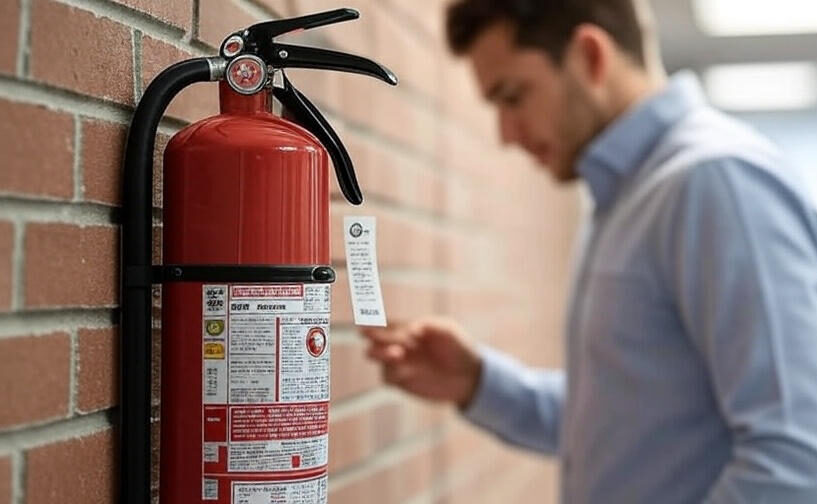
Fire safety is something most people in Pakistan only think about when an emergency happens. Unfortunately, by then it’s often too late. One of the simplest yet most powerful tools against small fires is a fire extinguisher. But here’s the important part: just owning a fire extinguisher isn’t enough, it must always be in working condition. If you live or run a business in the capital city, knowing when your fire extinguisher needs recharging and where to find reliable fire extinguisher refilling in Islamabad can make all the difference.

In this guide, we’ll walk you through clear, easy signs that your extinguisher needs refilling, the importance of maintenance, prices in Islamabad, and where you can find trusted fire safety services.

Importance of Fire Extinguishers in Pakistan

Pakistan has seen a rise in fire incidents across homes, offices, shops, and industrial sites. From electrical short circuits to kitchen fires, accidents happen without warning. A properly maintained fire extinguisher can stop a small spark from turning into a disaster.

Whether you own a shop in Saddar, an office in Blue Area, or a factory in I-9 Industrial Area, keeping extinguishers up-to-date is essential. That’s where professional fire extinguisher service Islamabad comes in. Regular maintenance ensures your extinguisher won’t fail when you need it the most.

Types of Fire Extinguishers & Their Uses

Different fire extinguishers are designed for different fire risks. Knowing which type you have (or need) will also help you understand when and how often to get a fire extinguisher refill Islamabad.

  • AFFF Foam Extinguishers: Ideal for fuel, oil, and flammable liquid fires.

  • CO2 Extinguishers: Common in offices for tackling electrical fires.

  • Dry Powder Extinguishers: Versatile and can be used on most types of fires, including electrical.

  • Water Extinguishers: Best for ordinary combustibles like paper and wood.

Choosing the right type ensures safety, but keeping them charged and refilled is just as important.

How Do I Know When My Fire Extinguisher Needs Recharging?

Here are some easy-to-check signs that your fire extinguisher needs servicing:

  1. Low Pressure Gauge: If the needle is not in the green zone, the extinguisher doesn’t have enough pressure to work effectively.

  2. Seal or Pin Broken: Missing safety pins or seals mean the extinguisher may have been tampered with or partially discharged.

  3. Visible Damage: Dents, rust, or corrosion on the cylinder are warning signs.

  4. Leaking Substance: If you notice powder, foam, or gas leaking, it’s time for a refill.

  5. Expired Extinguisher: Fire extinguishers have a limited lifespan. Even unused ones should be refilled or replaced every few years.

  6. After Every Use: Even if you only discharged it for a second, you must recharge it immediately.

Fire Extinguisher Price in Islamabad & Pakistan

The cost of fire extinguishers in Islamabad varies depending on size, type, and brand. Factors include:

  • Capacity (e.g., 1kg, 6kg, 9kg)

  • Type (Foam, CO2, Dry Powder)

  • Brand & Certification

  • Refilling Costs (usually lower than buying a new unit)

For those looking to save costs and maintain safety, refilling is a smart choice.

Check our professional fire extinguisher refilling in Islamabad services here.

Fire Extinguisher Refilling & Maintenance

Why is fire extinguisher refilling in Islamabad so important? Because an extinguisher that hasn’t been serviced is as risky as not having one at all. Professional refilling includes:

  • Checking cylinder pressure

  • Replacing seals and safety pins

  • Refilling with certified extinguishing agent

  • Performing leak and safety tests

With reliable fire extinguisher service Islamabad, you get peace of mind knowing your equipment will work during emergencies.

Where to Buy Fire Safety Equipment in Islamabad

If you’re wondering where to find genuine and reliable products, several professional companies provide fire safety equipment in Islamabad. From extinguishers to fire alarm installation, you can get a complete fire protection package. Reliable suppliers also provide:

  • Emergency fire services for workplaces and residential areas

  • Annual maintenance contracts for extinguishers

  • Fire suppression systems for industrial sites

Choosing the right vendor ensures that your investment in fire safety truly pays off when needed.

FAQs About Fire Extinguishers in Islamabad

  1. What is the average fire extinguisher price in Islamabad?
    Prices typically range from PKR 3,000 to PKR 15,000 depending on size and type. Refilling costs are much lower, making it a cost-effective option.
  2. How often should I refill my fire extinguisher?
    Generally, after every use or every 1 to 3 years, depending on the type. Always check the pressure gauge regularly.
  3. Can I refill any type of fire extinguisher?
    Yes, but it must be done by a certified service provider. Certain extinguishers, like CO2, require specialized refilling equipment.
  4. Where can I get a fire extinguisher to refill Islamabad services?
    Trusted companies like Fire Safety Trading provide reliable refilling, testing, and certification in Islamabad.
  5. Do I need fire extinguishers at home?
    Absolutely. Fires often start in kitchens and small sparks can spread quickly. Having a small, refilled extinguisher at home can prevent a major accident.

Conclusion

A fire extinguisher is only as good as its condition. Ignoring simple signs like low pressure, broken seals, or expired dates can put lives and property at risk. That’s why fire extinguisher refilling in Islamabad is not just a service, it’s a necessity for every home, office, and business.

For trusted, certified, and professional solutions, contact Fire Safety Trading today. Whether you need fire extinguisher service Islamabad, a new extinguisher, or reliable fire safety equipment in Islamabad, their team is ready to keep you safe.

Stay protected, stay prepared and never ignore the importance of fire extinguisher refilling in Islamabad.