Which Fire Extinguisher is Best for Home in Pakistan: A Complete Guide
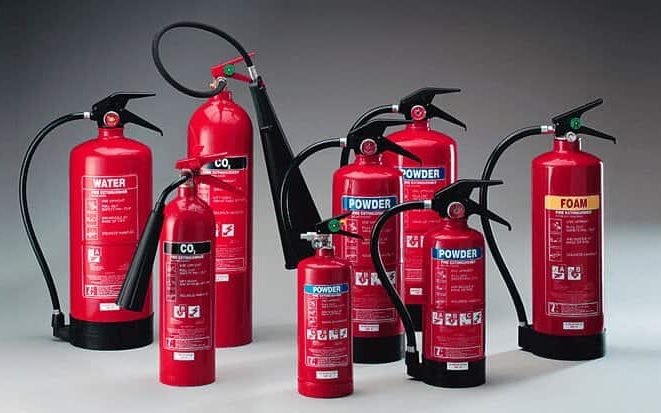
Fires at home can happen unexpectedly, and having the right fire extinguisher can save lives and property. Choosing the best fire extinguisher in Pakistan requires understanding the types of fires, extinguisher classes, and practical tips for home safety. This guide will help you make an informed decision.

Understanding Fire Types and Classes of Fire Extinguishers

Not all fires are the same. Different types of fires need specific extinguishers to be controlled safely. Fire experts classify fires into the following main types:

  • Class A: Fires caused by solid materials like wood, paper, or cloth.

  • Class B: Fires caused by flammable liquids such as gasoline, cooking oil, or paint.

  • Class C: Fires involving electrical equipment like appliances, wiring, or outlets.

  • Class D: Fires involving metals (rare in homes).

  • Class K: Fires involving cooking oils and fats, common in kitchens.

Fire extinguishers are labeled according to these classes. For home use in Pakistan, knowing which class covers your most likely risks is essential.

Types of Fire Extinguishers Suitable for Homes

  1. Water Fire Extinguishers
    Water extinguishers are effective for Class A fires (wood, paper, textiles). They are inexpensive and widely available. However, they are not suitable for electrical fires or oil fires, as water can worsen these situations.

  2. Foam Fire Extinguishers
    Foam extinguishers are versatile and can handle Class A and B fires. They create a barrier between the fire and fuel, making them safer for liquid fires like oil or paint spills. Foam extinguishers are ideal for living areas and garages.

  3. Carbon Dioxide (CO₂) Fire Extinguishers
    CO₂ extinguishers are perfect for electrical fires (Class C). They work by removing oxygen from the fire and leaving no residue, making them safe for home electronics. They are also suitable for small liquid fires but not effective on large fires.

  4. Dry Chemical Powder Extinguishers
    These are multi-purpose and one of the most recommended for homes. They cover Class A, B, and C fires, making them versatile for kitchens, living rooms, and garages. However, they leave a powdery residue, which may require cleanup after use.

  5. Wet Chemical Extinguishers
    Specially designed for kitchen fires (Class K), wet chemical extinguishers work on hot oils and fats. For Pakistani homes where cooking with oil is common, keeping one near the kitchen is highly advisable.

Choosing the Right Fire Extinguisher for Your Home

When selecting a fire extinguisher in Pakistan, consider the following factors:

  • Home Layout and Risk Areas: Identify high-risk areas like kitchens, living rooms with electrical equipment, and garages.

  • Size and Capacity: Small 1kg or 2kg extinguishers are suitable for small fires, while larger 4kg or 6kg models are better for bigger homes.

  • Ease of Use: Make sure all family members know how to operate it. Simple instructions and a pull-pin mechanism are user-friendly.

  • Maintenance and Refill: Extinguishers must be inspected regularly and refilled after use. Check for local suppliers in Pakistan who provide maintenance services.

Fire Safety Tips for Pakistani Homes

Having a fire extinguisher is crucial, but combining it with good fire safety practices is even more important. Follow these tips:

  • Install smoke detectors in bedrooms and living areas.

  • Keep flammable items away from heat sources.

  • Never leave cooking unattended, especially when using oil.

  • Teach family members basic fire response, including how to use an extinguisher.

  • Create a clear evacuation plan for emergencies.

Recommended Fire Extinguishers for Pakistani Homes

For most homes in Pakistan, the following combination works best:

  • Dry Chemical Powder Extinguisher (2kg-4kg): For general purpose, covering electrical, liquid, and solid fires.

  • CO₂ Extinguisher (2kg): For electrical fires in the living room or study area.

  • Wet Chemical Extinguisher (1-2kg): For kitchen use, especially if deep frying is common.

This setup ensures that every potential fire scenario in a typical Pakistani home is covered effectively.

Conclusion

Choosing the right fire extinguisher for your home in Pakistan is a combination of understanding fire types, home risks, and extinguisher classes. Dry chemical powder, CO₂, and wet chemical extinguishers are the most practical and effective options. Along with proper placement and regular maintenance, these tools will provide peace of mind and safety for your family. Fire safety is not just about buying an extinguisher; it’s about being prepared and proactive.

Difference Between ABC, CO2, Water, and Foam Extinguishers
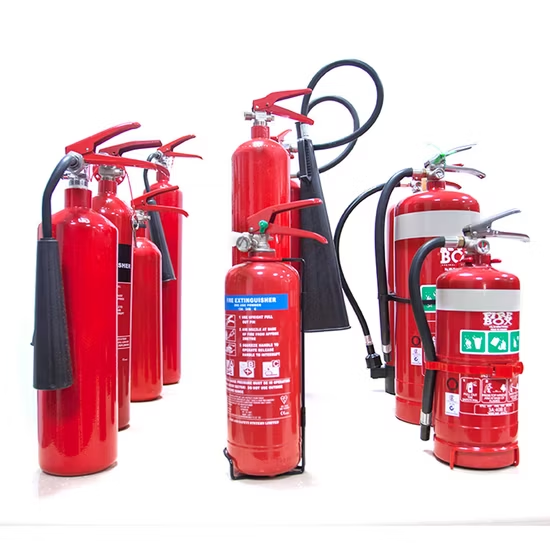
Fire extinguishers are essential safety tools for homes, offices, shops, factories, and commercial buildings in Pakistan. But choosing the right extinguisher can be confusing because each fire type requires a different solution. ABC, CO2, Water, and Foam extinguishers are the most commonly used options, and each one works in a unique way. Understanding the difference between them helps you select the correct extinguisher for daily use and emergency situations.

Understanding Fire Classes

Before comparing extinguishers, it is important to know the different classes of fire:

Class A

Fires from solid materials like wood, paper, cloth, plastic.

Class B

Fires caused by liquids such as petrol, diesel, paints, thinner, grease.

Class C

Fires involving gases like LPG, methane, propane.

Electrical Fires (E-Class)

Fires from electrical panels, wiring, appliances.

Each extinguisher is designed for specific fire classes, which is why choosing the correct one matters.

ABC Fire Extinguisher

ABC extinguishers are the most popular option in Pakistan due to their multipurpose use.

What It Contains

Dry Chemical Powder (DCP), usually mono-ammonium phosphate.

How It Works

The dry powder smothers the fire by interrupting the chemical reaction and forming a protective layer on burning materials.

Best For

  • Class A fires: Wood, paper, plastic

  • Class B fires: Petrol, diesel, oil

  • Class C fires: Gas leaks, cylinder fires

  • Electrical fires (indirect use)

Advantages

  • Works on multiple fire types

  • Easy to operate

  • Affordable and widely available

  • Suitable for homes, shops, offices

Limitations

  • Leaves powder residue

  • Not ideal for sensitive electronic equipment

  • Indoor cleanup is required after use

CO2 Fire Extinguisher

CO2 extinguishers are commonly used in offices and areas with electrical equipment.

What It Contains

Compressed Carbon Dioxide gas.

How It Works

CO2 displaces oxygen around the fire and cools electrical components.

Best For

  • Electrical fires (panels, computers, servers)

  • Class B fires: Petrol, oils, chemicals

Advantages

  • Leaves no residue

  • Safe for electronic equipment

  • Effective for electrical short-circuits

  • No cleanup required

Limitations

  • Not effective on Class A fires

  • Limited range and discharge time

  • Should not be used in confined spaces due to oxygen displacement

Water Fire Extinguisher

Water extinguishers are the oldest and simplest type.

What It Contains

Pressurized water.

How It Works

Water cools the burning material, reducing heat and stopping fire spread.

Best For

  • Class A fires only
    (wood, paper, cloth, furniture)

Advantages

  • Very effective on solid-material fires

  • Environmentally friendly

  • Low-cost option

Limitations

  • Never use on electrical fires

  • Dangerous on petrol or oil fires

  • Can damage equipment and electronics

  • Not suitable for kitchens

Foam Fire Extinguisher

Foam extinguishers are ideal for liquid fires and general commercial use.

What It Contains

Aqueous film-forming foam (AFFF).

How It Works

The foam creates a blanket over the burning liquid, stopping oxygen supply and preventing re-ignition.

Best For

  • Class B fires (fuel, oil, paints)

  • Class A fires (solid materials)

Advantages

  • Excellent for petrol and oil fires

  • Prevents re-ignition

  • Covers surfaces effectively

  • Commonly used in workshops, fuel stations, warehouses

Limitations

  • Not suitable for electrical fires

  • Leaves foam residue

  • Slightly more expensive than powder extinguishers

Side-by-Side Comparison

Fire Class Compatibility

Extinguisher A B C Electrical
ABC Powder ✔ (indirect)
CO2
Water
Foam

Residue

  • ABC: Powder residue

  • CO2: No residue

  • Water: Clean but wet

  • Foam: Thick foam layer

Best Locations

  • ABC: Homes, schools, stores, restaurants

  • CO2: Offices, server rooms, IT equipment

  • Water: Warehouses, paper storage, furniture shops

  • Foam: Fuel stations, garages, paint shops, workshops

How to Choose the Right Extinguisher in Pakistan

Selecting the right extinguisher depends on your environment:

Homes

ABC extinguisher is the safest all-round choice.

Offices & IT Rooms

CO2 extinguisher protects electronics without damage.

Workshops & Industrial Areas

Foam or ABC extinguishers work best.

Fuel Stations & Chemical Storage

Foam extinguishers offer strong coverage for liquid fires.

Warehouses with Wood/Paper

Water or ABC extinguishers provide effective cooling.

Common Mistakes to Avoid

  • Using water on electrical or petrol fires

  • Placing extinguishers in hidden corners

  • Not checking pressure gauges regularly

  • Buying low-quality, non-certified extinguishers

  • Using CO2 in small rooms without ventilation

Conclusion

Understanding the difference between ABC, CO2, Water, and Foam extinguishers helps you make safer decisions. Each extinguisher is designed for a specific fire type, and using the wrong one can make the situation worse. For Pakistani homes, offices, and businesses, choosing the right extinguisher ensures better protection, quick response, and peace of mind.

If you know your fire risks and choose your extinguisher wisely, you improve safety for everyone around you.

Fire Extinguisher Maintenance Checklist – Tips & Services
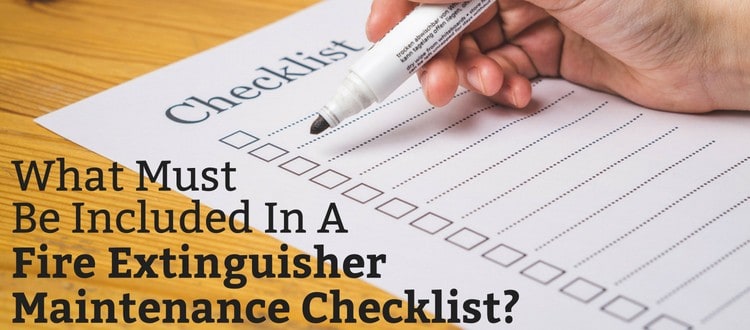
Fire extinguishers are one of the most important safety tools in homes, schools, offices, factories, and commercial buildings. But many people forget that extinguishers also need regular maintenance to work properly during an emergency. A fire extinguisher that is expired, damaged, or leaking pressure becomes useless when you need it the most.

A proper fire extinguisher maintenance routine not only protects your property but also helps save lives. In Pakistan, companies like Fire Safety Trading provide professional inspection and servicing to ensure every extinguisher is ready to perform. This article explains the complete maintenance checklist, essential tips, and the services you should look for from a certified fire safety company.

Why Fire Extinguisher Maintenance Is Important

Fire extinguishers look simple, but they are pressure-based devices that can lose effectiveness over time. Regular maintenance is necessary because:

  • Pressure inside the extinguisher can drop.

  • Internal parts can get damaged or corroded.

  • Powder or chemical can settle at the bottom.

  • Nozzle or hose can get blocked.

  • The extinguisher can expire without being noticed.

A well-maintained fire extinguisher works instantly, while a neglected one might fail. That is why workplaces are legally required to inspect extinguishers, and even homes should follow a maintenance schedule for safety.

Monthly Maintenance Checklist

Every month, a simple visual inspection helps identify issues early. Anyone at home or workplace can do this without technical skills.

1. Check Accessibility

The fire extinguisher should be easily reachable. Make sure:

  • It is not blocked by furniture, boxes, or vehicles.

  • It is mounted at a visible and correct height.

  • The signage for the extinguisher is visible.

2. Inspect the Pressure Gauge

Look at the gauge needle.

  • If it is in the green zone, pressure is normal.

  • If it is in yellow or red, servicing is required immediately.

Low pressure means the extinguisher won’t discharge properly.

3. Examine for Physical Damage

Look closely for dents, rust, cracks, or leakage. Even small damage can make the extinguisher unsafe.

4. Ensure Safety Pin & Seal Are Intact

The safety pin prevents accidental discharge.
If the pin is missing or the seal is broken, it means someone may have used the extinguisher.

5. Check the Hose and Nozzle

Make sure the hose is flexible, not cracked, and not blocked. Dust buildup in the nozzle can stop the chemical from flowing.

6. Confirm the Expiry Date

Most extinguishers expire within 3 to 5 years. After expiry, the contents can become ineffective.

Annual Maintenance Checklist

Annual maintenance should always be done by trained and certified fire safety technicians. This ensures your fire extinguisher meets safety standards.

1. Full Physical Inspection

A technician checks the extinguisher from top to bottom, including internal components, weight, O-rings, and valve condition.

2. Chemical Refill or Replacement

Dry powder, foam, CO₂, and water extinguishers require periodic refilling or replacement. Refilling should only be done by certified companies using approved chemicals.

3. Pressure Testing

This is also known as hydrostatic testing. It ensures the extinguisher can safely handle pressure without bursting.

4. Cleaning and Lubrication

Dust, grease, or corrosion is cleaned, and moving parts are lubricated to ensure smooth operation.

5. Labeling and Documentation

After servicing, the extinguisher receives:

  • A maintenance tag

  • Date of service

  • Next service due date

  • Technician’s signature

This documentation is required for inspections, audits, and insurance compliance.

When Should You Replace a Fire Extinguisher?

Not every extinguisher can be repaired. Replace the extinguisher if:

  • It is expired.

  • The cylinder is cracked or heavily rusted.

  • The handle or valve is broken.

  • It fails hydrostatic pressure testing.

  • Chemicals have leaked.

Simply refilling an expired or damaged extinguisher is dangerous. Replacement is the safest option.

Tips to Keep Your Fire Extinguishers Reliable

You can extend the life of your fire extinguishers with some basic care:

Always place extinguishers in clean, dry, and cool areas. Pakistani humidity and heat can hurt pressure levels.
Teach family members, employees, and security staff how to use extinguishers.
For powder extinguishers, gently shake them every 3–4 months to prevent chemical settling.
Avoid handling the extinguisher roughly, as dents can compromise pressure.
Conduct fire drills and safety inspections regularly.

These small steps ensure extinguishers remain fully functional throughout the year.

Professional Fire Extinguisher Services You Should Consider

A reliable fire safety company should offer the following services:

Fire Extinguisher Inspection

Detailed checking of pressure, condition, and expiry.

Refilling & Recharge Service

Certified refilling for dry chemical, CO₂, foam, and water extinguishers.

Hydrostatic Pressure Testing

Ensures cylinders are safe for long-term use.

Fire Safety Training

Training sessions for office staff, factory workers, and school teams.

Fire Extinguisher Replacement

Providing new extinguishers that meet international standards.

Companies like Fire Safety Trading in Pakistan specialize in complete extinguisher maintenance, safety audits, and emergency readiness solutions for schools, hospitals, industries, warehouses, and commercial sites.

Why Regular Maintenance Matters for Businesses

With strict safety regulations in Pakistan, companies must maintain fire extinguishers for:

  • Compliance with local safety laws

  • Protection during insurance audits

  • Avoiding penalties and legal issues

  • Ensuring worker and customer safety

Maintained extinguishers protect your investment and reduce the risk of major fire losses.

Final Thoughts

Fire extinguisher maintenance is not optional it is essential for safety. A working extinguisher can stop a small fire from turning into a major disaster. Following a proper monthly and annual maintenance checklist ensures every extinguisher is ready to perform when needed.

For homes and businesses in Pakistan, professional servicing from certified companies like Fire Safety Trading provides complete peace of mind. With regular inspection, timely refilling, and safe placement, your fire extinguisher becomes a reliable first line of defense against emergencies.

Fire Safety Solutions for Schools & Hospitals – ASad Fire Safety
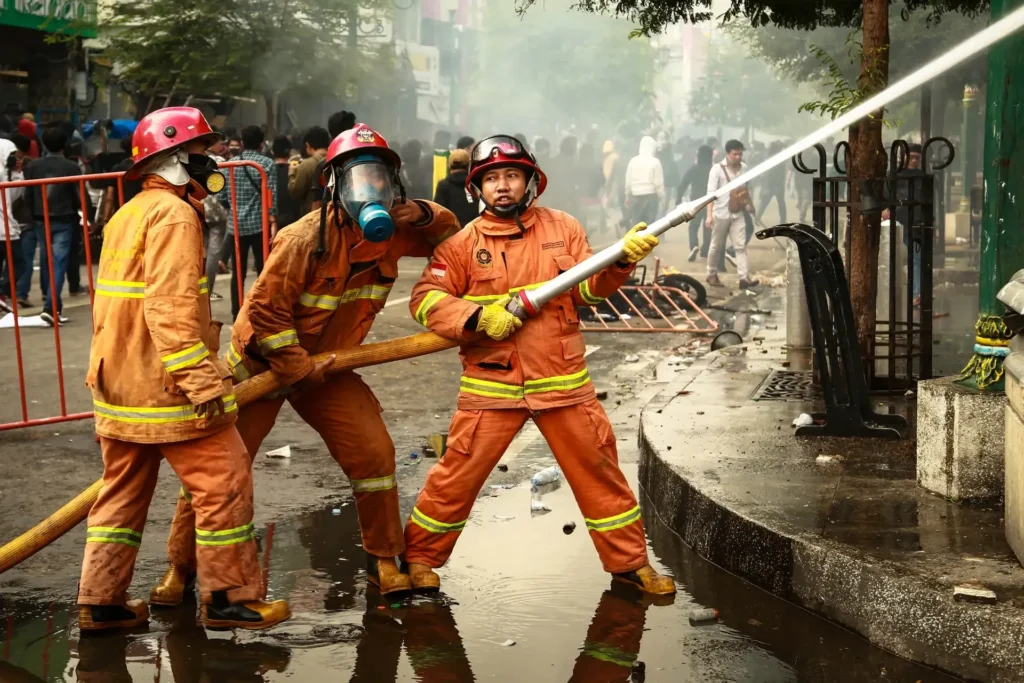
Fire safety in schools and hospitals is a critical responsibility that goes beyond mere compliance with regulations. These institutions host some of the most vulnerable populations, including children, elderly patients, and medical staff, which makes having robust fire safety measures essential. Without proper precautions, a fire can quickly escalate, endangering lives and causing significant property damage. ASad Fire Safety specializes in providing tailored solutions that ensure maximum protection for schools and hospitals, combining modern equipment, professional training, and preventive strategies.

Schools, in particular, face unique challenges when it comes to fire safety. Large numbers of students and staff are concentrated in classrooms, corridors, laboratories, and recreational areas. Children may panic during emergencies, making organized evacuation plans and trained staff crucial. Additionally, school laboratories, kitchens, and science rooms often house chemicals, electrical equipment, and other potential fire hazards, increasing the importance of early detection and rapid response systems. Implementing a comprehensive fire safety plan ensures that students, teachers, and other staff members are protected, and that the risk of injury or property damage is minimized.

Hospitals also present a complex fire safety scenario. Many patients are immobile or dependent on medical devices, making safe evacuation more difficult. Medical equipment, including high-power devices and oxygen tanks, adds to the risk of electrical fires. Hospitals operate around the clock, which means fire safety systems must be reliable at all times. Fire safety solutions in hospitals require careful planning to protect patients, staff, and critical infrastructure while ensuring compliance with local and international safety standards.

One of the most effective ways to safeguard schools and hospitals is the proper installation and maintenance of fire extinguishers. ASad Fire Safety offers a variety of extinguishers, including water, foam, dry chemical, CO₂, and wet chemical types. These are strategically placed in classrooms, laboratories, kitchens, patient wards, and corridors. Regular maintenance ensures that extinguishers remain functional and ready for immediate use, giving staff the tools they need to act quickly in the event of a fire.

In addition to extinguishers, fire detection and alarm systems are essential for early warning. Smoke detectors can alert staff and students before a fire spreads, while heat detectors are particularly useful in areas with high dust or steam, such as kitchens and laboratories. Integrated alarm systems connect to central control rooms, ensuring that emergencies are communicated immediately and evacuation can begin without delay. Sprinkler systems complement these measures by automatically activating when high temperatures are detected. Sprinklers are suitable for large halls, patient wards, and libraries, and can use water or foam depending on the type of fire hazard.

Emergency evacuation planning is another crucial aspect of fire safety. Clear exit routes, safe assembly points, and well-marked directional signs ensure that everyone can evacuate efficiently. Conducting regular fire drills for students, hospital staff, and teachers helps familiarize them with procedures, reducing panic during real emergencies. Fireproof storage solutions further enhance safety by protecting important school records, patient files, flammable chemicals, and medical supplies from damage in case of a fire.

Staff training and awareness programs play an equally important role. ASad Fire Safety provides hands-on training for teachers, hospital personnel, and administrative staff. This includes learning how to use different types of fire extinguishers, understanding emergency response protocols, and knowing how to coordinate evacuations. Regular refresher courses ensure that staff remain updated on the latest safety practices and can act confidently under pressure.

The benefits of implementing fire safety solutions in schools and hospitals extend beyond immediate protection. Effective fire safety systems protect lives, minimize property damage, and provide peace of mind for parents, administrators, and hospital management. These measures also help institutions comply with local laws and safety regulations, and may even reduce insurance premiums. In short, investing in fire safety is not only a moral obligation but also a practical strategy for long-term risk management.

ASad Fire Safety provides end-to-end solutions, starting from risk assessment to the design and installation of fire safety systems. Every institution receives a customized safety plan based on its unique layout, population, and potential hazards. Continuous support, including regular inspections, equipment refills, and staff training, ensures that schools and hospitals remain protected at all times. With ASad Fire Safety’s expertise, educational and healthcare institutions can confidently safeguard lives, property, and reputation.

In conclusion, fire safety solutions for schools and hospitals are essential to ensure the safety of children, patients, and staff. Properly installed fire extinguishers, advanced detection systems, sprinklers, evacuation plans, signage, fireproof storage, and staff training together create a robust defense against fire emergencies. ASad Fire Safety’s comprehensive approach ensures that your institution is not only compliant with regulations but also fully prepared to handle any fire-related situation. Investing in fire safety today can save countless lives tomorrow and provide a secure environment for learning, healing, and work.

Fire Extinguisher Replacement & Upgrades ASad Fire Safety
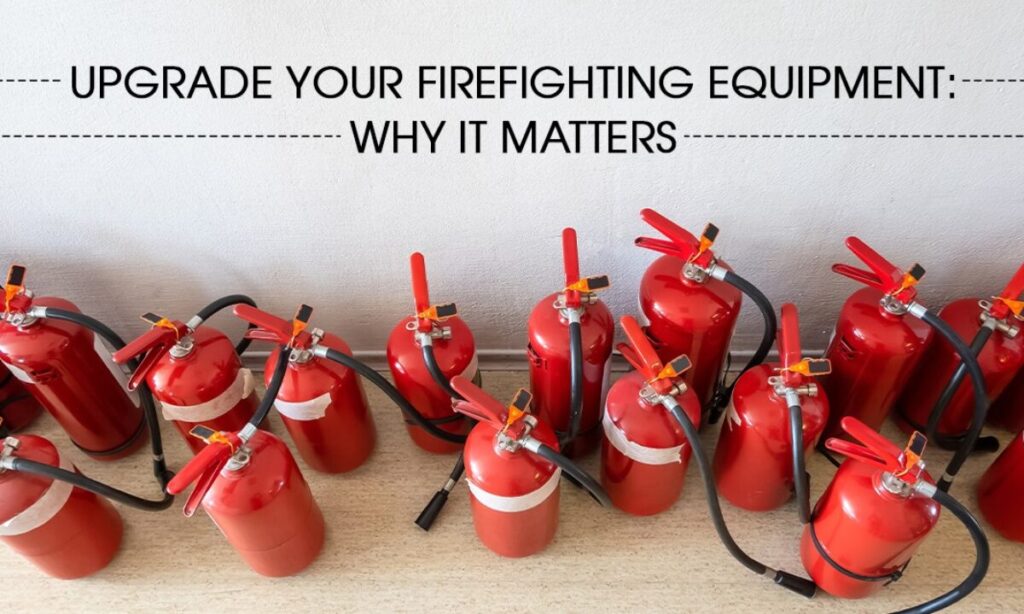
Fire extinguishers are critical safety devices for homes, offices, factories, and vehicles. However, like any safety equipment, they are not meant to last forever. Over time, fire extinguishers can lose their effectiveness due to wear, corrosion, or outdated technology. ASad Fire Safety offers expert guidance on replacement and upgrades to ensure your fire safety measures remain reliable and compliant with local standards.

Why Replace Fire Extinguishers?

Fire extinguishers may need replacement for several reasons:

  1. Expired Lifespan
    Most extinguishers have a lifespan of 5–15 years, depending on the type and manufacturer. Using an old extinguisher can be dangerous, as it may fail during an emergency.

  2. Damage or Corrosion
    Extinguishers exposed to moisture, chemicals, or rough handling may suffer corrosion, dents, or leaks. These issues can compromise their functionality.

  3. Empty or Partially Used
    Even partial use reduces the pressure and extinguishing capability. It is crucial to recharge or replace after every use.

  4. Outdated Technology
    Modern fire extinguishers are lighter, more efficient, and environmentally friendly. Older models may use harmful chemicals or lack multi-class capability.

  5. Regulatory Compliance
    Offices and factories must comply with fire safety regulations. Non-compliant or outdated extinguishers can lead to penalties and safety risks.

Signs Your Fire Extinguisher Needs Replacement

  • Pressure gauge shows low or red zone
  • Expiration date is reached or passed
  • Physical damage such as dents, rust, or leaks
  • Missing or damaged safety pins or seals
  • Extinguisher fails inspection during routine checks

Upgrading Fire Extinguishers

Upgrading your fire safety equipment can significantly improve protection. ASad Fire Safety recommends the following upgrade options:

1. Switch to Multi-Class Extinguishers

  • Modern extinguishers can handle Class A, B, and C fires (solids, flammable liquids, and gases) in a single device.
  • This reduces the need for multiple extinguishers in the same location.

2. Eco-Friendly Models

  • Newer extinguishers use clean agents or CO₂ instead of halons, which are harmful to the environment.
  • These are especially suitable for offices, data centers, and hospitals.

3. Lightweight & Portable Designs

  • Advanced materials reduce the weight of extinguishers without compromising performance.
  • Easier to handle in emergencies, suitable for homes and vehicles.

4. Rechargeable Units

  • Instead of replacing after every use, rechargeable extinguishers can be refilled and reused multiple times.
  • This is cost-effective for businesses and industrial setups.

5. Enhanced Visibility & Labeling

  • Modern models feature bright labels, reflective tags, and easy-to-read instructions.
  • Improves safety in low-light or emergency conditions.

Fire Extinguisher Replacement Procedure – ASad Fire Safety

  1. Inspection & Assessment
    A professional checks the extinguisher for pressure, corrosion, and expiry.

  2. Choosing the Right Replacement
    Depending on fire risk, location, and type of fire, ASad Fire Safety recommends the most suitable model.

  3. Installation & Mounting
    Fire extinguishers are installed at easily accessible points, following safety guidelines and building codes.

  4. Training & Orientation
    Staff or family members are trained on proper operation using the PASS technique:

    • Pull the pin
    • Aim at the base of the fire
    • Squeeze the handle
    • Sweep from side to side

  5. Regular Maintenance & Checks
    Routine inspections are scheduled to ensure long-term reliability.

Pricing of Fire Extinguishers in Pakistan

Replacement and upgrade costs vary based on type, capacity, and features:

Type Capacity Price Range (PKR) Suitable For
Water 6–9 liters 1,500 – 3,500 Home, office, classrooms
Foam 6–9 liters 3,500 – 7,000 Class A & B fires, kitchens
CO₂ 2–5 kg 5,000 – 12,000 Electrical fires, server rooms
Dry Powder 2–6 kg 4,000 – 10,000 Class A, B, C fires, industrial
Wet Chemical 3–6 liters 6,000 – 12,000 Cooking oils, commercial kitchens


Benefits of Upgrading with ASad Fire Safety

  • Access to latest fire safety technology
  • Certified and ISO-approved extinguishers
  • Expert guidance for home, office, and industrial setups
  • Cost-effective solutions with rechargeable and multi-class models
  • Complete support, including installation, training, and maintenance

Fire safety is only effective when equipment is functional and up-to-date. Replacing old extinguishers and upgrading to modern, efficient models can save lives, protect property, and ensure compliance with fire safety standards.

With ASad Fire Safety, you get expert advice, high-quality extinguishers, and full training to keep your home, office, or industrial facility safe. Don’t wait for a fire to test your equipment – inspect, replace, and upgrade today.


Portable Fire Extinguishers – Types, Price, and Uses
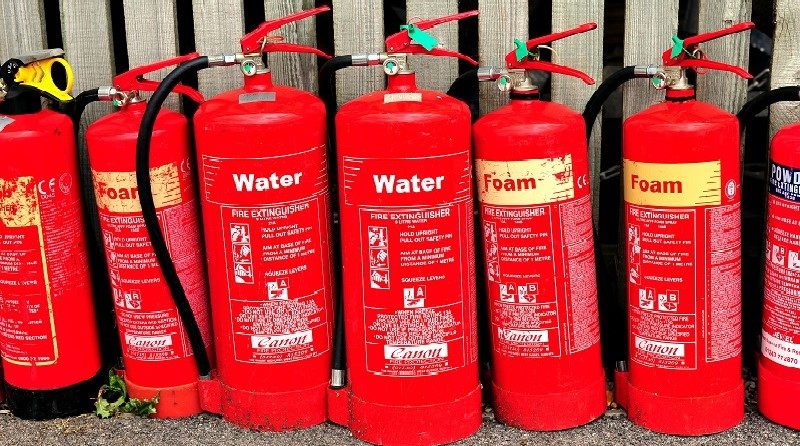
Portable fire extinguishers are the first line of defense against small fires at homes, offices, factories, and vehicles. They are compact, easy to use, and can prevent a fire from spreading before it becomes uncontrollable. Understanding the types, pricing, and proper usage of portable fire extinguishers is crucial for safety and compliance with fire safety regulations.

What is a Portable Fire Extinguisher?

A portable fire extinguisher is a handheld device designed to put out small fires by discharging an extinguishing agent such as water, foam, powder, or gas. They are not meant to replace a full fire suppression system but are ideal for tackling fires in the early stages.

Key benefits include:

  • Immediate response to small fires.

  • Easy to operate with minimal training.

  • Can save lives and reduce property damage.

Types of Portable Fire Extinguishers

Different types of fires require different extinguishing agents. Selecting the right type ensures maximum effectiveness.

1. Water Fire Extinguishers

  • Best For: Class A fires (ordinary combustibles like wood, paper, cloth).

  • Not For: Electrical fires or flammable liquids.

  • How it Works: Water cools the burning material, reducing heat and extinguishing the fire.

  • Price Range in Pakistan: PKR 1,500 – 3,500 (6-9 liters capacity).

2. Foam Fire Extinguishers

  • Best For: Class A and B fires (flammable liquids like petrol, oils).

  • How it Works: Foam forms a barrier between the fuel and the oxygen, smothering the fire.

  • Price Range: PKR 3,500 – 7,000.

3. Carbon Dioxide (CO₂) Fire Extinguishers

  • Best For: Electrical fires and flammable liquids.

  • How it Works: CO₂ displaces oxygen around the fire and cools it.

  • Price Range: PKR 5,000 – 12,000 (2-5 kg).

  • Note: Leaves no residue, making it ideal for offices with electronics.

4. Dry Powder Fire Extinguishers

  • Best For: Class A, B, and C fires (solids, liquids, and gases).

  • How it Works: Powder interrupts the chemical reaction of the fire.

  • Price Range: PKR 4,000 – 10,000.

  • Caution: Can create dust and reduce visibility when used indoors.

5. Wet Chemical Fire Extinguishers

  • Best For: Class F fires (cooking oils and fats).

  • How it Works: Reacts with oils to form a soapy layer, cooling and smothering the fire.

  • Price Range: PKR 6,000 – 12,000.

Uses of Portable Fire Extinguishers

Portable fire extinguishers are versatile and can be used in multiple environments:

1. Home Safety

  • Kitchen fires from cooking oils.

  • Electrical fires from appliances.

  • Fires caused by candles, heaters, or flammable liquids.

2. Office and Commercial Buildings

  • Electrical fires from computers, servers, and wiring.

  • Fires in laboratories, storage rooms, and cafeterias.

3. Factories and Workshops

  • Fires from chemicals, paints, and flammable materials.

  • Machinery overheating or sparking combustible materials.

4. Vehicles

  • Car engine fires, fuel leaks, and battery sparks.

  • Portable extinguishers for buses, trucks, and construction vehicles.

How to Use a Portable Fire Extinguisher

The PASS technique is widely recommended for operating fire extinguishers:

  1. P – Pull the safety pin.

  2. A – Aim the nozzle at the base of the fire.

  3. S – Squeeze the handle to release the extinguishing agent.

  4. S – Sweep the nozzle from side to side until the fire is fully out.

Important Tips:

  • Always maintain a safe distance from the fire.

  • Never turn your back on a fire until it is completely extinguished.

  • If the fire spreads or cannot be controlled, evacuate immediately and call emergency services.

Maintenance and Inspection

A portable fire extinguisher is only effective if it is well-maintained:

  • Check pressure gauges regularly.

  • Inspect for leaks, corrosion, or damage.

  • Ensure accessibility and clear visibility.

  • Recharge or replace after use, even partially.

  • Perform a professional inspection at least once a year.

Cost Considerations in Pakistan

Prices vary based on type, capacity, and brand:

Type Capacity Price Range (PKR)
Water 6-9 liters 1,500 – 3,500
Foam 6-9 liters 3,500 – 7,000
CO₂ 2-5 kg 5,000 – 12,000
Dry Powder 2-6 kg 4,000 – 10,000
Wet Chemical 3-6 liters 6,000 – 12,000

Tip: Invest in certified brands like Firetech, PyroPak, or local ISO-certified extinguishers for reliability.

Portable fire extinguishers are an essential safety tool for every home, office, factory, and vehicle. Selecting the correct type, understanding its usage, and maintaining it properly can save lives and reduce property damage in case of a fire. In Pakistan, affordable and certified extinguishers are widely available, making fire safety both practical and accessible.

Invest in a quality extinguisher today, ensure your family, employees, or property are protected, and train yourself in proper usage. Remember, early action can prevent disaster.

5 Common Fire Hazards in Pakistani Homes and How to Avoid Them
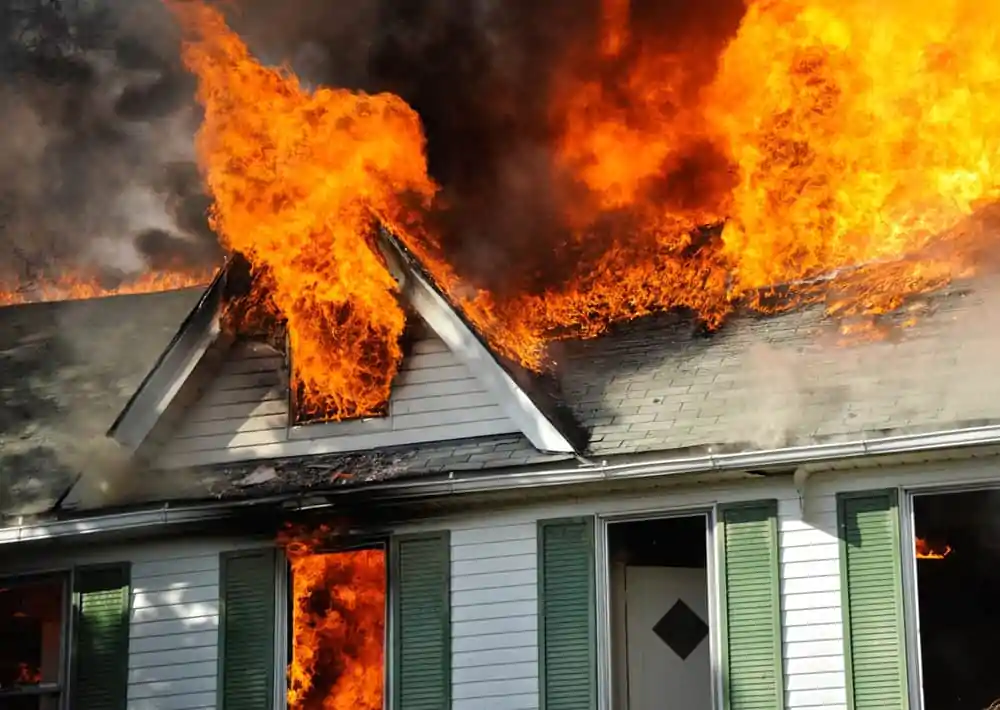
Fire accidents are becoming increasingly common in Pakistani homes due to electrical faults, gas leaks, overloaded wiring, and unsafe household practices. Most of these incidents can be prevented with basic awareness and simple precautions. Understanding the everyday hazards inside your home is the first step toward creating a safer environment for your family.

One of the biggest fire hazards in Pakistani homes is faulty or overloaded electrical wiring. Many houses use old cables that cannot handle the load of modern appliances like refrigerators, air conditioners, and microwaves. When too many devices run on a single outlet, wires heat up and can spark a fire. To avoid this risk, homeowners should ensure their homes are properly rewired, use high-quality breakers, and avoid plugging multiple appliances into one socket. Regular inspections by a certified electrician can also detect problems before they turn dangerous.

The kitchen is another high-risk area, especially when dealing with gas stoves and LPG cylinders. Many fires begin when cooking oil overheats, or when gas leaks go unnoticed. Simple safety habits can prevent such accidents. Never leave cooking food unattended, always check the stove knobs before sleeping, and store gas cylinders in ventilated spaces. If you smell gas, avoid turning on lights or appliances and immediately open windows and shut off the supply.

Using cheap or uncertified electrical appliances is also a major cause of fires. Many households buy low-quality chargers, fans, extension boards, and heaters due to affordability. These products often lack proper insulation and safety mechanisms, making them more likely to short-circuit. It is safer to invest in certified appliances from trusted brands and replace damaged items instead of repairing them repeatedly.

Another common hazard is the improper use of heating devices during winter. Room heaters placed too close to curtains, beds, or wooden furniture can ignite flammable materials within minutes. To stay safe, keep a safe distance between heaters and household items, avoid leaving heaters running overnight, and choose models with automatic shut-off features. In Roman Urdu: “Heater ko bilkul paas na rakhein aur sote waqt band kar dein—yeh choti si ehtiyaat bari musibat se bachati hai.”

Children’s access to matches, lighters, and candles also poses a serious danger. Kids are naturally curious and may accidentally ignite a fire while playing. To prevent this, always store lighters and matches out of reach and teach children about fire safety from a young age. Candle use should also limited, especially during load shedding, and should never left burning without supervision.

In many Pakistani homes, storing flammable materials carelessly adds another layer of risk. Items like petrol, thinner, paint, and insect sprays should never kept near heat sources. They must be stored in cool, dry places away from sunlight and out of the reach of children.

Preventing these hazards becomes easier with simple steps: regular electrical checks, safe kitchen habits, buying quality appliances, using heaters carefully, and controlling access to fire starting items. Installing basic fire safety equipment such as smoke alarms, fire blankets, and small extinguishers can also make a big difference. These tools provide early warning and allow quick action before a fire spreads.

By understanding these common fire hazards and taking practical preventive measures, families in Pakistan can significantly reduce the risk of home fires. A safe home starts with awareness, responsibility, and adopting small habits that protect your loved ones every single day.

Why Flame Defenders Are the Best Choice for Home and Business Protection
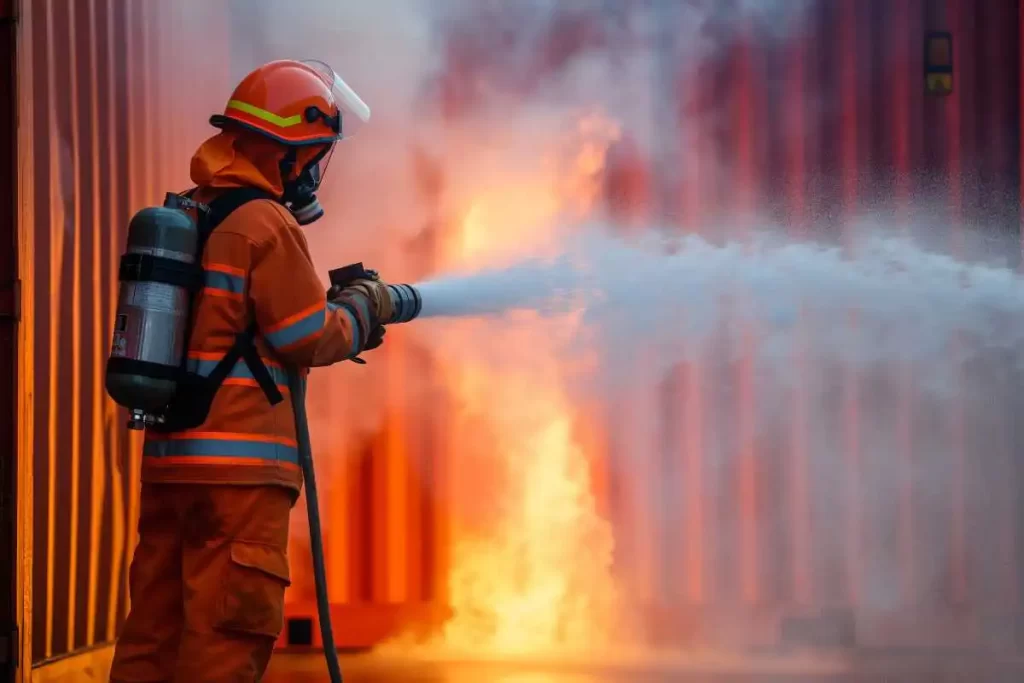
Flame Defenders have become one of the most trusted fire protection solutions for homes and businesses in Pakistan. Their ability to detect heat, activate automatically, and suppress fire within seconds makes them an essential safety tool, especially in high-risk areas. As fire incidents continue to rise due to electrical faults, cooking hazards, and workplace equipment, these compact devices provide round-the-clock protection without the need for human intervention.

Flame Defenders work by sensing a rapid rise in temperature and releasing a special extinguishing agent that instantly cools flames and prevents the fire from spreading. Because they activate automatically, they offer a strong layer of safety in places where people cannot respond quickly, such as storage rooms, server areas, electrical panels, generators, kitchens, or any enclosed space with flammable materials.

One of the biggest advantages of Flame Defenders is their reliability. They do not require electricity, wiring, or complicated setups. Once installed, the device stays active 24/7 and needs very little maintenance. This makes them ideal not only for large commercial setups but also for homes, especially in areas like kitchens where fire risk is high. Pakistani households often rely on gas stoves and LPG cylinders, so a quick-response device can prevent major accidents.

Businesses benefit greatly from these systems because they reduce the chances of costly damages. A small electrical spark in a warehouse or office can turn into a major fire if not controlled immediately. Flame Defenders act before the fire grows, saving equipment, inventory, and even lives. For industries that operate during off-hours, they provide peace of mind knowing that protection continues even when no one is present.

Another reason they are preferred is their versatility. Flame Defenders come in different capacities, allowing users to choose the right size based on room dimensions or risk level. Their compact design makes them easy to install on walls, ceilings, or directly near equipment that poses a fire hazard. This flexibility allows both homeowners and business owners to create a tailored fire safety solution without heavy expense.

The technology behind these devices is also environmentally friendly. The extinguishing agent used is non-toxic, leaves no residue, and does not damage equipment. This is particularly important for offices, IT rooms, and homes where sensitive appliances are present. Unlike traditional extinguishers that require manual operation, Flame Defenders activate at the perfect moment and do not create a mess during discharge.

For families, they offer an additional layer of safety at night. Fires that start during sleep often go unnoticed until they become uncontrollable. With an automatic suppression device installed in the kitchen or near the electrical distribution board, risks are significantly reduced. The same applies to small shops and restaurants that close at night but leave equipment plugged in.

In businesses, using Flame Defenders can also support compliance with fire safety standards. Many workplaces are required to have adequate fire protection under local regulations. By installing automatic systems, companies reduce liability and improve worker safety.

In the end, Flame Defenders stand out because they combine automatic action, strong extinguishing capability, low maintenance, and versatility in one compact device. Whether you want to protect your home or your business, these systems offer dependable fire safety without requiring constant attention. For anyone looking to strengthen their fire protection strategy, Flame Defenders are a smart and effective choice.

Fire Safety Tips for Restaurants and Kitchens in Pakistan
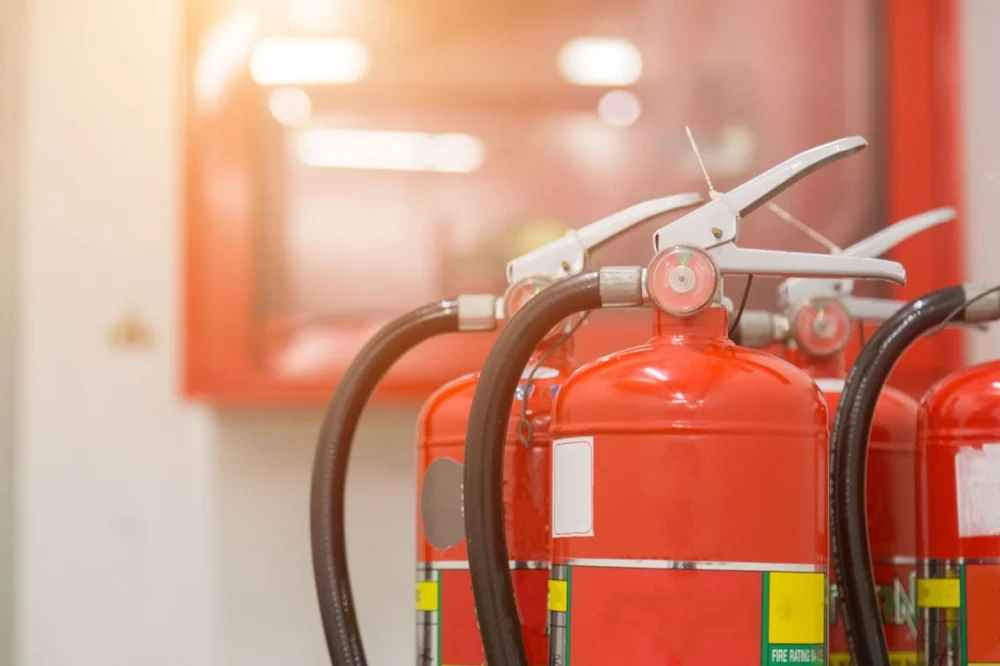
Running a restaurant in Pakistan comes with many responsibilities, but one of the most important is ensuring strong fire safety. Kitchens are high-risk environments because they involve open flames, hot oil, electrical appliances, and continuous activity. A small mistake can turn into a major fire within seconds, damaging property, shutting down the business, and putting staff and customers in danger. Proper fire safety measures protect lives, equipment, and the long-term reputation of any food establishment.

Understanding Why Kitchen Fires Happen

Most restaurant fires start because of the busy, fast paced kitchen environment. Grease buildup, faulty electrical wiring, unattended cooking, and gas leaks are some of the biggest risks. When multiple stoves, fryers, ovens, and cylinders operate at the same time, the chances of overheating increase. Restaurants in Pakistan, especially small cafés and dhabas, often ignore regular inspections, which makes the danger even greater. Understanding these risks helps owners take action before a fire breaks out.

Train Kitchen Staff in Fire Safety Basics

The first step in preventing fires is educating the team. Every cook, assistant, and cleaner should know how to react when they see smoke, a spark, or a flame getting out of control. Staff must understand how to turn off gas valves quickly, unplug appliances safely, and use fire extinguishers confidently. Regular training sessions and short demonstrations ensure everyone stays prepared. When staff are trained properly, they can stop small incidents from becoming major accidents.

Control Oil and Grease Buildup

In Pakistani kitchens, frying food is extremely common. This makes grease buildup one of the biggest fire triggers. When oil spills on burners or gets trapped in filters and vents, it becomes highly flammable. Keeping stoves, fryers, and chimneys clean reduces the risk dramatically. Daily cleaning prevents grease from sticking, while weekly deep cleaning keeps the entire cooking area safe. Owners should make cleaning schedules part of their kitchen routine to maintain a safe working environment.

Install the Right Fire Safety Equipment

Every restaurant needs proper fire protection tools that match the type of risks involved. Kitchens should never rely on one extinguisher only. For cooking oil and fat fires, a Class K or wet chemical fire extinguisher is essential. For electrical fires, a CO2 extinguisher works best. Dry powder extinguishers are useful for mixed fire types but should not be used on burning oil. In addition to extinguishers, restaurants should install fire blankets near frying stations. Fire-resistant aprons, gloves, and covers give additional safety to staff working near high flames.

Monitor Gas Lines and Cylinders Regularly

In Pakistan, many restaurants use LPG cylinders, which require extra care. Gas leaks are silent but extremely dangerous. Owners should check hoses for cracks, ensure regulators are working properly, and replace worn-out parts immediately. Never store cylinders near stoves or heat sources. Always keep them upright, in a ventilated area, and secured to prevent falling. If staff smell gas, they must turn off the main valve immediately and avoid using matches or electrical switches until the leak is fixed.

Keep the Kitchen Well-Ventilated

Ventilation plays a major role in preventing fires. When smoke or heat builds up in closed spaces, flame intensity increases. Proper exhaust systems help keep the air clear and prevent grease from settling on walls and ceilings. Regular maintenance of exhaust ducts ensures grease does not accumulate inside, which can ignite from a single spark. Good airflow creates a safer and more comfortable working environment for kitchen staff.

Avoid Overloading Electrical Circuits

Modern kitchens rely on blenders, ovens, refrigerators, grills, fryers, and other appliances. When too many devices are plugged into the same circuit, wiring can overheat and cause sparks. Electrical fires spread quickly, especially in areas where oil is present. Using high-quality wiring, avoiding loose connections, and giving each heavy appliance a separate plug reduces the chances of a fire. Restaurant owners should hire certified electricians for proper installation and inspection.

Create Clear Emergency Procedures

Even with precautions, accidents can still happen. That’s why restaurants must have a simple, clear emergency plan. Staff should know how to activate fire alarms, guide customers safely outside, and call emergency services immediately. Fire exit doors should never be locked or blocked with boxes or supplies. Emergency lights should remain functional so people can see their way during a power outage. Clear communication during emergencies reduces panic and helps everyone reach safety.

Store Flammable Items Properly

Items like cooking oil, cleaning chemicals, paper napkins, and packaging material must be kept away from flames. Storing them near stoves or hot appliances increases fire risk. A designated storage area helps maintain order and safety in the kitchen. Containers should remain sealed and placed on shelves away from heat and sparks.

Conduct Routine Inspections

Fire safety is not a one-time effort. Restaurants need routine checks to identify hazards early. Daily inspections should include checking burners, gas cylinders, electrical appliances, and exits. Monthly inspections should involve professional technicians who can examine gas systems, wiring, and fire safety equipment. Preventive maintenance ensures everything remains in safe working condition.

Final Thoughts

Fire safety is a responsibility no restaurant owner should ignore. A safe kitchen protects employees, customers, and business investments. By training staff, keeping equipment well-maintained, installing the right safety tools, and following a clear emergency plan, restaurants in Pakistan can prevent most fire-related incidents. A few simple steps taken today can save lives and protect property tomorrow.

Step by Step Guide Using Fire Extinguishers Correctly in Emergencies
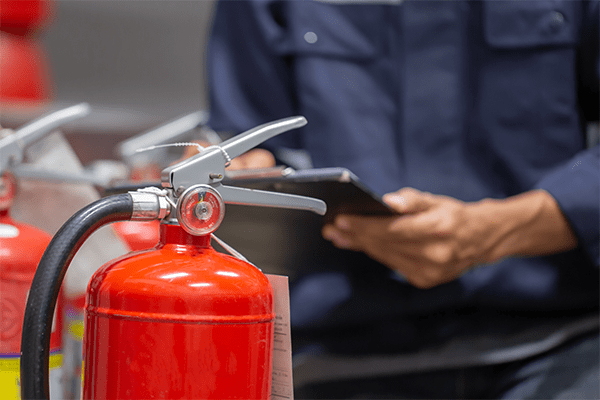
Using a fire extinguisher at the right time can save lives, protect property, and prevent a small flame from turning into a disaster. But many people freeze during emergencies because they don’t know the correct steps. Learning how to operate a fire extinguisher properly ensures you stay calm, confident, and safe whenever a fire breaks out.

Fire extinguishers are designed to be simple, but correct usage is extremely important. Every office, home, shop, and industrial site in Pakistan should train staff to react fast and handle emergencies with proper technique. This guide explains each step clearly so anyone can learn how to control a small fire before it grows.

Understanding When to Use a Fire Extinguisher

Fire extinguishers are meant only for small and controlled fires. If the fire is spreading quickly, producing thick smoke, or blocking your exit, it is safer to evacuate immediately and call Rescue 1122. Also, never use an extinguisher if you are unsure what type of fire you are dealing with. Using the wrong extinguisher can make the fire worse.

When a fire is small, new, and easy to reach, you can attempt to extinguish it only if you have a clear escape route behind you.

Know the PASS Method Before an Emergency

Before touching an extinguisher, remember the globally accepted four step PASS method. This simple technique helps you operate the extinguisher correctly even under stress.

The first step is to pull the safety pin. This pin keeps the extinguisher locked and prevents accidental discharge. When you pull it out, the extinguisher becomes ready for use.

The second step is to aim the nozzle. Always point it toward the base of the fire, not the flames. Fires burn from the fuel source, so targeting the bottom is what actually reduces the flames.

The third step is to squeeze the handle. This releases the extinguishing agent with full pressure. Maintain a firm grip and be prepared for the force.

The final step is to sweep the extinguisher from side to side. Move your hand smoothly across the fire’s base until the flames disappear completely.

Step by Step Instructions for Safe Use

When facing a fire, your safety is the first priority. Start by evaluating the situation. Make sure the fire is small, controllable, and not approaching gas cylinders, chemicals, or electrical panels. If it looks dangerous, leave the area immediately.

Once you decide to use the extinguisher, keep your back toward the exit so you always have a clear path to escape. Hold the extinguisher upright and stand at a safe distance usually around six to eight feet.

Begin with the PASS method. Pull the pin firmly. Aim at the fire’s base. Squeeze the handle slowly and steadily. Sweep the jet across the line of fire. Continue until the flame is completely out. If the fire restarts, repeat the process carefully.

After the fire is out, stay alert. Fires sometimes reignite silently. Watch the area for a few minutes and call emergency services to inspect the site if necessary.

Choosing the Right Type of Extinguisher

A fire extinguisher only works if it matches the fire type. In Pakistan, the most common categories include Class A (wood, paper), Class B (oil, petrol), Class C (electrical), Class D (metals), and Class K (cooking oil). The popular ABC dry chemical extinguisher works for most office and home fires, but some environments like kitchens or industrial sites require special types.

Always check the extinguisher label before use. If it is not meant for the type of fire you are facing, using it can increase the danger. Offices should place different extinguisher types in relevant areas and clearly label emergency equipment.

Maintaining and Inspecting Fire Extinguishers

Correct use is important, but so is regular maintenance. A fire extinguisher that has low pressure, a damaged pin, or expired chemical agents will not work during an emergency. Every office and building should inspect their extinguishers monthly. Check the pressure gauge, ensure the hose is not cracked, and confirm the safety pin is still intact.

Yearly professional servicing keeps the extinguishers reliable. If the equipment is used even once, even for testing, it should be refilled or replaced immediately.

Training Employees for Real Emergencies

Even the best fire safety equipment is useless without trained people. Offices, factories, schools, and shops should conduct safety drills and hands on training regularly. Staff should know the extinguisher locations, alarm points, evacuation routes, and emergency contacts.

Training creates confidence. When people know exactly what to do, they act faster and avoid panic.

Final Thoughts

Using a fire extinguisher correctly can prevent major damage and save lives. The key is to stay calm, follow the PASS method, and always put safety first. Keep extinguishers well maintained, choose the right types, and ensure everyone in your home or office knows how to use them. A few minutes of training today can make a life saving difference in an emergency.