How to Choose the Right Fire Safety Equipment for Your Office
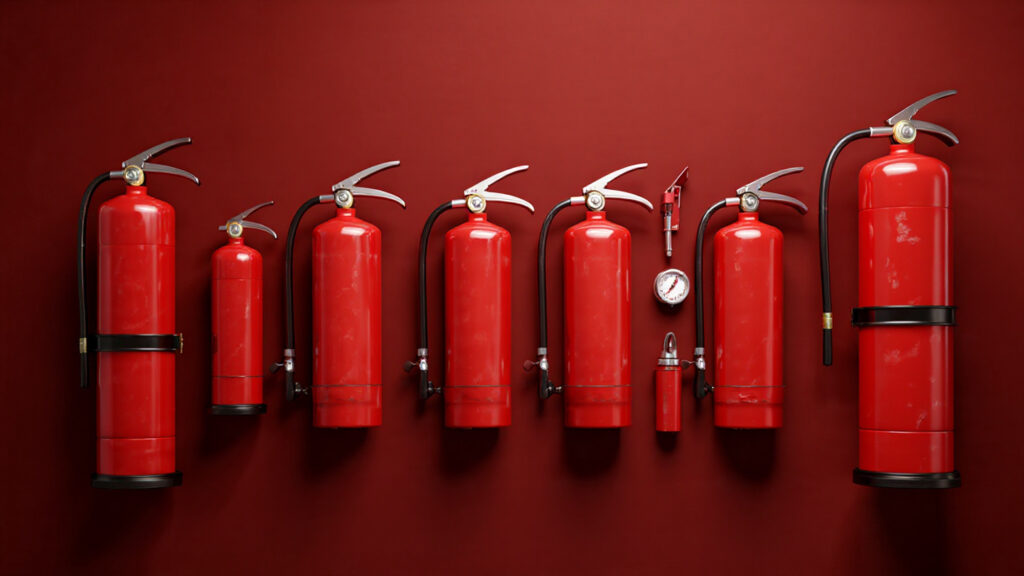
Selecting the right fire safety equipment for an office is one of the most important steps in protecting employees, property, and business operations. Offices today are filled with electrical devices, paper files, furniture, cables, and sometimes small kitchens all of which increase fire risks. That’s why every workplace needs a well-planned fire safety setup that fits its size, layout, and daily activities.

This guide explains, in detail, how to choose fire safety equipment that matches your office environment and ensures reliable protection.

Start With a Proper Fire Risk Assessment

Before buying any equipment, the first step is assessing fire risks in your office. This means identifying areas where a fire is most likely to start and understanding the types of materials present in each space.

For example, server rooms have electrical risks, storage rooms may have flammable items, and general work areas contain paper, furniture, and equipment. A good assessment also looks at escape routes, accessibility of equipment, number of employees, and how fast smoke could spread.

A risk assessment serves as the foundation for choosing the right extinguishers, alarms, and suppression systems.

Choose Fire Extinguishers Based on Fire Types

Not all fires are the same, so the extinguishers you choose must match the fire risks in your office. Here are the most important types:

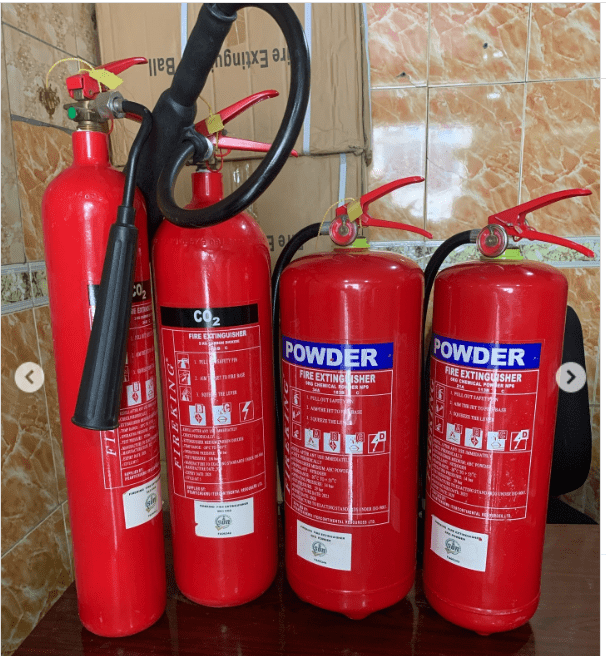
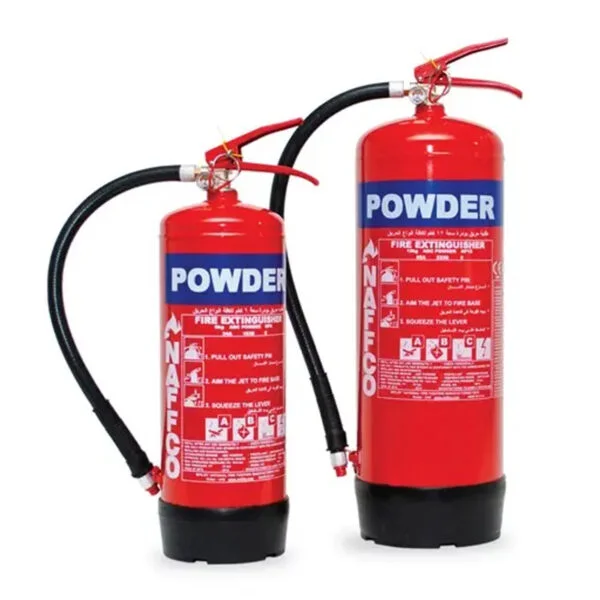
ABC Dry Powder Extinguishers

These are extremely versatile because they cover Class A (paper, wood), Class B (flammable liquids), and Class C (electrical) fires. They are commonly used in offices because one extinguisher can tackle multiple hazards.

CO₂ (Carbon Dioxide) Extinguishers

These are essential for electrical fires. They release carbon dioxide gas that removes oxygen and leaves no residue, making them perfect for IT rooms, computers, printers, UPS systems, and photocopiers.

Water Extinguishers

Used for Class A fires involving paper, wood, or fabric. Although effective, they must never be used near live electrical sources.

Foam Extinguishers

Foam is ideal for offices that store flammable liquids like cleaning chemicals or small quantities of fuels. Foam also works on Class A fires, offering dual protection.

Most offices rely on a combination of Water/FOAM extinguishers + CO₂ extinguishers + ABC Powder for complete coverage.

Place Fire Extinguishers at the Right Locations

Correct placement is just as important as choosing the equipment. Every employee should be able to reach an extinguisher quickly during an emergency.

Key areas include:

  • Near main exits and staircases
  • Close to electrical equipment clusters such as server rooms
  • In office kitchens or pantry areas
  • Along hallways for easy access
  • At visible, reachable heights so anyone can operate them

Make sure extinguishers are mounted securely and clearly labeled so staff can identify them without confusion.

Install Fire Detection and Alarm Systems

Fire safety is incomplete without reliable detection systems. Offices should have:

Smoke Detectors
Installed across office ceilings, corridors, and common rooms. They warn occupants early before flames grow.

Heat Detectors
Useful in locations where smoke may not be the first sign of fire, such as server rooms or mechanical areas.

Fire Alarms and Sirens
Once detection systems sense smoke or heat, alarms must activate clearly and loudly, guiding everyone to evacuate without delay.

A connected alarm system is essential, especially in offices with multiple floors or large staff.

Use Fixed Fire Suppression Systems for High-Risk Zones

Some office spaces require permanent firefighting systems for stronger protection:

Fire Sprinklers
Sprinklers automatically activate when a certain temperature is reached. They control fire spread before it grows uncontrollable.

Fire Hose Reels
Useful in larger buildings where trained personnel can fight early-stage fires while evacuation begins.

These systems offer advanced protection and significantly reduce fire damage.

Maintenance and Regular Inspection Are Mandatory

Fire safety equipment must always be ready for use. Regular checks include:

  • Monthly visual inspection of every extinguisher
  • Annual professional servicing
  • Checking pressure gauges and expiry dates
  • Ensuring alarms and detectors are functional
  • Replacing damaged hoses, brackets, or fire signs

Offices should maintain a Fire Safety Logbook to record inspections, refilling, repairs, and training activities.

Train Employees on Fire Safety

Even the best fire equipment is useless if people don’t know how to use it. Every office should conduct:

  • Fire extinguisher training
  • Evacuation drills
  • Awareness sessions about alarm signals
  • Training on how to react to electrical or chemical fires

Staff should know the PASS method: Pull, Aim, Squeeze, Sweep a simple process for using extinguishers correctly.

Designating a few trained fire marshals adds an extra layer of safety.

Follow Local Fire Safety Laws and Standards

Every country and region has its own building and fire safety regulations. Offices must ensure:

  • Proper extinguisher types and quantities
  • Certified installation and servicing
  • Compliance with workplace safety rules
  • Clear emergency exits and evacuation maps
  • Availability of emergency lighting and signage

Compliance not only protects employees but also avoids penalties during inspections.

Choosing the right fire safety equipment for your office involves understanding risks, selecting appropriate extinguishers, installing detection systems, and maintaining everything regularly. When paired with employee training and compliance with safety standards, your office becomes a significantly safer place.

A well-designed fire safety plan protects lives, prevents large-scale damage, and ensures business continuity making it one of the smartest investments any office can make.


Top 7 Fire Extinguishers Every Pakistani Home Should Have
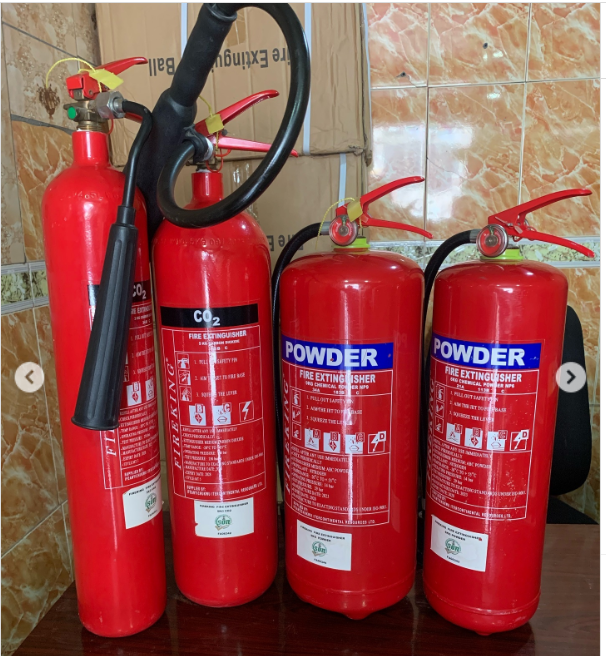
Fire safety is a critical concern for every household. A small spark can turn into a devastating fire if not controlled quickly. Having the right fire extinguishers at home can save lives, protect property, and prevent injuries. Here’s a detailed guide to the seven essential fire extinguishers that every Pakistani home should consider.

1. DCP (Dry Chemical Powder) Fire Extinguishers

DCP fire extinguishers are versatile and effective against multiple types of fires. They are suitable for Class A (ordinary combustibles like wood and paper), Class B (flammable liquids), and Class C (electrical fires). The powder works by interrupting the chemical reaction of fire, stopping it in its tracks. For homes with kitchens or electrical appliances, a DCP extinguisher is a must-have.

2. CO2 (Carbon Dioxide) Fire Extinguishers

CO2 extinguishers are designed primarily for electrical fires. They release carbon dioxide, which displaces oxygen around the fire and cools the surface. Since CO2 is non-conductive and leaves no residue, it is ideal for use around computers, electrical panels, and other electronic appliances. Keeping a CO2 extinguisher near your home office or living room is a smart safety measure.

3. Water Fire Extinguishers

Water fire extinguishers are effective for Class A fires that involve materials like paper, wood, and cloth. They cool the flames and prevent re-ignition. However, they should never be used on electrical fires or flammable liquids. Homes with large living spaces, wooden furniture, or bedrooms with heavy fabrics should have at least one water extinguisher.

4. Foam Fire Extinguishers (AFF)

Foam extinguishers are excellent for Class A and Class B fires. The foam spreads across flammable liquids, creating a barrier between the fuel and oxygen, which helps in extinguishing fires quickly. Kitchens, garages, or areas with fuel storage benefit from having a foam extinguisher.

5. Wet Chemical Fire Extinguishers

Wet chemical extinguishers are specially designed for kitchen fires involving cooking oils and fats (Class F fires). They contain chemicals that react with hot oil to form a soap-like layer, cooling the fire and preventing re-ignition. For Pakistani homes with modern kitchens, keeping a wet chemical extinguisher nearby is highly recommended.

6. Portable Fire Extinguisher with Multi-Class Capability

Some modern extinguishers are designed to handle multiple fire classes in one unit, typically Class A, B, and C. These multi-class extinguishers provide comprehensive protection for homes with diverse risks, from living rooms with electrical devices to garages with fuel storage. Investing in one is practical for overall household safety.

7. Specialty Fire Extinguishers (Optional)

Depending on specific home risks, specialty extinguishers like metal fire extinguishers (Class D) or clean agent extinguishers may be necessary. These are less common in regular households but useful in homes with workshops, labs, or large equipment.

Why Every Home Should Have Fire Extinguishers

  1. Immediate Fire Response: Having the right extinguisher allows you to act quickly before the fire spreads.
  2. Safety for Family Members: Fire extinguishers can prevent injuries and save lives.
  3. Protection of Property: Early fire suppression reduces damage to your home and valuables.
  4. Peace of Mind: Knowing you are prepared for emergencies increases overall household confidence. 

Placement Tips

  • Place DCP extinguishers near kitchens and living rooms.
  • Keep CO2 extinguishers near electrical panels and home offices.
  • Store foam or wet chemical extinguishers near garages or kitchens.
  • Ensure all extinguishers are easily accessible, visible, and not blocked. 

Fire accidents can occur unexpectedly, but being prepared can drastically reduce the risks. Pakistani households should equip themselves with these seven essential fire extinguishers, keeping them maintained and regularly checked. With proper knowledge and equipment, your home can remain safe, secure, and protected against potential fire hazards.

What Is the Difference Between a DCP and ABC Fire Extinguisher?
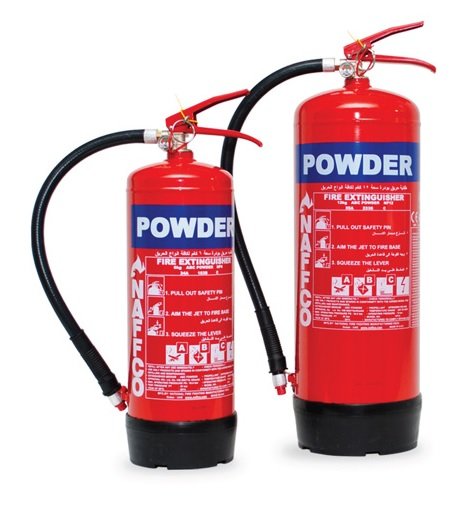
Fire safety is essential for homes, offices, and industries, and selecting the right fire extinguisher can make a significant difference during emergencies. Two commonly used types are DCP (Dry Chemical Powder) and ABC fire extinguishers. While they may seem similar, they have key differences in composition, fire class effectiveness, and application.

A DCP fire extinguisher uses dry chemical powder, usually monoammonium phosphate or sodium bicarbonate, to suppress fires. It is suitable for Class A, B, and C fires. Class A includes solid combustible materials like wood, paper, and textiles; Class B involves flammable liquids such as petrol, oils, and paints; Class C covers electrical fires. DCP extinguishers work by interrupting the chemical reaction of the fire, creating a protective layer of powder over the flames.

On the other hand, an ABC fire extinguisher is also a dry chemical extinguisher, but it is specifically designed to be multipurpose. The “ABC” designation indicates that it can safely handle Class A (solids), Class B (liquids), and Class C (electrical) fires. It often contains monoammonium phosphate, which is effective on both ordinary combustibles and flammable liquids, making it slightly more versatile in certain situations. ABC extinguishers are especially popular in residential and office settings where diverse fire risks exist.

The key differences lie in composition and application. While both types use chemical powder to suppress fires, DCP is sometimes more industrial-grade and can be more powerful for larger-scale fire incidents, whereas ABC extinguishers are designed as a general-purpose solution for homes, offices, and smaller workplaces. Additionally, DCP extinguishers may leave more residue compared to ABC, which can have slightly finer powder for cleaner cleanup.

Advantages of DCP: It provides quick suppression, is suitable for multiple fire types, and is highly effective in industrial environments. Advantages of ABC: It is multipurpose, easy to handle, and ideal for home, office, and small commercial setups.

Choosing between a DCP and ABC fire extinguisher depends on the environment, the fire risk level, and the convenience of use. For industrial or large-scale operations with frequent exposure to flammable liquids, a DCP extinguisher may be preferred. For general-purpose use in homes and offices, ABC extinguishers provide reliable protection for various fire types.

In conclusion, both DCP and ABC extinguishers are essential safety tools, but understanding their differences ensures optimal protection, faster response times, and minimal damage during a fire emergency.

DCP Fire Extinguisher Used for What Type of Fire?
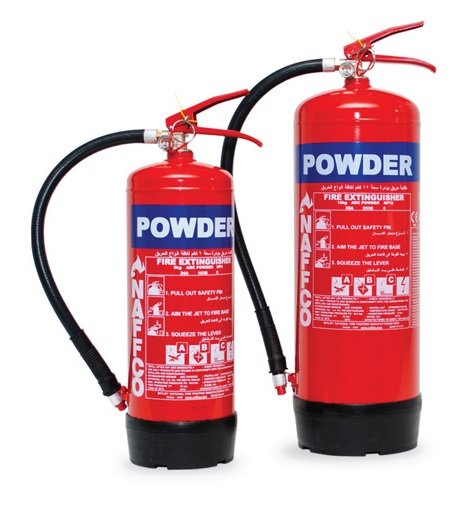
A DCP fire extinguisher, also known as a Dry Chemical Powder extinguisher, is one of the most widely used fire safety tools because of its ability to control multiple types of fires quickly. Understanding what type of fire it is designed for helps you use it properly during emergencies. This understanding also improves workplace safety.

A DCP extinguisher contains a special powder, usually monoammonium phosphate or sodium bicarbonate. When released, this powder forms a protective layer over the fire. It stops the chemical reaction that keeps the flames alive. This makes it effective in situations where flames spread fast and where multiple materials are burning at the same time.

The DCP fire extinguisher has mainly used for Class A, Class B, and Class C fires. Class A fires involve common solid materials such as wood, paper, cloth, and furniture. These fires happen in homes, offices, classrooms, and warehouses. The powder covers the burning surface and prevents the fire from restarting.

For Class B fires, which include petrol, diesel, oil, paints, and other flammable liquids, DCP extinguishers work well because they quickly break the fuel–oxygen interaction that keeps the flames going. These types of fires are common in workshops, petrol pumps, chemical stores, and industrial areas.

DCP extinguishers are also suitable for Class C fires involving electrical equipment. Even though electrical fires cannot extinguished with water due to the shock risk, dry chemical powder works safely because it does not conduct electricity. This makes DCP ideal for offices, factories, server rooms, homes, and any location with electrical panels or appliances.

One of the main advantages of a DCP fire extinguisher is its versatility. A single unit can handle multiple fire classes. Therefore, it has often recommended as the first choice for general use. It also acts quickly and helps contain the fire before it grows or spreads to nearby areas.

However, it does leave a powder residue that needs to cleaned after use. While this is acceptable in most industrial or outdoor spaces, it may not be suitable for rooms with delicate electronic equipment. In such cases, CO₂ extinguishers are a better option.

Overall, a DCP fire extinguisher is highly effective for A, B, and C type fires, making it a reliable and essential safety device. It is suitable for homes, commercial buildings, factories, workshops, and vehicles. Knowing when and how to use it can prevent major damage and help protect lives and property in critical moments.

DCP Fire Extinguisher vs CO₂

Fire extinguishers play a crucial role in protecting homes, offices, factories, and commercial spaces, but choosing the right type is equally important. Among the most commonly used are DCP (Dry Chemical Powder) and CO₂ (Carbon Dioxide) fire extinguishers. Both are effective, but they work differently and are suitable for different fire situations. Understanding these differences helps you respond correctly during emergencies and avoid costly mistakes.

A DCP fire extinguisher contains a dry chemical powder, usually monoammonium phosphate or sodium bicarbonate. When discharged, the powder forms a blanket over the fire and interrupts the chemical reaction that keeps the flames burning. This makes DCP highly effective against Class A, B, and C fires, which include solid combustibles like wood and paper, flammable liquids such as petrol and diesel, and electrical fires. Its wide coverage and fast action make it a popular choice in factories, workshops, petrol pumps, schools, and homes.

On the other hand, a CO₂ fire extinguisher uses compressed carbon dioxide gas stored at high pressure. When released, the gas cools rapidly and displaces oxygen around the flames. Since fire needs oxygen to continue burning, CO₂ effectively suffocates the fire. This extinguisher is mainly used for Class B and electrical fires. It works well in environments with sensitive equipment like server rooms, office spaces, laboratories, and electronic manufacturing units because it leaves no residue behind.

The biggest difference between DCP and CO₂ is the residue they leave. DCP extinguishers leave powder on the affected area, which can be messy and may require cleaning after use. This is acceptable in industrial or outdoor settings but can be problematic in places with delicate electronics. CO₂ extinguishers, however, leave no residue, making them ideal where cleanliness and equipment protection are important.

When it comes to effectiveness, DCP extinguishers are more versatile. They can handle a wider range of fire types and are especially reliable for flammable liquids and mixed fire scenarios. Their powder also sticks to surfaces, helping prevent re-ignition. CO₂ extinguishers are powerful but best suited for smaller fires. They lose effectiveness outdoors or in open spaces because the gas disperses quickly.

Safety is another factor. CO₂ extinguishers cause the nozzle to become extremely cold during operation, so users must avoid touching it directly. In closed rooms, CO₂ can reduce oxygen levels, so ventilation is important after use. DCP extinguishers do not have these risks but reduce visibility because the powder creates a thick cloud during discharge.

Choosing between DCP and CO₂ depends on your environment. For factories, workshops, petrol pumps, and general-purpose use, DCP is more dependable due to its versatility. For offices, server rooms, banks, and labs where equipment must be protected from damage, CO₂ is the better option.

Both extinguishers are valuable, and many buildings use a combination of them for complete protection. The key is understanding their strengths and using them in the correct situation. With proper knowledge, you can react faster, reduce risks, and protect lives and property more effectively during a fire emergency.

DCP Fire Extinguisher Use

A DCP fire extinguisher is one of the most commonly used firefighting tools in homes, offices, factories, and commercial spaces across Pakistan. DCP stands for Dry Chemical Powder. This extinguisher is designed to quickly control fires caused by flammable liquids, electrical faults, and combustible materials. Its fast action and wide coverage make it an essential safety device for any environment that requires understanding of DCP fire extinguisher use.

The extinguisher contains a special dry powder formula. It is usually a mixture of monoammonium phosphate or sodium bicarbonate. When released, this powder blankets the fire by interrupting the chemical reaction needed for flames to continue burning. This makes DCP extinguishers highly effective for Class A, B, and C fires. They are suitable for paper, wood, petrol, diesel, paint, gases, and electrical fires.

Understanding how to use a DCP fire extinguisher is crucial during an emergency. The simplest way to remember the operation is through the PASS technique. Start by pulling the safety pin to unlock the handle. Familiarity with DCP fire extinguisher use basics, such as aiming the nozzle at the base of the fire rather than the flames, can be lifesaving. Extinguishing the fuel source is the only way to stop the fire. Squeeze the handle to discharge the dry chemical powder. Sweep the nozzle from side to side until the fire is completely out. This method gives you better control and ensures full coverage of the burning area.

Before using the extinguisher, quickly assess the size of the fire. DCP extinguishers are helpful for small to medium fires; however, large uncontrollable fires require evacuation and professional help. Understand the DCP fire extinguisher use to always position yourself with a clear exit path behind you so you can retreat if the fire spreads. Standing too close may reduce visibility due to the powder cloud, so maintain a safe distance while directing the spray.

DCP fire extinguishers are especially useful in electrical fires because the powder does not conduct electricity. This makes them safer than water extinguishers in places with wiring, appliances, machinery, or energized circuits. They are also a preferred choice in workshops and petrol stations. This is because they can quickly suppress fuel-based fires that spread rapidly. Effective DCP fire extinguisher use is crucial in these scenarios.

Regular maintenance ensures that the extinguisher works when you need it. Check the pressure gauge monthly to confirm it’s in the green zone. Make sure the pin has intact, the nozzle has clean, and the extinguisher has placed within easy reach. If it has expired or damaged, replace or service it immediately. Training family members, employees, and security staff on how to use a DCP fire extinguisher can significantly improve safety during emergencies, as knowledge of DCP fire extinguisher use is often vital.

Using a DCP fire extinguisher correctly can prevent major accidents and property damage. Its quick action, versatility, and effectiveness make it a vital tool for any building’s fire safety system. By learning how it works and practicing the right method, you can respond confidently and protect lives in critical moments.

AFF Foam Type Fire Extinguisher Price in Pakistan | Effective for Class A & B Fires
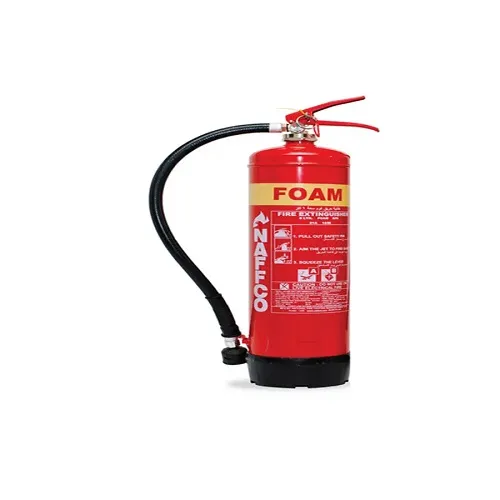
Fire safety has become a crucial need in every sector of Pakistan from homes and offices to factories and commercial buildings. With rising fire incidents in urban areas, having the right firefighting equipment can save both lives and property. Among the most effective and widely trusted types is the AFF Foam Fire Extinguisher, designed especially for Class A (solid materials) and Class B (flammable liquids) fires.

This detailed guide explains everything you need to know how AFF foam extinguishers work, their key benefits, available sizes, prices in Pakistan, and tips for selecting the best model for your safety needs.

What is an AFF Foam Fire Extinguisher?

The Aqueous Film Forming Foam (AFF) Fire Extinguisher uses a special water-based foam agent that quickly spreads across burning surfaces. It forms a thin film that cuts off oxygen supply, cools down the flames, and prevents re-ignition.

This makes it extremely effective for:

  • Class A fires: caused by ordinary combustibles like wood, cloth, paper, or plastic.

  • Class B fires: caused by flammable liquids such as petrol, oil, grease, diesel, or paint.

The foam not only stops the fire but also prevents it from spreading further. That’s why this extinguisher type is a top choice for factories, fuel stations, workshops, warehouses, and even office buildings.

How Does AFF Foam Work?

When the nozzle is activated, the pressurized foam solution is released. It covers the burning material, forming a film layer that separates the fuel from the air. This layer acts as a barrier, removing oxygen one of the three elements of the fire triangle (fuel, heat, and oxygen).

At the same time, the water content in the foam absorbs heat, lowering the temperature of the burning surface. This dual action smothering and cooling ensures that the fire does not restart even after the flames are out.

Why Choose an AFF Foam Fire Extinguisher?

In Pakistan’s industrial and commercial environments, multiple fire risks exist at once electrical panels, storage materials, fuel, and machinery. AFF foam extinguishers offer versatile protection that suits many setups.

Here are the key advantages:

  1. Dual Fire Class Protection: Works for both Class A and B fires, so one extinguisher can handle multiple hazards.

  2. Prevents Re-Ignition: The foam forms a seal on the surface, preventing vapors from reigniting.

  3. Environmentally Friendly: Modern AFF agents are biodegradable and safe for most environments.

  4. Clean Application: Compared to dry chemical powder, foam leaves less residue and is easier to clean.

  5. Long Discharge Time: Provides extended firefighting coverage ideal for larger spaces.

  6. Safe for Use Indoors: Unlike CO₂ extinguishers, AFF foam does not displace oxygen, making it safer to use in enclosed areas.

Key Features to Look For

When purchasing an AFF foam fire extinguisher in Pakistan, always check these features before buying:

  • Fire Rating: Confirm it is suitable for both Class A and B fires (for example, 21A 183B).

  • Cylinder Material: Durable steel body with rust protection and a pressure gauge.

  • Capacity: Available in 4, 6, 9, 25, and 50 liters, depending on your area and risk level.

  • Pressure System: Reliable pressure control for quick discharge.

  • Refill Option: Ensure it can be easily refilled and serviced locally.

  • Nozzle Design: Should allow smooth spray with uniform foam spread.

  • Certifications: Look for CE, ISO, or Pakistan Engineering Council-approved products.

AFF Foam Fire Extinguisher Price in Pakistan (2025 Updated)

Prices of AFF foam fire extinguishers in Pakistan vary depending on size, build quality, and brand. Below is an estimated price range for 2025:

Capacity Type Suitable For Estimated Price (PKR)
4 Liters Portable Homes, Small Shops 3,000 – 3,800
6 Liters Handheld Offices, Schools 4,000 – 5,000
9 Liters Standard Size Workshops, Restaurants 5,500 – 7,500
25 Liters Wheeled Factories, Warehouses 20,000 – 30,000
50 Liters Heavy Duty (Trolley) Industrial Units, Refineries 35,000 – 45,000

These are average market rates, and prices can slightly differ based on certification, supplier location, and included accessories.

Where to Use AFF Foam Fire Extinguishers

AFF foam extinguishers are versatile and can be used in almost every commercial or industrial setting. Common applications include:

  • Corporate offices and government buildings

  • Factories and manufacturing plants

  • Petrol pumps and oil depots

  • Shopping malls and retail stores

  • Hospitals and laboratories

  • Warehouses and logistics centers

  • Educational institutions

  • Restaurants and hotels

However, these extinguishers should not be used on electrical fires unless the power source has been safely switched off.

Maintenance & Refilling

Buying a fire extinguisher is only the first step regular maintenance ensures it works properly when needed.

Here are key maintenance tips:

  • Inspect pressure gauge monthly to ensure it’s in the “green” zone.

  • Clean the nozzle and body to prevent dust or corrosion.

  • Check expiry date and schedule annual servicing by certified fire safety technicians.

  • After every use, even a partial discharge, get it refilled immediately.

  • Ensure each extinguisher is mounted properly, easily accessible, and has clear signage.

Neglecting maintenance can render even the best extinguisher ineffective in an emergency.

Importance of Certified Equipment

In Pakistan, many low-quality and uncertified extinguishers are sold at cheaper rates. These products may look similar but can fail during real fires. Always buy CE & ISO Certified extinguishers from registered suppliers. Certified products are pressure-tested, safety-approved, and meet international standards.

This ensures reliable operation, proper foam discharge, and longer service life.

How to Select the Right Extinguisher for Your Site

Here’s how to choose wisely:

  1. Assess the Fire Risk: Identify materials used at your location wood, oil, paper, or chemicals.

  2. Decide the Capacity: For small rooms, 4–6 liters may be enough. For large halls or workshops, go for 9–25 liters.

  3. Check Operating Temperature: Suitable for Pakistan’s varying climate conditions.

  4. Ask About Refilling Service: Prefer suppliers who offer annual maintenance and refills.

  5. Training for Staff: Make sure at least two people know how to operate the extinguisher.

A little planning can make your workplace or property far safer.

Final Thoughts

The AFF Foam Type Fire Extinguisher remains one of the most effective and affordable fire-fighting tools available in Pakistan. Its dual-action capability for Class A and B fires makes it ideal for offices, industrial areas, petrol stations, and homes.

While price matters, quality and certification are far more important. A reliable extinguisher can prevent a small spark from turning into a major disaster. Whether you are a homeowner or a business owner, investing in a good AFF foam extinguisher ensures long-term safety and peace of mind.

High-Performance AFF Foam Fire Extinguishers | CE & ISO Certified
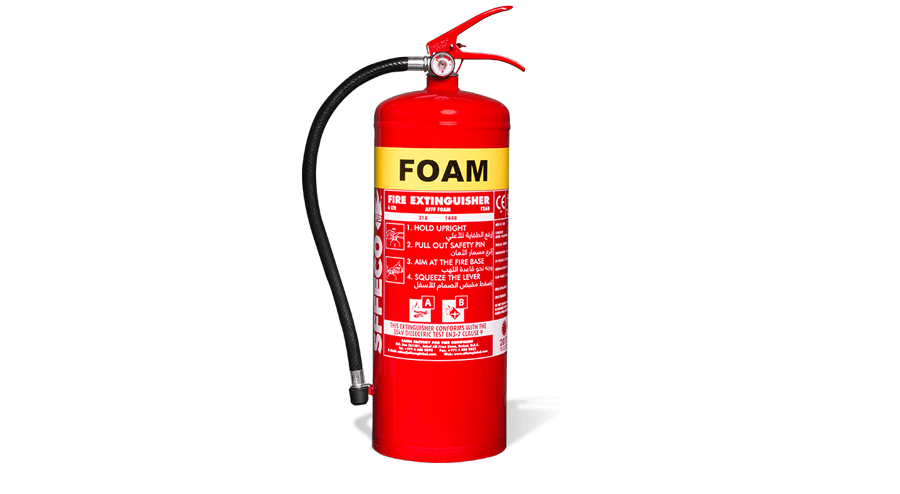
Fire safety is not a luxury; it’s a necessity. Whether you manage an industrial plant, warehouse, petrol station, or office building, your facility faces potential fire hazards every single day. Choosing the right type of extinguisher can make the difference between a controlled situation and a major disaster. Among all available types, AFF (Aqueous Film-Forming Foam) fire extinguishers stand out for their unmatched performance in tackling Class A and Class B fires.

When combined with CE and ISO certifications, these extinguishers offer proven quality, reliability, and compliance with international safety standards. Let’s explore what makes these high-performance foam extinguishers so effective, how they work, why certification matters, and how to choose the right model for your workplace in Pakistan.

Understanding AFF Foam Fire Extinguishers

An AFF foam extinguisher is designed to fight fires involving flammable liquids (Class B) such as petrol, diesel, oil, and paints, as well as ordinary combustibles (Class A) like wood, paper, and fabric. The “Aqueous Film-Forming” property refers to its ability to create a thin film over burning fuel, cutting off oxygen and preventing re-ignition.

Here’s how it works step by step:

  1. Activation: When the pin is pulled and the lever squeezed, the pressurized foam solution is expelled through a nozzle.

  2. Foam Expansion: The liquid mixture expands into foam as it exits the nozzle, forming a blanket that covers the burning surface.

  3. Cooling and Smothering: The foam not only cuts off oxygen but also cools the burning material, preventing the fire from spreading.

  4. Re-ignition Prevention: The thin aqueous film that forms on top of the flammable liquid prevents vapors from escaping, ensuring the fire doesn’t restart.

This makes AFF foam extinguishers one of the most dependable and versatile firefighting tools for offices, factories, workshops, and storage areas.

What Makes It “High-Performance”?

When people talk about high-performance AFF foam fire extinguishers, they refer to models built for demanding conditions and consistent results. A high-performance unit delivers:

  • Fast action with a high-pressure discharge system.

  • Longer discharge time for complete coverage of the fire area.

  • Strong throw range, allowing safe operation from several meters away.

  • Thicker and richer foam that spreads quickly and adheres to surfaces.

  • Corrosion-resistant cylinder, ensuring durability in harsh environments.

  • Certified components, tested under strict conditions for reliability.

High-performance extinguishers are commonly used in places where a standard 6- or 9-litre unit isn’t enough such as large warehouses, industrial plants, refineries, or chemical storage facilities.

Importance of CE & ISO Certification

When buying fire safety equipment, certifications are not just labels they’re proof that the product has passed rigorous testing.

CE Certification ensures that the extinguisher meets European safety, health, and environmental protection standards. It confirms that the product has been pressure-tested, performance-tested, and verified for consistent manufacturing quality.

ISO Certification—particularly ISO 9001 for quality management indicates that the manufacturer follows strict processes for production, inspection, and quality control. In fire safety, ISO standards are crucial because they guarantee consistency across every cylinder produced.

In simple terms, a CE and ISO certified extinguisher is one you can trust with lives and property. It ensures reliability, durability, and effective operation under real emergency conditions.

Core Features of a High-Performance AFF Foam Fire Extinguisher

When you’re choosing an AFF foam extinguisher for professional or industrial use, these are the key features to look for:

  1. Capacity Options: Available in 6-litre, 9-litre, 25-litre, and 50-litre trolley versions. Larger sizes are ideal for factories and fuel depots.

  2. Fire Ratings: Extinguishers are rated for both Class A (solid combustibles) and Class B (liquids). A typical rating might be “21A 183B,” meaning it performs strongly on both fire types.

  3. Agent Concentration: Usually 3% or 6% AFFF foam solution. The higher the concentration, the more efficient the blanket formation.

  4. Cylinder Material: Heavy-duty steel or stainless steel, internally coated to prevent corrosion, and powder-coated externally for long life.

  5. Discharge Time & Range: A 9-litre unit can discharge for around 30 seconds with a 4–6 metre throw; larger trolley units can last up to 60 seconds and reach 8–10 metres.

  6. Pressure & Valve Quality: Fitted with a durable brass or stainless-steel valve and safety pressure release system.

  7. Mobility: Portable models for offices and mounted trolley units for large industrial spaces.

  8. Temperature Resistance: Designed to operate between -20 °C and +55 °C, suitable for Pakistan’s climate.

  9. Maintenance Friendly: Easily refillable, with pressure gauges and inspection points for regular checks.

  10. Eco-Friendly Formulation: Modern AFF foams are non-toxic and environmentally safe, making them suitable for indoor and outdoor use.

Advantages of AFF Foam Extinguishers

  1. Effective on Multiple Fire Classes: Works perfectly on both solid and liquid fires, offering flexibility in mixed environments.

  2. Prevents Re-Ignition: The foam film seals the surface, preventing vapors from reigniting.

  3. Easy to Use: Clear labeling and simple “Pull, Aim, Squeeze, Sweep (PASS)” operation.

  4. Rapid Fire Knockdown: Quickly cuts off oxygen and cools the fire source.

  5. Reduced Residue: Leaves minimal mess compared to dry powder extinguishers, ideal for offices or sensitive areas.

  6. Safe for Operators: Non-toxic and environmentally friendly.

  7. Certified Reliability: CE and ISO marks ensure tested quality and consistent performance.

Applications in Pakistan

In Pakistan, AFF foam fire extinguishers are essential for industries and facilities where flammable liquids or mixed materials are handled daily. Here are the most common applications:

  • Oil & Fuel Stations: Prevents fuel-based fires from spreading rapidly.

  • Factories & Industrial Units: Suitable for machinery areas, chemical storage, and paint sections.

  • Warehouses: Protects stockrooms with wood, cartons, or oils.

  • Automobile Workshops: Ideal for oil spills, engine fires, and lubricants.

  • Commercial Kitchens & Hotels: Useful for liquid fires in cooking and storage zones.

  • Construction Sites: For controlling fires in fuel storage and heavy equipment zones.

  • Educational Institutions & Hospitals: Provides reliable protection in high-occupancy buildings.

Price Range of AFF Foam Fire Extinguishers in Pakistan

Prices vary according to size, certification, and manufacturer. Here’s a general overview:

  • 6-litre AFF foam extinguisher: Around PKR 4,500 – 6,500

  • 9-litre AFF foam extinguisher: Around PKR 6,500 – 9,000

  • 25-litre trolley unit: Around PKR 30,000 – 50,000

  • 50-litre industrial trolley unit: Around PKR 80,000 – 150,000 depending on specifications

Certified models cost more but provide greater reliability, longer life, and proven safety compliance. It’s always better to invest once in quality rather than face equipment failure in an emergency.

Installation & Maintenance Tips

Proper installation and maintenance are as important as choosing the right extinguisher. Follow these steps for best performance:

  1. Mount Securely: Install wall brackets or stands so the extinguisher is easily visible and accessible.

  2. Label Clearly: Ensure the fire class (A/B) and usage instructions are clearly displayed.

  3. Monthly Inspection: Check pressure gauge, hose, and nozzle for leaks or damage.

  4. Annual Servicing: Have the extinguisher serviced by a certified technician every 12 months.

  5. Hydrostatic Testing: Conduct cylinder pressure testing every 5 years.

  6. Keep Records: Maintain inspection logs for safety audits or compliance checks.

  7. Training: Train staff on how to operate the extinguisher safely and when to evacuate.

Regular maintenance ensures that your extinguisher remains in working order when you need it most.

Choosing the Right AFF Foam Extinguisher for Your Facility

Selecting the right model depends on your workplace type and fire risk level:

  • Small Offices or Shops: A 6 L or 9 L wall-mounted unit is sufficient.

  • Warehouses or Workshops: A 25 L trolley unit provides better coverage.

  • Large Factories, Fuel Depots, or Chemical Plants: A 50 L trolley unit with extended hose and dual nozzles is recommended.

  • Outdoor or Harsh Environments: Choose models with stainless-steel cylinders and weather-proof coating.

When purchasing, confirm that the unit is CE and ISO certified, comes with a clear manufacturing date, and has authorized service availability in Pakistan.

Why Businesses in Pakistan Prefer CE & ISO Certified Fire Extinguishers

With increasing industrialization and stricter safety requirements, Pakistani companies are prioritizing certified fire safety solutions. CE and ISO certified extinguishers not only guarantee quality but also help in:

  • Meeting safety audit requirements for ISO-certified organizations.

  • Ensuring insurance compliance some insurers require certified safety equipment.

  • Boosting workplace reputation by demonstrating a strong safety culture.

  • Reducing risk of malfunction during a fire emergency.

By choosing certified firefighting equipment, you protect not just property but also employees, customers, and your brand’s credibility.

Final Thoughts

A high-performance AFF foam fire extinguisher is an investment in long-term safety. It offers powerful, fast-acting protection against both solid and liquid fires making it ideal for Pakistan’s industrial and commercial environments.

When you select a CE and ISO certified unit, you gain assurance that your extinguisher meets global safety benchmarks, has undergone strict testing, and will perform reliably when it matters most.

Whether you operate a factory, office building, petrol station, or warehouse, installing certified AFF foam extinguishers ensures compliance, protection, and peace of mind. Fire safety isn’t just about equipment, it’s about responsibility.

Buy AFF Fire Extinguisher for Offices & Factories | Affordable Prices in Pakistan
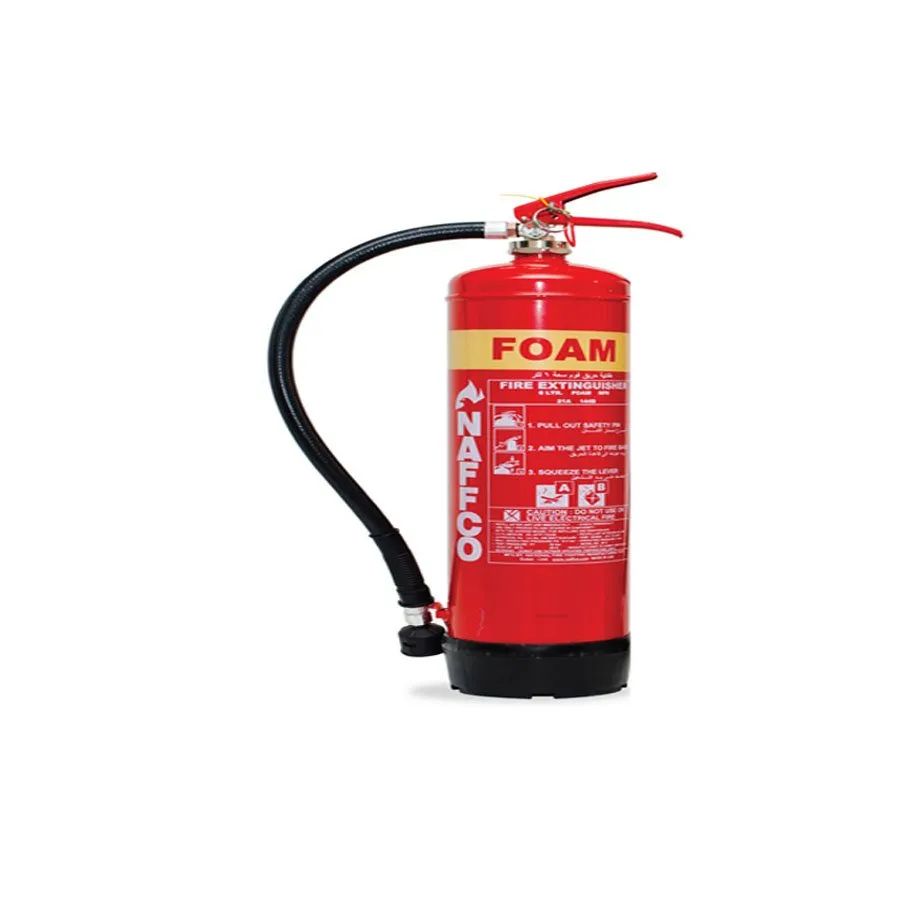
Why Offices and Factories Need AFF Fire Extinguishers

In industrial and commercial environments like factories, workshops, large offices, storage warehouses or manufacturing plants, the risk of fire is higher than in typical homes. Combustible materials, flammable liquids, heavy machines, electrical equipment and large spaces combine to create hazardous conditions. In such settings, fire extinguishers must be reliable, effective and correctly specified.

An AFF (Aqueous Film-Forming Foam) fire extinguisher is specifically designed to tackle both Class A and Class B fires — i.e., fires involving solid materials (wood, paper, fabric) and fires involving flammable liquids (oil, petrol, solvents). This makes them ideal for offices and factories where both types of hazards may be present.

What Makes AFF Extinguishers Suitable for Industrial/Commercial Use

  • They form a foam blanket over the burning liquid, cutting off oxygen and suppressing vapors that can reignite. 
  • They cool the burning surface, reducing the risk of further spread. 
  • They handle both solid and liquid fuels, which is very useful in factories with many risk sources. 
  • Industrial models come in larger capacities, with better discharge times, longer throw range and tougher build quality. 
  • Many are certified to higher standards, and are suitable for compliance with safety regulations in commercial/industrial settings. 

Key Features You Should Look For

When buying an AFF extinguisher for your office or factory, make sure it has:

  • A certified fire-rating (e.g., “34A 183B” or similar) to indicate its performance for both Class A & B fires. 
  • A strong and durable steel cylinder with anti-corrosion coating (important in an industrial environment). 
  • Discharge time and throw distance suited to the space for example larger units will throw 5-7 metres or more. 
  • Clear labelling, working pressure gauge, appropriate mounting bracket or trolley for larger models. 
  • A local maintenance and refilling service to ensure ongoing readiness. 

Current Price Guide in Pakistan

Here’s a rough overview of what you might pay for AFF foam extinguishers in Pakistan (2025 approximate):

  • A 9 litre AFF foam extinguisher (suitable for many commercial offices or small factory zones) is available from around PKR 5,500-6,000. 
  • Larger models or trolley-mounted AFF units (for big factory floors or liquid-fuel risk areas) can cost significantly more, depending on capacity and build. 

These price levels show that you can secure reliable fire-protection equipment for offices and factories without breaking the bank — provided you choose certified, quality models.

Choosing the Right Size & Capacity for Your Setting

For offices:

  • A 9-10 litre AFF foam extinguisher mounted near exits or at each floor may suffice in many standard office environments. 
  • Ensure sufficient coverage so an operator can reach and use it quickly. 

For factories and workshops:

  • Assess the fire risk: presence of flammable liquids, storage of chemicals, fuel areas, heavy machinery. 
  • Larger capacity or multiple units may be needed; trolley models may be appropriate for large spaces or liquid-fuel hazards. 
  • Consider segregation of hazards: e.g., a flammable-liquid storage zone should have dedicated extinguisher(s) with clear signage. 

Installation & Maintenance Considerations

  • Mount extinguishers where they are easy to access and visible without obstruction. 
  • For large factories, extinguishers must be placed at strategic points, e.g., near high-risk areas, by exits, near fuel storage. 
  • Keep a maintenance log: monthly visual inspections, annual certified servicing, immediate refill after any discharge. 
  • Ensure that staff are trained on how to use the extinguisher (the PASS method: Pull, Aim, Squeeze, Sweep) and know the evacuation plan. 

Why Certification and Quality Are Critical

Purchasing a cheap extinguisher might seem tempting, but in an office or factory you cannot afford failure. Uncertified or low-quality units may fail when needed. Certified units guarantee correct foam concentrations, working pressure, performance under stress, durability and available servicing. For industrial settings, this reliability is non-negotiable.

Budgeting Tips & Cost-Effective Buying

  • Compare multiple suppliers and ask for full specifications and certifications. 
  • Factor in not just the purchase cost, but also maintenance, refill and long-term servicing. 
  • Buy from suppliers offering full support in your city (Karachi, Lahore, Islamabad) so you can access local servicing quickly. 
  • If you have several units (for a large facility), negotiate bundled pricing and long-term service contracts. 

Final Words

If you manage an office building, factory, workshop or industrial facility in Pakistan, investing in AFF foam fire extinguishers is a wise decision. They offer the right blend of versatility (Class A + B), affordability and effectiveness for commercial use. A good 9-litre model is within reach of many budgets. Just make sure you choose certified quality, install in the right locations, maintain it properly and train your team.

By doing so, you greatly improve your fire-safety readiness and protect your people, property and business continuity.

Buy AFF Foam Fire Extinguisher in Pakistan | Reliable Fire Protection Equipment
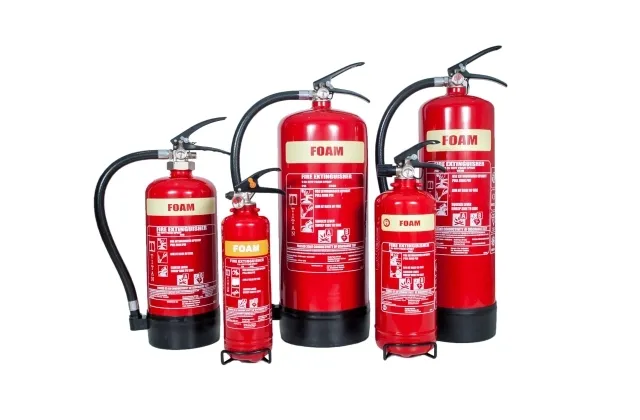
Fire safety has become one of the most critical needs in Pakistan today. With rapid urbanization, expanding industries, and a growing number of residential and commercial buildings, fire risks have increased significantly. Having a reliable fire extinguisher can be the first line of defense in preventing damage, injury, or loss.

Among the various types of extinguishers available, AFF Foam Fire Extinguishers stand out for their effectiveness, versatility, and cost efficiency. Whether you’re safeguarding your home, office, warehouse, or fuel station, this fire protection equipment provides dependable and fast-acting safety.

In this guide, we’ll explore everything you need to know about buying AFF Foam Fire Extinguishers in Pakistan, including prices, specifications, uses, maintenance, and why certified equipment matters.

What Is an AFF Foam Fire Extinguisher?

The term AFF stands for Aqueous Film-Forming Foam. It’s a fire-fighting agent that creates a thin, water-based film on the burning surface, cutting off the oxygen supply while cooling down the flames. This double-action effect makes AFF Foam one of the most efficient extinguishing solutions available.

These extinguishers are primarily designed for Class A and Class B fires, which include:

  • Class A Fires: Solid combustibles like paper, wood, cloth, rubber, and plastics.
  • Class B Fires: Flammable liquids such as petrol, diesel, oil, grease, or paint.

They are not recommended for electrical or metal fires, but they are extremely effective in environments where liquid fuels or organic materials are present.

How Does an AFF Foam Fire Extinguisher Work?

The AFF Foam extinguisher operates on a three-step mechanism that quickly suppresses the fire:

  1. Smothering Effect: The foam forms a blanket over the burning material, isolating it from oxygen in the air.
  2. Cooling Effect: The water content in the foam cools the fire’s heat source, bringing down the temperature and preventing re-ignition.
  3. Sealing Layer: The foam creates a thin, reflective film that seals fuel vapors, preventing them from escaping and reigniting.

This makes the AFF Foam extinguisher ideal for oil depots, petrol stations, car workshops, manufacturing facilities, and even residential buildings.

Why Choose an AFF Foam Fire Extinguisher?

Here’s why these extinguishers are so widely used and recommended in Pakistan:

  • Dual Fire Protection: Effective for both solid and liquid fires.
  • Prevents Re-Ignition: Foam film seals vapors, ensuring the fire doesn’t restart.
  • Eco-Friendly Foam: Modern AFF solutions are biodegradable and safe for the environment.
  • Minimal Residue: Easier to clean compared to powder-based extinguishers.
  • Visible Spray Pattern: Easy to aim accurately during emergency use.
  • High Efficiency: Uses less extinguishing agent while covering a larger area.

These qualities make AFF extinguishers perfect for high-risk environments such as fuel stations, industries, and commercial spaces.

AFF Foam Fire Extinguisher Price in Pakistan (2025 Update)

The price of AFF Foam Fire Extinguishers in Pakistan depends on size, brand, and certification. Here’s an overview of current market prices:

Capacity Type Typical Price Range (PKR) Ideal For
1 Litre Portable 2,000 – 3,500 Cars, kitchens, small offices
4 Litre Handheld 3,800 – 4,800 Small shops, schools
6 Litre Standard 5,000 – 6,500 Homes, offices
9 Litre Commercial 6,800 – 8,000 Restaurants, retail stores
25 Litre Trolley Type 12,000 – 17,000 Workshops, fuel depots
50 Litre Heavy Duty 30,000 – 45,000 Factories, industrial sites

Prices may vary depending on the supplier, location, and whether the extinguisher includes additional accessories like wall brackets, discharge hoses, or trolleys.

Key Features of AFF Foam Fire Extinguishers

When buying an AFF Foam Fire Extinguisher, look for these important features:

  • Durable Cylinder: Made of corrosion-resistant steel with an anti-rust coating.
  • Pressure Gauge: Easy-to-read indicator showing cylinder pressure status.
  • Long Discharge Time: Typically between 15–25 seconds for effective use.
  • Refillable Design: Economical and sustainable for long-term use.
  • High Fire Rating: Should have at least 21A 183B or higher performance ratings.
  • Operating Temperature: Works efficiently from -5°C to +55°C.
  • User-Friendly Handle: Designed for safe and controlled foam discharge.

These features ensure that your extinguisher is not just effective, but also durable and reliable during real emergencies.

Where AFF Foam Fire Extinguishers Are Commonly Used

In Pakistan, foam fire extinguishers are a mandatory part of safety systems in:

  • Fuel Stations and Oil Depots
  • Factories and Industrial Plants
  • Warehouses and Logistics Hubs
  • Schools, Colleges, and Offices
  • Commercial Buildings and Hotels
  • Hospitals and Laboratories
  • Restaurants and Food Courts
  • Vehicle Workshops and Service Stations

Any location with flammable materials, fuels, or cooking oils should have foam extinguishers installed as part of their fire protection plan.

Steps to Use an AFF Foam Fire Extinguisher

Operating a fire extinguisher properly is vital. Remember the simple PASS method:

  1. P – Pull the pin to unlock the handle.
  2. A – Aim the nozzle at the base of the fire.
  3. S – Squeeze the lever to discharge the foam.
  4. S – Sweep from side to side until the flames are completely out.

Keep a safe distance from the fire and ensure there’s a clear escape route behind you.

Maintenance & Refilling of AFF Foam Extinguishers

A fire extinguisher is only as good as its maintenance. Regular inspection and servicing ensure it works perfectly when needed.

Maintenance Guidelines:

  • Monthly: Check the pressure gauge and ensure no leaks or rusting.
  • Annually: Get it inspected by a certified fire safety technician.
  • After Use: Always refill immediately, even if discharged partially.
  • Every 3–5 Years: Conduct hydrostatic testing to ensure cylinder integrity.

Refilling services for AFF extinguishers in Pakistan typically cost between PKR 800 – 2,000, depending on capacity. Many professional companies offer annual maintenance contracts (AMC) to handle inspection, refilling, and certification.

Importance of Certified and Tested Fire Extinguishers

In Pakistan, many low-quality, non-certified extinguishers are sold cheaply in the market. These units often fail under pressure or use poor-quality foam that can’t effectively extinguish flames.

Always buy fire extinguishers that meet safety standards such as:

  • BS EN 3-7 or ISO 9001 Certified
  • Approved by Civil Defence or PEC
  • Quality-Tested for Pressure and Foam Concentration

A certified extinguisher guarantees safety, durability, and compliance with building and industrial safety laws.

Factors to Consider Before Buying

When choosing an AFF Foam Fire Extinguisher in Pakistan, consider these key factors:

  1. Fire Risk Type: Match the extinguisher class (A or B) to your environment.
  2. Size and Capacity: Small units for homes; larger or trolley units for industries.
  3. Brand Reputation: Always buy from recognized safety suppliers.
  4. Certification: Make sure it meets local and international fire safety standards.
  5. After-Sales Support: Maintenance, refilling, and training options add long-term value.

Taking these factors into account ensures your investment in safety equipment is both effective and long-lasting.

Comparison: Foam vs. Other Extinguishers

Type Suitable Fires Advantages Limitations
Foam (AFF) Class A & B Prevents re-ignition, minimal residue Not for electrical fires
CO₂ Class B & Electrical Leaves no residue Short discharge time
Dry Powder Class A, B, C Multi-purpose, affordable Messy residue, low visibility
Water Class A only Cost-effective Unsafe for liquids or electricity
Clean Agent (HFC/FE-36) Electrical & sensitive equipment No residue Expensive

Foam extinguishers offer a great balance of affordability, effectiveness, and environmental friendliness, making them the most practical choice for general and industrial use.

Fire Safety Compliance in Pakistan

Fire safety regulations in Pakistan are becoming stricter, especially for commercial and industrial sectors. Local authorities now require organizations to install appropriate firefighting systems and conduct regular safety audits.

Under these laws, every building must:

  • Have certified fire extinguishers on each floor.
  • Conduct regular fire drills and training sessions.
  • Keep safety equipment serviced and functional.
  • Display clear signage for fire exits and emergency use.

Failing to comply with these standards can lead to fines, operational shutdowns, or license suspension.

Tips for Fire Prevention and Safety

Fire extinguishers are vital, but prevention is even better. Here are some smart safety tips:

  • Avoid storing flammable materials near heat sources.
  • Turn off gas stoves and electrical appliances after use.
  • Install smoke detectors and fire alarms in key areas.
  • Train staff and family members on fire safety procedures.
  • Regularly inspect wiring and gas connections for leaks.
  • Keep extinguishers accessible and clearly labeled.

Taking these preventive measures significantly reduces fire risks in any environment.

Why Choose a Reliable Supplier in Pakistan

Buying from a trusted supplier ensures that you get genuine, tested, and fully certified extinguishers. Reliable fire safety companies in Pakistan provide:

  • Factory-tested AFF foam extinguishers
  • Installation and mounting services
  • Refilling and maintenance contracts
  • Staff training on extinguisher use
  • Annual safety audits and certifications

Never compromise on safety by purchasing unbranded or unverified products. Certified suppliers ensure that every extinguisher performs when it matters most.

The Growing Importance of Fire Protection in Pakistan

In recent years, Pakistan has seen an increase in fire incidents across industries, warehouses, and residential areas. These events have made individuals and businesses more aware of fire protection requirements.

Government agencies, private developers, and safety professionals are promoting awareness campaigns and enforcing fire code compliance. This growing safety culture means that reliable, eco-friendly solutions like AFF foam extinguishers are now in higher demand than ever before.

Final Thoughts

Fire emergencies can occur at any time at home, in an office, or at a factory. The difference between safety and disaster often depends on quick access to the right firefighting equipment.

AFF Foam Fire Extinguishers provide an efficient, easy-to-use, and environmentally friendly way to control fires caused by solid materials and flammable liquids. Available in multiple sizes and capacities, these extinguishers are ideal for homes, offices, and industries alike.

If you’re looking to buy AFF Foam Fire Extinguishers in Pakistan, always choose certified equipment and professional suppliers. The investment you make today can protect your property, your employees, and your loved ones tomorrow.