How Do I Know When My Fire Extinguisher Needs Recharging? (Easy Signs to Check)

Fire safety is something most people in Pakistan only think about when an emergency happens. Unfortunately, by then it’s often too late. One of the simplest yet most powerful tools against small fires is a fire extinguisher. But here’s the important part: just owning a fire extinguisher isn’t enough, it must always be in working condition. If you live or run a business in the capital city, knowing when your fire extinguisher needs recharging and where to find reliable fire extinguisher refilling in Islamabad can make all the difference.

In this guide, we’ll walk you through clear, easy signs that your extinguisher needs refilling, the importance of maintenance, prices in Islamabad, and where you can find trusted fire safety services.

Importance of Fire Extinguishers in Pakistan

Pakistan has seen a rise in fire incidents across homes, offices, shops, and industrial sites. From electrical short circuits to kitchen fires, accidents happen without warning. A properly maintained fire extinguisher can stop a small spark from turning into a disaster.

Whether you own a shop in Saddar, an office in Blue Area, or a factory in I-9 Industrial Area, keeping extinguishers up-to-date is essential. That’s where professional fire extinguisher service Islamabad comes in. Regular maintenance ensures your extinguisher won’t fail when you need it the most.

Types of Fire Extinguishers & Their Uses

Different fire extinguishers are designed for different fire risks. Knowing which type you have (or need) will also help you understand when and how often to get a fire extinguisher refill Islamabad.

  • AFFF Foam Extinguishers: Ideal for fuel, oil, and flammable liquid fires.

  • CO2 Extinguishers: Common in offices for tackling electrical fires.

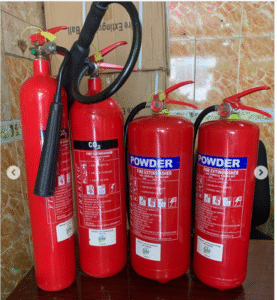
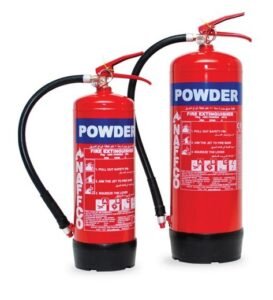
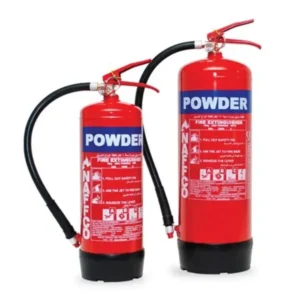
  • Dry Powder Extinguishers: Versatile and can be used on most types of fires, including electrical.

  • Water Extinguishers: Best for ordinary combustibles like paper and wood.

Choosing the right type ensures safety, but keeping them charged and refilled is just as important.

How Do I Know When My Fire Extinguisher Needs Recharging?

Here are some easy-to-check signs that your fire extinguisher needs servicing:

  1. Low Pressure Gauge: If the needle is not in the green zone, the extinguisher doesn’t have enough pressure to work effectively.

  2. Seal or Pin Broken: Missing safety pins or seals mean the extinguisher may have been tampered with or partially discharged.

  3. Visible Damage: Dents, rust, or corrosion on the cylinder are warning signs.

  4. Leaking Substance: If you notice powder, foam, or gas leaking, it’s time for a refill.

  5. Expired Extinguisher: Fire extinguishers have a limited lifespan. Even unused ones should be refilled or replaced every few years.

  6. After Every Use: Even if you only discharged it for a second, you must recharge it immediately.

Fire Extinguisher Price in Islamabad & Pakistan

The cost of fire extinguishers in Islamabad varies depending on size, type, and brand. Factors include:

  • Capacity (e.g., 1kg, 6kg, 9kg)

  • Type (Foam, CO2, Dry Powder)

  • Brand & Certification

  • Refilling Costs (usually lower than buying a new unit)

For those looking to save costs and maintain safety, refilling is a smart choice.

Check our professional fire extinguisher refilling in Islamabad services here.

Fire Extinguisher Refilling & Maintenance

Why is fire extinguisher refilling in Islamabad so important? Because an extinguisher that hasn’t been serviced is as risky as not having one at all. Professional refilling includes:

  • Checking cylinder pressure

  • Replacing seals and safety pins

  • Refilling with certified extinguishing agent

  • Performing leak and safety tests

With reliable fire extinguisher service Islamabad, you get peace of mind knowing your equipment will work during emergencies.

Where to Buy Fire Safety Equipment in Islamabad

If you’re wondering where to find genuine and reliable products, several professional companies provide fire safety equipment in Islamabad. From extinguishers to fire alarm installation, you can get a complete fire protection package. Reliable suppliers also provide:

  • Emergency fire services for workplaces and residential areas

  • Annual maintenance contracts for extinguishers

  • Fire suppression systems for industrial sites

Choosing the right vendor ensures that your investment in fire safety truly pays off when needed.

FAQs About Fire Extinguishers in Islamabad

  1. What is the average fire extinguisher price in Islamabad?
    Prices typically range from PKR 3,000 to PKR 15,000 depending on size and type. Refilling costs are much lower, making it a cost-effective option.
  2. How often should I refill my fire extinguisher?
    Generally, after every use or every 1 to 3 years, depending on the type. Always check the pressure gauge regularly.
  3. Can I refill any type of fire extinguisher?
    Yes, but it must be done by a certified service provider. Certain extinguishers, like CO2, require specialized refilling equipment.
  4. Where can I get a fire extinguisher to refill Islamabad services?
    Trusted companies like Fire Safety Trading provide reliable refilling, testing, and certification in Islamabad.
  5. Do I need fire extinguishers at home?
    Absolutely. Fires often start in kitchens and small sparks can spread quickly. Having a small, refilled extinguisher at home can prevent a major accident.

Conclusion

A fire extinguisher is only as good as its condition. Ignoring simple signs like low pressure, broken seals, or expired dates can put lives and property at risk. That’s why fire extinguisher refilling in Islamabad is not just a service, it’s a necessity for every home, office, and business.

For trusted, certified, and professional solutions, contact Fire Safety Trading today. Whether you need fire extinguisher service Islamabad, a new extinguisher, or reliable fire safety equipment in Islamabad, their team is ready to keep you safe.

Stay protected, stay prepared and never ignore the importance of fire extinguisher refilling in Islamabad.

What is the Price of an AFFF Fire Extinguisher in Pakistan?

Every year, hundreds of fire incidents occur in Pakistan whether in homes, offices, shops, or industrial sites. Most of these fires could be controlled at an early stage if proper fire safety equipment was available. One of the most essential tools for fire safety is the fire extinguisher, especially the AFFF type which is widely used in Pakistan.

If you live or work in the capital, you may often wonder: What is the actual price of AFFF fire extinguishers in Pakistan, and how much does fire extinguisher refilling in Islamabad cost?

This article will give you a clear idea of extinguisher prices, types, and refilling services in Islamabad. You’ll also learn why professional fire extinguisher service in Islamabad is necessary for safety and compliance.

Importance of Fire Extinguishers in Pakistan

Pakistan’s cities, particularly Islamabad and Rawalpindi, are rapidly developing with high-rise buildings, offices, shopping malls, and industries. Unfortunately, fire hazards are common electrical short circuits, gas leaks, or even small kitchen accidents can lead to dangerous fires.

That’s why fire extinguishers are not just optional; they are a legal and safety requirement for businesses, factories, and residential buildings.

A properly installed and maintained fire extinguisher can:

  • Save lives during emergencies.

  • Reduce property damage.

  • Control a fire before it spreads.

  • Fulfill safety regulations required by local authorities.

For businesses, professional fire extinguisher service in Islamabad ensures compliance with safety audits, insurance requirements, and government fire safety rules.

Types of Fire Extinguishers & Their Uses

Before discussing prices, it’s important to understand the types of fire extinguishers available in Pakistan. Each type is designed for a specific fire class.

  1. AFFF Foam Fire Extinguishers

    • Best for Class A (solid combustibles like paper, wood) and Class B fires (flammable liquids like petrol, oil).

    • Commonly used in offices, schools, petrol pumps, and industries.

    • Easy to operate and highly effective.

    • Regular fire extinguisher refill in Islamabad is required to keep them active.

  2. CO2 (Carbon Dioxide) Fire Extinguishers

    • Ideal for electrical fires and sensitive equipment areas like IT rooms, server rooms, and labs.

    • Leaves no residue.

  3. Dry Powder Fire Extinguishers

    • Versatile option for multiple fire types (A, B, C, and electrical).

    • Often used in factories and workshops.

  4. Water-Based Fire Extinguishers

    • Suitable for ordinary combustible fires (wood, paper, textiles).

    • Not recommended for electrical or oil fires.

Understanding the right type is important because the refilling process also depends on extinguisher type and capacity.

Fire Extinguisher Price in Islamabad & Pakistan

So, how much does an AFFF fire extinguisher actually cost in Pakistan? The price depends on several factors:

  • Capacity (1kg, 3kg, 6kg, 9kg, 12kg, 25kg, 50kg).

  • Type (AFFF, CO2, Dry Powder).

  • Brand (local or imported).

  • Quality & Standards (certified vs. non-certified).

  • Refilling & Maintenance Charges.

On average:

  • Small AFFF extinguishers (1kg–3kg): PKR 2,500 – 4,500.

  • Medium AFFF extinguishers (6kg–9kg): PKR 5,500 – 9,500.

  • Large AFFF extinguishers (12kg–25kg): PKR 12,000 – 25,000+.

For businesses and industries, bulk purchasing and annual contracts for fire extinguisher service in Islamabad can reduce overall costs.

Check our professional fire extinguisher refilling in Islamabad services here.

Fire Extinguisher Refilling & Maintenance

Buying an extinguisher is not enough, you must keep it ready to use at all times. An unused extinguisher still loses pressure and chemicals over time, making fire extinguisher refilling in Islamabad a must.

Why is refilling important?

  • Keeps the extinguisher effective.

  • Saves money compared to buying a new unit.

  • Ensures compliance with fire safety audits.

  • Reduces risk of extinguisher failure during emergencies.

Professional fire extinguisher service in Islamabad includes:

  • Inspection of pressure and nozzle.

  • Refilling with approved AFFF foam or other agents.

  • Certification for safety audits.

For businesses, it’s recommended to refill extinguishers every 6–12 months depending on usage and storage conditions.

Where to Buy Fire Safety Equipment in Islamabad

In Islamabad, several companies provide high-quality fire safety equipment, installation, and refilling services. Fire Safety Trading is among the leading providers, offering:

  • Fire safety equipment in Islamabad (extinguishers, alarms, hydrants, hoses).

  • Fire alarm installation for offices, homes, and commercial buildings.

  • Emergency fire services and safety audits.

  • Annual maintenance contracts for businesses and industries.

Choosing a trusted company ensures you get genuine products and reliable after-sales support.

FAQs AFFF Fire Extinguisher Price & Refilling in Pakistan

  1. What is the average fire extinguisher price in Islamabad?
    The price varies from PKR 2,500 to 25,000+ depending on capacity, brand, and type (AFFF, CO2, Dry Powder).
  2. How often should I refill my fire extinguisher?
    Generally, extinguishers should be refilled every 6–12 months or immediately after use.
  3. Where can I get a fire extinguisher refilling in Islamabad?
    Trusted companies like Fire Safety Trading provide professional fire extinguisher refills in Islamabad along with certification and inspection.
  4. What is the difference between AFFF and CO2 fire extinguishers?
  • AFFF foam: Best for flammable liquids and solids.

  • CO2: Best for electrical fires and sensitive equipment.

  1. Can I refill the extinguisher myself at home?
    No. Refilling requires special equipment, chemicals, and pressure testing, so it should only be done by certified companies.

Fire safety is not something Pakistanis can ignore. Whether you’re running a small shop, a corporate office, or managing a factory, keeping fire extinguishers ready can save lives and property.

The price of AFFF fire extinguishers in Pakistan depends on capacity and type, but what truly matters is regular fire extinguisher refilling in Islamabad to ensure reliability during emergencies.

For professional, trusted, and affordable fire extinguisher refilling in Islamabad, contact Fire Safety Trading today.

Remember: a few thousand rupees spent on fire protection today can save millions tomorrow.

How Many Months to Refill a Fire Extinguisher?

Fire extinguishers are one of the most important tools for protecting lives and property during emergencies. In cities like Islamabad, where offices, schools, shopping centers, and residential buildings are increasing rapidly, fire safety equipment is not just a requirement, it is a responsibility. Many people buy a fire extinguisher once and then forget about its maintenance, but the real effectiveness of this equipment depends on regular inspection and timely refilling. If you are wondering how many months it takes before you should refill a fire extinguisher, this guide will give you a clear and practical answer.

Why Refilling Matters in Islamabad

A fire extinguisher that looks fine on the outside may not actually work when you need it. Over time, pressure levels can drop, the extinguishing agent can settle, or seals may weaken. Without timely refilling, the extinguisher becomes unreliable. In Islamabad, businesses and homeowners must follow fire safety regulations to ensure that extinguishers are always ready for emergencies.

This is where fire extinguisher refilling in Islamabad plays an important role. By getting regular service, you are not only meeting safety standards but also protecting your family, employees, and property.

How Often Should You Refill a Fire Extinguisher?

The exact timeline for refilling depends on the type of fire extinguisher you have. However, in general:

  • Standard recommendation: Fire extinguishers should be refilled every 12 months, even if they have not been used.

  • After use: If the extinguisher has been discharged, even partially, it must be refilled immediately.

  • Pressure drop: If the pressure gauge shows low, you should not wait for the next scheduled service to get it refilled as soon as possible.

For many businesses in Islamabad, the fire safety team schedules annual checks to avoid missing these important refilling dates.

Common Types of Extinguishers and Their Refilling Cycles

Different extinguishers have different servicing needs. Understanding this will help you avoid mistakes.

  1. Dry Chemical Powder Extinguishers (DCP): These are common in offices, shops, and homes. They should be checked every 12 months and refilled after any use.

  2. Carbon Dioxide (CO₂) Extinguishers: Often used in places with electrical equipment, these require careful inspection because CO₂ can leak slowly over time. Annual servicing is necessary.

  3. Foam Extinguishers: Mostly used in industrial and commercial areas, they need both annual refilling and a complete overhaul every 5 years.

  4. Water Extinguishers: Rarely used in Islamabad, but if you have one, it also requires yearly maintenance.

Keeping track of these timelines ensures that your extinguisher will not fail in a real emergency.

Professional Fire Extinguisher Service in Islamabad

While some people think they can simply check the pressure gauge and be done, fire extinguisher servicing involves more than just looking at the needle. A professional fire extinguisher service in Islamabad includes:

  • Internal cleaning and inspection of the cylinder.

  • Checking seals, valves, and discharge hoses.

  • Refilling with the correct extinguishing agent.

  • Re-pressurizing and leak testing.

  • Updating the inspection tag with the next service date.

Choosing a reliable company like Fire Safety Trading ensures that the job is done according to international standards.

Fire Extinguisher Price in Islamabad

When people search for fire extinguisher prices in Islamabad, they often want a balance between affordability and quality. The price can vary depending on the size and type:

  • Small extinguishers (1–2 kg) are suitable for homes and small offices.

  • Medium extinguishers (4–6 kg) are common in shops and schools.

  • Large extinguishers (9–12 kg) are ideal for factories and commercial setups.

Although prices differ, the real value lies in choosing an extinguisher that meets your specific fire risk. More importantly, you should budget not just for purchase but also for annual fire extinguisher refilling in Islamabad.

Signs That Your Extinguisher Needs Immediate Refilling

Even if it has not been a full year, there are warning signs that you should not ignore:

  • The pressure gauge is in the red zone.

  • The pin or seal looks damaged.

  • The extinguisher feels unusually light.

  • Rust or corrosion is visible on the cylinder.

  • The hose appears cracked or blocked.

If you notice any of these, contact a fire extinguisher refill Islamabad service provider right away.

Fire Safety Regulations in Islamabad

Authorities in Islamabad are becoming stricter about fire safety, especially for commercial properties. Restaurants, schools, offices, and high-rise buildings are required to maintain their fire safety equipment in working order. Non-compliance can result in penalties and, more importantly, puts lives at risk.

By scheduling fire extinguisher service in Islamabad on time, businesses not only meet regulations but also show responsibility toward their employees and customers.

Why Choose Fire Safety Trading?

Fire Safety Trading has established itself as a trusted provider of fire extinguisher refilling in Pakistan, especially in major cities like Islamabad and Rawalpindi. The company offers:

  • Professional inspection and refilling services.

  • Competitive fire extinguisher prices in Islamabad.

  • Reliable after-sales support.

  • Availability of all major types of extinguishers.

With years of experience in the fire safety industry, Fire Safety Trading ensures that your extinguishers are always ready when you need them the most.

Final Thoughts

So, how many months before you need to refill a fire extinguisher? The simple answer is every 12 months, or immediately after any use. For residents and businesses in Islamabad, ignoring this timeline is not worth the risk. Fire emergencies can happen at any time, and the difference between a small incident and a major disaster often comes down to whether your extinguisher is ready.

By relying on professional fire extinguisher refill Islamabad services, keeping an eye on the pressure gauge, and understanding the maintenance cycle of your extinguisher type, you can stay protected and compliant with safety regulations.

When it comes to fire safety, prevention is always better than reaction. Make sure your fire extinguishers are refilled on time and let companies like Fire Safety Trading help you stay safe.

Can I Refill My Fire Extinguisher?

When it comes to fire safety, one question many people in Pakistan ask is: Can I refill my fire extinguisher? The simple answer is yes, you can  but it is not something you should try on your own. Fire extinguisher refilling in Islamabad and other cities is a professional service that ensures your equipment works properly in an emergency. Just like any other safety tool, an extinguisher requires care, inspection, and sometimes a complete refill to stay reliable.

This article explains when and how refilling should be done, why it matters, what it costs in Islamabad, and how to choose the right service provider.

Why Fire Extinguisher Refilling Matters

A fire extinguisher is often the first line of defense during a fire. If it fails to work because it has lost pressure or expired, the result could be devastating. Many people assume once an extinguisher has been used, it must be replaced, but that’s not always true. In most cases, it can be refilled, inspected, and put back into service.

Professional fire extinguisher refill in Islamabad ensures that:

  • The cylinder has the correct pressure level.

  • The extinguishing agent (whether powder, foam, CO₂, or water) is replaced or topped up.

  • The safety pin, nozzle, and seals are checked for proper function.

  • Any leaks, dents, or damage to the cylinder are identified before reuse.

This process is not only about saving money but also about making sure you are fully prepared when a fire breaks out.

When Should You Refill a Fire Extinguisher?

Not every extinguisher needs immediate refilling. Here are the most common situations when you should consider a refill:

  1. After Partial or Full Use: Even a short spray reduces pressure, and the extinguisher may no longer be effective.

  2. After the Expiry Date: Most extinguishers come with a 5-year or 10-year service timeline. Beyond this, a refill or replacement is required.

  3. Visible Damage: Rust, dents, or a broken seal indicate the need for professional inspection and likely refilling.

  4. Pressure Loss: If the pressure gauge needle is below the recommended level, it must be refilled immediately.

In Islamabad, businesses often schedule annual fire extinguisher service to avoid last-minute failures during inspections or emergencies.

How the Refilling Process Works

Fire extinguisher service in Islamabad is carried out by certified technicians who follow international standards. The steps usually include:

  1. Inspection: The extinguisher is checked for physical damage, weight, and pressure levels.

  2. Discharge: Any remaining agent is safely released.

  3. Cleaning: The cylinder is cleaned from the inside to prevent contamination.

  4. Refilling: The correct extinguishing agent is added according to the type of extinguisher.

  5. Re-pressurizing: The cylinder is brought back to the proper pressure level.

  6. Leak Test:  Ensures the extinguisher won’t lose pressure over time.

  7. Re-sealing & Labeling: The unit is sealed, tagged, and marked with the date of refilling.

This process guarantees that the extinguisher is as good as new and ready for emergency use.

Fire Extinguisher Price in Islamabad

Cost is a major concern for both individuals and businesses. The fire extinguisher price in Islamabad varies depending on the type and size. For example:

  • CO₂ extinguishers are generally more expensive than powder extinguishers because of the refilling process and gas handling.

  • Foam and water extinguishers are cost-effective but are more suitable for specific fire risks like paper, wood, or fabric.

  • Dry chemical powder extinguishers are common in offices and homes due to their lower price and versatility.

On average, a new fire extinguisher in Islamabad may cost anywhere from a few thousand rupees for small household units to higher amounts for large industrial models. Refilling costs are significantly lower than buying new equipment, making it a budget-friendly and safe choice.

Choosing the Right Service Provider in Islamabad

Not every shop or technician has the expertise to handle fire extinguisher refilling in Islamabad. Since this is a safety issue, always look for:

  • Certification & Licensing: Reputable companies follow NFPA or local fire safety standards.

  • Experience: Skilled technicians can detect problems that may not be obvious.

  • Transparency: A professional service should provide you with a tag or certificate showing the date of refilling.

  • Availability of Equipment: Make sure the company deals in multiple extinguisher types, not just one.

For businesses, partnering with a company that also provides fire risk assessments and regular inspections can ensure long-term safety compliance.

Fire Extinguisher Refilling vs. Replacement

Many people in Pakistan are unsure whether they should refill or replace their extinguisher. The answer depends on the condition of the cylinder:

  • Refill if the extinguisher is structurally sound and only the extinguishing agent or pressure is low.

  • Replace if the cylinder has damaged, corroded, or past its recommended lifespan.

A professional inspection will help you make the right decision without risking safety.

Fire Safety Laws and Workplace Requirements in Islamabad

Businesses in Islamabad required by law to keep functional fire extinguishers on-site. During inspections by local authorities, expired or non-functional extinguishers can lead to penalties. Refilling services ensure compliance with these regulations and reduce the risk of workplace hazards.

Even for homeowners, keeping a ready-to-use extinguisher is a smart move. Electrical short circuits, kitchen fires, or gas leaks are common incidents where a small extinguisher can prevent a major disaster.

How to Check Fire Extinguisher Expiry Date? A Complete Safety Guide

When was the last time you checked your fire extinguisher? For most people, the answer is “never” or “a long time ago.” Yet, in emergencies, a properly functioning fire extinguisher can mean the difference between a minor incident and a devastating disaster. Knowing how to check a fire extinguisher’s expiry date is one of the simplest yet most crucial steps in fire safety management.

Fire extinguishers, like all safety equipment, don’t last forever. Over time, their effectiveness declines, and an expired or faulty extinguisher can fail when you need it most. Whether you’re a homeowner, business owner, or simply someone concerned about workplace safety, understanding how to verify your extinguisher’s condition is essential. This article explains how to check expiry dates, recognize warning signs, and maintain extinguishers for maximum safety.

Why Fire Extinguisher Expiry Dates Matter

Fire extinguishers are first line defense tools against small fires. According to the National Fire Protection Association (NFPA), fire extinguishers successfully put out more than 95% of home and office fires when used correctly. However, these statistics only hold true if the extinguisher is in proper working condition.

An expired fire extinguisher may:

  • Fail to discharge properly.
  • Have low or no pressure.
  • Contain degraded chemicals that are ineffective.
  • Be corroded or damaged, making it unsafe to use.

In real life scenarios, many fire related tragedies could have been prevented if extinguishers were checked and replaced on time. This is why routine inspection and expiry date verification are critical parts of fire safety management.

How to Check Fire Extinguisher Expiry Date

1. Look for the Manufacturing Date

Most fire extinguishers do not have a direct “expiry date” printed. Instead, they carry a manufacturing date, usually stamped on the cylinder body or printed on the label. It may appear as:

  • Month/Year (e.g., 07/2021)
  • Year only (e.g., 2020)
  • A code or serial number (refer to manufacturer’s guide).

From the manufacturing date, you can calculate the lifespan of the extinguisher. Typically, disposable fire extinguishers last 5 to 15 years, depending on type and brand.

2. Check the Expiry Period Based on Extinguisher Type

Different types of fire extinguishers have different lifespans:

  • Dry Chemical Powder Extinguishers: 10 to 12 years (with proper maintenance).
  • Carbon Dioxide (CO2) Extinguishers: 10 years.
  • Foam Extinguishers: Around 5 years before refilling is required.
  • Water Extinguishers: 5 to 10 years, depending on usage and servicing.

Always cross check with manufacturer recommendations and local fire safety regulations.

3. Inspect the Pressure Gauge

A quick way to determine if your extinguisher is still operational is by checking the pressure gauge (if available).

  • Green Zone: Safe and ready for use.
  • Red Zone (Low): Insufficient pressure may not work.
  • Red Zone (High): Over pressurized, potentially dangerous.

If the needle isn’t in the green zone, the extinguisher should be serviced or replaced.

4. Look for Service Tags and Maintenance Records

Most workplaces and commercial spaces are required to service fire extinguishers annually. After inspection, technicians attach a service tag that records the last check up date and next due date. If the service tag is missing or outdated, your extinguisher may already be expired.

5. Watch for Physical Signs of Expiry

Beyond dates and gauges, some physical signs indicate that an extinguisher is no longer reliable:

  • Rust, corrosion, or dents on the cylinder.
  • Broken or missing safety pin.
  • Leakage or clogged nozzle.
  • Faded or unreadable labels.

If any of these signs appear, the extinguisher should be replaced immediately.

Tips for Maintaining Fire Extinguishers

Regular Inspections

  • Monthly Check: Ensure the extinguisher is in place, accessible, and pressure is in the green zone.
  • Annual Service: Hire certified professionals for a detailed inspection.
  • Hydrostatic Testing: Required every 5 to 12 years, depending on type, to check cylinder integrity.

Record Keeping

Keep a log of purchase dates, servicing schedules, and replacements. This ensures you never miss an expiry date.

Proper Storage

Store fire extinguishers in easily accessible, visible locations. Avoid damp or corrosive environments that can shorten lifespan.

Employee / Household Training

A working extinguisher is only useful if people know how to use it. Conduct basic training on the PASS method (Pull, Aim, Squeeze, Sweep).

Advantages of Checking Expiry Dates Regularly

  • Enhanced Safety: Ensures extinguishers work effectively during emergencies.
  • Legal Compliance: Meets workplace safety laws and insurance requirements.
  • Cost Savings: Early maintenance prevents costly damage from uncontrolled fires.
  • Peace of Mind: Knowing your extinguisher is ready reduces stress in emergencies.

Common Misconceptions About Fire Extinguisher Expiry Dates

  • Extinguishers last forever.  False. They degrade over time.
  • If it looks fine, it must be fine.  Not true; internal issues may not be visible.
  • I’ll replace it only after use. Dangerous, as unused extinguishers also expire.

Understanding these myths ensures you don’t unknowingly keep expired safety equipment.

Conclusion

Fire extinguishers are silent guardians in our homes, offices, and vehicles ready to protect us in emergencies. But like all safety tools, they have a limited life span. By learning how to check a fire extinguisher’s expiry date from reading the manufacturing date to inspecting gauges and service tags you ensure your extinguisher will be reliable when it matters most.

Key Takeaway: Never assume your extinguisher is in good condition. Regularly check expiry dates, maintain service schedules, and replace outdated units. Safety is not just about having equipment it’s about keeping it effective.

Call to Action: Take five minutes today to inspect your fire extinguisher. That small step could save lives tomorrow.

How Many Times Can a Fire Extinguisher Be Refilled?

Imagine this: a small fire breaks out in your kitchen or workplace. You quickly grab the nearest fire extinguisher, pull the pin, and spray until the flames die down. The danger is over but now the extinguisher is empty. At this point, one important question arises: How many times can a fire extinguisher be refilled?

This is a common concern for both homeowners and businesses. Fire extinguishers are essential safety devices, and knowing whether they can be reused or how often they should be refilled can save lives, money, and property. In this article, we’ll dive deep into the refill process, lifespan, and maintenance of fire extinguishers so you know exactly what to do when yours runs out.

Why Fire Extinguisher Refilling Matters

Fire safety is not a one-time investment. A fire extinguisher is only useful if it is fully charged and ready for action. According to the National Fire Protection Association (NFPA), having functional fire extinguishers can reduce the risk of major property damage by more than 80% in small fire incidents. However, many people neglect regular maintenance or wrongly assume that once used, extinguishers must be replaced.

Refilling a fire extinguisher is both cost-effective and environmentally responsible. Instead of disposing of a perfectly good device, refilling restores its effectiveness, extends its service life, and ensures you remain compliant with safety regulations.

Can All Fire Extinguishers Be Refilled?

Not all extinguishers are designed for refilling. Fire extinguishers fall into two main categories:

1. Disposable (Non-Rechargeable) Fire Extinguishers

These are typically smaller, lightweight models meant for home or personal use. If you see a plastic head with a pressure gauge labeled “Disposable” or “Do Not Recharge,” it means the extinguisher cannot be refilled. Once discharged, it should be replaced.

2. Rechargeable (Refillable) Fire Extinguishers

Larger and more durable, these extinguishers usually have a metal head and are built for long-term use in workplaces, commercial settings, and institutions. They can be refilled multiple times, provided the cylinder passes inspection and is not damaged.

How Many Times Can a Fire Extinguisher Be Refilled?

The number of times a fire extinguisher can be refilled depends on several factors:

1. Type of Fire Extinguisher

  • Rechargeable models: These can typically be refilled dozens of times over their lifespan, which usually ranges from 10 to 25 years.
  • Disposable models: Cannot be refilled. Once used or after 12 years (when hydrostatic testing is due), they should be replaced.

2. Condition of the Cylinder

Even refillable extinguishers must undergo inspections. If the cylinder is corroded, dented, or fails hydrostatic testing, it must be retired. A well maintained extinguisher can be refilled repeatedly without issue.

3. Frequency of Use

Extinguishers used frequently (for training or actual fire events) will obviously require more refills. However, the physical limit isn’t the number of refills, it’s the structural integrity of the cylinder and valve.

In short: A high quality, rechargeable fire extinguisher can be refilled many times over its lifespan as long as it passes safety inspections.

How Often Should Fire Extinguishers Be Refilled?

Refilling isn’t just about after use. There are strict safety standards that dictate when refilling is required.

  • After Every Use: Even if you only discharge a small amount, the extinguisher must be refilled.
  • Every 6 Years (Maintenance Standard):  NFPA 10 requires a complete teardown, inspection, and refill of stored-pressure extinguishers every six years.
  • Every 12 Years (Hydrostatic Testing):  This involves pressure testing the cylinder to ensure it can withstand high stress. If it passes, it can continue to be refilled; if not, it must be retired.

Regular monthly visual inspections are also recommended to ensure the pressure gauge is in the green zone and there are no signs of damage.

Benefits of Refilling Fire Extinguishers

Refilling is not just a regulatory requirement it comes with several advantages:

1. Cost-Effectiveness

A new commercial-grade fire extinguisher can cost anywhere between $50 and $200, while refilling usually costs $15 to $50 depending on size and type.

2. Environmental Impact

Instead of discarding metal cylinders, refilling promotes sustainability and reduces waste.

3. Reliability in Emergencies

A refilled extinguisher ensures you’re never caught unprepared. Even a partially discharged extinguisher may fail in a real emergency if not properly refilled.

4. Compliance with Laws and Standards

Businesses are legally required to maintain their extinguishers according to OSHA and NFPA standards. Refilling ensures compliance and avoids costly penalties.

Disadvantages or Limitations of Refilling

While refilling has many benefits, there are some limitations:

  • Not all extinguishers qualify: Disposable models cannot be refilled.
  • Hidden damage risks: A refilled extinguisher with unseen internal damage might still fail under pressure.
  • Ongoing costs: While cheaper than replacement, regular refilling and inspections still come with expenses.

These drawbacks underline the importance of professional servicing rather than DIY refilling.

Tips for Proper Fire Extinguisher Maintenance

  1. Check the Label: Ensure your extinguisher is rechargeable before considering refilling.
  2. Hire Certified Professionals: Always have extinguishers refilled by a licensed fire equipment service company.
  3. Inspect Monthly: Look for leaks, corrosion, or a low pressure gauge.
  4. Record Maintenance Dates: Keep a log of refills, inspections, and tests to stay compliant.
  5. Replace When Needed: If the cylinder fails inspection, don’t risk it—replace the extinguisher immediately.

Conclusion

So, how many times can a fire extinguisher be refilled? The answer largely depends on the type and condition of the extinguisher. Rechargeable fire extinguishers can be refilled multiple times, sometimes dozens throughout their lifespan, provided they pass safety inspections and hydrostatic testing. Disposable extinguishers, however, cannot be refilled and must be replaced after use.

Maintaining a ready to use fire extinguisher is not just a regulatory requirement it’s a life-saving responsibility. Whether at home, in your car, or in the workplace, ensuring your extinguisher is full, functional, and regularly inspected could make all the difference in an emergency.

Takeaway: Always refill after use, schedule professional inspections, and never compromise on fire safety. A well maintained extinguisher is one of the simplest yet most powerful tools you have against fire hazards.

How Is a Fire Extinguisher Refilled? A Complete Guide

Fire extinguishers are one of the most essential safety devices in homes, offices, factories, and vehicles. They are often the first line of defense when a fire breaks out, giving people a chance to control flames before they spread out of control. But just like any other safety equipment, fire extinguishers need regular care and maintenance to remain effective. One crucial part of this process is refilling or recharging them after use or when their pressure levels drop.

So, how is a fire extinguisher refilled? While the process might seem complicated, it follows systematic steps carried out by certified professionals to ensure reliability and safety. In this article, we’ll explore why fire extinguisher refilling is important, the step-by-step process, and tips on maintaining your extinguisher for long-term efficiency.

Why Fire Extinguisher Refilling Matters

Many people mistakenly assume that once a fire extinguisher is mounted, it can sit untouched for years until needed. In reality, extinguishers must be regularly inspected and maintained. Even if a fire extinguisher has not been used, it can lose pressure over time, rendering it ineffective during an emergency.

According to the National Fire Protection Association (NFPA), fire extinguishers must be serviced at specific intervals, and after every use, regardless of how much content was discharged. This is because:

  • Pressure loss can occur naturally over time.

  • Chemical agents inside may settle, compact, or expire.

  • Nozzle blockages or valve damage may prevent proper operation.

  • Legal and safety compliance often requires businesses to maintain up-to-date fire extinguishers.

Failing to refill a fire extinguisher could mean that when a fire actually breaks out, the extinguisher won’t work as expected potentially leading to property damage, injuries, or even loss of life.

How Is a Fire Extinguisher Refilled? Step-by-Step Process

Refilling, also known as recharging, is not a DIY task. It must be done by trained technicians at authorized service centers or by certified fire safety professionals. Here’s an overview of the process:

1. Inspection and Evaluation

The technician begins by carefully examining the fire extinguisher for any signs of wear and tear. This includes checking the cylinder body, pressure gauge, nozzle, handle, and safety pin. If the extinguisher shows signs of corrosion, dents, or damage, it may need to be replaced rather than refilled.

2. Depressurization

Before refilling, the extinguisher must be completely depressurized. The technician carefully releases the remaining pressure to ensure it is safe to open.

3. Disassembly and Cleaning

The extinguisher is disassembled. Each component, including the discharge valve, nozzle, and cylinder, is thoroughly cleaned to remove any residue, debris, or chemical buildup. This step ensures that the extinguisher functions smoothly once recharged.

4. Internal Inspection and Hydrostatic Testing (if required)

In some cases, the extinguisher undergoes hydrostatic testing a pressure test to ensure the cylinder can withstand high pressure without leaking or bursting. This is a legal requirement for certain types of extinguishers at regular intervals.

5. Refilling with the Proper Agent

The correct extinguishing agent (such as dry chemical powder, water, foam, CO₂, or wet chemicals) is refilled according to manufacturer specifications. Using the wrong agent can make the extinguisher ineffective or dangerous.

6. Repressurization

Once filled, the cylinder is repressurized with either compressed air or nitrogen, depending on the extinguisher type. The pressure gauge is checked to ensure it falls within the recommended range.

7. Reassembly and Leak Testing

All components are reassembled, and the extinguisher is tested for leaks. The nozzle and discharge mechanisms are also tested to verify proper functioning.

8. Tagging and Certification

Finally, the extinguisher receives a service tag showing the date of refilling, the technician’s details, and the next service due date. This record is important for both safety compliance and future inspections.

Types of Fire Extinguishers and Their Refilling Needs

Not all fire extinguishers are refilled the same way. Different types require specific agents and refilling techniques:

  • Water-Based Extinguishers: Refilled with water and pressurized with air or nitrogen.

  • Foam Extinguishers: Require special foam solution and correct pressurization.

  • Dry Chemical Powder Extinguishers: Refilled with powder agents like monoammonium phosphate.

  • Carbon Dioxide (CO₂) Extinguishers: Refilled by recharging with liquid CO₂ under high pressure.

  • Wet Chemical Extinguishers: Specially designed for kitchen fires involving oils and fats; require specific chemical agents.

Each type has unique handling requirements, making professional refilling essential.

How Often Should Fire Extinguishers Be Refilled?

The frequency of refilling depends on usage and maintenance schedules. As a general guideline:

  • After every use: even a partial discharge requires a full refill.

  • Every 5–12 years: depending on the extinguisher type and manufacturer guidelines.

  • During annual inspections: if the extinguisher shows pressure loss, leakage, or expired agents.

Workplaces and public facilities must follow OSHA (Occupational Safety and Health Administration) and NFPA standards to stay compliant.

Advantages of Professional Fire Extinguisher Refilling

  1. Reliability in emergencies: ensures the extinguisher works when needed.

  2. Compliance with regulations: keeps businesses legally protected.

  3. Cost-effective: refilling is usually cheaper than buying a new extinguisher.

  4. Extends equipment lifespan: regular maintenance helps extinguishers last longer.

  5. Peace of mind: knowing your extinguisher is fully functional provides confidence in emergencies.

Common Mistakes to Avoid

  • Ignoring service schedules: Waiting too long before inspections can render extinguishers useless.

  • DIY refilling: Without proper training, you risk over-pressurization, incorrect agents, or equipment failure.

  • Storing extinguishers incorrectly: Exposure to extreme heat, cold, or moisture can damage them.

  • Not training staff or family members: Even a refilled extinguisher is useless if no one knows how to operate it.

Practical Tips for Fire Extinguisher Maintenance

  • Schedule annual professional inspections.

  • Keep extinguishers in accessible, visible locations.

  • Check the pressure gauge monthly to ensure it’s within range.

  • Shake dry chemical extinguishers occasionally to prevent powder from settling.

  • Train family members or employees on how to use a fire extinguisher (PASS technique: Pull, Aim, Squeeze, Sweep).

Final Thoughts

Fire extinguishers are critical tools for fire safety, but they are only effective if properly maintained. Refilling—or recharging—a fire extinguisher is a professional process that involves inspection, cleaning, refilling with the correct agent, repressurization, and certification. Neglecting this essential maintenance could mean the difference between quickly putting out a fire and facing severe property damage or loss of life.

Whether at home, in the workplace, or in public facilities, regular refilling and inspections should be a non-negotiable part of fire safety. Take the time today to check the status of your extinguishers, schedule a service if needed, and ensure that when the time comes, your fire extinguisher is ready to save lives and property.

Fire Extinguisher Refilling in Pakistan A Complete Guide to Safety

Imagine a small fire breaking out in your office or home. In those crucial first minutes, the only thing standing between safety and disaster is often a fire extinguisher. But here’s the catch an extinguisher that is not refilled or maintained properly may fail when you need it most.

In Pakistan, fire safety awareness has grown in recent years, especially after several tragic incidents in factories, schools, and commercial centers. Fire extinguisher refilling in Pakistan is no longer just a formality; it is a life-saving necessity. This article explores the importance of refilling fire extinguishers, the process, costs, regulations, and where you can get reliable services across the country.

Why Fire Extinguisher Refilling Matters

A fire extinguisher is not a “one-time” investment. Once used, even partially, it needs to be refilled. Over time, extinguishers also lose pressure, chemicals can degrade, and seals may weaken. Refilling ensures they remain effective when emergencies strike.

Some key reasons refilling is essential in Pakistan:

  • Frequent fire incidents: From factory fires in Karachi to residential blazes in Lahore, fire-related accidents are reported almost every week.

  • Workplace safety laws: According to Pakistan’s labor and building safety regulations, commercial and industrial setups are required to keep extinguishers in working condition.

  • Peace of mind: Knowing your extinguisher is fully functional can save lives and property worth millions.

Understanding Fire Extinguishers in Pakistan

Types of Fire Extinguishers Commonly Used

Before discussing refilling, it’s important to know which type of extinguisher you have, as each requires specific refilling materials. In Pakistan, the most common types include:

  1. Dry Chemical Powder (DCP) Extinguishers: Effective for general fires (Class A, B, C).

  2. CO₂ Extinguishers: Suitable for electrical and flammable liquid fires.

  3. Foam Extinguishers: Ideal for liquid-based fires (Class B).

  4. Water Extinguishers: Best for paper, wood, and textile fires (Class A).

Each extinguisher type has a different refilling process, cost, and usage requirements.

Fire Extinguisher Refilling Process in Pakistan

Refilling should always be done by certified professionals, not through DIY methods. Here’s how the process typically works in Pakistan:

  1. Inspection: Checking the extinguisher for damage, leaks, or expired labels.

  2. Emptying: Removing leftover chemicals safely.

  3. Cleaning & Servicing: Washing and preparing the cylinder for fresh filling.

  4. Refilling: Adding the correct extinguishing agent (powder, CO₂, foam, or water).

  5. Re-pressurizing: Ensuring proper gas pressure for effective discharge.

  6. Testing & Sealing: Quality assurance through pressure tests and certification stickers.

Most companies recommend annual refilling or immediately after any use.

Cost of Fire Extinguisher Refilling in Pakistan

The cost varies depending on the size and type of extinguisher:

  • 1 kg DCP extinguisher: PKR 500 – 800

  • 2 kg CO₂ extinguisher: PKR 1,000 – 1,500

  • 6 kg DCP extinguisher: PKR 1,500 – 2,500

  • 12 kg and above: PKR 3,000+

Prices may differ slightly in cities like Karachi, Lahore, and Islamabad, depending on service providers and quality standards.

Where to Get Fire Extinguishers Refilled in Pakistan

Some popular and reliable service providers include:

  • Local Fire Safety Companies: Found in all major cities.

  • Civil Defence Certified Workshops: Government-approved refill centers.

  • Industrial Safety Suppliers: Provide refilling along with bulk extinguisher supply.

Always ensure that the company you choose follows ISO and Civil Defence standards for refilling.

Benefits of Regular Fire Extinguisher Refilling

Keeping your extinguishers up to date provides multiple advantages:

  • Guaranteed safety: Prevents malfunction during emergencies.

  • Regulatory compliance: Helps businesses avoid fines and legal issues.

  • Cost savings: Regular refilling is cheaper than replacing extinguishers.

  • Extended lifespan: Well-maintained extinguishers can last 10–15 years.

Common Mistakes to Avoid in Fire Extinguisher Maintenance

  • Ignoring expiry dates: Many extinguishers in Pakistan are outdated and unsafe.

  • DIY refilling: Unsafe, as incorrect pressure or chemicals may cause explosions.

  • Storing in poor conditions: Extreme heat or moisture reduces effectiveness.

  • Not training staff : Even with refilled extinguishers, untrained staff may panic.

Practical Tips for Fire Safety in Pakistan

  1. Schedule annual inspections with certified companies.

  2. Label refill dates clearly for quick reference.

  3. Train employees and family members on how to use extinguishers.

  4. Install multiple extinguishers in high-risk areas (kitchens, factories, workshops).

  5. Keep a fire safety kit including blankets, alarms, and emergency contacts.

Challenges in Pakistan’s Fire Safety Practices

Despite growing awareness, Pakistan faces certain challenges:

  • Low awareness: Many households still don’t own fire extinguishers.

  • Fake or substandard refilling services: Some providers use poor-quality chemicals.

  • Weak enforcement of laws:  Many workplaces lack proper fire safety audits.

Addressing these challenges requires stricter government policies and better public education.

Conclusion

Fire extinguisher refilling in Pakistan is not just a routine task it is a vital step toward protecting lives, homes, and businesses from devastating fires. Regular maintenance, professional refilling, and staff training can make the difference between a minor incident and a major tragedy.

If you own or manage a property in Pakistan, take action today: check your fire extinguishers, schedule a refill, and train your people. Fire safety is not an expense it’s an investment in life.