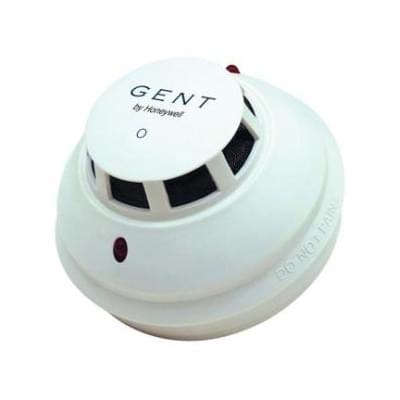
Fire safety is a critical concern for every home and business. Fires can start unexpectedly and spread rapidly, causing loss of life, damage to property, and long‑term disruption. One of the most effective and essential tools in a comprehensive fire safety strategy is a smoke detector. Among the leading brands trusted by safety professionals worldwide, Honeywell smoke detectors stand out for reliability, quality, and performance. This article explains how Honeywell smoke detectors work, why they are reliable for fire detection, how to choose the right model, and how they contribute to a safer environment for families and organisations.
Why Early Fire Detection Matters
The time between the start of a fire and its detection can be just minutes. During this period, toxic smoke can spread, structural damage can begin, and individuals may be unaware of danger until it is too late. Reliable fire detection systems help in recognising the first signs of combustion, alerting occupants early enough to evacuate safely and enable first‑responders to act quickly. A basic yet highly effective way to achieve this is with well‑positioned smoke detectors.
Honeywell smoke detectors are designed to detect smoke particles quickly and accurately, providing early warnings before flames or extreme heat develop.
How Honeywell Smoke Detectors Work
Smoke detectors sense the presence of combustion particles in the air. Different technologies exist, and Honeywell employs advanced sensing mechanisms to offer dependable performance:
Photoelectric Detection
Honeywell photoelectric detectors use a light source and a sensor inside a detection chamber. When smoke enters the chamber, light is scattered toward the sensor, triggering an alarm. This technology is particularly effective at detecting smouldering or slow‑burning fires, which produce visible smoke particles.
Ionisation Detection
Some detectors use ionisation technology, which is more responsive to fast‑flaming fires. It works by measuring changes in an electrical current within an ionised chamber when smoke particles disrupt ion flow.
Dual‑Sensor Models
Many Honeywell smoke detectors combine both photoelectric and ionisation technologies in one unit. This increases overall sensitivity and enhances detection across a wider range of fire types. Both approaches are calibrated to respond reliably without frequent false alarms, ensuring that warnings are issued only when genuine danger is present.
Key Features of Honeywell Smoke Detectors
Honeywell smoke detectors are engineered with features that enhance their performance in real‑world residential and commercial environments:
- Sensitive and Accurate Detection
Honeywell detectors are designed to detect even small amounts of smoke early, allowing faster reaction times. This sensitivity helps minimise the risk of fire escalation before occupants are aware. - Low False Alarm Rates
Frequent false alarms lead to complacency and may result in detectors being tampered with or disabled. Honeywell’s detection technology reduces false triggers from cooking steam, dust, or non‑fire particulates. - Durable Construction
Honeywell detectors are built with high‑quality materials and are tested to withstand environmental conditions such as temperature changes, humidity, and minor impacts. - Easy Integration with Fire Alarm Systems
Honeywell smoke detectors can be used as standalone units or connected to larger fire alarm systems. In commercial settings, integration with control panels enables central monitoring, automated alerts, and coordinated safety responses. - Compliance With Safety Standards
Honeywell detectors meet international fire safety standards, giving assurance that they perform according to recognised performance and reliability criteria. This is important for building compliance, inspection, and insurance purposes.
Where to Install Honeywell Smoke Detectors
Proper placement of smoke detectors greatly influences their effectiveness. Honeywell and fire safety experts recommend strategic installation:
In Homes:
Install detectors on every floor, outside bedrooms, and in hallways. Avoid placing detectors near kitchens or bathrooms where steam and cooking particles can cause false alarms.
In Commercial Buildings:
Install detectors in corridors, lobbies, stairwells, and large spaces. Ensure integration with the building’s fire alarm panel for centralised monitoring.
In Industrial Settings:
Place detectors near electrical equipment, storage areas, or machinery with ignition sources. Use detectors appropriate for the environment, such as dust‑resistant models for dusty conditions.
Correct placement, regular testing, and periodic maintenance ensure consistent performance.
Wired vs Wireless Honeywell Smoke Detectors
Modern fire safety systems offer both wired and wireless detector options:
Wired Detectors
These are connected to a building’s electrical system and a central fire alarm panel. Wired systems provide reliable power and immediate integration with fire safety networks, making them ideal for large buildings.
Wireless Detectors
Wireless Honeywell detectors communicate via radio signals, providing flexibility in installation without extensive cabling. They are particularly useful for retrofitting older buildings or locations where wiring would be disruptive.
Both types offer dependable fire detection, and the choice depends on the building type, budget, and installation needs.
Maintenance and Testing of Honeywell Smoke Detectors
Reliable performance requires regular maintenance:
Monthly Testing
Use the test button to ensure the detector’s alarm sounds and the internal circuitry is functioning correctly.
Quarterly Inspection
Check for dust, insects, or debris near the detector. Clean surrounding areas gently with a soft cloth.
Battery Replacement
For battery‑powered models, replace batteries at least once a year or when the low‑battery warning sounds.
Professional Servicing
In commercial settings, schedule annual inspections by certified technicians to ensure full compliance and optimal performance.
Routine maintenance ensures that detectors remain operational and ready to alert occupants in case of a fire.
Advantages of Honeywell Smoke Detectors
Honeywell smoke detectors offer several benefits that make them a trusted choice for reliable fire detection:
Enhanced Safety and Peace of Mind
Early warnings reduce the risk of injury and loss by providing time to respond and evacuate.
Integration Capability
Honeywell detectors can be part of a comprehensive fire alarm system, offering central monitoring and automation.
Longevity and Reliability
With durable components and reliable sensing technology, Honeywell detectors provide consistent performance over many years.
Compliance and Recognition
Honeywell smoke detectors meet recognised safety standards, which supports compliance with building codes and safety inspections.
Reduced False Alarms
Advanced sensing algorithms help minimise unnecessary alerts, improving system trust and reducing disruption.
Honeywell Smoke Detectors in Homes and Businesses
In a residential setting, a Honeywell smoke detector is often the first line of defence. For families, it provides early warning of fire hazards, allowing evacuation and emergency response before smoke and heat become life‑threatening.
In offices and business environments, Honeywell smoke detectors are part of a broader safety infrastructure. When connected to a fire alarm panel, they automatically notify security personnel, trigger alarms, and can even integrate with emergency lighting or sprinkler systems for coordinated safety actions.
For factories, warehouses, and industrial facilities, Honeywell offers models that are resistant to challenging environmental conditions, such as dust, humidity, and temperature variations. This ensures reliable detection in areas where standard smoke alarms might not perform adequately.
Choosing the Right Honeywell Smoke Detector
When selecting a smoke detector, consider the environment and fire risk profile:
Photoelectric Smoke Detectors
Best for detecting smouldering fires that produce heavy smoke with less flame.
Ionisation Smoke Detectors
More responsive to fast‑flaming fires.
Dual‑Sensor Models
Combine technologies to detect both smouldering and fast‑flaming fires effectively.
For most residential and standard commercial applications, photoelectric or dual‑sensor detectors from Honeywell offer balanced and reliable performance.
Installation Tips for Maximum Safety
Professional installation ensures that Honeywell smoke detectors work correctly. Key considerations include:
Height and Position
Install detectors on the ceiling or high on walls where smoke naturally rises.
Avoid Obstructions
Keep detectors clear of corners, vents, and areas with heavy airflow to avoid interference with detection.
Interconnect Multiple Detectors
In larger homes and businesses, interconnecting detectors ensures that when one unit detects smoke, all connected alarms sound simultaneously, improving overall awareness.
Conclusion
Honeywell smoke detectors are among the most reliable choices for early fire detection in homes and businesses. With advanced sensing technologies, durable construction, and compatibility with modern safety systems, they provide dependable performance when it matters most. Investing in Honeywell smoke detectors enhances overall fire safety, reduces risk, and ensures that occupants receive critical warnings early in the event of a fire.
For anyone serious about fire protection whether at home, in an office, or in a commercial facility. Honeywell smoke detectors offer peace of mind backed by proven technology and long‑term reliability.
Also Check: