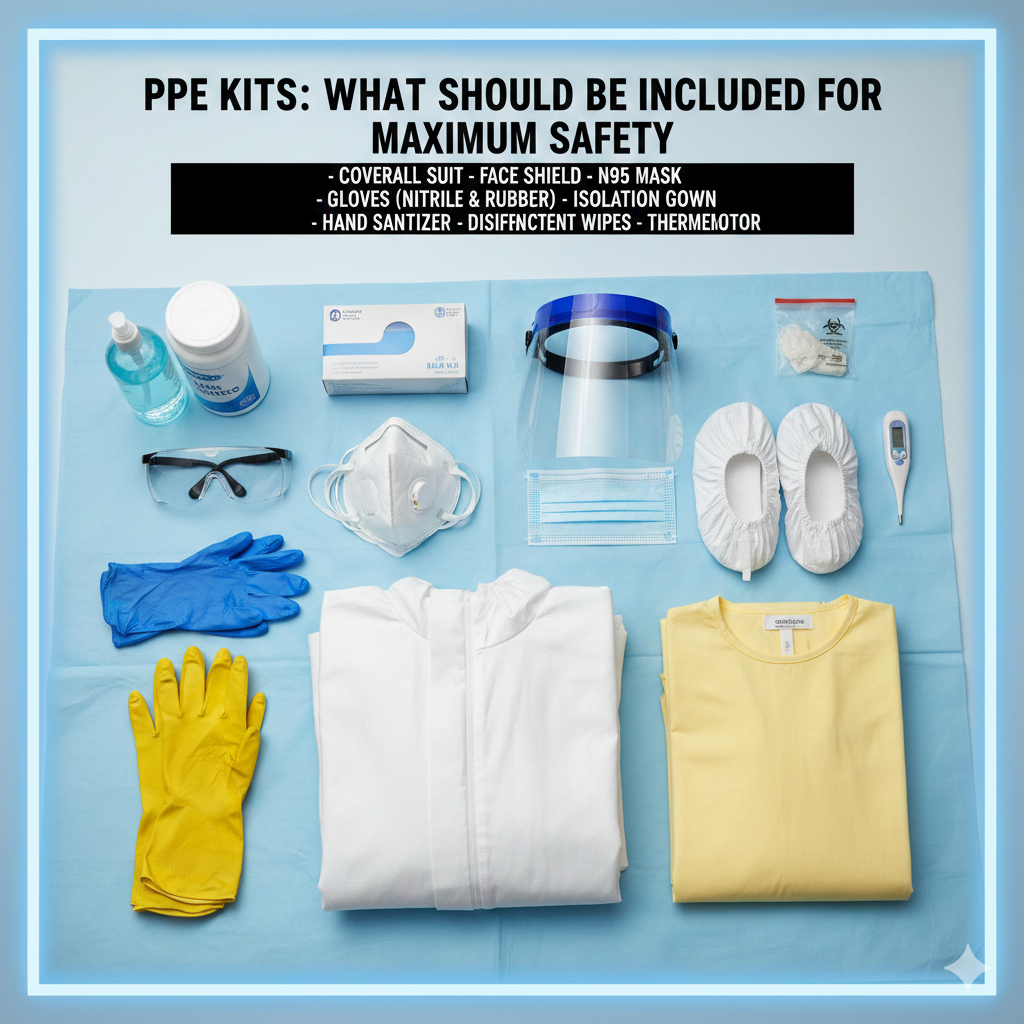
Personal Protective Equipment, commonly known as PPE, plays a critical role in protecting workers from serious injuries, health risks, and even death. In industries such as fire safety, construction, manufacturing, oil and gas, healthcare, and chemical handling, PPE kits are not optional; they are a basic requirement for safe operations.
In Pakistan, awareness about workplace safety is improving, but many businesses still lack proper understanding of what a complete PPE kit should include. Often, companies provide helmets or gloves only, thinking that is enough. In reality, a PPE kit is a complete system of protection designed to guard the head, eyes, face, hands, body, feet, and respiratory system.
This article explains in detail what should be included in a PPE kit for maximum safety, why each item is important, and how PPE connects with Fire Safety Equipment to create a safer working environment.
Understanding the Purpose of PPE Kits
Fire Safety Trading (Pvt)
ToggleThe main purpose of PPE is to reduce exposure to hazards that cannot be completely eliminated through engineering controls or safe work practices. Hazards may include fire, heat, smoke, chemicals, sharp objects, falling materials, electrical risks, and toxic gases.
A PPE kit works as the last line of defense. When machines fail, procedures are ignored, or unexpected incidents occur, PPE helps prevent injuries and saves lives. Especially in fire-related environments, PPE and Fire Safety Equipment work together to protect both property and people.
Head Protection: Safety Helmets and Hard Hats
Head injuries are among the most common workplace accidents. Falling objects, low-hanging structures, and accidental impacts can cause severe damage.
A proper PPE kit must include a high-quality safety helmet or hard hat. These helmets are designed to absorb shock and protect the skull and brain. In fire-prone areas, helmets should also be heat-resistant and made from non-conductive materials.
Some advanced helmets include face shields and ear protection attachments. In fire safety operations, helmets are often designed to work alongside other Fire Safety Equipment such as fire-resistant suits and breathing apparatus.
Eye Protection: Safety Goggles and Glasses
Eyes are extremely sensitive and vulnerable to injury. Dust, sparks, chemicals, smoke, and flying particles can cause permanent damage if eyes are not protected.
A PPE kit should include safety goggles or protective glasses depending on the nature of work. For fire safety and chemical handling, goggles should be sealed properly to prevent smoke or liquid entry. Anti-fog and scratch-resistant lenses improve visibility and comfort.
In environments where Fire Safety Equipment is actively used, such as fire extinguishers or foam systems, eye protection becomes even more important due to splashes and smoke.
Face Protection: Face Shields and Masks
Face protection goes beyond eye safety. Face shields protect the entire face from heat, flames, chemical splashes, and flying debris.
For firefighters and industrial workers, face shields are often attached to helmets and made of heat-resistant materials. In medical and chemical environments, protective masks or shields help prevent exposure to harmful substances.
Face protection complements Fire Safety Equipment by allowing workers to perform emergency actions safely without risking facial burns or injuries.
Respiratory Protection: Masks and Breathing Apparatus
One of the biggest dangers during fires is smoke inhalation. Toxic gases, carbon monoxide, and lack of oxygen can be deadly within minutes.
A complete PPE kit must include respiratory protection suited to the job. Simple dust masks may be enough for basic environments, but fire safety operations require advanced respirators or self-contained breathing apparatus (SCBA).
SCBA units are essential Fire Safety Equipment for firefighters, allowing them to breathe safely in smoke-filled environments. For industrial workers, cartridge respirators protect against chemicals and fumes.
Choosing the right respiratory equipment depends on hazard assessment, but ignoring this component can lead to serious health risks.
Hand Protection: Safety Gloves
Hands are constantly exposed to hazards such as heat, sharp tools, chemicals, and electrical risks. Safety gloves are a critical part of any PPE kit.
Different tasks require different types of gloves. Heat-resistant gloves are used in fire safety and welding. Chemical-resistant gloves protect against acids and solvents. Cut-resistant gloves reduce injuries from sharp materials.
In fire safety operations, gloves are designed to work with other Fire Safety Equipment, providing both flexibility and thermal protection.
Body Protection: Protective Clothing and Coveralls
Protective clothing forms the core of a PPE kit. This includes coveralls, jackets, trousers, and full-body suits depending on the risk level.
Fire-resistant clothing is essential in industries where heat and flames are present. These garments are made from special materials that do not ignite easily and reduce burn injuries.
In chemical industries, protective suits prevent harmful substances from contacting the skin. Reflective clothing is also used in emergency situations to improve visibility.
When combined with Fire Safety Equipment like fire extinguishers and alarms, proper body protection ensures safer emergency response.
Foot Protection: Safety Shoes and Boots
Feet are often overlooked, but injuries to feet can lead to long-term disability. Heavy objects, sharp materials, slippery surfaces, and fire hazards all pose risks.
Safety shoes with steel toes protect against crushing injuries. Fire-resistant boots protect against heat and molten materials. Slip-resistant soles reduce the risk of falls.
In fire safety environments, boots are designed to withstand high temperatures and work effectively with other Fire Safety Equipment used during rescue and firefighting operations.
Hearing Protection: Earplugs and Earmuffs
In noisy industrial environments, long-term exposure to high noise levels can cause permanent hearing loss.
PPE kits should include earplugs or earmuffs when noise exceeds safe limits. Fire safety equipment such as alarms, pumps, and generators can create high noise levels, making hearing protection essential during extended operations.
High-Visibility Gear: Vests and Reflective Accessories
Visibility is crucial in emergency situations, low-light environments, and outdoor worksites.
High-visibility vests and reflective strips help workers stay visible to machinery operators and emergency responders. Fire safety teams often use reflective gear to remain visible in smoke-filled or dark areas.
This type of PPE works hand in hand with Fire Safety Equipment during rescue and evacuation processes.
Fall Protection Equipment
In construction and maintenance work, falls are a leading cause of serious injuries.
A proper PPE kit for such environments includes safety harnesses, lanyards, and anchor systems. While not directly fire-related, fall protection is often required in facilities that also use Fire Safety Equipment like fire exits and emergency ladders.
Importance of PPE Maintenance and Inspection
Providing PPE is not enough. Regular inspection and maintenance are essential to ensure effectiveness.
Helmets should be checked for cracks, gloves for wear, and respirators for proper sealing. Fire Safety Equipment and PPE should be inspected together as part of a complete safety system.
Damaged or expired PPE must be replaced immediately to avoid failure during emergencies.
Training and Proper Usage of PPE Kits
Even the best PPE kit is useless if workers do not know how to use it properly.
Training should cover correct wearing methods, limitations of PPE, and emergency procedures. Workers should understand how PPE supports Fire Safety Equipment during fire incidents and other hazards.
In Pakistan, regular safety training can significantly reduce workplace accidents and improve compliance with safety regulations.
PPE Kits and Fire Safety Equipment: A Complete Safety Solution
PPE kits and Fire Safety Equipment are two sides of the same coin. Fire extinguishers, fire alarms, hose reels, and suppression systems control fires, while PPE protects the people handling these systems.
A workplace that invests in both PPE and Fire Safety Equipment creates a strong safety culture. This approach not only saves lives but also reduces downtime, legal risks, and financial losses.
Choosing the Right PPE Supplier
Quality matters when it comes to safety. Always choose certified PPE from trusted suppliers who understand local regulations and industry needs.
In Pakistan, businesses should ensure that PPE meets international standards and is suitable for local working conditions. Fire Safety Equipment suppliers often provide complete safety solutions, including PPE kits tailored to specific industries.
Final Thoughts
A PPE kit is not just a box of safety items; it is a life-saving system designed to protect workers from multiple hazards. From head to toe, every component plays a vital role in reducing injuries and fatalities.
For maximum safety, PPE kits must be complete, properly maintained, and supported by training and awareness. When combined with reliable Fire Safety Equipment, PPE creates a safer and more responsible working environment.
Investing in proper PPE is not an expense; it is a responsibility. It shows commitment to worker safety, legal compliance, and long-term business success.
Read More Articles: