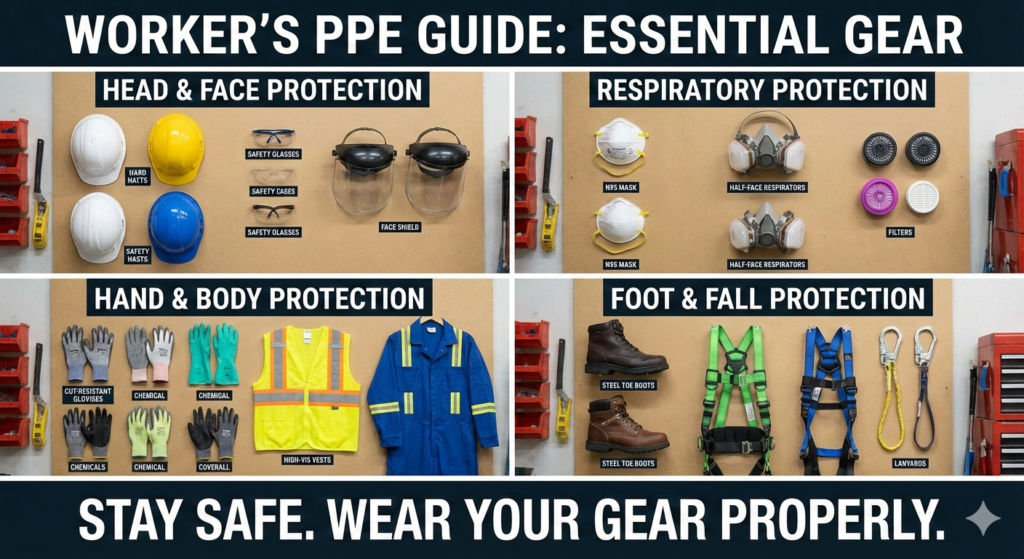
Personal Protective Equipment (PPE) is essential for safeguarding workers from hazards that can cause injury, illness, or even death. Whether you work in construction, manufacturing, chemical industries, or offices where fire safety is critical, understanding and using PPE correctly is crucial. This guide will explain everything about PPE, its types, importance, proper usage, and maintenance, helping workers stay safe in their workplaces.
What is PPE and Why is it Important?
PPE refers to specialized clothing, equipment, or devices worn by workers to protect themselves from physical, chemical, electrical, or mechanical hazards. Its primary purpose is to reduce exposure to dangers that cannot be fully eliminated through workplace safety measures.
Workplace accidents can have serious consequences, including burns, cuts, fractures, respiratory issues, and long-term health problems. For example, in environments where fire risks are present, workers must know how to handle fire hazards and use equipment like fire extinguishers properly. Even a well-maintained fire extinguisher requires periodic checks and refills to remain functional. Many workers search for services such as a “fire extinguisher refilling service near me” or “co2 fire extinguisher refilling near me” to ensure their safety equipment is ready when needed.
Types of PPE
PPE comes in several forms depending on the hazards present in the workplace. Here’s a detailed look at the main types:
-
Head Protection
Hard hats or helmets protect workers from head injuries caused by falling objects, collisions, or electrical hazards. In construction sites, factories, and warehouses, wearing a helmet is mandatory to prevent serious injuries. -
Eye and Face Protection
Safety goggles, face shields, and welding masks protect the eyes and face from flying debris, chemicals, sparks, or intense light. Industries dealing with chemicals or hot machinery must use eye protection consistently. -
Hearing Protection
Exposure to high noise levels can lead to permanent hearing damage. Earplugs and earmuffs reduce noise exposure, especially in factories, airports, or construction sites. -
Respiratory Protection
Respirators and masks protect workers from inhaling harmful dust, smoke, fumes, or toxic gases. Firefighters and industrial workers often require specialized respirators. -
Hand and Arm Protection
Gloves made from different materials protect against chemicals, heat, cuts, and infections. Choosing the right glove is essential, depending on the type of hazard. -
Body Protection
Protective clothing, such as aprons, coveralls, or flame-resistant suits, shields the body from chemicals, heat, sparks, or sharp objects. Workers dealing with fire hazards often require flame-retardant uniforms. -
Foot Protection
Safety boots with reinforced toes prevent injuries from heavy objects or sharp materials. Anti-slip soles are crucial for slippery surfaces. -
Fire Safety PPE
Special PPE, like fire-resistant gloves, boots, and jackets, is designed for firefighting or working in high-risk fire environments. Alongside this, having a properly maintained fire extinguisher is vital. Many workplaces rely on local services, searching for “fire extinguisher refilling shop near me” or “co2 fire extinguisher refilling near me” to keep their equipment functional.
Importance of PPE in Fire Safety
Fire hazards are a common workplace risk, especially in industries handling flammable chemicals, electrical equipment, or kitchens. Proper PPE and fire safety equipment, including fire extinguishers, are essential to prevent injuries and property damage.
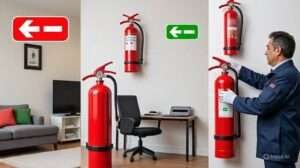
Fire extinguishers come in different types, including CO2, foam, powder, and water. Each type is suitable for specific fire classes, and using the wrong extinguisher can worsen the situation. Regular inspection and refilling of fire extinguishers are crucial. Workers often search online for a “fire extinguisher refilling service near me” to ensure their extinguishers are fully functional. Similarly, CO2 extinguishers, which are ideal for electrical fires, need timely refills, and many rely on “co2 fire extinguisher refilling near me” to find nearby services.
Selecting the Right PPE
Choosing the correct PPE involves identifying workplace hazards, evaluating risk levels, and selecting equipment that meets safety standards. Some steps include:
-
Conducting a risk assessment to identify potential hazards.
-
Selecting PPE based on the type and level of risk.
-
Ensuring PPE fits properly and is comfortable for extended use.
-
Training workers on the correct use and limitations of PPE.
Proper Use of PPE
Simply owning PPE is not enough. Proper usage is key to ensuring protection:
-
Inspect PPE before each use for damage, wear, or contamination.
-
Wear PPE consistently in hazardous areas.
-
Follow manufacturer guidelines for usage and maintenance.
-
Never modify PPE as it can reduce its effectiveness.
Maintenance and Storage of PPE
Maintaining PPE in good condition extends its lifespan and ensures maximum protection. Here are essential tips:
-
Clean PPE after each use according to instructions.
-
Store PPE in a dry, clean area to prevent damage.
-
Replace worn-out or expired equipment immediately.
-
For fire extinguishers, schedule regular inspections and refills. Searching for services like a “fire extinguisher refilling shop near me” helps ensure extinguishers are always ready.
Training Workers on PPE
Even the best PPE will fail if workers are not trained to use it properly. Effective training programs should include:
-
Understanding hazards specific to the workplace.
-
Demonstrating correct PPE usage.
-
Explaining fire extinguisher handling, types, and refill procedures.
-
Conducting drills for emergency situations.
Common Mistakes with PPE
Many workplace accidents happen due to improper use of PPE. Common mistakes include:
-
Not wearing PPE consistently.
-
Using damaged or ill-fitting equipment.
-
Ignoring the maintenance and replacement schedule.
-
Relying solely on PPE without following other safety protocols.
Integrating PPE with Fire Safety Measures
Workplaces should integrate PPE usage with comprehensive fire safety measures. This includes:
-
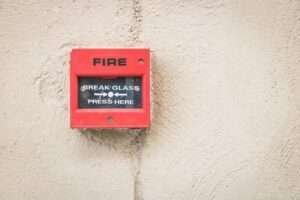
Installing fire alarms and smoke detectors.
-
Providing fire extinguishers in accessible locations.
-
Conducting regular fire drills.
-
Maintaining fire extinguishers through services found via searches like “fire extinguisher refilling service near me.”
CO2 fire extinguishers are particularly important for electrical fires. Workers should know the difference between CO2, foam, and powder extinguishers and schedule refills by looking for “co2 fire extinguisher refilling near me” to keep them operational.
Conclusion
Personal Protective Equipment is not just a regulatory requirement; it is a life-saving investment. Proper selection, usage, maintenance, and training ensure workers are protected from hazards, especially fire-related risks. Alongside PPE, maintaining fire extinguishers is vital, and local services like “fire extinguisher refilling shop near me” or “co2 fire extinguisher refilling near me” play a key role in workplace safety.
By following this guide, workers can significantly reduce accidents, improve safety awareness, and create a safer working environment. Investing in high-quality PPE and fire safety measures is an investment in life, health, and productivity.
Also Read: