Compressed Natural Gas (CNG) is used as an alternative fuel in vehicles and is also associated with certain industrial and commercial applications. In Pakistan, CNG has played an important role in the transport sector, particularly for people looking for alternatives to conventional fuels. However, the use of compressed gas requires careful attention to safety because it is stored under high pressure.
A CNG cylinder is not an ordinary storage container. It is a specialized pressure vessel designed to hold compressed natural gas under specific conditions. Its safety depends on its design, condition, installation, inspection, and maintenance. Poor-quality equipment, unauthorized modifications, damaged components, or a lack of professional inspections can increase the risk of serious incidents.
CNG cylinder safety matters not only to vehicle owners but also to passengers, mechanics, transport operators, service providers, and people nearby. Understanding the risks can help individuals make informed decisions and recognize when professional assistance is necessary.
In Pakistan, responsible CNG use should always involve approved equipment, qualified professionals, and compliance with applicable safety requirements. This article explains five important reasons CNG cylinder safety matters, along with general precautions, responsibilities, and frequently asked questions.
## 1. CNG Cylinders Store Gas Under High Pressure
The first and most important reason CNG cylinder safety matters is the high pressure involved in gas storage.
Unlike ordinary fuel containers, CNG cylinders are specifically engineered to store natural gas in a compressed form. This allows a relatively large amount of gas to be stored in a limited space. However, the pressure inside the cylinder means that its design and condition must meet strict safety requirements.
A cylinder that is damaged, unsuitable, or improperly maintained may not provide the level of protection expected from approved equipment.
Several factors can affect cylinder safety, including:
– Manufacturing quality.
– Compliance with applicable standards.
– Age and service history.
– Exposure to physical damage.
– Corrosion or deterioration.
– Unauthorized modifications.
– Incorrect installation.
Vehicle owners should never assume that every cylinder available in the market is suitable for their vehicle. Equipment should be approved for its intended application and assessed by qualified professionals.
A professional inspection helps determine whether a cylinder remains suitable for continued service. If a cylinder is suspected of being damaged or unsafe, it should not be used until it has been assessed by an authorized specialist.
Understanding the pressure involved helps explain why CNG cylinder safety should never be treated as a minor maintenance issue.
## 2. Proper Cylinder Safety Helps Protect Human Life
The second reason is the protection of drivers, passengers, technicians, and nearby people.
A serious CNG-related incident can affect more than the person operating a vehicle. Passengers, pedestrians, mechanics, and occupants of nearby buildings may also be exposed to danger.
This makes CNG safety a shared responsibility rather than an individual concern.
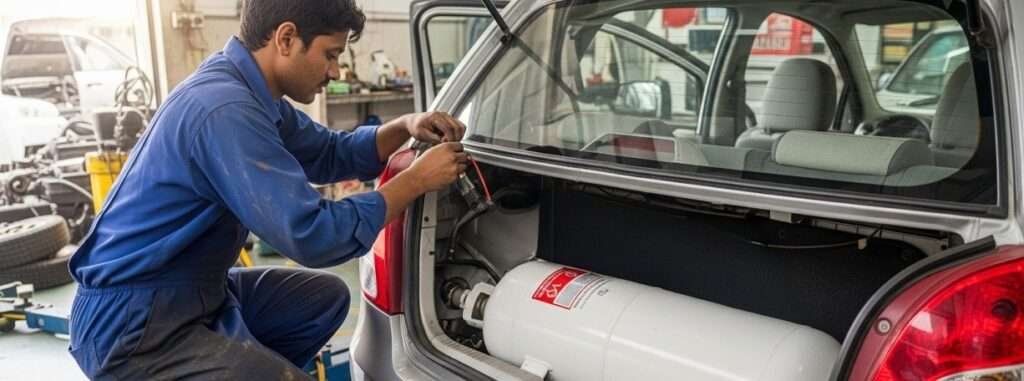
Vehicle owners should ensure that their CNG equipment is installed and maintained by qualified professionals. They should also avoid using equipment that has not been approved for the vehicle or application.
Passengers can contribute to safety by following vehicle instructions and reporting unusual conditions to the driver. Drivers should take concerns seriously instead of continuing to use a vehicle when a potential gas problem has been identified.
Workshops and service providers also have an important role. They should use suitable equipment, follow professional safety procedures, and avoid unauthorized repairs or modifications.
If a gas leak is suspected, everyone should move away from the affected vehicle or area. Avoid flames and do not operate electrical switches near the suspected leak. Contact emergency services or the relevant gas safety authority from a safe location.
People should never attempt to locate or repair a suspected leak themselves.
Protecting human life should always come before convenience, travel plans, or financial considerations.
## 3. Regular Professional Inspections Help Identify Safety Problems
The third reason CNG cylinder safety deserves attention is the importance of professional inspection.
Like other specialized equipment, pressure cylinders can be affected by age, environmental conditions, physical damage, and normal service-related wear. Problems may not always be obvious during an ordinary visual check.
Professional inspections are intended to assess whether the cylinder and its associated equipment remain suitable for use. The exact inspection requirements depend on the cylinder type, applicable standards, manufacturer instructions, and local regulations.
Vehicle owners should keep relevant inspection and service records and follow the requirements communicated by authorized professionals.
A qualified inspection may consider:
– The cylinder’s identification and certification details.
– Its manufacturing and service history.
– Evidence of visible external damage.
– Signs of corrosion or deterioration.
– The suitability of the equipment for its intended application.
– Whether required inspections or tests are up to date.
These checks should be carried out by authorized specialists using approved procedures.
Owners should not attempt pressure testing, internal examination, valve adjustment, or other technical work themselves. Such activities require appropriate facilities, training, and authorization.
A cylinder should not be considered safe simply because it appears normal from the outside. Professional assessment provides a more reliable basis for determining its condition.
## 4. Correct Installation and Approved Equipment Reduce Avoidable Risks
The fourth reason is that a cylinder’s safety depends on more than the cylinder itself.
The complete CNG installation includes several related components. These may include mounting arrangements, connecting equipment, valves, and other parts designed to work together.
If unsuitable components are used or equipment is installed incorrectly, the overall safety of the system may be affected.
For this reason, installation should only be performed by qualified professionals using equipment approved for the specific application.
Vehicle owners should be cautious about:
– Unverified or uncertified cylinders.
– Unauthorized installation work.
– Improvised equipment.
– Unapproved modifications.
– Repairs carried out by unqualified individuals.
– Missing or unclear certification information.
A low purchase price should never be the only factor when choosing CNG equipment. Quality, certification, professional installation, and compliance with relevant requirements are more important considerations.
Homeowners and vehicle owners should also avoid purchasing used pressure cylinders without reliable documentation and professional assessment.
A responsible installation process helps ensure that the equipment is appropriate for its intended use and that safety requirements are considered from the beginning.
## 5. Safe CNG Practices Help Protect Property and the Environment
The fifth reason CNG cylinder safety matters is its potential impact on property and the surrounding environment.
A serious gas-related incident can damage vehicles, workshops, nearby buildings, and other property. It may also disrupt transport services and create risks for people in the surrounding area.
CNG safety is therefore important for businesses, vehicle operators, workshop owners, and the wider community.
Businesses that use CNG-related equipment should establish clear safety responsibilities. They should ensure that employees understand reporting procedures and that maintenance is arranged through qualified service providers.
Vehicle owners should avoid using damaged equipment and should not ignore warning signs. Suspected gas problems should be treated as urgent safety concerns.
Responsible practices also help prevent unnecessary gas releases and support better management of fuel-related equipment.
Property protection is important, but it should never take priority over personal safety. When a suspected leak or dangerous condition occurs, people should move away and seek professional assistance rather than attempt to protect the vehicle or equipment.
## Understanding Common CNG Cylinder Safety Concerns in Pakistan
CNG safety is particularly important in Pakistan because vehicles, transport services, workshops, and other facilities may use different types of gas-related equipment.
The quality and condition of equipment can vary, which makes approved products and professional services especially important.
Some common concerns include:
### Unverified Cylinders
A cylinder without reliable identification or certification information may be difficult to assess. Owners should use equipment that meets applicable requirements and has suitable documentation.
### Unauthorized Repairs
Pressure vessels and related components require specialized knowledge. Repairs by unqualified individuals can create additional safety concerns.
### Poor Maintenance Records
Without proper records, owners may not know when inspections were completed or whether required service conditions have been met.
### Physical Damage
A cylinder exposed to an accident or other significant impact may require professional assessment before it can be considered suitable for further use.
### Inadequate Professional Oversight
Using unqualified workshops or service providers can increase the likelihood of unsuitable equipment and poor maintenance practices.
These concerns show why responsible CNG use requires more than simply purchasing a cylinder and installing it in a vehicle.
## Recognizing General Warning Signs
People should understand that certain unusual conditions may indicate a problem with CNG equipment. Recognizing a concern does not mean attempting to diagnose it.
Potential warning signs include:
– An unusual gas smell.
– Visible damage to a cylinder or associated equipment.
– Unusual sounds near gas-related components.
– Signs of corrosion or deterioration.
– Equipment that has been involved in an accident.
– Missing, damaged, or unclear identification information.
– Concerns raised during a professional inspection.
These signs should be treated seriously. However, individuals should not touch components, investigate suspected leaks, tighten connections, or attempt repairs.
If a gas leak is suspected, move away from the vehicle or affected area. Avoid ignition sources and do not operate electrical switches nearby. Contact emergency services or the appropriate gas safety provider from a safe location.
## Responsibilities of CNG Vehicle Owners
Vehicle owners have an important role in maintaining safe equipment. Responsible ownership involves choosing approved products, arranging professional inspections, and responding appropriately to safety concerns.
Owners should:
1. Use cylinders approved for the intended application.
2. Obtain installation services from qualified professionals.
3. Keep certification and inspection documents.
4. Follow the manufacturer’s requirements and applicable regulations.
5. Arrange inspections at the required intervals.
6. Report suspected damage or unusual conditions.
7. Avoid unauthorized repairs and modifications.
8. Follow professional advice about equipment that is no longer suitable for use.
Vehicle owners should also make sure that anyone responsible for maintaining the vehicle understands that CNG equipment requires specialized attention.
Keeping records of professional inspections and repairs can help owners understand the equipment’s history and make informed maintenance decisions.
## Responsibilities of Workshops and Service Providers
CNG workshops and service providers have a major responsibility because they work directly with specialized gas equipment.
They should employ suitably trained personnel, use approved equipment, and follow relevant safety standards. They should also communicate clearly with customers about inspection findings and any work that may be required.
Professional service providers should:
– Verify the suitability of equipment before installation.
– Follow applicable standards and manufacturer requirements.
– Maintain appropriate service records.
– Avoid unauthorized modifications.
– Inform customers about inspection requirements.
– Refuse work that cannot be completed safely or professionally.
– Follow suitable emergency procedures.
Customers should be able to ask for relevant documentation and understand whether a service provider is qualified to perform the requested work.
Choosing a professional workshop is an important part of responsible CNG ownership.
## CNG Safety and Fire Prevention
Although CNG is primarily a fuel storage and gas safety concern, it is also relevant to wider fire prevention planning.
A suspected gas leak can create a dangerous environment, particularly where ignition sources are present. This is why buildings, workshops, and facilities that handle gas-related equipment should have suitable emergency procedures.
Fire prevention arrangements may include:
– Clear emergency exits.
– Appropriate warning signs.
– Staff awareness and safety training.
– Suitable fire detection arrangements.
– Emergency contact information.
– Professionally maintained fire protection equipment.
– Clear procedures for evacuating affected areas.
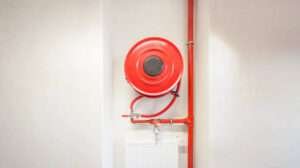
A professionally designed fire alarm system in Pakistan may form part of a wider fire safety plan for workshops, commercial properties, and industrial facilities. The correct arrangement depends on the building’s design, activities, occupancy, and applicable safety requirements.
Fire alarms do not replace safe gas equipment, professional inspections, or proper emergency procedures. All these measures work together to support a safer environment.
## What to Consider Before Choosing CNG Equipment
Choosing suitable equipment is an important decision that should not be based on price alone.
Before purchasing or approving CNG equipment, vehicle owners should consider the following:
### Certification and Compliance
Confirm that the equipment meets the applicable standards and is approved for its intended use.
### Manufacturer Information
Reliable product documentation should identify the manufacturer, product specifications, and relevant safety information.
### Professional Installation
Installation should be completed by a qualified and authorized service provider.
### Inspection Requirements
Understand the applicable inspection schedule and keep records of completed inspections.
### Equipment Compatibility
The cylinder and associated components should be suitable for the vehicle or application.
### After-Sales Support
Choose suppliers and service providers that can explain maintenance requirements and provide appropriate professional support.
These considerations help owners make informed decisions and reduce the risk of relying on unsuitable equipment.
## Why Cutting Costs on CNG Safety Is a Poor Decision
Some vehicle owners may be tempted to reduce expenses by choosing cheaper equipment, delaying inspections, or using unqualified service providers.
Although these choices may appear to save money initially, they can create greater risks and potentially lead to expensive consequences.
Unsafe equipment can affect personal safety, property, and the reliability of a vehicle. It may also result in additional repair costs, service interruptions, or regulatory problems.
Safety-related decisions should therefore be based on quality, suitability, and professional guidance rather than short-term savings.
A responsible owner understands that approved equipment and proper maintenance are essential parts of using compressed gas safely.
## Conclusion
CNG cylinder safety matters because compressed natural gas is stored under high pressure and requires specialized equipment, professional installation, and regular inspection.
The five main reasons include protecting people, maintaining cylinder integrity, ensuring correct installation, identifying problems through professional inspections, and reducing risks to property and the surrounding community.
In Pakistan, responsible CNG use depends on choosing approved equipment, working with qualified service providers, maintaining proper records, and responding quickly to suspected hazards.
Fire prevention should also be part of the wider safety arrangements at workshops and facilities that handle gas-related equipment. A suitable fire alarm system in Pakistan can support early warning, but it cannot replace safe cylinder management and professional maintenance.
Ultimately, CNG safety is a shared responsibility. Vehicle owners, passengers, workshop operators, suppliers, and property managers all have a role in creating safer conditions. Giving proper attention to cylinder safety is not simply a technical requirement; it is an important step toward protecting lives and property.
## Frequently Asked Questions (FAQs)
### 1. Why is CNG cylinder safety important?
CNG cylinders store natural gas under high pressure. Damaged, unsuitable, or poorly maintained equipment can create serious safety risks. Approved cylinders, professional installation, and regular inspections help reduce these risks.
### 2. How often should a CNG cylinder be inspected?
Inspection requirements depend on the cylinder type, manufacturer instructions, applicable standards, and local regulations. Owners should follow the schedule provided by authorized professionals and keep inspection records.
### 3. What should I do if I suspect a CNG gas leak?
Move away from the vehicle or affected area immediately. Avoid flames and do not operate electrical switches nearby. Contact emergency services or the appropriate gas safety provider from a safe location. Never attempt to locate or repair the leak yourself.
### 4. Can a damaged CNG cylinder continue to be used?
A cylinder that may have been damaged should not be used until it has been assessed by an authorized professional. Physical damage, corrosion, or involvement in an accident may affect its suitability for continued service.
5. Why should CNG cylinders be installed by qualified professionals?
CNG equipment involves high-pressure gas and specialized components. Qualified professionals understand the relevant standards, equipment requirements, and installation procedures. Professional installation helps reduce risks associated with unsuitable equipment and unauthorized modifications.