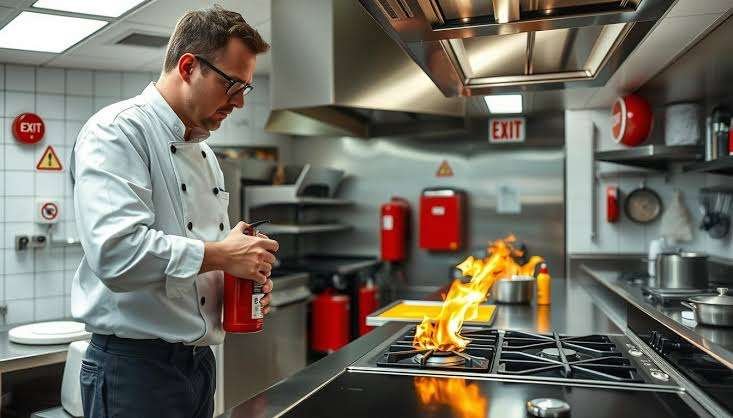
The kitchen is one of the most frequently used areas in any home, restaurant, hotel, office, or commercial building. It is where people prepare meals, operate electrical appliances, store cooking ingredients, and use different types of equipment every day. However, the combination of heat, electricity, cooking oils, and combustible materials can make kitchens particularly vulnerable to fire hazards.
Kitchen fires can happen in residential and commercial settings. A moment of carelessness, poorly maintained equipment, an electrical fault, or an unattended cooking activity may create a dangerous situation. Even a small incident can damage property, interrupt daily activities, and put people at risk.
In Pakistan, kitchen fire safety deserves particular attention because cooking arrangements vary widely. Some households use gas appliances, while others depend on electric cooking equipment. Restaurants, hotels, and commercial kitchens may operate several cooking stations for extended periods, increasing the importance of professional inspections and suitable safety arrangements.
Fortunately, many kitchen fire risks can be reduced through simple precautions, proper maintenance, and awareness. Investing in suitable smoke detection, fire alarm systems, and emergency planning can make a significant difference.
A properly designed Fire alarm system in Pakistan can provide an early warning when potential fire conditions are detected. This gives occupants an opportunity to follow emergency procedures and move toward safety.
This guide explains common kitchen fire hazards, practical prevention measures, the importance of fire safety equipment, and the steps homes and businesses can take to create safer cooking environments.
1. Understanding Common Kitchen Fire Hazards
The first step toward kitchen fire safety is understanding what can cause a fire. Kitchens contain several potential hazards because cooking activities involve heat, electrical equipment, fuel sources, and materials that may catch fire.
Some common kitchen fire hazards include:
– Unattended cooking activities.
– Cooking oil and grease.
– Poorly maintained electrical appliances.
– Damaged electrical connections.
– Gas appliance faults.
– Combustible materials near cooking equipment.
– Excessive grease accumulation.
– Inadequate ventilation.
– Improper storage of cleaning products.
These hazards can exist in both small home kitchens and large commercial cooking facilities.
For example, a restaurant kitchen may contain multiple cooking appliances, refrigeration equipment, electrical installations, and storage areas. A household kitchen may be smaller, but it can still contain several potential ignition sources.
Understanding these risks helps property owners identify areas that require attention.
2. Never Leave Cooking Unattended
Unattended cooking is one of the most common kitchen fire risks. People may leave the kitchen to answer a phone call, attend to another household activity, or speak with someone in another room.
When cooking continues without supervision, a developing problem may go unnoticed.
Cooking equipment can become extremely hot, and food or cooking oil may reach unsafe temperatures. A situation that initially appears ordinary can quickly become dangerous.
Why supervision matters
Remaining attentive while cooking helps people notice unusual conditions early. It also reduces the possibility of forgetting that an appliance is operating.
In commercial kitchens, staff responsibilities and busy working conditions can make supervision particularly important.
How to reduce the risk
– Stay attentive whenever cooking equipment is in use.
– Avoid leaving active cooking unattended.
– Keep children away from hot cooking areas.
– Follow the manufacturer’s instructions for appliances.
– Turn off cooking equipment when it is no longer required.
– Ensure commercial kitchen staff understand their responsibilities.
If you need to leave the kitchen, make sure cooking activities are stopped safely rather than leaving equipment operating without supervision.
3. Keep Cooking Areas Clean and Free from Grease
Grease and cooking residue can accumulate on kitchen surfaces, equipment, filters, and nearby areas. Over time, this buildup can increase fire risks.
Commercial kitchens may be particularly affected because they often prepare large quantities of food and use cooking equipment for extended periods.
Grease deposits can collect around cooking appliances, extraction systems, and other surfaces if cleaning schedules are neglected.
Why cleanliness is important
Accumulated grease and food residue may provide additional combustible material. If exposed to sufficient heat or flames, these deposits can contribute to fire spread.
A clean kitchen also makes it easier to identify damaged equipment, blocked ventilation, and other maintenance concerns.
How to maintain a safer kitchen
– Follow a regular cleaning schedule.
– Arrange professional cleaning of commercial extraction systems.
– Keep cooking areas free from unnecessary packaging.
– Store cleaning products according to manufacturer instructions.
– Arrange maintenance when grease buildup is difficult to remove safely.
– Make cleaning responsibilities clear to kitchen staff.
Commercial kitchens should follow suitable hygiene and maintenance procedures. Cleaning work involving equipment or systems that require specialist attention should be performed by qualified personnel.
4. Pay Attention to Electrical Kitchen Appliances
Modern kitchens contain many electrical appliances, including refrigerators, microwaves, electric ovens, kettles, mixers, and food processors.
Although these appliances make cooking more convenient, damaged equipment or unsuitable electrical installations can create safety concerns.
Frequent appliance use may also make regular maintenance important, particularly in busy kitchens.
Common electrical warning signs
People should pay attention to:
– Damaged power cords.
– Cracked plugs or visible electrical damage.
– Unusual burning smells.
– Repeated electrical interruptions.
– Abnormal heating around equipment.
– Sparks or unusual sounds from appliances.
These signs should not be ignored.
How to reduce electrical fire risks
– Purchase appliances from reliable suppliers.
– Follow manufacturer instructions.
– Avoid overloading electrical outlets.
– Keep electrical equipment in suitable condition.
– Arrange inspections by qualified electricians.
– Stop using equipment that appears damaged and seek professional assessment.
Never attempt to open electrical appliances, repair wiring, or modify protective devices yourself.
If an electrical fire is suspected, move away, evacuate the area, avoid touching damaged equipment or exposed wiring, and contact emergency services from a safe location. Never use water on an electrical fire.
5. Understand Gas Kitchen Safety
Gas cooking equipment is common in many Pakistani homes and commercial kitchens. It can provide an effective cooking solution, but gas installations require careful attention and professional maintenance.
Damaged equipment, unsuitable connections, poor ventilation, or neglected servicing may create dangerous conditions.
A suspected gas leak should always be treated seriously.
Signs that require attention
Possible warning signs include an unusual gas smell or concerns about the condition of gas equipment.
People should not attempt to inspect, adjust, repair, or test gas connections themselves.
Important safety precautions
– Arrange installation and maintenance through qualified professionals.
– Follow the manufacturer’s instructions.
– Keep cooking areas appropriately ventilated.
– Ensure gas equipment is suitable for its intended use.
– Keep children away from cooking appliances.
– Report suspected faults promptly.
If a gas leak is suspected, leave the affected area, avoid flames and electrical switches nearby, and contact the relevant emergency service or qualified gas provider from a safe location.
Do not attempt to locate or repair the leak yourself.
6. Keep Flammable Materials Away from Cooking Equipment
Kitchens contain several everyday items that may catch fire if placed too close to heat sources.
These may include paper towels, cardboard packaging, cloths, plastic containers, cooking oil, and certain cleaning products.
When these items are stored carelessly, they can increase the amount of combustible material near cooking equipment.
Why storage matters
A kitchen should be organized so that unnecessary combustible materials are not placed close to hot surfaces or appliances.
In commercial kitchens, storage arrangements are especially important because packaging, ingredients, and cleaning supplies may be present in larger quantities.
Safer storage practices
– Keep paper and cardboard away from cooking equipment.
– Store cooking oils in suitable designated areas.
– Follow product labels for cleaning chemicals.
– Avoid placing cloths or packaging near hot appliances.
– Keep unnecessary items away from cooking stations.
– Maintain clear access to exits and safety equipment.
Good storage habits can reduce avoidable hazards and make the kitchen easier to maintain.
7. Install Suitable Smoke Detection and Fire Alarm Systems
Early warning is an important part of kitchen fire safety. A developing fire may not be noticed immediately, particularly when people are in another room or when a commercial kitchen is busy.
Suitable smoke detection and alarm arrangements can help alert occupants to potential danger.
However, kitchen environments require careful system selection because normal cooking activities may produce heat, steam, or smoke that affects detector suitability.
Why professional system design matters
Different detection technologies are designed for different conditions. A detector suitable for a bedroom may not be appropriate for a busy commercial cooking area.
A professional assessment can help determine suitable detection locations and equipment based on:
– Kitchen size and layout.
– Type of cooking equipment.
– Ventilation arrangements.
– Expected heat and steam conditions.
– Occupancy and building use.
– Applicable fire safety requirements.
A properly planned Fire alarm system in Pakistan should be selected according to the building’s actual requirements.
The system may include suitable detectors, manual call points, control equipment, and audible or visual notification devices, depending on the design.
Maintenance is equally important
Installing an alarm system is not enough. It should receive appropriate professional testing, inspection, and maintenance according to the manufacturer’s recommendations and applicable requirements.
Occupants should also understand what to do when an alarm activates. Every warning should be taken seriously and handled according to the emergency plan.
8. Keep Appropriate Fire Safety Equipment Available
Suitable fire safety equipment can support emergency arrangements when selected and installed according to professional recommendations.
However, not every type of equipment is appropriate for every kitchen fire. Cooking oil fires and electrical fires require particular attention because an unsuitable response can make a dangerous situation worse.
Why equipment selection matters
Different fire risks require different types of protection. For example, equipment designed for ordinary combustible materials may not be suitable for cooking oil fires.
Commercial kitchens may require specially selected equipment based on their cooking appliances, layout, and risk assessment.
Important considerations
– Select equipment appropriate for the identified fire risks.
– Follow applicable safety requirements.
– Ensure equipment is accessible and properly maintained.
– Provide suitable information and training to authorized staff.
– Arrange professional inspections and servicing.
– Replace damaged or expired equipment according to its requirements.
Ordinary occupants should never approach a dangerous kitchen fire or attempt to use equipment beyond their training. Evacuation and personal safety must always come first.
9. Maintain Proper Kitchen Ventilation
Ventilation is important in both household and commercial kitchens. It helps manage heat, cooking fumes, and airborne particles produced during food preparation.
Poorly maintained ventilation systems may allow grease and residue to accumulate, particularly in commercial extraction equipment.
These deposits can create additional fire safety concerns.
Why ventilation maintenance matters
Commercial cooking facilities often use extraction systems to manage heat and cooking by-products. When these systems are neglected, grease buildup and equipment problems may affect kitchen safety.
Ventilation systems should therefore be included in the building’s regular maintenance programme.
How to reduce ventilation-related risks
– Follow the manufacturer’s maintenance instructions.
– Arrange professional inspection of extraction systems.
– Ensure ventilation equipment is suitable for the kitchen.
– Address unusual equipment performance promptly.
– Maintain cleaning records where appropriate.
– Avoid unauthorized changes to ventilation installations.
Qualified service providers should handle specialist maintenance and repairs.
10. Prepare a Clear Kitchen Fire Emergency Plan
Even with good prevention measures, every home and commercial kitchen should have a clear emergency plan.
A plan helps occupants understand how to respond if smoke, flames, or another dangerous condition develops.
Without clear instructions, people may become confused or delay evacuation.
What an emergency plan should include
A suitable plan should identify:
– Emergency exits and escape routes.
– A safe assembly location.
– Emergency contact information.
– Alarm and warning procedures.
– Responsibilities of designated staff.
– Arrangements for people who need evacuation assistance.
– Procedures for reporting an incident.
Commercial kitchens should ensure that employees receive suitable fire safety awareness training.
Residential occupants should also know how to leave the building safely and where to seek help.
The most important emergency priorities
If a fire develops:
1. Warn others if it is safe to do so.
2. Leave the affected area and follow the evacuation plan.
3. Contact emergency services from a safe location.
4. Do not approach a dangerous fire.
5. Do not return to collect personal belongings.
6. Do not re-enter until authorities confirm that the area is safe.
People should never risk their safety to protect kitchen equipment, food, or property.
Kitchen Fire Safety in Restaurants and Commercial Buildings
Commercial kitchens often have more complex fire safety requirements than household kitchens. Restaurants, hotels, catering facilities, hospitals, and food production businesses may operate several cooking appliances at the same time.
They may also have extraction systems, storage rooms, electrical equipment, and multiple employees working in limited spaces.
For these reasons, commercial kitchen safety should be managed through a documented and professionally assessed fire safety programme.
Important considerations include:
Staff Awareness
Employees should understand the kitchen’s fire safety rules, evacuation procedures, and reporting responsibilities.
Equipment Maintenance
Cooking appliances, electrical installations, ventilation systems, and fire protection equipment should be inspected according to their requirements.
Safe Storage
Combustible materials and cleaning products should be stored in appropriate locations.
Emergency Access
Corridors, exits, and access routes should remain clear.
Professional Risk Assessment
A qualified fire safety professional should assess the kitchen and recommend suitable protection measures.
These arrangements help businesses maintain safer working environments for employees and customers.
The Financial Benefits of Investing in Kitchen Fire Safety
Kitchen fire prevention may require an initial investment in maintenance, inspections, detection systems, and suitable safety equipment. However, these costs are generally easier to manage than the potential consequences of a major fire.
A fire can create expenses involving property repairs, equipment replacement, business interruption, stock losses, and professional restoration.
It may also affect customer confidence and the reputation of a business.
Investing in kitchen fire safety can help reduce avoidable risks and support business continuity.
The benefits include:
– Better protection for occupants.
– Reduced likelihood of preventable incidents.
– Improved awareness among employees and residents.
– More reliable emergency arrangements.
– Better maintenance of kitchen equipment.
– Reduced potential for property damage.
– Greater confidence among customers and visitors.
The goal is not simply to purchase more equipment. It is to make sure the selected safety measures are suitable, professionally installed, and properly maintained.
Common Kitchen Fire Safety Mistakes to Avoid
Some kitchen fire incidents are associated with everyday habits that people may overlook.
Common mistakes include:
1. Leaving cooking unattended.
2. Allowing grease to accumulate on kitchen surfaces and extraction equipment.
3. Ignoring damaged electrical appliances.
4. Neglecting professional maintenance of gas equipment.
5. Storing combustible materials near cooking appliances.
6. Using unsuitable fire safety equipment.
7. Blocking access to emergency exits.
8. Ignoring smoke detector or alarm warnings.
9. Failing to train commercial kitchen employees.
10. Treating fire safety as an occasional responsibility rather than a regular practice.
Avoiding these mistakes requires consistent awareness and responsible maintenance.
Conclusion
Kitchen fire safety is an important responsibility for every household, restaurant, hotel, office, and commercial food facility. Although kitchens contain several potential hazards, many risks can be reduced through careful cooking habits, professional equipment maintenance, suitable storage, proper ventilation, and emergency planning.
A small investment in safety awareness and preventive maintenance can help protect valuable property and, most importantly, human lives.
Smoke detection and suitable alarm arrangements are also essential parts of a complete kitchen safety strategy. A properly planned Fire alarm system in Pakistan can provide an important early warning, while professional inspections help ensure that the system remains suitable for the building.
Kitchen fire safety should never depend on luck or last-minute action. By identifying hazards, maintaining equipment, training staff, and preparing clear emergency procedures, property owners can create safer cooking environments and reduce the potential cost of fire incidents.
Frequently Asked Questions (FAQs)
1. What are the most common causes of kitchen fires?
Common kitchen fire hazards include unattended cooking, cooking oil and grease, damaged electrical appliances, gas equipment faults, combustible materials near heat sources, and poor equipment maintenance.
2. How can I make my home kitchen safer from fire?
Stay attentive while cooking, keep combustible materials away from hot appliances, maintain electrical equipment, arrange professional servicing of gas appliances, and keep emergency exits accessible. Suitable smoke detection and alarm arrangements are also important.
3. Why is a fire alarm system important in a kitchen?
A suitable fire alarm system can provide an early warning when potential fire conditions are detected. It helps occupants become aware of an emergency and follow the building’s evacuation procedures. The system should be selected according to the kitchen environmen