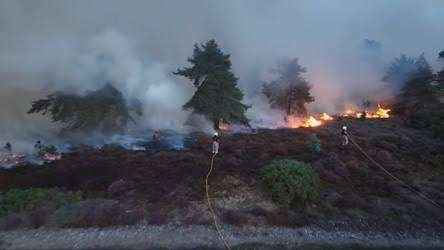
Summer brings higher temperatures, dry weather, increased electricity consumption, and greater dependence on cooling equipment. While these conditions are part of everyday life, they can also increase certain fire risks in homes, offices, factories, warehouses, shops, and public buildings.
In Pakistan, summer temperatures can become extremely high in many regions. People often use air conditioners, fans, refrigerators, water pumps, and other electrical appliances for longer periods. Businesses may also experience increased demand for cooling systems and backup power. If electrical installations, equipment, or fire safety arrangements are poorly maintained, these conditions can contribute to dangerous situations.
Ignoring summer fire hazards can have consequences far beyond repairing damaged property. A fire may interrupt business operations, destroy important documents, affect employees and customers, damage neighbouring properties, and create serious risks to human life.
Preventing these incidents requires awareness, responsible maintenance, professional inspections, and reliable emergency arrangements. A properly planned Fire alarm system in Pakistan can help provide early warnings, allowing occupants to respond according to an established emergency plan.
This article explains the real costs of ignoring summer fire hazards, the common risks associated with hot weather, and the safety measures that can help protect people and property.
1. Property Damage Can Create Major Financial Losses
One of the most immediate costs of a fire is damage to property. A small incident can affect furniture, electrical appliances, machinery, stock, building materials, documents, and other valuable belongings.
In homes, fire damage may affect kitchens, bedrooms, living areas, electrical installations, and personal possessions. In commercial buildings, the financial impact can be even greater because businesses may depend on expensive equipment, computers, inventory, and specialized machinery.
Summer conditions can increase certain risks when electrical systems and cooling equipment are used frequently without proper maintenance.
Why property damage becomes expensive
The cost of a fire is not limited to replacing the items directly affected. Owners may also need to arrange:
Structural inspections.
Professional cleaning and restoration.
Replacement of damaged electrical equipment.
Repairs to walls, ceilings, and other building components.
Replacement of furniture and business inventory.
Temporary accommodation or alternative business premises.
Professional safety assessments before reoccupation.
Some buildings may require extensive restoration before they can be used again.
How to reduce this risk
Property owners should arrange regular inspections of electrical installations and cooling equipment through qualified professionals. Damaged appliances, unusual electrical conditions, and other potential hazards should be reported promptly.
Important documents and business records should also be protected through suitable backup and storage arrangements.
2. Business Interruptions Can Affect Income and Reputation
A fire in a commercial building can interrupt normal operations for days, weeks, or even longer. Even when the physical damage appears limited, businesses may need to stop operating while safety inspections, repairs, and cleaning take place.
For businesses in Pakistan, this interruption can affect shops, restaurants, offices, factories, warehouses, and service providers.
The financial impact of business interruption
When a workplace becomes unusable, a business may experience several losses:
Reduced sales and revenue.
Delayed customer orders.
Missed delivery commitments.
Employee work disruptions.
Loss of inventory.
Additional repair and operating expenses.
Temporary relocation costs.
A business may also struggle to maintain customer confidence if it cannot provide products or services on time.
For smaller businesses, even a short interruption can create financial pressure because they may have limited savings or alternative premises.
How to reduce this risk
Business owners should include fire prevention and emergency planning in their regular management activities.
A suitable plan should cover:
Fire risk assessments.
Professional electrical inspections.
Maintenance of fire detection and alarm systems.
Clear evacuation procedures.
Staff awareness and training.
Protection of essential business records.
Appropriate business continuity arrangements.
Businesses should also review their insurance policies to understand what types of fire-related losses may be covered and what conditions apply.
3. Electrical Problems Can Become More Serious During Summer
Electrical equipment often works for longer periods during hot weather. Air conditioners, refrigerators, fans, water pumps, computers, and other appliances may operate for extended hours.
When electrical installations are poorly maintained or equipment is unsuitable for its intended use, the risk of electrical faults may increase.
Possible warning signs include unusual burning smells, visible damage, repeated electrical interruptions, or abnormal heating around electrical equipment.
These signs should never be ignored.
Why electrical safety matters
Electrical faults can contribute to overheating and fire incidents. Poor installation, damaged cables, overloaded circuits, and unsuitable equipment may create dangerous conditions.
High temperatures can also make existing equipment problems more concerning, particularly when systems are operating under heavy demand.
How to reduce this risk
Electrical installations should be inspected and maintained by qualified electricians.
Property owners and building managers should:
Use appropriately rated electrical equipment.
Arrange professional inspections of electrical installations.
Avoid overloading electrical outlets.
Replace damaged appliances through qualified service providers.
Report unusual electrical conditions promptly.
Follow manufacturer maintenance recommendations.
People should never attempt to open electrical panels, repair wiring, or modify protective devices themselves.
If an electrical fire is suspected, occupants should move away, evacuate, avoid touching damaged equipment or exposed wiring, and contact emergency services from a safe location. Water must never be used on an electrical fire.
4. Air Conditioning and Cooling Equipment Need Proper Maintenance
Air conditioning systems are used extensively during summer in many parts of Pakistan. They provide comfort in homes, offices, shops, hospitals, and other buildings.
However, cooling equipment contains electrical and mechanical components that require appropriate inspection and maintenance.
Neglected equipment may develop faults, experience reduced performance, or create additional safety concerns.
Common maintenance concerns
Potential problems may include:
Damaged electrical components.
Poor installation.
Blocked ventilation around equipment.
Neglected manufacturer-recommended servicing.
Unsuitable electrical connections.
Worn or damaged equipment components.
These issues should be assessed by qualified technicians rather than handled through improvised repairs.
How to reduce this risk
Air conditioning systems should be serviced according to manufacturer recommendations. Professional technicians should inspect equipment, assess its condition, and address any faults.
Building managers should also maintain records of servicing and repairs, particularly in offices and commercial properties where multiple cooling systems may be installed.
Regular maintenance supports reliable operation and helps identify potential problems before they become more serious.
5. Poor Fire Detection Can Delay Emergency Response
A fire can develop before occupants notice smoke, heat, or other warning signs. This is especially concerning in large buildings, warehouses, offices, and properties with multiple rooms or floors.
Without suitable detection and warning arrangements, people may not receive information early enough to follow their emergency procedures.
Why early warning matters
A fire detection and alarm system is designed to identify potential fire conditions and notify occupants.
Depending on the building’s design, a system may include:
Smoke detectors.
Heat detectors.
Manual call points.
Alarm control panels.
Audible alarms.
Visual notification devices.
Monitoring features where required.
The exact system should be selected according to the building’s layout, occupancy, fire risk assessment, and applicable safety requirements.
How to reduce this risk
Property owners should arrange professional design, installation, testing, and maintenance of fire alarm systems.
A suitable Fire alarm system in Pakistan should meet the needs of the specific building rather than being selected only according to price or general advertising claims.
Occupants should also understand the alarm signals and know how to respond when an alert occurs. Warning systems should never be ignored simply because people assume the signal may be false.
6. Smoke Can Cause Serious Harm Even When Flames Are Limited
Many people focus mainly on visible flames when thinking about fire hazards. However, smoke is also a major concern during a fire emergency.
Smoke can spread through corridors, stairwells, service openings, and other parts of a building. It can reduce visibility, make evacuation difficult, and expose occupants to harmful substances.
In a high-rise building, poorly maintained fire doors and unprotected openings may make smoke movement more difficult to control.
Why smoke protection matters
Smoke exposure can affect people even when they are not close to the original fire.
Buildings therefore need suitable fire compartmentation, protected escape routes, and appropriate detection and alarm arrangements.
Fire-resistant construction and properly maintained doors can help limit the spread of fire and smoke when designed and installed as part of an approved system.
How to reduce this risk
Building owners should arrange professional inspections of:
Fire-rated doors.
Protected stairwells.
Fire-resistant walls and ceilings.
Service openings and penetrations.
Smoke detection systems.
Designated evacuation routes.
During an emergency, occupants should follow the building’s evacuation plan, avoid areas affected by smoke, and move to a safe location. They should not re-enter until authorities confirm that it is safe.
7. Neglecting Fire Safety Can Affect Employees and Customers
A workplace fire can affect more than the building and its contents. Employees, customers, visitors, contractors, and emergency responders may all face risks.
Businesses have a responsibility to maintain suitable safety arrangements for people who enter or work within their premises.
This responsibility becomes particularly important during summer when buildings may have high occupancy, increased electrical demand, or other seasonal challenges.
The human cost of poor preparation
A poorly managed emergency can create confusion and delay evacuation. People may not know where to go, which exits are available, or how to contact emergency services.
Employees may also be unfamiliar with the location of assembly points or the building’s emergency instructions.
How to reduce this risk
Employers and building managers should:
Maintain accessible emergency exits.
Display clear evacuation instructions.
Provide suitable fire safety awareness training.
Arrange professionally supervised evacuation drills.
Keep emergency contact information available.
Consider the needs of people requiring evacuation assistance.
Maintain appropriate fire detection and alarm systems.
The purpose of training is to help people understand their responsibilities and follow approved procedures, not to encourage untrained occupants to handle dangerous fires.
8. Insurance and Recovery Costs May Be Higher Than Expected
Some property owners assume that insurance will cover every expense following a fire. However, coverage depends on the policy, insured property, exclusions, conditions, and documentation.
A fire can create costs that are not always immediately obvious.
For example, owners may need to arrange temporary premises, replace equipment, restore records, pay for professional assessments, and manage interrupted operations.
Why financial preparation matters
Even when an insurance claim is accepted, the recovery process may take time. Businesses may still face temporary cash-flow difficulties, while property owners may need to pay expenses that fall outside their policy coverage.
How to reduce this risk
Property and business owners should review their insurance arrangements regularly.
They should understand:
What property is covered.
Whether business interruption coverage is included.
Which exclusions or conditions apply.
Whether equipment and inventory values are up to date.
What documentation is required when making a claim.
Important records should be maintained securely. Professional advice can help owners understand the terms and limitations of their policies.
Insurance can support financial recovery, but it cannot replace fire prevention or emergency planning.
9. Environmental Damage Can Create Long-Term Problems
A fire may affect the surrounding environment as well as the property where it begins.
Burning building materials, furniture, packaging, electrical equipment, and stored products can release smoke and other pollutants. Firefighting and cleanup activities may also create waste that requires appropriate handling.
In industrial and commercial locations, the environmental impact may depend on the materials stored or used on the premises.
Potential environmental consequences
A fire may result in:
Air pollution from smoke.
Contaminated debris.
Damage to nearby property.
Waste disposal challenges.
Possible contamination of surrounding areas.
Additional restoration and cleanup requirements.
These effects may continue after the immediate emergency has ended.
How to reduce this risk
Businesses should maintain suitable storage arrangements and include environmental considerations in their fire risk assessments.
Hazardous or specialized materials should be handled and stored according to applicable requirements. Following an incident, cleanup and waste management should be conducted by appropriately qualified professionals.
10. Emergency Preparedness Can Reduce the Overall Cost of Summer Fire Hazards
One of the most important mistakes property owners make is waiting until a fire incident occurs before taking emergency planning seriously.
A building may have safety equipment, but without a clear response plan, occupants may not know how to use the available information or where to evacuate.
Emergency preparedness helps connect fire prevention, early warning, evacuation, and recovery arrangements.
Important elements of an emergency plan
A suitable plan should consider:
Fire risk assessment: Identify possible hazards and determine which areas need additional attention.
Detection and alarm: Arrange suitable fire detection and warning systems according to professional recommendations.
Escape routes: Keep designated corridors, staircases, and exits accessible.
Emergency communication: Make sure occupants know how warnings and instructions will be communicated.
Training: Provide suitable awareness sessions for employees, residents, and relevant building staff.
Professional maintenance: Arrange inspections of fire safety equipment and building protection systems.
Emergency contacts: Keep relevant emergency contact information available.
Recovery planning: Consider how essential operations, records, and services will be managed after an incident.
These measures can help reduce confusion and improve the building’s ability to respond to an emergency.
Practical Summer Fire Prevention Tips for Homes and Businesses
Summer fire safety should be part of regular property maintenance. Simple awareness measures, combined with professional inspections, can help reduce avoidable risks.
Here are some important precautions:
Arrange regular electrical inspections by qualified professionals.
Keep electrical appliances in suitable condition.
Follow manufacturer recommendations for cooling equipment maintenance.
Avoid overloading electrical outlets.
Keep combustible materials away from equipment that may become hot.
Maintain clear corridors and emergency exits.
Ensure that smoke detectors and alarm systems receive appropriate professional maintenance.
Keep emergency instructions visible and understandable.
Make sure employees and residents know the building’s evacuation arrangements.
Contact emergency services from a safe location if a fire occurs.
These precautions should be adapted to the type of building and its specific risks.
The Importance of Fire Safety Planning in Pakistan
Pakistan’s hot summer conditions make seasonal fire awareness important for residential, commercial, and industrial properties.
In cities and towns, buildings may experience increased electricity consumption due to air conditioning, fans, refrigeration, and backup power requirements. At the same time, poor maintenance and unsuitable electrical installations can create additional concerns.
Property owners should not wait for an incident before reviewing their fire protection arrangements.
A comprehensive fire safety strategy should include appropriate construction materials, professional electrical maintenance, fire detection, alarm systems, accessible exits, emergency lighting, and evacuation planning.
For buildings considering a Fire alarm system in Pakistan, professional assessment is essential. The system should be appropriate for the building’s size, layout, occupancy, and applicable safety requirements.
Regular inspections and staff awareness are equally important because even well-designed equipment requires proper maintenance and responsible management.
Conclusion
The real cost of ignoring summer fire hazards goes far beyond repairing damaged property. Fires can interrupt businesses, affect employees and customers, destroy important belongings, create environmental problems, and place human lives at risk.
Higher summer temperatures and increased use of electrical and cooling equipment make seasonal safety awareness particularly important in Pakistan. However, many fire risks can be addressed through responsible maintenance, professional inspections, suitable detection systems, and clear emergency procedures.
Homes, offices, factories, warehouses, and commercial buildings should all have fire safety arrangements that match their specific needs.
A properly planned Fire alarm system in Pakistan, combined with suitable fire prevention measures and an effective evacuation plan, can support earlier warnings and safer emergency responses.
The best approach is to treat fire safety as a continuous responsibility rather than an occasional task. Preparing before summer hazards become emergencies can help protect people, property, businesses, and communities.
Frequently Asked Questions (FAQs)
1. Why do summer fire hazards require special attention?
Summer often brings higher temperatures and increased use of air conditioners, fans, refrigerators, and other electrical equipment. Poorly maintained installations or equipment may create additional fire risks, making regular inspections and safety awareness important.
2. What are the common causes of summer fires?
Potential causes include electrical faults, damaged appliances, overloaded electrical systems, poorly maintained cooling equipment, unsafe storage of combustible materials, and other preventable hazards. Professional inspections can help identify risks.
3. How can businesses reduce summer fire risks?
Businesses can reduce risks through professional electrical inspections, regular equipment maintenance, clear emergency exits, suitable fire detection