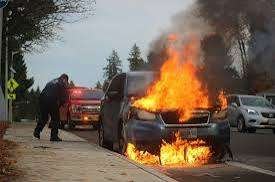
A vehicle provides convenience, comfort, and mobility, but it can also become a serious safety concern when a fire occurs. Car fires may develop because of mechanical problems, electrical faults, fuel leaks, overheating, or accidents. Although vehicle fires are not everyday events for most drivers, understanding how to respond can make an important difference during an emergency.
Car fire safety is about more than keeping a fire extinguisher in the vehicle. It includes regular maintenance, recognising warning signs, using suitable safety equipment, understanding emergency procedures, and knowing when to leave the vehicle immediately. Drivers and passengers should also understand that their personal safety is more important than protecting a vehicle or belongings.
In Pakistan, cars are used daily for commuting, business, family travel, and long-distance journeys. Heavy traffic, high summer temperatures, poorly maintained vehicles, and electrical modifications can increase certain vehicle safety concerns. Learning basic prevention and emergency-response principles can help drivers make safer decisions.
This guide explains common causes of car fires, practical prevention measures, the importance of early warning, and the actions passengers should take during a vehicle fire emergency.
## Understanding the Importance of Car Fire Safety
A car contains several systems that can contribute to a fire if they become damaged or malfunction. These include the fuel system, electrical wiring, engine, battery, and other mechanical components. A vehicle also contains materials such as upholstery, plastic, rubber, and insulation that may contribute to the spread of a fire.
A fire can create smoke and heat that make it difficult to remain inside or move around the vehicle safely. Smoke may reduce visibility and affect breathing, while heat can make nearby surfaces dangerous to touch. For this reason, recognising a possible emergency early is essential.
Car fire safety helps drivers and passengers understand three important priorities:
– **Prevention:** Reduce the likelihood of a vehicle fire through responsible maintenance and safe use.
– **Early recognition:** Notice unusual signs that may indicate a mechanical, electrical, or fuel-related problem.
– **Emergency response:** Leave the vehicle, move to a safe distance, and contact emergency services when a fire occurs.
A calm and informed response can help prevent confusion. However, nobody should delay evacuation to investigate the cause or protect personal belongings.
## Common Causes of Car Fires
Understanding the possible causes of vehicle fires helps drivers recognise why regular maintenance matters. Different vehicles have different designs, so the exact risks depend on the model, age, condition, and maintenance history.
### 1. Electrical System Problems
Modern vehicles depend on electrical systems for lighting, starting, entertainment, sensors, and other functions. Damaged wiring, loose connections, faulty components, or unsuitable electrical modifications can create hazards.
Poor-quality accessories and unauthorised changes to vehicle wiring may also increase electrical risks. Installing additional lights, sound systems, or other equipment without suitable professional assessment can affect the original electrical design.
Drivers should have electrical problems inspected by a qualified automotive technician rather than attempting repairs themselves.
### 2. Fuel System Leaks
Petrol and diesel are combustible fuels. A damaged fuel line, leaking connection, or other fuel-system problem can create a dangerous situation.
A strong or unusual fuel smell, visible leakage, or unexplained fuel odour around a vehicle should never be ignored. If a driver suspects a leak, the vehicle should not be operated until it has been assessed by a qualified professional.
### 3. Engine Overheating
Engines produce considerable heat during operation. Cooling-system problems, insufficient maintenance, or mechanical faults can cause temperatures to rise beyond normal operating levels.
An overheating warning, unusual steam, or a temperature gauge showing an abnormal reading may indicate a problem. Drivers should stop in a safe location when possible, switch off the vehicle, move away if there are signs of danger, and seek professional assistance.
### 4. Poor-Quality or Incorrect Modifications
Some vehicle owners install additional accessories without checking whether they are suitable for the vehicle. Incorrectly installed electrical equipment, unsuitable replacement components, and unauthorised modifications may introduce hazards.
Any changes involving fuel systems, electrical systems, batteries, or engine components should be assessed and completed by qualified professionals.
### 5. Accidents and Physical Damage
Road accidents can damage fuel lines, batteries, wiring, and other vehicle components. Even when a vehicle appears to be in reasonable condition after a collision, hidden damage may create risks.
Following an accident, drivers should arrange an appropriate inspection before returning the vehicle to normal use if important systems may have been affected.
## Warning Signs That Should Never Be Ignored
Recognising unusual vehicle behaviour can help drivers respond before a problem becomes more serious. Warning signs do not always mean that a fire will occur, but they should be treated seriously.
Some important signs include:
– Smoke coming from the engine area, dashboard, or beneath the vehicle.
– A strong smell of burning plastic, rubber, or electrical insulation.
– An unusual petrol or diesel smell.
– Repeated electrical problems or warning lights.
– Unexpected overheating.
– Visible fluid leakage.
– Unusual sparks or flames.
– Sudden failure of electrical equipment accompanied by smoke or a burning smell.
Drivers should not attempt to investigate smoke or burning smells by opening vehicle compartments. If smoke, flames, or another immediate danger is present, passengers should leave the vehicle and move away.
## Essential Steps to Prevent Car Fires
Prevention is one of the most effective parts of vehicle fire safety. Responsible driving habits and regular professional inspections can reduce avoidable risks.
### Schedule Regular Vehicle Maintenance
Vehicles should be maintained according to the manufacturer’s recommended service schedule. Professional inspections can identify damaged components, worn parts, and developing problems.
Drivers should pay attention to unusual smells, sounds, warning lights, and changes in vehicle performance. Small concerns should be reported to a qualified mechanic rather than ignored.
### Avoid Unauthorised Electrical Modifications
Electrical accessories should be suitable for the vehicle and installed by qualified technicians. Drivers should avoid poorly installed wiring, unsuitable components, and modifications that do not follow the manufacturer’s specifications.
If an electrical accessory begins behaving unusually, stop using it and arrange a professional inspection.
### Keep the Fuel System in Good Condition
Fuel-system components should be inspected during appropriate maintenance. Drivers should never ignore a suspected fuel leak or unusual fuel smell.
If a fuel-related problem is suspected, do not continue driving. Move away from the vehicle if there is an immediate danger and contact appropriate assistance from a safe location.
### Pay Attention to Temperature Warnings
Dashboard temperature warnings and other alerts should be taken seriously. Continuing to operate an overheating vehicle may worsen mechanical damage.
Follow the vehicle manufacturer’s guidance and arrange professional assistance. Never attempt to inspect hot engine components in an unsafe situation.
### Choose Qualified Repair Services
Vehicle maintenance should be handled by trained professionals who understand the vehicle’s systems. Reliable service providers are especially important for electrical work, fuel-system inspections, battery-related issues, and major repairs.
Keeping service records can also help owners track maintenance and identify recurring concerns.
### Avoid Carrying Unnecessary Hazardous Materials
Drivers should avoid leaving flammable or otherwise hazardous materials inside a vehicle, particularly during hot weather. Items such as fuel containers, certain chemicals, and other combustible products can create additional risks if stored incorrectly.
Always follow product labels and applicable transport guidance.
## What to Do If a Car Fire Occurs
A vehicle fire is an emergency. The priority is to protect human life, not to save the vehicle.
If smoke, flames, or another immediate fire warning appears while driving, follow these general safety principles:
### 1. Stop in a Safe Location
If it is safe to do so, bring the vehicle to a stop away from moving traffic and other immediate hazards. Avoid stopping where the vehicle could block emergency access or create an additional road danger.
### 2. Switch Off the Vehicle
Once safely stopped, switch off the engine and do not attempt to restart the vehicle. Do not delay leaving the vehicle to investigate the problem.
### 3. Get Everyone Out
The driver should ensure that all passengers leave the vehicle as quickly and safely as possible. Help children, older passengers, and anyone who needs assistance.
Do not return to the vehicle to collect phones, bags, documents, or other belongings.
### 4. Move Away From the Vehicle
Once outside, move to a safe distance and stay away from the vehicle. Keep other people away as well. Avoid standing near traffic or in another dangerous location.
Do not open the bonnet or boot to investigate smoke or flames. Opening a compartment may expose people to additional heat, smoke, or flames.
### 5. Contact Emergency Services
Call the appropriate local emergency service from a safe location. Explain where the vehicle is, what is happening, and whether anyone needs medical assistance.
Give clear information and follow the instructions provided by emergency responders.
### 6. Do Not Re-enter the Vehicle
Never return to a burning or potentially dangerous vehicle. Wait for trained emergency personnel to assess the situation and confirm when the area is safe.
These steps apply whether the vehicle is a petrol car, diesel vehicle, hybrid, or electric vehicle. Electric and hybrid vehicles may involve additional high-voltage and battery-related hazards, so people should not attempt to inspect or handle damaged components.
## The Role of Fire Safety Equipment in Vehicles
Suitable safety equipment can support emergency preparedness, but it cannot replace evacuation or professional assistance.
### Vehicle Fire Extinguishers
Some vehicle owners choose to carry a fire extinguisher designed for appropriate vehicle-related hazards. Any extinguisher should be suitable for the risks involved, properly maintained, and stored securely according to its manufacturer’s instructions.
An extinguisher is not a reason to approach a dangerous fire. Untrained people should prioritise evacuation and emergency services. Only someone with appropriate training should consider using an extinguisher when the fire is very small, conditions are safe, and a clear escape route remains available.
If the fire grows, smoke increases, or the situation becomes uncertain, leave immediately.
### First Aid Supplies
A basic first aid kit can be useful for minor injuries that occur during travel. It should be checked periodically to ensure that its contents are suitable and within their expiry dates.
First aid supplies do not replace professional medical treatment. Anyone exposed to smoke, serious burns, or other significant injuries should receive urgent medical assessment.
### Emergency Contact Information
Drivers should know how to contact local emergency services and roadside assistance. Keeping important contact details accessible can save time during a stressful situation.
Passengers should also know how to communicate the vehicle’s location clearly, especially during travel outside familiar areas.
## Car Fire Safety in Pakistan
Vehicle safety is important throughout Pakistan, where road conditions, weather, traffic, and vehicle usage vary between regions. Long journeys, crowded urban roads, and high summer temperatures can make preparation particularly valuable.
### Hot Weather and Vehicle Care
During summer, vehicles may experience high temperatures, especially when parked in direct sunlight. Drivers should follow manufacturer recommendations and avoid leaving unsuitable combustible or hazardous materials inside the vehicle.
A vehicle that shows signs of overheating should be checked rather than driven for long periods without attention.
### Traffic and Roadside Safety
In busy cities, stopping during an emergency can create additional road hazards. Drivers should choose the safest available stopping location when possible and ensure passengers move away from traffic after leaving the vehicle.
Other road users should avoid gathering around a vehicle that is smoking or burning. They should leave space for emergency responders.
### Vehicle Inspection Before Long Journeys
Before travelling long distances, drivers should ensure that their vehicles have received appropriate maintenance. A professional inspection can help identify concerns involving tyres, brakes, electrical systems, cooling systems, and other important components.
Drivers should also check that emergency contact information is available and that passengers understand basic emergency procedures.
### Responsible Vehicle Repairs
Vehicle owners should use reputable repair facilities and qualified technicians. Low-quality replacement parts or poorly completed modifications may create avoidable safety concerns.
When a vehicle has experienced an accident, overheating, unusual electrical behaviour, or suspected fuel leakage, professional assessment is important before normal use continues.
## How Passengers Can Stay Safe
Car fire safety is not only the driver’s responsibility. Every passenger should understand basic emergency behaviour.
Before a journey, passengers should know that they must leave the vehicle immediately when the driver identifies a serious fire risk. They should not argue about stopping or delay evacuation to collect belongings.
Families travelling with children should explain simple safety rules in an age-appropriate way. Children should understand that they must follow the responsible adult’s instructions and move away from the vehicle during an emergency.
Passengers should also avoid crowding around a vehicle after leaving it. Moving to a safe location helps protect everyone and leaves room for emergency responders.
## Special Considerations for Electric and Hybrid Vehicles
Electric and hybrid vehicles have different power systems from conventional petrol and diesel vehicles. Their batteries and high-voltage electrical components require specialised knowledge.
After a serious collision, unusual heat, smoke, or damage involving an electric or hybrid vehicle should be treated as a potential emergency. Passengers should leave the vehicle, move away, and contact emergency services.
Nobody should attempt to touch, disconnect, open, or repair high-voltage components. Damaged battery systems should only be assessed by appropriately trained professionals.
Owners should follow the vehicle manufacturer’s safety instructions and use qualified service providers for inspections and repairs.
## Why Driver Awareness and Training Matter
Knowing what to do during an emergency can help drivers avoid dangerous decisions. Training and awareness encourage people to recognise warning signs, communicate clearly, and prioritise evacuation.
Drivers should understand their vehicle’s warning indicators and read the manufacturer’s safety information. They should also know how to contact emergency services and roadside assistance.
Families can discuss a simple travel emergency plan before long journeys. This plan may include who will assist children or older passengers, where everyone should move after leaving the vehicle, and how to contact emergency services.
The purpose of preparation is not to make people handle dangerous situations themselves. It is to help them recognise when to leave and how to seek professional assistance.
## The Connection Between Vehicle Safety and Fire Alarm Awareness
Fire alarm systems are commonly associated with homes, offices, factories, hospitals, and commercial buildings. Their purpose is to provide early warning so occupants can respond to a developing fire.
A vehicle’s warning indicators and a building’s fire alarm system serve different purposes, but both highlight the importance of recognising danger early. A standard building fire alarm is not a substitute for vehicle safety equipment, and ordinary vehicle warning lights are not necessarily fire detection systems.
In Pakistan, awareness of a reliable fire alarm system in Pakistan is important for protecting buildings and their occupants. Similarly, drivers need appropriate vehicle maintenance and clear emergency procedures to protect passengers on the road.
Fire safety works best when prevention, early warning, responsible behaviour, and professional support are considered together.
## Common Mistakes to Avoid During a Vehicle Fire Emergency
People may make unsafe decisions when they are frightened or uncertain. Understanding common mistakes can help drivers and passengers respond more responsibly.
### Delaying Evacuation
Some people may wait to confirm the source of smoke or flames. This can waste valuable time. If there is an immediate fire warning, leave the vehicle rather than investigating.
### Returning for Personal Belongings
Phones, wallets, bags, and documents are replaceable. Returning to a dangerous vehicle can expose someone to serious harm.
### Opening the Bonnet
Opening the bonnet to investigate a fire can expose a person to heat, smoke, and flames. Leave the area and allow emergency responders to handle the situation.
### Allowing People to Gather Nearby
Curious bystanders may approach a vehicle to watch or record the incident. This can create additional risks and obstruct emergency services. Everyone should remain at a safe distance.
### Ignoring Maintenance Problems
Repeated warning lights, unusual smells, overheating, and electrical problems should not be treated as normal. Professional inspection is an important part of preventing vehicle-related emergencies.
## Building a Simple Car Fire Safety Routine
A practical safety routine does not need to be complicated. Small habits can improve awareness and help drivers maintain their vehicles responsibly.
A useful routine includes:
– Following the manufacturer’s recommended maintenance schedule.
– Using qualified technicians for electrical and mechanical repairs.
– Avoiding unauthorised vehicle modifications.
– Taking unusual smells, smoke, and warning indicators seriously.
– Checking the vehicle before long journeys.
– Keeping emergency contact information accessible.
– Explaining basic evacuation rules to passengers.
– Ensuring that everyone knows not to return to a burning vehicle.
These habits support safer travel and encourage drivers to take responsibility for vehicle condition.
## Conclusion
Car fire safety plays an important role in protecting drivers, passengers, and other road users. Vehicle fires can develop because of electrical faults, fuel-system problems, overheating, accidents, and unsuitable modifications. Although not every incident can be prevented, responsible maintenance and awareness can reduce avoidable risks.
The most important emergency rule is simple: human safety comes before the vehicle. If smoke, flames, or another immediate fire warning appears, stop in a safe location if possible, switch off the vehicle, get everyone out, move away, and contact emergency services. Never delay evacuation to investigate the problem or collect belongings.
In Pakistan, where vehicles are used for daily travel and long-distance journeys, basic fire safety knowledge is valuable for every driver and passenger. Regular professional inspections, responsible repairs, and clear emergency procedures can help make roads safer for everyone.
Frequently Asked Questions (FAQs)
1. What are the most common causes of car fires?
Common causes include electrical faults, damaged fuel-system components, engine overheating, accidents, and unsuitable vehicle modifications. Regular professional maintenance can help identify some problems before they become more serious.
2. What should I do if smoke starts coming from my car?
Stop in a safe location if possible, switch off the vehicle, and get everyone out. Move away from the vehicle, keep other people at a safe distance, and contact emergency services. Do not open the bonnet or return for belongings.
3. Should every car have a fire extinguisher?
A suitable, properly maintained vehicle fire extinguisher can be part of emergency preparedness. However, carrying one does not mean an untrained person should approach a fire. Evacuation and contacting emergency services should remain the priority.
4. Can poor vehicle maintenance increase fire risks?
Yes. Neglected electrical problems, damaged components, fuel-system concerns, and cooling-system faults may create safety hazards. Following the manufacturer’s maintenance schedule and using qualified technicians can help reduce avoidable risks.
5. Are electric cars also at risk of fire?
Yes. Electric and hybrid vehicles can experience fire-related emergencies, including incidents involving their battery systems. If smoke, unusual heat, or damage is noticed, passengers should leave, move away, and contact emergency services. High-voltage components should only be handled by trained professionals.