- # Maintenance Tips for Short Circuit Prevention You Shouldn’t Ignore
## Introduction
Electricity is an essential part of modern homes, offices, factories, schools, hospitals, and commercial buildings. It powers lighting, air conditioning, computers, machinery, kitchen appliances, and many other facilities that people depend on every day. However, electrical systems can become dangerous when they are damaged, poorly maintained, or used in unsuitable conditions.
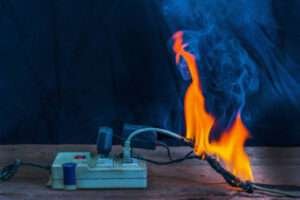
One common electrical hazard is a short circuit. It occurs when electricity follows an unintended path because of a fault in an electrical system. Depending on the circumstances, a short circuit can cause excessive current, overheating, equipment damage, and potentially an electrical fire.
Preventing short circuits requires more than purchasing electrical safety products. Property owners and building managers need to pay attention to maintenance, equipment quality, professional inspections, and responsible electrical use.
In Pakistan, homes and commercial properties use many types of electrical equipment, making electrical safety an important consideration. Regular professional assessments and good maintenance practices can help identify potential problems before they become more serious.
This article explains important short circuit prevention and maintenance tips, common warning signs, and the role of professional fire protection systems in creating safer buildings.
## What Is a Short Circuit?
A short circuit is an electrical fault that occurs when current flows through an unintended path with very low resistance. This may happen because of damaged insulation, faulty equipment, wiring defects, or other problems within an electrical installation.
When a short circuit occurs, the electrical current may increase significantly. This can cause protective devices to operate and interrupt the electrical supply. In some situations, the fault may also produce excessive heat, sparks, or damage to connected equipment.
Short circuits can happen in residential, commercial, and industrial environments.
Common contributing factors include:
– Damaged electrical cables.
– Deteriorating insulation.
– Faulty electrical appliances.
– Incorrect electrical installations.
– Moisture affecting unsuitable electrical equipment.
– Poor-quality electrical components.
– Inadequate professional maintenance.
– Physical damage to electrical installations.
Understanding these causes helps property owners recognize why electrical safety inspections and responsible equipment use are important.
## Why Is Short Circuit Prevention Important?
Short circuit prevention is an important part of general electrical and fire safety.
An electrical fault may interrupt essential services, damage appliances, affect business operations, and create a fire hazard. In buildings with many occupants, the consequences of an electrical emergency can be particularly serious.
Effective prevention helps to:
1. Reduce the likelihood of electrical faults.
2. Protect electrical equipment and installations.
3. Reduce the risk of overheating and electrical fires.
4. Support reliable operation of electrical systems.
5. Improve safety for occupants and employees.
6. Reduce unexpected repair and replacement expenses.
7. Support a safer working and living environment.
Prevention is especially important in buildings that operate electrical equipment continuously or have complex electrical installations.
## 1. Arrange Regular Electrical Inspections
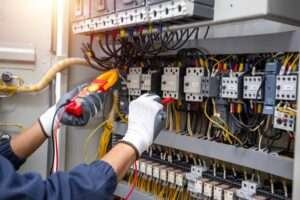
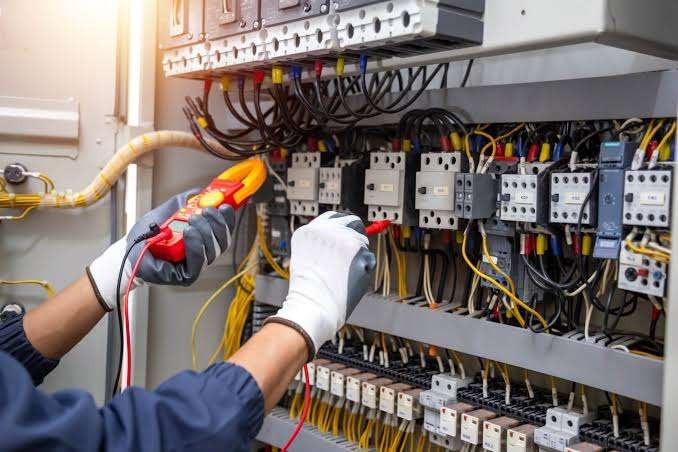
Regular professional inspections are one of the most important ways to support short circuit prevention.
Electrical installations can deteriorate over time. Cables, connections, protective devices, and equipment may be affected by age, environmental conditions, physical damage, or changes in building use.
A qualified electrical professional can assess the installation and identify concerns that may not be obvious to ordinary occupants.
A professional inspection may consider:
– General electrical installation condition.
– Visible cable and insulation damage.
– Suitability of electrical equipment.
– Condition of protective devices.
– Signs of overheating.
– Suitability of the installation for current electrical demand.
– Whether any changes require further technical assessment.
Inspection schedules should reflect the building type, electrical usage, applicable requirements, and professional recommendations.
Homeowners and building managers should maintain inspection reports and ensure that identified problems receive appropriate attention.
## 2. Avoid Overloading Electrical Outlets
Overloading electrical outlets and circuits can increase the risk of overheating and electrical faults.
Homes and workplaces often use several appliances simultaneously. Computers, refrigerators, air conditioners, heaters, printers, and other equipment may place considerable demand on electrical installations.
Using unsuitable extension equipment or connecting too many devices to one outlet can create additional risks.
General safety considerations include:
– Follow the manufacturer’s instructions for electrical appliances.
– Avoid using damaged extension leads.
– Do not overload outlets with multiple high-power appliances.
– Have electrical capacity assessed by a qualified professional.
– Report outlets that appear damaged or unusually hot.
– Avoid using unsuitable adapters or electrical accessories.
If a building requires additional electrical capacity, a qualified professional should assess the installation. Occupants should never attempt to modify circuits or protective devices themselves.
## 3. Pay Attention to Damaged Electrical Cables
Damaged cables are a potential source of electrical faults.
Insulation protects electrical conductors and helps prevent unintended contact. When insulation becomes damaged, the risk of an electrical fault may increase.
Warning signs may include:
– Cracked or visibly damaged cable covering.
– Exposed conductors.
– Unusual discoloration.
– Visible damage caused by pressure or impact.
– Unusual smells near electrical equipment.
– Electrical appliances behaving unexpectedly.
Damaged cables should never be ignored or repaired through improvised methods.
Stop using affected equipment when it is safe to do so, keep people away from the damaged area, and arrange an assessment by a qualified electrical professional.
Never touch exposed wiring or attempt to repair electrical cables yourself.
## 4. Use Good-Quality Electrical Equipment
The quality of electrical equipment can influence the safety and reliability of an installation.
Poor-quality or unsuitable components may not perform as expected, particularly when they are used beyond their intended capacity.
Before purchasing electrical products, consider:
– Manufacturer reputation.
– Product specifications.
– Relevant safety standards.
– Authenticity and supporting documentation.
– Compatibility with the electrical installation.
– Warranty conditions.
– Availability of professional support.
Electrical accessories should be selected according to their intended application and the requirements of the building.
Property owners should avoid choosing electrical components based on price alone. A qualified professional can help determine whether a product is suitable.
## 5. Maintain Electrical Appliances Properly
Electrical appliances can develop faults through normal use, aging, damage, or unsuitable operating conditions.
Regular attention to their visible condition can help people identify equipment that needs professional assessment.
Important maintenance considerations include:
– Following manufacturer instructions.
– Avoiding the use of visibly damaged appliances.
– Keeping equipment in suitable environments.
– Reporting unusual sounds or smells.
– Arranging professional servicing when required.
– Replacing equipment that cannot be safely repaired.
– Avoiding unauthorized modifications.
Appliances that repeatedly stop working, show visible damage, or produce unusual smells should not be ignored.
Never open electrical equipment or attempt internal repairs without the required qualifications.
## 6. Keep Electrical Equipment Away From Moisture
Moisture can increase electrical hazards, particularly when it affects equipment that is not designed for wet conditions.
Bathrooms, kitchens, basements, outdoor spaces, and industrial environments may require additional electrical safety considerations.
Property owners should ensure that electrical equipment is suitable for its location and that installations meet applicable requirements.
General precautions include:
– Keeping unsuitable electrical equipment away from wet areas.
– Reporting water damage near electrical installations.
– Arranging professional assessment after flooding or water exposure.
– Ensuring outdoor electrical equipment is appropriate for its environment.
– Following manufacturer guidance.
If water has affected electrical equipment or an electrical installation, occupants should keep away and contact qualified professionals. They should not touch potentially energized equipment.
## 7. Ensure Protective Devices Are Professionally Maintained
Electrical protective devices help reduce certain electrical risks by responding to abnormal conditions.
Depending on the installation, these may include:
– Circuit breakers.
– Overcurrent protection.
– Residual current devices.
– Surge protection devices.
– Other approved protective components.
The correct selection depends on the characteristics of the electrical installation and the risks present.
Protective devices should be assessed by qualified professionals to confirm that they are suitable and properly maintained.
If a protective device repeatedly operates, it may indicate an underlying issue that needs professional investigation. It should never be bypassed, replaced with an unsuitable component, or modified to prevent it from operating.
## 8. Maintain Fire Alarm Systems
Preventing electrical faults is important, but buildings also need suitable arrangements to identify and communicate fire emergencies.
A fire alarm system helps alert occupants when certain signs of fire are detected or when an alarm is manually activated.
A suitable **Fire alarm system in Pakistan** may include smoke detectors, heat detectors, manual call points, alarm sounders, visual warning devices, and a central control panel.
Its design should reflect the building’s size, occupancy, layout, and fire risk assessment.
Regular professional maintenance may include:
### Control Panel Inspection
The control panel should be included in the system’s inspection program. Fault indications should be assessed by qualified fire safety personnel.
### Detector Maintenance
Smoke and heat detectors should receive appropriate inspection and testing according to manufacturer instructions and applicable requirements.
### Alarm Device Assessment
Sounders and visual warning devices should be checked through suitable professional procedures to help confirm that occupants can receive emergency warnings.
### Manual Call Point Inspection
Manual call points should remain visible, accessible, and free from obstruction.
### Maintenance Documentation
Building management should maintain records of inspections, testing, faults, and corrective actions.
A fire alarm system does not prevent short circuits, but it can provide an important warning if an electrical fault results in a fire.
## 9. Keep Electrical Rooms Clean and Organized
Electrical rooms and equipment areas should be kept clean, organized, and accessible to authorized personnel.
Using these spaces for general storage can create unnecessary fire hazards and make professional inspections more difficult.
Building managers should ensure that:
– Cardboard and packaging materials are not stored around electrical installations.
– Waste is managed through suitable housekeeping arrangements.
– Access to electrical equipment remains clear.
– Safety signs are visible.
– Restricted areas are accessed only by authorized personnel.
– Any visible damage or unusual condition is reported.
Good housekeeping supports electrical safety in homes, offices, warehouses, factories, and commercial buildings.
## 10. Pay Attention to Warning Signs
Recognizing unusual electrical conditions can help occupants report problems before they become more serious.
Some warning signs include:
### Unusual Burning Smells
An unfamiliar burning smell near electrical equipment should be treated seriously. People should move away from the suspected hazard and notify responsible personnel.
### Discolored Outlets
Discoloration around electrical outlets or equipment may indicate a problem requiring professional assessment.
### Repeated Power Interruptions
Repeated interruptions or unexpected equipment failures may indicate an electrical issue that needs investigation.
### Unusual Sounds
Buzzing, crackling, or other unexpected sounds from electrical equipment should be reported.
### Visible Cable Damage
Cracked insulation, exposed conductors, and damaged plugs require attention from qualified professionals.
These signs do not always mean that a short circuit has occurred, but they should not be ignored.
Occupants should never investigate electrical faults by opening panels, touching wiring, or attempting repairs.
## 11. Arrange Professional Maintenance for Generators and Backup Systems
Generators and backup electrical systems are used in many Pakistani homes, offices, factories, and commercial buildings.
These systems can involve electrical connections, fuel-related hazards, heat, and ventilation requirements.
Their installation, inspection, and maintenance should be handled by qualified personnel according to manufacturer instructions and applicable safety requirements.
Building owners should consider:
– Whether equipment is installed in an appropriate location.
– Whether ventilation arrangements are suitable.
– Whether professional inspections are scheduled.
– Whether electrical connections are assessed.
– Whether maintenance records are maintained.
– Whether unauthorized access is prevented.
Generators must never be operated in enclosed or poorly ventilated spaces because they can produce dangerous carbon monoxide.
Property owners should not attempt generator repairs, electrical modifications, or fuel-system work themselves.
## 12. Maintain Electrical Safety in Kitchens
Kitchens contain multiple appliances and may involve heat, moisture, and cooking activities.
For this reason, kitchen electrical safety deserves particular attention in homes, restaurants, hotels, and commercial food facilities.
Good general practices include:
– Keeping appliances in suitable condition.
– Following manufacturer instructions.
– Arranging professional electrical inspections.
– Keeping combustible materials away from heat-producing equipment.
– Reporting damaged electrical accessories.
– Ensuring that electrical installations are suitable for the environment.
– Maintaining clear emergency exits.
Commercial kitchens may require additional fire protection arrangements based on their equipment and activities.
Any suspected electrical fault should be referred to a qualified professional rather than investigated by kitchen staff or occupants.
## 13. Review Electrical Safety After Renovations
Building renovations and changes in occupancy can affect electrical safety.
For example, a home may receive additional appliances, an office may expand, or a factory may introduce new machinery.
These changes may increase electrical demand or affect the suitability of existing installations.
Whenever a building is renovated, expanded, or used for a different purpose, qualified professionals should review its electrical arrangements.
A review may identify whether the existing installation remains suitable and whether additional assessment or upgrades are necessary.
Property owners should not assume that an electrical system will remain appropriate after major changes.
## 14. Maintain Inspection and Maintenance Records
Documentation is an important part of responsible electrical safety management.
Records help building owners understand the condition of their installations and track whether identified problems have been addressed.
Useful documents may include:
– Electrical inspection reports.
– Fire alarm maintenance records.
– Equipment service reports.
– Records of identified defects.
– Corrective maintenance documentation.
– Product manuals and warranty information.
– Staff training records.
– Fire drill records.
Commercial building managers should ensure that relevant documents are stored securely and remain available to authorized personnel.
A consistent record-keeping system makes it easier to plan future inspections and maintenance.
## 15. Provide Electrical Safety Awareness and Staff Training
Electrical safety depends on the behavior and awareness of people using a building.
Employees should understand how to recognize potential hazards and report them through the correct channels.
Training may cover:
– Recognizing visible electrical damage.
– Reporting unusual smells or sounds.
– Avoiding overloaded outlets.
– Keeping electrical areas clear.
– Understanding the building’s fire alarm arrangements.
– Recognizing emergency exit signs.
– Following evacuation instructions.
– Contacting emergency services from a safe location.
Staff should understand that they must not carry out electrical repairs unless they are appropriately qualified and authorized.
Fire drills can also help occupants become familiar with evacuation procedures and emergency assembly arrangements.
## 16. What to Do During a Short Circuit or Electrical Fire Emergency
If an electrical fault is suspected, occupants should avoid touching the affected equipment or trying to identify the cause.
If smoke or fire is present, personal safety must come first.
Important actions include:
1. Warn people nearby and follow the building’s emergency procedure.
2. Move away from the affected electrical equipment.
3. Evacuate using a safe designated route.
4. Do not touch exposed wiring or damaged electrical installations.
5. Never use water on an electrical fire.
6. Avoid elevators during evacuation unless specifically directed by emergency responders or an approved emergency arrangement.
7. Contact emergency services from a safe location.
8. Do not return until authorized personnel confirm that the building is safe.
Ordinary occupants should not attempt to fight an electrical fire or investigate the source of the fault. Firefighting should be left to appropriately trained and authorized personnel when conditions permit.
## 17. Electrical Fire Safety Considerations in Pakistan
Electrical safety is important across Pakistan because homes, offices, factories, hospitals, and commercial buildings rely on electrical installations for daily operations.
Different properties have different requirements depending on their age, design, occupancy, and electrical demand.
To support safer buildings, property owners should:
– Arrange professional electrical inspections.
– Use suitable and genuine electrical equipment.
– Maintain protective devices through qualified personnel.
– Keep electrical installations in appropriate condition.
– Maintain suitable fire detection and warning systems.
– Follow applicable building and electrical safety requirements.
– Keep inspection and maintenance records.
– Review safety arrangements after major building changes.
Professional support can help property owners understand their responsibilities and identify improvements based on the actual conditions of the premises.
## Conclusion
Short circuit prevention is an important part of electrical and fire safety. Damaged wiring, unsuitable electrical equipment, overloaded outlets, moisture exposure, and neglected maintenance .
Regular professional inspections, suitable equipment, responsible electrical use, and proper maintenance records can help reduce preventable risks.
For homes and commercial buildings in Pakistan, electrical safety should also include suitable protective devices, professionally maintained fire alarm systems, clear evacuation arrangements, and staff awareness.
Most importantly, electrical repairs and technical inspections should always be handled by qualified professionals. Occupants should never attempt to repair damaged wiring, modify protective devices, or investigate a suspected electrical fire.
Consistent maintenance and awareness can help create safer homes, workplaces, and public buildings.
Frequently Asked Questions (FAQs)
1. What are the common causes of short circuits?
Common causes include damaged cable insulation, faulty appliances, electrical installation defects, unsuitable components, moisture exposure, and physical damage. Regular professional inspections can help identify potential problems.
2. How can short circuits be prevented?
Short circuit risks can be reduced through professional electrical inspections, suitable electrical equipment, avoiding overloaded outlets, reporting damaged cables, and maintaining protective devices. Electrical repairs should always be performed by qualified professionals.
3. Why are circuit breakers important for short circuit protection?
Circuit breakers are protective devices designed to interrupt electrical current under certain abnormal conditions, including some short circuit faults. Their selection and maintenance should handled by qualified electrical professionals.
4. Does a fire alarm system prevent short circuits?
No. A fire alarm system does not prevent electrical faults. It helps warn occupants when certain signs of fire are detected or an alarm is manually activated, supporting timely evacuation and emergency response.
5. What should I do if I notice signs of a short circuit?
Stay away from the suspected electrical hazard, avoid touching damaged equipment or wiring, and report the problem to a qualified professional. If smoke or fire is present, evacuate immediately and contact emergency services from a safe location.