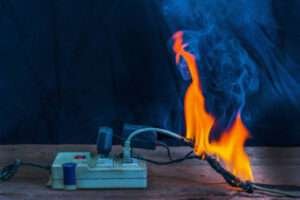
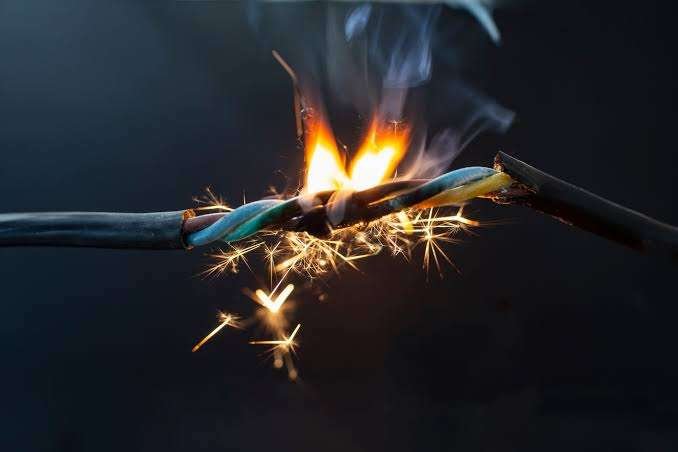
Electricity is essential in modern homes, offices, factories, shopping centers, schools, and commercial buildings. It powers lighting, appliances, machinery, computers, heating and cooling systems, and many other everyday facilities. However, electrical installations and equipment can become fire hazards when they are damaged, overloaded, poorly maintained, or unsuitable for their intended use.
Electrical fires can cause serious property damage and put people’s lives at risk. For this reason, choosing appropriate electrical fire safety equipment is an important responsibility for homeowners, business owners, property managers, and facility administrators.
Buying fire safety equipment should never be based on price or appearance alone. Different buildings have different electrical risks, and every product must be suitable for its intended application. Buyers should consider product quality, recognized standards, compatibility, professional installation, maintenance requirements, and the support provided by the supplier.
In Pakistan, where electrical equipment is used across residential, commercial, and industrial environments, understanding these factors can help buyers make informed decisions.
This guide explains what to check before purchasing electrical fire safety equipment, which protective systems may be required, and why professional advice is important.
1. Understand Your Electrical Fire Risks
Before purchasing any electrical fire safety product, identify the potential hazards in the building.
Electrical risks can vary depending on the type of property, its electrical installations, the equipment being used, and the number of people occupying the premises.
Common electrical fire risk factors include:
– Damaged electrical wiring.
– Overloaded electrical circuits.
– Faulty electrical appliances.
– Poor-quality electrical components.
– Inadequate electrical installation.
– Unsuitable extension equipment.
– Poorly maintained electrical systems.
– Electrical equipment operating in unsuitable environments.
– Accumulation of combustible materials near electrical equipment.
These risks are not identical in every building. A residential property may have different requirements from a factory, office, hospital, or shopping mall.
A qualified electrical professional or fire safety specialist should assess the premises before equipment is selected. This helps buyers avoid purchasing products that do not address their actual risks.
2. Check the Quality of the Equipment
Product quality is one of the most important considerations when buying electrical fire safety equipment.
Safety equipment must perform its intended function reliably. Poor-quality products may fail to provide the protection expected from them, particularly when they have not been designed or tested appropriately.
Before purchasing, consider:
– The manufacturer’s reputation.
– Product specifications.
– Available technical documentation.
– Manufacturing and expiry information, where applicable.
– Warranty conditions.
– Inspection and maintenance requirements.
– Availability of replacement components.
– Evidence of relevant testing or certification.
Buyers should request genuine product documentation rather than relying only on advertising claims.
A supplier should be able to explain the intended application of the equipment and provide clear information about its limitations.
3. Look for Recognized Standards and Certifications
Fire safety equipment should meet relevant standards for its product category and intended application.
Certifications and test documentation can help buyers understand whether a product has been assessed against recognized technical requirements.
However, not every certificate applies to every type of equipment. A certification suitable for one product category does not automatically establish the quality or suitability of another.
Before purchasing, check:
– Which standard applies to the product?
– Is the certification relevant to the exact model?
– Is the manufacturer’s documentation available?
– Are the test results or approval details verifiable?
– Does the product meet applicable local requirements?
– Is the supplier able to explain the product’s technical specifications?
Avoid making purchasing decisions based on vague claims such as “international quality” without supporting documentation.
4. Select Suitable Electrical Fire Protection Equipment
Electrical fire safety is not provided by a single product. Different equipment performs different functions, and the correct combination depends on the building’s risks.
Electrical Protection Devices
Protective devices are designed to help reduce electrical hazards by responding to certain abnormal electrical conditions.
Depending on the installation, these may include:
– Circuit breakers.
– Residual current devices.
– Overcurrent protection.
– Surge protection devices.
– Other approved electrical protection components.
The selection and installation of these devices must be handled by qualified electrical professionals. Buyers should not assume that one protective device can address every electrical hazard.
Fire Alarm Systems
A fire alarm system helps alert occupants when certain signs of fire are detected or when an alarm is manually activated.
Depending on the building’s requirements, it may include smoke detectors, heat detectors, manual call points, alarm sounders, visual warning devices, and a control panel.
A suitable Fire alarm system in Pakistan can support early warning in homes, offices, factories, commercial buildings, and other premises. Buyers should consider the building’s size, layout, occupancy, and potential fire risks before selecting a system.
A professional assessment can help determine the appropriate system type and the required detection coverage.
Smoke Detectors
Smoke detectors are designed to identify smoke and provide an early warning through an appropriate alarm arrangement.
Different detector types may be suitable for different environments. For example, areas with cooking activities, dust, or changing environmental conditions may require special consideration.
The detector’s suitability, location, and compatibility with the alarm system should be confirmed by a qualified specialist.
Heat Detectors
Heat detectors respond to certain changes in temperature rather than relying on smoke detection.
They may be appropriate in locations where environmental conditions make other detector types unsuitable.
The correct detector should be selected according to the building’s design and professional recommendations.
Suitable Fire Extinguishers
Electrical environments may require extinguishers specifically selected for the relevant fire risks.
Not every extinguisher is suitable for every type of fire. The wrong equipment may create additional hazards.
Buyers should seek professional guidance about extinguisher types, ratings, placement, and applicable requirements. Ordinary occupants should not approach an electrical fire or attempt to fight it; evacuation and emergency assistance must take priority.
5. Consider the Size and Type of Your Building
The right electrical fire safety products depend partly on the building’s size and purpose.
A small home, a multi-storey office, and a large industrial facility do not have identical fire protection requirements.
Residential Buildings
Homes contain appliances, lighting systems, entertainment equipment, and kitchen installations. Suitable smoke alarms, electrical protection, and other fire safety arrangements can contribute to household safety.
Homeowners should seek professional advice when evaluating electrical installations or selecting fixed protection systems.
Offices
Offices may contain computers, printers, networking equipment, air conditioning systems, and numerous electrical connections.
A suitable fire safety plan should consider occupancy, electrical equipment, escape routes, and alarm coverage.
Factories
Industrial premises may contain heavy machinery, production equipment, electrical control systems, and specialized installations.
Their fire risks may be more complex and should be assessed by qualified professionals familiar with industrial environments.
Shopping Malls
Shopping malls contain shops, restaurants, public spaces, storage areas, and electrical installations.
Fire protection arrangements should consider visitor numbers, building layout, alarm coverage, emergency exits, and coordination between different systems.
Hospitals and Healthcare Facilities
Healthcare buildings may contain critical electrical equipment and occupants who require additional assistance during emergencies.
Fire safety planning should consider the needs of patients, staff, visitors, and essential operations.
6. Check Compatibility With Existing Systems
Compatibility is an important factor when purchasing new electrical fire safety equipment.
A new detector, alarm panel, control device, or other component may not work correctly with an existing system if it has not been designed for that combination.
Before purchasing replacement or additional equipment, confirm:
– The existing system’s manufacturer and model.
– Whether the proposed equipment is compatible.
– Whether the required communication protocols are supported.
– Whether additional components are needed.
– Whether the system requires professional configuration.
– Whether the manufacturer provides technical support.
For fire alarm systems, compatibility is particularly important because different components must communicate correctly to provide the intended warning functions.
A qualified fire safety specialist should review the existing installation before any major equipment change.
7. Evaluate the Supplier’s Experience and Reputation
Choosing a reliable supplier is just as important as selecting the right product.
A responsible supplier should provide accurate product information, clear documentation, and appropriate guidance about the intended use of equipment.
Before purchasing, consider the following:
Product Knowledge
The supplier should understand the products being offered and be able to explain their technical specifications and limitations.
Genuine Products
Buyers should ask about product authenticity, manufacturer details, and relevant documentation.
Installation Support
Some equipment requires professional installation. Confirm whether the supplier provides qualified installation services or can identify an appropriate service provider.
After-Sales Support
Fire safety equipment may require inspection, servicing, replacement components, or technical assistance.
A supplier with suitable after-sales support can make long-term equipment management easier.
Clear Business Information
Check the supplier’s business details, communication channels, warranty terms, and customer service arrangements before making a purchase.
Do not rely entirely on social media advertisements or unusually low prices when evaluating safety equipment.
8. Understand Installation Requirements
Some fire safety products are portable, while others must be professionally installed as part of a building’s fixed protection system.
Incorrect installation may affect the equipment’s performance and reliability.
For example, fire alarm systems require suitable detector placement, correct connections, and appropriate configuration. Electrical protection devices also need to be selected and installed according to the characteristics of the electrical installation.
Before purchasing, ask:
– Does the product require professional installation?
– Are installation services included?
– Are there specific building requirements?
– Will the existing installation need assessment?
– Is commissioning or testing required?
– Will documentation be provided after installation?
Electrical panels, wiring, and protective devices should only be assessed or worked on by qualified professionals.
Homeowners and building occupants should never attempt electrical repairs or modify protective equipment themselves.
9. Review Maintenance and Inspection Requirements
Fire safety equipment must remain in suitable working condition after installation.
Maintenance requirements vary according to the product, manufacturer guidance, applicable standards, and building conditions.
Before buying, understand the long-term responsibilities associated with the equipment.
Fire Alarm Systems
Alarm systems require suitable inspection, testing, and maintenance to help confirm that detectors, control panels, warning devices, and associated components remain functional.
Smoke and Heat Detectors
Detectors should be maintained according to manufacturer instructions and applicable requirements. Fault warnings should be reported and assessed by qualified personnel.
Electrical Protection Equipment
Electrical protective devices should be inspected by qualified professionals as part of appropriate electrical safety assessments.
Fire Extinguishers
Extinguishers require appropriate inspection and servicing. Their condition, suitability, and maintenance records should be reviewed according to relevant requirements.
Documentation
Buyers should ask whether maintenance records, inspection reports, and product manuals will be provided.
Understanding these responsibilities before purchasing can help prevent equipment from being neglected later.
10. Compare Prices Without Compromising Safety
Price is an important purchasing consideration, especially when a building requires several types of fire protection equipment.
However, the cheapest product is not necessarily the most suitable or reliable.
When comparing prices, consider the complete value of the product rather than the purchase cost alone.
Review:
– Product quality.
– Technical specifications.
– Relevant certification.
– Warranty coverage.
– Installation costs.
– Maintenance expenses.
– Replacement component availability.
– Supplier support.
– Expected service requirements.
A slightly more expensive product may offer better documentation, technical support, or long-term suitability.
Buyers should request clear quotations that explain what is included. This makes it easier to compare products and avoid unexpected costs.
11. Check Warranty and Product Documentation
Warranty information provides important details about the manufacturer’s or supplier’s responsibilities.
Before purchasing, review the warranty period, coverage, exclusions, and procedure for reporting product defects.
Also request relevant documents such as:
– Product data sheets.
– User manuals.
– Installation instructions for qualified professionals.
– Certification or test documentation.
– Warranty information.
– Maintenance guidance.
– Manufacturer details.
Documentation is particularly important for building managers who need to maintain records of their fire protection systems.
12. Avoid Common Purchasing Mistakes
Some purchasing mistakes can lead to unsuitable equipment, unnecessary expenses, or gaps in fire protection.
Buying Without a Risk Assessment
Selecting equipment without understanding the building’s hazards may result in products that do not meet actual requirements.
Choosing Products Only by Price
Low prices should not replace checks for quality, suitability, and supporting documentation.
Ignoring Certification
Buyers should verify whether relevant product standards and certifications apply to the exact model being purchased.
Overlooking Compatibility
New equipment may not work with an existing system unless compatibility has been confirmed.
Ignoring Maintenance Costs
The purchase price is only one part of the total cost of owning fire safety equipment.
Using Unqualified Installers
Technical systems should be installed and assessed by appropriately qualified professionals.
Neglecting Staff Awareness
Even a professionally installed system may be less effective if occupants do not understand alarms, evacuation routes, and emergency procedures.
13. Electrical Fire Prevention Is Just as Important as Equipment
Buying fire safety equipment is important, but prevention should remain a central part of every safety plan.
Property owners and building managers should arrange regular professional assessments of electrical installations and ensure that damaged or unsuitable equipment is addressed by qualified personnel.
Good general safety practices include:
– Avoiding the use of visibly damaged electrical appliances.
– Keeping combustible materials away from electrical equipment.
– Ensuring electrical installations receive professional attention.
– Reporting unusual electrical smells, sounds, or visible damage.
– Avoiding overloaded electrical outlets.
– Keeping electrical areas accessible to authorized maintenance personnel.
– Following manufacturer instructions for electrical equipment.
– Maintaining appropriate fire detection and warning arrangements.
Any suspected electrical fault should be referred to a qualified professional. Occupants should not open electrical panels, handle exposed wiring, or attempt repairs.
If smoke or fire is present, everyone should move away, evacuate using a safe route, and contact emergency services from a safe location.
14. Electrical Fire Safety Considerations in Pakistan
Electrical fire safety is important throughout Pakistan because homes, commercial properties, factories, and public buildings depend heavily on electrical equipment.
Different locations and building types may have different requirements. Older properties may need professional assessment of their electrical installations, while larger facilities may require coordinated fire detection and protection systems.
When buying equipment in Pakistan, property owners should consider:
– Applicable building and fire safety requirements.
– Relevant electrical safety standards.
– Product authenticity and documentation.
– Suitability for local building conditions.
– Availability of professional installation.
– Long-term maintenance support.
– Access to replacement components.
– Supplier experience and reliability.
A professional risk assessment can help determine which equipment is necessary and where improvements may be required.
Building owners should also ensure that fire safety arrangements are reviewed when a property is renovated, expanded, or used for a different purpose.
Conclusion
Choosing electrical fire safety equipment is an important decision that affects the safety of people and property. Buyers should understand their building’s electrical risks, check product quality, verify relevant standards, and select equipment that matches the property’s actual requirements.
Fire alarm systems, smoke detectors, heat detectors, suitable extinguishers, and electrical protection devices all perform different functions. Their selection should be based on professional assessment rather than price or appearance alone.
In Pakistan, homeowners and building managers should also consider supplier reliability, compatibility, installation requirements, warranty coverage, and ongoing maintenance support.
Most importantly, fire safety equipment should be part of a complete safety plan that includes prevention, early warning, clear evacuation routes, staff awareness, and professional inspections.
Making informed purchasing decisions today can help create safer homes, workplaces, and commercial buildings in the future.
Frequently Asked Questions (FAQs)
1. What should I check before buying electrical fire safety equipment?
Check product quality, relevant certifications, technical specifications, compatibility, warranty coverage, installation requirements, maintenance needs, and supplier reliability. A professional assessment can help identify the equipment suitable for your building.
2. Which fire safety equipment is important for electrical fire risk
Depending on the building’s requirements, suitable equipment may include electrical protection devices, fire alarm systems, smoke detectors, heat detectors, and appropriately selected fire extinguishers. A qualified professional should determine the correct combination.
3. Why is a fire alarm system important for electrical fire safety?
A fire alarm system helps warn occupants when certain signs of fire are detected or an alarm is manually activated. Early warning supports timely evacuation and helps people follow the building’s emergency procedures.
4. Should I choose electrical fire safety products based only on price?
No. Buyers should consider quality, suitability, technical documentation, certification, warranty, installation, and maintenance support. A low purchase price does not necessarily mean that a product offers reliable protection.
5. How often should electrical fire safety equipment be inspected?
Inspection schedules depend on the equipment type, manufacturer guidance, applicable standards, and building requirements. Fire alarm systems, detectors, electrical protection devices, and extinguishers should receive appropriate professional inspection and maintenance.