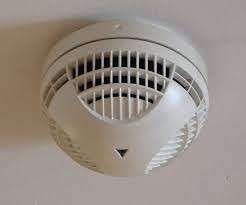
Fire safety is an important consideration for homes, schools, offices, shops, factories, and other buildings. Fires can start unexpectedly because of electrical faults, cooking accidents, heating equipment, or other hazards. One of the most effective ways to improve fire awareness inside a building is to install suitable smoke detectors.
Smoke detectors are designed to identify smoke and provide an early warning that a possible fire may be developing. This warning can give occupants valuable time to alert others, follow an evacuation plan, and contact emergency services. Although smoke detectors offer several benefits, they also have limitations that building owners and occupants should understand.
In Pakistan, fire safety awareness is becoming increasingly important as residential and commercial buildings continue to expand. A properly planned fire alarm system in Pakistan may include smoke detectors, alarm control equipment, notification devices, and other components selected according to the building’s requirements.
This article explores the advantages and disadvantages of smoke detectors, explains how they work, and discusses the factors that should be considered when choosing and maintaining them.
1. What Are Smoke Detectors?
A smoke detector is a safety device designed to identify smoke particles in the surrounding air. When smoke reaches the detector’s sensing chamber, the device may activate an alarm or send a signal to a connected fire alarm system.
The main purpose of a smoke detector is to provide an early warning. It does not extinguish fires or replace emergency response arrangements. Instead, it helps occupants recognize a possible fire hazard and take appropriate action.
Smoke detectors are commonly used in:
– Residential houses and apartments.
– Schools and educational institutions.
– Offices and commercial buildings.
– Hotels and guest houses.
– Hospitals and healthcare facilities.
– Warehouses and industrial premises.
– Shopping centres and public buildings.
The type, number, and placement of detectors depend on the building layout, potential fire risks, applicable safety requirements, and professional assessment.
2. How Do Smoke Detectors Work?
Smoke detectors use sensing technology to identify smoke particles. Different models use different detection methods, but their overall purpose is similar: to recognize a possible fire condition and provide a warning.
Some detectors operate independently and produce an audible alarm. Others are connected to a larger fire alarm system that can notify occupants across multiple areas of a building.
When smoke enters a detector’s sensing area, the device evaluates the detected condition. If the condition meets its alarm threshold, it activates a warning.
In larger buildings, connected detectors may send information to a central control panel. The system can then activate notification devices, such as sounders or visual alarms, according to its design.
A smoke detector is only one part of a wider fire safety arrangement. Emergency exits, evacuation procedures, suitable alarms, and occupant awareness are also important.
3. Types of Smoke Detectors
Different smoke detector technologies are designed for different environments. Understanding the main categories can help property owners discuss suitable options with qualified fire safety professionals.
Ionization Smoke Detectors
Ionization detectors use a sensing chamber that responds to changes caused by smoke particles. They have traditionally been associated with detecting certain types of fast-developing fires.
Their performance depends on the model, environment, and installation conditions. Building owners should consult qualified professionals when deciding whether this technology is appropriate.
Photoelectric Smoke Detectors
Photoelectric detectors use light-based sensing technology. Smoke entering the sensing chamber changes the way light behaves inside the device, allowing the detector to identify a possible fire condition.
These detectors are commonly associated with detecting certain smouldering fires.
Dual-Sensor Smoke Detectors
Dual-sensor models combine more than one detection technology in a single device. Their purpose is to provide broader detection capability across different fire conditions.
The suitability of a dual-sensor detector depends on the building’s requirements and the manufacturer’s specifications.
Addressable Smoke Detectors
Addressable detectors are used in compatible fire alarm systems. Each detector has an identifiable address, allowing the control panel to indicate which device has reported an alarm condition.
This feature can be useful in larger buildings where identifying the affected area quickly is important.
Conventional Smoke Detectors
Conventional detectors are connected to a fire alarm control panel through zones. When an alarm occurs, the panel identifies the affected zone rather than necessarily identifying the individual detector.
The appropriate system depends on the size, layout, occupancy, and fire safety needs of the building.
4. Pros of Smoke Detectors
Smoke detectors offer several important advantages. Their main value comes from early warning and the opportunity to respond before a fire becomes more dangerous.
Early Fire Detection
One of the biggest advantages of smoke detectors is their ability to identify smoke at an early stage.
A fire may begin when people are sleeping, working in another room, or occupied with everyday activities. Without a warning device, occupants may not immediately notice the danger.
A functioning detector can alert people to a possible fire and encourage them to follow the building’s emergency procedures.
Early warning is particularly valuable in residential buildings, hotels, schools, and other locations where occupants may be spread across different rooms.
Improved Occupant Safety
Smoke can make an indoor environment dangerous even before flames reach the area. A detector can warn occupants so they have an opportunity to move towards a safe exit.
This is especially important for children, older people, and individuals who may need additional assistance during an evacuation.
However, a detector does not guarantee that everyone will escape safely. Clear evacuation routes, suitable building arrangements, and practiced emergency procedures remain essential.
Protection for Property
Early detection may help occupants and emergency responders become aware of a fire sooner. This can support a quicker emergency response and may reduce the extent of damage in some situations.
Smoke detectors do not prevent fires or protect property directly. Their role is to provide an early warning that supports timely action.
Useful for Different Building Types
Smoke detectors are available for a wide range of buildings and applications.
They can be included in fire safety plans for houses, apartments, offices, educational institutions, healthcare facilities, and commercial properties.
Professional assessment helps determine the appropriate technology and arrangement for each environment.
Integration with Fire Alarm Systems
Many smoke detectors can be connected to a wider fire alarm system.
In a connected arrangement, a detector can send a signal to a control panel, which may activate alarms or other notification devices. This can help alert occupants in different parts of a building.
A properly designed fire alarm system in Pakistan can support fire detection and emergency communication in residential and commercial properties.
Support for Building Safety Planning
Smoke detectors can form part of a broader safety programme. Their presence encourages building owners and managers to consider fire risks, emergency exits, maintenance schedules, and evacuation arrangements.
This can improve general awareness and encourage a more organized approach to fire protection.
Continuous Monitoring
Once properly installed and maintained, smoke detectors can monitor their assigned areas without requiring people to watch them constantly.
This is particularly useful in rooms and spaces that may not be occupied throughout the day.
However, continuous monitoring does not mean a detector is maintenance-free. Its condition and power supply still need to be managed according to the manufacturer’s instructions.
Suitable Options for Different Budgets
Smoke detectors are available in different designs and price categories. Basic standalone devices may suit some residential applications, while larger buildings may require interconnected or panel-based arrangements.
This range gives property owners flexibility when planning fire detection.
The lowest-priced option is not necessarily the most suitable. Reliability, compatibility, certification, installation quality, and maintenance requirements should all be considered.
5. Cons of Smoke Detectors
Although smoke detectors provide valuable protection, they also have disadvantages and limitations. Understanding these issues helps property owners make informed decisions.
False Alarms
One common disadvantage is the possibility of false alarms.
Certain environmental conditions, such as cooking fumes, dust, steam, or other airborne particles, may activate some detectors.
Repeated false alarms can become frustrating. In some cases, occupants may begin to ignore the warning, which creates an additional safety concern.
Correct detector selection, suitable placement, and professional installation can help reduce unwanted alarms.
An alarm should never be ignored simply because false alarms have occurred before. Occupants should follow the building’s approved procedure whenever an alarm activates.
Regular Maintenance Is Necessary
Smoke detectors require ongoing attention. Dust, contamination, power issues, ageing components, and other problems may affect their performance.
Building owners should follow the manufacturer’s maintenance instructions and arrange professional inspections where required.
A detector that is damaged, poorly maintained, or no longer operating correctly may not provide the intended warning.
Limited Coverage
A smoke detector only monitors the area for which it is designed and installed. A single device may not provide suitable coverage throughout a large or multi-storey building.
The number and placement of detectors should be determined through a professional assessment of the building layout and relevant safety requirements.
Property owners should not assume that installing one detector automatically protects every room.
Dependence on Power
Some smoke detectors operate using batteries, while others receive power through a building’s electrical system. Certain connected systems may also include backup power arrangements.
If a detector loses its power source or has a depleted battery, its ability to provide a warning may be affected.
The power requirements and backup arrangements should be reviewed by a qualified installer.
Installation Costs
The cost of smoke detection can vary depending on the number of devices, technology, building size, wiring requirements, and system design.
A basic standalone detector may be relatively affordable, while a connected system for a large building may require a higher investment.
Property owners should consider the complete cost of ownership, including installation, inspections, replacement, and maintenance.
Environmental Limitations
Some detectors may be less suitable for locations with high humidity, heavy dust, steam, or other challenging environmental conditions.
Choosing an unsuitable detector can increase unwanted alarms or affect performance.
A professional assessment can help identify appropriate devices for kitchens, industrial areas, storage spaces, and other environments.
Does Not Extinguish Fires
A smoke detector provides a warning; it does not put out a fire.
Occupants still need to follow evacuation procedures and contact emergency services when necessary. Firefighting equipment and other protection measures must be planned separately according to the building’s risks.
Cannot Guarantee Detection in Every Situation
Smoke detectors are designed and tested for particular conditions. Their performance can be affected by installation, maintenance, environmental conditions, and the nature of the fire.
They should not be treated as a guarantee that every fire will be detected immediately.
A complete fire safety strategy should use appropriate detection, notification, prevention, and evacuation arrangements.
6. Where Should Smoke Detectors Be Installed?
The correct placement of smoke detectors is essential for effective detection.
Residential buildings commonly need suitable detection coverage in areas such as bedrooms, hallways, and other locations identified by applicable guidance. Larger buildings may require more detailed designs based on their layout and occupancy.
Important considerations include:
– The building’s size and number of floors.
– The location and use of individual rooms.
– The presence of cooking equipment.
– Environmental conditions.
– Ceiling design and airflow.
– The type of detector selected.
– Relevant fire safety requirements.
Detectors should not be installed randomly. Poor placement may reduce their effectiveness or increase unwanted alarms.
Qualified professionals should determine the suitable locations and installation arrangements.
7. Smoke Detectors in Homes
Homes can contain several potential sources of fire, including cooking equipment, electrical appliances, heating devices, and other household items.
Smoke detectors provide an additional layer of protection by warning occupants when smoke is detected.
Families should consider suitable detection coverage according to the size and layout of their homes. They should also make sure everyone understands what to do when an alarm sounds.
Children should be taught that an alarm is a serious warning. They should inform an adult, follow the family evacuation plan, and never hide or return to collect belongings during an emergency.
Parents should also review household escape arrangements and make sure everyone knows how to reach a safe location.
8. Smoke Detectors in Commercial Buildings
Commercial buildings often have more complicated layouts and may contain larger numbers of occupants.
Offices, shopping centres, hotels, warehouses, and other facilities may require a connected fire detection arrangement designed for their specific risks.
A professional fire safety assessment can help determine whether conventional or addressable detection is more suitable.
In larger facilities, a connected system may provide information about the zone or individual detector reporting an alarm. This can support building management and emergency response procedures.
However, a detector network must be supported by clear evacuation instructions, trained staff, accessible exits, and appropriate maintenance.
9. Smoke Detectors in Schools and Hospitals
Schools and hospitals require particular attention because occupants may need assistance during an emergency.
In schools, students should understand the meaning of an alarm and follow instructions from teachers and designated staff.
In hospitals, patients may have limited mobility or require medical support. Fire detection and evacuation arrangements should therefore be designed around the needs of patients, staff, and visitors.
Professional planning is essential in these environments. Smoke detection should form part of a wider fire safety strategy that considers occupant safety, emergency communication, and building operations.
10. Factors to Consider Before Choosing a Smoke Detector
Selecting the right smoke detector requires more than comparing prices.
Building owners should consider several important factors.
Detection Technology
Different technologies may be more appropriate for different environments. The intended use of the room and the building’s fire risks should guide the selection.
Building Requirements
A small house and a multi-storey commercial building may need very different arrangements.
The system should be suitable for the building’s size, layout, occupancy, and relevant safety requirements.
Product Quality
Property owners should look for products that meet applicable standards and have clear manufacturer documentation.
A reliable supplier should be able to provide information about the product’s specifications, compatibility, and intended application.
System Compatibility
If detectors are connected to a fire alarm control panel, compatibility is essential.
The devices should be selected as part of a properly designed system rather than mixed without professional confirmation.
Installation and Maintenance
The installation should be carried out by qualified professionals. Owners should also understand the maintenance arrangements and expected service life of the selected equipment.
Total Cost
The purchase price is only one part of the overall expense.
Installation, inspection, replacement, and maintenance should be considered when comparing different options.
11. Common Smoke Detector Mistakes to Avoid
Even a good detector may not provide the intended protection if it is selected, installed, or maintained incorrectly.
Common mistakes include:
– Installing too few detectors for the building.
– Choosing equipment unsuitable for the environment.
– Ignoring manufacturer maintenance instructions.
– Failing to address repeated false alarms.
– Using incompatible devices in a connected system.
– Ignoring warning signals.
– Assuming detectors replace evacuation planning.
– Delaying replacement of damaged or outdated equipment.
Building owners should arrange professional inspections and address reported faults promptly.
Occupants should never disable a detector simply because its alarm is inconvenient. If repeated unwanted alarms occur, a qualified professional should investigate the cause.
12. The Importance of Professional Installation and Maintenance
Professional installation helps ensure that smoke detectors are suitable for their intended environment and connected correctly when part of a larger system.
Qualified technicians can assess building conditions, identify suitable equipment, and follow the manufacturer’s requirements.
Maintenance is equally important. Depending on the device and system, professional servicing may include checking the equipment’s condition, reviewing fault reports, and confirming that connected components operate as intended.
Building managers should keep appropriate service records and follow the recommended inspection schedule.
Only trained professionals should carry out technical repairs or changes to connected fire alarm equipment.
13. Smoke Detectors and Fire Safety in Pakistan
Fire safety is an important concern across Pakistan’s residential, commercial, educational, healthcare, and industrial sectors.
Buildings may have different levels of risk depending on their construction, occupancy, electrical arrangements, activities, and available emergency exits.
Smoke detectors can support early warning in these environments when they are selected and installed appropriately.
A fire alarm system in Pakistan may include smoke detectors, manual call points, control panels, sounders, and other components depending on the building’s design.
Property owners should avoid choosing equipment based only on price. Product suitability, quality, professional installation, and maintenance are all important considerations.
Fire detection should also be supported by emergency planning. Occupants need to know how to respond to an alarm, where the exits are, and how to reach a safe assembly location.
The most effective approach combines suitable technology with responsible building management and regular safety awareness.
14. Are the Advantages Greater Than the Disadvanta