Electricity is an essential part of modern life. Homes, offices, schools, shops, factories, and commercial buildings depend on electrical systems to operate lights, fans, appliances, computers, machinery, and other equipment. Although electricity makes everyday activities easier, electrical faults can create serious safety risks when installations are damaged, overloaded, or poorly maintained.
One common electrical hazard is a short circuit. It can cause equipment damage, power interruptions, overheating, and, in some circumstances, an electrical fire. Many electrical problems develop because of damaged wiring, unsuitable equipment, poor installation, or a lack of professional inspection.
Short circuit prevention is an important part of household and workplace fire safety. Beginners do not need to understand complex electrical engineering to develop safer habits. They should know how to recognize warning signs, avoid common electrical mistakes, and understand when professional assistance is necessary.
This guide provides a practical overview of short circuit prevention for homeowners and property managers in Pakistan. It explains common causes, warning signs, general safety precautions, professional inspection, and the role of fire protection systems in creating safer buildings.
What Is a Short Circuit?
A short circuit is an electrical fault that occurs when electric current follows an unintended path with very low resistance. This can cause an unusually high current to flow through part of an electrical system.
Electrical installations are designed with protective components to manage normal operating conditions and help reduce the risks associated with faults. However, damaged wiring, unsuitable equipment, insulation failure, or incorrect installation can interfere with safe operation.
A short circuit may result in:
– Sudden power interruption.
– Electrical equipment damage.
– Excessive heat.
– Sparks or unusual electrical activity.
– Damage to electrical installations.
– Increased risk of fire.
Not every short circuit causes a fire, but every suspected electrical fault should be treated seriously.
Why Is Short Circuit Prevention Important?
Electrical safety should be a priority in every building. A short circuit can affect more than one appliance or electrical outlet. Depending on the circumstances, it may create risks for occupants, damage valuable property, and interrupt essential services.
Prevention is important for several reasons.
1. Protecting People
Faulty electrical systems can create dangerous conditions for people inside homes and workplaces. Damaged electrical equipment, exposed wiring, and overheating components should never be ignored.
Professional inspections and responsible electrical habits help reduce avoidable risks.
2. Reducing Fire Hazards
Electrical faults are among the possible causes of building fires. A short circuit may produce heat or sparks that can ignite nearby combustible materials under certain conditions.
Keeping electrical installations in suitable condition is therefore an important part of fire prevention.
3. Protecting Household Appliances
Electrical faults can damage refrigerators, televisions, computers, air conditioners, washing machines, and other appliances.
Suitable electrical protection and professional installation can help reduce the possibility of equipment damage.
4. Avoiding Unexpected Power Interruptions
Electrical faults may cause protective devices to disconnect power. Repeated interruptions can affect household activities and workplace operations.
Identifying the underlying problem through a qualified electrician can help prevent recurring issues.
5. Supporting Building Safety
Electrical safety is closely connected with wider fire protection arrangements. Safe wiring, suitable protective devices, smoke detection, emergency lighting, and fire alarm systems all contribute to a more prepared building.
Common Causes of Short Circuits
Understanding common causes can help property owners recognize situations that require professional attention.
1. Damaged Electrical Wiring
<AsyncImage query=”damaged electrical cable insulation showing exposed internal wiring close up” aspectRatio=”16:9″ width=”100%”/>Electrical wiring may become damaged because of ageing, physical impact, unsuitable installation, environmental conditions, or other factors.
When insulation is damaged, electrical conductors may come into unintended contact or create another fault condition.
Homeowners should never touch exposed wiring or attempt to repair damaged cables themselves. The affected area should be kept away from people, and a qualified electrician should be contacted.
2. Overloaded Electrical Circuits
<AsyncImage query=”multiple electrical plugs connected to overloaded power extension board” aspectRatio=”16:9″ width=”100%”/>Using too many electrical devices on an unsuitable circuit can create excessive electrical demand.
Overloading may contribute to overheating and can place additional stress on electrical components. The risk may increase when poor-quality extension equipment or unsuitable connections are involved.
Electrical installations should be assessed by qualified professionals to ensure that circuits and protective devices are appropriate for their intended use.
3. Faulty Electrical Appliances
<AsyncImage query=”damaged household electrical appliance power cord on floor” aspectRatio=”16:9″ width=”100%”/>Appliances may develop electrical faults because of ageing, physical damage, manufacturing defects, or poor maintenance.
Warning signs may include unusual smells, unexpected shutdowns, visible damage, or repeated electrical problems.
Damaged appliances should not continue to be used. They should be disconnected only when it is safe to do so, and assessed by an appropriately qualified repair professional.
4. Poor Electrical Installation
Electrical installations that do not meet suitable safety requirements can create long-term hazards.
Incorrect connections, unsuitable components, poor-quality materials, and unqualified installation work may increase the risk of electrical faults.
Homeowners should use qualified electricians for new installations, major changes, and repairs.
5. Moisture and Water Exposure
Water and electricity are a dangerous combination. Moisture entering electrical equipment, outlets, wiring, or other components can increase the risk of electrical faults.
Electrical equipment should be suitable for its environment and protected from water exposure according to professional recommendations.
If electrical equipment becomes wet, people should avoid touching it and seek qualified assistance.
6. Ageing Electrical Installations
Older buildings may contain electrical systems that were designed for different household needs.
Modern properties often use more electrical appliances than older installations were originally expected to support. Changes in electricity demand should be assessed by a qualified electrician.
An older installation should not automatically be considered unsafe, but its condition and suitability should be professionally reviewed.
Warning Signs of a Possible Short Circuit
Recognizing warning signs is an important part of electrical safety. A fault may not always be visible, so unusual changes in electrical performance should receive attention.
Common warning signs include:
– A burning smell near electrical equipment.
– Repeated unexplained power interruptions.
– Sparks or unusual sounds from electrical equipment.
– Discoloured electrical outlets or switches.
– Damaged cables or visible insulation problems.
– Appliances behaving unexpectedly.
– Unusual heat around electrical equipment.
These signs do not always confirm a short circuit, but they may indicate an electrical problem.
If smoke, flames, or strong burning smells appear, people should move away from the affected area and contact emergency services. They should not touch the equipment or attempt to investigate the fault.
The Beginner’s Checklist for Short Circuit Prevention
Developing safer electrical habits does not require technical repair knowledge. Homeowners and building managers can take several general precautions to reduce avoidable risks.
1. Arrange Professional Electrical Inspections
Regular inspections can help identify damaged wiring, unsuitable installations, ageing components, and other electrical concerns.
Inspection frequency depends on the property’s age, condition, usage, and applicable requirements.
A qualified electrician should assess electrical systems, especially when a building has recurring electrical problems or major changes in electricity demand.
2. Avoid Overloading Electrical Outlets
Electrical outlets and extension equipment should only be used within their rated capacity.
Avoid connecting multiple high-demand appliances through unsuitable extension boards or adapters. If a property does not have enough suitable outlets, consult a qualified electrician about appropriate improvements.
3. Replace Damaged Electrical Equipment
Damaged plugs, cables, switches, and electrical appliances should not be ignored.
Equipment with visible damage, unusual smells, or repeated operating problems should be taken out of use when safe and assessed by a qualified professional.
4. Use Suitable Electrical Products
Electrical equipment should meet relevant quality and safety requirements and be appropriate for the intended application.
Very cheap or unsuitable electrical products may not provide the level of safety expected from properly selected equipment.
Property owners should consider product quality, compatibility, manufacturer guidance, and professional recommendations.
5. Keep Electrical Equipment Away From Water
Electrical appliances and connections should be protected from moisture and water exposure.
Special attention is necessary in kitchens, bathrooms, laundry areas, outdoor spaces, and other locations where moisture may be present.
If water enters electrical equipment, do not touch it. Keep people away and arrange professional assessment.
6. Avoid Unqualified Electrical Repairs
Electrical repair work requires suitable knowledge, training, and equipment.
Homeowners should not attempt to open distribution boards, change wiring connections, replace internal electrical components, or carry out other technical repairs without appropriate qualifications.
Qualified electricians should handle installation, inspection, and repair work.
7. Pay Attention to Repeated Electrical Problems
Repeated power interruptions, unusual sounds, and appliances that regularly stop working may indicate an underlying electrical issue.
Instead of repeatedly resetting protective devices or replacing equipment without understanding the cause, arrange a professional inspection.
8. Keep Combustible Materials Away From Electrical Equipment
Paper, fabric, packaging, and other combustible materials should not be stored close to electrical equipment that may produce heat.
Electrical panels and equipment areas should remain accessible and free from unnecessary storage.
9. Follow Manufacturer Instructions
Electrical appliances and equipment should be installed and used according to their manufacturer’s instructions.
Avoid using products in ways that are not recommended or combining equipment that has not been confirmed as compatible.
10. Educate Family Members and Employees
Everyone should understand basic electrical safety rules.
Children should be taught not to touch damaged cables, electrical outlets, or unfamiliar electrical equipment. Employees should know how to report electrical problems to the responsible person.
Short Circuit Prevention in Pakistani Homes
<AsyncImage query=”modern Pakistani home living room with ceiling fan lights television and household electrical appliances” aspectRatio=”16:9″ width=”100%”/>Homes in Pakistan use a wide variety of electrical appliances, including fans, air conditioners, refrigerators, televisions, water pumps, washing machines, and kitchen equipment.
The electrical demand of a household may change as families purchase additional appliances or renovate their properties.
Several considerations are especially important for homeowners.
Manage Household Electricity Demand
The number and type of electrical appliances used in a home should be considered when assessing whether the existing installation remains suitable.
A qualified electrician can evaluate whether the electrical system is appropriate for the household’s current needs.
Consider Seasonal Electricity Use
Electricity demand may increase during hot weather when air conditioners, fans, and cooling appliances are used more frequently.
Homeowners should avoid unsuitable electrical arrangements and seek professional advice if circuits experience repeated problems during periods of high usage.
Be Careful With Extension Equipment
Extension boards and adapters should be appropriate for their intended use and rated capacity.
They should not become permanent substitutes for suitable fixed electrical installations.
Review Older Properties
Older houses may need professional electrical assessments, especially if the wiring condition is unknown or the household regularly experiences electrical problems.
Any recommended improvements should be completed by qualified professionals.
Electrical Safety in Offices and Commercial Buildings
<AsyncImage query=”modern office building electrical distribution panel and organized workplace electrical equipment” aspectRatio=”16:9″ width=”100%”/>Offices, shops, restaurants, schools, and commercial properties may use many electrical devices throughout the day.
Computers, printers, lighting, air conditioning, refrigeration, and other equipment can create considerable electrical demand.
Business owners and facility managers should:
– Arrange appropriate electrical inspections.
– Maintain records of electrical maintenance.
– Use qualified electricians for installation and repairs.
– Avoid unsuitable extension arrangements.
– Keep electrical panels accessible.
– Report damaged equipment promptly.
– Make employees aware of electrical safety procedures.
– Include electrical risks in the building’s wider fire safety plan.
Commercial properties may also require additional fire protection measures based on their size, occupancy, and activities.
The Role of Circuit Protection Devices
Electrical systems use protective devices to help reduce the risks associated with faults and abnormal operating conditions.
Different devices serve different purposes. Their selection and installation should be based on the electrical system’s design and applicable requirements.
Circuit Breakers
Circuit breakers are designed to interrupt electrical supply under specified fault or overload conditions. They form an important part of many electrical installations.
Residual Current Devices
Residual current devices are designed to provide protection against certain types of electrical leakage by disconnecting the supply when specified conditions are detected.
Properly Designed Electrical Distribution
A suitable electrical distribution arrangement helps ensure that circuits, cables, and protective components are selected for the intended load.
The correct combination of protection devices depends on the installation. A qualified electrician should assess and select the appropriate equipment.
Homeowners should never attempt to modify protective devices or replace them with unsuitable alternatives.
How Fire Alarm Systems Support Electrical Fire Safety
<AsyncImage query=”modern fire alarm control panel with smoke detector and emergency alarm call point in building” aspectRatio=”16:9″ width=”100%”/>Preventing electrical faults is essential, but buildings should also have appropriate arrangements for detecting and responding to fires.
A fire alarm system can provide early warning when smoke or other signs of fire are detected within protected areas. This warning may help occupants begin evacuation sooner.
Depending on the building’s design, a system may include smoke detectors, heat detectors, manual call points, sounders, visual indicators, and a central control panel.
A suitable fire alarm system in Pakistan should be selected according to the building’s size, layout, occupancy, and potential fire hazards.
It is important to understand that a fire alarm system does not prevent short circuits or replace safe electrical installation. Instead, it supports the wider fire protection strategy by helping occupants receive an early warning if a fire develops.
Regular professional inspection and maintenance are necessary to keep the system suitable for its intended purpose.
What to Do If You Suspect an Electrical Fault
Suspected electrical faults should be treated seriously. People without appropriate training should not attempt to locate or repair the source of the problem.
Follow these general safety principles:
1. Keep people away from the affected electrical equipment.
2. Do not touch exposed wiring, damaged appliances, or electrical panels.
3. Do not use water on electrical equipment or an electrical fire.
4. If there is smoke or fire, leave the area and alert others.
5. Contact emergency services when there is an immediate danger.
6. Arrange inspection by a qualified electrician before affected equipment is used again.
If it is safe and the main power can be isolated without approaching danger, a responsible adult or qualified person may follow the property’s established emergency procedure. Never put yourself at risk to reach an electrical switch or panel.
Common Short Circuit Prevention Mistakes
Even people who understand electrical safety may overlook everyday risks.
Ignoring Burning Smells
A burning smell near electrical equipment should never be considered normal. Keep away from the affected area and arrange professional assessment.
Using Damaged Extension Boards
Cracked, damaged, or unsuitable extension equipment should not remain in use.
Choosing Cheap Electrical Products Without Checking Quality
Price should not be the only factor when selecting electrical equipment. Suitability and safety requirements matter.
Repeatedly Resetting Protective Devices
Repeated tripping may indicate an underlying problem. It should be investigated by a qualified electrician rather than treated as an inconvenience.
Allowing Unqualified Repairs
Electrical work performed by untrained individuals may introduce additional hazards.
Ignoring Building Fire Protection
Electrical safety and fire protection should be considered together. Buildings need suitable detection, warning, and evacuation arrangements based on their risks.
Creating a Simple Electrical Safety Routine
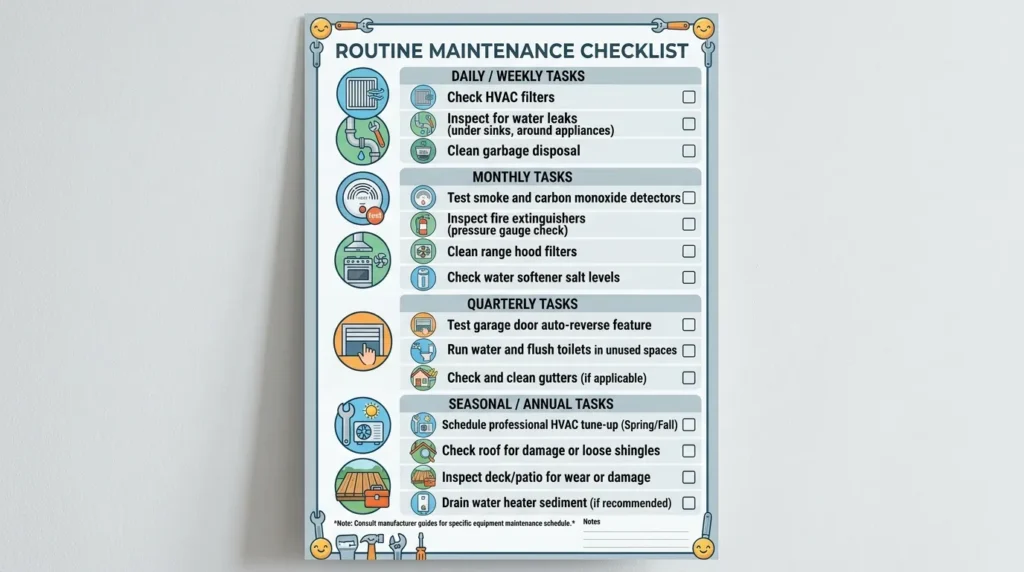
A consistent safety routine can help homeowners and property managers stay aware of electrical conditions.
A practical routine may include:
Regular awareness checks
– Look for visible damage to accessible electrical equipment.
– Notice unusual smells, sounds, or performance changes.
– Keep electrical equipment areas free from unnecessary storage.
– Report concerns promptly.
Professional assessment
– Arrange inspections when recommended.
– Seek advice before adding major electrical equipment.
– Address repeated electrical faults.
– Use qualified professionals for all technical repairs.
Household and workplace awareness
– Teach children and employees not to touch damaged electrical equipment.
– Explain how to report electrical concerns.
– Keep emergency contact information accessible.
– Review evacuation arrangements.
This routine does not replace professional inspection, but it helps people recognize when assistance is needed.
Conclusion
Short circuit prevention is an important part of protecting homes, workplaces, and commercial buildings. Electrical faults