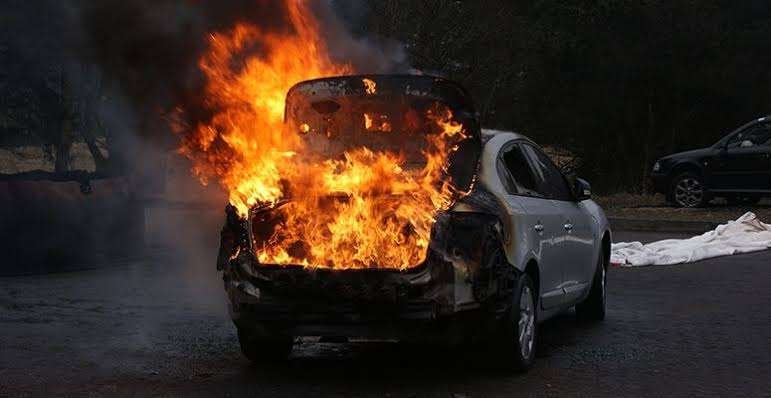
A car is an important part of everyday life for many homeowners in Pakistan. Families use vehicles for travelling to work, taking children to school, shopping, and visiting relatives. However, vehicles also contain several materials and systems that can contribute to a fire if they are damaged, poorly maintained, or exposed to unsafe conditions.
Car fires can happen for different reasons, including electrical faults, fuel-system problems, overheating, accidents, and neglected maintenance. Although not every vehicle fire can be prevented, understanding common risks and following sensible safety practices can help reduce the chances of an emergency.
Car fire safety should be considered part of a household’s wider fire prevention plan. Homeowners should understand how to recognize warning signs, how to respond if smoke or flames appear, and why professional vehicle inspections are important. It is also useful to consider the safety of garages, parking areas, and nearby buildings.
This guide explains the basic principles of car fire safety, highlights common causes, and discusses how families in Pakistan can build safer habits around their vehicles.
Understanding the Importance of Car Fire Safety
Modern vehicles contain electrical wiring, batteries, fuel systems, plastic components, upholstery, and other materials. Under normal conditions, these systems are designed to work safely. However, damage, poor-quality repairs, manufacturing defects, or a lack of maintenance can increase the risk of a fire.
A vehicle fire can become dangerous because cars contain materials that may burn quickly and produce harmful smoke. Fires can also spread to nearby vehicles, buildings, trees, or stored materials, particularly when a car is parked in a crowded or enclosed area.
For homeowners, the risk is not limited to the vehicle itself. A car parked inside an attached garage may create additional concerns for the house and its occupants. This makes prevention, early awareness, and safe emergency response especially important.
Car fire safety involves three main responsibilities:
– Reducing avoidable risks through responsible vehicle ownership.
– Recognizing possible warning signs before a situation becomes serious.
– Knowing how to move away from danger and contact emergency services.
These principles are useful for private cars, family vehicles, commercial vehicles, and vehicles used for daily transportation.
Common Causes of Car Fires
Understanding why vehicle fires happen can help drivers make better decisions. Several factors may contribute to a car fire, although the exact cause can only be determined through an appropriate professional investigation.
1. Electrical System Problems
Vehicles contain electrical systems that support lighting, entertainment equipment, sensors, charging ports, and other functions. Damaged wiring, faulty connections, unsuitable replacement components, or poorly installed accessories may create electrical risks.
Warning signs can include unusual electrical behaviour, repeated problems with vehicle equipment, burning smells, or visible smoke. These signs should never be ignored.
Vehicle owners should have electrical concerns assessed by a qualified automotive technician. Attempting electrical repairs without suitable training can create additional hazards.
2. Fuel System Issues
Fuel systems are designed to store and deliver fuel safely. However, damaged components, poor repairs, or vehicle accidents can create dangerous conditions.
A strong or unusual fuel smell may indicate a problem that requires professional attention. Drivers should avoid ignoring such signs or attempting to investigate a suspected leak themselves.
If a fuel-related problem is suspected, the vehicle should be kept away from ignition sources, and appropriate professional assistance should be contacted.
3. Engine Overheating
An engine operates under high temperatures, but excessive heat can indicate a mechanical problem. Cooling-system issues, damaged components, or other faults may contribute to overheating.
Drivers should pay attention to dashboard temperature warnings and unusual smells or smoke. Continuing to drive when a vehicle shows signs of serious overheating can increase the risk of damage and create unsafe conditions.
A qualified mechanic should inspect recurring overheating problems before the vehicle returns to regular use.
4. Poor-Quality Repairs and Modifications
Vehicle modifications and repairs should always meet appropriate safety and manufacturer requirements. Poor-quality electrical work, unsuitable accessories, and improperly installed components may increase the risk of faults.
Homeowners should choose reputable service centres and qualified technicians rather than relying on untrained individuals for important vehicle repairs.
Keeping records of repairs and inspections can also help owners understand the vehicle’s maintenance history.
5. Road Accidents
A road accident can damage electrical wiring, fuel-related components, batteries, and other vehicle systems. Even when the vehicle appears to have only minor external damage, hidden problems may remain.
After a significant collision, a professional inspection is important before the vehicle is considered safe for normal use.
Warning Signs Drivers Should Never Ignore
Recognizing unusual vehicle behaviour can help drivers respond before a problem becomes more serious. Some warning signs may indicate a mechanical fault rather than an immediate fire risk, but they should still receive attention.
Common warning signs include:
– A burning smell coming from the vehicle.
– Smoke appearing from the engine area, dashboard, or underneath the car.
– Repeated electrical failures or unusual electrical behaviour.
– Unexpected temperature warnings.
– Visible damage to electrical components.
– A strong fuel smell.
– Unusual heat or noise that cannot be explained.
Drivers should not assume that a problem is harmless simply because the vehicle continues to operate.
If smoke or flames appear, the priority is to stop in a safe place when possible, switch off the vehicle if it is safe to do so, move everyone away, and contact emergency services. People should not remain inside the vehicle to investigate the problem or collect belongings.
Essential Car Fire Safety Habits for Homeowners
Good safety habits can reduce avoidable risks and improve awareness. Homeowners should make vehicle safety part of their regular household routine.
Keep Up With Professional Vehicle Inspections
Regular inspections help identify developing problems with important vehicle systems. Qualified technicians can assess electrical components, fuel-related systems, cooling systems, and other areas according to the vehicle manufacturer’s recommendations.
The inspection schedule should reflect the vehicle’s age, condition, mileage, and usage.
A professional should also assess a vehicle after a major accident, significant electrical problem, or repeated overheating incident.
Avoid Unqualified Electrical Modifications
Additional lights, sound systems, charging equipment, and other accessories should be installed by qualified professionals. Poor installation can affect the vehicle’s electrical system and may create unnecessary risks.
Homeowners should avoid choosing accessories based only on low prices. Compatibility, quality, and professional installation are more important than appearance or convenience.
Pay Attention to Dashboard Warnings
Dashboard warning lights are designed to inform drivers about possible vehicle problems. Ignoring these warnings can allow a minor issue to become more serious.
Drivers should consult the owner’s manual and arrange professional assistance when a warning indicates a problem that requires inspection.
Keep the Vehicle in Suitable Condition
A vehicle that receives appropriate professional care is easier to monitor and manage. Owners should address unusual smells, sounds, warning lights, and changes in performance rather than postponing necessary inspections.
Vehicle maintenance should always follow manufacturer guidance and be performed by people with the appropriate training.
Avoid Carrying Unnecessary Hazardous Materials
Homeowners should avoid keeping unnecessary flammable or hazardous materials inside their vehicles. Heat, accidental damage, and unsuitable storage conditions may increase risks.
Items that require special storage should be handled according to their safety instructions. Vehicles should not be treated as general storage spaces for household chemicals or other hazardous products.
Safe Parking Practices at Home
Where a vehicle is parked can influence the safety of the household. Garages and parking areas should be organized to reduce unnecessary fire risks.
Keep Garages Clear and Organized
A garage should provide enough space for safe vehicle parking and access. Excessive clutter can make it harder to move around, reach an exit, or respond appropriately during an emergency.
Avoid storing unnecessary combustible materials close to vehicles. Keep walkways and exits clear so family members can leave the area without obstruction.
Provide Suitable Ventilation
Garages should have appropriate ventilation according to their design and intended use. Enclosed spaces can allow vehicle fumes and heat to accumulate, creating additional safety concerns.
Homeowners should not run a vehicle in an enclosed garage. If a garage has ventilation problems, a qualified professional should assess the space.
Keep Electrical Installations Professionally Maintained
Garage electrical systems should be installed and inspected by qualified electricians. Damaged outlets, exposed wiring, unsuitable electrical equipment, and poorly maintained installations can increase fire risks.
Homeowners should avoid using damaged electrical equipment or attempting repairs without suitable qualifications.
Maintain Clear Access to Exits
A garage should not become so crowded that people cannot leave quickly. Doors, passages, and emergency exits should remain accessible.
Families should understand how to leave the garage safely and where to meet outside the home during an emergency.
Car Fire Safety in Pakistan
Pakistan has a wide range of driving conditions, including busy city roads, highways, rural routes, and areas with high temperatures. These conditions make responsible vehicle care particularly important.
Long journeys, heavy traffic, extreme heat, and poor road conditions can place additional demands on vehicles. Owners should pay attention to warning signs and follow the manufacturer’s maintenance recommendations.
Several practical considerations are important for Pakistani homeowners.
Consider Local Weather Conditions
High temperatures can affect vehicle comfort and place additional demands on some vehicle systems. Parking in a suitable shaded location, when available, can help reduce direct sun exposure.
However, shade does not replace professional vehicle maintenance. Drivers should continue to monitor warning lights and unusual vehicle behaviour regardless of the weather.
Choose Reputable Workshops
Vehicle owners should select service centres with qualified technicians and suitable equipment. Poor-quality repairs may create problems that are difficult to recognize immediately.
Ask for clear explanations of recommended work and keep records of important repairs and inspections.
Take Long Journeys Seriously
Before a long trip, drivers should make sure the vehicle has received appropriate maintenance and that known problems have been addressed by professionals.
If a warning light, unusual smell, or overheating issue appears during a journey, drivers should prioritize safety rather than continuing simply to reach their destination.
Understand Emergency Contacts
Families should know how to contact local emergency services and roadside assistance. Emergency contact information should be accessible to responsible drivers.
In Pakistan, Rescue 1122 operates in many areas, but service availability and procedures can vary by location. Drivers should know the appropriate emergency arrangements for the areas where they travel.
What to Do If a Car Catches Fire
A vehicle fire is an emergency. The most important responsibility is to protect people, not the vehicle.
If smoke or flames appear, follow these general safety principles:
1. Stop in a safe location if possible. Avoid stopping where the vehicle creates an additional traffic hazard.
2. Switch off the engine if it is safe to do so. Do not delay leaving the vehicle to investigate.
3. Get everyone out. Help passengers leave promptly, especially children or anyone who needs assistance.
4. Move away from the vehicle. Keep a safe distance and stay away from traffic and other hazards.
5. Do not return for belongings. Personal items are not worth risking personal safety.
6. Contact emergency services. Provide the location and explain that a vehicle fire is involved.
7. Keep others away. Warn nearby people not to approach the vehicle.
Do not open the bonnet or attempt to inspect the source of smoke or flames. Do not try to fight a vehicle fire unless you are appropriately trained and emergency conditions make it safe to do so. Leave firefighting to trained responders.
The Role of Fire Safety Equipment
Fire safety equipment can support a wider safety plan, but it must be suitable for the hazard and used by people with appropriate training.
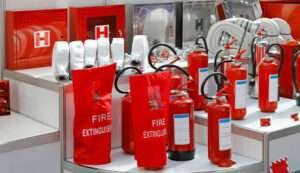
Some vehicle owners may consider carrying a suitable, approved vehicle fire extinguisher. Selection should be based on the vehicle manufacturer’s guidance, local requirements, and advice from a qualified fire safety professional.
An extinguisher is not a guarantee that a vehicle fire can be controlled. A fire can develop quickly, and personal safety must always come first.
Homeowners should also understand the importance of fire safety equipment around the property. Depending on the building, this may include appropriate smoke alarms, fire extinguishers, emergency lighting, and clearly marked escape routes.
A properly selected fire alarm system in Pakistan can contribute to early warning in homes, offices, garages, and other buildings where suitable detection is required. However, a building alarm system does not replace vehicle inspections or safe emergency response.
Fire safety equipment should be professionally selected, installed where necessary, inspected, and maintained according to its manufacturer’s instructions and applicable requirements.
Protecting Children and Family Members
Children may not understand the dangers associated with vehicle fires. Parents and guardians should explain simple safety rules in an age-appropriate way.
Family members should understand that:
– They must leave a vehicle promptly if an adult tells them to evacuate.
– They should never play with vehicle controls, electrical accessories, or stored equipment.
– They must not approach a vehicle showing smoke or unusual signs.
– They should never return to a vehicle during an emergency.
– They should follow instructions from responsible adults and emergency responders.
Children should also know a safe meeting place outside the home. Practising a simple household emergency plan can help everyone understand what to do without creating unnecessary fear.
Creating a Household Car Fire Safety Plan
A household safety plan should cover more than the vehicle itself. It should consider where vehicles are parked, how family members leave the property, and how emergency assistance can be contacted.
A practical plan may include:
Identify Safe Exits
Make sure family members know the safest ways to leave the house and garage. Keep these routes free from stored items and other obstructions.
Choose an Outdoor Meeting Point
Select a location away from the garage, parking area, and other possible hazards. Family members should know to gather there after leaving the property.
Keep Emergency Information Accessible
Store important emergency contact details where responsible household members can find them. Drivers should also know how to describe their location clearly when requesting help.
Discuss Responsibilities
Adults should understand who will assist children or family members who need additional support. No one should be expected to return to a dangerous area to check whether everyone has escaped.
Review the Plan
Household needs can change over time. Review the plan when vehicles, parking arrangements, or family circumstances change.
Why Professional Fire Safety Advice Matters
Vehicle safety and building fire safety involve different types of risks. A car’s electrical and fuel systems require qualified automotive professionals, while home and garage fire protection may require fire safety specialists and qualified electricians.
Trying to solve every problem without professional assistance can create additional hazards. Homeowners should seek advice from suitable experts when selecting fire protection equipment, reviewing garage safety, or assessing building fire risks.
For commercial properties, apartment buildings, and larger residential developments, fire safety planning may also involve building management, relevant authorities, and professional fire protection companies.
A suitable fire alarm system in Pakistan can be one part of a broader building protection strategy. The right system depends on the building’s layout, occupancy, potential hazards, and applicable safety requirements.
Common Car Fire Safety Mistakes to Avoid
Even responsible vehicle owners can overlook important safety concerns. Avoiding common mistakes can improve household awareness.
Ignoring Unusual Smells
A burning or fuel-related smell should not be treated as normal. Arrange a professional inspection when unusual smells appear.
Delaying Necessary Repairs
Postponing repairs can allow existing problems to continue. Follow professional advice and manufacturer recommendations.
Using Unqualified Repair Services
Poor-quality work may create additional risks. Choose technicians who have appropriate skills and experience.
Parking Near Unnecessary Hazards
Avoid parking close to accumulated waste, combustible storage, or other obvious hazards when a safer location is available.
Treating an Extinguisher as a Complete Solution
An extinguisher cannot replace evacuation or emergency services. A vehicle fire may become dangerous before anyone can respond.
Blocking Garage Exits
Stored items should not prevent family members from leaving quickly. Keep doors, passages, and access routes clear.
Building a Safer Future Through Awareness
Car fire safety is not based on one product or a single precaution. It depends on responsible vehicle ownership, professional inspections, suitable parking arrangements, and clear emergency planning.
Homeowners can reduce avoidable risks by taking warning signs seriously, choosing qualified repair services, and making sure family members understand how to respond to an emergency.
Fire prevention should also extend to the home and garage. Appropriate detection systems, maintained electrical installations, suitable fire safety equipment, and accessible exits all contribute to a safer environment.
For families in Pakistan, developing these habits can improve awareness and help protect people, property, and surrounding communities. The most important principle is simple: when a vehicle fire occurs, leave the area and contact emergency services rather than taking unnecessary risks.
Frequently Asked Questions (FAQs)
1. What are the most common causes of car fires?
Common causes include electrical faults, fuel-system problems, engine overheating, poor-quality repairs, damaged components, and accidents. Regular professional inspections can help identify some problems before they become more serious.