A home should be a place where families feel comfortable and protected. However, everyday activities such as cooking, using electrical appliances, charging devices, and operating heating equipment can create potential fire hazards. Without suitable precautions, a small safety issue may develop into a serious emergency.
Home fire safety is often overlooked because many people believe that residential fires are unlikely to happen to them. Others assume that having an extinguisher or keeping an eye on electrical appliances is enough to protect their families. Unfortunately, these assumptions can create a false sense of security.
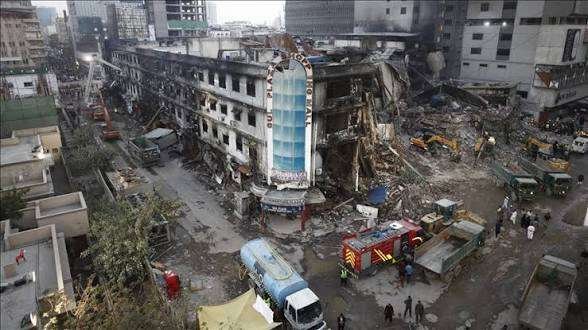
The real cost of ignoring home fire safety goes beyond repairing damaged property. A fire can interrupt family life, destroy valuable belongings, affect neighbouring homes, and create significant emotional and financial difficulties. These consequences make prevention and emergency preparedness essential for every household.
In Pakistan, homes range from small residential houses and apartments to large family properties and multi-storey buildings. Each type of home has different safety requirements, but all households can benefit from better awareness, suitable fire detection, clear escape arrangements, and responsible everyday habits.
This article explains the potential costs of neglecting residential fire safety, common household hazards, preventive measures, and the importance of a suitable fire alarm system in Pakistan.
Why Home Fire Safety Should Never Be Ignored
Many residential fire hazards develop during ordinary household activities. Cooking, electrical use, heating, and the storage of combustible materials are common parts of everyday life.
People may not always recognise these activities as potential risks. For example, damaged electrical equipment or unsuitable appliance use may be overlooked until a problem becomes noticeable.
Home fire safety helps families identify potential hazards and establish arrangements for responding to emergencies.
It is important for several reasons:
– Protects family members and visitors.
– Helps reduce preventable fire hazards.
– Supports early detection and warning.
– Protects household belongings and property.
– Helps prevent damage from spreading to neighbouring properties.
– Encourages responsible use of electrical appliances.
– Improves family emergency preparedness.
– Reduces the possibility of unexpected financial losses.
A safer home is created through a combination of awareness, suitable equipment, regular professional attention, and clear emergency planning.
The Financial Cost of Ignoring Home Fire Safety
One of the most noticeable consequences of a residential fire is financial loss. Even when an incident affects only part of a property, repairing the damage and replacing belongings can become expensive.
1. Property Repairs
A residential fire may damage walls, ceilings, doors, windows, flooring, electrical installations, and other parts of a building.
The cost of repairs depends on the extent of the damage, construction materials, property size, and availability of professional services.
In some cases, families may need to arrange temporary accommodation while repairs are completed.
Preventive measures and suitable detection arrangements can help households prepare for fire-related risks before they become costly problems.
2. Replacement of Household Belongings
Homes contain many valuable items, including furniture, clothing, electronics, kitchen equipment, documents, and personal belongings.
Replacing these items can place considerable pressure on a household budget.
Some possessions may also have sentimental value that cannot be measured financially.
Responsible fire prevention and suitable protection measures can help reduce the risk of avoidable property losses.
3. Temporary Accommodation Expenses
When a home becomes unsuitable for occupation following a fire, residents may need to stay with relatives or arrange temporary accommodation.
This can create additional expenses involving transportation, food, accommodation, and other everyday needs.
The situation may be especially difficult for families with children, older relatives, or household members who require additional support.
4. Business and Work Disruptions
Some people operate small businesses or work from home. A residential fire may damage computers, documents, equipment, or other items required for their work.
This can interrupt income-generating activities and create difficulties for household finances.
Maintaining digital backups and suitable business continuity arrangements can help reduce some of these risks.
The Human Cost of Poor Home Fire Safety
Financial damage is only one part of the problem. A residential fire can also affect the people who live in the property.
Family Safety
The most important responsibility of home fire safety is protecting people.
A household may include children, older adults, guests, and people with mobility or other accessibility requirements. These individuals may need clear information and suitable assistance during an emergency.
Families should understand how to recognise an alarm, follow evacuation instructions, and reach a safe location.
Children should receive age-appropriate safety education and should know to alert a responsible adult rather than attempt to deal with a fire.
Emotional Stress
A fire can create uncertainty and emotional pressure for everyone affected.
Families may experience disruption to their routines, concerns about their property, and difficulties returning to normal life.
The loss of familiar belongings and the experience of temporary relocation can make recovery more challenging.
Good preparation cannot remove every risk, but it can help families understand what to do when an emergency occurs.
Impact on Neighbours
Residential buildings often contain closely connected properties. Houses may share walls, while apartments may have common corridors and other shared spaces.
A fire in one property can create concerns for neighbouring residents.
This is why household fire safety is not only an individual responsibility. It can also contribute to the protection of surrounding homes and communities.
Common Fire Hazards Found in Pakistani Homes
Understanding common household hazards helps families take practical preventive steps.
1. Electrical Problems
Electrical equipment is used throughout modern homes. Refrigerators, televisions, computers, washing machines, air conditioners, chargers, and other appliances depend on electrical installations.
Damaged equipment, unsuitable connections, overloaded circuits, and poor maintenance can create fire risks.
Households should use electrical products responsibly and arrange for qualified professionals to assess electrical problems.
Any damaged appliance or electrical installation should receive appropriate attention rather than being repaired by an unqualified person.
2. Cooking Activities
Cooking is a routine activity in most Pakistani households. Kitchens may contain gas appliances, electrical equipment, cooking oils, and other materials that require careful attention.
Distractions, unattended cooking, unsuitable appliance use, and poor kitchen housekeeping can increase risks.
Families should establish safe kitchen habits and ensure that children are kept away from potentially hazardous equipment.
3. Heating Equipment
During colder months, some households use heaters and other heating appliances.
Unsuitable placement, damaged equipment, and poor maintenance may create safety concerns.
Heating equipment should be selected and used according to manufacturer instructions. Qualified professionals should assess any installation or maintenance concerns.
4. Candles and Open Flames
Some households use candles or other open-flame products for different purposes.
These items require responsible handling because nearby combustible materials may increase fire risks.
Household members should ensure that children do not have unsupervised access to such items.
5. Combustible Storage
Paper, cardboard, fabrics, cleaning materials, and other household items may contribute to fire hazards if stored carelessly.
Keeping storage areas organised can help reduce unnecessary risks and maintain clear access to doors and escape routes.
6. Gas Appliances and Connections
Gas appliances are used in many homes across Pakistan. Poorly maintained equipment or unsuitable installations can create serious safety concerns.
Households should arrange professional inspections when necessary and follow the instructions of relevant service providers.
If a suspected gas emergency occurs, occupants should move to safety and contact the appropriate emergency service or qualified authority. They should not attempt repairs themselves.
The Importance of Early Fire Detection at Home
Early detection is a major part of residential fire safety. A fire may begin in an area that is not immediately visible to household members.
For example, occupants may be sleeping, working in another room, or temporarily away from the property.
Suitable smoke detection and alarm arrangements can provide an important warning when a recognised hazard is detected.
A fire alarm system in Pakistan can help residential property owners consider how early warning fits into their overall safety arrangements.
Depending on the property’s requirements, a residential detection arrangement may include:
– Smoke detectors.
– Heat detectors where suitable.
– Audible alarm devices.
– Manual alarm activation points where appropriate.
– A control unit for more complex installations.
– Suitable power arrangements.
Not every home requires the same configuration. The correct arrangement depends on the property’s size, layout, occupancy, and applicable safety requirements.
Professional guidance can help homeowners select appropriate equipment and determine suitable installation locations.
Early warning is particularly important in homes with multiple floors, sleeping areas, or residents who may need additional assistance during evacuation.
Why Smoke Alarms Matter in Residential Properties
Smoke alarms are important because they can alert occupants when smoke reaches the detection device.
Their purpose is to provide an early warning so people can recognise a possible fire emergency and follow the household’s evacuation arrangements.
A smoke alarm should not be treated as a complete fire protection solution. It works best as part of a wider safety plan that includes:
Suitable placement: Alarm locations should follow manufacturer instructions and relevant safety guidance.
Regular testing: Devices should be checked according to manufacturer recommendations.
Battery attention: Battery-powered devices require appropriate battery care and replacement.
Maintenance: Dust, damage, or other issues can affect device performance.
Household awareness: Everyone should understand what the alarm sounds like and what action to take.
Homeowners should seek professional guidance when deciding which detection devices are appropriate for their properties.
How to Create a Home Fire Safety Plan
A home fire safety plan gives family members a shared understanding of how to respond during an emergency.
It should be simple, clear, and suitable for everyone who lives in the property.
1. Identify Suitable Escape Routes
Every household should understand the available ways to leave the property safely.
Family members should know which exits are available and ensure that routes remain accessible.
In multi-storey homes and apartments, arrangements should follow the building’s approved emergency procedures.
2. Choose an Outdoor Meeting Point
Families should agree on a safe outdoor meeting location away from the property.
This makes it easier to confirm whether household members have reached safety.
The meeting point should be familiar and suitable for everyone in the household.
3. Explain Emergency Procedures to Children
Children should understand the meaning of smoke alarms and emergency instructions.
They should know how to alert an adult, leave the property when instructed, and avoid returning inside.
Safety information should be communicated calmly and in language appropriate for their age.
4. Consider Older Adults and People With Disabilities
Some household members may need additional assistance during evacuation.
Families should consider their needs when preparing emergency arrangements.
It may be helpful to discuss these arrangements with relevant professionals or building management, particularly in apartment buildings.
5. Keep Emergency Information Available
Households should know how to contact relevant emergency services and communicate their location clearly.
Important family contact details can also be kept in an accessible place.
6. Review the Plan Regularly
Family arrangements can change when people move, children grow older, or building layouts are altered.
Households should review their emergency plan whenever important changes occur.
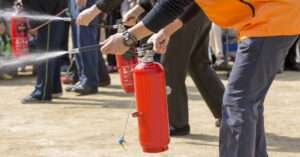
The Role of Fire Extinguishers in Home Safety
Fire extinguishers may form part of a household’s fire protection arrangements, but choosing suitable equipment is important.
Different extinguishers are designed for different categories of fire. A product that is suitable for one type of fire may be inappropriate for another.
Homeowners should seek professional guidance about the types of hazards present in their properties and the equipment that may be suitable.
It is equally important to understand that an extinguisher is not a reason to delay evacuation.
People without suitable training should not attempt to control a fire. Their priority should be to raise the alarm, move to safety, and contact emergency services.
Common Home Fire Safety Mistakes
Many residential fire risks become more difficult to manage when households overlook basic safety responsibilities.
1. Ignoring Damaged Electrical Equipment
Damaged cables, plugs, and appliances should not be ignored.
Households should stop using affected equipment where appropriate and arrange assessment by a qualified professional.
2. Assuming Fires Only Happen in Other Homes
Believing that a fire is unlikely to affect one’s own property can lead families to overlook important precautions.
Every household should consider its own risks and prepare suitable safety arrangements.
3. Forgetting About Smoke Detection
Some homeowners do not consider smoke alarms until they experience a safety concern.
Suitable early detection should be considered as part of normal residential planning.
4. Blocking Escape Routes
Shoes, furniture, boxes, and other belongings can gradually accumulate near doors and corridors.
Keeping escape routes accessible is a simple but important household safety habit.
5. Failing to Educate Family Members
An emergency plan is less useful when household members do not understand it.
Families should discuss alarm signals, safe exits, and outdoor meeting arrangements.
6. Neglecting Professional Maintenance
Safety systems and electrical installations require suitable attention.
Homeowners should arrange professional inspections when necessary and follow equipment manufacturers’ recommendations.
The Importance of Fire Alarm Systems in Pakistan
Residential properties in Pakistan have different layouts and safety requirements. A small house, apartment, multi-storey residence, and large family property may need different detection arrangements.
A suitable fire alarm system in Pakistan can support early warning and help occupants recognise potential danger.
When considering an alarm system, homeowners should pay attention to several factors.
Property size and layout: The number of rooms, floors, and relevant areas can influence detection requirements.
Occupancy: Homes with children, older adults, or people who need additional assistance may require particular consideration.
Equipment suitability: Detectors and alarm devices should match the intended environment and follow manufacturer guidance.
Professional installation: More complex systems should be designed and installed by qualified professionals.
Maintenance: Alarm equipment should be tested and maintained according to relevant instructions.
Building requirements: Apartment owners should also understand the building’s shared fire safety arrangements.
A fire alarm system is not a replacement for household awareness or evacuation planning. It is one part of a wider approach that combines prevention, detection, warning, and emergency preparedness.
How Homeowners Can Reduce Fire-Related Financial Losses
Preventive measures can help reduce the possibility of avoidable fire incidents and improve household preparedness.
Homeowners can consider the following steps:
– Arrange professional assessments of electrical installations when needed.
– Use appliances according to manufacturer instructions.
– Keep kitchens and storage areas organised.
– Consider suitable smoke detection.
– Maintain clear household escape routes.
– Review the condition of safety equipment.
– Discuss emergency arrangements with family members.
– Keep important documents organised.
– Maintain suitable digital backups of valuable records.
– Review home insurance options where available.
These steps do not guarantee that a fire will never occur. However, they can help families take a more responsible approach to managing household risks.
Home Fire Safety in Apartments and Shared Buildings
Apartment living is common in many Pakistani cities. Shared residential buildings may contain multiple households, common corridors, stairways, parking areas, and other facilities.
Fire safety in these environments requires cooperation between residents and building management.
Residents should understand the building’s emergency arrangements and avoid blocking shared exits or corridors.
Building management should ensure that common safety equipment receives appropriate professional attention and that occupants can access relevant emergency information.
Apartment residents should also understand whether their building has shared alarm arrangements and how they should respond when an alarm sounds.
Individual households should not assume that building-wide systems remove the need for personal preparedness.
Teaching Children About Home Fire Safety
Children should receive simple and age-appropriate fire safety information.
They should understand that fire and potentially dangerous equipment are not suitable for play.
Parents and responsible adults can teach children to:
– Recognise the household smoke alarm.
– Alert an adult when they notice a possible hazard.
– Follow evacuation instructions.
– Avoid hiding during an emergency.
– Stay away from electrical and heating equipment.
– Move to the agreed outdoor meeting point.
– Never return to the building after leaving.
Teaching children these basic principles helps them understand that safety is a shared household responsibility.
Why Professional Advice Makes a Difference
General fire safety information is useful, but it cannot replace an assessment of a specific property.
Every home has different characteristics, including its construction, layout, electrical installations, occupancy, and potential hazards.
A qualified professional can help homeowners understand which detection equipment and safety arrangements are appropriate.
Professional guidance is particularly valuable when selecting a fire alarm system, upgrading existing equipment, or assessing a multi-storey property.
Homeowners should avoid relying on assumptions or choosing safety equipment based only on appearance and price.
Conclusion
The real cost of ignoring home fire safety can extend far beyond property damage. Residential fires may create financial pressure, disrupt family life, dam