Renting a house, apartment, or commercial property offers flexibility and convenience, but it also comes with important safety responsibilities. Whether someone lives in a small apartment, a shared house, or a rented portion of a building, fire safety should always be a priority. Fires can occur unexpectedly because of electrical problems, cooking accidents, heating equipment, faulty appliances, or poor maintenance.
Unlike property owners, renters may not have full control over the building’s design, electrical installations, or fire protection equipment. However, tenants can still take practical steps to reduce risks, protect their belongings, and understand what to do during an emergency.
In Pakistan, rented properties range from individual rooms and family homes to apartment complexes and commercial buildings. Each type of property has different fire safety requirements. Tenants should understand their responsibilities, communicate with landlords, and make sure they know how to leave the building safely.
A properly installed fire alarm system in Pakistan can support early warning and help occupants respond quickly when a fire is detected. However, alarms are only one part of a complete safety plan. Clear escape routes, maintained electrical systems, suitable equipment, and responsible behaviour are equally important.
This beginner’s guide explains how renters can improve fire safety, what to check before moving into a property, how to work with landlords, and how to prepare for emergencies.
1. Understand Your Fire Safety Responsibilities as a Renter
Fire safety in a rented property is a shared responsibility between tenants and landlords. The exact legal duties may depend on the property type, rental agreement, and applicable local regulations.
Landlords generally have responsibilities related to the condition and maintenance of the property. Tenants are expected to use the premises responsibly, report problems, and avoid activities that create unnecessary risks.
Before moving in, renters should understand:
– Who is responsible for maintaining electrical installations.
– Whether smoke detectors and fire alarms are provided.
– Who arranges repairs to safety equipment.
– Whether emergency exits and staircases are shared.
– How maintenance problems should be reported.
– What the rental agreement says about property alterations.
– Whether the building has an emergency evacuation plan.
If responsibilities are unclear, tenants should discuss them with the landlord or property manager and keep important communication in writing.
Understanding these responsibilities can prevent confusion when a safety issue needs attention.
2. Inspect the Property Before Moving In
A basic safety inspection before moving into a rented property can help identify concerns early. Renters should not assume that a property is safe simply because it looks clean or recently renovated.
Pay attention to the condition of:
Electrical Installations
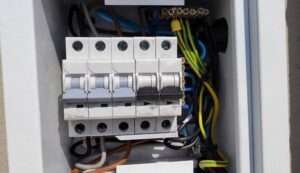
Look for visible signs of damage around sockets, switches, wiring, and distribution boards. Damaged fittings, exposed wires, or signs of overheating should be reported to the landlord.
Do not attempt electrical repairs yourself. A qualified electrician should inspect and resolve electrical faults.
Kitchen Area
The kitchen may contain cooking appliances, electrical equipment, gas connections, and combustible materials. Check that the space is organised and that appliances appear to be in suitable condition.
Doors and Exits
Make sure the main entrance and other designated exits can be opened easily. Shared corridors and staircases should not be blocked by furniture, boxes, or stored belongings.
Fire Detection Equipment
Check whether smoke detectors or a fire alarm system are installed. Ask the landlord when the equipment was last inspected and who is responsible for maintenance.
Shared Areas
In apartment buildings, pay attention to staircases, corridors, parking areas, and other common spaces. These areas should remain accessible and properly maintained.
If you identify a serious concern, report it before occupying the property whenever possible.
3. Check Smoke Detectors and Fire Alarms
Smoke detectors and fire alarms are important components of building safety. They provide warnings when smoke or other monitored fire conditions are detected.
Renters should understand what equipment is available and how to report a problem.
Before moving in, check:
– Whether smoke detectors are installed in appropriate locations.
– Whether visible alarm devices appear damaged.
– Whether the system has a control panel or connected alarm devices.
– Whether the landlord has maintenance records.
– Whether occupants know how to recognise the alarm.
– Whether visual warning devices are available where needed.
Tenants should never remove, cover, disconnect, or interfere with smoke detectors or alarm devices.
If a detector appears damaged or repeatedly produces warning signals, inform the landlord or property manager. A qualified professional should inspect the equipment.
A fire alarm system in Pakistan should be selected and maintained according to the building’s size, layout, occupancy, and applicable requirements. Apartment buildings and larger residential complexes may need more comprehensive systems than individual rental homes.
4. Understand Common Fire Risks in Rental Properties
Different properties have different fire risks. Renters should become familiar with the most common sources of fire so they can avoid preventable problems.
Electrical Problems
Overloaded sockets, damaged cables, faulty appliances, and poor-quality electrical accessories can increase fire risks.
Use electrical equipment according to manufacturer instructions and report damaged fittings promptly.
Cooking Activities
Cooking areas can become unsafe when appliances are left unattended or combustible materials are placed too close to heat sources.
Stay attentive while cooking and keep the surrounding area organised.
Heating Equipment
Portable heaters and other heating appliances should be used according to their instructions. Keep combustible materials away and avoid using damaged equipment.
Smoking Materials
Careless disposal of smoking materials can create fire hazards. Follow building rules and avoid smoking in prohibited areas.
Candles and Decorative Lights
Candles and decorative electrical products should be used responsibly. Never leave open flames unattended, and inspect electrical decorations for visible damage.
Understanding these risks helps renters make safer everyday choices.
5. Keep Electrical Appliances in Good Condition
Electrical safety is especially important in rented properties because tenants may not know the history of the wiring or appliances.
Renters should take reasonable precautions when using electrical equipment.
– Avoid connecting too many high-power appliances to one socket.
– Do not use visibly damaged plugs or cables.
– Keep electrical appliances away from water.
– Switch off equipment when it is not needed, where appropriate.
– Follow manufacturer instructions.
– Avoid using damaged extension leads.
– Report unusual smells, sparks, or signs of overheating.
– Arrange repairs through the landlord or a qualified electrician.
Tenants should not attempt to open electrical panels, replace internal wiring, or make unauthorised changes to the property’s electrical system.
If an electrical installation appears unsafe, stop using the affected equipment and seek qualified assistance.
6. Make the Kitchen Safer
The kitchen is one of the most important areas to consider when planning fire safety. Cooking involves heat, electrical appliances, and sometimes gas equipment.
Renters should keep the kitchen clean, organised, and free from unnecessary combustible materials.
Useful precautions include:
– Stay attentive while cooking.
– Keep paper, cloth, and packaging away from heat sources.
– Keep cooking appliances in good condition.
– Avoid leaving cooking equipment unattended.
– Keep children away from hot appliances.
– Follow the manufacturer’s instructions for kitchen equipment.
– Report damaged gas or electrical fittings to the landlord.
If a gas smell is noticed, do not operate electrical switches or use flames. Move everyone away from the affected area and contact the appropriate emergency service or qualified gas professional from a safe location.
Never attempt to investigate or repair a suspected gas leak yourself.
7. Keep Escape Routes Clear
Knowing how to leave a property safely is one of the most important parts of fire preparedness.
Renters should identify the main exit and any other designated escape routes when they first move in. In apartment buildings, staircases and shared corridors may form part of the evacuation route.
Keep these areas clear of:
– Shoes and storage boxes.
– Furniture.
– Bicycles and other personal items.
– Waste materials.
– Decorative objects that restrict movement.
Do not lock or block designated emergency exits in a way that prevents people from leaving.
If the property has more than one suitable exit, understand how each route can be reached. Renters should also identify a safe outdoor meeting point where household members can gather after leaving the building.
Never use lifts during a fire evacuation unless emergency personnel specifically direct otherwise.
8. Prepare a Fire Escape Plan
A fire escape plan gives household members a clear idea of what to do during an emergency. Even a small rented home should have a simple evacuation arrangement.
Start by identifying:
Primary exit: Decide which exit should normally be used to leave the property.
Alternative route: Understand whether another safe exit is available if the primary route cannot be used.
Meeting point: Choose a safe outdoor location away from the building.
Emergency contact: Make sure household members know how to contact local emergency services.
Assistance arrangements: Consider children, older people, and anyone who may need help leaving the property.
Important instructions: Everyone should know to leave belongings behind and avoid returning inside.
Discuss the plan with everyone living in the property. Practising the route can help household members become more familiar with it.
9. Understand Fire Safety in Apartment Buildings
Apartment buildings require additional attention because residents share corridors, staircases, entrances, and other facilities.
A fire in one apartment may affect other occupants if building safety arrangements are not properly maintained.
Tenants should check whether:
– Shared staircases are clear.
– Emergency exits are accessible.
– Fire alarm arrangements are provided.
– Exit signs are visible.
– Emergency lighting is maintained.
– Fire protection equipment is available where required.
– Building management communicates safety instructions.
Residents should follow the building’s official evacuation plan rather than assuming that every situation requires the same route.
If smoke or fire blocks an exit, do not enter the affected area. Follow the building’s emergency instructions and contact rescue services.
Building management should ensure that shared fire protection equipment receives appropriate inspection and maintenance.
10. Know What Fire Protection Equipment Is Available
Renters should understand which fire protection equipment is provided in their property and where it is located.
Depending on the building, equipment may include:
Smoke Detectors
These provide warnings when smoke is detected and can help occupants recognise a possible fire early.
Fire Alarm Systems
These alert occupants through sound or visual signals. Larger buildings may use interconnected detection and alarm equipment.
Fire Extinguishers
These are intended for suitable fire types and should be used only by people who have received appropriate training and when it is safe to do so.
Emergency Lighting
This helps people identify escape routes if normal lighting becomes unavailable.
Exit Signs
These help occupants locate designated exits.
Fire Hose Reels and Sprinklers
Some larger buildings may have additional fire protection systems based on their design and safety requirements.
Tenants should not remove, relocate, or interfere with this equipment. If something appears missing or damaged, report it to building management.
11. Discuss Fire Safety with Your Landlord
Communication between tenants and landlords is essential for maintaining a safe rental property.
Renters should report concerns as soon as they notice them. Waiting until a small issue becomes serious can increase the risk to occupants and property.
When contacting the landlord, provide clear information about:
– The location of the problem.
– The type of equipment or fitting involved.
– Any visible damage.
– Whether the issue affects an emergency exit.
– Whether the problem has occurred before.
For important safety concerns, written communication can help maintain a record of the report and the landlord’s response.
Tenants should avoid making unauthorised changes to alarm systems, electrical installations, doors, or other safety features.
If a landlord does not respond to a serious concern, renters may seek advice from the relevant local authority or a qualified property safety professional.
12. Be Careful with Portable Heaters and Other Appliances
Portable heaters, fans, cooking devices, and other household appliances should be used carefully.
Before using an appliance, check that it is suitable for the intended purpose and that its cable and plug appear undamaged.
Keep heaters away from curtains, bedding, furniture, paper, and other combustible materials. Do not cover appliances or use them in ways that differ from manufacturer instructions.
When leaving a room or going to sleep, follow the manufacturer’s guidance about switching off equipment.
If an appliance produces unusual sounds, smells, or visible signs of damage, stop using it and arrange a professional inspection or replacement.
Renters should also avoid bringing unsuitable high-power appliances into a property without checking whether the electrical supply can support them.
13. Protect Children, Older People, and Other Vulnerable Occupants
A rental property may be shared by people with different needs. Children may not understand alarms, while older people or individuals with mobility limitations may require additional assistance.
Households should consider these needs when preparing an evacuation plan.
For children:
– Explain what the alarm sounds like.
– Teach them to follow a responsible adult.
– Identify the safest exit.
– Tell them not to hide or collect belongings during an emergency.
– Practise the evacuation route under adult supervision.
For older people or occupants needing assistance:
– Identify who will provide help.
– Keep evacuation routes accessible.
– Consider suitable visual or audible warning arrangements.
– Discuss any additional needs with building management.
The goal is to make sure every household member understands how to reach safety.
14. Understand the Role of a Fire Alarm System in Pakistan
A suitable fire alarm system can provide early warning and support an organised response during an emergency.
In Pakistan, rental homes, apartment buildings, offices, and commercial properties may have different fire detection requirements depending on their size and occupancy.
A professionally designed system may include:
– Smoke detectors.
– Heat detectors.
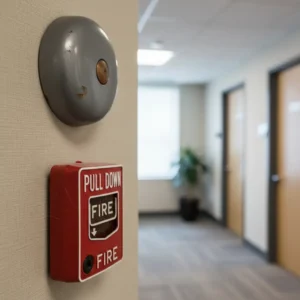
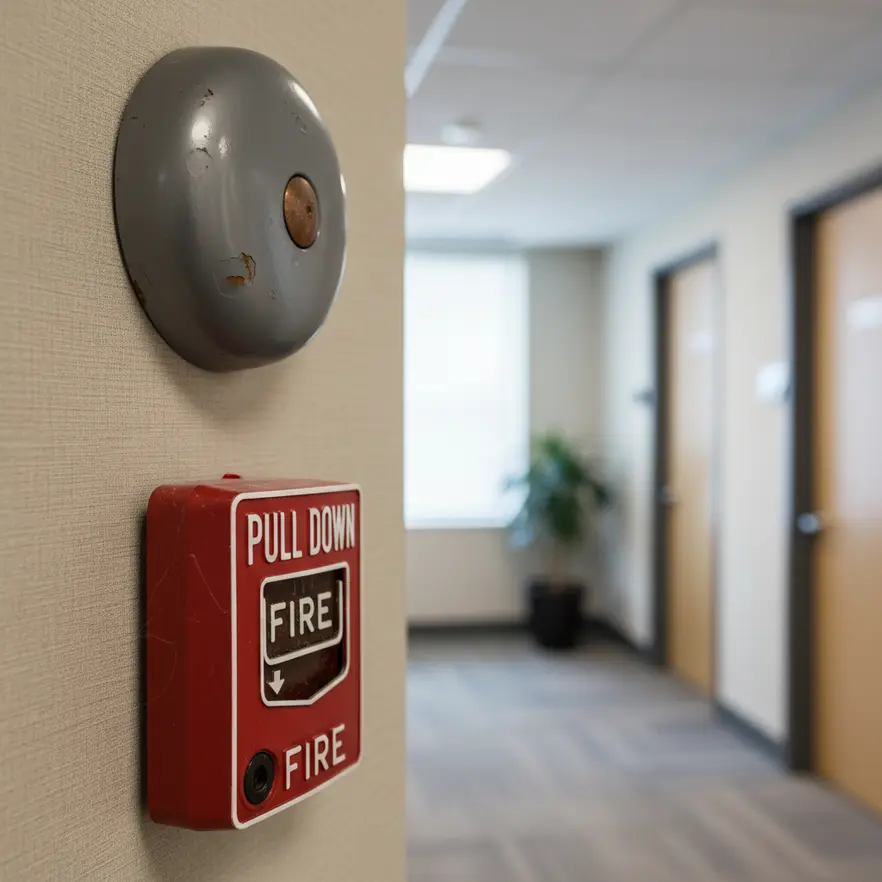
– Manual call points.
– Audible alarm sounders.
– Visual warning devices.
– A central control panel.
– Backup power arrangements.
The system should be selected according to the property’s fire risks and building requirements.
For renters, the most important steps are to confirm that the provided equipment is present, avoid interfering with it, and report any apparent fault to the landlord or property manager.
Tenants should also understand how to recognise the alarm and where to go when it activates.
An alarm system is not a replacement for safe electrical installations, clear exits, or an evacuation plan. It works as part of a wider fire protection arrangement.
15. What to Do If a Fire Starts in Your Rental Property
If a fire occurs, protecting people should always come before protecting belongings.
Follow these basic safety steps:
1. Warn everyone nearby.
2. Activate the fire alarm if one is available and it is safe to do so.
3. Leave the building using a safe exit route.
4. Avoid smoke and do not enter affected areas.
5. Contact the local fire and rescue service from a safe location.
6. Gather at the agreed meeting point.
7. Follow instructions from emergency personnel.
8. Do not return until authorities confirm that it is safe.
Do not attempt to control a spreading fire or investigate its source. Untrained occupants should leave emergency response to professionals.
If an exit is blocked, do not force your way through smoke or fire. Follow the building’s emergency arrangements and contact rescue services for assistance.
16. Common Fire Safety Mistakes Renters Should Avoid
Small mistakes can increase fire risks in rented properties. Being aware of them helps tenants develop safer habits.
Ignoring Damaged Wiring
Using damaged electrical equipment can create unnecessary risks. Report problems and arrange qualified repairs.
Blocking Corridors
Personal belongings should never obstruct shared escape routes.
Covering Smoke Detectors
Detectors must remain unobstructed so they can perform their intended function.
Ignoring Alarm Warnings
An alarm should always be treated seriously. Follow the evacuation plan and do not assume it is a false warning.
Using Appliances Incorrectly
Ignoring manufacturer instructions can create avoidable hazards.
Forgetting Emergency Planning
Every household should know how to leave the property and where to meet outside.
Making Unauthorised Changes
Removing detectors, modifying electrical installations, or interfering with fire doors can compromise building safety.
Avoiding these mistakes helps renters protect themselves and other occupants.
17. Build a Regular Fire Safety Routine
Fire safety should not be considered only when moving into a property. Renters should develop simple habits that help maintain a safer living environment.
A regular routine may include:
– Checking that exits remain clear.
– Reporting damaged electrical fittings.
– Keeping cooking areas organised.
– Making sure smoke detectors are not covered or damaged.
– Reviewing the household escape plan.
– Checking that emergency contact details are available.
– Following building management instructions.
– Reporting missing or damaged fire protection equipment.
Landlords and property managers should arrange professional maintenance for equipment and building systems that require inspection.
A shared commitment to safety helps reduce risks throughout the rental period.
Conclusion
Fire safety is an important responsibility for anyone living in a rented property. Although tenants may not control the building’s structure or installed systems, they can still take practical steps to identify hazards, report maintenance problems, keep escape routes clear, and prepare for emergencies.
Before moving into a property, renters should check electrical installations, smoke detectors, fire alarms, emergency exits, and shared building facilities. They should also understand their responsibilities and communicate clearly with the landlord or property manager.
A reliable fire alarm system in Pakistan can support early warning in homes and larger buildings, but it must be properly installed and maintained. Safe everyday habits, suitable equipment, and a clear evacuation plan are equally important.
By understanding basic fire safety principles, rente