Schools are places where children, teachers, administrative staff, and visitors spend a significant part of their day. Maintaining a safe learning environment is therefore an important responsibility for school owners, management teams, and educational institutions. While schools focus on academic development, they must also prepare for emergencies that could affect students and staff.
Fire safety is one of the most important parts of school safety management. Electrical faults, laboratory equipment, kitchen appliances, heating devices, overloaded sockets, and poor storage practices can increase fire risks. Even a small incident can disrupt lessons, damage school property, and create serious concerns for everyone inside the building.
In Pakistan, schools operate in different types of buildings, including purpose-built campuses, rented properties, multi-storey structures, and older educational facilities. Each environment has different safety requirements. However, many fire safety problems occur because basic precautions are overlooked or emergency arrangements are not maintained properly.
A suitable fire alarm system in Pakistan can help provide early warnings, but installing equipment alone does not make a school completely safe. Effective protection also depends on clear evacuation plans, trained staff, accessible exits, regular inspections, and student awareness.
This article explains seven common mistakes people make with school fire safety and provides practical ways to avoid them.
Why Is Fire Safety Important in Schools?
Schools have unique responsibilities because many occupants are children who depend on adults for guidance during emergencies. Students may not understand the dangers of smoke, electrical equipment, or restricted areas. Younger children may also need additional support when following evacuation instructions.
A good school fire safety plan should focus on:
– Preventing common fire hazards.
– Providing reliable early warning.
– Keeping emergency exits accessible.
– Training teachers and support staff.
– Helping students understand basic safety rules.
– Maintaining fire protection equipment.
– Organizing supervised evacuation exercises.
Fire safety should be part of everyday school management rather than something considered only during inspections.
1. Ignoring Regular Fire Risk Assessments
One of the most common mistakes is failing to review fire hazards regularly. Some schools assume that their buildings are safe simply because no major incident has occurred in the past.
However, school environments change over time. New classrooms may be added, electrical equipment may be replaced, storage arrangements may change, and student numbers may increase.
Without regular assessments, management may overlook hazards that develop gradually.
Why Is This a Problem?
A school may contain several areas with different fire risks. Classrooms may have computers and electrical equipment, laboratories may contain specialized materials, and kitchens may use cooking appliances.
Storage rooms can also become unsafe when cardboard, paper, packaging, or other combustible materials accumulate.
If these conditions are not reviewed, the school’s existing safety arrangements may no longer be suitable.
How to Avoid This Mistake
School management should arrange suitable fire risk assessments and review them whenever important changes occur.
An assessment should consider:
– Electrical installations and equipment.
– Laboratories and practical learning areas.
– Kitchens and cafeterias.
– Storage rooms.
– Corridors and staircases.
– Emergency exits.
– Fire detection and alarm arrangements.
– The needs of students requiring additional assistance.
Where specialist knowledge is needed, schools should consult qualified fire safety professionals.
2. Neglecting Fire Alarm System Maintenance
A fire alarm system is an important part of school protection because it warns occupants about a possible emergency.
However, purchasing and installing an alarm system is not enough. Equipment must remain functional and receive appropriate maintenance.
Some schools make the mistake of assuming that alarms will always work without regular checks.
Why Is This a Problem?
An alarm system may develop faults because of damaged components, electrical problems, battery issues, environmental conditions, or poor maintenance.
If a detector or warning device fails, occupants may not receive the alert they need.
A school may also have a system that does not provide suitable coverage for its current building layout.
How to Avoid This Mistake
Schools should establish a documented inspection and maintenance schedule based on manufacturer instructions and applicable requirements.
Important considerations include:
– Checking the condition of alarm devices.
– Arranging required system testing.
– Monitoring reported faults.
– Maintaining service records.
– Ensuring warning devices can be heard or seen in relevant areas.
– Using qualified technicians for repairs and servicing.
A suitable fire alarm system in Pakistan should be selected according to the school’s size, layout, occupancy, and specific safety requirements.
Management should also ensure that teachers and other staff understand what the alarm sounds like and what action they must take when it activates.
3. Keeping Emergency Exits Blocked or Inaccessible
Emergency exits provide essential routes for occupants to leave a building during an emergency.
Unfortunately, some schools allow corridors, staircases, and exit doors to become obstructed by furniture, school supplies, cleaning equipment, or stored materials.
This is a serious mistake because an escape route is useful only when people can access it.
Why Is This a Problem?
During an emergency, students and staff need clear routes to reach designated safe areas.
Blocked corridors can create confusion and slow evacuation. Locked or inaccessible exits may also prevent occupants from following the school’s emergency plan.
Schools with several floors must pay particular attention to staircases and protected escape routes.
How to Avoid This Mistake
Management should regularly inspect all designated escape routes.
The following precautions are important:
– Keep corridors free from unnecessary storage.
– Avoid placing furniture near exit doors.
– Ensure designated exits remain usable.
– Maintain clear exit signage.
– Check emergency lighting where installed.
– Keep staircases free from obstructions.
– Communicate evacuation routes to teachers and students.
Teachers should also know which exits are assigned to their classrooms and where students should assemble after leaving the building.
4. Failing to Train Teachers and School Staff
Another common mistake is assuming that teachers and support staff will automatically know how to respond during a fire emergency.
Although many employees may understand basic safety principles, an emergency requires clear responsibilities and familiarity with school procedures.
Without appropriate training, staff members may become uncertain about evacuation arrangements, student supervision, or emergency communication.
Why Is This a Problem?
Schools contain students of different ages and abilities. Teachers may need to guide large groups, while administrative staff may have responsibilities involving visitors, attendance records, and emergency communication.
Support staff may also need to understand procedures for kitchens, laboratories, maintenance areas, and other facilities.
If responsibilities are unclear, the school’s emergency response may become disorganized.
How to Avoid This Mistake
Schools should provide suitable fire safety awareness training for teachers, administrators, security personnel, maintenance staff, and other relevant employees.
Training should explain:
– Common school fire hazards.
– How to recognize an alarm.
– Emergency reporting procedures.
– Designated evacuation routes.
– Assembly areas.
– Student supervision responsibilities.
– Procedures for assisting people who need additional support.
– Communication with emergency services.
Staff should receive refresher information when procedures change or new employees join the school.
Training should emphasize that personal safety and evacuation take priority over protecting school property.
5. Not Teaching Students Basic Fire Safety Rules
Students are central to school safety, yet some institutions focus almost entirely on equipment and staff responsibilities.
Children also need age-appropriate information about fire prevention and emergency behaviour.
Students who do not understand basic safety rules may ignore warning signs, touch unfamiliar equipment, or become confused when an alarm sounds.
Why Is This a Problem?
Children may not recognize that certain everyday activities can create fire risks.
For example, they may play with electrical sockets, interfere with alarm devices, or enter restricted areas out of curiosity.
Younger students may also need repeated reminders to follow teachers’ instructions during an evacuation.
How to Avoid This Mistake
Schools should introduce simple fire safety lessons suitable for students’ ages.
Important messages include:
– Never play with matches or lighters.
– Do not touch electrical panels or damaged wires.
– Never interfere with smoke detectors or alarm buttons.
– Stay away from restricted areas.
– Report smoke or unusual burning smells to a teacher.
– Follow instructions when an alarm sounds.
– Do not return to classrooms to collect belongings.
– Remain with the assigned group at the assembly area.
Teachers can use posters, classroom discussions, picture-based activities, and supervised drills to reinforce these lessons.
The aim is to build awareness without frightening students.
6. Failing to Conduct Regular Fire Drills
Having an evacuation plan on paper does not guarantee that everyone understands how to follow it.
Some schools prepare emergency procedures but rarely practice them. This can leave students and employees unfamiliar with evacuation routes and assembly points.
Why Is This a Problem?
During an unexpected emergency, people may feel uncertain about where to go or which instructions to follow.
Students may not know their designated assembly area, while teachers may be unfamiliar with their assigned responsibilities.
A written plan becomes more useful when occupants understand it through appropriate practice.
How to Avoid This Mistake
Schools should organize supervised fire drills according to their emergency plans and applicable requirements.
A suitable exercise should help students and staff understand:
1. What the fire alarm sounds like.
2. When to stop classroom activities.
3. Which designated route to follow.
4. How to remain with their group.
5. Where to assemble after evacuation.
6. Why they must wait for further instructions.
After each drill, management should review any problems.
For example, they may discover that students are unfamiliar with an exit route, signs are difficult to see, or an assembly area needs better organization.
Drills should be conducted calmly and explained in advance as part of school safety education. They should never involve exposing students to real fire hazards.
7. Using Unsuitable or Poorly Maintained Fire Safety Equipment
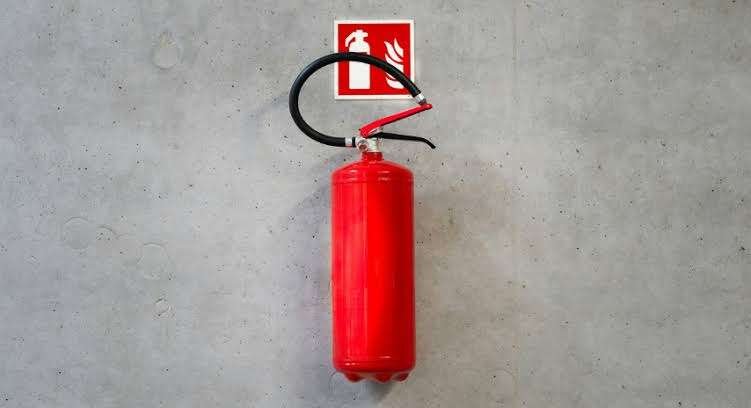
Some schools purchase fire extinguishers, alarms, emergency lights, and other safety products without checking whether they are suitable for the building.
Others install equipment but fail to maintain it.
Both situations can weaken the school’s overall fire protection arrangements.
Why Is This a Problem?
Different areas of a school may have different fire risks.
For example, a laboratory, kitchen, computer room, and general classroom may require different protective arrangements.
An extinguisher designed for one type of fire may not be suitable for another. Similarly, an alarm system designed for a small building may not provide appropriate coverage in a larger campus.
How to Avoid This Mistake
Schools should arrange a professional review of their fire protection equipment.
The review should consider:
– Whether detectors are appropriate for their locations.
– Whether alarm devices provide suitable warnings.
– Whether extinguishers match identified fire risks.
– Whether emergency lights are functioning.
– Whether exit signs are visible.
– Whether equipment is accessible and properly maintained.
– Whether servicing records are available.
Equipment should be purchased from reliable suppliers, installed by competent professionals, and maintained according to applicable standards and manufacturer instructions.
Students should never be encouraged to operate fire extinguishers. Their responsibility is to follow evacuation instructions and reach safety.
Understanding Fire Alarm Systems in Schools
Fire alarm systems are designed to detect possible fire conditions and alert people inside a building.
In schools, they are particularly important because teachers need to guide groups of students during emergencies.
A typical system may include several components.
Smoke Detectors
Smoke detectors identify smoke particles and can provide an early warning of a possible fire.
Their placement should be determined by the building design and the type of environment.
Heat Detectors
Heat detectors respond to temperature changes or defined heat conditions.
They may be suitable for certain areas where smoke detectors are not the best option.
Manual Call Points
Manual call points allow an authorized person or occupant to activate an alarm when a fire emergency is noticed.
Students should be taught that these devices are for emergencies and must never be used as toys.
Alarm Sounders and Visual Indicators
Sounders produce audible warnings, while visual indicators provide visible alerts.
Both may be useful in different school environments, depending on noise levels, accessibility requirements, and building design.
Control Panels
The control panel receives information from connected devices and provides system status to authorized personnel.
It should only be accessed or operated by trained and authorized individuals.
Creating an Effective School Fire Safety Plan
Avoiding common mistakes requires a clear and practical safety plan.
A school fire safety plan should explain how the institution will prevent hazards, identify emergencies, evacuate occupants, and maintain its protective equipment.
1. Identify the Main Hazards
Management should review classrooms, laboratories, kitchens, storage areas, electrical rooms, and common spaces.
Any unsafe conditions should be reported and addressed through appropriate procedures.
2. Establish Clear Emergency Responsibilities
Teachers, administrators, security personnel, and maintenance staff should understand their assigned duties.
Responsibilities should be documented and communicated to relevant employees.
3. Prepare Evacuation Arrangements
The plan should identify suitable escape routes, emergency exits, and assembly points.
It should also explain how students who need additional assistance will be supported.
4. Maintain Equipment
Fire alarms, emergency lights, extinguishers, and other protective equipment should be inspected and serviced according to their requirements.
5. Communicate With Parents
Schools should have an appropriate method for communicating important emergency information to parents and guardians.
This helps families understand the school’s general arrangements and reporting procedures.
6. Review the Plan Regularly
The plan should be reviewed when the school building changes, student numbers increase, new facilities are added, or safety procedures are updated.
Fire Safety Challenges in Pakistani Schools
Schools in Pakistan operate under different conditions. Some have modern facilities, while others use older buildings or rented properties that may require improvements.
Several challenges can affect school fire safety.
Older Building Infrastructure
Some educational buildings may have outdated electrical installations, limited escape routes, or building layouts that require professional review.
Regular assessments can help management identify areas needing improvement.
Limited Safety Budgets
Smaller private schools and educational institutions may have limited funds for equipment, training, and maintenance.
A risk-based approach can help management prioritize important improvements while planning for further investment.
Lack of Awareness
In some institutions, fire safety may receive less attention than academic activities and daily administration.
Regular awareness sessions can help make emergency preparedness part of normal school management.
Inadequate Maintenance
Even good equipment can become unreliable when inspection and servicing are neglected.
Schools should maintain clear records and assign responsibility for arranging maintenance.
Crowded Classrooms and Corridors
High student numbers can make evacuation planning more complicated.
Schools should consider occupancy, classroom arrangements, exit access, and the ability of teachers to supervise students safely.
The Role of School Management in Fire Prevention
School management is responsible for creating an environment where safety procedures are understood and maintained.
This involves more than buying equipment.
Management should ensure that qualified professionals review fire protection arrangements, employees receive suitable training, and students understand basic safety rules.
It should also establish a reporting process so staff members can communicate problems such as damaged wiring, blocked exits, faulty alarms, or missing signs.
A responsible management team treats safety concerns seriously and addresses them without unnecessary delays.
Benefits of Improving School Fire Safety
A well-managed fire safety program can provide several important benefits.
Better protection for students and staff: Clear procedures and early warnings support safer emergency responses.
Improved awareness: Students and employees learn to recognize hazards and understand their responsibilities.
Reduced disruption: Effective planning can help schools respond more efficiently and organize recovery after an incident.
Greater parent confidence: Families are more comfortable when schools demonstrate responsible safety management.
Better equipment reliability: Regular maintenance helps identify faults before equipment is needed in an emergency.
Stronger safety culture: Consistent education encourages students and staff to take everyday precautions seriously.
Conclusion
School fire safety requires continuous attention, proper planning, reliable equipment, and cooperation between management, teachers, students, and parents.
The seven common mistakes discussed in this article show why schools should not depend on equipment alone. Ignoring risk assessments, neglecting alarm maintenance, blocking emergency exits, failing to train staff, overlooking student awareness, skipping drills, and using unsuitable equipment can all weaken a school’s preparedness.
A suitable fire alarm system in Pakistan can provide an important early warning, but it must be supported by clear evacuation procedures, regular inspections, accessible exits, and trained personnel.
Every school should review its safety arrangements, address identified hazards, and ensure that students know how to respond when an alarm sounds. Consistent preparation helps create a safer learning environment where children and staff can focus on education with greater confidence.
Frequently Asked Questions (FAQs)
1. What are the most common school fire safety mistakes?
Common mistakes include ignoring fire risk assessments, neglecting alarm maintenance, blocking emergency exits, failing to train staff, no