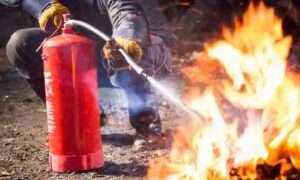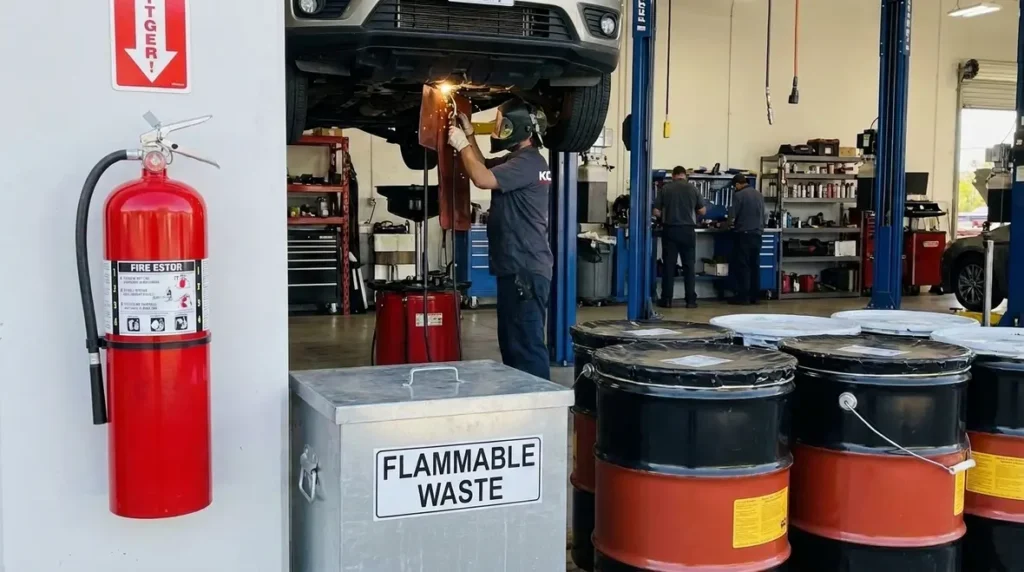
A garage is often one of the most overlooked areas of a home or commercial property when it comes to fire safety. People use garages to park vehicles, store tools, keep household supplies, and carry out small repair projects. However, the combination of fuel, electrical equipment, flammable materials, and heat-producing appliances can create serious fire risks.
Garage fires can develop quickly because garages frequently contain items that can catch fire easily. Petrol, engine oil, paint, cleaning products, cardboard boxes, wooden furniture, and other stored materials may increase the potential danger. Electrical faults, damaged wiring, overheated equipment, and careless storage practices can also contribute to fire incidents.
In Pakistan, garage fire safety deserves particular attention. Homes, apartment buildings, workshops, vehicle showrooms, and commercial facilities may all have garages or parking areas with different safety requirements. High temperatures, electrical supply issues, generators, and the storage of household materials can add to the challenges of maintaining a safe environment.
Understanding garage fire hazards and taking sensible preventive measures can help protect people, vehicles, buildings, and valuable property. A properly planned fire protection system, suitable detection equipment, clear exits, and regular inspections all contribute to a safer garage.
## Why Garage Fire Safety Matters
Garages are used for several purposes, and this makes them different from ordinary living spaces. A residential garage may contain a vehicle, spare fuel containers, gardening equipment, batteries, paint, and electrical tools. A commercial garage may also have machinery, vehicle parts, lubricants, and maintenance supplies.
These materials and activities can create multiple fire hazards. A small electrical problem may become a serious concern when flammable materials are stored nearby. Similarly, poor housekeeping can allow unwanted materials to accumulate and make emergency access more difficult.
Garage fires can also affect nearby areas. In attached residential garages, smoke and heat may spread towards the main building. In commercial facilities, an incident may interrupt operations and affect neighbouring properties.
Good garage fire safety practices help to:
– Reduce the likelihood of accidental fires.
– Support early detection of developing fire incidents.
– Protect vehicles, equipment, and stored property.
– Keep emergency exits and access routes clear.
– Improve preparedness among family members and employees.
– Reduce the potential for damage to nearby buildings.
Fire prevention is not only about purchasing equipment. It also involves understanding risks, maintaining electrical systems, storing materials responsibly, and ensuring everyone knows what to do during an emergency.
## Common Causes of Garage Fires
Recognising common fire hazards is an important part of developing an effective safety plan. Although every garage is different, several risks are frequently found in residential and commercial settings.
### 1. Electrical Faults
Electrical problems are a significant concern in garages. Damaged cables, loose connections, overloaded sockets, unsuitable extension leads, and poorly maintained equipment can increase fire risks.
Garages may also have electrical installations that are exposed to dust, moisture, temperature changes, or accidental damage. These conditions can affect the reliability of electrical equipment.
Property owners should arrange professional inspections of electrical wiring and installations. Damaged equipment should not remain in use, and electrical work should always be handled by qualified professionals.
### 2. Improper Storage of Flammable Materials
Garages often become convenient storage spaces for products that should be handled carefully. Petrol, diesel, paints, solvents, adhesives, cleaning chemicals, and certain workshop products may be flammable.
Keeping these materials near heat sources, electrical equipment, or ignition points can increase the risk of a fire.
Always follow the manufacturer’s storage instructions and applicable safety requirements. Avoid unnecessary storage of flammable products, and keep them away from living areas, ignition sources, and unsuitable conditions.
### 3. Vehicle-Related Hazards
Cars, motorcycles, and other vehicles contain fuel, electrical components, batteries, and hot mechanical parts. Poor maintenance or electrical problems can increase the possibility of a fire.
Vehicle owners should follow manufacturer maintenance schedules and have unusual electrical or mechanical problems checked by qualified technicians.
Vehicles should also be parked in designated areas with enough space to maintain access to doors and emergency routes.
### 4. Generators and Electrical Equipment
Some Pakistani homes and commercial properties use backup generators because of electricity interruptions. When generators or related equipment are located near garages, they can introduce additional fire and safety hazards.
Generators should be installed and maintained according to manufacturer instructions and local safety requirements. They must have suitable ventilation and an appropriate location away from enclosed living spaces.
Never operate a fuel-powered generator inside a garage or another enclosed area. Carbon monoxide is a dangerous gas that can accumulate without being easily noticed.
### 5. Poor Housekeeping
Cardboard, paper, old furniture, fabric, packaging, and unused household items can accumulate in garages. These materials may provide additional fuel if a fire starts.
Clutter can also block access to electrical panels, doors, extinguishers, and other safety equipment.
Regular cleaning and organised storage help reduce unnecessary risks and make emergency movement easier.
## Essential Garage Fire Prevention Measures
Preventing garage fires requires consistent attention to everyday activities. Small improvements can make the environment safer without requiring complicated changes.
### Maintain Electrical Safety
Arrange periodic inspections of garage electrical installations by qualified electricians. Make sure sockets, switches, lighting, and other equipment are suitable for the environment.
Avoid overloading electrical outlets or using damaged extension leads. Electrical equipment should be used according to its instructions and disconnected when appropriate.
If an electrical installation appears damaged or unsafe, stop using the affected equipment and arrange professional attention.
### Keep the Garage Clean and Organised
A clean garage is easier to inspect and manage. Remove unnecessary cardboard, paper, packaging, and other unwanted materials regularly.
Keep walkways, doors, and access points clear. Tools should be stored properly, and frequently used equipment should be placed where it does not create obstacles.
Good housekeeping also makes it easier to notice unusual conditions, such as damaged cables, leaking vehicle fluids, or deteriorating equipment.
### Store Flammable Products Responsibly
Read product labels and follow manufacturer instructions when storing paints, fuels, solvents, and cleaning products.
Keep these products in appropriate, clearly identified containers and away from heat sources. Do not store flammable materials in unsuitable containers or allow them to accumulate unnecessarily.
Where commercial quantities are involved, businesses should follow applicable fire codes and seek professional advice on storage arrangements.
### Maintain Vehicles and Batteries
Vehicles should receive regular professional maintenance. Pay attention to unusual electrical behaviour, damaged components, and warning signs identified by the manufacturer.
Battery charging areas should be suitable for the equipment being used and should follow manufacturer safety guidance. Avoid placing charging equipment among combustible clutter.
Businesses that maintain or charge multiple vehicle batteries should obtain a professional risk assessment.
### Control Smoking and Other Ignition Sources
Smoking should be prohibited in garages and areas where fuel, solvents, or other flammable materials are stored.
Open flames should not be used for convenience or maintenance activities in areas where combustible materials may be present. Suitable workplace rules and warning signs can help communicate these restrictions.
## The Role of Fire Alarm Systems in Garage Safety
Early detection is a vital part of garage fire protection. A fire alarm system can alert occupants to a developing emergency, giving them an opportunity to evacuate and contact emergency services.
A suitable system may include detection devices, alarm sounders, manual call points, control equipment, and other components selected according to the building’s layout and risk level.
The correct system depends on several factors, including garage size, ceiling height, ventilation, environmental conditions, vehicle activity, and the materials stored inside.
For property owners researching a fire alarm system in Pakistan, it is important to consider more than the initial purchase price. Equipment should be appropriate for the intended environment, professionally installed, and maintained according to manufacturer recommendations and applicable standards.
### Choosing Suitable Detection Equipment
Different environments may require different types of fire detection equipment. For example, dust, vehicle exhaust, and temperature variations can affect detector selection and performance.
A qualified fire protection professional can assess the garage and recommend suitable equipment. The objective is to provide reliable detection while reducing unnecessary alarms caused by unsuitable device selection or environmental conditions.
### Alarm Audibility and Notification
An alarm must be capable of alerting people who may be inside or near the garage. Its effectiveness depends on the building layout, background noise, distance, and the presence of enclosed rooms.
Larger garages and commercial facilities may require a professionally designed notification arrangement to ensure that occupants receive an understandable warning.
### Regular Testing and Maintenance
Installing a fire alarm system is only the beginning. Regular inspection, testing, servicing, and recordkeeping help ensure that equipment remains dependable.
Maintenance should be carried out according to manufacturer instructions, applicable standards, and the recommendations of qualified professionals. Faults should be reported and addressed promptly.
## Fire Extinguishers and Other Safety Equipment
Suitable fire protection equipment can support an overall garage safety plan. However, equipment selection should be based on the hazards present rather than convenience alone.
### Selecting Appropriate Fire Extinguishers
Different fire extinguishers are designed for different types of fires. A garage may contain electrical equipment, ordinary combustible materials, and flammable liquids, so choosing the correct extinguisher is important.
Property owners should consult a qualified fire safety professional to determine the appropriate extinguisher types, locations, and quantities.
Extinguishers should be easy to identify and access without blocking exits. They must also be inspected and maintained according to applicable requirements.
### Fire Blankets
Fire blankets may be suitable for certain limited applications, depending on the environment and the manufacturer’s guidance. Their location should be clearly identified, and users should understand their intended purpose.
They are not a substitute for evacuation or professional emergency response.
### Emergency Lighting
Garages may have limited natural lighting, and electrical power may fail during an emergency. Suitable emergency lighting can help people identify exits and move towards safe areas.
Commercial garages, underground parking areas, and larger facilities may require professionally designed emergency lighting systems.
### Fire Safety Signs
Clear signs help people identify exits, emergency equipment, restricted areas, and important safety instructions.
Signs should be visible, understandable, and maintained in good condition. In workplaces, appropriate signs can also remind employees about housekeeping, smoking restrictions, and emergency procedures.
## Developing a Garage Emergency Plan
A garage emergency plan should explain what occupants need to do if an alarm sounds or a fire is discovered.
The plan should be simple enough for everyone to understand and should reflect the property’s actual layout.
### Identify Safe Exits
Every garage should have clearly identified routes leading towards safe areas. These routes must remain free from vehicles, boxes, tools, and other obstacles.
Where a garage has more than one exit, occupants should understand which routes are available and how to reach them.
### Establish a Meeting Point
Families and workplaces should identify a safe outdoor meeting point away from the garage and other potential hazards.
This helps people confirm who has safely evacuated without returning to the building.
### Explain Emergency Responsibilities
In a commercial garage, employees should understand how to raise the alarm, contact emergency services, guide visitors towards exits, and report missing people.
These responsibilities should never require an untrained person to enter a dangerous area or attempt to control a spreading fire.
### Practise Evacuation Procedures
Emergency drills help people become familiar with alarms, exits, and meeting points.
Residential occupants can review their escape arrangements together. Commercial facilities should organise drills according to their safety plans and applicable requirements.
After a drill, managers should identify any problems, such as blocked routes, unclear instructions, or alarms that cannot be heard properly.
## Special Considerations for Garages in Pakistan
Garage safety requirements can vary depending on the type of property, location, and activities taking place.
### Residential Garages
Homeowners should pay attention to household storage, electrical equipment, vehicle maintenance, and access to the main building.
Attached garages require particular attention because an incident may affect the rest of the home. Suitable fire separation, detection, and emergency arrangements should be considered by qualified professionals.
### Commercial Garages and Workshops
Vehicle workshops may contain additional equipment, maintenance products, spare parts, and electrical machinery. Their safety plans should account for the activities carried out on the premises.
Employers should arrange risk assessments, employee training, equipment inspections, and appropriate emergency procedures.
### Apartment and Underground Parking Areas
Underground parking facilities can present additional challenges because of limited natural ventilation, enclosed layouts, and the movement of many vehicles.
Building management should ensure that fire detection, alarms, emergency lighting, ventilation arrangements, and evacuation provisions are designed and maintained by qualified specialists.
Residents should know the designated escape routes and should never use lifts during a fire emergency unless specifically instructed by emergency personnel.
### Generator and Fuel Storage Areas
Backup power equipment and fuel storage require careful planning. These areas should comply with relevant safety requirements and manufacturer instructions.
Fuel storage should not be treated as an ordinary garage activity. Property owners should obtain professional guidance about safe locations, quantities, ventilation, and any required protective arrangements.
## Professional Fire Safety Inspections
A professional fire safety inspection helps identify hazards that may not be obvious during everyday use.
An inspection may consider:
– Electrical installations and equipment condition.
– Storage of flammable materials.
– Housekeeping and waste management.
– Fire alarm coverage and maintenance.
– Fire extinguisher suitability and accessibility.
– Emergency exits and escape routes.
– Emergency lighting and safety signage.
– Staff awareness and evacuation arrangements.
The findings should be documented, and any identified problems should be assigned appropriate corrective actions.
For commercial facilities, inspection frequency should reflect the level of risk, applicable regulations, equipment requirements, and changes in workplace activities.
## Common Garage Fire Safety Mistakes
Some preventable mistakes can weaken an otherwise useful fire safety plan.
**Blocking exits:** Storing boxes, tools, or other materials near doors can slow evacuation.
**Ignoring electrical problems:** Damaged wiring and faulty equipment should never be treated as minor issues.
**Storing unnecessary flammable products:** Keeping large quantities of fuels, paints, or solvents creates avoidable hazards.
**Neglecting alarm maintenance:** An alarm system that is not properly tested or serviced may fail to provide an effective warning.
**Using unsuitable equipment:** Fire extinguishers and detection devices must match the environment and the hazards present.
**Ignoring employee training:** Workers should know how to recognise alarms, leave safely, and contact emergency services.
**Returning to a dangerous building:** People should never re-enter a garage or building after evacuating until emergency authorities confirm that it is safe.
Avoiding these mistakes makes garage safety more consistent and effective.
## What to Do If a Garage Fire Occurs
If a fire is discovered, the priority must be protecting people rather than saving vehicles or belongings.
Raise the alarm immediately and warn anyone who may be nearby. Leave the garage using a safe exit and move away from the building.
Contact the local fire and rescue service from a safe location. Provide the property address and explain what is happening. If you know that vehicles, fuel, gas cylinders, or other hazardous materials are present, communicate that information to emergency responders from a safe distance.
Do not stop to collect personal belongings. Do not attempt to retrieve a vehicle, investigate the source of the fire, or use equipment if doing so would expose you to danger.
Untrained occupants should not attempt to fight a spreading fire. Once outside, stay clear and do not return until emergency personnel confirm that the area is safe.
## Building a Long-Term Garage Fire Safety Routine
Fire safety becomes more effective when it is treated as an ongoing responsibility rather than a one-time project.
Homeowners can make garage safety part of their regular property maintenance routine. This includes checking storage arrangements, keeping exits clear, arranging electrical inspections, and ensuring that safety equipment receives proper maintenance.
Business owners and facility managers should maintain written inspection records, organise staff training, review emergency plans, and arrange professional assessments when the building or its activities change.
A practical routine may include:
– Regular housekeeping and removal of unnecessary materials.
– Periodic inspection of electrical equipment by qualified professionals.
– Review of flammable-material storage arrangements.
– Scheduled fire alarm and extinguisher maintenance.
– Inspection of exit routes and emergency lighting.
– Refresher training for employees and household members.
– Review of emergency procedures after changes to the property.
These measures help create a safety-conscious environment and make it easier to identify problems before they become serious.
## Conclusion
Garage fire safety is an essential part of protectin