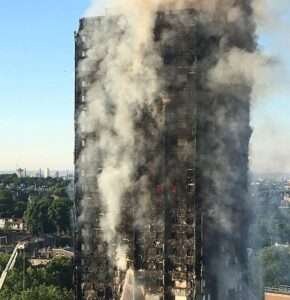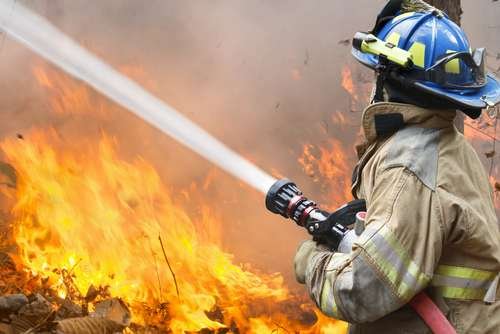
Summer brings longer days, higher temperatures, and increased outdoor activities. However, rising temperatures also create additional fire safety challenges for homes, businesses, factories, warehouses, schools, and public buildings. Electrical equipment may experience increased demand, generators may operate for longer periods, and improperly stored flammable materials can become additional sources of concern.
In Pakistan, summer fire safety deserves particular attention because many regions experience extremely hot weather. Cities such as Karachi, Lahore, Multan, Bahawalpur, and Islamabad can experience high temperatures that increase the importance of proper electrical maintenance, safe fuel storage, and emergency preparedness.
Understanding summer fire hazards is not simply about preventing property damage. It is also about protecting human lives and ensuring that people know how to respond when an unexpected emergency occurs.
A combination of preventive measures, early detection, emergency planning, and appropriate fire protection equipment can significantly improve safety. A properly maintained fire alarm system in Pakistan can also help occupants receive timely warnings and respond according to established emergency procedures.
This article explores common summer fire hazards, explains why they occur, and discusses practical ways to improve fire safety during the hottest months of the year.
## 1. Understanding Summer Fire Hazards
Summer fire hazards are conditions or activities that can increase the likelihood of a fire during hot weather. Some risks are associated with electrical systems, while others involve cooking equipment, generators, fuel storage, outdoor activities, or poorly maintained machinery.
Although high temperatures do not automatically cause fires, they can make existing safety problems more significant.
For example, electrical equipment operating under heavy demand may experience overheating if its wiring, connections, or protective devices are unsuitable. Similarly, flammable materials stored incorrectly can contribute to the spread of an existing fire.
Common summer fire hazards include:
– Overloaded electrical circuits.
– Damaged electrical wiring.
– Poorly maintained generators.
– Unsafe fuel storage.
– Improper handling of cooking equipment.
– Accumulation of combustible waste.
– Poor ventilation around electrical machinery.
– Outdoor burning and unattended flames.
– Inadequate inspection of fire protection equipment.
Recognizing these hazards is the first step toward creating a safer environment.
## 2. Why Summer Fire Safety Is Important in Pakistan
Pakistan experiences significant seasonal temperature changes, and many areas face extremely hot summers. During this period, households and businesses often use additional electrical appliances to maintain comfortable indoor temperatures.
Air conditioners, refrigerators, fans, water pumps, and other equipment may operate for extended periods.
This increased demand makes electrical maintenance particularly important.
Industrial facilities and commercial buildings may also experience additional operational pressure because machinery, cooling systems, and backup power equipment need to operate consistently.
Furthermore, electricity interruptions in some areas can lead to greater reliance on generators and other backup power arrangements.
These conditions highlight the importance of regular safety inspections and responsible equipment management.
Summer fire safety is especially relevant for:
– Residential properties.
– Shopping centers and commercial buildings.
– Restaurants and hotels.
– Educational institutions.
– Hospitals and healthcare facilities.
– Factories and industrial facilities.
– Warehouses and storage buildings.
– Construction sites.
Every property should have safety arrangements appropriate to its size, occupancy, and potential fire risks.
## 3. Electrical Overloading and Summer Fire Risks
Electrical overloading is one of the important fire safety concerns during summer.
When several high-power appliances operate simultaneously, electrical circuits may experience more demand than their designed capacity.
If electrical installations are poorly maintained or incorrectly designed, overheating and electrical faults can occur.
### Common Causes of Electrical Problems
Several conditions can increase electrical fire risks:
**Overloaded sockets:** Connecting too many appliances to one outlet can create excessive electrical demand.
**Damaged wiring:** Worn insulation, loose connections, and deteriorated cables can increase the possibility of electrical faults.
**Poor installation:** Incorrectly installed electrical equipment may not provide the protection required for safe operation.
**Inadequate maintenance:** Electrical systems should be inspected periodically to identify developing problems.
### Preventive Measures
Property owners should arrange electrical inspections through qualified professionals. Suitable circuit protection should be installed, and damaged electrical equipment should be repaired or replaced.
Avoid using extension boards as permanent substitutes for properly designed electrical installations.
Electrical distribution boards should also remain accessible and should not be surrounded by combustible materials.
## 4. Air Conditioners and Cooling Equipment
Air conditioning systems are widely used during Pakistan’s summer months.
Although these systems provide important comfort, they require proper installation and maintenance.
Poorly maintained equipment, damaged cables, loose connections, and unsuitable electrical arrangements can create fire safety concerns.
### Important Safety Considerations
– Arrange regular servicing by qualified technicians.
– Keep electrical connections in suitable condition.
– Avoid operating equipment with damaged cables.
– Ensure appropriate ventilation around equipment.
– Use correctly rated electrical protection.
– Follow manufacturer maintenance instructions.
Air conditioning equipment should also be installed according to the manufacturer’s recommendations and applicable electrical safety requirements.
Regular servicing helps identify problems before they develop into more serious equipment failures.
## 5. Generator Safety During Summer
Generators are commonly used in Pakistan to provide backup electricity during power interruptions.
However, they require responsible operation, maintenance, and fuel management.
Generators can introduce fire hazards when fuel is stored or handled incorrectly or when equipment is operated in unsuitable conditions.
### Safe Generator Management
Generators should be installed and operated in appropriate locations according to manufacturer instructions and applicable regulations.
Important precautions include:
– Arrange professional installation and maintenance.
– Keep fuel in approved, properly labelled containers.
– Store fuel away from ignition sources.
– Keep the generator area appropriately ventilated.
– Allow equipment to cool according to manufacturer instructions before refuelling.
– Avoid using damaged electrical connections.
– Keep unauthorized individuals away from generator equipment.
Generators must never be operated inside homes, garages, or other enclosed spaces because they produce dangerous exhaust gases, including carbon monoxide.
Generator safety should therefore include both fire prevention and protection against harmful emissions.
## 6. Kitchen Fire Hazards During Hot Weather
Kitchens contain several potential ignition sources, including cooking appliances, electrical equipment, gas connections, and hot surfaces.
During summer, kitchens may become especially uncomfortable because of higher indoor temperatures and limited ventilation.
Careless cooking practices can increase the risk of accidental fires.
### Common Kitchen Fire Safety Problems
– Leaving cooking equipment unattended.
– Poor maintenance of gas connections.
– Accumulation of grease around cooking appliances.
– Damaged electrical appliances.
– Incorrect storage of combustible materials.
– Placing flammable items near cooking areas.
### Improving Kitchen Safety
Keep cooking areas clean and maintain suitable ventilation.
Inspect gas connections and cooking appliances regularly. Damaged equipment should be checked by qualified technicians.
Suitable fire protection equipment should also be available where required.
For commercial kitchens, organizations should establish appropriate procedures for cooking equipment, extraction systems, cleaning, and emergency response.
People should understand that water is not suitable for extinguishing burning cooking oil or electrical fires.
If a kitchen fire becomes difficult to control, occupants should leave the area, raise the alarm, and contact emergency services.
## 7. Fire Hazards in Warehouses and Factories
Summer fire safety is especially important in warehouses and industrial facilities because these environments may contain combustible packaging, chemicals, machinery, electrical equipment, and other materials.
Higher temperatures can make proper storage and ventilation particularly important.
### Common Industrial Fire Risks
Factories and warehouses may face hazards such as:
– Electrical equipment faults.
– Poor housekeeping.
– Improper material storage.
– Inadequate maintenance.
– Unsafe hot-work activities.
– Accumulation of combustible dust.
– Incorrect storage of flammable liquids.
– Blocked emergency exits.
### Recommended Safety Practices
Industrial management should conduct regular fire risk assessments and ensure that combustible materials are stored appropriately.
Electrical equipment and machinery should receive scheduled maintenance.
Fire protection systems, including alarms, extinguishers, and other suitable equipment, should be inspected according to relevant requirements.
Employees should also receive appropriate fire safety training so they understand how to recognize hazards and follow emergency procedures.
## 8. The Importance of Early Fire Detection
Early detection is an essential part of effective fire protection.
A fire may begin in an electrical room, kitchen, storage area, or another location where people are not immediately present.
Without an effective warning arrangement, occupants may not become aware of the emergency until smoke or flames become noticeable.
Fire detection systems help identify potential emergencies and notify people so they can follow established safety procedures.
### Different Types of Detection Equipment
**Smoke detectors:** These devices identify smoke and provide an early warning when smoke reaches the sensing chamber.
**Heat detectors:** These devices respond to temperature changes and are suitable for certain environments where smoke detection may not be appropriate.
**Manual call points:** These allow individuals to activate an alarm when they discover a fire or another emergency.
**Fire alarm control panels:** These receive signals from connected devices and provide information about the system’s condition.
**Audible and visual alarms:** These notify occupants through sound and visual signals.
A properly designed fire alarm system in Pakistan can support fire safety arrangements in residential, commercial, and industrial buildings.
However, detection equipment must be selected according to the environment and installed by qualified professionals.
Regular testing and maintenance are also necessary for dependable operation.
## 9. Fire Extinguishers and Other Essential Safety Equipment
Fire extinguishers are an important part of many building fire protection arrangements.
Different extinguishers are designed for different types of fires. Choosing the correct equipment is essential because using an unsuitable extinguisher can make a dangerous situation worse.
Common extinguisher categories include:
**Water extinguishers:** Generally intended for suitable Class A fires involving ordinary combustible materials.
**Foam extinguishers:** Used for certain Class A and Class B fire risks, depending on the product’s approval and rating.
**Carbon dioxide extinguishers:** Commonly used for suitable electrical equipment fires and certain flammable liquid fires.
**Dry chemical powder extinguishers:** Available in different ratings for different fire classifications.
**Wet chemical extinguishers:** Specifically designed for certain cooking oil and fat fires.
The correct equipment should be selected according to a professional fire risk assessment.
Extinguishers must remain accessible, properly maintained, and clearly identified.
People should only attempt to use firefighting equipment when they are trained, the fire is small and manageable, and a safe escape route remains av
ailable.
Evacuation should always take priority when conditions become unsafe.
## 10. How Fire Escape Plans Help During Summer Emergencies
Preventing fires is important, but buildings must also be prepared for situations in which a fire occurs