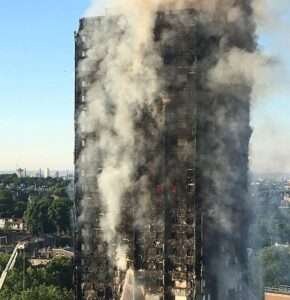
Winter brings colder temperatures, longer nights, and increased use of heating appliances in homes, offices, shops, schools, and commercial buildings. Although heaters and other seasonal equipment help people stay warm, they can also introduce fire and safety risks when they are damaged, poorly maintained, or used without proper precautions.
In Pakistan, winter conditions vary across regions. Northern areas experience particularly cold weather, while cities and towns in other parts of the country may use heaters during shorter cold periods. Regardless of location, electrical safety, safe heating arrangements, careful cooking practices, and early fire detection remain important.
Winter fire incidents can damage property, interrupt business operations, and put lives at risk. The good news is that many hazards can be reduced through regular inspections, professional maintenance, and clear emergency arrangements.
A suitable fire alarm system in Pakistan can provide an important layer of protection by warning occupants when a potential fire is detected. However, an alarm system must be supported by safe equipment, clear exits, and an effective evacuation plan.
This article explains common winter fire hazards, practical prevention measures, and the importance of fire safety for households and businesses.
## 1. Why Fire Risks Can Increase During Winter
During winter, people spend more time indoors and may use heating appliances more frequently. Buildings that normally have limited heating requirements may suddenly operate heaters, electrical devices, and other equipment for longer periods.
Several factors can contribute to seasonal fire risks:
– Increased use of electric and gas heating appliances.
– Greater demand on electrical installations.
– More frequent use of cooking equipment.
– Combustible materials placed near heating appliances.
– Poor maintenance of seasonal equipment.
– Reduced ventilation in enclosed rooms.
– Increased use of candles and other lighting alternatives during power interruptions.
These conditions do not mean that winter heating must be avoided. They mean that equipment should be suitable, professionally maintained, and used according to manufacturer instructions.
## 2. Room Heaters and Heating Appliances
Room heaters are commonly used in colder parts of Pakistan. Electric and gas heaters have different operating requirements, but both require careful attention.
A damaged or unsuitable appliance can create a fire risk. Heating equipment may also become dangerous when placed near curtains, bedding, clothing, paper, furniture, or other combustible materials.
### Important Safety Considerations
Households and businesses should:
– Use approved appliances that meet relevant safety requirements.
– Arrange professional inspection and servicing.
– Follow the manufacturer’s operating instructions.
– Keep combustible materials away from heating equipment.
– Avoid using visibly damaged appliances.
– Keep children away from hot surfaces and heating equipment.
– Ensure that the room has the ventilation required for the appliance.
– Avoid using heating appliances for purposes they were not designed for.
Never attempt to repair internal electrical or gas components without the necessary qualifications. A damaged appliance should be assessed by a competent professional.
### Gas Heater Safety
Gas heaters require particular care because incomplete combustion can produce carbon monoxide, a dangerous gas that cannot be detected by smell.
The Oil and Gas Regulatory Authority (OGRA) has warned about the risks associated with gas and LPG heaters, including the importance of ventilation, regular servicing, and keeping combustible materials away.
People should never use outdoor heating equipment inside a building or use a gas heater in a way that contradicts its safety instructions. Gas cylinders should not be stored indoors.
If anyone suspects a gas leak or experiences a possible carbon monoxide emergency, they should leave the affected area and seek help from a safe location. Do not attempt to investigate or repair the appliance.
## 3. Electrical Fire Hazards During Winter
Electrical installations can experience increased demand when heaters and other appliances are used more frequently.
Overloaded electrical connections, damaged cables, defective sockets, and unsuitable extension equipment can create dangerous conditions.
A seasonal electrical safety review should consider:
– Visible damage to plugs and cables.
– Loose or damaged electrical sockets.
– Signs of overheating around outlets.
– Unsuitable adapters and extension leads.
– Electrical equipment placed near water.
– Makeshift wiring arrangements.
– Unusual sounds or burning smells from appliances.
Avoid connecting multiple high-power appliances to one unsuitable outlet. If electrical equipment appears damaged or behaves abnormally, stop using it when safe and arrange an inspection by a qualified electrician.
Electrical repairs should never be treated as a do-it-yourself task for untrained household members or employees.
### Why Professional Electrical Inspections Matter
A qualified electrician can assess the condition and suitability of an electrical installation. This is especially important in older buildings, commercial premises, and properties where heating demand increases during winter.
Pakistan’s NEPRA electrical safety guidance highlights the importance of professional wiring inspections and avoiding overloaded sockets.
Regular inspections can help identify problems before they become serious.
## 4. Gas Leaks and Carbon Monoxide Awareness
Gas-related hazards deserve special attention during winter because heating appliances may operate for longer periods, sometimes in rooms with limited ventilation.
Carbon monoxide is particularly dangerous because it is colourless and odourless. Its symptoms can resemble common illnesses, which may make exposure difficult to recognise.
OGRA advises regular heater servicing and adequate ventilation. It also warns against leaving gas heaters running while sleeping and against storing gas cylinders indoors.
Businesses that provide accommodation, such as hotels and guest houses, should pay particular attention to heating arrangements and suitable detection equipment.
### Important Preventive Measures
– Arrange professional servicing of gas appliances.
– Follow the manufacturer’s ventilation requirements.
– Do not use damaged or unsuitable heating equipment.
– Keep combustible materials away from heating appliances.
– Ensure that staff know how to report suspected gas problems.
– Consider suitable carbon monoxide detection where appropriate.
– Follow local gas supplier and safety authority guidance.
Carbon monoxide detectors and smoke alarms serve different purposes. One should not be treated as a replacement for the other.
## 5. Kitchen and Cooking-Related Fire Hazards
Cooking activity often increases during winter as families prepare hot meals and beverages. Restaurants, hotels, catering businesses, and workplace kitchens may also experience increased use of cooking equipment.
Cooking areas should be included in every property’s fire safety review.
Businesses and households should make sure that:
– Cooking equipment is professionally maintained.
– Kitchen areas remain clean and organised.
– Electrical appliances are in suitable condition.
– Gas installations receive professional inspection.
– Combustible materials are kept away from heat sources.
– Ventilation systems receive appropriate maintenance.
– Children are kept away from cooking hazards.
People should never leave cooking equipment unattended when its operating instructions require supervision.
If a cooking fire or other emergency occurs, occupants should prioritise raising the alarm and evacuating. Children and untrained people should never attempt to fight a fire.
## 6. Fire Hazards From Candles and Alternative Lighting
Power interruptions can occur in different parts of Pakistan, and some households may use alternative lighting arrangements.
Candles and other open-flame sources can create risks if placed near curtains, paper, furniture, or other combustible materials.
Businesses should also consider the use of decorative candles and temporary lighting during winter events.
A safer approach includes:
– Using suitable battery-powered lighting where practical.
– Keeping open flames away from combustible materials.
– Avoiding unattended open flames.
– Keeping children away from candles and other ignition sources.
– Making sure lighting arrangements do not obstruct exits or safety equipment.
A power interruption should never lead to unsafe makeshift electrical arrangements.
## 7. Winter Fire Safety for Homes
A home fire safety plan should consider every person who lives in the property, including children, older people, and anyone who may need assistance during an evacuation.
Families can improve their preparedness by reviewing the following areas.
### Home Inspection
– Check visible electrical cables and plugs.
– Arrange professional servicing of heating appliances.
– Review gas appliance condition.
– Keep combustible items away from heating equipment.
– Keep hallways, doors, and stairways clear.
– Ensure that household smoke alarms are installed where appropriate.
– Test and maintain alarms according to manufacturer instructions.
### Family Emergency Plan
Every household should know:
– How to recognise an alarm.
– Which safe exits are available.
– Where to meet outside the property.
– How to contact emergency services.
– Why nobody should re-enter a building during an emergency.
Children should be taught to alert an adult, leave the building, and remain at the agreed meeting point. They should never handle heaters, gas appliances, electrical installations, or firefighting equipment.
## 8. Winter Fire Safety in Offices and Commercial Buildings
Offices, shops, restaurants, hotels, and other commercial premises may use additional heating equipment during colder weather.
Building managers should review their fire prevention arrangements before the winter season begins.
### Commercial Building Checklist
– Heating equipment is suitable and professionally maintained.
– Electrical installations are inspected where necessary.
– Fire detection and alarm systems receive scheduled maintenance.
– Emergency exits remain clear.
– Emergency lighting is maintained.
– Combustible materials are stored appropriately.
– Staff understand how to report hazards.
– Evacuation procedures are accessible.
– Inspection and maintenance records are updated.
Businesses should also review any temporary heating arrangements introduced during winter. A change in equipment or building layout may affect the existing fire risk assessment.
## 9. The Importance of Fire Detection and Alarm Systems
Early warning is an important part of fire protection. A suitable alarm system can alert occupants when a potential fire is detected or when an alarm is manually activated.
A fire alarm system in Pakistan should be selected according to the building’s size, layout, occupancy, and applicable safety requirements.
Depending on the building, a system may include:
– Smoke detectors.
– Heat detectors.
– Manual call points.
– Fire alarm control panels.
– Audible warning devices.
– Visual notification devices.
– Backup power arrangements.
The design and installation should be completed by competent professionals. A system that is unsuitable for the building may not provide effective warning in all required areas.
### Why Maintenance Is Essential
An installed alarm system needs regular attention. Dust, physical damage, power issues, ageing components, and changes to the building can affect its performance.
Building managers should:
– Maintain inspection and servicing records.
– Follow manufacturer maintenance instructions.
– Arrange professional checks at the required intervals.
– Report faults promptly.
– Ensure that warning devices remain accessible.
– Review the system after building alterations.
An alarm is only one part of a wider emergency plan. Occupants must know how to evacuate when a warning is given.
## 10. Fire Protection Equipment and Emergency Preparedness
Fire protection equipment should be suitable for the hazards present in a building. Different types of fire require different equipment, and the correct selection should be made through a professional assessment.
A winter inspection should include:
– Confirming that required equipment is available.
– Checking that access to equipment is unobstructed.
– Reviewing inspection and servicing records.
– Identifying visible damage.
– Ensuring safety labels remain readable.
– Arranging professional maintenance of installed systems.
Businesses should also review emergency communication procedures and make sure staff know how to contact the relevant emergency services.
Children and untrained occupants should not attempt to use firefighting equipment. Their priority is to raise the alarm and reach a safe location.
## 11. Keeping Emergency Exits Clear
During winter, households and businesses may store extra clothing, blankets, seasonal decorations, and other items indoors.
These belongings should never be allowed to block escape routes.
Emergency exits are particularly important in buildings with multiple floors, shared corridors, or large numbers of occupants.
Check that:
– Corridors and stairways remain unobstructed.
– Exit signs are visible.
– Emergency doors can be used as intended.
– Emergency lighting is maintained where required.
– Evacuation routes are suitable for the building.
– Assembly points are identified.
– Visitors and employees understand the emergency arrangements.
The Building Code of Pakistan Fire Safety Provisions 2016 provides an important reference for fire protection and means of escape.
## 12. Winter Fire Safety in Factories and Warehouses
Factories and warehouses may contain machinery, electrical installations, packaging, stored goods, and heating equipment.
Winter conditions can increase the use of heating systems in work areas, offices, and staff facilities. Businesses should review whether these arrangements introduce additional risks.
A workplace inspection should consider:
– The condition of electrical installations.
– Professional maintenance of heating equipment.
– Storage of combustible materials.
– Clear access to emergency exits.
– Suitable fire detection arrangements.
– Maintenance of installed fire protection systems.
– Staff awareness and evacuation procedures.
– Contractor safety arrangements.
Storage areas should remain organised, and materials should be kept according to their safety requirements.
Any changes to the building, machinery, storage arrangements, or heating equipment should trigger a review of the relevant safety assessment.
## 13. Fire Safety Responsibilities for Building Owners and Managers
Building owners and managers play an important role in maintaining winter fire safety.
Their responsibilities may include arranging professional inspections, maintaining equipment, communicating safety procedures, and addressing reported hazards.
A responsible management approach should include:
1. Reviewing the building’s fire risk assessment.
2. Identifying seasonal heating and electrical concerns.
3. Arranging suitable professional inspections.
4. Maintaining alarm and detection systems.
5. Reviewing evacuation routes.
6. Communicating safety responsibilities to employees.
7. Keeping records of maintenance and corrective actions.
8. Updating procedures when building conditions change.
The appropriate legal responsibilities depend on the building type, location, and applicable regulations. Managers should consult the relevant authorities and qualified professionals.
## 14. Fire Safety Guidance and Requirements in Pakistan
Pakistan has national building safety guidance and provincial fire safety arrangements.
The Building Code of Pakistan Fire Safety Provisions 2016 provides an important framework for building fire safety. Punjab Civil Defence identifies fire detection and alarm systems, firefighting arrangements, fire safety plans, emergency exits, and evacuation plans among the safety measures considered during inspections of relevant premises.
Businesses and property owners should confirm the requirements that apply to their particular location and type of building.
It is also useful to consult official safety information from:
– The Pakistan Engineering Council.
– Provincial Civil Defence departments.
– Rescue 1122 and other relevant emergency services.
– The Oil and Gas Regulatory Authority.
– The National Electric Power Regulatory Authority.
Following official guidance and arranging competent professional inspections can help improve seasonal preparedness.
## 15. A Practical Winter Fire Safety Checklist
Use the following checklist before winter begins and review it throughout the season.
### Heating Equipment
– [ ] Heating appliances are suitable and in good visible condition.
– [ ] Required servicing has been arranged.
– [ ] Manufacturer instructions are available.
– [ ] Combustible materials are kept away from heaters.
– [ ] Ventilation requirements are understood and followed.
### Electrical Safety
– [ ] Visible cables and plugs have been checked.
– [ ] Damaged electrical equipment has been reported.
– [ ] Unsuitable adapters and overloaded sockets are avoided.
– [ ] Electrical installations receive professional inspection where needed.
### Gas Safety
– [ ] Gas appliances receive appropriate professional maintenance.
– [ ] Ventilation arrangements are suitable.
– [ ] Suspected gas faults are reported promptly.
– [ ] Gas cylinders are not stored indoors.
### Fire Detection and Escape
– [ ] Suitable smoke alarms and fire detection arrangements are installed.
– [ ] Alarm devices are tested and maintained according to instructions.
– [ ] Emergency exits and corridors are clear.
– [ ] Evacuation instructions are available.
– [ ] Family members or employees understand the emergency plan.
### General Preparedness
– [ ] Combustible materials are stored appropriately.
– [ ] Cooking areas are maintained.
– [ ] Inspection records are updated.
– [ ] Emergency contacts are accessible.
– [ ] Everyone knows to evacuate and not re-enter during a fire emergency.
This checklist is a practical starting point. It does not replace a professional fire risk assessment or the requirements that apply to a particular property.
## Conclusion
Winter fire hazards can affect homes, offices, shops, factories, hotels, and other buildings. Increased heating use, electrical demand, cooking activity, and poor ventilation can introduce additional risks during colder months.
Regular inspections, professional maintenance, safe heating arrangements, clear exits, and suitable detection systems can help reduce many avoidable hazards.
A fire alarm system in Pakistan can provide an important early warning, but it should be part of a complete fire safety plan. Building owners and managers should also maintain electrical and gas installations, review emergency procedures, and make sure occupants understand how to respond.
Winter safety is not a one-time activity. It requires awareness and consistent attention throughout the season. By identifying hazards early and seeking qualified help when necessary, households and businesses can create safer indoor environments.
## Frequently Asked Questions (FAQs)
### 1. What are the most common winter fire hazards in Pakistan?
Common winter hazards include unsafe heating arrangements, damaged electrical equipment, overloaded sockets, poorly maintained gas appliances, cooking-related incidents, and combustible materials placed near heat sources. Limited ventilation can also increase the danger associated with some heating appl