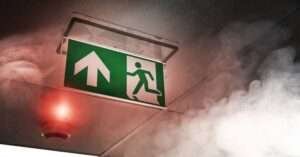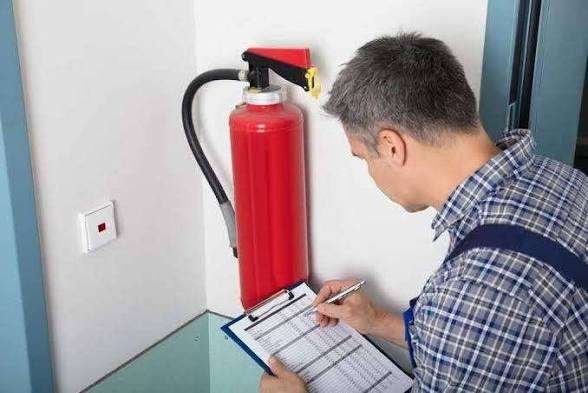
Fire accidents can happen in homes, offices, factories, warehouses, shops, and commercial buildings. Sometimes, a small electrical fault, unattended cooking appliance, damaged cable, or careless handling of combustible materials can create a dangerous situation. Although fires may begin with a minor incident, they can quickly cause extensive property damage, business disruption, and serious risks to human life.
Fire prevention is one of the most effective ways to reduce these risks. Instead of waiting for an emergency to happen, individuals and businesses should identify potential hazards and take appropriate precautions. Simple measures such as maintaining electrical equipment, keeping spaces organized, installing suitable fire detection systems, and educating people about safety can make a significant difference.
In Pakistan, fire safety awareness is particularly important in densely populated residential areas, commercial markets, industrial facilities, and buildings where many people work or gather. Proper planning and preventive measures can help create safer environments for everyone.
Fire prevention does not always require expensive changes. Many improvements involve basic maintenance, responsible habits, regular inspections, and employee awareness. However, investing in suitable safety equipment is equally important when required.
Understanding the importance of a reliable fire alarm system in Pakistan can help property owners and businesses make informed decisions about fire protection. This article explores practical fire prevention tips and explains how small safety investments can provide valuable protection.
## 1. Understand the Common Causes of Fires
The first step toward preventing fires is understanding what commonly causes them. Different buildings have different risks depending on their activities, electrical arrangements, stored materials, and daily operations.
Some common causes of fires include:
– Faulty electrical wiring.
– Overloaded electrical circuits.
– Damaged electrical appliances.
– Unattended cooking equipment.
– Improper storage of combustible materials.
– Poorly maintained machinery.
– Heating equipment used incorrectly.
– Accumulation of waste and packaging.
– Lack of regular safety inspections.
In residential buildings, cooking equipment and electrical appliances may be important sources of fire risk. In offices and factories, electrical installations, machinery, and stored materials may require additional attention.
Understanding these hazards helps people identify areas that need improvement. Homeowners, business managers, and building supervisors should regularly review their surroundings and address unsafe conditions.
A basic fire risk assessment can help identify potential problems before they develop into emergencies.
## 2. Maintain Electrical Wiring and Equipment
Electrical problems are among the important potential causes of building fires. Damaged cables, faulty connections, overloaded circuits, and poorly maintained electrical appliances can create dangerous conditions.
Homes and commercial buildings in Pakistan often use multiple electrical appliances, including air conditioners, refrigerators, computers, lighting systems, and industrial machinery. These installations require suitable maintenance and professional attention.
Some useful electrical safety practices include:
– Arrange regular inspections by qualified electricians.
– Replace damaged cables and electrical components.
– Avoid overloading electrical circuits.
– Use suitable electrical equipment.
– Keep electrical panels accessible.
– Address unusual electrical problems promptly.
– Avoid unauthorized changes to electrical installations.
Electrical equipment should be maintained according to manufacturer recommendations and applicable safety requirements.
Businesses should also keep records of inspections and repairs. This makes it easier to identify recurring problems and ensure that important maintenance work is completed.
## 3. Install a Suitable Fire Alarm System
Early detection is an important part of fire prevention and protection. A fire may begin in an area where people are not immediately present, such as a storage room, electrical room, corridor, or warehouse section.
A suitable fire alarm system helps detect fire-related conditions and notify occupants so they can respond promptly.
Depending on the building’s design and risk assessment, a system may include:
– Smoke detectors.
– Heat detectors.
– Manual call points.
– Fire alarm control panels.
– Audible warning devices.
– Visual notification devices.
– Backup power arrangements.
The equipment selected should match the building’s layout, occupancy, environmental conditions, and potential fire hazards.
A fire alarm system in Pakistan is an important consideration for residential buildings, offices, factories, shopping centres, warehouses, and other commercial premises.
However, choosing a system should involve more than comparing prices. Its suitability, reliability, installation quality, and maintenance requirements should also be considered.
Qualified professionals should assess the premises and recommend appropriate equipment. Detectors and alarm devices must remain unobstructed, and the system should be inspected and maintained according to applicable requirements.
An alarm system also needs to be supported by clear emergency procedures. Occupants should understand what to do when an alarm sounds.
## 4. Keep Your Home and Workplace Clean
Good housekeeping is a simple but effective fire prevention measure. Unnecessary packaging, paper, cardboard, plastic waste, and other combustible materials can increase fire risks when they accumulate near potential ignition sources.
A clean and organized environment also makes it easier to identify hazards and access emergency equipment.
Useful housekeeping practices include:
– Remove unnecessary waste regularly.
– Keep corridors and walkways clear.
– Store materials in designated areas.
– Avoid unnecessary accumulation of packaging.
– Keep electrical panels accessible.
– Maintain clean storage rooms.
– Ensure emergency exits are not blocked.
In commercial buildings, housekeeping responsibilities should be assigned to appropriate employees. Regular inspections can help management confirm that safety arrangements are being followed.
Clean surroundings support better fire prevention and improve general workplace safety.
## 5. Follow Safe Cooking Practices
Cooking activities can introduce fire hazards in homes, restaurants, offices, and commercial kitchens. Unattended cooking equipment, poorly maintained appliances, and unsafe kitchen arrangements can create dangerous situations.
Families and businesses should establish responsible cooking practices.
Some important precautions include:
– Never leave cooking equipment unattended when it requires supervision.
– Keep combustible materials away from heat sources.
– Maintain cooking appliances properly.
– Keep kitchen areas organized.
– Ensure appropriate ventilation.
– Keep children away from hazardous cooking equipment.
– Follow manufacturer instructions for kitchen appliances.
Commercial kitchens should also have suitable fire protection arrangements based on their equipment and activities.
Employees working in food preparation areas should receive appropriate safety training and understand the venue’s emergency procedures.
## 6. Store Combustible Materials Properly
Many buildings contain combustible products such as paper, cardboard, fabrics, wooden furniture, packaging materials, and certain industrial supplies.
Poor storage arrangements can increase fire risks and make emergency movement more difficult.
Materials should be stored according to their characteristics and applicable safety requirements.
Important considerations include:
– Use designated storage areas.
– Keep combustible materials away from potential heat sources.
– Avoid unnecessary storage in corridors.
– Follow approved storage arrangements.
– Keep emergency equipment accessible.
– Dispose of unnecessary packaging appropriately.
– Follow specific handling requirements for specialized materials.
Industrial facilities and businesses storing materials with special fire hazards should obtain professional advice regarding suitable storage and protection arrangements.
Proper organization can help reduce unnecessary risks while improving workplace efficiency.
## 7. Keep Fire Extinguishers and Safety Equipment Accessible
Fire safety equipment is an important part of a building’s overall protection arrangements. However, equipment is only useful when it is suitable for the identified risks, properly maintained, and accessible.
Depending on the premises, required equipment may include portable fire extinguishers, hydrants, hose reels, sprinkler systems, and other protective arrangements.
Property owners and managers should ensure that:
– Equipment is installed in appropriate locations.
– Access remains unobstructed.
– Inspection schedules are followed.
– Maintenance records are maintained.
– Instructions and labels are visible.
– Damaged equipment is reported and addressed.
Fire extinguishers should be selected according to the types of fire risks present. Qualified professionals can help determine appropriate equipment.
People should not attempt to fight a developing fire unless they have suitable training and the situation is safe. Evacuation and personal safety must always come first.
## 8. Keep Emergency Exits Clear
Emergency exits provide a safe way for occupants to leave a building during a fire or another emergency.
Unfortunately, some buildings use corridors, stairways, and exit areas for temporary storage. This can create serious difficulties when people need to evacuate quickly.
Property owners and managers should make sure that:
– Emergency exits remain accessible.
– Corridors are free from obstructions.
– Exit signs are clearly visible.
– Doors function properly.
– Emergency lighting is maintained where required.
– Escape routes are communicated to occupants.
Buildings should also have suitable evacuation arrangements based on their occupancy, layout, and applicable fire safety requirements.
Employees and visitors should know where the nearest designated exits are located.
Keeping escape routes clear is a simple measure that can make a major difference during an emergency.
## 9. Be Careful With Heating Equipment and Generators
Heating equipment and generators can introduce additional fire hazards when used or maintained incorrectly.
These systems are particularly important in areas where power interruptions, seasonal heating requirements, or industrial operations make alternative equipment necessary.
Equipment should be installed and maintained by qualified personnel according to manufacturer instructions and relevant safety requirements.
General precautions include:
– Keep heating equipment away from combustible materials.
– Maintain suitable ventilation.
– Follow manufacturer operating instructions.
– Keep unauthorized people away from equipment.
– Arrange professional maintenance.
– Keep surrounding areas organized.
– Ensure emergency access is not obstructed.
Generator arrangements should receive particular attention because they may involve electrical equipment, fuel, and ventilation considerations.
Businesses should establish clear procedures for inspecting and maintaining these installations.
## 10. Educate Employees and Family Members About Fire Safety
Fire prevention is not only the responsibility of building owners or safety managers. Everyone who lives or works in a building should understand basic fire safety responsibilities.
Awareness helps people recognize unsafe conditions and report problems before they become emergencies.
Families can discuss basic fire safety rules, while businesses can provide structured employee training.
Important topics include:
– Recognizing common fire hazards.
– Reporting unsafe conditions.
– Understanding alarm notifications.
– Identifying emergency exits.
– Following evacuation instructions.
– Knowing designated assembly areas.
– Understanding how to contact emergency services.
New employees should receive relevant safety information when joining an organization. Refresher training should also be arranged periodically.
Children should receive age-appropriate fire safety education from responsible adults, focusing on prevention, recognizing alarms, and seeking help during emergencies.
An informed community is better prepared to respond responsibly when a fire-related emergency occurs.
## 11. Prepare an Emergency Evacuation Plan
Even with good preventive measures, buildings should have an emergency evacuation plan.
A clear plan helps occupants understand how to leave safely if a fire occurs.
The plan should identify:
– Primary and alternative escape routes.
– Emergency exits.
– Designated assembly areas.
– Emergency communication arrangements.
– Staff responsibilities.
– Assistance for people requiring additional support.
– Procedures for contacting emergency services.
Businesses should ensure that employees understand their responsibilities. Supervisors should also know how to communicate with emergency responders.
Evacuation exercises can help identify problems with building layouts, communication arrangements, and staff awareness.
Emergency plans should be reviewed whenever building arrangements or occupancy conditions change.
## 12. Schedule Regular Fire Safety Inspections
Fire prevention requires continuous attention. A building that was safe during its initial inspection may develop new hazards as equipment, furniture, storage arrangements, or operational activities change.
Regular inspections help identify these problems.
A basic inspection should cover:
– Electrical installations.
– Fire alarm equipment.
– Firefighting equipment.
– Emergency exits.
– Storage arrangements.
– Housekeeping conditions.
– Safety signage.
– Emergency lighting.
– Employee awareness.
Inspection frequency should follow applicable regulations, professional recommendations, and equipment manufacturer instructions.
Property owners should maintain inspection records and document corrective actions.
Regular reviews help ensure that fire prevention remains part of normal building management rather than an activity performed only after an incident.
## 13. Understand Fire Safety Requirements in Pakistan
Fire safety is an important responsibility for property owners, businesses, and building managers throughout Pakistan.
The Building Code of Pakistan Fire Safety Provisions 2016 provides an important framework for fire protection and life safety in buildings.
Depending on the building’s type, size, occupancy, and location, additional requirements may apply through relevant local authorities and regulatory departments.
Property owners should understand their responsibilities concerning:
– Fire detection and alarm arrangements.
– Firefighting equipment.
– Emergency exits and escape routes.
– Occupant safety.
– Building fire protection.
– Inspection and maintenance.
– Emergency preparedness.
Businesses should consult qualified fire safety professionals and relevant authorities to understand which requirements apply to their premises.
Following appropriate safety requirements can help businesses maintain responsible operations and protect occupants.
## 14. Why Small Fire Prevention Investments Make a Big Difference
Some people delay fire safety improvements because they believe preventive measures are expensive. However, many important improvements involve simple actions, such as regular electrical inspections, proper storage, employee awareness, and maintaining clear emergency exits.
Investing in suitable fire detection and protection equipment may also help reduce the potential consequences of an emergency.
The benefits include:
**Protection of human life:** Appropriate prevention and emergency arrangements help create safer environments.
**Property protection:** Suitable fire detection and protection systems can help limit the consequences of fire incidents.
**Business continuity:** Better preparation can help reduce operational disruption.
**Improved workplace safety:** Regular inspections encourage responsible habits among employees.
**Regulatory awareness:** Understanding applicable requirements helps businesses manage their safety responsibilities.
**Peace of mind:** Families, employees, customers, and visitors can have greater confidence in a building where safety is taken seriously.
Fire prevention should be viewed as a long-term investment rather than an unnecessary expense.
## 15. Simple Fire Prevention Checklist
Property owners and managers can use this checklist to review important fire prevention measures.
### Electrical Safety
– [ ] Electrical installations are inspected regularly.
– [ ] Damaged cables and equipment are addressed.
– [ ] Electrical circuits are not overloaded.
– [ ] Electrical panels remain accessible.
### Fire Detection and Protection
– [ ] Suitable fire alarm arrangements are installed.
– [ ] Detectors and alarm devices remain unobstructed.
– [ ] Firefighting equipment is accessible.
– [ ] Maintenance schedules are followed.
### Building Safety
– [ ] Emergency exits remain clear.
– [ ] Escape routes are identified.
– [ ] Exit signs are visible.
– [ ] Emergency lighting is maintained where required.
### General Prevention
– [ ] Combustible materials are stored appropriately.
– [ ] Waste is removed regularly.
– [ ] Cooking equipment is maintained.
– [ ] Heating equipment and generators are managed safely.
### Emergency Preparedness
– [ ] Employees understand fire safety responsibilities.
– [ ] Emergency contact information is available.
– [ ] Evacuation procedures are communicated.
– [ ] Inspections and training are documented.
This checklist is a general guide and does not replace a professional fire risk assessment or applicable legal requirements.
### Frequently Asked Questions (FAQs)
1\. What are the most effective fire prevention tips for homes and businesses?
The most effective measures include maintaining electrical equipment, avoiding overloaded circuits, storing combustible materials properly, keeping emergency exits clear, installing suitable fire detection equipment, and providing fire safety awareness training.
2\. Why is a fire alarm system important in Pakistan?
A fire alarm system helps detect fire-related conditions and notify occupants about potential emergencies. It can support early warning and evacuation in homes, offices, factories, warehouses, and commercial buildings.
3\. How often should fire safety inspections be conducted?
Inspections should be conducted regularly according to building requirements, equipment manufacturer recommendations, and professional guidance. Additional inspections may be necessary after changes to electrical installations, storage arrangements, or building layouts.
4\. What are the common causes of workplace fires?
Common causes include electrical faults, overloaded circuits, poorly maintained machinery, unsafe cooking arrangements, combustible waste, and improper storage of materials. Regular maintenance and employee awareness can help reduce these risks.
5\. How can employees help prevent workplace fires?
Employees can help by following workplace safety rules, reporting damaged equipment, keeping workspaces organized, avoiding unsafe practices, maintaining clear emergency exits, and participating in fire safety trainings.