Warehouses play an important role in Pakistan’s commercial and industrial sectors. From storing food products and clothing to electronics, furniture, chemicals, packaging materials, and construction supplies, warehouses help businesses manage inventory and maintain their supply chains. However, these facilities can also face significant fire risks if proper safety arrangements are not in place.
A warehouse fire can cause serious property damage, interrupt business operations, destroy valuable inventory, and put employees and nearby communities at risk. Even a relatively small incident can become a major emergency when combustible materials are stored together or fire detection and protection arrangements are inadequate.
Many warehouse owners focus on security, inventory management, and daily operations while overlooking fire prevention. This can create unnecessary risks and potentially expensive consequences. Investing in appropriate fire safety measures is not simply an additional business expense. It is an important step toward protecting people, property, and long-term business stability.
Effective warehouse fire safety involves identifying potential hazards, maintaining electrical installations, organizing storage areas, installing suitable detection equipment, keeping emergency exits accessible, and training employees.
Understanding the importance of a reliable fire alarm system in Pakistan can also help warehouse owners make informed decisions about protecting their facilities. This article explores practical warehouse fire safety measures and explains why even a small investment in prevention can make a significant difference.
## 1. Understand the Common Causes of Warehouse Fires
The first step toward improving warehouse fire safety is understanding how fires can start. Warehouses often contain large quantities of stored products, packaging materials, machinery, and electrical equipment. These conditions require careful management.
Some common sources of warehouse fire risks include:
– Faulty electrical installations.
– Overloaded electrical circuits.
– Damaged cables and electrical equipment.
– Poorly maintained machinery.
– Heating equipment used incorrectly.
– Combustible packaging materials.
– Smoking in prohibited areas.
– Poor housekeeping and waste accumulation.
– Inadequate separation of incompatible stored materials.
The risks may differ depending on the type of warehouse. A facility storing textiles may have different fire hazards from one storing electronic products, furniture, food supplies, or industrial materials.
Warehouse managers should conduct regular risk assessments to identify hazards specific to their operations. They should also consult qualified fire safety professionals when specialized storage conditions or protection systems are involved.
Recognizing potential problems early allows businesses to introduce preventive measures before an emergency occurs.
## 2. Install a Suitable Fire Detection and Alarm System
Early fire detection is an important part of warehouse protection. Fires may develop in storage areas, electrical rooms, loading sections, or other locations where employees are not always present.
A suitable fire detection and alarm system can help identify a developing emergency and notify people inside the premises.
Depending on the warehouse layout and risk assessment, a fire alarm arrangement may include:
– Smoke detectors.
– Heat detectors.
– Manual call points.
– Fire alarm control panels.
– Audible alarm devices.
– Visual warning devices.
– Backup power arrangements.
The appropriate equipment depends on factors such as ceiling height, warehouse size, ventilation, stored materials, and environmental conditions.
A fire alarm system in Pakistan is an important consideration for warehouse owners who want to improve early warning and occupant notification arrangements. However, selecting a system should never be based on price alone. Its suitability, reliability, installation quality, and maintenance requirements are equally important.
Qualified professionals should assess the premises and recommend an appropriate arrangement. Detectors and alarm devices should also remain accessible and unobstructed.
Regular inspections and maintenance are essential because an alarm system cannot provide reliable protection if its components are faulty or poorly maintained.
## 3. Maintain Proper Storage and Inventory Arrangements
Warehouse organization has a direct relationship with fire safety. Poorly arranged inventory can increase fire risks, obstruct movement, and make emergency response more difficult.
Products should be stored according to their characteristics and the warehouse’s approved storage arrangements. Combustible materials should be managed carefully, while materials requiring special handling should be stored according to relevant safety requirements.
Good storage practices include:
– Keeping designated walkways clear.
– Avoiding unnecessary accumulation of packaging.
– Following approved storage-height limits.
– Keeping electrical panels accessible.
– Maintaining appropriate separation between storage sections.
– Preventing materials from obstructing detection equipment.
– Following manufacturer and regulatory storage instructions.
Warehouse managers should also make sure that employees follow consistent inventory procedures. Items should not be placed randomly in corridors, near emergency exits, or in areas reserved for safety equipment.
An organized warehouse is easier to inspect, manage, and evacuate during an emergency.
## 4. Follow Electrical Safety Practices
Electrical faults are an important potential source of fire in warehouses. Lighting systems, machinery, charging equipment, ventilation systems, computers, and other electrical installations may operate for extended periods.
Poor maintenance or unsuitable electrical arrangements can create hazards that affect employees and stored products.
Warehouse owners should arrange regular inspections of electrical installations through qualified professionals.
Important electrical safety considerations include:
– Maintaining electrical panels and equipment.
– Replacing damaged cables and components.
– Avoiding overloaded circuits.
– Using suitable electrical connections.
– Keeping electrical equipment free from unnecessary obstructions.
– Preventing unauthorized electrical modifications.
– Maintaining appropriate protection for electrical installations.
Electrical maintenance should be documented so management can identify recurring problems and ensure that reported defects receive attention.
Employees should also know how to report damaged equipment, unusual electrical conditions, or other safety concerns.
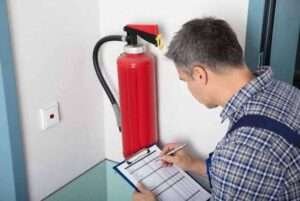
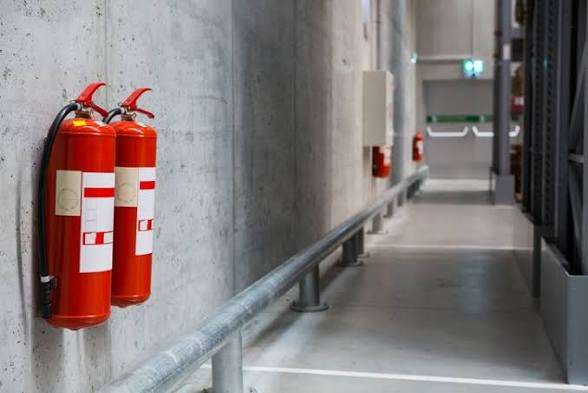
## 5. Keep Fire Extinguishers and Fire Protection Equipment Accessible
Firefighting equipment is an important part of a warehouse’s overall safety arrangements. The type of equipment required depends on the nature of the stored products, building design, fire risks, and applicable regulations.
Depending on the premises, suitable arrangements may include portable fire extinguishers, hydrants, hose reels, sprinkler systems, and other fire protection equipment.
Warehouse management should ensure that:
– Equipment is located in appropriate positions.
– Access to firefighting equipment remains clear.
– Inspection and maintenance are performed regularly.
– Instructions and identification labels remain visible.
– Faulty or damaged equipment is reported.
– Employees understand the location of safety equipment.
Fire protection equipment should be selected and maintained according to professional recommendations and relevant standards.
Employees should not attempt to fight a developing fire unless they have appropriate training, the situation is safe, and their actions are consistent with the emergency plan. Evacuation and personal safety must always take priority.
## 6. Maintain Clear Emergency Exits and Escape Routes
Emergency exits are essential for protecting warehouse employees and visitors. During a fire, people need clear and accessible routes to leave the premises safely.
Unfortunately, warehouses sometimes become overcrowded with inventory, pallets, packaging materials, and temporary equipment. These items can obstruct corridors and interfere with evacuation arrangements.
To maintain safe escape routes, warehouse management should:
– Keep emergency exits unobstructed.
– Maintain clearly identified escape routes.
– Ensure exit signs remain visible.
– Maintain emergency lighting where required.
– Avoid storing products in designated evacuation areas.
– Keep access to emergency doors clear.
– Review evacuation arrangements when warehouse layouts change.
The Building Code of Pakistan Fire Safety Provisions 2016 addresses important building fire and life-safety considerations, including means of escape and occupant safety.
Warehouse owners should review the applicable requirements for their building and confirm compliance with the relevant authorities and qualified professionals.
## 7. Control Smoking and Other Potential Ignition Sources
Smoking and unauthorized ignition sources can create avoidable fire hazards in warehouses, particularly where combustible products or packaging materials are present.
Businesses should establish clear rules regarding smoking and other activities that may introduce ignition sources.
Appropriate precautions include:
– Establishing designated smoking policies in accordance with applicable rules.
– Clearly identifying prohibited areas.
– Communicating workplace safety rules.
– Monitoring compliance through responsible supervision.
– Keeping unauthorized ignition sources away from storage areas.
– Establishing appropriate controls for maintenance activities.
Employees, visitors, drivers, and contractors should understand the warehouse’s fire safety policies.
Management should also review procedures for activities that may introduce additional fire risks and ensure that these activities are properly assessed and supervised by qualified personnel.
## 8. Train Warehouse Employees in Fire Safety
Employees are an important part of warehouse fire prevention. They work with inventory, machinery, electrical equipment, and loading operations, so they may identify unsafe conditions before management becomes aware of them.
Regular fire safety training helps employees understand workplace hazards and respond appropriately during emergencies.
Training should cover:
– Recognizing common fire hazards.
– Reporting unsafe conditions.
– Understanding fire alarm notifications.
– Identifying emergency exits.
– Following evacuation procedures.
– Knowing designated assembly areas.
– Understanding the location of fire protection equipment.
– Communicating with supervisors during emergencies.
Training should be appropriate for employees’ responsibilities. Supervisors and designated emergency personnel may require additional instruction.
New employees should receive basic fire safety information during workplace orientation. Refresher sessions should also be arranged periodically.
An informed workforce can help create a stronger safety culture throughout the warehouse.
## 9. Develop a Practical Emergency Response Plan
Every warehouse should have an emergency response plan that explains how employees and visitors should respond when a fire or other emergency occurs.
A written plan should reflect the actual building layout, working arrangements, number of employees, and potential hazards.
Important elements include:
– Emergency reporting procedures.
– Alarm notification arrangements.
– Primary and alternative evacuation routes.
– Designated assembly points.
– Staff communication responsibilities.
– Assistance for people requiring additional support.
– Procedures for contacting emergency services.
– Coordination with emergency responders.
Employees should know where to assemble after leaving the premises. Management should also establish a suitable method for accounting for workers and visitors.
Emergency plans should be reviewed whenever the warehouse layout, inventory, workforce, or operational activities change.
Regularly planned evacuation exercises can help employees become familiar with emergency procedures and identify areas that need improvement.
## 10. Maintain Good Housekeeping and Clean Storage Areas
Good housekeeping is often overlooked, but it is an essential part of warehouse fire prevention.
Packaging waste, cardboard, plastic materials, dust, and unnecessary storage can contribute to unsafe workplace conditions. Poor housekeeping may also obstruct access to emergency equipment and escape routes.
Warehouse management should establish a regular cleaning and inspection schedule.
Useful practices include:
– Removing unnecessary packaging waste.
– Keeping storage sections organized.
– Maintaining clean walkways.
– Preventing waste accumulation.
– Keeping equipment access areas clear.
– Following appropriate procedures for waste storage.
– Reporting damaged or unsafe storage arrangements.
Cleaning responsibilities should be assigned clearly so employees know which areas they are expected to maintain.
A clean warehouse is easier to monitor and can help management identify potential hazards more quickly.
## 11. Consider the Special Risks of Different Warehouse Types
Not every warehouse has the same fire safety requirements. The nature of stored products and daily activities can significantly influence the type of protection needed.
**Textile and clothing warehouses**
Textiles, fabric rolls, cartons, and packaging materials require careful storage and fire risk management. Storage arrangements should follow applicable fire safety requirements, and detection and protection systems should be suitable for the premises.
**Electronics warehouses**
Electrical products and charging-related activities may introduce additional considerations. Electrical installations, storage arrangements, and product-specific safety instructions should be reviewed.
**Food warehouses**
Food storage facilities may include refrigeration equipment, electrical systems, packaging, and temperature-controlled areas. Equipment maintenance and good housekeeping are important.
**Furniture warehouses**
Furniture and associated packaging materials can contribute to combustible storage loads. Appropriate storage separation, access routes, and fire protection arrangements should be maintained.
**Industrial warehouses**
Industrial facilities may contain machinery and materials that require specialized fire risk assessments. Businesses should consult qualified professionals to determine suitable protective measures.
Understanding these differences helps warehouse owners avoid relying on a generic safety arrangement that may not address their actual risks.
## 12. Schedule Regular Fire Safety Inspections
Installing safety equipment is only the beginning. Regular inspections help confirm that equipment remains operational and that warehouse arrangements continue to meet safety requirements.
Inspections should cover the building, storage areas, electrical installations, alarm equipment, firefighting facilities, and evacuation routes.
A useful inspection schedule may include:
– Reviewing fire alarm system condition.
– Checking access to emergency exits.
– Reviewing fire extinguisher inspection records.
– Checking visible damage to electrical installations.
– Inspecting storage and housekeeping conditions.
– Confirming that safety signs remain visible.
– Reviewing employee training records.
– Updating emergency contact information.
Inspection frequency should follow applicable regulations, equipment manufacturer recommendations, and professional guidance.
Warehouse managers should maintain records of inspections, identified problems, and corrective actions. This makes it easier to monitor safety performance and demonstrate that important maintenance responsibilities are being addressed.
## 13. Understand the Importance of Fire Safety Compliance in Pakistan
Businesses operating warehouses in Pakistan should understand the fire safety requirements applicable to their premises.
The Building Code of Pakistan Fire Safety Provisions 2016 provides an important framework for building fire protection and life safety. Depending on the building and its use, additional requirements may apply through local authorities, civil defence departments, and other relevant regulatory bodies.
Warehouse owners should seek professional advice regarding:
– Building fire safety arrangements.
– Fire detection and alarm requirements.
– Means of escape.
– Firefighting equipment.
– Occupancy and storage conditions.
– Inspection and maintenance responsibilities.
– Emergency preparedness.
Requirements may differ according to location, building type, occupancy, and the materials stored.
Businesses should avoid assuming that one fire safety arrangement is suitable for every warehouse. Professional assessment helps identify the requirements that apply to the specific premises.
## 14. Why Investing in Warehouse Fire Safety Makes Business Sense
Some business owners consider fire safety an additional expense rather than an essential investment. However, prevention and preparedness can help reduce the financial and operational consequences of a fire.
A warehouse fire may affect more than the physical building. It can disrupt deliveries, damage inventory, interrupt customer relationships, and create difficulties for employees and business partners.
Investing in suitable safety arrangements can provide several benefits:
**Protection of employees:** Appropriate prevention and emergency arrangements help create a safer working environment.
**Inventory protection:** Suitable detection and protection systems can help reduce the potential consequences of fire incidents.
**Business continuity:** Better preparedness may reduce operational disruption following an emergency.
**Improved safety management:** Regular inspections and training encourage responsible workplace practices.
**Regulatory awareness:** Understanding applicable requirements helps businesses manage their compliance responsibilities.
**Greater confidence:** Customers, employees, and business partners can have greater confidence in a business that takes workplace safety seriously.
The cost of prevention should be considered alongside the potential consequences of an avoidable fire incident.
## 15. Warehouse Fire Safety Checklist
Warehouse managers can use the following checklist as a starting point for reviewing important safety arrangements.
### Fire Prevention
Potential fire hazards have been identified.
Electrical installations are professionally maintained.
Smoking rules are communicated.
Storage areas are organized.
Packaging waste is managed properly.
Special storage requirements are followed.
### Fire Detection and Protection
Suitable fire detection arrangements are installed.
Alarm equipment is inspected and maintained.
Firefighting equipment is accessible.
Required emergency lighting is operational.
Safety signs are visible.
Maintenance issues are addressed.
### Emergency Preparedness
Emergency exits remain clear.
Evacuation routes are identified.
Assembly areas are designated.
Employees understand emergency procedures.
Emergency contacts are available.
Evacuation exercises are arranged where appropriate.
### Management and Training
Fire safety responsibilities are assigned. Employees receive appropriate training.
Contractors understand relevant safety rules.
Inspection records are maint