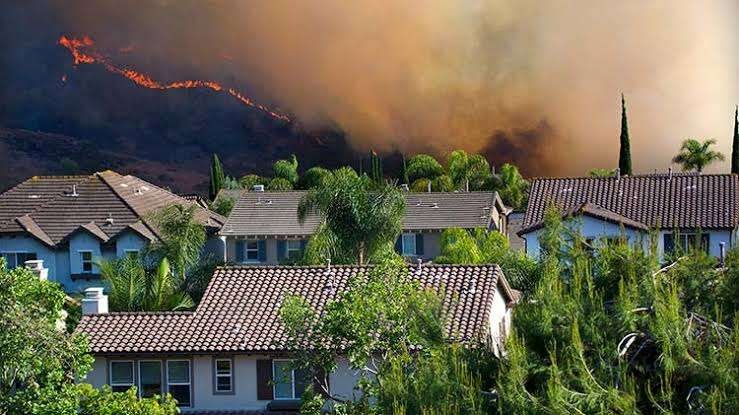
Wildfires can spread through forests, grasslands, shrubs, and other dry vegetation. When a fire approaches residential areas, it may threaten homes, outdoor structures, roads, and essential services.
Homeowners living near wooded areas, dry grasslands, agricultural land, or open spaces should understand how outdoor fires can affect their properties. Although no household can eliminate every wildfire risk, sensible preparation can reduce avoidable hazards and help families respond more safely.
Pakistan’s National Disaster Management Authority (NDMA) includes community preparedness, vegetation management around homes, evacuation planning, and clear access for emergency vehicles among its forest-fire preparedness measures. <Cite refs={[“turn992676search12”]}/>
Wildfire safety is not simply about buying equipment. It involves understanding local risks, maintaining the property, following official warnings, and knowing when to leave.
1. Understand the Main Causes of Wildfires
Wildfires can begin naturally or result from human activities. Lightning can ignite dry vegetation, while unattended outdoor fires, burning waste, discarded smoking materials, and sparks from certain activities may also start fires.
Dry weather, strong winds, and readily available vegetation can contribute to fire spread. The precise risk varies by location, season, vegetation, and weather conditions.
Homeowners can reduce preventable ignition risks by avoiding careless burning, following local restrictions, and ensuring that outdoor cooking or other permitted activities are managed responsibly.
Never assume that a small outdoor fire is harmless simply because it appears manageable at first. If a fire escapes its intended area or begins spreading through vegetation, move away and report it to the appropriate authorities.
2. Assess the Wildfire Risk Around Your Home
Start by looking at the surroundings of your property.
Homes near forests, hillsides, dry fields, unmanaged grass, or dense shrubs may face different risks from homes in closely built urban neighbourhoods.
Consider whether dry vegetation accumulates near buildings, whether overhanging branches are close to roofs, and whether emergency vehicles could reach the property.
Also consider the access routes available to your family. A narrow road, limited exits, or a remote location may make it especially important to understand evacuation instructions in advance.
Local authorities and disaster-management agencies can provide information about regional hazards and official preparedness measures.
A simple risk review should identify:
– Areas where dry vegetation accumulates.
– Trees or branches that may need professional maintenance.
– Combustible materials stored outdoors.
– Routes that could become difficult to use during an emergency.
– Nearby locations where an approaching fire could create danger.
– Household members who may need assistance during evacuation.
Review these factors periodically, particularly before seasons when local authorities report elevated wildfire risk.
3. Maintain the Area Around Your Property
Keeping the immediate surroundings of a home reasonably clear of dry vegetation and accumulated debris can help reduce some wildfire-related hazards.
Remove fallen leaves, dead plant material, and unnecessary combustible waste from suitable areas around the property. Keep roofs, gutters, and outdoor spaces maintained so that dry debris does not accumulate unnoticed.
Trees and shrubs should be managed with attention to local conditions and environmental needs. Where substantial pruning or tree work is required, use qualified professionals.
NDMA’s 2026 summer contingency plan recommends creating defensible space around residential areas by clearing flammable vegetation and debris near homes, including roofs and gutters. <Cite refs={[“turn992676search12”]}/>
A maintained property may be easier to inspect and manage, but clearing vegetation cannot guarantee that a home will survive a wildfire. Fire behaviour, wind, building materials, and the surrounding environment all influence the outcome.
4. Pay Attention to Building Materials and Outdoor Storage
Homeowners can review whether the building and its surroundings contain avoidable fire hazards.
Roofing, external walls, doors, windows, vents, and attached structures may influence how a building responds to exposure from an approaching fire. Material choices should be based on professional advice, local building requirements, and the property’s risk profile.
Avoid storing unnecessary combustible waste close to the house. Fuel containers, LPG cylinders, and other potentially hazardous materials should be handled and stored according to supplier instructions and applicable safety requirements.
Do not attempt to relocate hazardous containers when a wildfire is approaching. If evacuation is advised, leave promptly and allow trained personnel to manage hazards.
For new construction or major renovation, discuss fire-resistant materials and relevant building requirements with a qualified professional.
5. Follow Official Wildfire Warnings
Wildfire conditions can change quickly. Wind shifts, dry vegetation, and changing weather may cause a fire to move in an unexpected direction.
Homeowners should monitor reliable information from official disaster-management authorities, local administration, emergency services, and relevant weather agencies.
Pakistan’s NDMA publishes disaster-preparedness guidance and public-service messages, including information related to forest-fire prevention. <Cite refs={[“turn992676search0″,”turn992676search3”]}/>
When a warning is issued, read it carefully and follow the instructions for your area. Avoid relying on unverified social media posts or rumours.
If authorities advise evacuation, do not delay departure while waiting for additional confirmation. Do not travel toward a fire to take photographs or investigate conditions.
6. Prepare a Family Wildfire Emergency Plan
A family emergency plan helps everyone understand what to do when an outdoor fire threatens the neighbourhood.
Discuss the plan before an emergency occurs. Each household member should know how warnings are received, which routes may be used, and where the family will reconnect if separated.
Your plan should include:
1. Reliable sources for official warnings.
2. More than one possible route away from the threatened area, where available.
3. A meeting point outside the danger zone.
4. Emergency contact details.
5. Arrangements for children, older adults, and anyone needing assistance.
6. A plan for pets, if they can be moved safely.
7. A method of contacting relatives after reaching safety.
Keep important information accessible and review the plan when family circumstances or local access routes change.
Children and teenagers should follow the household plan and responsible adults’ instructions. They should never be expected to investigate or fight a wildfire.
7. Know When to Evacuate
Evacuation is a key part of wildfire preparedness.
If authorities issue an evacuation order, follow it promptly. Do not wait until smoke or flames are visible from your home.
If conditions become dangerous, move away from the threatened area and follow instructions from emergency personnel. Avoid roads or routes that authorities have closed.
Take essential items only if they are readily accessible and collecting them will not delay departure. Do not return for possessions, attempt to protect outdoor property, or remain behind to fight an advancing fire.
After leaving, stay in the designated safe area and follow official updates. Do not return until authorities confirm that it is safe.
The NDMA’s forest-fire preparedness guidance emphasizes evacuation routes, designated safe zones, and community communication as important elements of local planning. <Cite refs={[“turn992676search12”]}/>
8. Understand the Role of Fire Detection and Alarm Systems
Fire detection equipment can be an important part of building safety, but it is necessary to understand its purpose and limitations.
Smoke alarms and building fire alarm systems are designed to warn occupants when specified signs of fire are detected or an alarm is activated. They can be valuable in homes and other buildings, especially where early warning is important.
However, a building alarm does not automatically detect every wildfire in the surrounding landscape. Outdoor wildfire monitoring and public-warning systems serve a different purpose and may involve official observations, weather information, remote sensing, and emergency communications.
A fire alarm system in Pakistan can support protection inside a home or other building when appropriately selected, installed, and maintained. It should complement—not replace—official wildfire alerts, evacuation planning, and awareness of local conditions.
Homeowners should follow the alarm manufacturer’s maintenance instructions and seek qualified assistance for installation or technical problems. Never assume that an indoor alarm means the surrounding area is safe.
9. Keep Emergency Supplies Ready
A basic emergency kit can help a household manage an evacuation or temporary disruption.
Depending on family needs and local circumstances, useful items may include:
– Drinking water and ready-to-eat food.
– Essential medicines and necessary personal items.
– A first-aid kit.
– A battery-powered torch and spare batteries.
– A charged mobile phone and suitable charging equipment.
– Copies of important documents stored securely.
– Emergency contact information.
– Suitable clothing and essential supplies for children or other family members.
Keep the kit somewhere accessible and make sure family members know where it is stored.
Do not delay an evacuation to gather supplies. Personal safety takes priority over possessions and equipment.
10. Reduce Avoidable Ignition Hazards
Everyday activities can create ignition risks when performed carelessly in dry outdoor environments.
Avoid burning garden waste or rubbish where prohibited, and follow local restrictions concerning outdoor fires. Do not leave permitted outdoor fires unattended, and ensure activities comply with applicable rules.
Keep combustible waste managed appropriately and maintain equipment according to its instructions. If local authorities issue restrictions because of dangerous weather or fire conditions, follow them.
Do not attempt to create your own firefighting operation or approach a developing wildfire. Report visible smoke or flames to the relevant authorities from a safe location.
Preventive habits are especially important when vegetation is dry and weather conditions can support rapid fire spread.
11. Coordinate With Your Neighbours
Wildfire preparedness can be more effective when households share reliable information and understand their community’s emergency arrangements.
Neighbours can discuss official warning channels, possible evacuation routes, and how to communicate if normal services become disrupted.
Where community or local-authority fire-preparedness programmes exist, residents can learn about the appropriate ways to participate.
Community planning should not involve untrained residents attempting to enter fire-affected areas or take risks to protect property. Fire suppression and rescue operations should be managed by trained and appropriately equipped responders.
Clear communication can help reduce confusion and support a coordinated response when an emergency threatens multiple homes.
12. Return Home Only When Authorities Say It Is Safe
A wildfire may leave hazards even after flames are no longer visible.
Damaged electrical installations, unstable structures, fallen trees, hot debris, and other dangers may remain in affected areas.
Wait for official permission before returning to a property. Once authorities say it is safe, follow their instructions and avoid touching damaged electrical equipment or suspicious materials.
If the building has been affected by fire, arrange an appropriate inspection before resuming normal use. Electrical, structural, gas, and other specialist systems should be assessed by qualified professionals when necessary.
Do not assume that an area is safe simply because the immediate fire appears to have passed.
A Simple Wildfire Safety Checklist for Homeowners
Use this checklist to review your household’s preparedness:
– [ ] Understand the wildfire risks around your property.
– [ ] Keep suitable areas around the home free from accumulated dry debris.
– [ ] Maintain roofs, gutters, and outdoor spaces.
– [ ] Store combustible and hazardous materials appropriately.
– [ ] Follow official fire warnings and local restrictions.
– [ ] Identify possible evacuation routes.
– [ ] Choose a family meeting point outside the danger zone.
– [ ] Prepare essential emergency supplies.
– [ ] Make arrangements for household members who need assistance.
– [ ] Maintain indoor fire detection equipment as directed.
– [ ] Keep emergency contact details accessible.
– [ ] Know when to leave and do not return until authorities say it is safe.
This checklist supports general preparedness and does not replace official evacuation instructions or professional advice for high-risk properties.
Conclusion
Wildfire safety begins with awareness and preparation. Homeowners can reduce some preventable risks by maintaining their properties, managing combustible materials, following local restrictions, and understanding official warnings.
A family emergency plan, accessible supplies, and knowledge of evacuation routes can help people respond more confidently when danger approaches. Building fire detection also has an important role, but it cannot replace outdoor wildfire monitoring or instructions from emergency authorities.
In Pakistan, NDMA guidance highlights vegetation management, community preparedness, communication, and evacuation planning as important parts of wildfire risk reduction. <Cite refs={[“turn992676search12”]}/>
The most important principle is to prioritize human safety. If a wildfire threatens your home, follow official instructions, evacuate when directed, and leave firefighting to trained responders.
FAQs
1. What is wildfire safety for homeowners?
Wildfire safety involves reducing preventable fire hazards around a property, monitoring official warnings, preparing emergency supplies, and knowing how to evacuate safely when an outdoor fire threatens the area.
2. How can homeowners reduce wildfire risks around their properties?
Homeowners can maintain roofs and gutters, remove accumulated dry debris from suitable areas, manage vegetation responsibly, store hazardous materials according to safety instructions, and follow local fire restrictions.
3. Does a home fire alarm detect wildfires outside?
A typical home fire alarm is designed to detect specified signs of fire inside a building or in the areas it protects. It should not be treated as a substitute for outdoor wildfire monitoring or official emergency warnings.
4. What should a family do when authorities order evacuation?
Follow the order promptly, use a safe route away from the threatened area, and go to the designated safe location if one has been identified. Do not delay to collect possessions or return until authorities confirm that it is safe.
5. Should homeowners try to extinguish an approaching wildfire?
No. An uncontrolled wildfire can spread rapidly and create dangerous conditions. Move away from the danger, follow official instructions, and report the fire to the appropriate authorities from a safe location.