Fire safety laws are designed to reduce fire risks, protect human life, and establish clear responsibilities for building owners, businesses, and other relevant parties. From commercial offices and shopping centres to factories, hospitals, schools, and residential buildings, appropriate fire-protection measures can make a significant difference during an emergency.
Understanding these requirements is especially important in Pakistan, where buildings differ widely in design, occupancy, construction, and available emergency facilities. A small workplace may have different safety requirements from a high-rise commercial tower or an industrial facility.
Fire safety is not simply about purchasing extinguishers or installing an alarm. It also involves suitable building design, accessible exits, appropriate firefighting arrangements, inspection, maintenance, and emergency planning.
The Building Code of Pakistan – Fire Safety Provisions 2016 is an important national reference for fire prevention and life safety in buildings. However, the precise requirements applicable to a property depend on its location, occupancy, design, and the rules enforced by the relevant authority.
This guide explains the fundamentals of fire-safety laws in Pakistan, the responsibilities associated with building safety, and the practical steps that help organizations understand and manage their obligations.
What Are Fire Safety Laws?
Fire safety laws are legal provisions, regulations, building codes, and related requirements intended to prevent fires, reduce their consequences, and protect occupants.
Depending on the jurisdiction and type of property, these requirements may address:
– Fire prevention and hazard control
– Building construction and fire-resistant features
– Fire detection and alarm arrangements
– Portable extinguishers and fixed firefighting systems
– Emergency exits and escape routes
– Evacuation procedures and emergency planning
– Inspection, testing, and maintenance
– Access for emergency responders
– Responsibilities of building owners and occupants
Not every requirement applies to every building. The relevant rules may depend on the building’s use, size, height, occupancy, construction, and particular hazards.
For this reason, businesses should identify the regulations that apply to their premises instead of relying on a general checklist alone.
1. Understanding the Building Code of Pakistan – Fire Safety Provisions 2016
One of the main references for building fire safety in Pakistan is the Building Code of Pakistan – Fire Safety Provisions 2016.
The Pakistan Engineering Council (PEC) lists the provisions among its building-safety policies. The code addresses fire prevention, life safety, and fire protection for buildings and structures. Its framework covers subjects such as occupancy classification, building services, fire-protection systems, means of egress, water supplies, and fire-department access.
The provisions were introduced through a government notification published in the Gazette of Pakistan in November 2016. The notification identifies relevant authorities responsible for implementation and enforcement within their respective jurisdictions.
These authorities may include building-control bodies, development authorities, district and municipal administrations, cantonment administrations, Civil Defence directorates, industrial estates, and other designated organizations. <Cite refs={[“turn242682search1″,”turn242682search21″,”turn242682search22”]} />
Why does the code matter?
A building’s fire protection should be considered during design, construction, alteration, and use.
For example, a building’s layout can affect the number and arrangement of escape routes. Its occupancy and hazards can influence the type of fire detection and suppression equipment required.
The code provides a structured reference for evaluating these matters.
Property owners and developers should confirm how the provisions have been adopted and enforced by the authority responsible for their location. They should also check for applicable amendments and additional local requirements.
2. Fire Safety Requirements Can Differ by Location
Pakistan’s fire-safety framework includes national building-code provisions alongside provincial regulations and local approval procedures.
This means that the compliance process for a property in Punjab may differ from the process for a property in Sindh or Islamabad.
For example, Punjab’s emergency services department publishes information about the Punjab Community Safety Act 2021 and Punjab Community Safety Buildings Regulations 2022. In September 2026, Dawn reported that amended building-safety regulations had been circulated in Punjab for commercial, industrial, healthcare, residential multi-storey buildings, and warehouses. <Cite refs={[“turn242682search3″,”turn242682search2”]} />
In Islamabad, the Capital Development Authority reported in January 2026 that it had completed an initial survey of fire-safety arrangements in public and private buildings. The authority also discussed fire-safety plans and certificates as part of its compliance efforts. <Cite refs={[“turn242682search12”]} />
These examples demonstrate why property owners should not assume that one set of instructions automatically covers every location.
Before starting construction, modifying a building, or opening a business, the responsible parties should consult the relevant building-control authority and determine which approvals and inspections are required.
3. Fire Detection and Alarm Systems
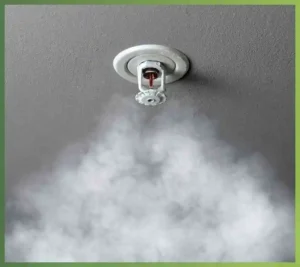
Early warning is an important part of building fire safety. A fire detection and alarm system can help identify a developing fire and alert occupants so they can follow the emergency procedure.
Depending on the building and applicable requirements, a system may include automatic detectors, manual alarm points, audible or visual warning devices, a control panel, and associated power supplies.
The design must reflect the building’s layout, occupancy, and fire risks.
What should building owners consider?
A suitable assessment should determine:
– Whether a fire alarm system is required
– Which areas need detection
– How occupants will receive a warning
– Whether the warning can be recognized throughout relevant areas
– How the system will be powered and maintained
– What inspection and testing procedures apply
A fire alarm system in Pakistan should not be selected simply because it is inexpensive or widely available. Its suitability depends on the building’s requirements, the applicable standards, and the design of the overall fire-protection arrangement.
Installation, commissioning, and technical maintenance should be carried out by suitably qualified professionals.
Punjab Civil Defence identifies fire detection and alarm systems among the safety measures inspected in relevant industrial, commercial, and high-rise premises. <Cite refs={[“turn242682search0”]} />
4. Fire Extinguishers and Firefighting Equipment
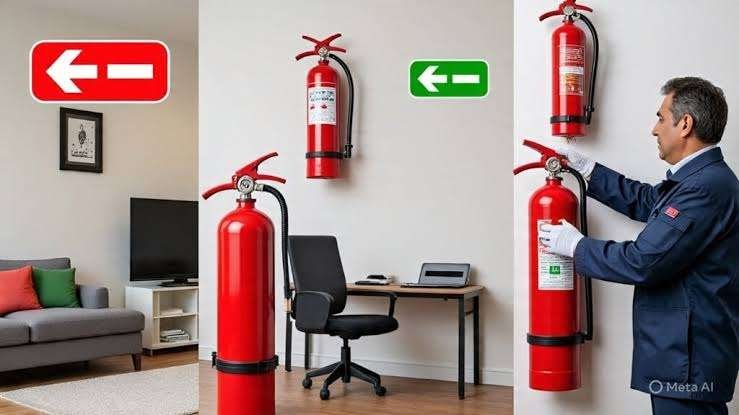
Fire-safety requirements may include portable extinguishers and other firefighting equipment appropriate to the building’s hazards.
The exact equipment needed depends on factors such as the materials present, activities carried out, occupancy, and applicable regulations.
Different extinguishers use different agents. An extinguisher suitable for ordinary combustible materials may not be appropriate for burning cooking oil, energized electrical equipment, or combustible metals.
Building owners should therefore ensure that the selected equipment is suitable for its intended application.
Maintenance is equally important
Firefighting equipment should not be considered reliable simply because it is present.
Depending on the equipment, maintenance may include visual inspections, professional servicing, testing, and documentation. Defects should be addressed by qualified personnel.
Punjab Civil Defence includes firefighting arrangements such as extinguishers, hydrants, and sprinkler systems among the measures considered during relevant inspections. <Cite refs={[“turn242682search0”]} />
Occupants should understand that equipment is not a substitute for evacuation. If a fire is spreading or conditions are unsafe, people should leave the building and contact the appropriate emergency service.
5. Emergency Exits and Escape Routes
An effective fire-safety plan must provide occupants with a suitable way to leave a building during an emergency.
Escape routes should be designed according to the building’s layout, occupancy, and applicable requirements. Relevant provisions may address exit numbers, travel distances, stairways, doors, signs, and emergency lighting.
The exact arrangements required for a building should be established through the applicable code and professional assessment.
Keep exits accessible
Even a properly designed exit may become ineffective if it is blocked by furniture, boxes, equipment, or stored goods.
Building management should ensure that designated escape routes remain accessible and that occupants can identify the appropriate exits.
Where required, exit signs and emergency lighting should be maintained so people can recognize the route during a loss of normal lighting.
Employees and visitors should also know where to assemble after evacuation.
The Building Code of Pakistan – Fire Safety Provisions 2016 includes provisions addressing means of egress. Punjab’s building-safety framework also addresses exit and staircase arrangements for relevant buildings. <Cite refs={[“turn242682search21″,”turn242682search2”]} />
6. Fire Safety Responsibilities of Building Owners and Managers
Building owners, occupiers, and managers have important responsibilities in maintaining appropriate safety arrangements. Their exact legal obligations depend on the property, applicable law, and the authority responsible for enforcement.
In practice, responsible management commonly involves arranging appropriate fire-risk assessments, ensuring required systems are provided, maintaining equipment, keeping exits accessible, and responding to inspection findings.
Maintain records
Documentation can help demonstrate that safety arrangements are being managed systematically.
Relevant records may include:
– Approved fire-safety plans
– Inspection reports
– Equipment maintenance records
– Alarm-system testing records
– Evacuation procedures
– Staff training and drill records
– Corrective actions taken after defects are identified
– Relevant approvals or certificates
The exact documents required vary by jurisdiction and building type.
Address problems promptly
If an inspection identifies a defect, the responsible party should understand the required corrective action and arrange appropriate work.
Fire-safety equipment should not be disabled or modified without proper authorization and technical assessment.
Clear responsibility for reporting and correcting problems helps reduce the chance that a known hazard remains unresolved.
7. Fire Safety in Commercial and Industrial Buildings
Commercial and industrial buildings may have additional fire risks because of their occupancy, size, operations, or stored materials.
Offices, hotels, shopping centres, warehouses, factories, and healthcare facilities may require different protective arrangements.
For example, a warehouse storing combustible goods may need a different fire-protection design from an office building. A factory handling specialized materials may require additional technical controls.
Fire-safety planning should therefore consider the building’s actual use rather than applying identical arrangements everywhere.
The relevant assessment may consider:
– Occupancy classification and expected numbers of people
– Fire detection and warning systems
– Firefighting equipment and water supplies
– Protected escape routes
– Emergency access for responders
– Fire-resistant construction features
– Equipment maintenance
– Emergency procedures and staff awareness
The Building Code of Pakistan – Fire Safety Provisions 2016 provides a national reference for these areas, while local authorities may apply additional rules or approval processes.
8. Inspections, Approvals, and Compliance
Inspection is one way authorities assess whether relevant fire-safety arrangements meet the applicable requirements.
The inspection process can vary by location and type of building. Some premises may be subject to specific approval procedures, safety certificates, or recurring inspections.
For example, Punjab Civil Defence states that its mandate includes inspecting fire-safety measures in industrial, commercial, and high-rise premises. Its published list of measures includes alarm systems, firefighting arrangements, fire-safety plans, emergency fire-control facilities, and evacuation arrangements. <Cite refs={[“turn242682search0”]} />
The Capital Development Authority has also reported fire-safety surveys and compliance-related documentation efforts for buildings in Islamabad. <Cite refs={[“turn242682search12”]} />
How can a property prepare?
A responsible approach includes identifying the relevant authority, understanding the applicable requirements, maintaining documentation, arranging professional inspections where required, and correcting identified deficiencies.
Owners should not assume that a building complies merely because it has passed an earlier inspection. Building alterations, changes in occupancy, and deterioration of equipment may require further review.
Because legal requirements can change, organizations should confirm the current rules with the authority responsible for their property.
9. Staff Training and Emergency Preparedness
Equipment and written procedures are only part of workplace fire safety. People also need to understand how to respond to an alarm or other warning.
Appropriate training can explain how to recognize the alarm, use designated escape routes, reach the assembly point, and report an emergency.
Evacuation drills can help organizations identify problems with communication, signage, or the practical use of escape routes.
What should employees know?
Staff should understand:
– What the fire alarm sounds or looks like
– Which escape routes are designated
– Where the assembly point is located
– How to report a fire or suspected hazard
– Who is responsible for coordinating evacuation
– Why they should not re-enter the building until authorized
Training should reflect the workplace and applicable requirements. Technical work involving alarms, electrical installations, or firefighting systems should be left to appropriately qualified professionals.
Children, visitors, and other people who are unfamiliar with the premises may need clear instructions and assistance from responsible adults or designated staff.
10. Common Fire-Safety Compliance Mistakes
Organizations can overlook important safety details even when they intend to comply with the rules.
Treating equipment installation as complete compliance
Installing an alarm or extinguisher does not automatically mean the building meets every applicable requirement. The equipment must be suitable, properly installed, maintained, and supported by other necessary arrangements.
Ignoring blocked exits
Stored goods and furniture can obstruct escape routes. Regular inspections should identify and correct such problems.
Neglecting maintenance records
Missing records can make it difficult to establish whether required inspections and servicing have taken place.
Assuming all locations follow identical rules
National provisions, provincial regulations, and local approval processes may differ. The responsible authority should be consulted.
Delaying corrective action
Known defects in alarms, firefighting equipment, or escape routes should be addressed promptly through the appropriate process.
Having no clear evacuation procedure
People need to understand what to do when a warning occurs. A written plan and appropriate practice help reduce confusion.
Avoiding these mistakes supports better preparedness and helps organizations manage their responsibilities more effectively.
A Practical Fire Safety Compliance Checklist
Building owners and managers can use this general checklist as a starting point:
– [ ] The relevant building and fire-safety requirements have been identified.
– [ ] The responsible local authority has been consulted where necessary.
– [ ] Required fire detection and alarm arrangements are provided.
– [ ] Suitable firefighting equipment is available where required.
– [ ] Equipment receives appropriate inspection and maintenance.
– [ ] Escape routes and emergency exits remain accessible.
– [ ] Required exit signs and emergency lighting are maintained.
– [ ] A suitable fire-safety and evacuation plan is available.
– [ ] Staff understand the emergency procedure.
– [ ] Required inspections and approvals have been arranged.
– [ ] Relevant safety records are maintained.
– [ ] Identified defects are corrected by responsible, qualified personnel.
– [ ] Significant changes to the building or its use trigger a review.
This checklist is not a legal determination of compliance. The requirements for a specific property must be confirmed with the relevant authority and qualified professionals.
Final Thoughts
Fire safety laws in Pakistan provide a framework for reducing hazards, protecting occupants, and establishing responsibilities for suitable building protection. The Building Code of Pakistan – Fire Safety Provisions 2016 is an important national reference, while provincial regulations and local approval procedures may add requirements for particular buildings.
For building owners and businesses, understanding the applicable rules is the first step. The next is ensuring that required alarms, firefighting equipment, escape routes, emergency plans, and maintenance arrangements are appropriate for the premises.
A fire alarm system in Pakistan may be an important part of a building’s fire-protection strategy, but it cannot replace safe building design, effective evacuation arrangements, or ongoing maintenance.
Organizations should seek current guidance from the authority responsible for their property, retain relevant records, and use qualified professionals for technical fire-safety work.
Above all, legal compliance should support the central purpose of fire safety: protecting human life. When a fire occurs, occupants should follow the emergency plan, evacuate promptly, and avoid attempting to handle a dangerous situation themselves.
Frequently Asked Questions
1. What is the main fire-safety code in Pakistan?
The Building Code of Pakistan – Fire Safety Provisions 2016 is an important national reference covering fire prevention, life safety, and fire protection in buildings. Additional provincial and local requirements may also apply.
2. Are fire-safety requirements the same throughout Pakistan?
No. National building-code provisions operate alongside relevant provincial regulations, local authority requirements, and approval procedures. Building owners should confirm which rules apply to their specific property.
3. Is a fire alarm system required in every building?
Requirements depend on the building’s occupancy, size, design, hazards, and applicable regulations. The responsible building-control authority or a qualified fire-safety professional can help determine the requirements for a particular property.
4. Who is responsible for maintaining fire-safety equipment?
Responsibilities depend on the applicable laws, property arrangements, and the role of the owner, occupier, or building manager. Required inspection and maintenance should be arranged by the responsible party, with technical work performed by suitably qualified personnel.
5. How can a business improve fire-safety compliance?
A business can begin by identifyi