Schools are places where children learn, build friendships, and develop skills for the future. Keeping students safe is therefore one of the most important responsibilities of school management. Alongside academic learning, schools need effective safety arrangements that help protect students, teachers, administrative staff, and visitors during emergencies.
Fire is one of the hazards that schools must prepare for. Electrical faults, kitchen equipment, laboratory activities, damaged wiring, and poorly maintained appliances can create fire risks. If a fire develops during school hours, the presence of many students in classrooms, corridors, stairways, and shared spaces can make an orderly evacuation more challenging.
The good news is that proper preparation can reduce avoidable risks and help people respond more effectively. Fire prevention, early warning, suitable equipment, clear escape routes, staff training, and regular evacuation drills all contribute to a safer learning environment.
In Pakistan, the National Disaster Management Authority (NDMA) has developed the Pakistan School Safety Framework to help educational institutions prepare for emergencies. The framework emphasizes school safety planning, evacuation procedures, drills, and coordinated responsibilities.
A suitable fire alarm system in Pakistan can be an important part of a school’s protection arrangements because it can alert occupants when a potential fire is detected. However, an alarm alone cannot guarantee safety. It must be supported by appropriate maintenance, trained staff, accessible exits, and a clear emergency plan.
This guide explains how school fire safety saves lives, which precautions matter most, and how schools can create a safer environment for everyone.
Why Is Fire Safety Important in Schools?
Schools often accommodate large numbers of children who may not know the building’s layout as well as teachers and staff. Students may be spread across classrooms, laboratories, libraries, cafeterias, playgrounds, and other areas.
During a fire, confusion can develop if people do not understand the warning signal or know which exit to use. Crowded corridors, locked doors, and unclear instructions may also delay evacuation.
A well-prepared school reduces these problems by establishing clear procedures before an emergency occurs.
Effective fire safety helps schools:
– Identify and reduce potential fire hazards.
– Warn occupants when a possible fire is detected.
– Guide students and staff towards safe exits.
– Prevent unnecessary confusion during evacuation.
– Account for students and staff after leaving the building.
– Arrange assistance for younger children and people with disabilities.
– Coordinate with emergency services when needed.
Fire safety is not simply about protecting school property. Its primary purpose is to protect human life.
1. Identify Potential Fire Hazards
The first step in school fire safety is identifying places and activities that may create fire risks.
Different schools have different layouts and facilities. A school with science laboratories, a cafeteria, a generator room, or specialized workshops may face different hazards from a smaller institution with only classrooms and offices.
School management should arrange regular inspections and address problems before they become emergencies.
Common areas to assess include:
– Electrical wiring, switchboards, and sockets
– Computer rooms and charging areas
– Science laboratories and workshops
– Kitchens and food preparation areas
– Generator rooms and backup power equipment
– Storage rooms containing paper, cardboard, or other combustible materials
– Stairways, corridors, and emergency exits
Damaged electrical equipment, unusual heating, burning smells, and repeated electrical interruptions should never be ignored.
Electrical repairs and other technical work must be handled by qualified professionals. Students should not be expected to investigate or repair dangerous equipment.
2. Install Suitable Fire Detection and Alarm Equipment
Early warning is one of the most important parts of school fire safety.
A fire may start in a room that is empty or in an area where students and teachers cannot immediately see smoke. A suitable detection system can identify specified signs of fire and activate a warning.
Depending on the building, a fire alarm system may include smoke or heat detectors, manual call points, audible alarms, visual notification devices, control equipment, and backup power.
Why early warning matters
An alarm gives occupants an opportunity to recognize the emergency and begin following the school’s evacuation procedures.
In a large school, a coordinated warning system can help alert people across different floors or sections of the building. The system should be appropriate for the building’s size, layout, occupancy, and fire risks.
Choosing a fire alarm system in Pakistan
When evaluating a fire alarm system in Pakistan, school management should consider the following:
– The size and layout of the school
– Areas requiring detection
– Whether the warning can be heard or otherwise received throughout occupied areas
– Backup power arrangements where required
– Integration with other fire-safety equipment where appropriate
– Installation, testing, and maintenance requirements
– Applicable building codes and local regulations
A qualified fire-safety professional can help determine the suitable arrangement.
Schools should not assume that an ordinary bell or a single standalone smoke alarm automatically meets every requirement for a larger educational building. The system must be appropriate for the school’s actual needs.
3. Keep Emergency Exits Clear and Accessible
A warning is useful only when people can reach safety.
School exits, corridors, stairways, and designated escape routes must remain accessible. Furniture, stored materials, classroom equipment, and deliveries should not block routes intended for emergency use.
School management should regularly check that:
– Exit doors can be opened as intended.
– Corridors and stairways remain unobstructed.
– Exit signs are visible.
– Emergency lighting is maintained where required.
– Evacuation routes are suitable for the building.
– Students and staff know which routes to follow.
The number, size, and arrangement of exits depend on the building and applicable requirements. School administrators should seek professional advice if the building’s escape arrangements are uncertain.
An exit route that looks clear during a routine school day may become difficult to use if equipment or stored items are allowed to accumulate. Regular inspections help identify these issues.
4. Create a Clear School Fire Evacuation Plan
Every school should have a written plan explaining what students and staff need to do when a fire alarm sounds or a fire is discovered.
The plan should reflect the school’s layout, number of occupants, age groups, and specific hazards.
A practical evacuation plan identifies:
– The warning signal and what it means
– Primary and alternative exit routes
– Designated outdoor assembly areas
– Staff members responsible for guiding students
– Procedures for checking attendance
– Arrangements for students who need assistance
– Contact details for emergency services
– Procedures for reporting missing persons
Evacuation maps should be displayed at suitable locations, and staff should understand their responsibilities.
The Pakistan School Safety Framework emphasizes school-level safety procedures, including fire evacuation, emergency drills, and contingency planning. These arrangements help turn general safety advice into practical actions that can be followed during an emergency.
5. Conduct Regular Fire Drills
A written plan is not enough if students and staff have never practised using it.
Fire drills allow school communities to become familiar with warning signals, exit routes, assembly areas, and attendance procedures. They can also reveal problems that might otherwise remain unnoticed.
For example, a drill may show that a corridor becomes crowded, an exit sign is difficult to see, or a designated assembly area is unsuitable for the number of students.
After each drill, school management should review what happened and make improvements where necessary.
A useful drill programme should:
1. Explain the purpose of the drill to students and staff.
2. Use the school’s designated warning signal.
3. Guide students towards the planned exits.
4. Ensure staff supervise students during movement.
5. Assemble everyone at the designated safe location.
6. Check attendance and report any discrepancies.
7. Record lessons learned and address identified problems.
Drills should be conducted according to applicable requirements and the school’s safety plan.
Students should be taught to remain calm, follow staff instructions, and avoid running or pushing. A drill should be organized and supervised so that it builds confidence without creating unnecessary fear.
6. Train Teachers and School Staff
Teachers and other school employees play an important role during an emergency because students often look to them for guidance.
Staff should know how to raise the alarm, guide students towards exits, communicate with designated safety personnel, and account for their assigned groups.
Training should also explain when evacuation is necessary and why people should not return to the building until the appropriate authorities confirm that it is safe.
Depending on the school’s needs, staff training may cover:
– Recognizing and reporting fire hazards
– Understanding alarm signals
– Following evacuation procedures
– Assisting younger children
– Supporting students with disabilities
– Contacting emergency services
– Providing appropriate basic first aid within their training
– Communicating attendance information to emergency responders
Only appropriately trained and authorized adults should undertake any permitted use of firefighting equipment, and only when the circumstances and emergency plan allow it. Evacuation and personal safety must remain the priority.
Students should not be assigned responsibility for fighting fires or managing dangerous equipment.
7. Maintain Fire Extinguishers and Other Safety Equipment
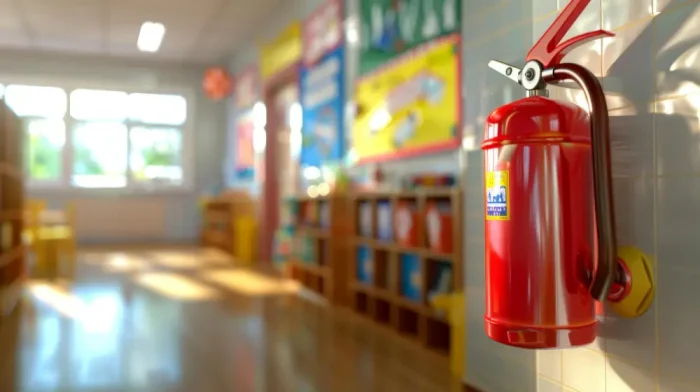
Fire extinguishers, detection equipment, emergency lighting, and other protective systems need suitable inspection and maintenance.
School management should establish a maintenance schedule based on the equipment manufacturer’s instructions, applicable regulations, and professional advice.
Checks should confirm that:
– Extinguishers are present where required.
– Equipment remains accessible and visible.
– Labels and instructions can be read.
– Damaged equipment is assessed promptly.
– Required inspections and servicing are completed.
– Alarm systems are tested according to their maintenance schedule.
– Backup power arrangements are maintained where applicable.
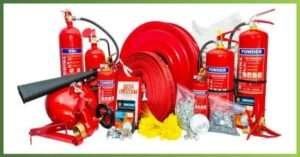
Different extinguishers are designed for different types of fire. The correct equipment depends on the hazard, so schools should not select firefighting equipment based only on appearance or price.
If an alarm or extinguisher is damaged or not operating correctly, the issue should be reported and resolved through the appropriate maintenance process.
The Punjab Civil Defence Department lists fire detection and alarm systems, firefighting arrangements, fire-safety plans, and emergency exits among the measures considered in inspections of relevant premises. Schools should also check the specific requirements applicable to their location and building.
8. Pay Special Attention to Laboratories and Kitchens
Some school facilities require additional precautions because they contain equipment or materials that may create particular hazards.
Science laboratories
Laboratories may use heating equipment, electrical devices, chemicals, or other materials requiring specific handling procedures. School management should ensure that laboratory rules, storage arrangements, ventilation, and emergency procedures are appropriate for the activities taking place.
Students should follow their teacher’s instructions and immediately report spills, damaged equipment, unusual smells, or other hazards.
School kitchens and cafeterias
Cooking equipment can produce heat and may involve gas or electricity. Kitchens should be maintained appropriately, and combustible materials should be kept away from heat sources.
Staff responsible for food preparation should know how to report hazards and follow the school’s emergency procedures.
Electrical and generator rooms
These areas should be maintained by qualified personnel and restricted to authorized people where appropriate. Students should not enter them without permission.
Routine inspections can help identify hazards before they develop into serious incidents.
9. Make Fire Safety Accessible to Every Student
A school evacuation plan must consider the needs of all occupants.
Younger children may need additional guidance, while students with disabilities may require specific assistance or accessible routes. Visitors and temporary staff should also be able to understand the school’s warning signals and emergency instructions.
School management should identify support needs in advance and include suitable arrangements in the safety plan.
This may involve:
– Assigning trained staff to provide assistance
– Keeping routes accessible
– Ensuring warning signals can reach occupants with different needs
– Displaying clear evacuation information
– Practising appropriate procedures during drills
– Checking that assembly areas can accommodate all students
These arrangements should be developed with the relevant students, families, staff, and qualified professionals as appropriate.
Inclusive planning helps ensure that fire safety is not limited to students who can evacuate without assistance.
10. Teach Students Basic Fire-Safety Awareness
Age-appropriate education helps students recognize hazards and understand what to do during an emergency.
Teachers can explain why students should not play with electrical sockets, interfere with safety equipment, or block exits with bags and furniture.
Students should know that an alarm must be taken seriously, even if they are unsure why it has sounded.
Important lessons include:
– Report smoke, fire, burning smells, or damaged electrical equipment to a responsible adult.
– Follow the teacher or designated staff member during evacuation.
– Use the assigned safe route.
– Avoid pushing, running, or stopping to collect belongings.
– Move to the designated assembly area.
– Do not re-enter the building until authorized personnel confirm it is safe.
The goal is to help students respond calmly and responsibly, not to make them responsible for managing a dangerous incident.
11. Maintain Electrical Safety and Good Housekeeping
Regular maintenance can reduce some of the hazards that may lead to a fire.
Schools should arrange professional inspection of electrical installations and promptly address damaged cables, faulty outlets, and other warning signs.
Good housekeeping is also important. Paper, packaging, cleaning materials, and other combustible items should be stored appropriately and kept away from unsuitable heat sources.
Storage rooms should not be allowed to obstruct exits or corridors. Waste should be removed regularly, and equipment should be maintained according to its instructions.
School management should keep records of inspections and repairs where required. A consistent maintenance programme makes it easier to identify recurring problems and confirm that corrective work has been completed.
12. Coordinate With Parents and Emergency Services
Fire safety works best when school management, teachers, families, and emergency services understand their respective roles.
Schools should maintain current emergency contact information and establish appropriate procedures for contacting local fire and rescue services.
Parents should be informed about the school’s general emergency arrangements, including how communication will take place after an incident.
During an actual emergency, families should follow official instructions rather than attempting to enter the school or crowding access roads. Uncontrolled traffic and crowds may obstruct emergency responders.
After a drill or incident, school management should review the plan, document relevant findings, and update procedures when necessary.
13. A Practical School Fire-Safety Checklist
School administrators can use the following checklist as a starting point for reviewing their arrangements.
– [ ] Fire hazards are identified and assessed.
– [ ] Electrical installations receive appropriate professional inspection.
– [ ] Suitable fire detection and alarm equipment is installed where required.
– [ ] Alarm systems are tested and maintained.
– [ ] Extinguishers and other required safety equipment are accessible.
– [ ] Emergency exits and stairways remain clear.
– [ ] Evacuation routes and maps are displayed appropriately.
– [ ] Staff understand their emergency responsibilities.
– [ ] Students receive age-appropriate fire-safety education.
– [ ] Fire drills are conducted and reviewed.
– [ ] Attendance checks and assembly arrangements are established.
– [ ] Suitable assistance is planned for students with disabilities.
– [ ] Emergency contacts are current.
– [ ] The school safety plan is reviewed periodically and after significant changes.
This checklist does not replace a professional fire-risk assessment or applicable legal requirements.
Conclusion
School fire safety saves lives by helping prevent avoidable hazards, providing early warning, and preparing students and staff to respond in an organized way.
A suitable fire alarm system in Pakistan can provide an important warning when a potential fire is detected. But the alarm must be supported by clear evacuation routes, maintained safety equipment, staff training, regular drills, and an emergency plan that considers every student.
The Pakistan School Safety Framework provides useful guidance for educational institutions preparing for emergencies. Schools should use relevant national and local guidance to develop procedures that match their buildings, occupants, and risks.
Above all, school fire safety must be a continuing responsibility rather than a one-time activity. Regular inspections, practical training, and thoughtful planning can help schools identify weaknesses before an emergency occurs.
When everyone understands the warning signal, knows where to go, and follows the established plan, a school is better prepared to protect its students, teachers, and staff.
Frequently Asked Questions (FAQs)
1. Why is fire safety important in schools?
Fire safety helps schools reduce hazards, warn occupants about potential emergencies, and guide students and staff towards safe exits. Preparation can reduce confusion and support an organized response.
2. What should a school fire-safety plan include?
It should cover warning signals, evacuation routes, assembly areas, staff responsibilities, attendance checks, emergency contacts, and arrangements for students who need assistance.
3. How often should schools conduct fire drills?
Schools should conduct drills according to applicable requirements and their safety plans. Drills should be reviewed afterward so that problems can be identified and corrected.
4. Why does a school need a fire alarm system?
A suitable alarm system can warn occupants when specified signs of fire are detected or an alarm is activated. It supports early warning but must be combined with maintenance, evacuation planning, and staff training.
5. What should students do when a fire alarm sounds?
Students should follow their teacher’s or designated staff member’s instructions, use the assign