Fire safety is often associated with restaurants, commercial kitchens, and large buildings, but many of the same safety principles are equally important at home. Cooking appliances, electrical equipment, gas connections, heating devices, and combustible materials can create fire hazards in both residential and commercial environments.
Restaurants face additional challenges because they operate busy kitchens, serve customers, store supplies, and manage employees and visitors in shared spaces. Their safety procedures offer useful lessons for families who want to reduce fire risks and prepare for emergencies.
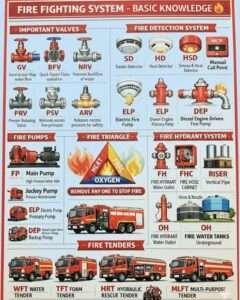
In Pakistan, fire safety deserves attention in homes, apartments, restaurants, and other buildings. The Building Code of Pakistan – Fire Safety Provisions 2016 addresses fire prevention, detection, firefighting arrangements, and life safety. Provincial Civil Defence departments also identify fire detection, alarms, firefighting equipment, and evacuation planning among important safety measures for relevant commercial premises.
A suitable fire alarm system in Pakistan can provide an important warning when smoke or another specified indication of fire is detected. However, an alarm alone cannot prevent every fire. Safe cooking habits, electrical maintenance, suitable firefighting equipment, accessible exits, and an emergency plan must work together.
This article explains the main principles of restaurant fire safety, why they matter, and how households can apply similar practices to create safer environments.
Why Is Restaurant Fire Safety Important?
Restaurants bring several potential hazards together in one place. Cooking equipment produces heat, ventilation systems collect grease, electrical appliances operate for long periods, and gas equipment may be used to prepare food. Meanwhile, employees and customers may occupy different areas of the same building.
If a fire starts, confusion, smoke, crowded exits, or poorly maintained equipment can make the situation more dangerous.
Restaurant fire safety aims to reduce these risks through prevention, early warning, appropriate equipment, training, and emergency preparedness.
The same principles apply at home. Families also use cooking appliances, electrical devices, and heating equipment, often without thinking about the risks involved.
Learning from restaurant safety practices can help homeowners recognize hazards before they become emergencies.
1. Identify Common Fire Hazards
The first step in fire safety is understanding what could cause a fire or allow it to spread.
In restaurants, common hazards may include cooking equipment, grease deposits, electrical faults, gas appliances, packaging, cleaning materials, and combustible storage.
Homes may contain similar risks, although the equipment and level of activity may differ.
A routine safety review should consider:
– Electrical cables, plugs, and sockets
– Cooking appliances and surrounding surfaces
– Gas connections and equipment
– Heating devices
– Stored paper, cardboard, fabrics, and other combustible items
– Ventilation systems and accumulated grease
– Exit routes and access to doors
Look for visible damage, unusual smells, excessive heating, or equipment that does not appear to be operating normally.
Electrical and gas repairs should be handled by appropriately qualified professionals. Children and teenagers should report hazards to a responsible adult rather than attempting repairs themselves.
2. Keep Cooking Areas Clean and Maintained
Kitchen cleanliness is an important part of fire prevention.
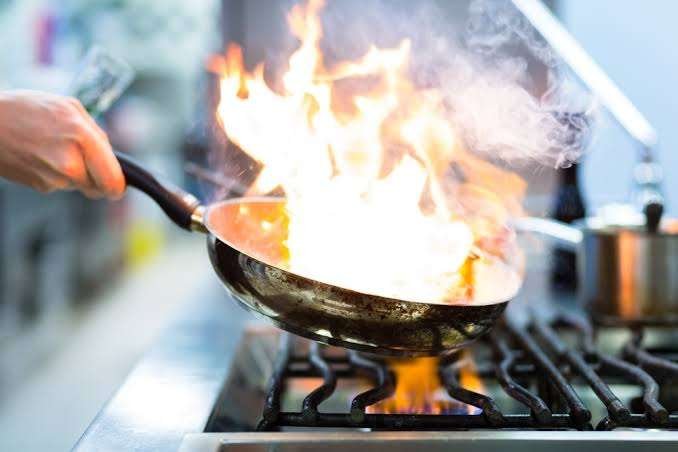
In restaurants, grease can accumulate in cooking equipment, filters, extraction hoods, and ventilation ducts. If these areas are not maintained, deposits may increase the risk of fire spreading through the kitchen ventilation system.
Household kitchens also need regular cleaning, especially around cooking appliances and other heat-producing equipment.
Useful maintenance habits include:
– Removing grease and food residue through appropriate cleaning methods.
– Keeping unnecessary combustible items away from cooking equipment.
– Maintaining ventilation components according to the manufacturer’s instructions.
– Disposing of rubbish regularly.
– Arranging professional servicing when equipment requires it.
– Keeping access to kitchen exits clear.
Commercial kitchens may need specialized inspection and cleaning schedules based on their cooking equipment, usage, and applicable requirements.
The important principle is consistency. Cleaning and maintenance should be planned rather than postponed until a visible problem develops.
3. Use Cooking Equipment Responsibly
Cooking is a normal household activity, but it requires attention because heat, fuel, and combustible materials may be present together.
Restaurants typically establish operating procedures for kitchen staff. Families can adopt similar habits by ensuring that cooking areas are supervised appropriately and that equipment is used according to manufacturer instructions.
Keep loose materials, packaging, and unnecessary objects away from heat sources. Do not ignore damaged equipment or unusual operating conditions.
If a cooking appliance appears unsafe, stop using it and inform a responsible adult or qualified professional.
Commercial kitchens may also require specialized fire-suppression arrangements for cooking equipment, depending on the hazards and applicable regulations. These systems are different from ordinary portable extinguishers and should be selected and maintained professionally.
Never attempt to manage a dangerous kitchen fire yourself. If a fire develops, prioritize warning others, leaving safely, and contacting the appropriate emergency service.
4. Inspect Electrical Installations Regularly
Electrical safety is essential in restaurants and homes because faulty wiring, damaged equipment, and poorly maintained connections can create fire risks.
Restaurants may operate refrigerators, ovens, ventilation fans, lighting, freezers, and other equipment simultaneously. Households also use multiple electrical appliances, chargers, backup power systems, and heating devices.
Regular inspection can help identify visible problems before they become more serious.
Pay attention to:
– Damaged cables or plugs
– Loose electrical fittings
– Unusual buzzing sounds
– Burning smells
– Discoloured outlets
– Equipment that becomes unusually hot
– Circuit breakers that repeatedly trip
Do not ignore these warning signs or attempt makeshift repairs. Electrical work should be completed by a qualified professional.
Restaurants should also maintain appropriate inspection records and follow the maintenance requirements applicable to their premises.
5. Install Suitable Fire Detection and Alarm Equipment
Early warning is an important part of fire safety. A fire may begin in a kitchen, storage room, electrical area, or another part of a building where occupants do not immediately notice it.
A suitable alarm can alert people when the system detects smoke, heat, or another specified indication of fire.
Why restaurants need effective warning arrangements
Restaurants may have kitchens, dining areas, storage rooms, and multiple floors. A warning must reach the people who need it, including employees working in noisy areas and customers who may be unfamiliar with the building.
The appropriate system depends on the restaurant’s size, layout, occupancy, and risks.
Why homes benefit from smoke alarms
Household smoke alarms can provide an important warning if smoke develops while family members are in another room or asleep.
Standalone smoke alarms may be appropriate for some residential settings, while larger or more complex buildings may require a more extensive fire alarm system.
Choosing a fire alarm system in Pakistan
When evaluating a fire alarm system in Pakistan, building owners should consider:
– The type and size of the property
– The areas that require detection
– The suitability of the detectors
– How occupants will receive the warning
– The availability of backup power where required
– Installation and maintenance arrangements
– Applicable building and fire-safety requirements
A qualified professional can help determine the appropriate system for the building.
An alarm should be tested and maintained according to its manufacturer’s instructions. Repeated unwanted alerts should be investigated rather than addressed by permanently disabling the device.
6. Select and Maintain Appropriate Fire Extinguishers
Restaurants and homes may require different types of firefighting equipment depending on their hazards.
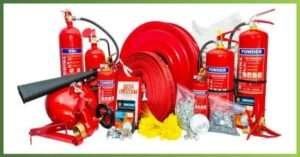
Fire extinguishers are designed for particular fire classifications. For example, an extinguisher suitable for ordinary combustible materials may not be appropriate for every flammable-liquid, electrical, or cooking-oil fire.
Commercial kitchens require special consideration because burning cooking oils and fats present different hazards from paper or wood.
Restaurant operators should obtain professional advice on the type, rating, placement, and maintenance of equipment required for their premises.
Extinguishers should remain visible, accessible, and in suitable working condition. Their labels and operating instructions should be readable, and inspections and servicing should follow applicable requirements.
At home, any selected equipment should match the likely hazards and be maintained correctly.
An extinguisher is not a reason to delay evacuation. People should only consider using one when the fire is limited, they are trained and authorized, the equipment is appropriate, and a safe escape route remains available. If conditions are uncertain, leave the area.
7. Keep Emergency Exits Clear
Clear exits are essential in restaurants because customers may not know the layout of the building. Smoke, panic, and crowded passageways can make evacuation more difficult.
Restaurant managers should ensure that doors, corridors, stairways, and designated escape routes are not blocked by furniture, deliveries, storage, or equipment.
Homes benefit from the same principle.
Families should check that:
– Hallways and doors remain accessible.
– Stairways are not used for unnecessary storage.
– Exit doors can be opened as intended.
– Household members know how to leave safely.
– Everyone knows the designated outdoor meeting point.
The number and arrangement of exits depend on the building and applicable requirements. Property owners should not assume that one exit is sufficient for every type of building.
Emergency routes should be reviewed after renovations or changes to the building layout.
8. Maintain Ventilation and Kitchen Extraction Systems
Ventilation is particularly important in restaurants because commercial cooking can produce heat, moisture, smoke, and grease-laden air.
Extraction hoods, filters, fans, and ducts need appropriate cleaning and maintenance. Grease accumulation can create an additional fire hazard, while poorly functioning ventilation may affect the kitchen environment.
Restaurant operators should establish maintenance schedules based on equipment instructions, cooking activities, and applicable standards.
The National Fire Protection Association’s NFPA 96 standard addresses ventilation control and fire protection for commercial cooking operations, including cooking equipment, exhaust systems, and associated protection arrangements.
Homeowners should also maintain kitchen ventilation equipment according to the manufacturer’s instructions, although domestic systems differ from commercial installations.
Ventilation maintenance should be carried out safely. Complex systems and difficult-to-access components should be handled by qualified service providers.
9. Train Restaurant Employees and Educate Family Members
Equipment is only one part of fire safety. People need to know how to recognize danger and respond appropriately.
Restaurants should provide staff with clear information about alarm signals, evacuation routes, emergency contacts, and their assigned responsibilities.
Training should help employees understand the emergency plan without encouraging them to take unnecessary risks.
Families can apply similar principles at home by discussing:
– What a smoke alarm sounds like
– Which exits are available
– Where to meet outside
– How to alert a responsible adult
– Why electrical or gas hazards should be reported
– Why nobody should re-enter a building during a fire emergency
Children and teenagers should never be expected to fight a fire, repair equipment, or investigate the source of smoke. Their priority is to alert a responsible adult and move to safety.
Regular discussion helps make emergency instructions more familiar before a real incident occurs.
10. Prepare an Emergency Action Plan
A restaurant’s emergency plan should reflect the building’s layout, occupancy, hazards, and applicable requirements.
It should explain how to report a fire, how staff and customers should respond, which exits are available, and where people should assemble after leaving the building.
The Building Code of Pakistan – Fire Safety Provisions 2016 addresses emergency action planning for specified types of occupancies and circumstances.
A home emergency plan can be simpler but should still be clear.
Every household should decide:
1. How family members will recognize a fire emergency.
2. Which safe exits they can use.
3. Where they will meet outside.
4. Who will assist younger children or people needing help.
5. Who will contact the appropriate emergency service.
Plans should be reviewed whenever the household or building arrangement changes.
11. Understand Fire Safety Requirements in Pakistan
Fire-safety obligations can differ according to the province, local authority, building type, occupancy, and other applicable rules.
The Building Code of Pakistan – Fire Safety Provisions 2016 provides a national framework addressing fire prevention, detection, life safety, and firefighting arrangements.
Punjab Civil Defence lists fire detection and alarm systems, firefighting arrangements, fire-safety plans, and emergency exits among measures considered in relevant inspections. The Sindh Civil Defence Department also identifies restaurants among the commercial premises for which fire-safety inspection and technical assistance may be provided.
Restaurant owners should consult the relevant authority to confirm the requirements applicable to their premises. Larger or more complex buildings may require professional fire-safety design and assessment.
Homeowners should also check the requirements that apply to their property, especially in apartment buildings and other shared residential developments.
12. Common Restaurant Fire-Safety Mistakes
Several avoidable problems can weaken a restaurant’s safety arrangements.
Neglecting grease cleaning
Grease accumulation around cooking and extraction equipment can increase fire risk.
Ignoring damaged electrical equipment
Visible damage and unusual operating conditions should be addressed by qualified professionals.
Blocking emergency exits
Furniture, stock, and deliveries should not obstruct designated escape routes.
Disabling alarm equipment
Unwanted alerts should be investigated and corrected, not permanently silenced by disabling the system.
Forgetting maintenance
Extinguishers, alarms, ventilation systems, and other equipment need appropriate inspection and servicing.
Providing insufficient staff awareness
Employees should understand the emergency plan and know how to help customers evacuate safely.
Depending on one safety measure
No single device replaces prevention, detection, evacuation planning, maintenance, and appropriate emergency response.
13. A Practical Fire-Safety Checklist for Restaurants and Homes
Use this checklist as a starting point for reviewing safety arrangements.
– [ ] Cooking equipment is used and maintained according to instructions.
– [ ] Kitchens and ventilation systems are cleaned appropriately.
– [ ] Electrical installations and appliances are in suitable condition.
– [ ] Combustible materials are kept away from heat sources.
– [ ] Suitable fire detection and alarm arrangements are provided where required.
– [ ] Alarms are tested and maintained.
– [ ] Fire extinguishers are suitable, accessible, and maintained.
– [ ] Emergency exits and escape routes remain clear.
– [ ] Employees or family members understand the evacuation plan.
– [ ] Emergency contacts and assembly points are known.
– [ ] Repairs and technical maintenance are handled by qualified professionals.
– [ ] Applicable local fire-safety requirements have been reviewed.
This checklist is not a substitute for a formal fire-risk assessment or the requirements applicable to a particular building.
Conclusion
Restaurant fire safety is about more than installing equipment. It requires regular maintenance, safe cooking practices, electrical awareness, effective detection, accessible exits, staff training, and a clear emergency plan.
These principles are useful at home as well. Families can reduce avoidable hazards by keeping kitchens clean, maintaining electrical equipment, testing smoke alarms, and ensuring everyone understands how to leave safely during an emergency.
A suitable fire alarm system in Pakistan can provide an important layer of protection by warning occupants when a potential fire is detected. Its effectiveness depends on correct selection, installation, testing, and maintenance.
Restaurants and homes have different needs, so their safety arrangements should reflect their actual hazards and applicable requirements. The most important rule is the same for everyone: prioritize human life, follow the emergency plan, and never delay evacuation to protect property.
Frequently Asked Questions (FAQs)
1. Why is fire safety important in restaurants?
Restaurants combine cooking equipment, heat, electrical systems, ventilation, combustible materials, employees, and customers. Effective fire safety helps reduce hazards, provide early warning, and support safe evacuation.
2. What are common fire hazards in restaurant kitchens?
Common hazards include cooking equipment, accumulated grease, electrical faults, gas appliances, combustible storage, and poorly maintained ventilation systems. Each restaurant should assess its specific risks.
3. Why does a restaurant need a fire alarm system?
A suitable alarm can warn staff and customers when a potential fire is detected or an alarm is activated. The system should be appropriate for the building and maintained according to applicable requirements.
4. Can homeowners learn from restaurant fire-safety practices?
Yes. Homes can benefit from regular kitchen cleaning, safe electrical practices, suitable smoke alarms, clear exits, and a household emergency plan.
5. Is installing a fire alarm enough to make a building safe?
No. A fire alarm is one part of a wider fire-safety strategy. Prevention, suitable firefighting equipment, clear escape routes, maintenance, training, and emergency planning are also important.